独立的中国旅行指南
把中国讲清楚。
34 个省份、154 个城市、1880 个地方:门票、开放时间、怎么去、书上怎么说,13 种语言。
Free. No account needed to plan; sign in only to save and share.
1,880 places · 154 cities · 34 provinces · 13 languages

Featured · 广西壮族自治区
漓江
整个漓江的风光只能用如诗如画来形容,当你真正走进这幅画卷的时候,你会发现,所有的词汇都显得苍白无力。
漓江, 广西壮族自治区 · AI illustration for China Trip

黄山
黄山154平方千米的景区以奇松、怪石、云海、温泉“四绝”闻名天下。有谚语说:“不到文殊院(玉屏楼),不见黄山面;不到天都峰,白跑一场空;不到光明顶,不见黄山景;不到狮子峰,不见黄山踪;不到始信峰,不见黄山松。”
黄山, 安徽省

莫高窟
位于敦煌市东南25千米的鸣沙山南侧,是中国第一大洞窟,其中最为精美的要数它的壁画彩绘,从前秦至隋唐各个时期均有雕塑彩绘制作,堪称中华艺术瑰宝。1900年道士王元禄发现了藏经洞中封存的近6万件历史文物,包括各种文字编写的佛经、史籍、书信、文学作品、社会资料,是研究4—11世纪中国历史的宝库。可惜清末民初社会动乱,大量的文物资料已被外国人掠去,我国现存藏经洞文物不足发现时的1/3。现存492个洞窟,内有彩塑2415尊,壁画45000平方米。九层楼是莫高窟的标志性建筑,内有唐代34米高的石胎泥塑大佛一尊,与另一座26米高的大佛并称为南北大佛。
敦煌, 甘肃省
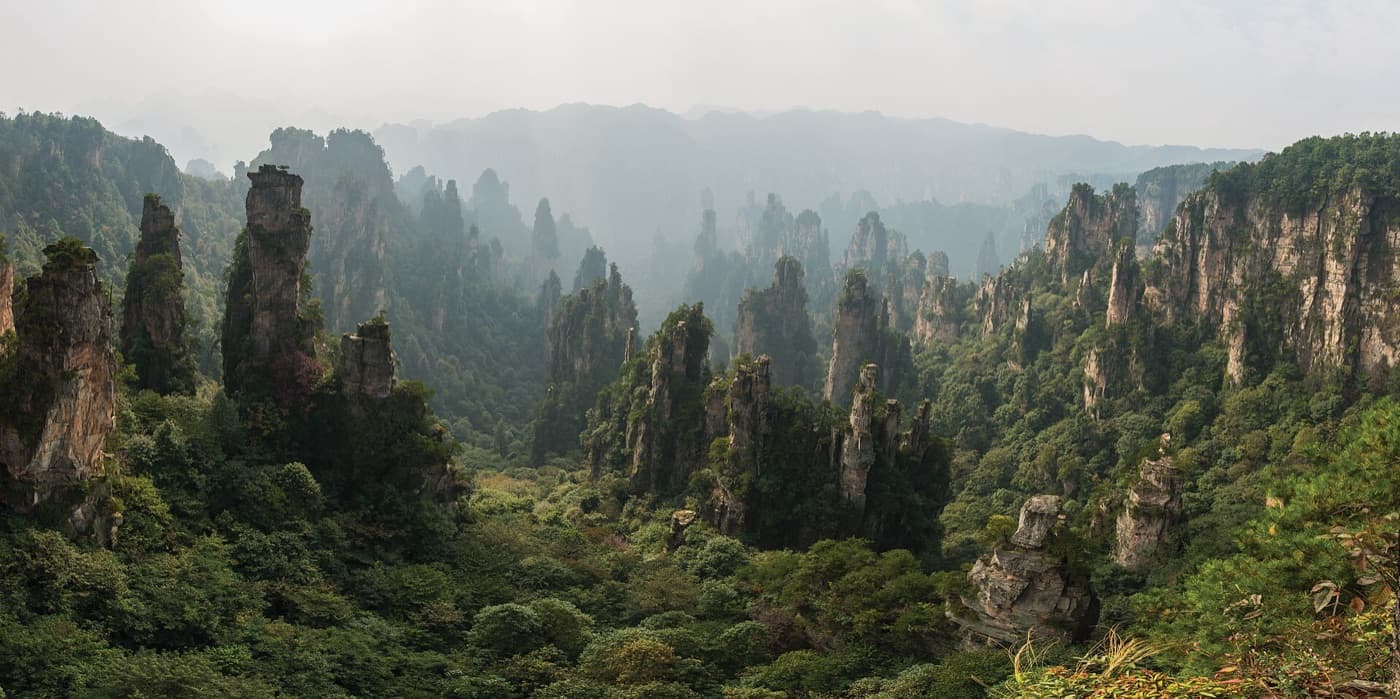
张家界国家森林公园
张家界国家森林公园又名青岩山,是与九寨沟齐名的风景点,是我国第一个国家森林公园。景区森林内有珙桐、银杏、鹅掌楸等众多珍贵树种,珍稀动物包括猕猴、大鲵等。这里的异峰巧石、山泉飞瀑、深林奇树及珍禽异兽共同组成了一幅世间罕见的自然景观。 张家界国家森林公园里包括黄石寨、金鞭溪、腰子寨、沙刀沟、琵琶溪等旅游景区,景点达100多个。 张家界景区采用指纹IC卡电子门票,国家森林公园实行一票制,四日通票,可持票游览杨家界、天子山、金鞭溪、黄石寨、袁家界。 金鞭溪 金鞭溪自老磨湾至水绕四门,全长7.5千米,游览2.5小时,必须步行。两岸石柱危峰摩肩接踵,水潭瀑布比比皆是,古木奇花、珍禽异兽共生共荣。主要景点有迎宾岩、金鞭岩、紫草潭、千里相会、水绕四门等。 黄石寨 黄石寨为张家界公园最大的观景台,四周可俯瞰公园全景。精华景点有天书宝匣、定海神针、南天一柱、前花园、金龟探海等。 登黄石寨可从公园前门上山,也可乘黄石寨索道直达最高峰。 袁家界 袁家界位于森林公园西北角,主要景点有天下第一桥、迷魂台、天悬白练、哈利路亚山、后花园、空中田园。从水绕四门乘观光电梯或从天子山、金鞭溪均可上袁家界。 腰子寨 它是仅次于黄石寨的游线,山势很险,四周都是悬崖深谷,最受喜欢冒险的人青睐。腰子寨顶是一个开阔的平台,据说曾是民国年间村民躲避兵匪的地方,现在是绝妙的观景台。 百龙天梯 百龙天梯因其“世界上最高、运行速度最快、载重量最大”而被载入吉尼斯世界纪录。游客在乘坐电梯时,可以透过玻璃欣赏张家界一大绝景:神兵聚会。神兵聚会位于百龙天梯正对面,由几十座相对独立的石峰组成。
张家界, 湖南省
What you get
Built for the part of a China trip that is hard from abroad: the practical facts.
Know before you go
Tickets, hours, time needed and how to get there for each place, so nothing is a surprise at the gate.
Book the way China books
Which attractions need real name advance booking, and which apps and mini programs to use for trains, tickets and payments.
A route in minutes
Tell us your days and cities. We lay out sights, meals and where to sleep from the guidebook’s own itineraries and ratings.
Read it in your language
Thirteen languages, with the Chinese name beside every place so you can show it to a driver or a ticket desk.
Check anything
Each entry keeps its guidebook page number, and every page has a plain text version you can save for offline reading.
Destinations by region
Seven regions, 34 provinces. Start with the one that fits your season and your pace.

北京
北京市 · 57 个地方 · 6 天行程
数百年前,北京是为了体现最高统治理想而建立的城市。如今,南北中轴线和东西严格对称的城区格局虽然已日渐模糊,但仍然可以捕捉到天人合一的影子。作为曾经的帝王之都,这座城市用于体现道德理想和道德教化的功能,自然远大于居住功能。直到现在,北京仍然没能成为中国最适合居住的城市。不适合居住却往往适合思想。在当今中国的所有城市中,北京可以说是理想主义者最集中的城市。事实上,在这座城市里的人都很乐意以理想主义者自居,但你会发现他们中的绝大多数人同样具有清醒甚至精明的现实感。当然,理想主义在今天的北京可以是旗帜、口号,也可以是真实的行为或怀旧的情绪;可以是一种拒绝拜金的姿态,也可以成为谋利的招牌或根据……无论如何,至少在这个城市还能想起有“理想主义”这么一个词。

上海
上海市 · 42 个地方 · 4 天行程
都说上海最吸引人的地方就是“新旧交融”。说新,浦东机场、东方明珠塔、磁悬浮列车……都代表着国内最新、最快的水平;而“旧”呢?并不是说上海历史悠久——满打满算,从有这个名字的小渔村发展成国际性大都市,它也只有六七百年,“旧”指的是旧上海十里洋场的风情,从石库门到各国旧租界,旧日奢靡华艳的音乐似乎还幽幽响在耳畔。

成都
四川省 · 46 个地方 · 4 天行程
在由《新周刊》等主办的“再说第四城”论坛上,成都击败深圳,成为继北京、上海、广州后的第四城。这里有形式多样的完整产业链,还有特立独行的川文化传统和著名的美食、美酒、美女等。这几年热爱成都的外地人突然多了起来。“来了就不想走的城市”“东方伊甸园”等,关于成都的描述花样翻新,内容不外乎“安逸悠闲、小富即安、麻将火锅”。其实,当地房价让大多数人已经住到三环外。成都已经不是单纯的田园牧歌之城,典型的成都式舒适安逸似乎底气渐弱,难免沾染上中国式焦虑。其实,只要从成都出发,随便往东南西北走不到100千米,仍然是传统偏僻的山区农村,仍有数千万四川农民终年操劳,并成为著名的劳务外出大军。经济总量占了四川近1/3的成都,占尽天时地利,吸取着最精华的资源,这些是由整个省哺育而成的。

西安
陕西省 · 15 个地方 · 2 天行程
如果每座城市都有性别的话,西安算得上最具男性气质的城市。厚重的城墙、灰黄的色调、沉积深厚的古都帝王之气,使得这座城市难容丝毫的阴柔。这里的人吃饭习惯用的超大海碗,不时传来的秦腔,都分明传达着一种专属于男性的粗粝和沧桑。
How it works
告诉我们你有几天、想去哪里,我们按指南书为你排出逐日行程:景点、时间、三餐和住宿。
Tell us how many days you have; we lay out the days, the sights, the meals and where to sleep.
规划行程01
Choose your days and cities
Pick how long you have and where you want to go, or let the guide choose a classic route.
02
Get a day by day plan
Sights with timings, lunch and dinner, and where to stay, drawn from the guidebook’s quick itineraries.
03
Save, adjust and share
Shuffle, move stops between days, add notes, then share a link with the people travelling with you.
出发前须知
入境规定、支付方式、常用应用、火车出行与预订,专为海外游客而写。
The five star index


按大区
Questions before you start
Is China Trip free?
Yes. Browsing, searching and building an itinerary need no account. You only sign in, with email or Google, to save trips and places.
Where does the information come from?
From the 2025 edition of China Self Guided Travel (《中国自助游》, Tianjin Science & Technology Press, August 2024), parsed page by page. Every entry keeps its page number.
Are prices and opening hours current?
They are printed as they appear in the August 2024 edition, in Chinese yuan. Hours, tickets and transport change often in China, so confirm with the venue’s official WeChat mini program or ticket office before you go.
Do I need to book attractions in advance?
Many major attractions now require real name advance booking, often through a WeChat or Alipay mini program. The travel guides section explains which apps to use.
Which languages are available?
English, Simplified and Traditional Chinese, Japanese, Korean, German, French, Spanish, Italian, Thai, Vietnamese, Indonesian and Malay. Translations follow the Chinese edition; names and prices stay as printed.
How does the itinerary builder work?
You choose days, cities, pace and interests. The builder arranges the guidebook’s own quick itineraries and ratings into a day by day plan with sights, meals and stays, which you can shuffle and then save.
Can I share a trip?
Yes. A saved trip can be made public with one link that anyone can open. You can make it private again at any time.
Can I use it offline?
Each place and city page has a plain text version that you can save or print before you travel.
Is China Trip connected to the publisher or to attractions?
No. China Trip is independent and is not affiliated with the publisher or with any attraction. Contact: [email protected].
What data do you store?
Only your email address or Google account identifier when you sign in, and the trips and saved places you create. There are no advertising trackers.
Start with the number of days you have.
The itinerary builder lays out sights, meals and stays from the guidebook. Adjust it, then share it.
Free. No account needed to plan; sign in only to save and share.