Bomi
Standing among the ruins of the Galang Palace in Bomi, you can easily sense the bold ambition and commanding presence of the Bomi king, who once stood in defiance against the Tibetan king.…
Bomi, Nyingchi
Key facts
- Getting there
- Buses run from Basu and Nyingchi to Bomi. The bus station is on Zhamu West Road in Zhamu Town.
- Guidebook rating
- 4 / 5
From China Self Guided Travel 2025, page 576. Open in Google Maps
About Bomi
Standing among the ruins of the Galang Palace in Bomi, you can easily sense the bold ambition and commanding presence of the Bomi king, who once stood in defiance against the Tibetan king. From Duodong Temple, follow Zhamo Road uphill to reach the Lotus Sacred Lands: Gawalongba and the Gawalong Heavenly Lake. Along the way, you will often encounter sika deer that are too quick to dodge and striking red-feathered pheasants, where people and nature live in harmony. Along the cliffs, there are countless snow-capped mountains and glaciers. The local food is also a feast for the senses. In Zhamu Town, the county seat, you can try Bomi fish, Yigong toon shoots, bracken fern, fish mint (zheer gen), matsutake mushrooms, morels, free-range chicken, and Tibetan pork.
Tips from the guidebook
- Where to Stay and Eat in Bomi and Medog
- 1. Bomi is an important transit hub for travelling to Medog and Lake Ranwu. Accommodation is concentrated mainly in Zhamu Town, the county seat, where options range from luxury hotels to budget inns, as well as some distinctive guesthouses. Peach blossoms bloom in March and April each year and draw large numbers of visitors to admire them, so demand for accommodation is high during this period and prices tend to rise.
- 2. Accommodation in Medog ranges from budget options to mid- to high-end choices. You can find dormitory beds for a few dozen yuan a night as well as upscale hotels costing over a thousand yuan. However, due to local conditions, the overall standard may not match that of luxury hotels in cities.
Frequently asked questions
How do I get to Bomi?
Buses run from Basu and Nyingchi to Bomi. The bus station is on Zhamu West Road in Zhamu Town.
Where is Bomi?
Bomi is in Nyingchi, Tibet Autonomous Region, in the Southwest of China.
More places in Nyingchi

Zangbu Badong Waterfalls
The Badong Waterfalls of Zangbu are in fact two waterfall clusters. Two falls, 35 metres and 33 metres high, follow one another on the riverbed 600 metres apart. The cascades are powerful and spectacular, making them China's most primitive and mysterious waterfall group, known as “the hermit of the Grand Canyon” and “China's most beautiful waterfall.”
Free · 1–3 hours

Namcha Barwa
Namcha Barwa Peak stands at the meeting point of the Himalayas and the Nyenchen Tanglha Mountains. It is the highest peak at the eastern end of the Himalayas, with an elevation of 7,756 metres. The main summit rises high into the clouds, and there are numerous hot springs at the foot of the mountain. The vegetation here is exceptionally lush, making it an ideal destination for adventurous mountaineering and recuperation.
¥150 (entrance ticket plus sightseeing bus) · 2–4 hours

Basum Tso Lake
Basum Tso, also known as Cuogao Lake, means “Three Rocks, Three Lakes” in Tibetan. It is a famous sacred lake and pilgrimage site of the Nyingma school. The water is so clear that you can see straight to the bottom. Snow-capped mountains surround the lake and are reflected in its surface, while birds such as ruddy shelducks, gulls, and cranes drift quietly across the water. About 100 metres from the shore lies a small island called Tashi Island. Legend says it is a “hollow island,” meaning that it is not connected to the lakebed but floats on the surface. Prayer flags flutter on Tashi Island, and the exquisite Cuozong Gongba Monastery (meaning “castle in the lake”) belongs to the Nyingma school of Tibetan Buddhism, known as the Red Sect. It enshrines Padmasambhava and has a history of 1,500 years. According to local legend, on the 15th day of the fourth month of the Tibetan calendar (around 1 June each year), a long white band emerges from the centre of the lakebed beneath the deep blue water. Locals believe it is a giant white khata offered to King Gesar. On this day, local people also observe the custom of walking around the lake.
¥120 (May–October), ¥60 (November–April) · 2–5 hours

Niyang River Scenic Belt
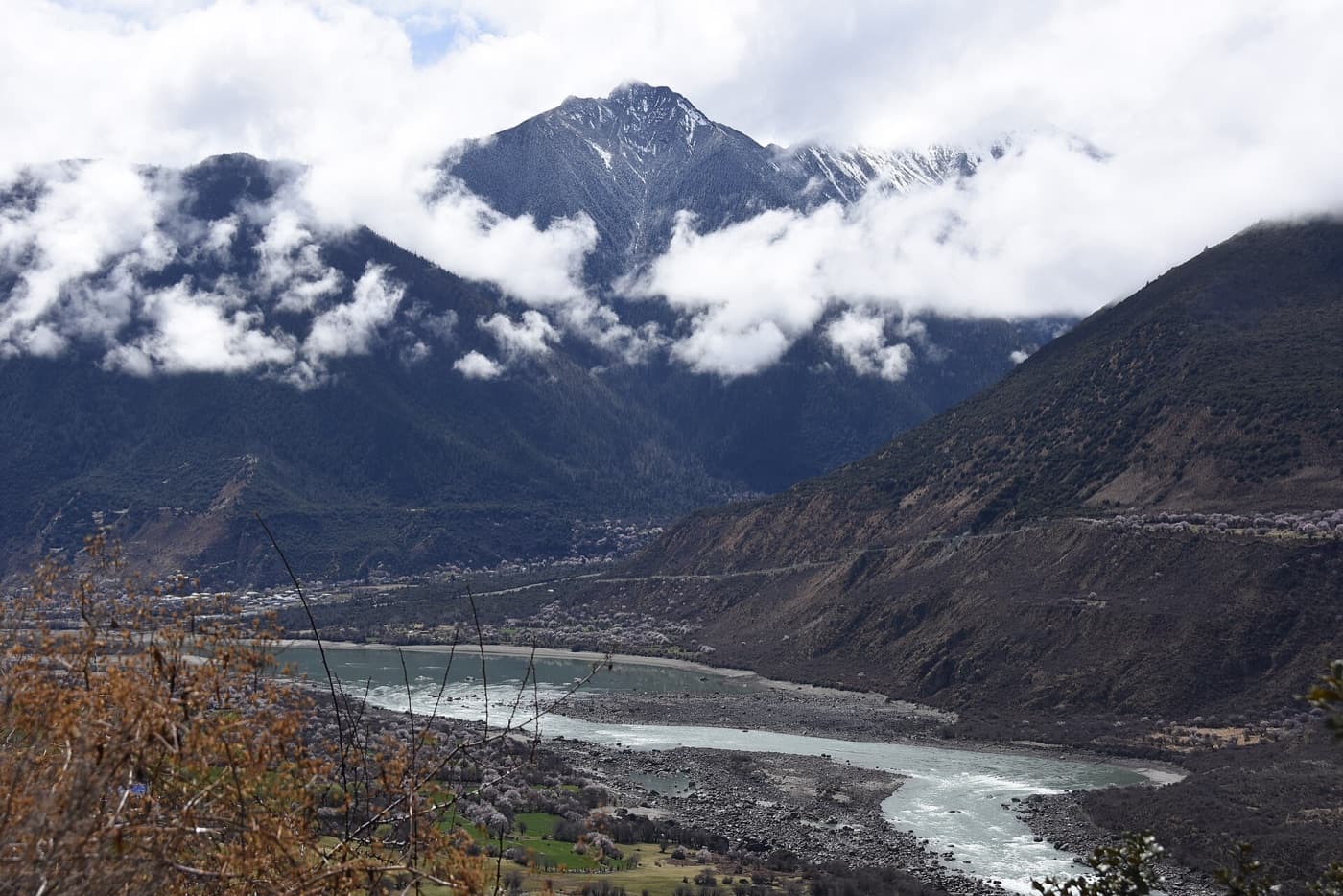
The Niyang River is the largest tributary on the north bank of the Yarlung Tsangpo and is likened to ‘the tears of a goddess’; locals affectionately call it the ‘Mother River’. The river’s colour is exceptionally beautiful, its water as green as jade. When in motion, it surges and churns, sending up white spray; when still, it is clear and bright, like a piece of jade set into the landscape. A huge boulder stands in the middle of the rapids, sending up a spray of foam as the current rushes past.
Yarlung Tsangpo Grand Canyon
Located on the Qinghai-Tibet Plateau at an altitude of over 3,000 metres, the Yarlung Tsangpo Grand Canyon stretches 496 kilometres. Deep and precipitous, it has been eroded downward by more than 5,380 metres. It contains nine vertical ecological zones, from high-mountain snow and ice belts to low-altitude tropical monsoon rainforests, making it the most complete and well-preserved example of vertical mountain ecosystems in the world. The canyon is also home to a wealth of biological resources, and it is known as “the most beautiful canyon in China.”
Entrance ticket ¥150; sightseeing bus ticket ¥90 (peak season). Entrance ticket plus sightseeing bus ticket ¥128 (off-season). · 1–2 days
Lulang
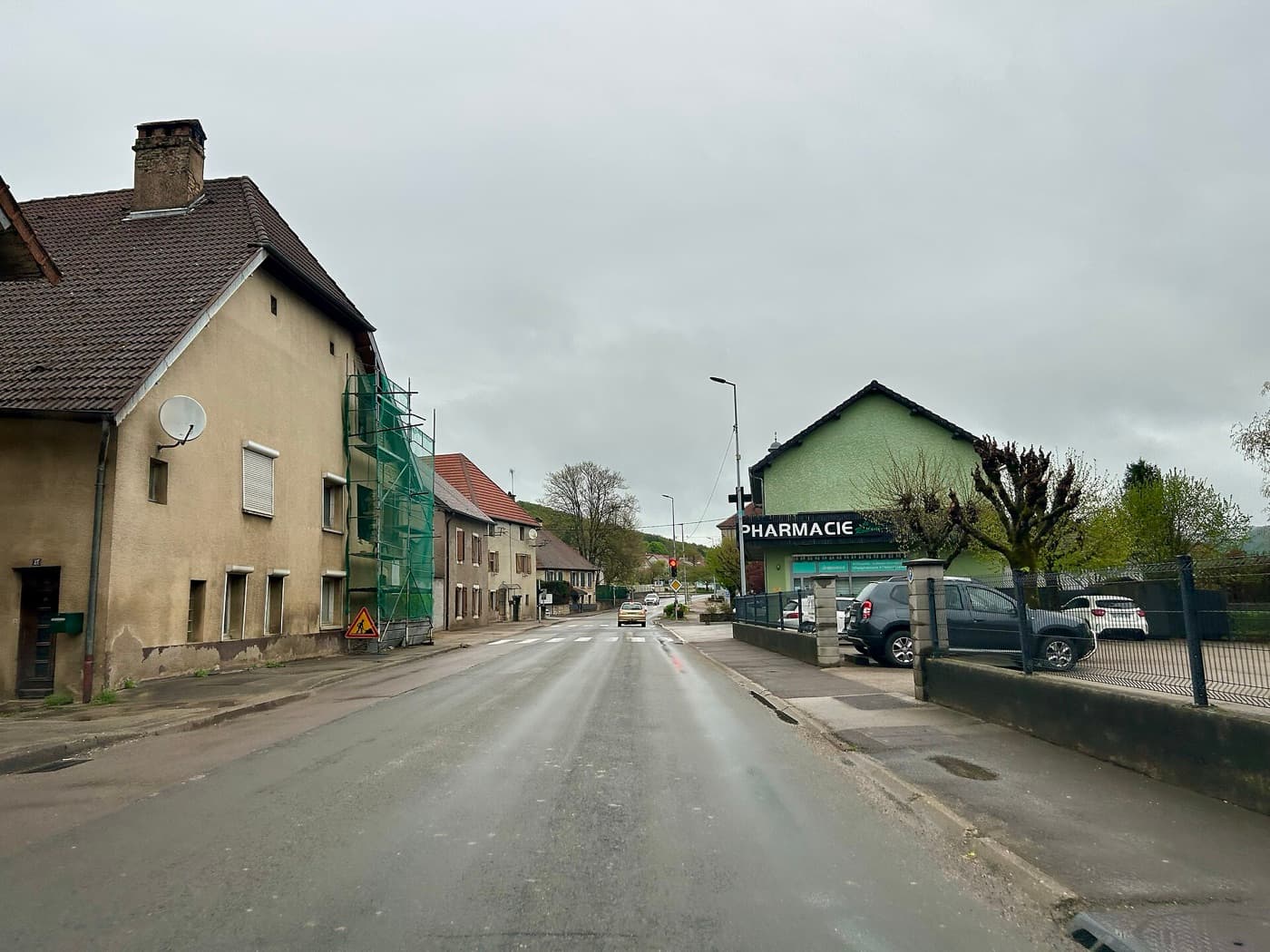
This is the end of the Nyingchi route. On the far side of Mount Sejila lies a small mountain village where every house is built of timber, and a winding little river flows behind them. A large timber yard is piled high with the branches of ancient trees, and a few horses wander among the enormous trunks. Looking at the growth rings of trees over a metre in diameter, each circle seems like a world of its own. The scenery of Lulang is like an oil painting: mist always clings to the mountainside, mushroom-capped livestock pens dot the slopes, the grasslands are green and damp, and the flowers show the vivid, bright colours that oil paints can never quite capture. In the tranquil town, Tibetan Buddhist monks carry medicine for headaches in their hands as they come and go between villages.
0.5–1 day