Shaoxing travel guide
绍兴
Shaoxing's clear spirit lies not only in its abundance of water, but in the way its people still hold an independent attitude toward the world. If you eat at a restaurant in Shaoxing after closing time,…
25 places · In the guidebook: pages 1159–1187

Shaoxing, Zhejiang Province · AI illustration for China Trip
Quick itinerary
Shaoxing in 4 days
- Day 1
- Shen Garden→
- Lu Xun's Former Residence→
- Qingteng Study→
- East Lake→
- Cai Yuanpei's Former Residence
- Day 2
- Lanting Scenic Area→
- Mount Kuaiji
- Day 3
- Day 4
The feel of the place
- Clear Spirit
- Shaoxing's clear spirit lies not only in its abundance of water, but in the way its people still hold an independent attitude toward the world. If you eat at a restaurant in Shaoxing after closing time, the staff will still give you a warm welcome. Shaoxing's pedicab drivers are something almost every visitor encounters: they wear felt caps like the one Runtu wears in Lu Xun's stories, crack packaged melon seeds and haggle over fares with a relaxed air, more like chatting with a neighbour. The old town's architecture follows one rule in particular: white walls with black roofs. This city, as if steeped in water, has long drifted away from the everyday rules we know, and it converses calmly with history while standing its ground against the present.
- City of Bridges
- This is one of Shaoxing's nicknames. Here you can see stone-beam bridges, heptagonal bridges, stone-arch bridges and more. There is truly no market without a bridge, no road without a bridge, and no village without a bridge, and ancient bridges make up a large share of them. Shaoxing is one of the regions in China with the greatest variety and number of preserved ancient bridges.
- Shaoxing Wine
- Anyone who drinks knows the names of several Shaoxing yellow wines: Nü'er Hong, Zhuangyuan Hong, Jiafan Wine and others. Yellow wine improves the longer it is stored, so Shaoxing families traditionally bury a jar of wine when a child is born, which is why yellow wine is also called ‘old wine’. Shaoxing people grow up surrounded by the scent of wine. The wine is not only delicious, its names also carry the soft, gentle character typical of the Jiangnan region. Riding a black-canopy boat and drinking Shaoxing wine is an essential experience.
Shaoxing's Cultural Atmosphere
Although Shaoxing is in Zhejiang, its character differs from other Zhejiang cities. Locals are also very gracious, the food is not only delicious but lets you feel its history, and a stroll through the city centre is enough to soak up its rich cultural atmosphere.
Touring Shaoxing by Pedicab in the Rain
Shaoxing is a classic Jiangnan water town. On a rainy day, you can hire a pedicab to tour the city, which takes about 5 hours in total and costs ¥80–90. Shaoxing is famous for its famous figures, and former residences are found everywhere, so it is well worth a visit.
Preparation and Advice
Language
The Shaoxing dialect can sound somewhat abrupt. In most situations, you can use Mandarin when talking with young locals.
Climate and Best Time to Visit
Shaoxing has distinct seasons. For the surrounding scenic areas, especially Wuxie, May–October is the best time, when water levels are high. In March and April, the Houshan area holds a peach blossom festival, making this the best season in Shaoxing for enjoying flowers and tasting wine.
Things to see
1. Compared with other imperial mausoleums, the Temple of Yu, Yu's Cave, the Gougu Stele and Bianshi Pavilion each have something special.

Houshan Hill
柯岩 · 2 hours · ¥40
Beyond its unique rock formations, Houshan preserves a remarkable ancient Yue culture. Ride a wupeng boat through a watery Jiangnan countryside that looks like a painting, and leave the noise of the city behind. Some 2,400 years ago, King Goujian of Yue practised 'sleeping on brushwood and tasting gall' here before achieving the restoration of his kingdom. During the Spring and Autumn and Warring States periods, this was already a kiln site for ancient Yue celadon. Lu You, the Song dynasty poet, had ancestors who lived here for three generations. Beyond its natural beauty, the imperial gardens and private residences carved into the landscape earn it the reputation of a model of ancient Yue stone culture.
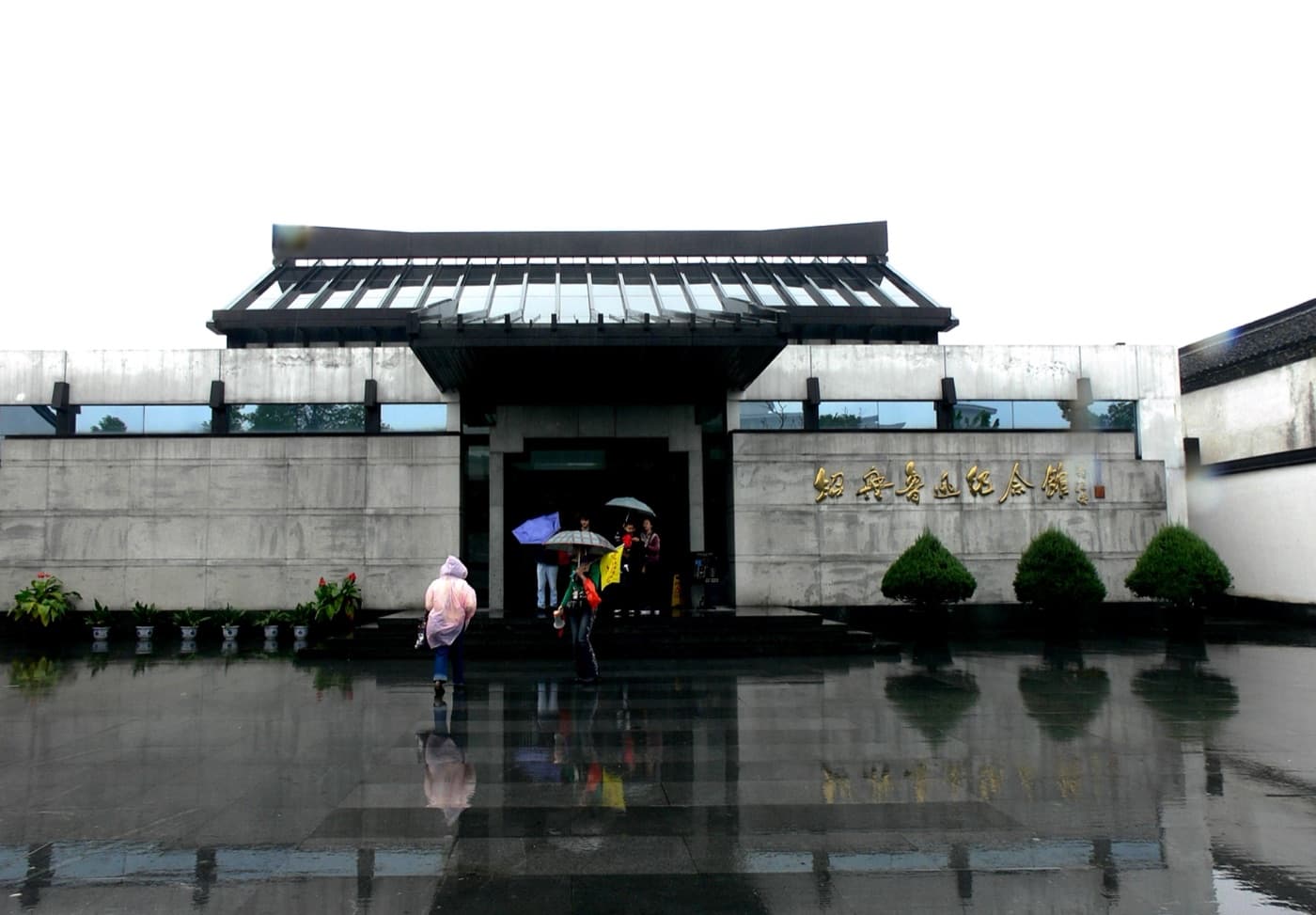
Lu Xun Memorial Hall
2–3 hours · Free
The Shaoxing Lu Xun Memorial Hall was founded in 1973. Visitors can see toys Lu Xun played with as a child, as well as the seashell that Runtu gave him… The exhibition hall’s courtyard is planted mainly with camphor, pine, plum and orchid trees. Following the descriptions in Dawn Blossoms Plucked at Dusk, jujube, honey locust and mulberry trees have also been planted to recreate the atmosphere of Lu Xun’s former living environment.
Lu Xun's Former Residence
Before you have visited Lu Xun’s Former Residence in person, you may have imagined the places where the great writer once lived. Standing in front of the residence, you will find that everything here is so rich and complete it seems hard to believe. The rear garden of Lu Xun’s Former Residence is the Baicao Garden (Hundred Herbs Garden), a playground of Lu Xun’s childhood where he often came to play. Not far from the residence is the Sanwei Study, the private school Lu Xun attended as a boy. The plaque reading “Sanwei Study” still hangs above the main hall, and the desk on which the teacher carved the character “早” (“early”) with a small knife is still in its original place. The scenes described in “From the Baicao Garden to the Sanwei Study” are now hard to find, but the rich, lively atmosphere of daily life in the essay still leaves a deep and pleasant impression.
1–3 hours · Free admission, but advance reservation is required
Shen Garden
This is where Lu You and Tang Wan each encountered the other after their respective marriages, and also where Tang Wan fell ill and never recovered, dying of melancholy. The timeless verses of Lu You and Tang Wan are inscribed side by side on one wall, one on the left and one on the right.
2 hours · Daytime: ¥40; Shen Garden Night Show: Seat A ¥138, Seat B ¥118, Seat C ¥80
Cangqiao Zhijie Historic Street
This historic street is one of the important cultural heritage sites of ancient Shaoxing. From north to south it is spanned by traditional old stone-slab bridges, including Cangqiao, Longmen Bridge, Xiguan Bridge and Huangyi Bridge, which lend it the atmosphere of a water town. Along the street are many museums worth a visit, such as the Yue Arts Museum, the Yellow Rice Wine Museum, the Theatre Museum and the Calligraphy and Painting Museum.
1–2 hours
Mount Kuaiji
Mount Kuaiji has a deep connection with Yu the Great, the legendary founding sage-king and hero of flood control in ancient China. The scenic area consists of five sections: the Mausoleum of Yu the Great, Incense Burner Peak, Wanwei Hill, Shifan Hill and Ruoye Stream. Standing at the summit of Mount Kuaiji, you can take in the ancient city of Shaoxing below, while distant mountain ranges stretch on, half-hidden in mist like a painting in pale ink.
2–4 hours · ¥60; combined ticket ¥140 (includes Mausoleum of Yu the Great, Bird Garden and Incense Burner Peak)
East Lake Scenic Area (Shaoxing)
This area was once a quarry. On both banks of the lake stand the steep cliffs left by quarrying, which mountain spring water has washed into streaks of brilliant colour, a truly striking sight. There are also narrow stone caves, some barely wide enough for a single boat to pass through, which are quite remarkable. The water of East Lake is far clearer than the canals of urban Shaoxing, so many visitors come specifically to ride a wupeng boat (乌篷船) here. The scenic area was also a filming location for the Kingdom of Women in the 1982 TV version of Journey to the West.
2–3 hours · ¥50
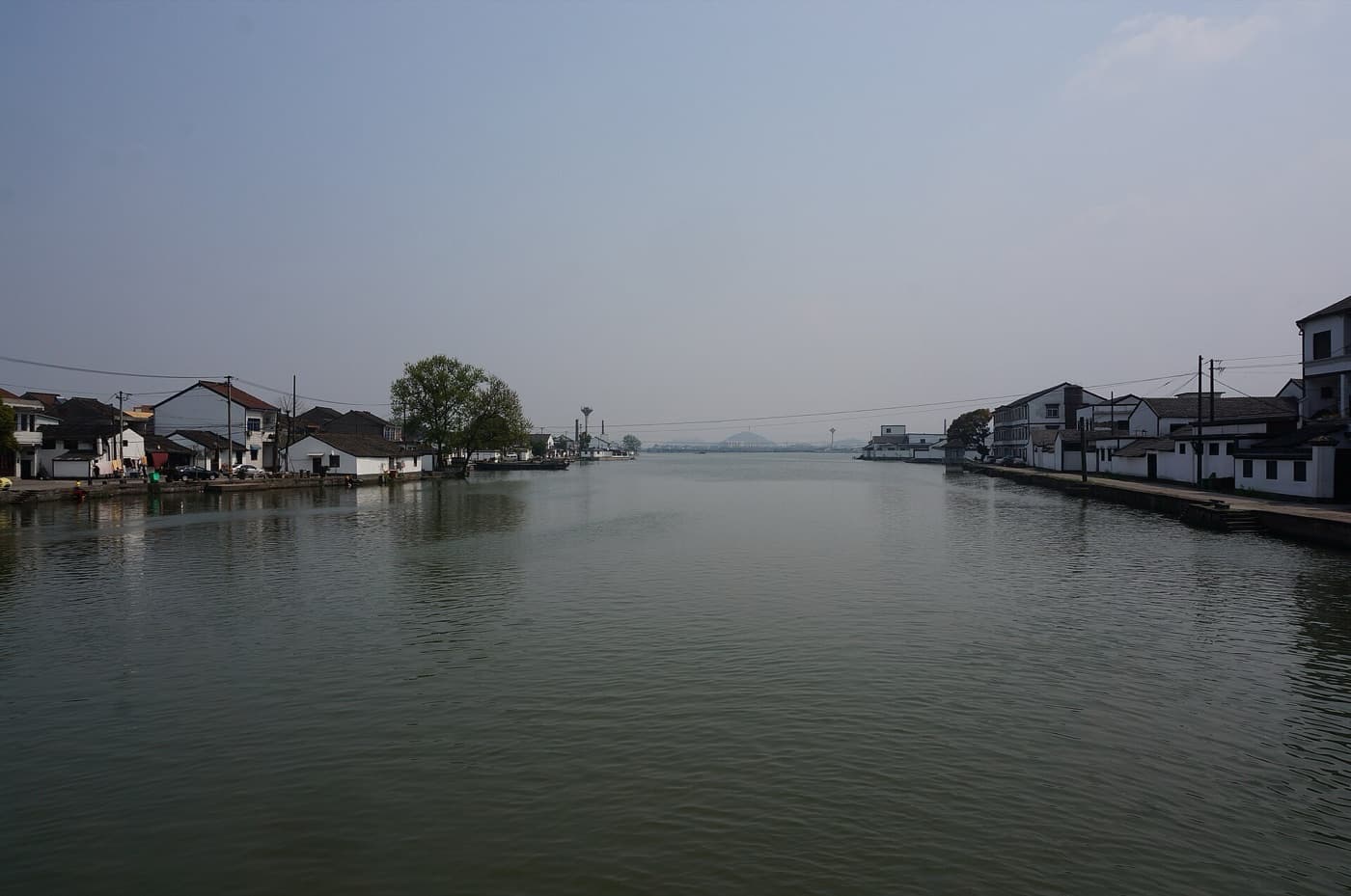
Jianhu Lake (Mirror Lake)
Also known as Mirror Lake. In the long history of Jianhu, the passages most familiar to us are probably those about the Wannian opera stage in Lu Xun’s writings, and the heroic spirit of Qiu Jin, the heroine of Jianhu. The Ancient Jianhu area within Keyan Scenic Area is the core of the lake today. Visitors must take a boat from the Keyan Scenic Area pier to get there.
柯岩 · 1–2 hours · Three-zone combined ticket ¥130 (includes boat ticket)
Luzhen Town
Luzhen first appeared as a fictional place in Lu Xun’s stories such as Kong Yiji, The New Year’s Sacrifice and Village Opera. Today’s Luzhen is a theme park recreating Lu Xun’s “Luzhen” as a Jiangnan water town, a microcosm of Shaoxing’s waterside life. Stroll past the grand Lu Mansion, pause at the stage to listen to village opera, exchange a silver dollar for a cup of wine at Xianheng Tavern, and hear Xianglin’s Wife go on endlessly about her son Amao… Inside the play and out, it all feels wonderfully real.
柯岩 · 2–3 hours · Three-zone combined ticket ¥130 (includes boat ticket)
Chuanyan Nineteen Peaks
One of China's most magnificent Danxia landform scenic areas. The park excels in natural scenery, with peaks, cliffs, caves, valleys, streams, rapids, waterfalls and pools all present, and mountain light and water colours blend into one. It embodies the four hallmarks of elegance, seclusion, uniqueness and danger, and is well suited to sightseeing, holidays, hiking, adventure and water activities.
柯岩 · 0.5–1 day · ¥60; small train ¥30
Ziyang Street
Ziyang Street is considered Zhejiang's first ancient street, a microcosm of a thousand-year-old city and a symbol of a city of rich history and culture. The centuries have not diminished its endless charm. Stroll along Ziyang Street and discover its history, its folk customs and its cultural essence, along with the unique charm it has slowly accumulated over the passing years.
台州 · 2–4 hours · Free
Potan Ancient Town
The town is lined with houses dating from the Ming and Qing dynasties, and you can still see an old opera stage and private money houses. The highlight is the Chen Clan Ancestral Hall, where ancestral tablets are enshrined. Be sure to walk the dragon-shaped street paved with pebbles, a rarity in China. The town also preserves a thousand-year-old craft, the needle-pricked boneless lantern, a national-level intangible cultural heritage often called 'a unique marvel of China.' For this reason, Xianju has been awarded the title 'Hometown of Chinese Folk Art.'
台州 · 2–3 hours · ¥36
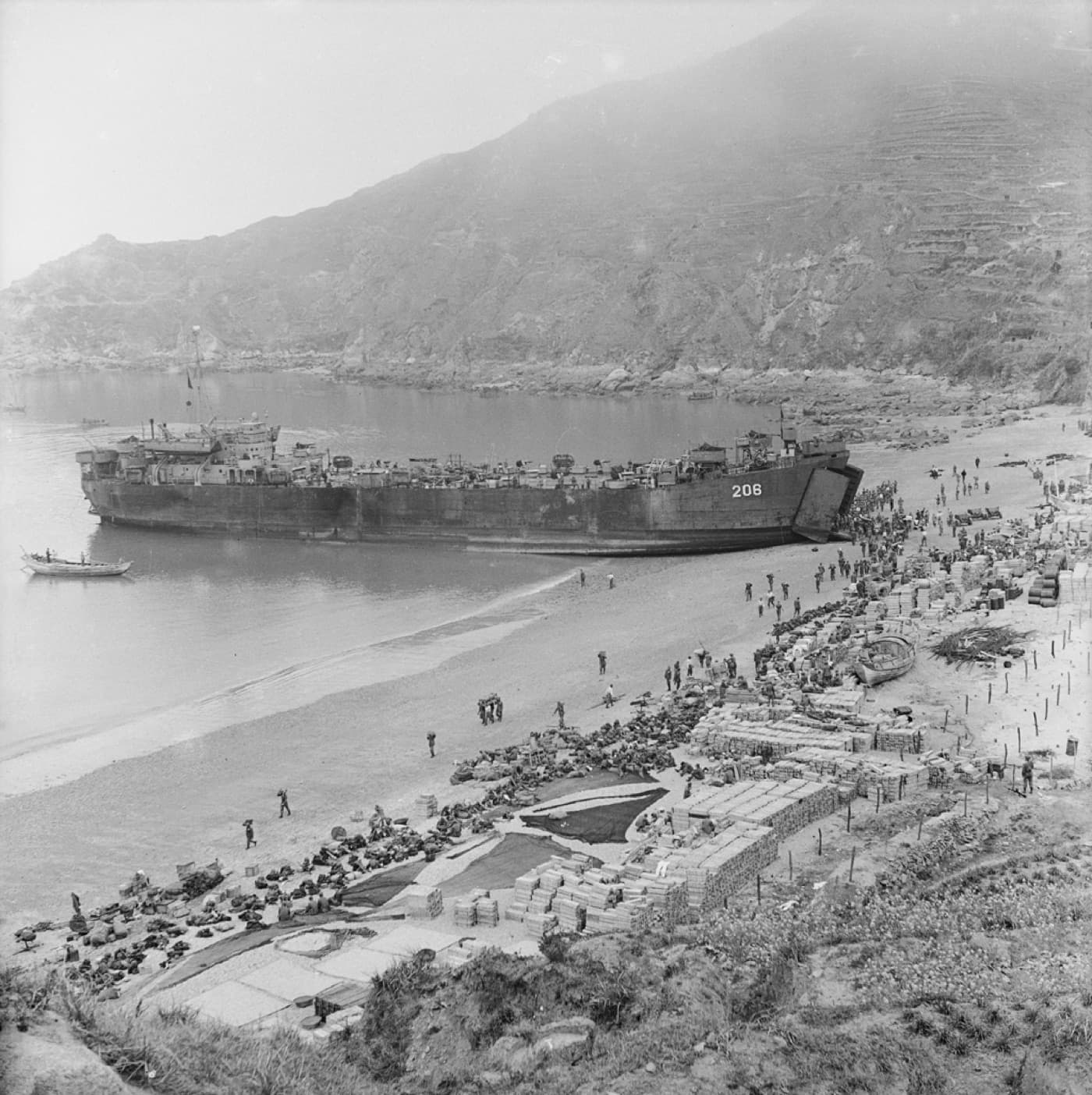
Dachen Island
Dachen is a national first-class fishing port, a provincial forest park and Zhejiang's sea angling base. The waters around the island form the second-largest fishing ground in Zhejiang. During the fishing season, countless boats gather around the island with masts like a forest, and at nightfall thousands of fishing lights create a spectacular sight. Known as the 'Pearl of the East China Sea,' Dachen Island combines mountains and sea, where water meets sky, with green hills, lush forests, blue waters, majestic cliffs, flat beaches and secluded caves.
台州 · 3–4 hours
Changyu Dongtian (Changyu Caves)
The largest artificially excavated stone caverns in China. Awarded a Guinness World Record in April 1998, and rated a national 4A-level tourist attraction in April 2002.
台州 · 0.5–1 day · ¥112
Shepan Island
Also known as the 'Island of a Thousand Caves,' it has been a popular summer resort since the Ming and Qing dynasties. Its Thousand Interconnected Caves are unmatched: large and small caves, horizontal and vertical, wet and dry, straight and winding, with branch caves leading off the main passages and caves nested within caves. The caves hold water, and within the water lie more caves, all mixed with strange rocks in endless shapes and endless charm. Locals can still tell the folk legends behind some of the caves.
台州 · 0.5–1 day · Mud Slide Park: ¥50; combined ticket (including Pirate Village and Wild Man Cave) ¥100
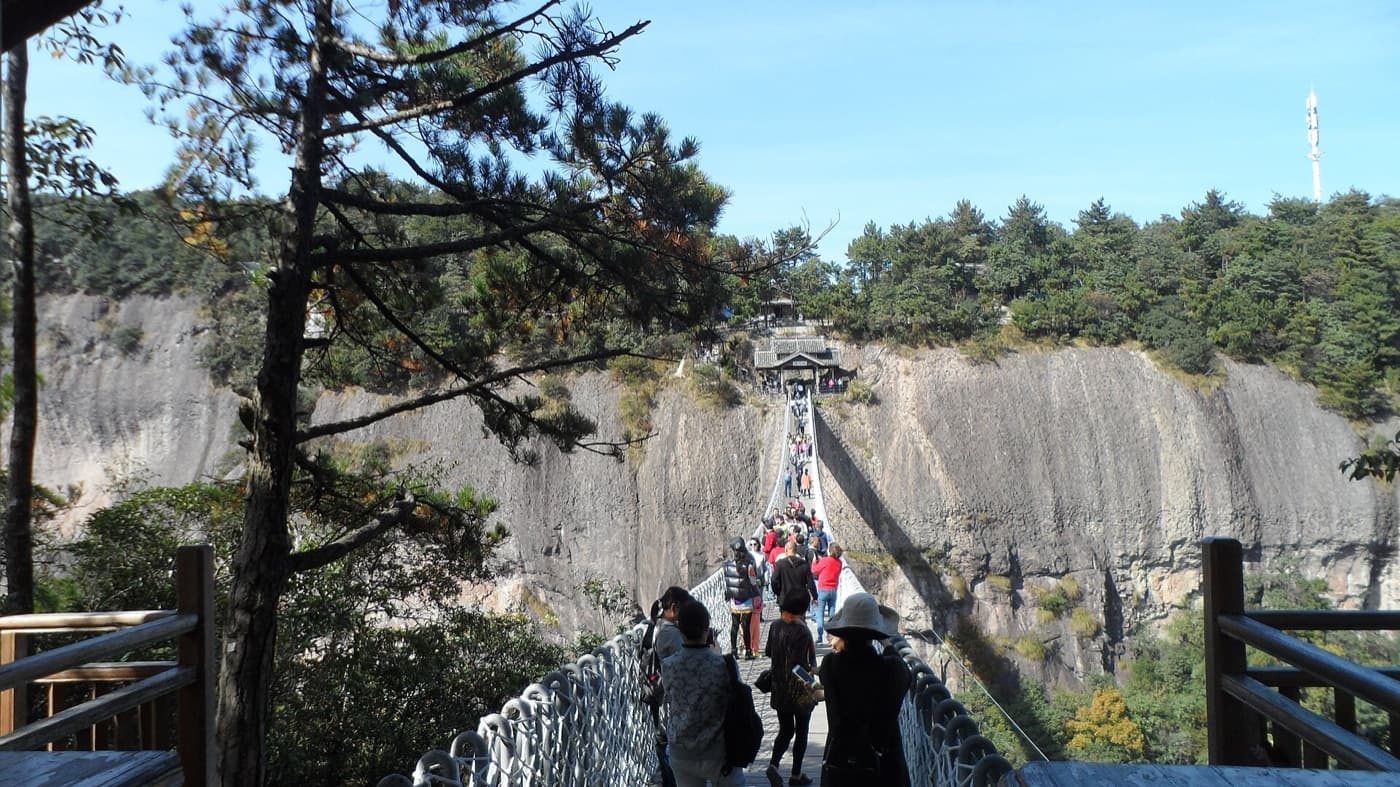
Shenxianju (Fairy Residence Scenic Area)
Shenxianju is dotted with bamboo groves and waterfalls, and much of its wild, natural character remains intact. Zhang Jizhong's TV series *The Demi-Gods and Semi-Devils*, the film *Kung Fu Master* and the new version of *The White-Haired Witch* were all filmed here.
台州 · 3–4 hours · ¥110
Shitang Peninsula
Shitang sits on the shore of the East China Sea and is the first place on the Chinese mainland to greet the dawn of the new millennium, earning it the nickname 'the Oriental Cape of Good Hope'. Its houses are built along the mountains and by the sea, rising and falling in an appealing, irregular pattern. On the Shitang Peninsula is also a distinctive village, Qicai Xiaoruo Village, where every house has been painted a different bright colour. The warm, vivid hues make walking through it feel like stepping into a fairy-tale world.
台州 · 0.5–1 day
Historic Residences Tour
Former Residence of Cai Yuanpei: Cai Yuanpei lived here from birth until he took up his post as a compiler at the Hanlin Academy. The upstairs room of the eastern bay was once his living quarters. Qingteng Study: Originally named Liuhua Study, this was the residence of Xu Wei, one of the Three Great Talents of the Ming dynasty. The study itself is not large, just a single-courtyard, four-sided compound with a garden. Yet its weighty history, the withered grapevines and the striking “Zizai Rock” all leave a lasting impression. Qiu Jin’s Former Residence: This was the place where Qiu Jin discussed the plans for her secret uprising. Many of her handwritten works are preserved here, and her last poem, written before her execution, is also on display.
History & Culture
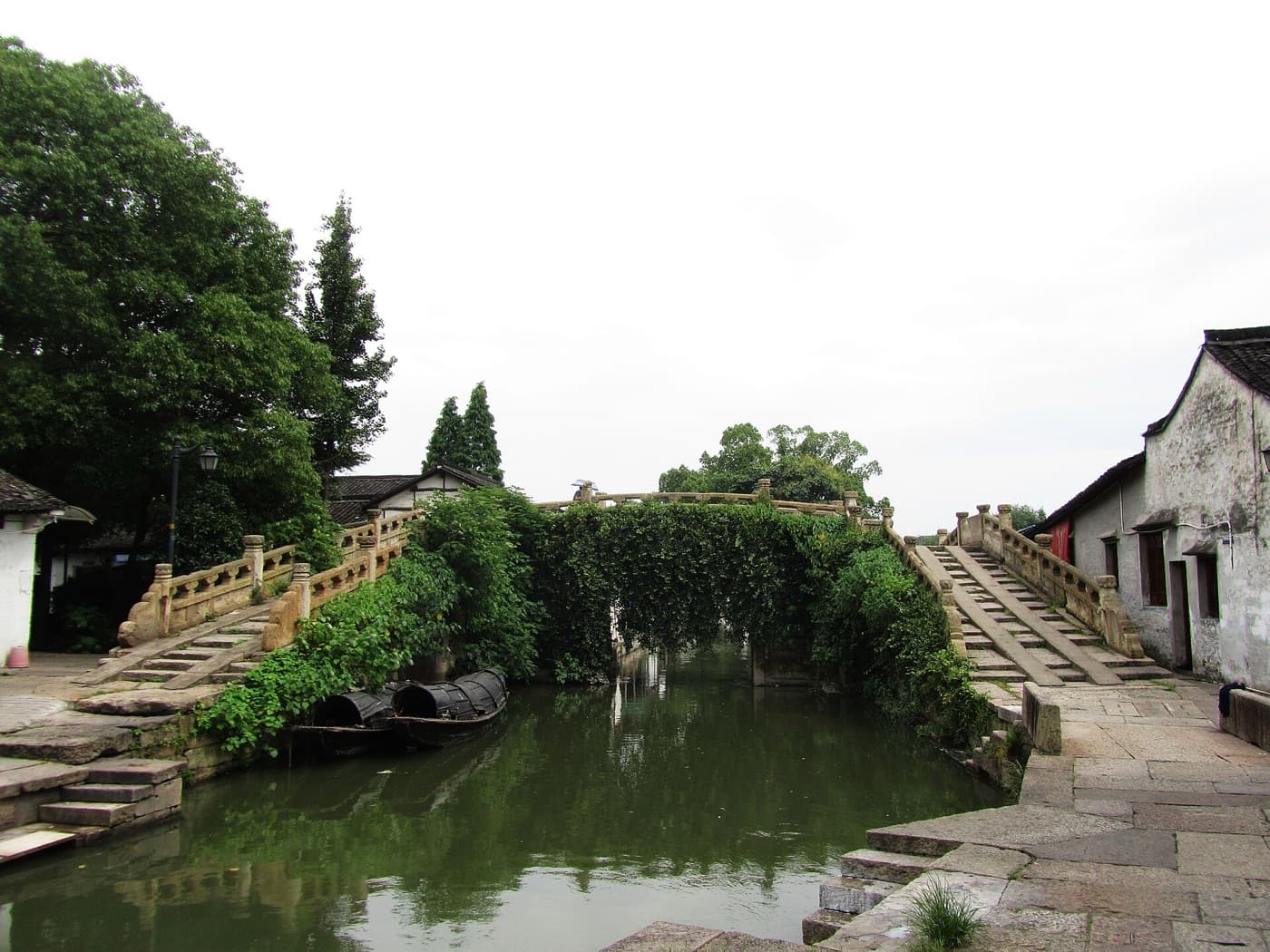
Bazi Bridge
Known as “China’s oldest interchange bridge,” it is shaped like the character 八 and neatly links three small rivers that converge here. Standing on the bridge, you see small bridges, flowing water and riverside homes: calm, serene, lively and vivid. Now and then you catch a glimpse of the daily life of families living along the river, and it feels as though you have returned to a simpler, purer era. The harmonious surroundings make you feel that water-town culture could be no other way.
15–20 minutes · Free
Shaoxing Yellow Wine Town
“Wine from Yue travels the world, and Dongpu’s is the finest”: this refers to Dongpu, the birthplace of Shaoxing yellow rice wine and a nationally renowned historic and cultural town. This small town, with more than 1,600 years of history, is known for its “Land of Waterways, Wine, Bridges and Scholars.” At the summer solstice, over 100,000 sunflowers bloom together, forming a golden sea that is truly spectacular. Together with the nearby Nanjiang Ecological River, they glow with brilliance, and many visitors linger long.
Architecture · Waterfront
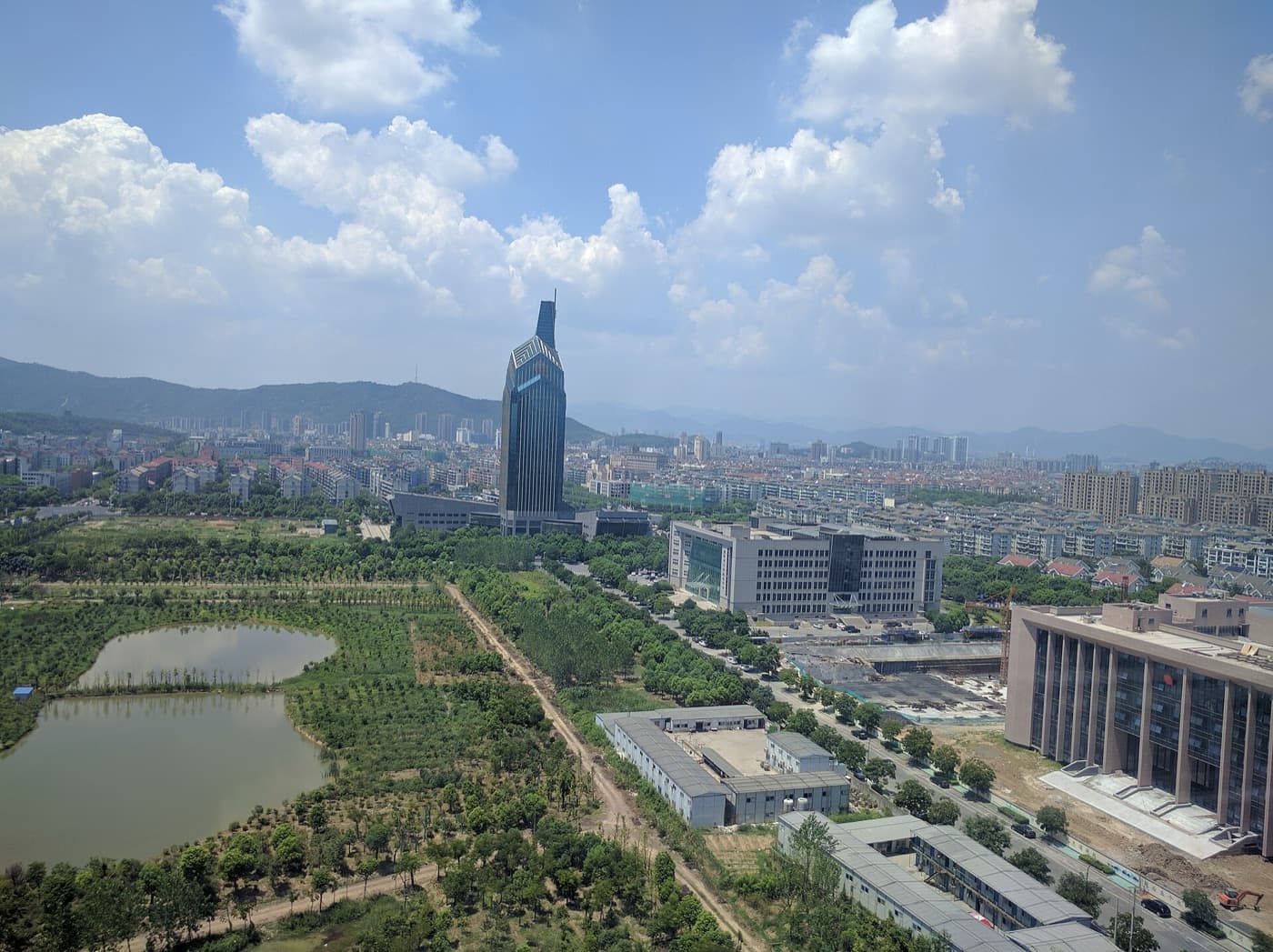
Zhuji
Zhuji was an ancient capital of the Yue state, the hometown of the legendary beauty Xishi, and the place where King Goujian of Yue plotted the restoration of his kingdom. Rich in history and culture, it is one of the oldest counties in Zhejiang and a birthplace of Wu-Yue culture in China.
柯岩
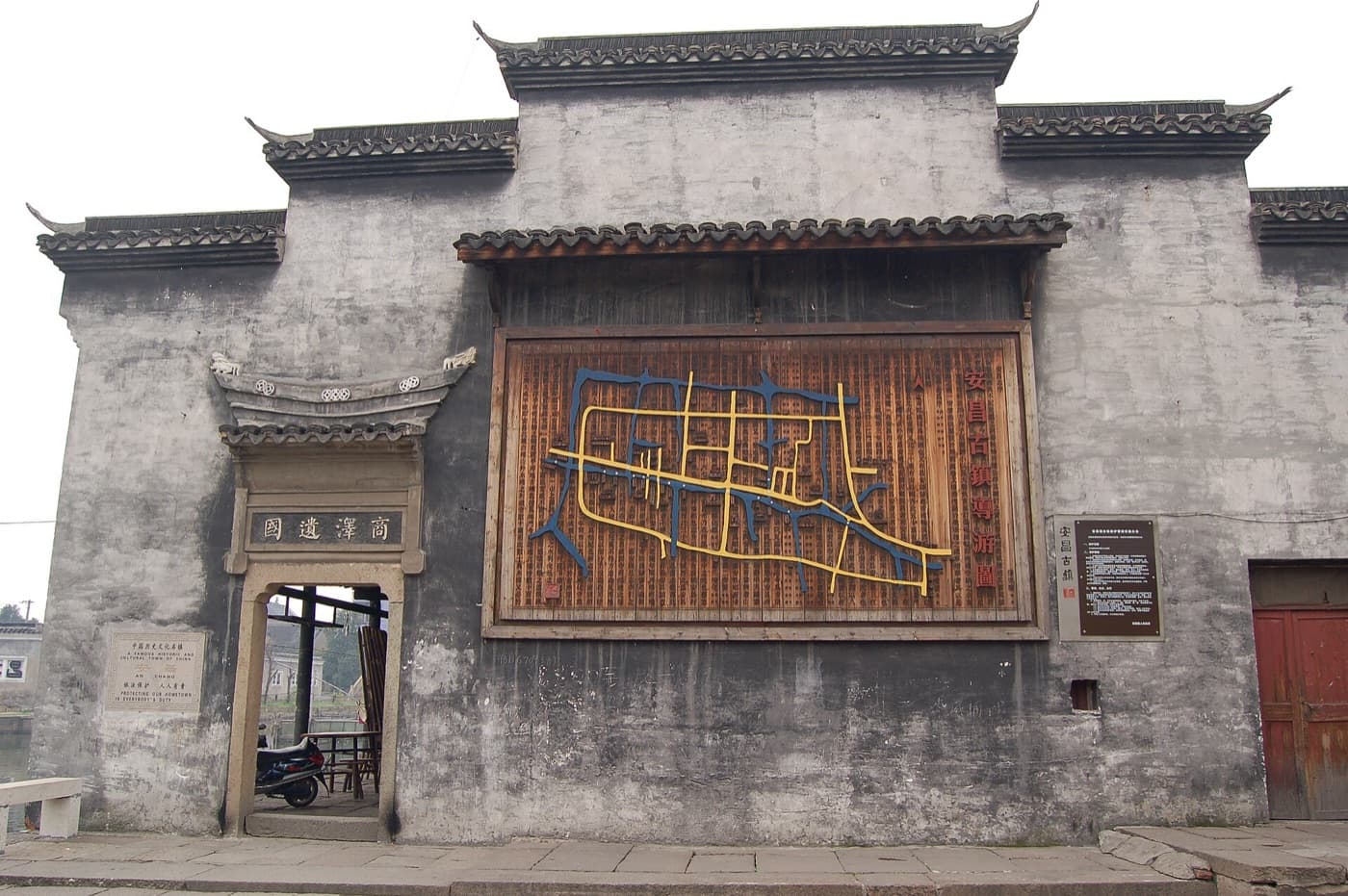
Anchang Ancient Town
Pass under the ceremonial archway and you are in Anchang, a town a thousand years old. The three-li-long street along the river was once the commercial heart of the town. Today it still has its bluestone paths, timber-framed arcaded houses and traditional shops and workshops, and every few dozen metres a stone staircase leads down to the water where you can board a boat. A boatman in a black felt hat greets you, and as he gently works the oar, the wupeng boat carries you lazily along the waterways, past old stone bridges dotting the river.
柯岩 · 0.5 days · Admission to the ancient town itself is free, but the town's museums charge entry. Combined ticket for the Shaoxing Legal Advisers Museum, Anchang Folk Customs Museum, former Bank of China site and others: ¥50
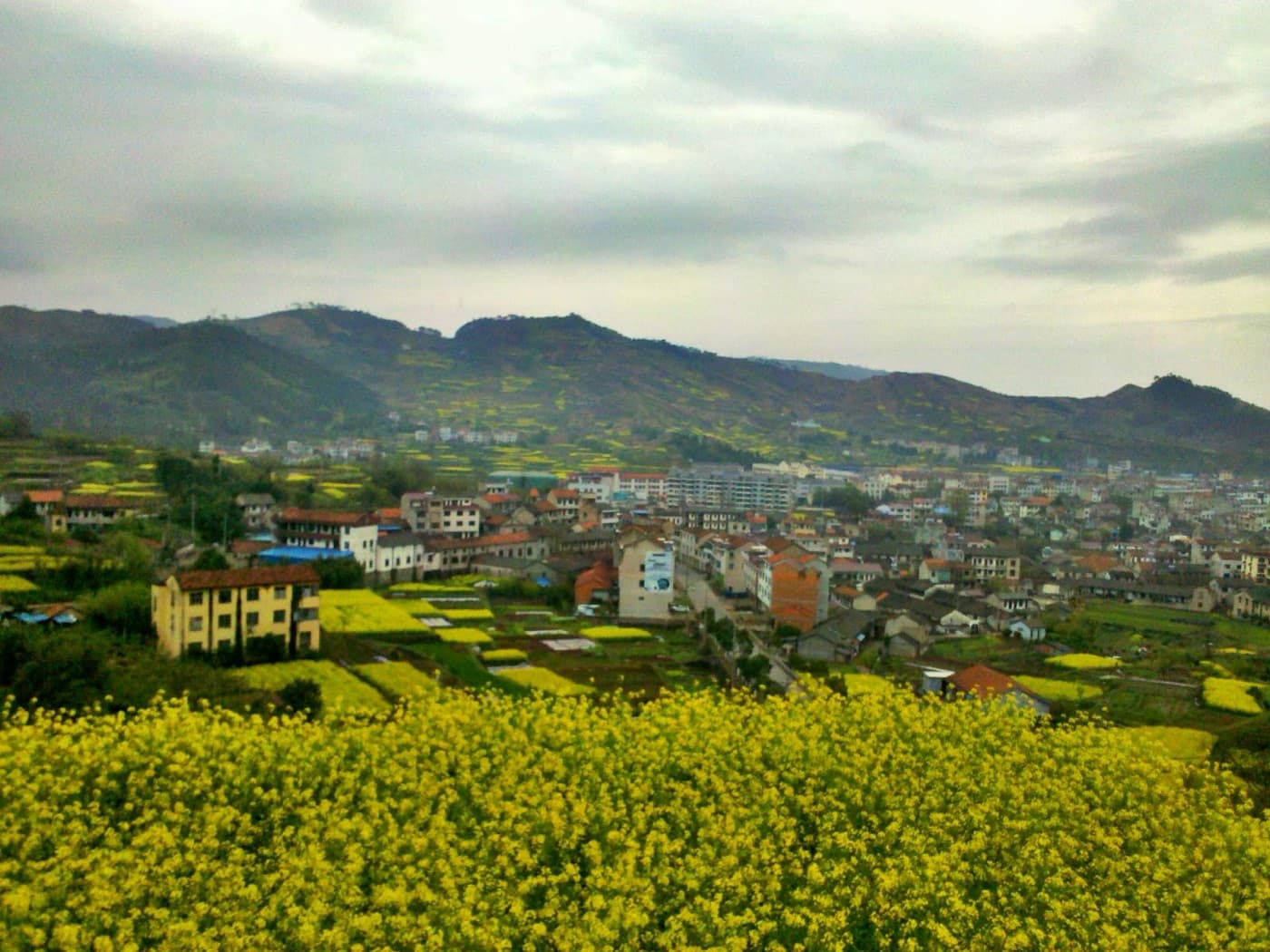
Xinchang
Many people have never heard of Xinchang, a small county town, but you have surely encountered the classic poem 'Dreaming of Tianmu Mountain, a Farewell Poem' by Li Bai, and Tianmu Mountain is right here. Xinchang has many scenic attractions. The Xinchang Great Buddha Temple, known as the 'Foremost Great Buddha of Jiangnan,' offers a serene setting and deep cultural heritage. The strangely shaped rocks of the Chuanyan Nineteen Peaks served as filming locations for Jin Yong's wuxia dramas, where characters such as Guo Jing, Yang Guo and Linghu Chong once appeared. The Wozhou Lake Scenic Area has clear waters and green hills, with black-and-white residential buildings scattered throughout, like an ink-wash painting come to life. If you pass through Shaoxing, be sure to take a detour to Xinchang.
柯岩 · Great Buddha Temple ¥100; Wozhou Lake Scenic Area ¥60; combined ticket for Great Buddha Temple, Qianzhang Valley, Chuanyan Nineteen Peaks and Tianzhu Fairyland ¥220
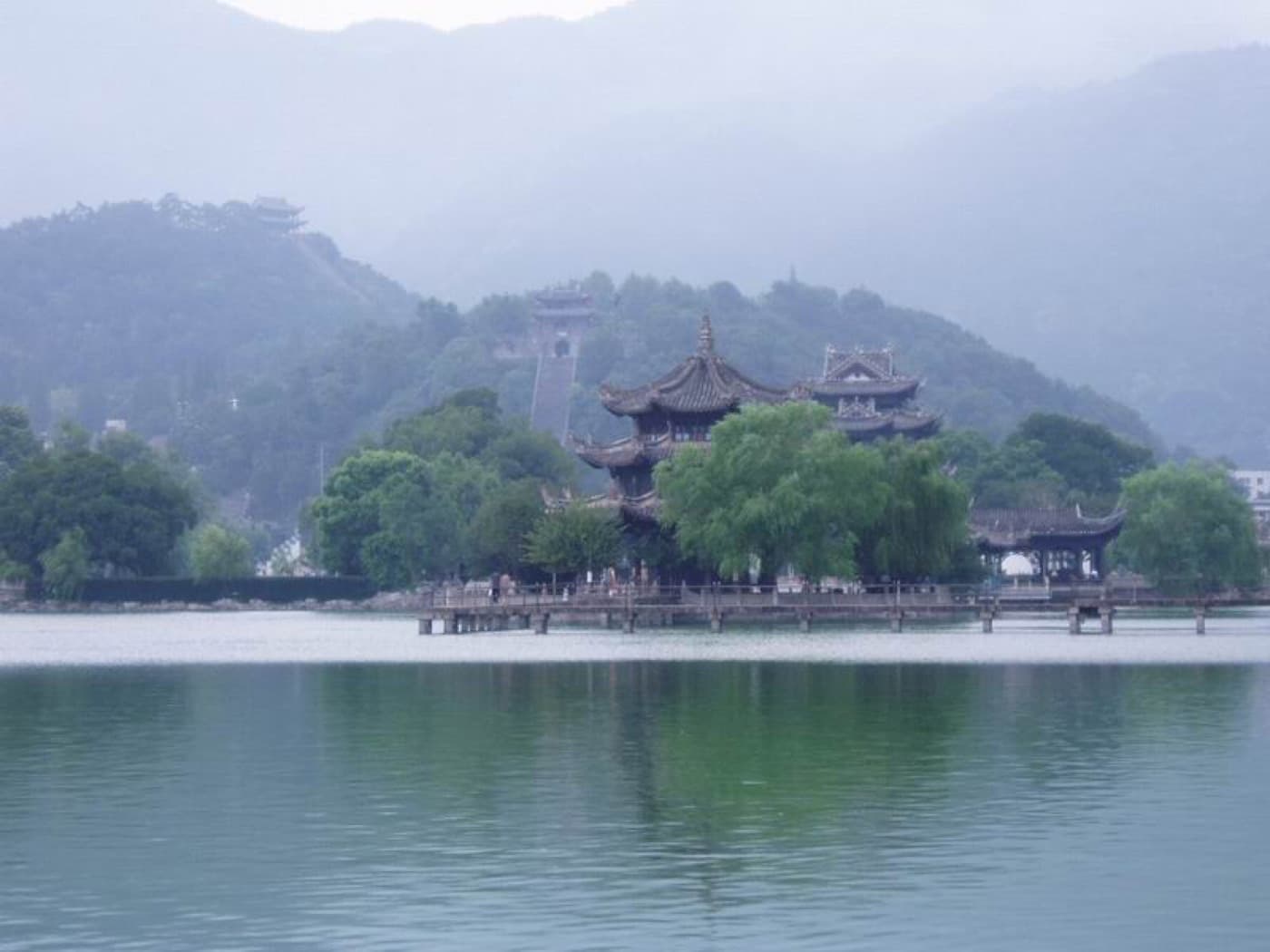
Taizhou Prefectural City Wall
The Jiangnan Great Wall is the former battlefield where Qi Jiguang fought Japanese raiders during the Ming dynasty, with numerous historic sites including barbicans, watchtowers, city gates and altars. Historical records state that the hollow watchtowers of the northern Great Wall originated with the Linhai section, as both were built by Qi Jiguang. The Linhai wall therefore has a deep bond with the northern Great Wall and is also known as the 'Badaling of Jiangnan.'
台州 · 1–2 hours · ¥60
Getting there & around
Getting In and Out
By Air
Shaoxing has no airport, but it is only 30 km from Hangzhou Xiaoshan International Airport. It is most convenient to fly to Hangzhou and then take the airport shuttle bus to Shaoxing. Shuttle stops along the route: Keqiao (beside Jinghu Hotel) and Shaoxing (at the entrance of Margaret Hotel). Enquiry hotline: 0571-96299
By Rail
Shaoxing has four railway stations: Shaoxing Station (绍兴站), Shaoxing North Station (绍兴北站), Shangyu North Station (上虞北站) and Zhuji Station (诸暨站). Shaoxing Station is the most convenient for visiting the city's sights, while Zhuji Station is more convenient for scenic areas such as Wuxie and Xishi's Hometown.
By Road
Because road transport in the Jiangsu and Zhejiang region is highly developed, Shaoxing, like other neighbouring cities, has a passenger transport center plus five bus stations: East, West, South, North, and the central terminal.
Long-Distance Bus Stations and Destinations
Getting Around Town
Shaoxing's city transport relies mainly on buses (city buses and minibuses) and taxis, with pedicabs also available.
Getting In and Out
By Air
Taizhou Airport is located at the intersection of Airport Road and Dongyingbin Avenue in Luqiao District, Taizhou, Zhejiang Province. It opened in 1987 and was China's first county-level civil aviation airport. It currently operates flights to 17 cities, including Chongqing, Guiyang, Beijing, Shenyang, Xi'an, Changsha, Kunming, Jinan, Guangzhou, Wuhan, Qingdao, Chengdu and Shenzhen.
By Rail
Taizhou Station is an intermediate stop on the Hangzhou–Taizhou high-speed railway, with high-speed trains to cities including Beijing, Zhengzhou and Shanghai. Taizhou West Station was originally called Taizhou Station; after the current Taizhou Station opened, it was renamed Taizhou West Station. It is an important stop on the Ningbo–Taizhou–Wenzhou Railway and the Jinhua–Taizhou Railway.
By Road
Expressway links from Taizhou to the four major cities of Hangzhou, Ningbo, Wenzhou and Jinhua are all fully connected.
By Water
Taizhou's inland waterways include three main trunk channels (the Lingjiang, Yongning and Jinqing Xin Port rivers), five important branch routes (the Zhawen Line, Qitiaohe Route, Huanglujin Line, Wensong Line and Qiansi Line), and numerous other branch channels. There are 96 classified waterways, with a classified navigable length of 993 km, providing access to both coastal and inland areas.
Getting Around Town
Taizhou's urban area consists of three relatively independent districts (Jiaojiang, Huangyan and Luqiao), which are 14–17 km apart. Bus routes beginning with '1' serve Jiaojiang District, those beginning with '2' serve Huangyan District, and those beginning with '3' serve Luqiao District. Bus No. 901 is the urban loop line, circling all three districts; it is 48 km long.
Passenger Transport Center
Long-Distance Bus Stations and Destinations- Address:
- Intersection of the North Bypass of National Highway 104 and Shaosan Road
- Phone:
- 0575-88022222
- Getting there:
- Destinations in other provinces and cities
East Bus Station
Long-Distance Bus Stations and Destinations- Address:
- 235 Dongchi Road
- Phone:
- 0575-88650990
- Getting there:
- Continuous departures to Shangyu District, Shengzhou and Xinchang
West Bus Station
Long-Distance Bus Stations and Destinations- Address:
- 1600 Chengnan Avenue
- Phone:
- 0575-85151026
- Getting there:
- Continuous departures to Zhuji
South Bus Station
Long-Distance Bus Stations and Destinations- Getting there:
- Continuous departures to towns in southern Keqiao District
North Bus Station
Long-Distance Bus Stations and Destinations- Phone:
- 0575-85133133
- Getting there:
- Continuous departures to towns in northern Keqiao District
City Bus
Getting Around TownDepartures every 3–10 minutes; last buses run early. Flag fall is ¥1.
Taxi
Getting Around TownFlag fall is ¥10 for the first 3 km; beyond 2.5 km, the fare is ¥2.4 per km, plus a ¥2 fuel surcharge. Shaoxing's urban area is compact, so taxis are good value within the city, but trips out of town get expensive.
Wupeng Boat
Getting Around TownCharged at ¥40 per half hour, though you can bargain the price down to as low as ¥1 per minute. Boats for hire are mainly available at Lu Xun's Former Residence, Cangqiao Street, Donghu Scenic Area, Anchang Ancient Town, Keyan Scenic Area, and Keqiaotou in Keqiao Town.
- 1. If you want to ride a Wupeng boat, Donghu is the better choice: ¥50 per boat, and you can enjoy the scenery along the way. 2. A combo ticket for Lu Xun's Former Residence and Shen Garden includes a free Wupeng boat ride, but the queue is very long. If you want to ride, visit Shen Garden first and then take the boat to Lu Xun's Former Residence to avoid the queue. Wupeng Boat
Eat & drink
Shaoxing cuisine relies mainly on river fish, poultry and bean and bamboo-shoot ingredients. Because Shaoxing wine is added during cooking, the dishes are fragrant and savoury, with a clean, salty flavour and none of the greasiness.
Highly Recommended
Don’t Forget to Buy Good Liquor
Loose-bulk liquor is sold at the outlet stores of the Dongfeng Winery and the Guyue Longshan Winery. They offer a wide range of varieties at low prices with excellent quality. It’s worth tasting before you buy (shop staff allow this), so you can pick out the one you like best.
Local Specialties
Shaoxing’s famous local specialties include Shaoxing fermented tofu (furu), Pingshui pearl green tea, Shaoxing duck, Zhai Damao osmanthus cakes and Ding Daxing New Year cakes. Shaoxing lace, Mubei satin and Wumao caps (black felt hats) are well-known local handicrafts.
tip: Shaoxing’s “Xianheng”
Shaoxing has two “Xianheng” establishments. One is the Xianheng Hotel on Lu Xun Middle Road, the tavern frequented by Kong Yiji in Lu Xun’s story, known locally as “Little Xianheng.” The other is the Xianheng Grand Hotel on Jiefang South Road, known as “Big Xianheng.”
Shaoxing Pickles
Shaoxing’s pickled foods are also well regarded, including pickled duck, pickled goose and pickled vegetables. And of course there are the fennel beans that Kong Yiji could never forget.
Shaoxing Wholesale Markets
Large specialist wholesale markets are scattered around the outskirts of Shaoxing. The most influential include the China Textile City in Keqiao Town, Shaoxing; the Zhedong Garment and Tie Market in Shengzhou City; and the Zhuji Pearl Market, the largest pearl market in China.
Recommended Shopping Spots
Shaoxing Antiques Market: Fuhe Street, central Shaoxing
Shaoxing Flower Market: Lizhu Town, Shaoxing
Shaoxing Bird and Flower Market: next to Ta Shan on Jiefang Road
Shaoxing Famous Tea Market: Chetou, Jijiang Town, Shaoxing
Where to Stay in Shaoxing
Good options in the old town include Lao Taimen Inn, a century-old Song family mansion converted into a guesthouse; the Shaoyanji Guesthouse, which overlooks the Hundred Herb Garden; and the Zhezhi Hotel beside the Lu Xun Memorial Hall. Prices range from ¥60 to ¥220.
Shaoxing Rice Wine
Highly RecommendedShaoxing rice wine is brewed with water from Jian Lake, premium refined glutinous rice and high-quality yellow wheat. This is why its amber liquid is so mellow and sweet. Shaoxing rice wine is considered the finest of China’s yellow wines. Its main varieties include Zhuangyuan Red, Jiafan, Shanniang, Xiangxue and Huadiao. Gu Yue Long Shan Jiafan and Shaoxing Huadiao Jar Wine are both official state banquet wines and have won repeated international gold medals.
Braised Pork with Preserved Vegetables
Highly RecommendedThis is a must-try dish in Shaoxing. Pork is braised and then steamed with the local preserved vegetables, producing a rich, deeply fragrant flavour that goes wonderfully with rice.
Stir-Fried Shrimp in Wine Lees
Highly RecommendedA dish seasoned with Shaoxing wine lees. Fresh river shrimp are soaked in the lees sauce, giving them snowy-white, tender flesh.
Xianheng Hotel
Recommended Places to EatToday’s Xianheng Hotel is very different from the one in Lu Xun’s story, but preserved vegetables, fennel beans, Shaoxing wine and Wumao caps are still everywhere. A spend of ¥30–40 per person is considered very fair, and the stinky tofu, fennel beans, braised pork with preserved vegetables and yellow wine here are authentic.
- Address:
- 179 Lu Xun Middle Road
- Phone:
- 0575-85127179
Xunbaoji Shaoxing Cuisine (Zhuangyuan Building Branch)
Recommended Places to EatAuthentic Shaoxing flavours in an antique-style setting. It has an excellent reputation among visitors. You can order half portions so you can sample more dishes. Recommended dishes include drunken chicken, Shao San Xian (three Shaoxing delicacies) and stinky tofu.
- Address:
- 114 Cangqiao Straight Street
- Phone:
- 0575-85223317
Laobian Restaurant
Recommended Places to EatA 30-year-old establishment whose signature dish is the old duck dumplings. The rich broth carries a faint herbal fragrance, and the flavour is very delicious.
- Address:
- 577 Jindai Road, Huangyan District
- Phone:
- 0576-84222873
Where to stay
Shaoxing has mostly mid- to low-range accommodation. The only four-star hotel is the Xianheng Grand Hotel. Three-star options include the Shaoxing Hotel and the Yadu Grand Hotel.
Backpackers can try the Baicaotang Guesthouse and the Jiajia Hotel, which are clean and inexpensive.
Jinjiang Inn (Shaoxing Shengli Branch)
Directly across the main road from the hotel is the “Yuanpei Middle School” bus stop, where buses run direct to Lanting, Donghu Lake and Keyan, with transfers available to Houshan and the Great Yu Mausoleum. The hotel is also on the east bank of the moat, so the night views are lovely.
- Address:
- 748 Shengli West Road
- Phone:
- 0575-85175888
Taizhou Kaiyuan Hotel
Convenient transport, elegant guest rooms, with dining, entertainment and conference facilities on site.
- Address:
- 458 Donghuan Avenue, Jiaojiang District
- Phone:
- 0576-88586888
Youth Sunshine Boutique Hotel
(Taizhou Wanda Branch)
- Address:
- Room 1218, Floor 12, Building 2, Wanda Plaza SOHO, Jiaojiang District
- Phone:
- 18072528666
Shopping
Recommended Shopping
1. Margaret Commercial Centre, opposite the railway station.
2. Golden Era Plaza, opposite the Xianheng Hotel.
3. International Mall Shaoxing, with many specialty restaurants.
Antiques City
Recommended ShoppingLike similar markets found in many cities, this one sells antiques, calligraphy and paintings, stamps and coins. It is also a concentrated picture of city street life. What sets it apart is that its architecture still retains much of the charm of old times.
- Address:
- Intersection of Jiefang Road and Lu Xun Road
Nightlife
In the evening, you can stroll around the city centre square, where a map of the old city of Shaoxing is carved into the ground. It makes for an interesting sight.
Shaoxing is also the home of folk storytelling and is the birthplace of Yue opera. Catching a performance of Shaoju opera or Lianhualuo (lotus-flower folk ballad) in a theatre or teahouse is probably the most memorable experience you can have here.
Shaoxing Grand Theatre
- Address:
- 405 Jiefang North Road, Shaoxing
Shaoxing Theatre
- Address:
- 61 Renmin Middle Road, Shaoxing
Shaoxing Opera Arts Centre (Theatre)
- Address:
- 491 Yan’an East Road, Shaoxing
Day trips & beyond
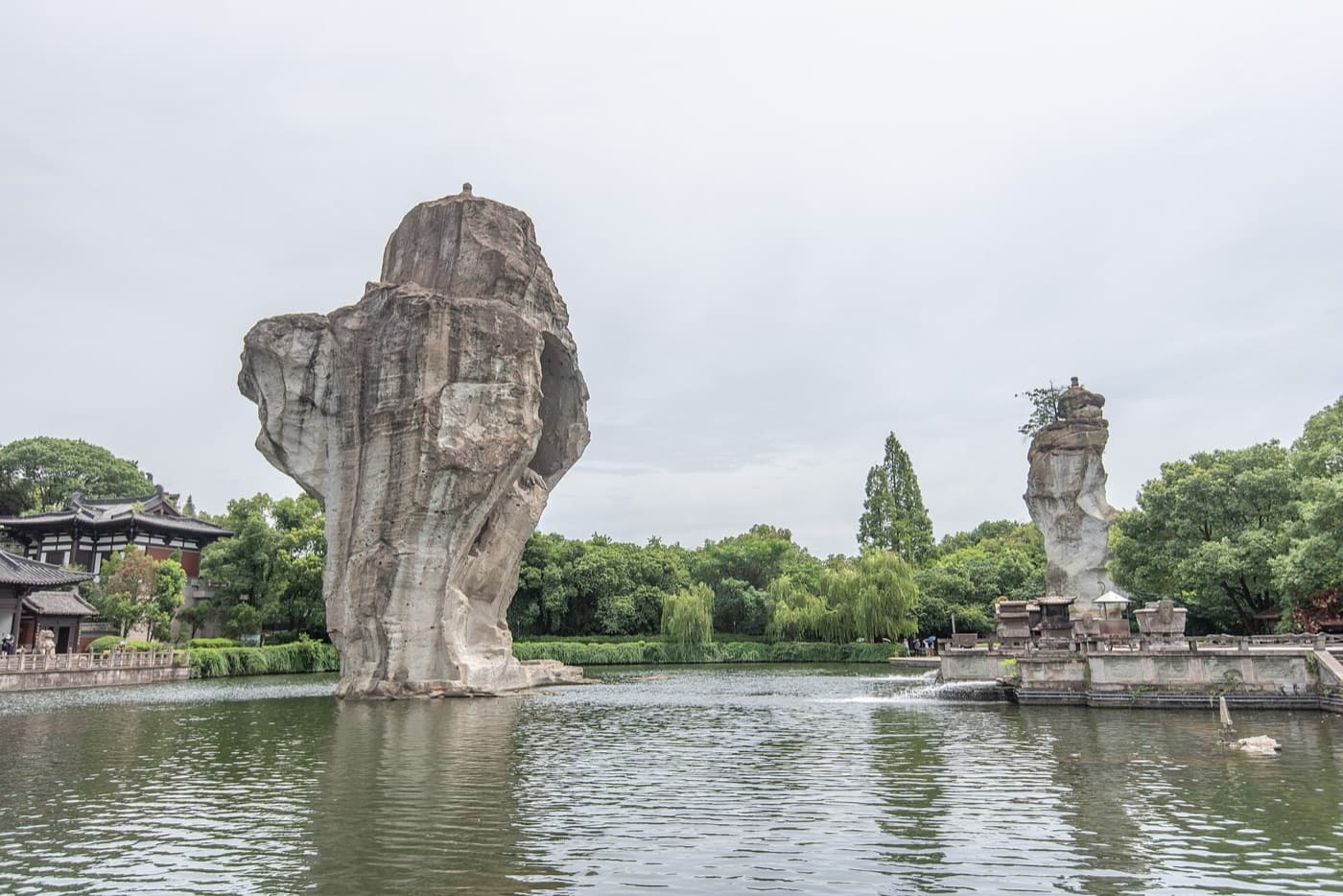
Source: China Self-Guided Travel 2025 (《中国自助游》, Tianjin Science & Technology Press, Aug 2024), pp. 1159–1187. Translated from the Chinese edition; names and prices follow the guidebook. · Plain text version