Chuanyan Nineteen Peaks
One of China's most magnificent Danxia landform scenic areas. The park excels in natural scenery, with peaks, cliffs, caves, valleys, streams, rapids, waterfalls and pools all present,…
Chuanyan Nineteen Peaks, Shaoxing
Key facts
- Admission
- ¥60; small train ¥30
- Opening hours
- 7:00–17:00 (summer); 7:30–16:30 (winter)
- Time needed
- 0.5–1 day
- Getting there
- Take a minibus from Xinchang West Bus Station (新昌汽车西站) bound for Jingling (镜岭), also known as Huishan (回山)
- Guidebook rating
- 4 / 5
From China Self Guided Travel 2025, page 1180. Open in Google Maps
About Chuanyan Nineteen Peaks
One of China's most magnificent Danxia landform scenic areas. The park excels in natural scenery, with peaks, cliffs, caves, valleys, streams, rapids, waterfalls and pools all present, and mountain light and water colours blend into one. It embodies the four hallmarks of elegance, seclusion, uniqueness and danger, and is well suited to sightseeing, holidays, hiking, adventure and water activities.
Frequently asked questions
How much does Chuanyan Nineteen Peaks cost?
Admission to Chuanyan Nineteen Peaks is ¥60; small train ¥30, as listed in the 2025 guidebook. Prices can change; check the official channel before you go.
What are the opening hours of Chuanyan Nineteen Peaks?
Chuanyan Nineteen Peaks is open 7:00–17:00 (summer); 7:30–16:30 (winter).
How do I get to Chuanyan Nineteen Peaks?
Take a minibus from Xinchang West Bus Station (新昌汽车西站) bound for Jingling (镜岭), also known as Huishan (回山)
How long should I spend at Chuanyan Nineteen Peaks?
Plan on 0.5–1 day for Chuanyan Nineteen Peaks.
Where is Chuanyan Nineteen Peaks?
Chuanyan Nineteen Peaks is in Shaoxing, Zhejiang Province, in the East China of China. Chuanyan Nineteen Peaks, Xinchang County, Shaoxing City, Zhejiang Province
More places in Shaoxing

Houshan Hill
Beyond its unique rock formations, Houshan preserves a remarkable ancient Yue culture. Ride a wupeng boat through a watery Jiangnan countryside that looks like a painting, and leave the noise of the city behind. Some 2,400 years ago, King Goujian of Yue practised 'sleeping on brushwood and tasting gall' here before achieving the restoration of his kingdom. During the Spring and Autumn and Warring States periods, this was already a kiln site for ancient Yue celadon. Lu You, the Song dynasty poet, had ancestors who lived here for three generations. Beyond its natural beauty, the imperial gardens and private residences carved into the landscape earn it the reputation of a model of ancient Yue stone culture.
¥40 · 2 hours
Luzhen Town
Luzhen first appeared as a fictional place in Lu Xun’s stories such as Kong Yiji, The New Year’s Sacrifice and Village Opera. Today’s Luzhen is a theme park recreating Lu Xun’s “Luzhen” as a Jiangnan water town, a microcosm of Shaoxing’s waterside life. Stroll past the grand Lu Mansion, pause at the stage to listen to village opera, exchange a silver dollar for a cup of wine at Xianheng Tavern, and hear Xianglin’s Wife go on endlessly about her son Amao… Inside the play and out, it all feels wonderfully real.
Three-zone combined ticket ¥130 (includes boat ticket) · 2–3 hours
Ziyang Street
Ziyang Street is considered Zhejiang's first ancient street, a microcosm of a thousand-year-old city and a symbol of a city of rich history and culture. The centuries have not diminished its endless charm. Stroll along Ziyang Street and discover its history, its folk customs and its cultural essence, along with the unique charm it has slowly accumulated over the passing years.
Free · 2–4 hours
Potan Ancient Town
The town is lined with houses dating from the Ming and Qing dynasties, and you can still see an old opera stage and private money houses. The highlight is the Chen Clan Ancestral Hall, where ancestral tablets are enshrined. Be sure to walk the dragon-shaped street paved with pebbles, a rarity in China. The town also preserves a thousand-year-old craft, the needle-pricked boneless lantern, a national-level intangible cultural heritage often called 'a unique marvel of China.' For this reason, Xianju has been awarded the title 'Hometown of Chinese Folk Art.'
¥36 · 2–3 hours
Jianhu Lake (Mirror Lake)
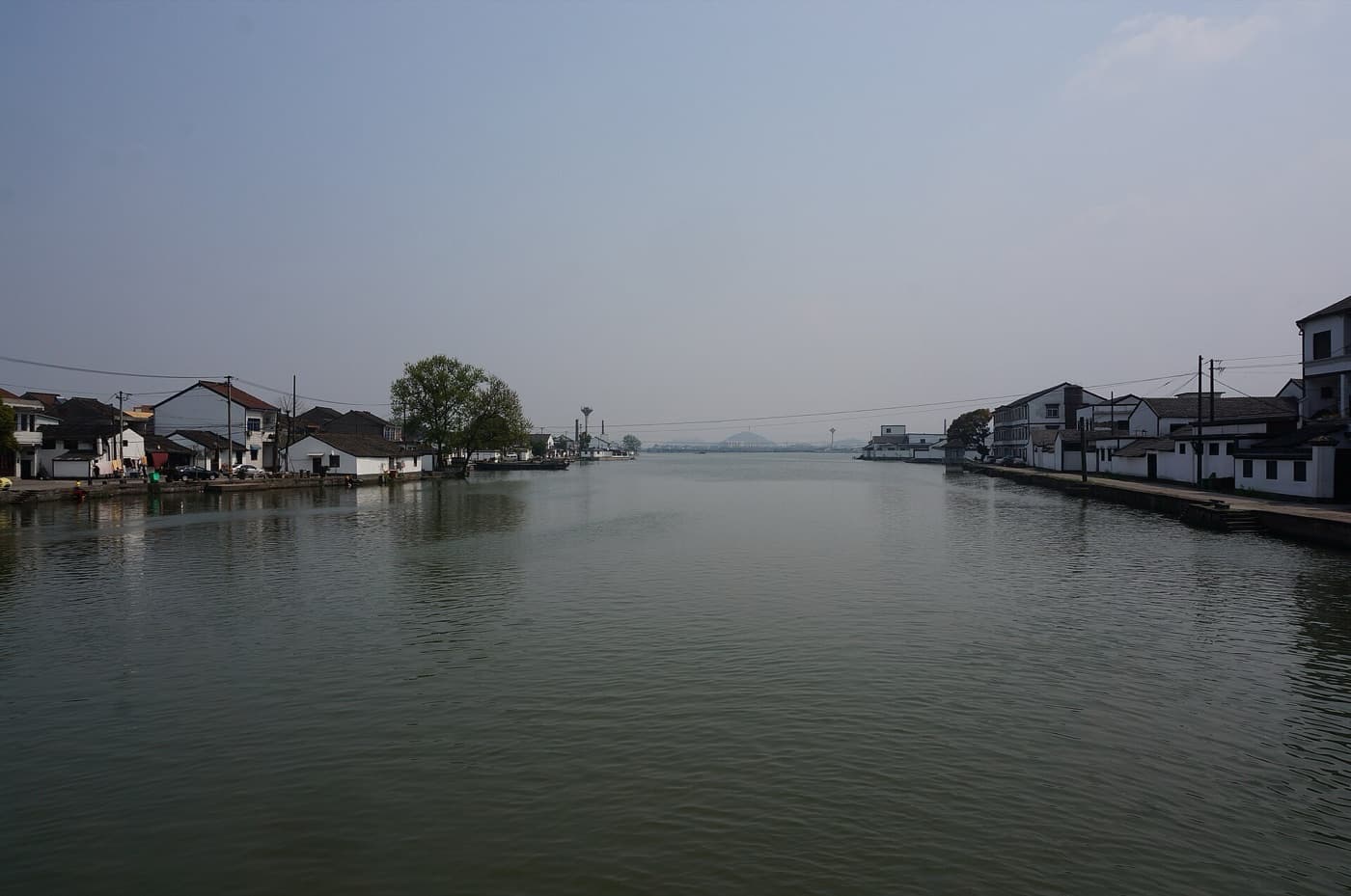
Also known as Mirror Lake. In the long history of Jianhu, the passages most familiar to us are probably those about the Wannian opera stage in Lu Xun’s writings, and the heroic spirit of Qiu Jin, the heroine of Jianhu. The Ancient Jianhu area within Keyan Scenic Area is the core of the lake today. Visitors must take a boat from the Keyan Scenic Area pier to get there.
Three-zone combined ticket ¥130 (includes boat ticket) · 1–2 hours
Dachen Island
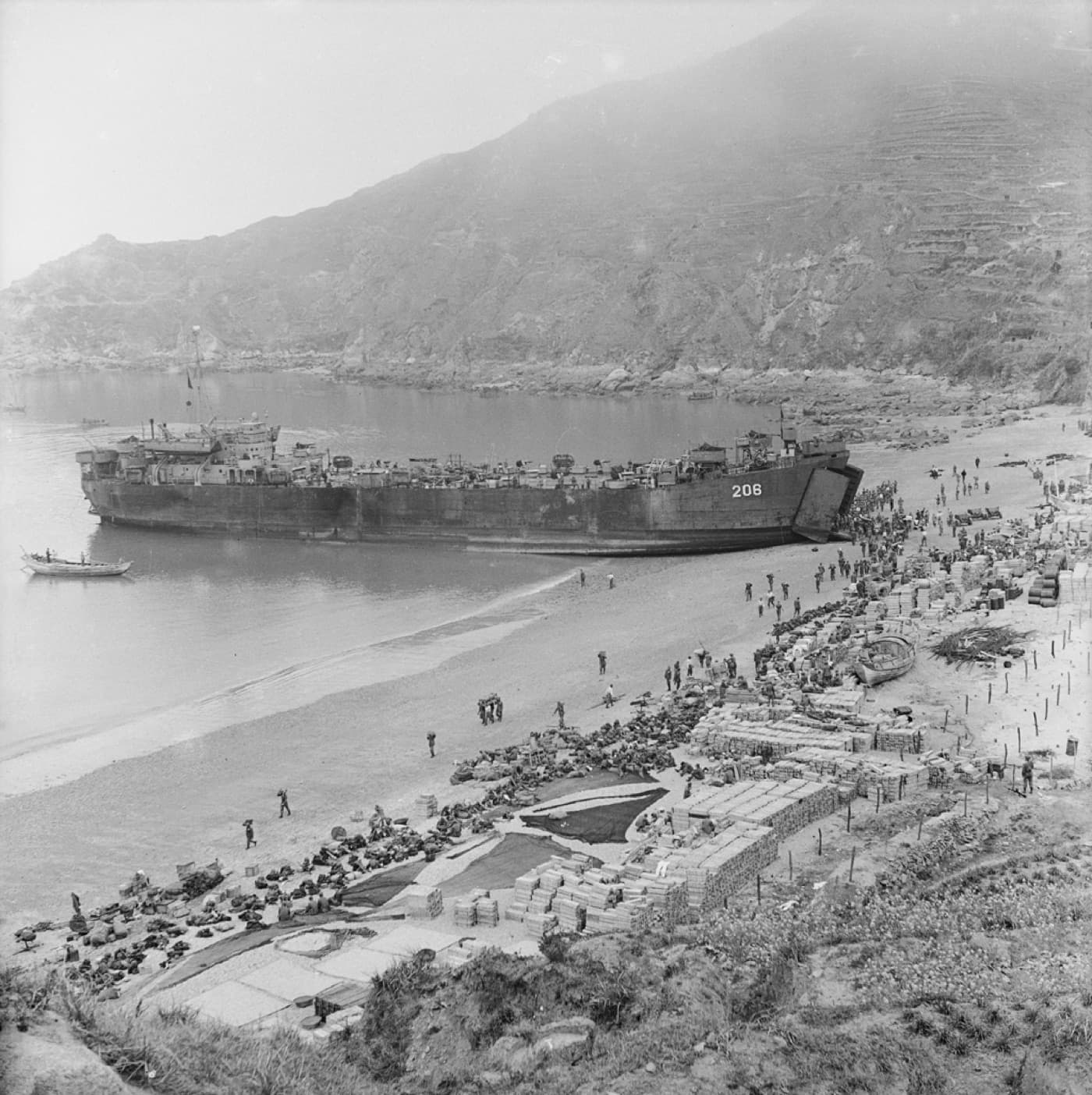
Dachen is a national first-class fishing port, a provincial forest park and Zhejiang's sea angling base. The waters around the island form the second-largest fishing ground in Zhejiang. During the fishing season, countless boats gather around the island with masts like a forest, and at nightfall thousands of fishing lights create a spectacular sight. Known as the 'Pearl of the East China Sea,' Dachen Island combines mountains and sea, where water meets sky, with green hills, lush forests, blue waters, majestic cliffs, flat beaches and secluded caves.
3–4 hours