Zhuji
Zhuji was an ancient capital of the Yue state, the hometown of the legendary beauty Xishi, and the place where King Goujian of Yue plotted the restoration of his kingdom.…
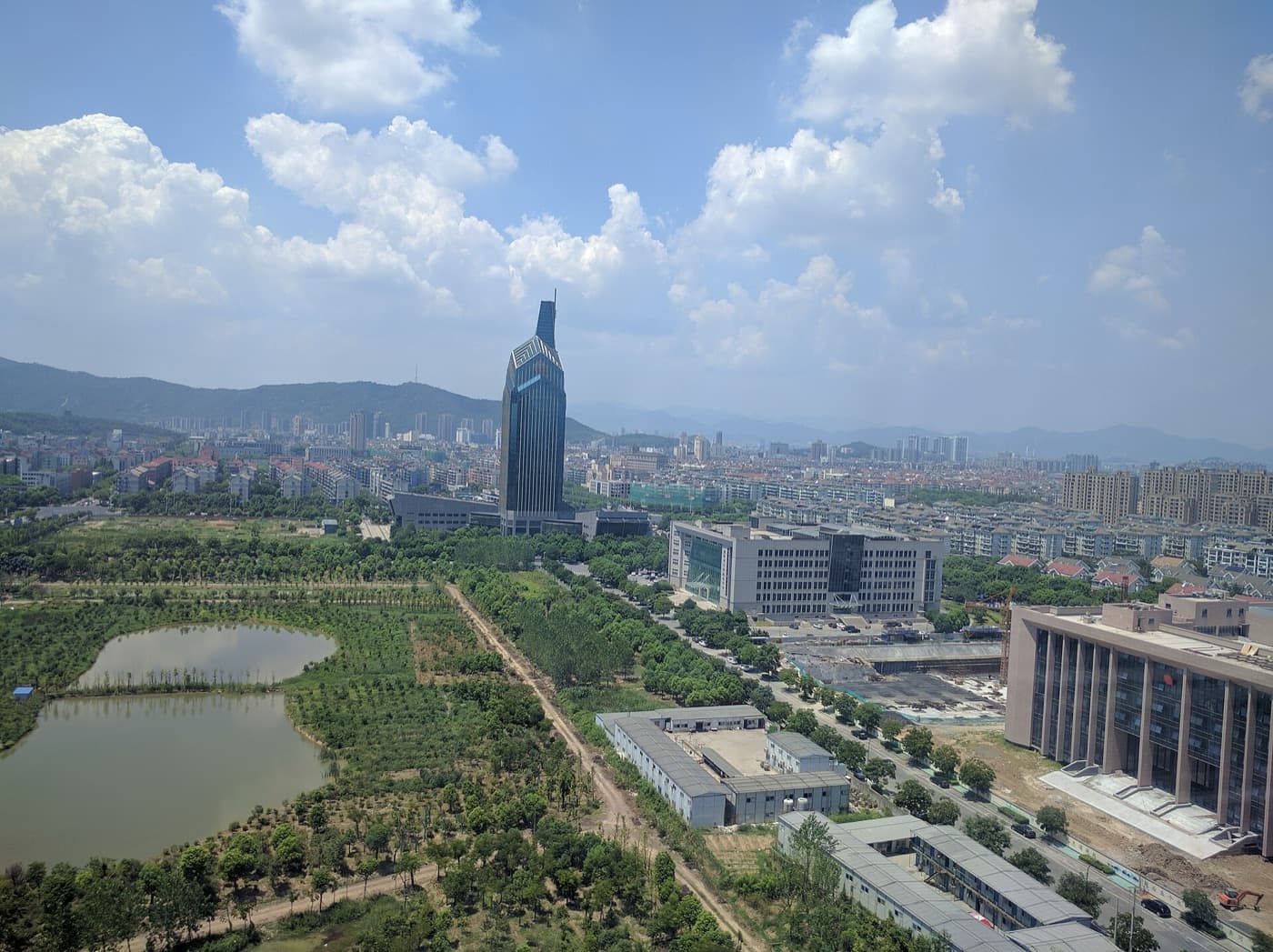
Zhuji, Shaoxing · Gmbsfd · CC BY-SA 4.0 · Wikimedia Commons
Key facts
- Admission
- Free
- Opening hours
- Open all day (an administrative district, not a ticketed attraction)
- Getting there
- Take the high-speed train to Zhuji Station; from downtown Shaoxing, take a coach to Zhuji (about 1h); city buses cover the towns. As the attractions are scattered, self-driving is recommended
- Guidebook rating
- 3 / 5
From China Self Guided Travel 2025, page 1177. Open in Google Maps
About Zhuji
Zhuji was an ancient capital of the Yue state, the hometown of the legendary beauty Xishi, and the place where King Goujian of Yue plotted the restoration of his kingdom. Rich in history and culture, it is one of the oldest counties in Zhejiang and a birthplace of Wu-Yue culture in China.
Tips from the guidebook
- 1. Must-sees in Zhuji: Wuxie, Xishi Hall, Douyan Giant Buddha, Fengqiao and Dongbai Mountain are the highlights.
- 2. Local specialities: Fengqiao torreya nuts and freshwater pearls are famous regional products.
- 3. Getting around the city: Tourist Route 57 links Xishi's Hometown and Wuxie via Zhuji Railway Station (诸暨火车站), covering 28 km with a bus every 19 minutes; ¥5 per person. Tourist Route 58 runs between Zhuji Railway Station and Paitou Town, passing Douyan, every 15 minutes; ¥5 per person. Bus routes 21, 113 and 17 serve Xishi's Hometown via Zhuji Railway Station. Taxi base fare in urban Zhuji: ¥8 for the first 2.5 km.
Frequently asked questions
How much does Zhuji cost?
Admission to Zhuji is Free, as listed in the 2025 guidebook. Prices can change; check the official channel before you go.
What are the opening hours of Zhuji?
Zhuji is open Open all day (an administrative district, not a ticketed attraction).
How do I get to Zhuji?
Take the high-speed train to Zhuji Station; from downtown Shaoxing, take a coach to Zhuji (about 1h); city buses cover the towns. As the attractions are scattered, self-driving is recommended
Where is Zhuji?
Zhuji is in Shaoxing, Zhejiang Province, in the East China of China. Zhuji City, Shaoxing, Zhejiang Province
More places in Shaoxing

Houshan Hill
Beyond its unique rock formations, Houshan preserves a remarkable ancient Yue culture. Ride a wupeng boat through a watery Jiangnan countryside that looks like a painting, and leave the noise of the city behind. Some 2,400 years ago, King Goujian of Yue practised 'sleeping on brushwood and tasting gall' here before achieving the restoration of his kingdom. During the Spring and Autumn and Warring States periods, this was already a kiln site for ancient Yue celadon. Lu You, the Song dynasty poet, had ancestors who lived here for three generations. Beyond its natural beauty, the imperial gardens and private residences carved into the landscape earn it the reputation of a model of ancient Yue stone culture.
¥40 · 2 hours
Luzhen Town
Luzhen first appeared as a fictional place in Lu Xun’s stories such as Kong Yiji, The New Year’s Sacrifice and Village Opera. Today’s Luzhen is a theme park recreating Lu Xun’s “Luzhen” as a Jiangnan water town, a microcosm of Shaoxing’s waterside life. Stroll past the grand Lu Mansion, pause at the stage to listen to village opera, exchange a silver dollar for a cup of wine at Xianheng Tavern, and hear Xianglin’s Wife go on endlessly about her son Amao… Inside the play and out, it all feels wonderfully real.
Three-zone combined ticket ¥130 (includes boat ticket) · 2–3 hours
Jianhu Lake (Mirror Lake)
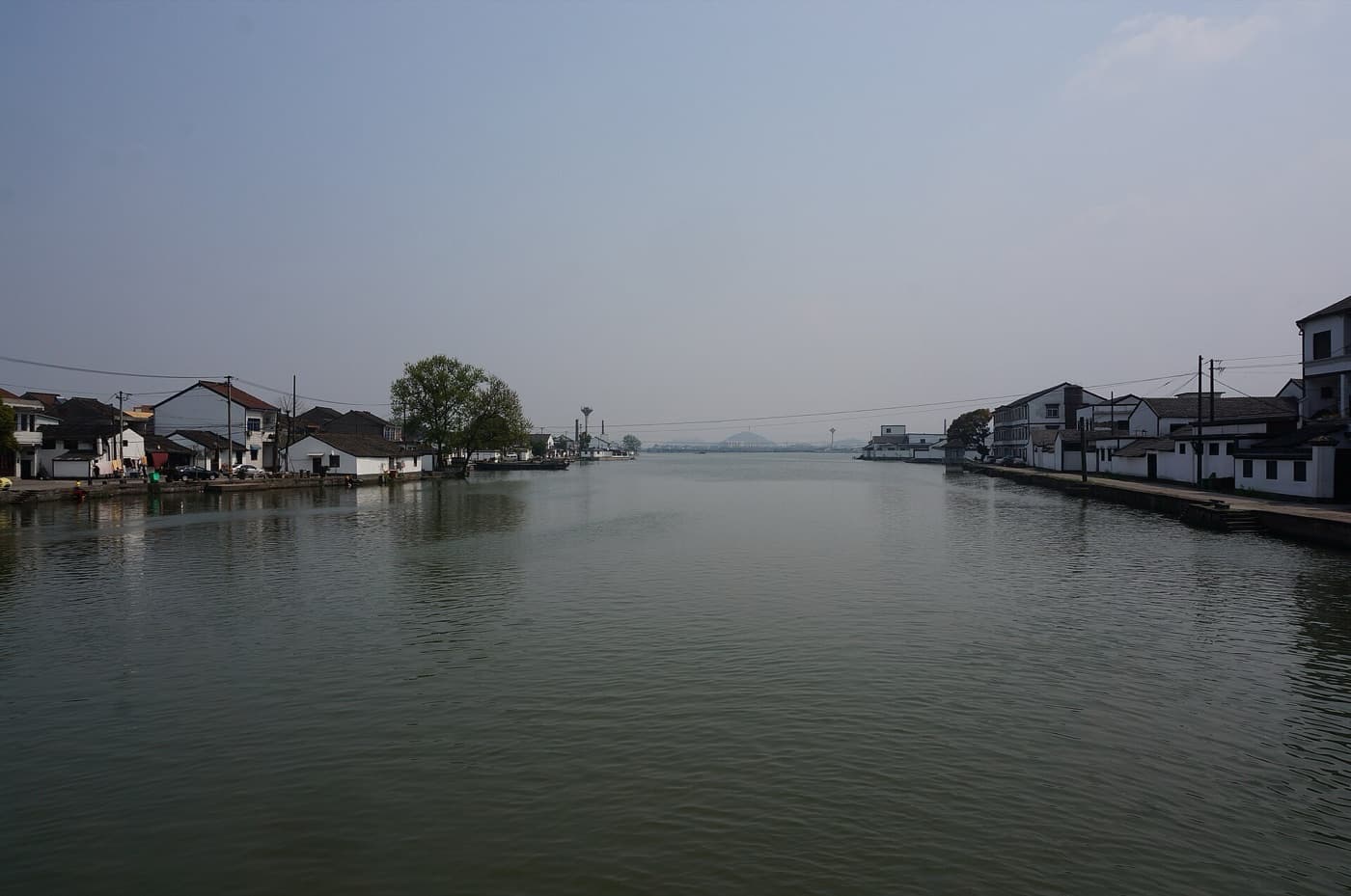
Also known as Mirror Lake. In the long history of Jianhu, the passages most familiar to us are probably those about the Wannian opera stage in Lu Xun’s writings, and the heroic spirit of Qiu Jin, the heroine of Jianhu. The Ancient Jianhu area within Keyan Scenic Area is the core of the lake today. Visitors must take a boat from the Keyan Scenic Area pier to get there.
Three-zone combined ticket ¥130 (includes boat ticket) · 1–2 hours
Keyan Scenic Area
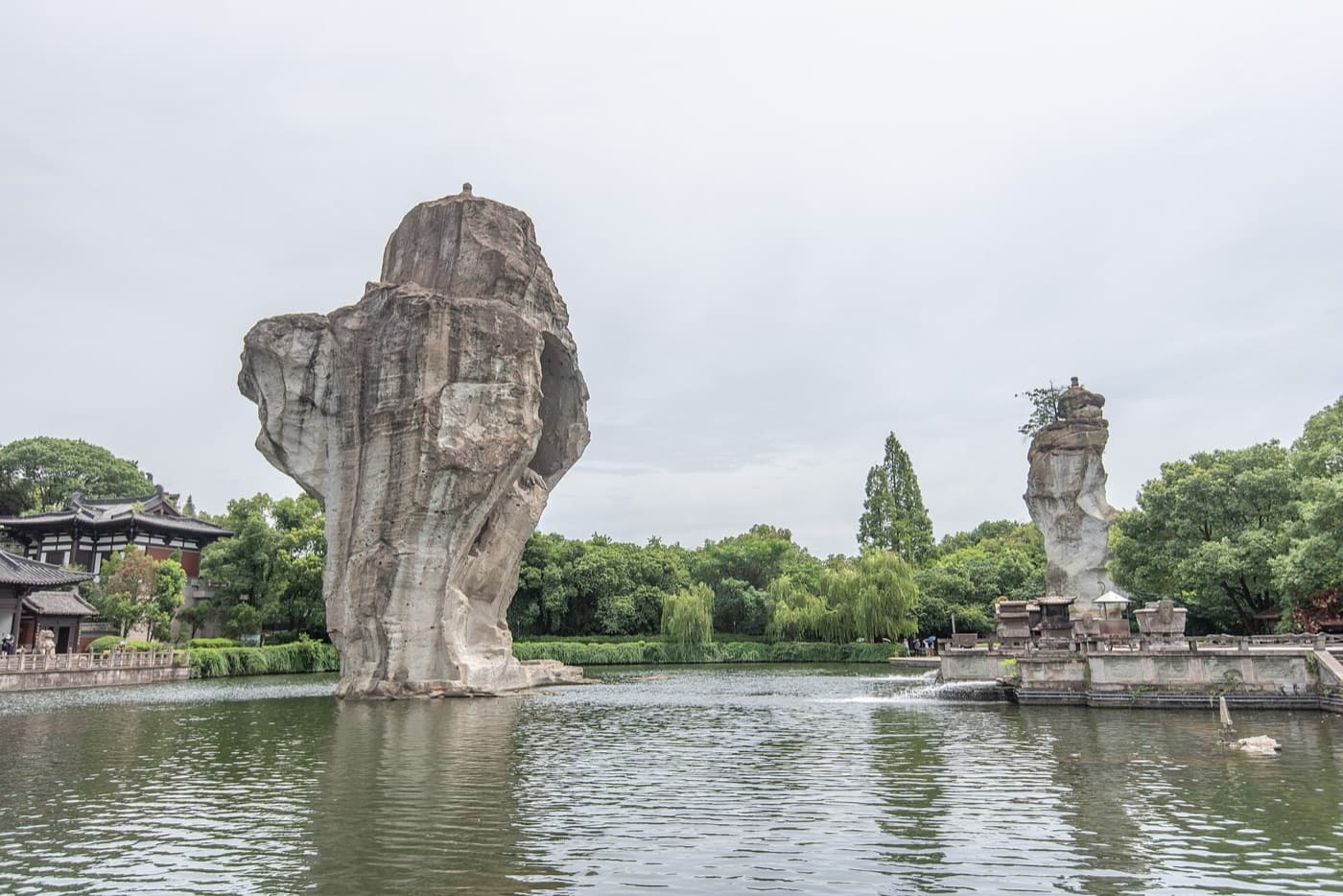
Keyan dates back to the Han dynasty and has more than 1,800 years of history. Rooted in ancient Yue culture, it blends the water-town charm of Shaoxing. Keyan's 'cloud bone' rock formations are the most extraordinary; known as the 'first stone under heaven', they are a marvel of quarrying carried out since the Sui and Tang dynasties. Don't forget to use your wine voucher to sample a small cup of Shaoxing Huadiao and old rice wine on Hulu Island (Calabash Island).
Combined ticket for Keyan, Jianhu and Luzhen scenic areas: ¥130 (includes boat ticket) · 4–5 hours
Chuanyan Nineteen Peaks
One of China's most magnificent Danxia landform scenic areas. The park excels in natural scenery, with peaks, cliffs, caves, valleys, streams, rapids, waterfalls and pools all present, and mountain light and water colours blend into one. It embodies the four hallmarks of elegance, seclusion, uniqueness and danger, and is well suited to sightseeing, holidays, hiking, adventure and water activities.
¥60; small train ¥30 · 0.5–1 day
Ziyang Street
Ziyang Street is considered Zhejiang's first ancient street, a microcosm of a thousand-year-old city and a symbol of a city of rich history and culture. The centuries have not diminished its endless charm. Stroll along Ziyang Street and discover its history, its folk customs and its cultural essence, along with the unique charm it has slowly accumulated over the passing years.
Free · 2–4 hours