Shepan Island
Also known as the 'Island of a Thousand Caves,' it has been a popular summer resort since the Ming and Qing dynasties. Its Thousand Interconnected Caves are unmatched: large and small caves,…
Shepan Island, Shaoxing
Key facts
- Admission
- Mud Slide Park: ¥50; combined ticket (including Pirate Village and Wild Man Cave) ¥100
- Opening hours
- January 1–April 29: Mon–Fri 9:00–16:00; Sat–Sun 8:00–17:00. April 30–May 4: 7:30–17:00. May 5–December 31: Mon–Fri 8:00–17:00; Sat–Sun 8:00–17:00
- Time needed
- 0.5–1 day
- Guidebook rating
- 4 / 5
From China Self Guided Travel 2025, page 1185. Open in Google Maps
About Shepan Island
Also known as the 'Island of a Thousand Caves,' it has been a popular summer resort since the Ming and Qing dynasties. Its Thousand Interconnected Caves are unmatched: large and small caves, horizontal and vertical, wet and dry, straight and winding, with branch caves leading off the main passages and caves nested within caves. The caves hold water, and within the water lie more caves, all mixed with strange rocks in endless shapes and endless charm. Locals can still tell the folk legends behind some of the caves.
Frequently asked questions
How much does Shepan Island cost?
Admission to Shepan Island is Mud Slide Park: ¥50; combined ticket (including Pirate Village and Wild Man Cave) ¥100, as listed in the 2025 guidebook. Prices can change; check the official channel before you go.
What are the opening hours of Shepan Island?
Shepan Island is open January 1–April 29: Mon–Fri 9:00–16:00; Sat–Sun 8:00–17:00. April 30–May 4: 7:30–17:00. May 5–December 31: Mon–Fri 8:00–17:00; Sat–Sun 8:00–17:00.
How long should I spend at Shepan Island?
Plan on 0.5–1 day for Shepan Island.
Where is Shepan Island?
Shepan Island is in Shaoxing, Zhejiang Province, in the East China of China. Shepan Township, Sanmen County, Taizhou, Zhejiang Province
More places in Shaoxing

Houshan Hill
Beyond its unique rock formations, Houshan preserves a remarkable ancient Yue culture. Ride a wupeng boat through a watery Jiangnan countryside that looks like a painting, and leave the noise of the city behind. Some 2,400 years ago, King Goujian of Yue practised 'sleeping on brushwood and tasting gall' here before achieving the restoration of his kingdom. During the Spring and Autumn and Warring States periods, this was already a kiln site for ancient Yue celadon. Lu You, the Song dynasty poet, had ancestors who lived here for three generations. Beyond its natural beauty, the imperial gardens and private residences carved into the landscape earn it the reputation of a model of ancient Yue stone culture.
¥40 · 2 hours
Shenxianju (Fairy Residence Scenic Area)
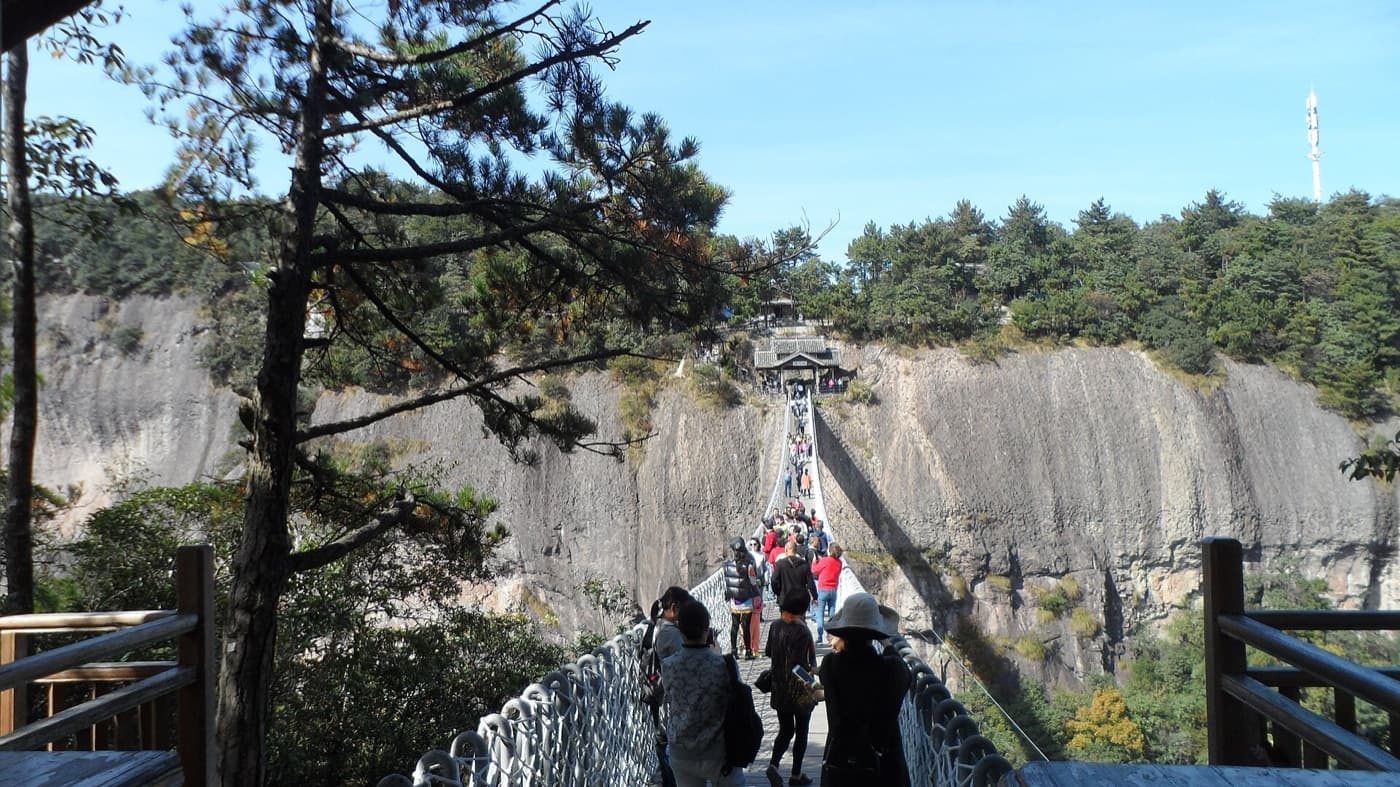
Shenxianju is dotted with bamboo groves and waterfalls, and much of its wild, natural character remains intact. Zhang Jizhong's TV series *The Demi-Gods and Semi-Devils*, the film *Kung Fu Master* and the new version of *The White-Haired Witch* were all filmed here.
¥110 · 3–4 hours
Dachen Island
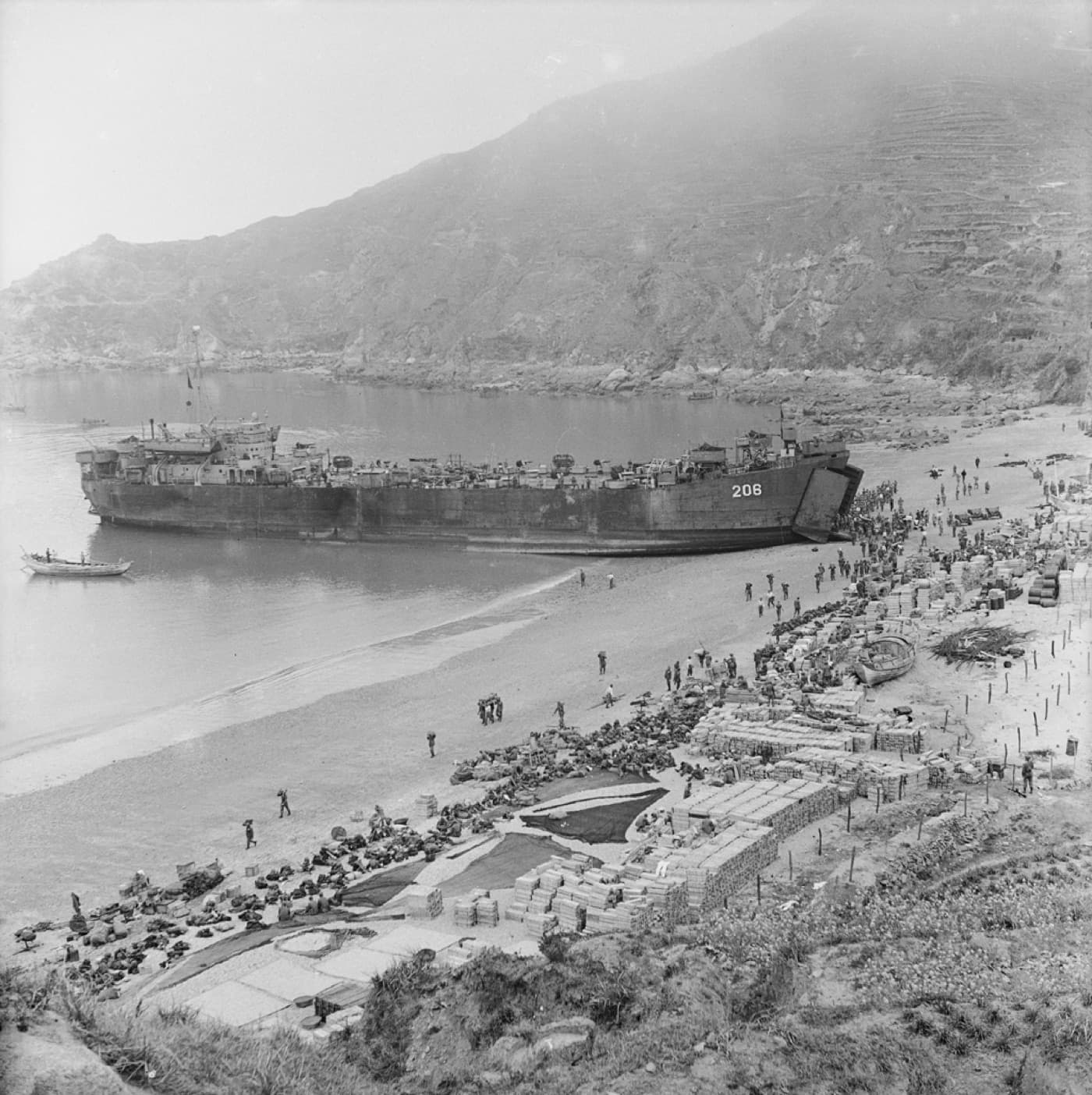
Dachen is a national first-class fishing port, a provincial forest park and Zhejiang's sea angling base. The waters around the island form the second-largest fishing ground in Zhejiang. During the fishing season, countless boats gather around the island with masts like a forest, and at nightfall thousands of fishing lights create a spectacular sight. Known as the 'Pearl of the East China Sea,' Dachen Island combines mountains and sea, where water meets sky, with green hills, lush forests, blue waters, majestic cliffs, flat beaches and secluded caves.
3–4 hours
Changyu Dongtian (Changyu Caves)
The largest artificially excavated stone caverns in China. Awarded a Guinness World Record in April 1998, and rated a national 4A-level tourist attraction in April 2002.
¥112 · 0.5–1 day
Shitang Peninsula
Shitang sits on the shore of the East China Sea and is the first place on the Chinese mainland to greet the dawn of the new millennium, earning it the nickname 'the Oriental Cape of Good Hope'. Its houses are built along the mountains and by the sea, rising and falling in an appealing, irregular pattern. On the Shitang Peninsula is also a distinctive village, Qicai Xiaoruo Village, where every house has been painted a different bright colour. The warm, vivid hues make walking through it feel like stepping into a fairy-tale world.
0.5–1 day
Ziyang Street
Ziyang Street is considered Zhejiang's first ancient street, a microcosm of a thousand-year-old city and a symbol of a city of rich history and culture. The centuries have not diminished its endless charm. Stroll along Ziyang Street and discover its history, its folk customs and its cultural essence, along with the unique charm it has slowly accumulated over the passing years.
Free · 2–4 hours