Garze Prefecture travel guide
甘孜州
After American writer James Hilton wrote the novel Lost Horizon, people became curious about Shangri-La: where exactly is it? Travel through the northwest of Yunnan and the south of Sichuan,…
24 places · In the guidebook: pages 382–409

Garze Prefecture, Sichuan Province · AI illustration for China Trip
Quick itinerary
Garze Prefecture in 7 days
- Day 1
- Chengdu→
- Erlang Mountain→
- Moxi Old Town→
- Hailuogou Glacier Park
- Day 2
- Day 3
- Xinduqiao→
- Tagong Grassland→
- Danba Ancient Village→
- Danba County
- Day 4
- Danba County→
- Beauty Valley→
- Dangling Pass→
- Xinduqiao
- Day 5
- Xinduqiao→
- Kazila Mountain Pass→
- Maoya Grassland→
- Daocheng White Pagoda→
- Daocheng County
- Day 6
- Daocheng County→
- Daocheng Yading→
- Haizishan→
- Litang County
- Day 7
The feel of the place
- Shangri-La
- After American writer James Hilton wrote the novel Lost Horizon, people became curious about Shangri-La: where exactly is it? Travel through the northwest of Yunnan and the south of Sichuan, and you will find that pure, untouched nature is the state of harmony humans long for most. For these regions, it is a geographical reality; for the human heart, it is a goal to strive toward. Daocheng and Yading best evoke the dream of “Shangri-La” in people's minds.
- Gadeng Festival
- During the festival held in early in the seventh lunar month, people gather on the county's grasslands to sing, dance and take part in various trade activities.
Preparation and Advice
Language
At any major tourist site, the locals' Mandarin is so good that you will forget where you are. There's no need to worry about communicating.
Daocheng is much the same. Kham Tibetan is the mainstream language here. Just remember one phrase, “Wa la wa la”, which means “hello” and will come in handy everywhere in Daocheng.
Climate and Travel Season
Avoid winter and the rainy season when travelling in the highlands. November to March is winter, when mountain passes are often closed and roads are impassable. July and August bring the rainy season, when heavy rain can wash out roads and make scenic areas inaccessible. Therefore, mid-May to late October is the best time to visit.
Festivals
Juzhai Temple in Xinduqiao hosts a range of Tibetan-style activities from the 17th to the 21st of the seventh lunar month.
Clothing
Be sure to keep warm, as catching a chill is a major taboo at high altitude. You don't need to pack many changes of clothes, as they only add weight without any benefit. Also, choose clothing that is moisture-resistant and lightweight. For Yading, bring rain gear and gloves. A lightweight raincoat is better than an umbrella, as umbrellas are inconvenient when riding horses. Raincoats can be rented at Yading Mountain Villa for ¥20 per set.
Gear
Pack medication for stomach issues, Rhodiola, Xinyuansu heart tonic, a torch, lip balm, sunscreen, sunglasses and a sun hat, as you'll likely need them. If you are particular about hygiene, a sleeping bag is the best kit to have. You can never have too many memory cards.
Altitude Sickness
Everyone experiences some degree of altitude sickness on arrival in the highlands, with symptoms such as headache, chest tightness, shortness of breath, nausea, vomiting and insomnia. These symptoms usually ease or disappear within a day or two. However, people with serious heart, lung or high blood pressure conditions should not spend long periods in the highlands. It is also advisable not to bring children or elderly people to Daocheng Yading, as they tend to experience more severe altitude sickness.
Things to see
Horse rides from Longtongba to Chonggu Temple cost ¥40 one way or ¥70 round trip. From Luorong Pasture to Five-Colour Lake, the round trip costs ¥300. Note that rides cannot be taken after 15:00.

Daocheng Yading
稻城 · 1–2 days · ¥146 (April–November), ¥120 (December–March), sightseeing bus ¥120
In 1928, American explorer Joseph Rock arrived in Daocheng and published his photographs in National Geographic, causing a sensation. From then on, Daocheng Yading, long asleep in the ice of time, revealed its most ancient and innocent face, and people were enchanted by its allure as the ‘last pure land on the blue planet’. Chonggu Temple, Luorong Pasture, Five-Colour Lake and Milk Lake all have a serene, Shangri-La-like beauty. Among them, the most mysterious are the three sacred peaks. Chenrezig, Jambeyang and Chana Dorje stand in a triangular formation, collectively known as Nianqing Gongga Risong Gongbu. In Tibetan, the name means ‘the sacred site of three guardian mountains that never lose their snow’, and in Buddhism they are called the Three Protector Snow Mountains. This is a sacred mountain in Tibetan Buddhism, and for every Tibetan, making at least one pilgrimage circuit around Nianqing Gongga Risong Gongbu in a lifetime is a cherished wish.

Larong Wuming Buddhist Academy
稻城 · 0.5–1 day
Serthar Larong Wuming Buddhist Academy is an enormous Buddhist academy. Beneath the deep blue sky and among the high mountain grasslands, thousands of small wooden cabins are densely packed across the hillsides around the academy’s main great assembly hall. The crimson cabins stretch and roll across the slopes, a truly spectacular sight. Many footpaths wind through the academy and are pleasant to stroll. On the hillside to the southwest of the prayer-wheel stupa, you can look down over the entire academy and capture its full panorama. On the highest peak within the academy stands a huge, gleaming golden mandala. Its red walls and golden roofs soar into the clouds, and each of its three tiers is brighter and more open than the one below, making the sacred site feel ever more solemn and majestic.
Maoya Grassland
Once named by China National Geographic as one of China’s six most beautiful grasslands. July is the golden season for tourism, with wildlife in abundance, making it a paradise for photographers. Every year on 1 August, the Litang August 1 Horse Racing Festival takes place, full of lively excitement.
稻城 · 1 hour · Free
Gongga Mountain National Nature Reserve
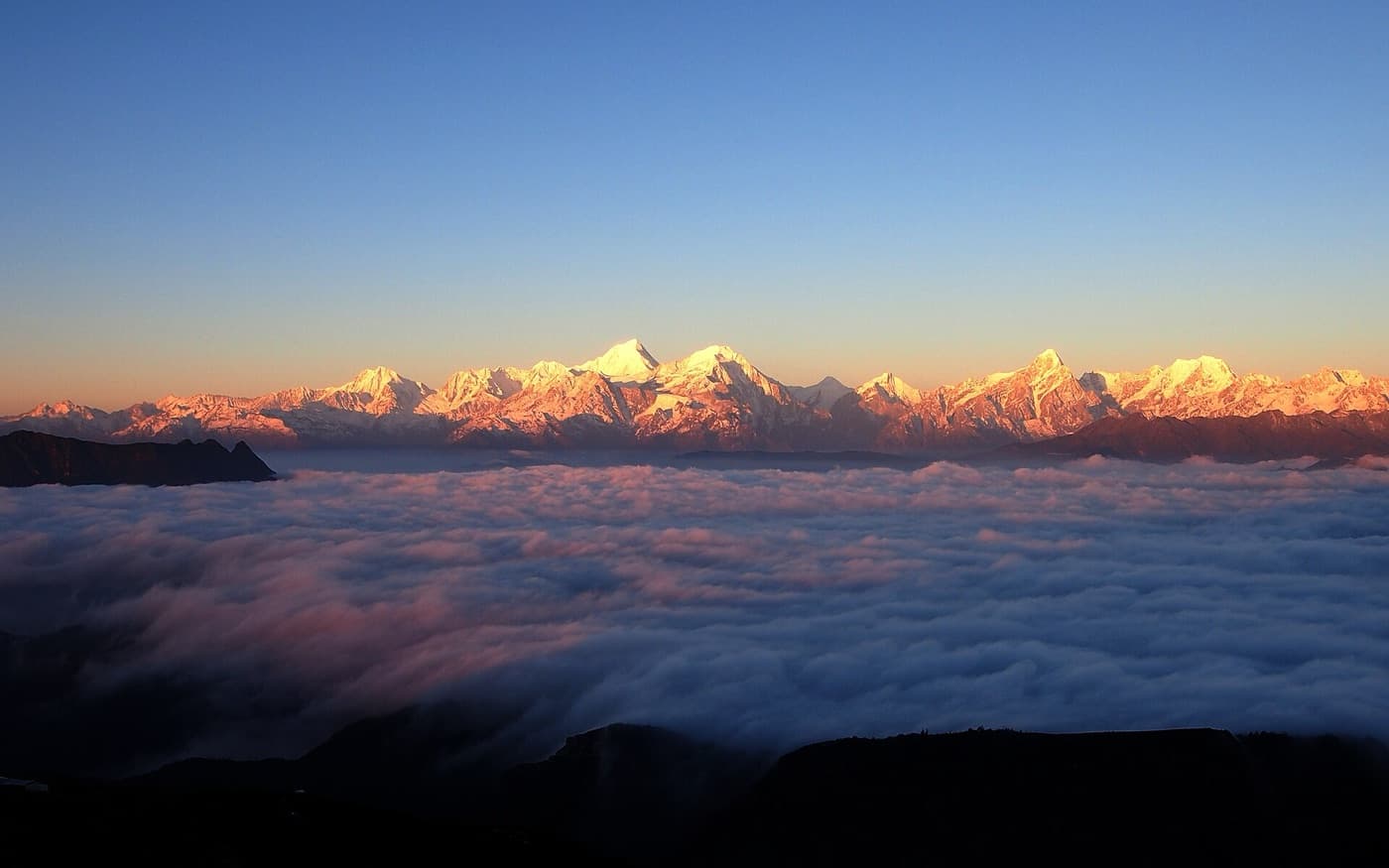
One of China's most distinctive glacier wonders. Centred on the snow-capped Mount Gongga, the reserve includes scenic areas such as Hailuogou, Yanzi Valley, Muge Lake, Gongga Temple, Wuxu Lake and the Southern Slope of Gongga. Revered by mountaineers, this sacred peak rewards hikers and cyclists with a deep sense of inner peace.
稻城 · Free
Jiaju Tibetan Village
One of China's six most beautiful rural ancient towns. Located 5 km from the county seat at an altitude of 2,500 m, it is known as “the Shangri-La of the Hengduan Mountains.” The watchtower-style houses and their eaves are red, with walls in white or natural tones, decorated with sun, moon, star and religious motifs, making for a strikingly magnificent sight. The best way to experience it is to visit or stay in a local home, try butter tea and tsampa, and feel the warmth of the local people.
稻城 · 2–3 hours · ¥50
Suopo Ancient Watchtowers
Suopo has 84 ancient watchtowers, the most concentrated cluster of such towers in all of Danba and indeed the world, including the world's only pentagonal watchtower. Built from earth and stone, the towers stand upright and straight, with sharp, knife-edge corners, and their walls of stacked stone are thick and sturdy. Most are attached to residential watchtower-houses, while others stand alone on flat ground or in valleys. Despite centuries of wind and weather, they still rise defiantly, displaying a majestic grandeur.
稻城 · Free, but the owners of the watchtowers charge a fee when you climb up to visit.
Ancient Villages around Danba County Seat
Pujiaoding Township (蒲角顶乡): 7 km from the county seat, at an altitude of 2,300 m. One of its 29 ancient watchtowers has a thirteen-sided design, and it is also the best spot from which to view the Suopo watchtower cluster from afar. Zhonglu Township (中路乡): 10 km from the county seat, at an altitude of 2,000 m. Besides watchtowers and Tibetan villages, it has ancient human settlement sites older than Sanxingdui and Neolithic stone-coffin burial grounds. Moska Village: Surrounded by three sacred mountains, the herders here live a secluded, poetic life. In this pristine land, people and wildlife coexist in harmony, which is why some call it “the Lost Paradise.”
稻城
Danba Danglin Natural Scenic Area
A source of pride for Danba, at an altitude of 5,000 m, with pristine vegetation and countless lakes scattered like stars. Said to rival or even surpass Jiuzhaigou in natural scenery. The natural hot springs at Dangling are the best in the entire county. Soak in the hot springs for half a day, then rent a horse and hire a guide to climb up and see the lakes. There is no greater pleasure in life.
稻城
Danba Beauty Valley
Danba's beauties have long been famous, and Qiongshan Village (邛山村) in Badi Township (巴底乡), known as “Beauty Valley,” is where they are gathered at their finest. Legend has it that when the Western Xia kingdom was destroyed by Mongol cavalry, many beautiful women fled from Gansu and settled here, giving rise to the internationally renowned Beauty Valley. That these beauties have continued generation after generation is likely thanks to the nourishing rivers and valleys.
稻城 · 1 day
Shangli Ancient Town
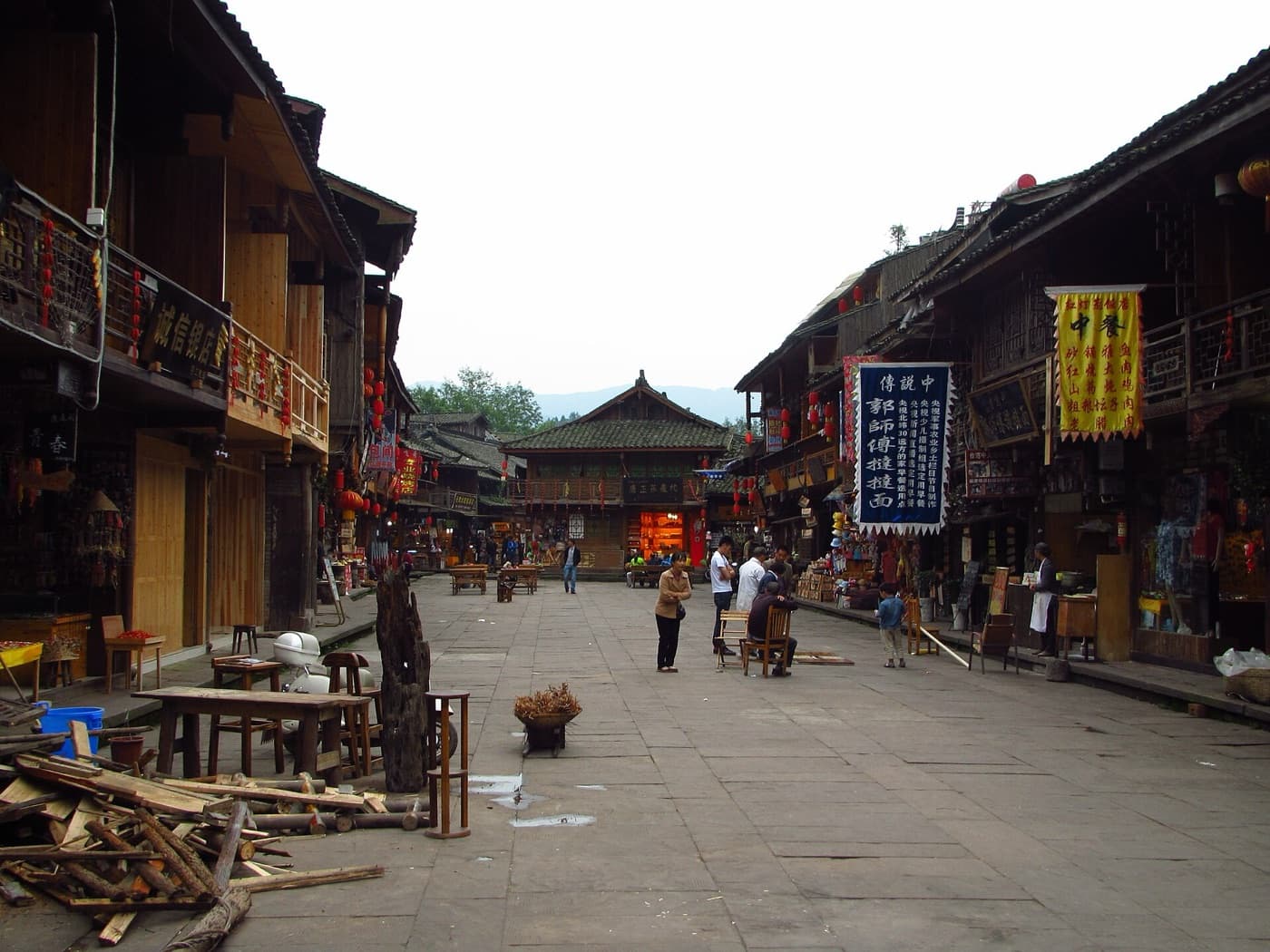
Shangli Ancient Town, north of Ya'an city, was once an important post station on the Southern Silk Road. It is now a rising tourist destination. Its Ming and Qing dynasty residences are well preserved, and its eight ancient stone bridges, led by Erxian Bridge, each have a distinctive style. The White Horse Spring, dating back to the Tang dynasty, is a constant-temperature intermittent geyser and quite remarkable.
稻城 · 3 hours
Hailuogou Glacier Park
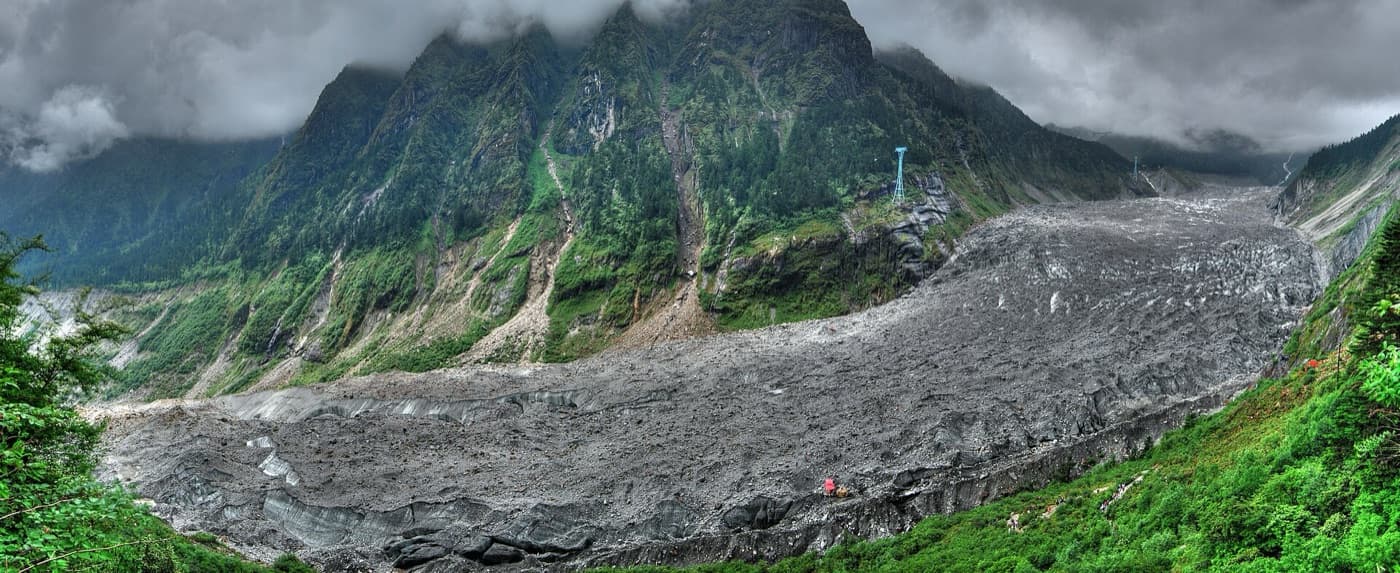
Hailuogou Glacier is the lowest-altitude glacier at its latitude anywhere on Earth. Its snow basin is the source of the entire glacier. When the snow and ice in the basin accumulate to a certain level, they spill over the rim and form enormous avalanches, so although the basin is beautiful and mysterious, it can only be admired from afar. At the basin's edge lies the largest known ice waterfall in China, crystal-clear and majestic. At an altitude of 2,850 m, a glacier tongue 5,700 m long clings to the ground. Its surface is dotted with ice lakes, ice streams, crevasses, ice mushrooms, ice caves and ice bridges. The glacial arches are crystalline and transparent, blue tinged with green. Visitors who enter and exit through the glacier's “City Gate” arch are exploring the outlet of an underground river, yet what they see is a crystal palace.
稻城 · Entry ticket ¥90 + sightseeing bus ¥160; cable car (round trip) ¥135; Yajia Love Sea (雅家情海) entry ¥35
Mugecuo Scenic Area
At an altitude of about 4,000 metres, “Mugecuo” means “Wild Man Sea” in Tibetan. It combines primeval forest, grassland, snow-capped mountains and lakes, and is like a condensed version of Jiuzhaigou. The Great Sea of Muge Lake embodies the world-famous “3S” tourism elements of sun, sand and sea. The Yaochi hot springs have nearly a hundred mineral springs with different therapeutic effects. The most remarkable sight is the red loaches swimming in the 80℃ medicinal pool. Muge grassland connects with Tagong Grassland.
稻城 · 3–4 hours · ¥105 (April–November); ¥75 (December–March)
Litang
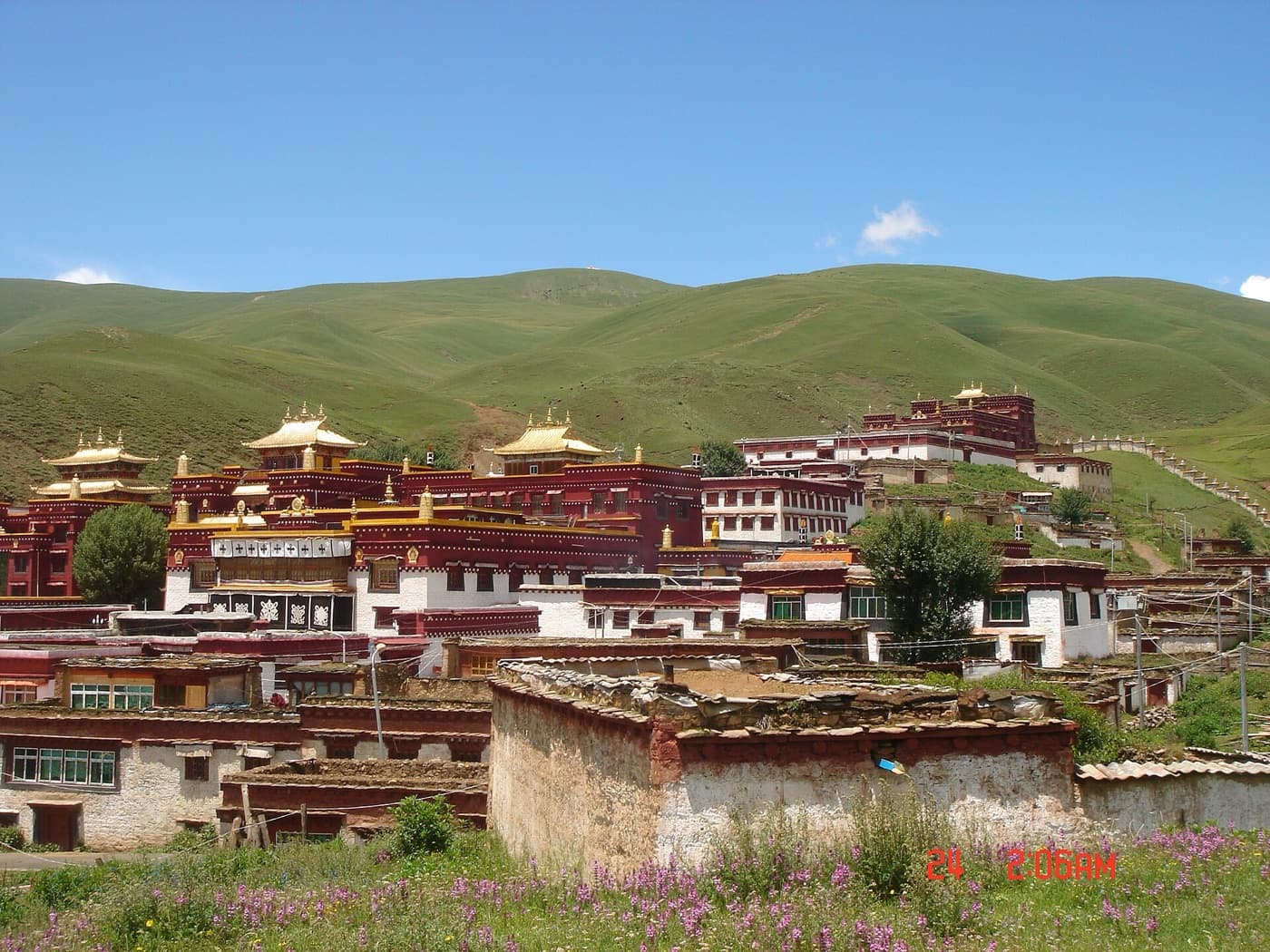
When one thinks of Litang, one recalls Tsangyang Gyatso’s love poem: “O white crane, lend me your wings. I will not fly to distant lands, only to Litang and back.” Litang sits at 4,014 metres and is known as the “World’s Highest City”. Here you will find the vast Maya Grassland, the sacred Litang Monastery of the Yellow Sect, and the towering Genie sacred mountain.
稻城 · 1–2 days
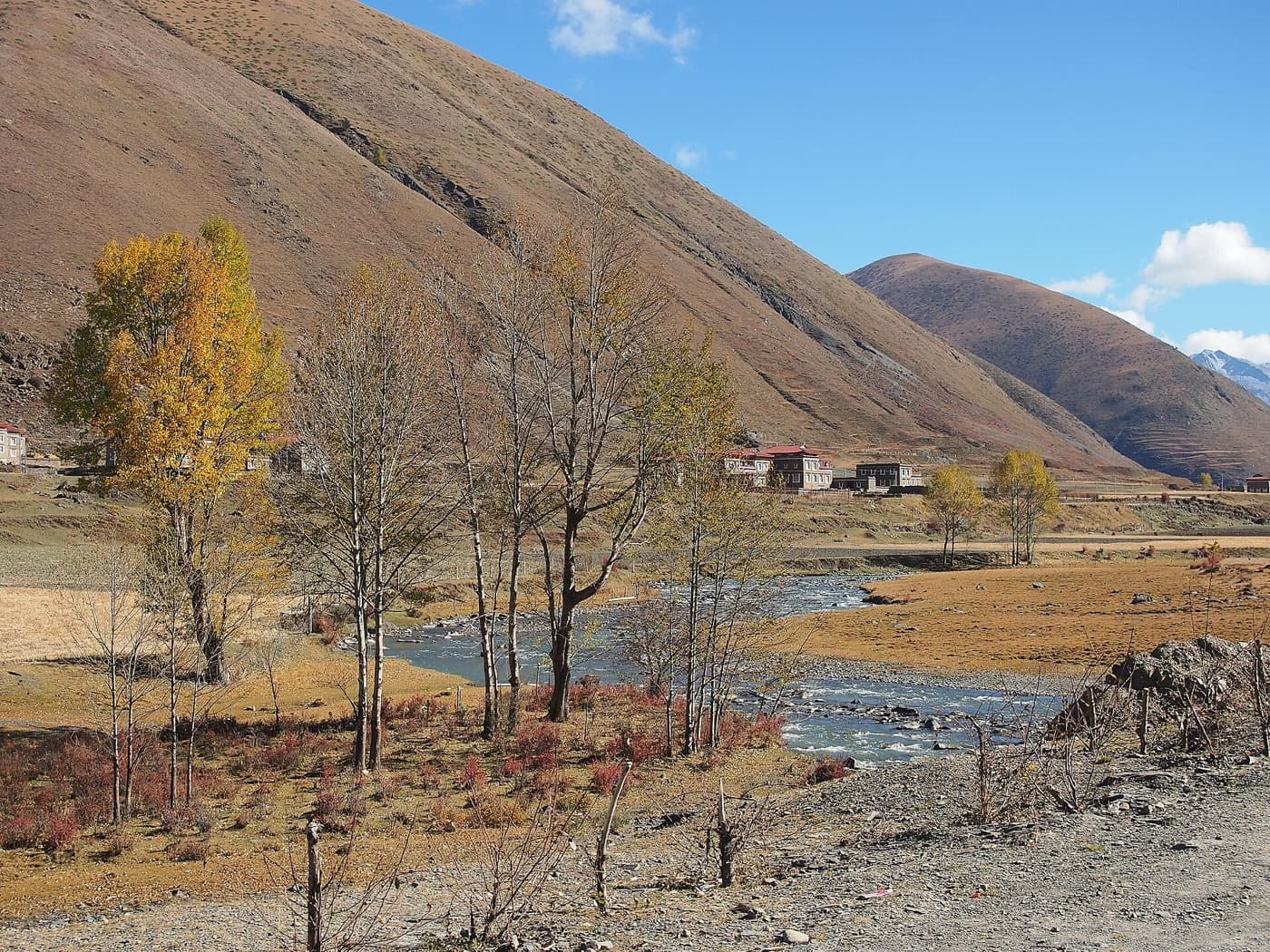
Xinduqiao Town
Xinduqiao has no outstanding landmark, but along the road is a stretch of more than 10 kilometres known as the “Photographers’ Corridor”. Travellers on the Sichuan–Tibet Highway who stop to admire the scenery can indulge their passion for photography here. From this area you can also gaze into the distance at Mount Gongga, the “King of the Shu Mountains”.
稻城 · 2–3 hours
Tagong Grassland
“Tagong” means “a place the bodhisattvas love” in Tibetan. It is a pure pastoral grassland under a sky as clear as washed glass. In summer and autumn, the grassland hosts a grand traditional horse race. Tagong Monastery is one of the famous temples, known as the “Little Jokhang”. It enshrines three life-sized statues of Shakyamuni Buddha at age 12 and is one of the pilgrimage sites for Tibetans in the Kham region. Each year, from the 6th to the 17th day of the sixth Tibetan month, during the Dharma Protector Festival, “Cham” (sacred dance) performances are held. To the left of the monastery is a forest of stupas, among which the red, yellow, white and green stupas are the most famous. Behind the monastery rise three sacred mountains, covered with mani stones and prayer flags, spectacular and mysterious.
稻城 · 3–4 hours · Free
Shenmulei
A scenic area that has emerged in recent years, it is part of the Jiajin Mountain Scenic Area. Its main features are forests, snow-capped peaks, streams, alpine meadows and alpine calcified travertine pools. Major sights include Hongshanping, Shenmulei, the Colourful Pool and the Bijiaopo rhododendron forest. The most appealing feature is its well-preserved primeval forest.
稻城 · Off-season ¥40; peak season ¥52
Derong Sun Valley
Derong Sun Valley remains a little-known, mysterious hidden valley, though more and more travellers are venturing out to explore it. Like the gorges of Shangri-La, its scenery is captivating. The villages and Wengjia Temple are natural and full of life, secluded and refreshingly unspoiled, and have yet to be discovered by many. These reasons alone are enough to make the arduous journey worthwhile for pilgrims.
稻城
Haizishan
Haizi Shan is the largest ancient ice-body relic on the Qinghai-Tibet Plateau and is known as the ‘Daocheng Ancient Ice Cap’. Its most distinctive features are the stone rivers and stone seas formed by gravel of all sizes, along with ice-carved lakes of many shapes. Here lie 1,145 lakes (haizi) of varying sizes, like pearls scattered by a heavenly deity across the mountains. Their density is the highest in China, which gave the mountain its name. Haizi Shan has a desolate charm unlike any other scenic area, rich with the weight of time and well worth lingering over.
稻城 · 2 hours · Free
Daocheng White Pagoda
Along the road from Litang to Daocheng stands a majestic, immaculate cluster of white pagodas. The group is arranged in five tiers. At the top tier stands a tall white pagoda at the centre, surrounded by four tiers of smaller pagodas, with 15, 23, 31 and 39 pagodas on each tier from top to bottom, making 108 small pagodas in total encircling the large one. The impressive ensemble is striking. Rows of prayer wheels line the bases of the pagodas for Tibetan devotees to worship.
稻城 · 10–20 minutes · Free
Bamei Town
Home to Bamei Grassland, Moshi Park (墨石公园) and Huiyuan Temple (惠远寺), among other attractions. The area boasts striking, varied earth-and-stone forests and charming Tibetan houses. From May to November, you can also enjoy beautiful gesang (cosmos) flowers and seas of rapeseed blossom.
稻城 · 1 day · Free
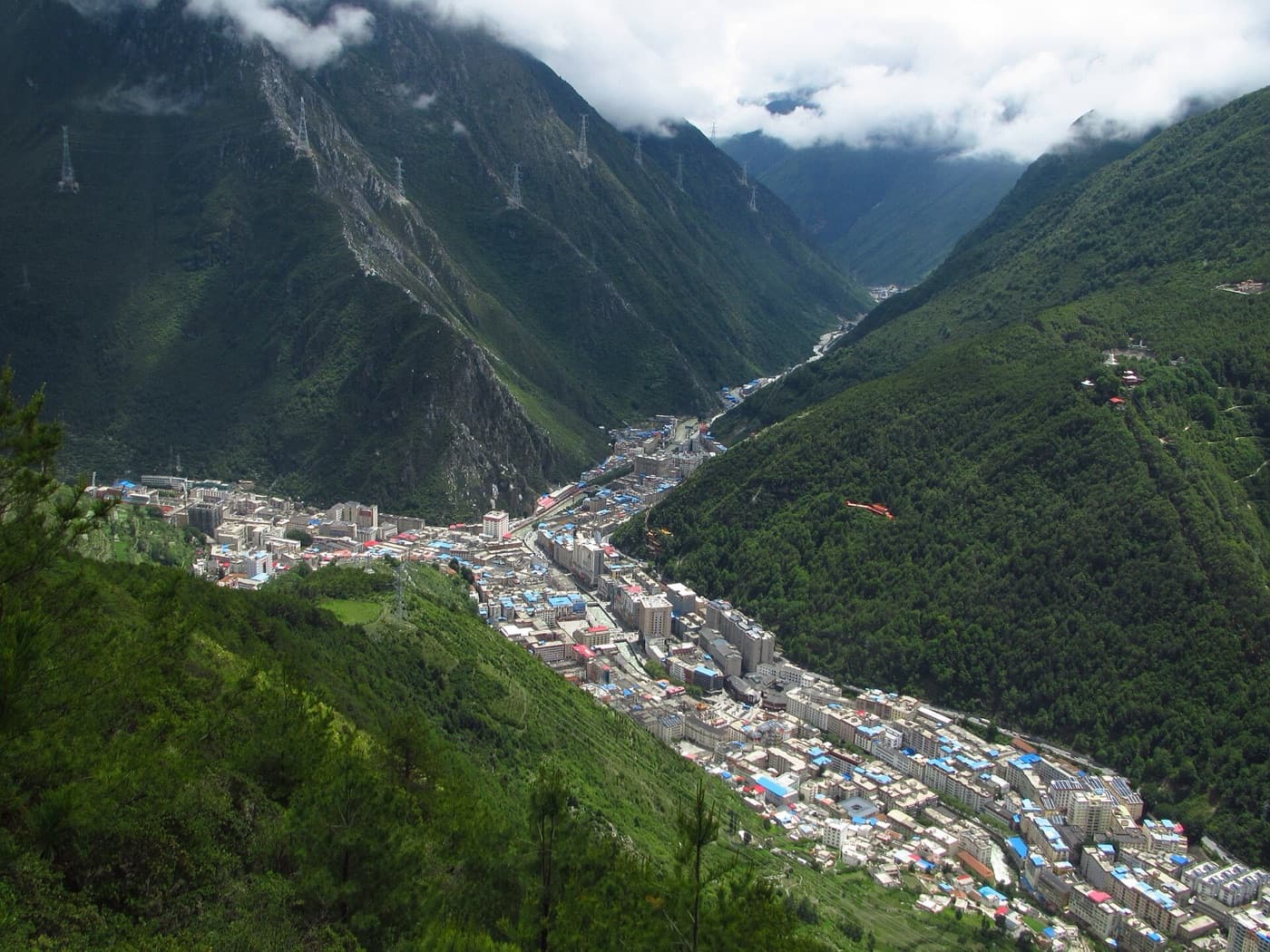
Kangding
At an altitude of 2,560 m, Kangding is the seat of the Garze Tibetan Autonomous Prefecture. It is a multi-ethnic area, predominantly Tibetan. Before visiting, you may think of the love song that goes “On the mountain where the horses gallop, a wisp of cloud drifts by.” Once you arrive, however, you may find that many other things make you forget the song that made the town famous.
稻城
Cuopugou Scenic Area
Cuopugou Scenic Area features a sacred mountain and a sacred lake: the beautiful Cuopu Lake, known as “the First Sacred Lake of Kham”, and the majestic Zhajinjiabo Peak. Simply place your hand in the water of Cuopu Lake and fish will come to “kiss” your fingertips, a vivid sense of harmony between people and nature. Zhajinjiabo Peak has a striking shape, with stone pillars rising everywhere, and is renowned for being beautiful, perilous, marvellous and unique. Every year in the sixth month of the Tibetan calendar, a horse race is held on the grassland by Cuopu Lake.
稻城 · 4–5 hours
Erlang Mountain
Located in Tianquan County, Ya'an City, at an altitude of 3,437 m. Standing at the summit, you can see more than 40 peaks over 6,000 m in the Mount Gongga range, large and small, spread out before you. On the route from Erlang Mountain to Luding, high mountain gorges unfold, and villages, big and small, perch on flat patches halfway up the slopes. The scene is both magical and spectacular.
稻城 · 3–4 hours
Paoma Mountain Scenic Area
At an altitude of 2,700 metres, this is a famous sacred mountain of the local Tibetan people. In Tibetan it is called “Lamuze”, meaning “Fairy Mountain”. Horse races were held here every year in the past, which gave it the name “Horse-Racing Mountain” (Paoma Shan). Today, however, riding a horse up the mountain, even with a guide leading it, is nerve-wracking, and the horses do not look like they can race. The man-made circular singing ground at the summit is where villagers gather to socialise and have fun. It was here that “Brother Zhang” in the folk song “Kangding Love Song” first fell for “Sister Li”. From the summit you can overlook the whole of Kangding. Every year on the eighth day of the fourth lunar month, which marks the Buddha’s birthday bathing festival, Paoma Mountain hosts a grand “Mountain Circumambulation Festival”.
稻城 · Entrance ticket ¥50; round-trip cable car ¥55; museum ¥30
Getting there & around
Getting There
By Air
Yading Airport is located in the north of Haizi Mountain in Daocheng County, 50 km from the county town. It has flights to Chengdu, Chongqing, Kunming, Xi'an, Lijiang and other cities.
Kangding Airport is relatively close to Daocheng. You can fly from Chengdu to Kangding, then take a bus from Kangding to Daocheng Yading.
By Road
Daocheng Bus Station runs buses to Chengdu, Ya'an, Kangding and Shangri-La. Buses from Daocheng to Chengdu, Kangding and Shangri-La depart daily at 6:00. For short trips to Litang or Xiangcheng, there's no need to buy tickets in advance; simply board in the morning and pay on the bus.
Chengdu → Daocheng
Kangding → Daocheng
Chengdu Tourist Passenger Transport Center
Tent Camping Not Allowed
Tent camping is not permitted within Yading Scenic Area. Visitors can only stay in Yading Village, so travellers heading to Daocheng Yading should plan their itinerary accordingly.
Pointing at Sacred Mountains
Remember to point with your palm facing up, using your whole hand to indicate the mountain. Pointing at a sacred mountain with a single finger is considered offensive under Tibetan custom, and some Tibetans may be displeased.
Transport Tips
The road from Daocheng to Yading is now complete, and buses can take you directly to the foot of Chonggu Temple Mountain. Bus fare from Daocheng to Yading is ¥110. There are no buses in the off-season, when you can only charter a vehicle, which costs ¥400–450 round trip.
Local Transport
Daocheng County town is a place no bigger than the palm of your hand. Xiali cars and minivan taxis are available. A trip to Wenquan Village for hot springs costs ¥30 round trip. Taxis can take you to Hongcaodi and Banghexiang. Three-wheeled motorcycles can be rented in town and hired by the hour for trips to the outskirts.
Information Hotline
Information Hotline- Phone:
- 0836-5724015
Chengdu Xinnanmen Bus Station
Chengdu → DaochengBuses to Daocheng County depart daily at 6:20. The journey takes 6–7 hours.
- Address:
- No. 57 Linjiang Road, Wuhou District, Chengdu (Xinnanmen)
Kangding Bus Station
Kangding → DaochengTwo buses depart daily at 6:00 for Daocheng County. The journey takes about 8 hours.
- Address:
- Kangding City, Garze Prefecture, to the right of Lamuzeling Linka Hotel.
(Xinnanmen Bus Station)
(Xinnanmen Bus Station)- Address:
- No. 2 Xinnan Road, Chengdu
Kangding Bus Station
Kangding Bus Station- Address:
- No. 108 Qingge Avenue, Kangding City
Daocheng Bus Station
Daocheng Bus Station- Address:
- Next to Xibo Grand Hotel, Daocheng County
Eat & drink
Sichuan cuisine is available throughout a trip to Daocheng, but the more remote the area, the more ordinary the food tends to be. Local dishes are well worth trying, as they are very good. Tsampa, on the other hand, is essentially a local fast food.
tip: 1. Bring your own fruit and tinned food: Fruit is especially precious once you are up in the mountains, so it is worth bringing some to Daocheng. The camps at Chonggu Temple and Luorong Pasture serve meals, but they are expensive and not very tasty. You can bring tinned meat and buy rice, and a good meal is easy to put together.
2. Ya'an fish: On the way from Litang to Daocheng, near Litang, there is a riverside restaurant that specialises in Ya'an fish. After a hard stretch of travel, the fine, tender flesh of the fish tastes like heaven on earth.
Where to stay
Accommodation in Daocheng county town includes guesthouses, youth hostels and private homes, usually priced at ¥30–60. Staying in a private home is the best choice. The hosts are warm and hospitable, and in the evening, sitting in the spacious and atmospheric living room chatting with them over butter tea, is an unforgettable experience. Homestays cost ¥20–40 and include free butter tea and tsampa.
Touring Garze Prefecture Routes
Recommended self-drive route: Chengdu → Ya'an → Kangding → Tagong → Danba → Xiaojin → Siguniang → Wolong → Dujiangyan → Chengdu, about 910 km in total. The highland scenery along the Danba section is exceptionally beautiful and the ethnic culture is rich, making it the first choice of photography enthusiasts.
Take This Route
2. From Leshan to Hailuogou, take the Chengdu–Leshan Expressway to Ya'an, then pass through Tianquan County and the Erlangshan Tunnel to the Dadu River. The road forks at Gangudi; follow the river downstream. When you see a bridge along the road that looks like a rainbow, Hailuogou is close.
duration: 1–2 days
tip: 1. The Hailuogou area has large altitude differences and a special climate, so take care to stay warm.
2. The terrain in Hailuogou is complex, so visitors should pay close attention to safety. Ordinary visitors and older or frail people are best off sightseeing in the low-altitude areas. Horse riding is common on local tours, so prepare in advance and do not set off on it rashly. Strong hikers heading into the mid- and high-altitude zones should guard against cold, avalanches, debris flows and crevasses, and be aware of the risks of altitude sickness.
3. There are many hotels and guesthouses in Hailuogou, as well as camps at different altitudes.
4. The hot springs at Camp No. 2 are the most famous. On a cold winter's day, soaking in the warm water while gazing at the snow-capped peaks is a true pleasure. Remember to bring a swimsuit.
5. Local signature dishes include cordyceps chicken, fritillary chicken, gastrodia pork hock, pickled cabbage with cured pork, and wild vegetables, all natural, green foods. Wild vegetables are only available from July to September.
Quick Dissolve
Xing → Qiaoqi → Shenmulei
2. Chengdu → Chengya Expressway → Ya'an → Lushan → Baoxing → Qiaoqi → Shenmulei
duration: 2–4 hours
tip: 1. You can ride horses into the scenic area; the round trip costs about ¥35.
2. It gets cold in the evenings, so dress warmly.
Shengdiya Hotel
Recommended AccommodationBicycles are provided free of charge.
- Address:
- No. 80, Dexi Community, Jinzhu Town
- Phone:
- 0836-5727666
360° Impression Hotel
Recommended AccommodationEasy to find, with free parking. Rooms with a view let you open the window and see blue skies and white clouds; the hotel sits between mountains and water.
- Address:
- No. 72, Kangdong Avenue
- Phone:
- 0836-2816888
- 1. Eating: Most restaurants in the county town are run by Han Chinese and serve mainly Sichuan food. For more authentic Tibetan food, go to the homes of villagers in the outlying hamlets. 2. Sightseeing: Villagers will often invite you to drink tea. It is best to accept as a sign of respect, and you can also visit a Tibetan house while you are there. If you photograph villagers, be sure to note their address and send them a copy; this will help you make many more friends. 3. Best season: The best time to visit Danba is May to October, when visibility is high and conditions are ideal for photography. Winter in Danba has its own charm, but road conditions on the Sichuan–Tibet Highway are not good once winter sets in. 4. Accommodation: Before choosing where to stay, you can contact the tourism bureau, which can help you get better prices.
Go, but drivers with limited mountain-road experience should not take risks
Go, but drivers with limited mountain-road experience should not take risksShopping
E'chu Street
For shopping in Daocheng, E'chu Street is the first choice. The street takes its name from Mount E'chu and is lined with silver jewellery that has a strong Tibetan flavour. If you are lucky, you may meet Tibetan locals walking the street and offering shopkeepers medicinal herbs they have gathered, such as Rhodiola, snow lotus, cordyceps, fritillary bulb, snow tea and reishi mushroom. The prices are surprisingly low, and the herbs are genuine. There are small shops on the street that rent bicycles. The scenery along the river and in the direction of Sela is quite beautiful, so it is well worth renting a bike to explore.
Source: China Self-Guided Travel 2025 (《中国自助游》, Tianjin Science & Technology Press, Aug 2024), pp. 382–409. Translated from the Chinese edition; names and prices follow the guidebook. · Plain text version