Paoma Mountain Scenic Area
At an altitude of 2,700 metres, this is a famous sacred mountain of the local Tibetan people. In Tibetan it is called “Lamuze”, meaning “Fairy Mountain”.…
Paoma Mountain Scenic Area, Garze Prefecture
Key facts
- Admission
- Entrance ticket ¥50; round-trip cable car ¥55; museum ¥30
- Opening hours
- 7:00—18:30
- Getting there
- Located on the east side of Kangding. You can take a taxi to the foot of the mountain. Hiking up takes about 1.5 hours, and the mountain streams, wildflowers and fresh air along the way make the climb easier. Riding a horse up takes only half an hour, but the mountain road is steep, so take care for your safety. You can also take the cable car up. Kangding cold jelly (Kangding liangfen) is a remarkably delicious local specialty. Shibazi, a fish from the Dadu River, has tender, smooth flesh that melts in the mouth.
- Guidebook rating
- 2 / 5
From China Self Guided Travel 2025, page 402. Open in Google Maps
About Paoma Mountain Scenic Area
At an altitude of 2,700 metres, this is a famous sacred mountain of the local Tibetan people. In Tibetan it is called “Lamuze”, meaning “Fairy Mountain”. Horse races were held here every year in the past, which gave it the name “Horse-Racing Mountain” (Paoma Shan). Today, however, riding a horse up the mountain, even with a guide leading it, is nerve-wracking, and the horses do not look like they can race. The man-made circular singing ground at the summit is where villagers gather to socialise and have fun. It was here that “Brother Zhang” in the folk song “Kangding Love Song” first fell for “Sister Li”. From the summit you can overlook the whole of Kangding. Every year on the eighth day of the fourth lunar month, which marks the Buddha’s birthday bathing festival, Paoma Mountain hosts a grand “Mountain Circumambulation Festival”.
Frequently asked questions
How much does Paoma Mountain Scenic Area cost?
Admission to Paoma Mountain Scenic Area is Entrance ticket ¥50; round-trip cable car ¥55; museum ¥30, as listed in the 2025 guidebook. Prices can change; check the official channel before you go.
What are the opening hours of Paoma Mountain Scenic Area?
Paoma Mountain Scenic Area is open 7:00—18:30.
How do I get to Paoma Mountain Scenic Area?
Located on the east side of Kangding. You can take a taxi to the foot of the mountain. Hiking up takes about 1.5 hours, and the mountain streams, wildflowers and fresh air along the way make the climb easier. Riding a horse up takes only half an hour, but the mountain road is steep, so take care for your safety. You can also take the cable car up. Kangding cold jelly (Kangding liangfen) is a remarkably delicious local specialty. Shibazi, a fish from the Dadu River, has tender, smooth flesh that melts in the mouth.
Where is Paoma Mountain Scenic Area?
Paoma Mountain Scenic Area is in Garze Prefecture, Sichuan Province, in the Southwest of China.
More places in Garze Prefecture

Larong Wuming Buddhist Academy
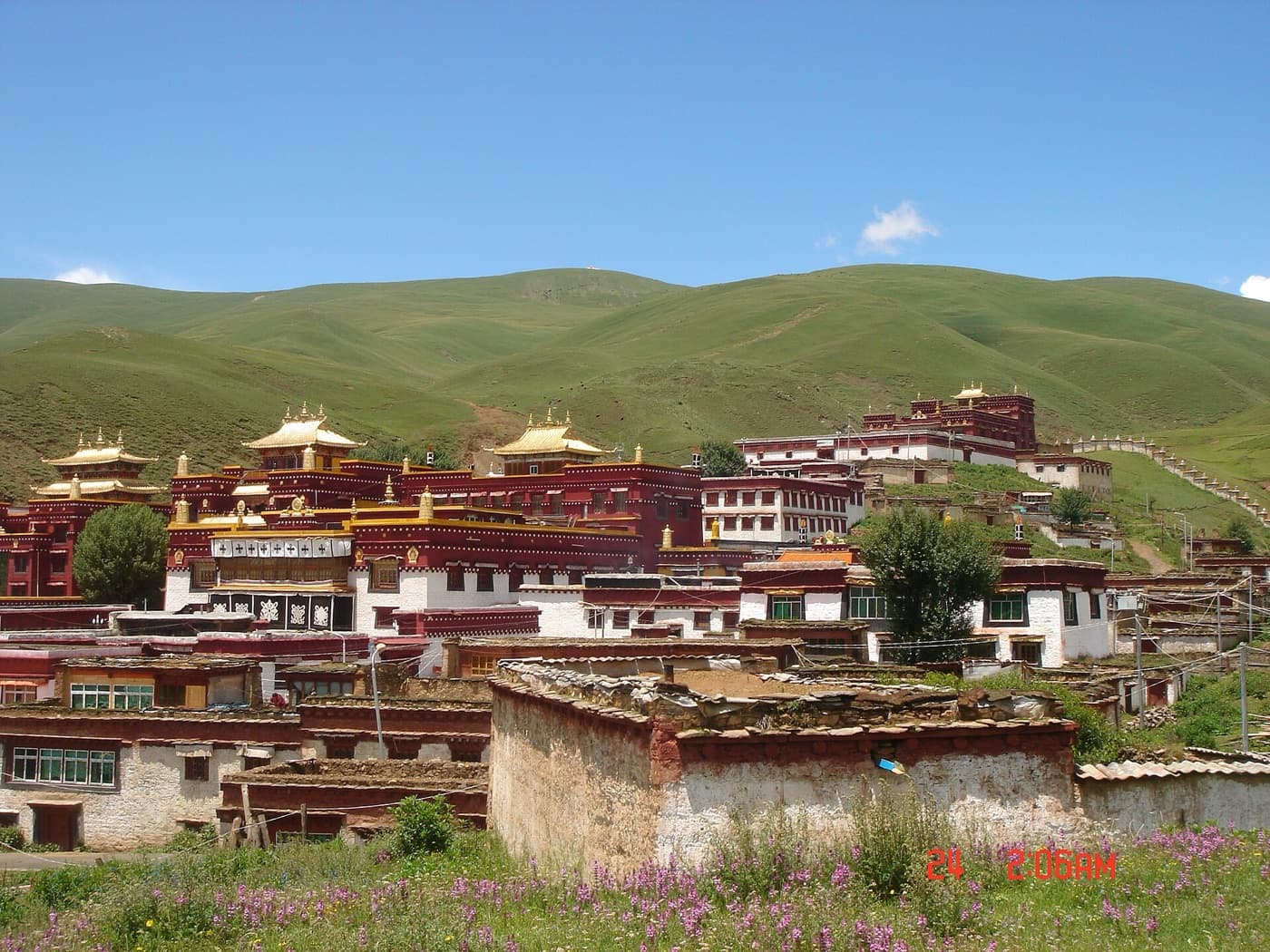
Serthar Larong Wuming Buddhist Academy is an enormous Buddhist academy. Beneath the deep blue sky and among the high mountain grasslands, thousands of small wooden cabins are densely packed across the hillsides around the academy’s main great assembly hall. The crimson cabins stretch and roll across the slopes, a truly spectacular sight. Many footpaths wind through the academy and are pleasant to stroll. On the hillside to the southwest of the prayer-wheel stupa, you can look down over the entire academy and capture its full panorama. On the highest peak within the academy stands a huge, gleaming golden mandala. Its red walls and golden roofs soar into the clouds, and each of its three tiers is brighter and more open than the one below, making the sacred site feel ever more solemn and majestic.
0.5–1 day

Daocheng Yading
In 1928, American explorer Joseph Rock arrived in Daocheng and published his photographs in National Geographic, causing a sensation. From then on, Daocheng Yading, long asleep in the ice of time, revealed its most ancient and innocent face, and people were enchanted by its allure as the ‘last pure land on the blue planet’. Chonggu Temple, Luorong Pasture, Five-Colour Lake and Milk Lake all have a serene, Shangri-La-like beauty. Among them, the most mysterious are the three sacred peaks. Chenrezig, Jambeyang and Chana Dorje stand in a triangular formation, collectively known as Nianqing Gongga Risong Gongbu. In Tibetan, the name means ‘the sacred site of three guardian mountains that never lose their snow’, and in Buddhism they are called the Three Protector Snow Mountains. This is a sacred mountain in Tibetan Buddhism, and for every Tibetan, making at least one pilgrimage circuit around Nianqing Gongga Risong Gongbu in a lifetime is a cherished wish.
¥146 (April–November), ¥120 (December–March), sightseeing bus ¥120 · 1–2 days
Mugecuo Scenic Area
At an altitude of about 4,000 metres, “Mugecuo” means “Wild Man Sea” in Tibetan. It combines primeval forest, grassland, snow-capped mountains and lakes, and is like a condensed version of Jiuzhaigou. The Great Sea of Muge Lake embodies the world-famous “3S” tourism elements of sun, sand and sea. The Yaochi hot springs have nearly a hundred mineral springs with different therapeutic effects. The most remarkable sight is the red loaches swimming in the 80℃ medicinal pool. Muge grassland connects with Tagong Grassland.
¥105 (April–November); ¥75 (December–March) · 3–4 hours
Litang
When one thinks of Litang, one recalls Tsangyang Gyatso’s love poem: “O white crane, lend me your wings. I will not fly to distant lands, only to Litang and back.” Litang sits at 4,014 metres and is known as the “World’s Highest City”. Here you will find the vast Maya Grassland, the sacred Litang Monastery of the Yellow Sect, and the towering Genie sacred mountain.
1–2 days
Hailuogou Glacier Park
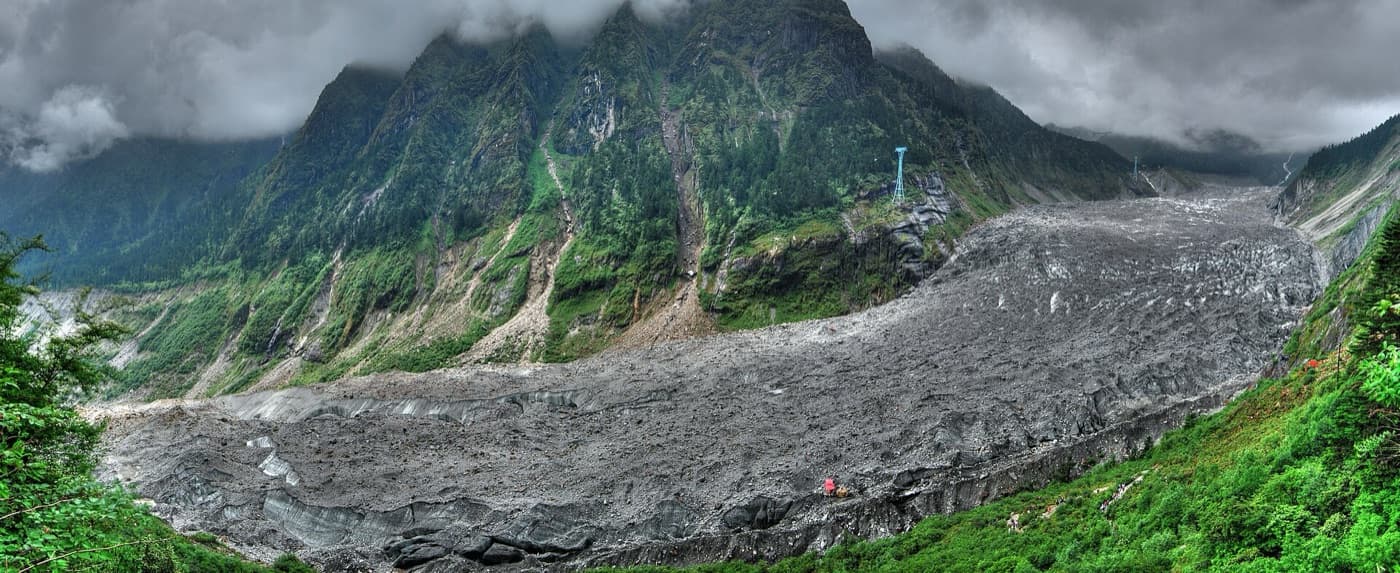
Hailuogou Glacier is the lowest-altitude glacier at its latitude anywhere on Earth. Its snow basin is the source of the entire glacier. When the snow and ice in the basin accumulate to a certain level, they spill over the rim and form enormous avalanches, so although the basin is beautiful and mysterious, it can only be admired from afar. At the basin's edge lies the largest known ice waterfall in China, crystal-clear and majestic. At an altitude of 2,850 m, a glacier tongue 5,700 m long clings to the ground. Its surface is dotted with ice lakes, ice streams, crevasses, ice mushrooms, ice caves and ice bridges. The glacial arches are crystalline and transparent, blue tinged with green. Visitors who enter and exit through the glacier's “City Gate” arch are exploring the outlet of an underground river, yet what they see is a crystal palace.
Entry ticket ¥90 + sightseeing bus ¥160; cable car (round trip) ¥135; Yajia Love Sea (雅家情海) entry ¥35
Shangli Ancient Town
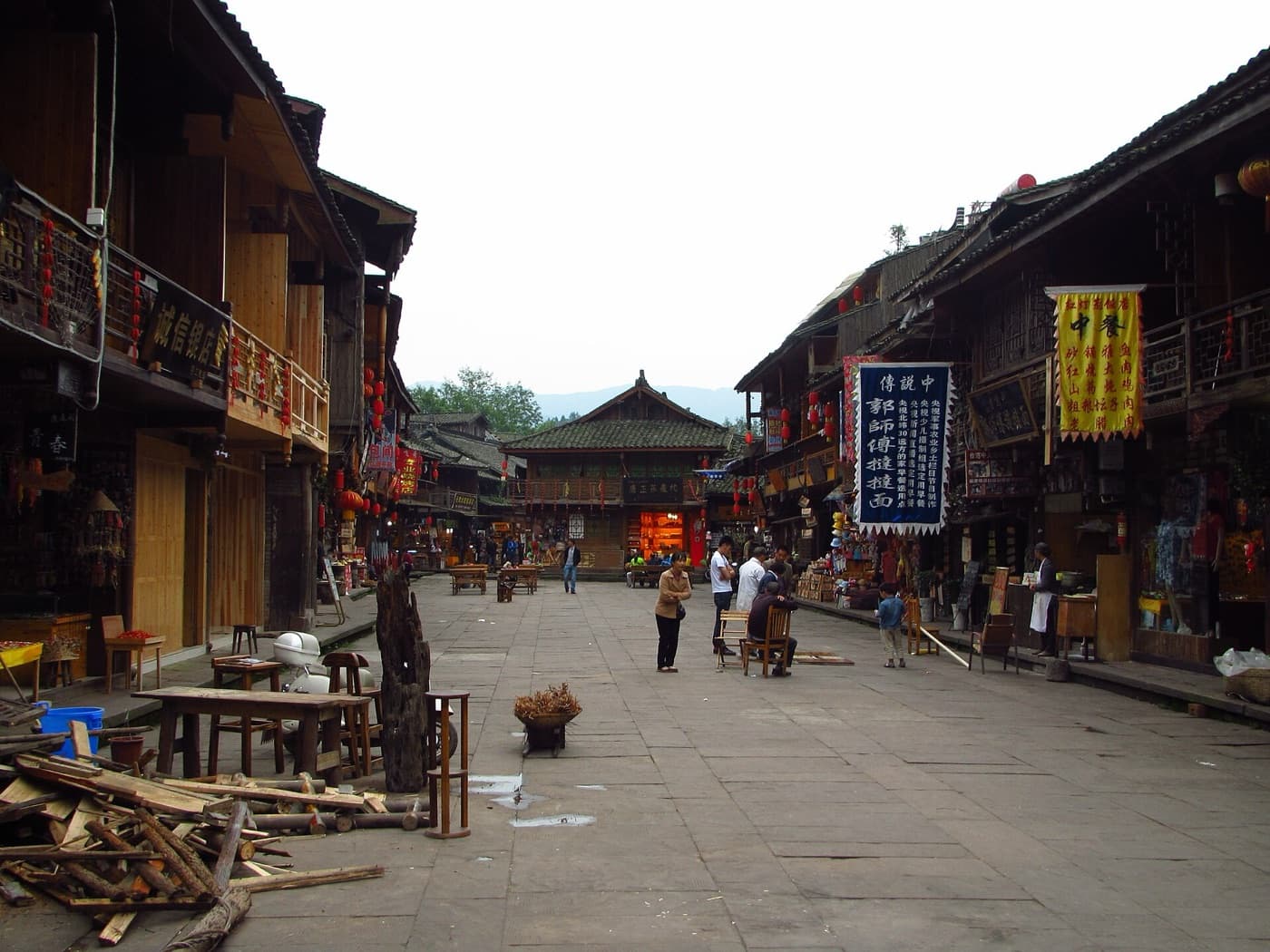
Shangli Ancient Town, north of Ya'an city, was once an important post station on the Southern Silk Road. It is now a rising tourist destination. Its Ming and Qing dynasty residences are well preserved, and its eight ancient stone bridges, led by Erxian Bridge, each have a distinctive style. The White Horse Spring, dating back to the Tang dynasty, is a constant-temperature intermittent geyser and quite remarkable.
3 hours