Chengdu travel guide
成都
At the “Talking About the Fourth City” forum, hosted by New Weekly magazine and others, Chengdu beat Shenzhen to become the fourth city after Beijing, Shanghai and Guangzhou.…
46 places · In the guidebook: pages 302–363

Chengdu, Sichuan Province · AI illustration for China Trip
Quick itinerary
Chengdu in 4 days
- Day 1
- Wuhou Shrine→
- Jinli Street (lunch)→
- People's Park→
- Qingyang Palace→
- Du Fu Thatched Cottage→
- Kuanzhai Alley (dinner)
- Day 2
- Giant Panda Breeding Research Base→
- Zhaojue Temple→
- Wenshu Monastery→
- Chunxi Road (dinner)
- Day 3
- Day 4
The feel of the place
- The Fourth City
- At the “Talking About the Fourth City” forum, hosted by New Weekly magazine and others, Chengdu beat Shenzhen to become the fourth city after Beijing, Shanghai and Guangzhou. The city has a full range of industries and a distinctive Sichuan cultural tradition, along with famous food, drink and beautiful women. In recent years, more and more outsiders have come to love Chengdu. Descriptions such as “the city you won't want to leave” and “the Eastern Garden of Eden” keep multiplying, and their content boils down to “laid-back, content with small comforts, mahjong and hotpot.” In reality, local housing prices have pushed most people beyond the Third Ring Road. Chengdu is no longer just a pastoral idyll, and the typical Chengdu comfort and ease seem to be losing some of their footing, inevitably tinged with Chinese-style anxiety. Yet no matter which direction you head from Chengdu, within 100 kilometres you will still find traditional, remote mountain villages, where tens of millions of Sichuan farmers work hard all year round and form the famous army of migrant labourers. Chengdu, which accounts for nearly a third of Sichuan's economic output, has every advantage of location and resources, drawing on the best of the province's resources, and it is the whole province that has nurtured it.
- Shao Bu Ru Chuan (Better Not to Come to Sichuan Young)
- People often say that Sichuanese are “dragons when they leave Sichuan, worms when they stay at home.” The ease of life here is enough to make the years feel peaceful. “Shao bu ru chuan” broadly captures this sentiment, and it echoes the slogan Chengdu uses to promote itself: “the city you won't want to leave.” But there is too much comfort here and too little hardship, too much temptation and too few opportunities, too much indulgence and too little drive. These are Chengdu's charms, and also its shortcomings.
- Good Eating
- Chengdu may have people who are more devoted to eating than anywhere else in China. For Chengdu locals, eating is no longer just a necessity but a matter of temperament and culture, even of dignity: if a place that everyone praises as delicious is one you haven't visited, that is truly embarrassing. So in Chengdu, eating is never a private affair or something settled at home. It is a city-wide pastime. Whenever someone discovers a new delicacy or spot, everyone invites friends to join in, and this habit has continually driven Chengdu's food scene to reinvent itself.
- The Best-Value Destination
- If you have local friends, a full evening of dinner, tea, karaoke and bars, followed by street-side “ghost food” at two in the morning, will usually be covered by a friend of a friend whom you have never met. Chengdu people's hospitality can make you feel guilty, but for them, as long as a visiting friend says at the end, “This is simply so comfortable (bashi),” that is enough to show the meaning of their lives.
- Nongjiale (Farmhouse Restaurants)
- For old Sichuan town atmosphere, look to Jinli Ancient Street, either original or rebuilt, and to Kuanzhai Alley. Chengdu people, of course, still enjoy open-air teahouses, small mahjong games and free-range chicken. To find the real Chengdu, you need to drive out to the suburban nongjiale farmhouse restaurants.
- Fenzi
- Sichuanese call the glutinous rice flour used to make tangyuan “fenzi.” The visual delight and delicate texture of “fen” have been brilliantly applied to women, becoming a set term for describing beautiful women. This is also one reason some people “don't want to leave once they arrive.”
Preparation and Advice
“Just the decadent side of me is enough to keep you busy for a lifetime” is a famous line by Chengdu poet Wan Xia, which has become a motto about Chengdu. The film Twenty-Four Cities adapted the verse and dedicated it to the city, but to be honest, only the original poem can help you truly understand what Chengdu means.
tip: 1. Tibetan communities: Near the former West Gate bus station is where Tibetans from Aba gather; near Wuhou Shrine is a settlement of Tibetans from Garze; Tibetans from Lhasa tend to come and go through the North Gate.
2. Shopping: All of the above areas have shops selling Tibetan goods. Wuhou Shrine Street, directly facing the main gate of Wuhou Shrine, has the greatest concentration, offering a wide variety of Tibetan handicrafts, genuine butter tea, and Tibetan medicine and remedies. Thangkas in striking styles convey the mystique and appeal of Tibetan Buddhism. Fans of Tibetan music can also find satisfying music CDs and cassettes.
A Paradise for Leisure Lovers
Chengdu is a city made for people who love to enjoy life. Chengdu residents are busy all year round, busy having fun or busy planning new ways to have fun.
Transport Tips
1. In general, the departure direction of each long-distance bus station corresponds to its location within Chengdu. For example, buses from the Chengdu Bus Station in Xinnanmen mostly head to southern Sichuan.
2. Ask for directions often. Many Chengdu bus staff do not speak Mandarin, which can cause inconvenience. However, locals are usually very warm and helpful when you ask them for directions.
Preparation and Advice
Language
Sichuanese is a branch of the Northern Chinese dialect family. Visitors to Chengdu or elsewhere in Sichuan should have little trouble understanding the local dialect in Chengdu's urban districts. Some suburban county accents are harder to follow, but you can communicate normally with locals in Mandarin.
Climate and Best Time to Visit
The best seasons to visit Chengdu are March to June in the first half of the year and September to November in the second half. In July and August, when it is hottest, the snow-capped Xiling Snow Mountain, Qingcheng Mountain, Siguniang Mountain and other places near Chengdu are popular destinations for both sightseeing and escaping the summer heat.
Chengdu has an overwhelming number of festivals throughout the year: the Qingyang Palace Lantern Festival during the Spring Festival each year; the Fire Dragon Festival in Huanglong Ancient Town in the first lunar month; flower fairs in major parks on the 15th day of the second lunar month; the Longquanyi Peach Blossom Festival and Pengzhou Peony Festival in March; the Dujiangyan Water Release Festival during Qingming in April, and the Xindu Magnolia Festival; dragon boat races in Xinjin and Jintang on the fifth day of the fifth lunar month; the Wangcong Song Contest in Pidu District in June; the Xindu Osmanthus Festival in August; the International Panda Festival in September; the Wenjiang Chrysanthemum Show in October; the Shixianghu Lake Turmeric Flower Festival in Pujiang; and the Kumquat Festival in November.
Things to see
The architecture throughout the town is largely French in style, like a romantic fairytale town.
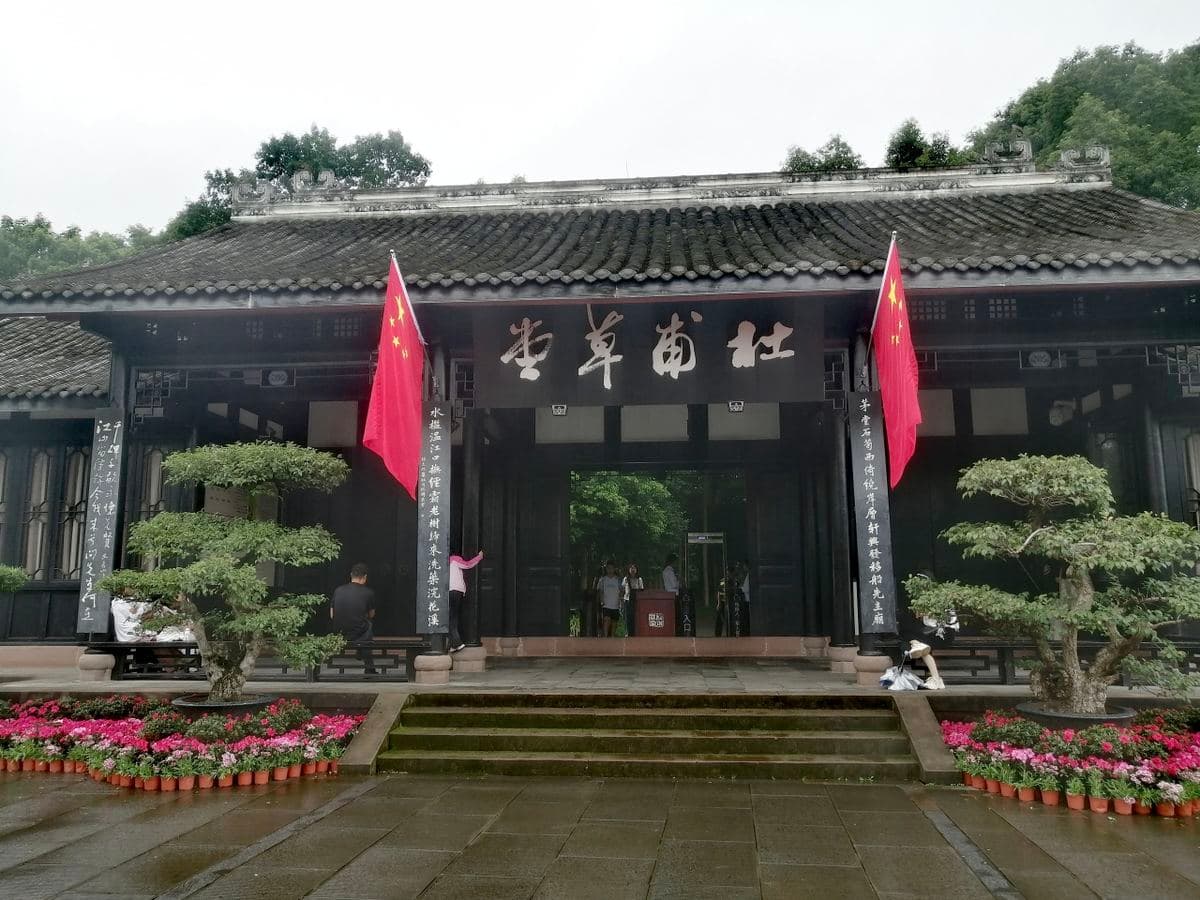
Du Fu Thatched Cottage
2–3 hours · ¥50
The former residence of the Tang dynasty poet Du Fu during his time in Chengdu. Du Fu lived here for nearly four years and wrote over a hundred poems, which is why the site is regarded as a sacred place in the history of Chinese literature. The present-day Du Fu Thatched Cottage was restored many times over the Song, Yuan, Ming and Qing dynasties. Pavilions and terraces stand throughout the grounds, and ancient trees tower overhead. The signature landmark, the thatched cottage, was rebuilt in the style of West Sichuan vernacular houses and has become the iconic sight of the complex.
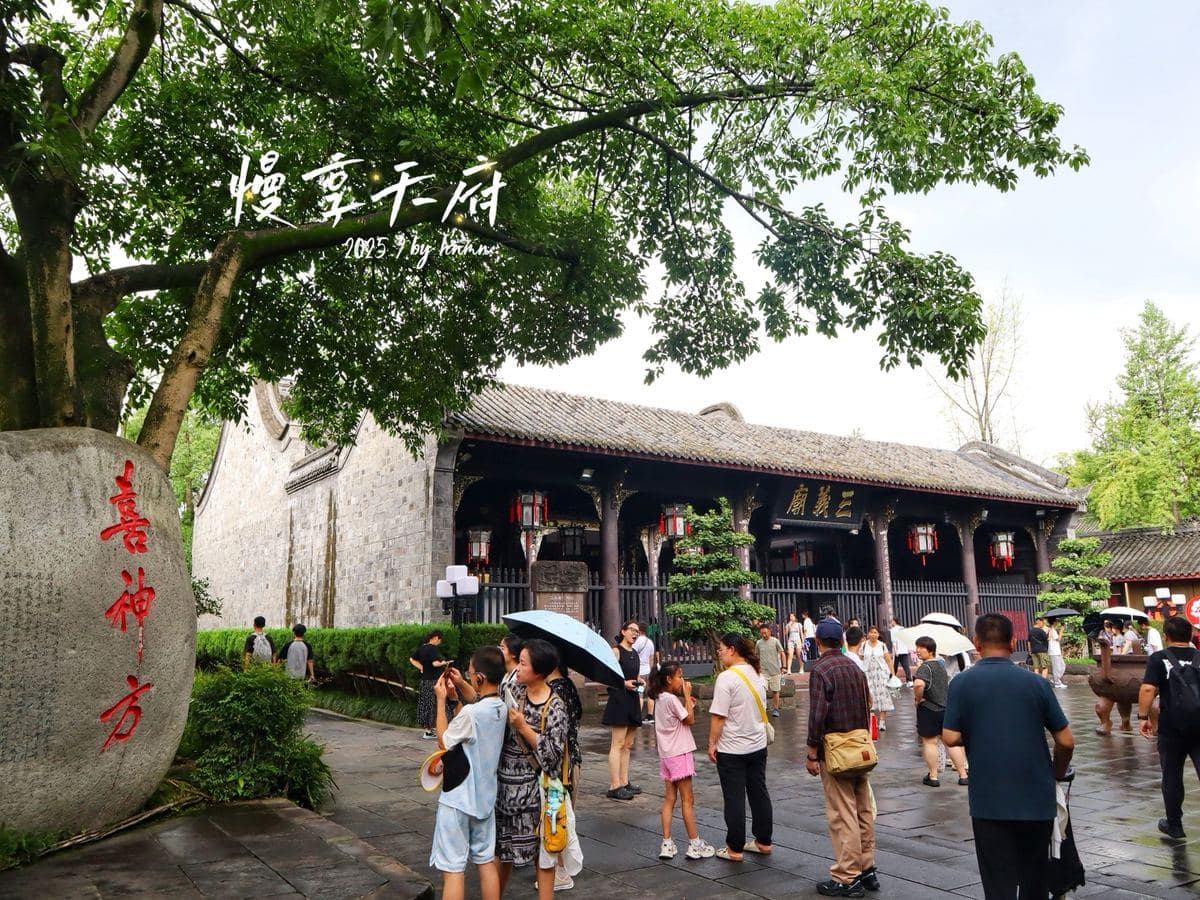
Jinli Ancient Street
2–3 hours
Ask a local what the best place to visit in Chengdu is, and you will often hear: 'Jinli, the number one street in West Sichuan!' Adjoining Wuhou Shrine, Jinli Ancient Street condenses the essence of Chengdu life. Snacks, teahouses, restaurants, courtyard guesthouses and handicrafts can all be found here. Compared with the more 'fashionable' Kuanzhai Alley, Jinli has more bustle, a more down-to-earth and friendly atmosphere, and lower prices. You can also see the large pond and towering ancient trees of Wuhou Shrine. A stream flows alongside the stretch of ancient street next to Wuhou Shrine. When you tire of walking, sit on the flat stones beneath the willows by the water to rest, or lean back in a rattan chair beside a teahouse and sip some tea. It feels a bit like the stream-side villages of Lijiang.
Wuhou Shrine
Zhuge Liang's reputation is so renowned in China that a trip to Chengdu is incomplete without a visit to Wuhou Shrine. Just past the entrance, six stone steles stand amid dense shade. The largest, erected in the Tang dynasty, is the Stele of the Shrine to Prime Minister Zhuge Wuhou of the Shu Han Kingdom, a monument of great historical value. It is known as the 'Three Perfections Stele' because its text was written by Tang dynasty chancellor Pei Du, its calligraphy was done by the calligrapher Liu Gongquan, and its characters were carved by the master craftsman Lu Jian.
2–3 hours · ¥50
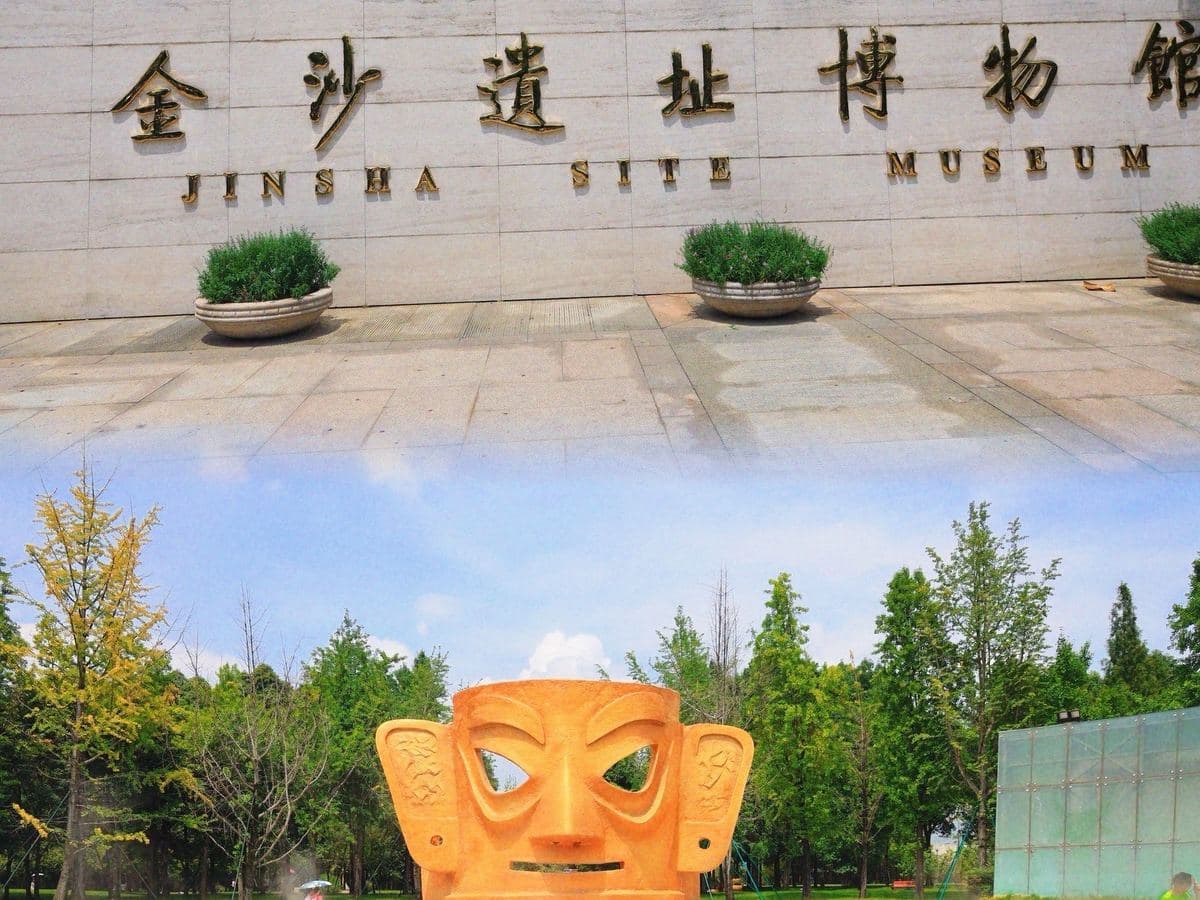
Jinsha Site Museum
A Shang and Zhou dynasty site that has yielded the densest concentration of ivory of any site from the same period in the world, as well as the most abundant gold and jade artifacts. Its most famous treasure is the gold foil 'Sun Bird' displayed in the fourth exhibition hall. It has been designated the emblem of China's cultural heritage and the main motif of Chengdu's city image.
2–3 hours · ¥70
Qingyang Palace
The oldest and largest Taoist temple complex in Chengdu. Everything within Qingyang Palace may be a microcosm of the city. If you have time, sit down with a cup of tea and quietly savour the leisure that belongs to Chengdu.
1–2 hours · ¥20
Zhaojue Temple
Zhaojue Temple is known as the 'first forest of Zen' in West Sichuan. Be sure to see the wooden statue of the Thousand-Armed Guanyin. The arms the bodhisattva raises seem to reach into a mysterious space, while heads are layered and hidden among them, as if suggesting the endless cycle of life.
1–2 hours · Free
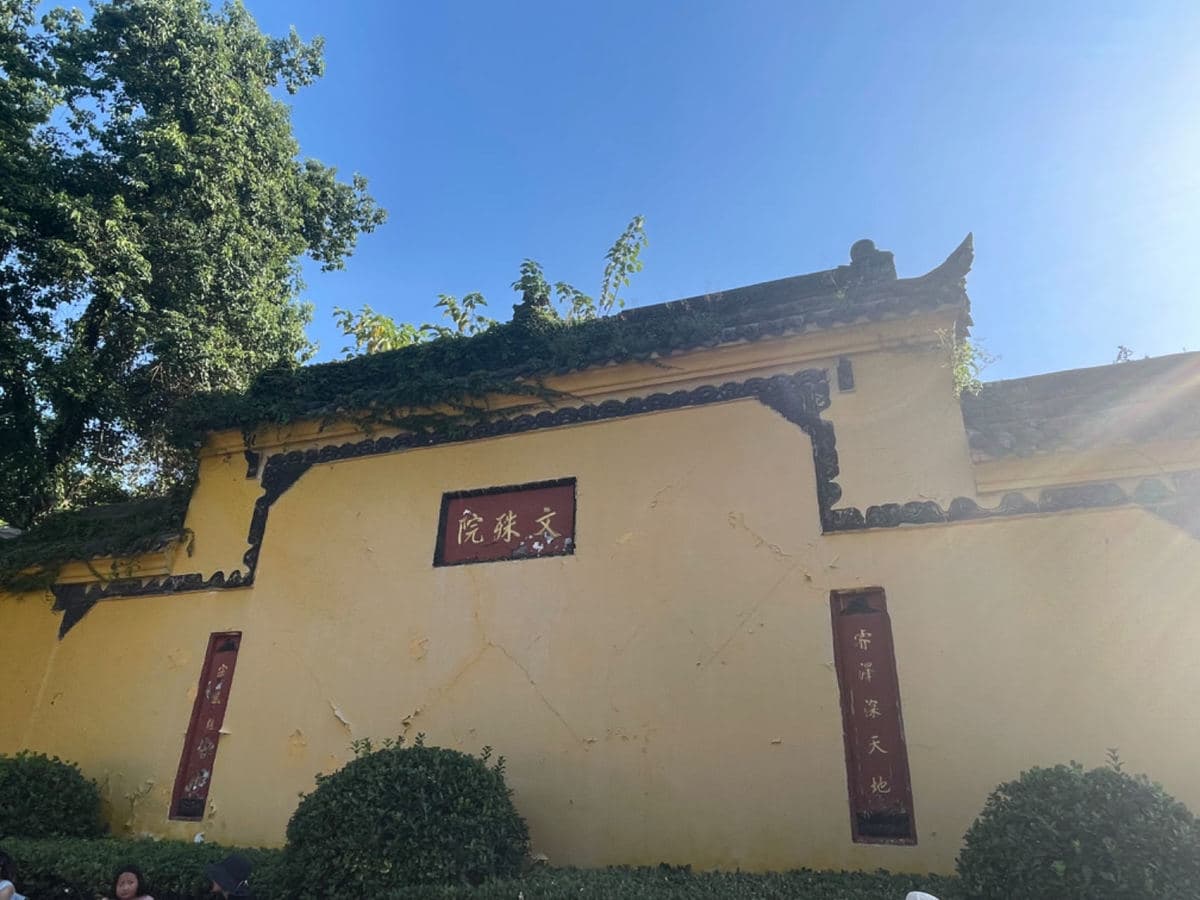
Wenshu Monastery
Wenshu Monastery was one of the 'Four Great Monasteries' of West Sichuan during the Qing dynasty and is a key Buddhist temple in the Han Chinese regions of China. The monastery houses a fragment of the skull of the Tang monk Xuanzang. Only three such relics exist in China, making it extremely precious. Wenshu Monastery has no commercial atmosphere. Its visitors are mostly devout believers and practising monks. The temple offers free Buddhist magazines, incense and tea, as well as temple experience activities, allowing you to experience the true essence of Buddhist teaching.
1–2 hours · Free
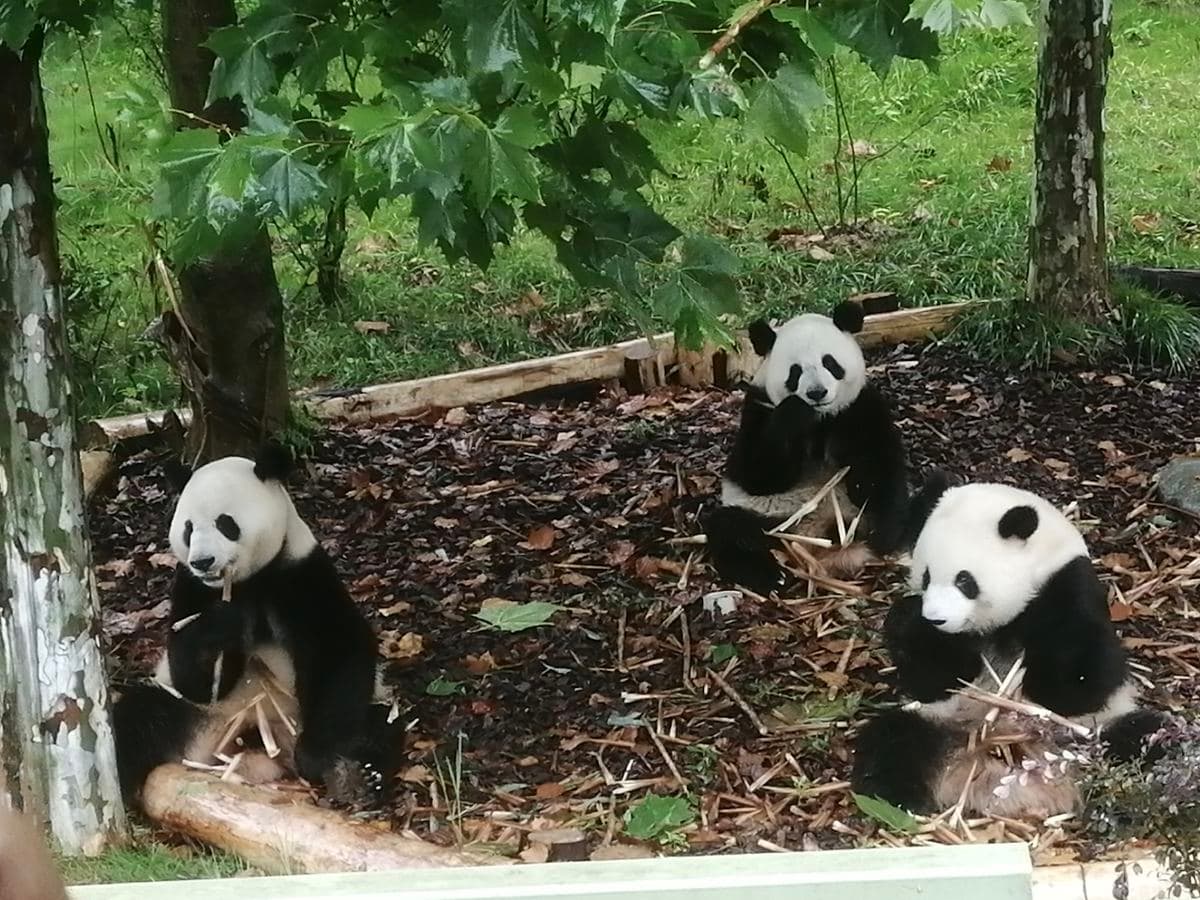
Chengdu Research Base of Giant Panda Breeding
The giant panda is a beloved and rare animal. Pandas can be found in Chongzhou, Dujiangyan, Dayi, Pengzhou, Qionglai and other areas under Chengdu's jurisdiction. Over 80% of China's giant pandas live within Sichuan Province. The pandas at the research base are raised in a semi-wild state, which sets them apart from those you see in zoos.
3–5 hours · ¥55
Danjing Terrace, Longquanshan Urban Forest Park
From high above, you can take in the vast Chengdu Plain, where more and more green canopies come into view. The Danjing Terrace viewing platform sits at the highest point of the Danjing Mountain ridge in the Longquanshan range of Chengdu's Eastern New Area, earning it the nickname 'the City's Eye.'
1–2 hours · ¥30
Zhuyi Village
On one side lies a traditional village of lush forests and tall bamboo; on the other, guesthouses, bars and bamboo craft galleries with a strong artistic atmosphere. An art museum sits right in the village, bringing culture into everyday life. It stands out for its looks and wins people over with its substance.
0.5–1 day
Buer Shanfang
This hidden hamlet is an ideal place to slow down and breathe easy. It is also a rural cultural and creative complex that brings together family experiences, creative product development, children's education, and leisure and entertainment.
2–3 hours
Konggang Flower Fields
Flowers in one layer, mountains in another, clouds in a third. As the morning breeze slowly lifts the misty veil of night, a pale glow appears on the horizon, and a plane glides across that veil, bringing the fragrance of flowers and morning dew, like a misty ink-wash landscape scroll.
2–3 hours
Tianfu Greenway
An ecological greenway built along Chengdu's Ring Expressway, about 100 kilometers long. It links ecological parks such as Guixi Ecological Park and Qinglong Lake Park, and 78 bridges span its route, with a striking view at every stretch. It perfectly embodies Chengdu's 'park city' design concept and is an ideal spot for walking and cycling.
Hiking & Outdoors · Nature
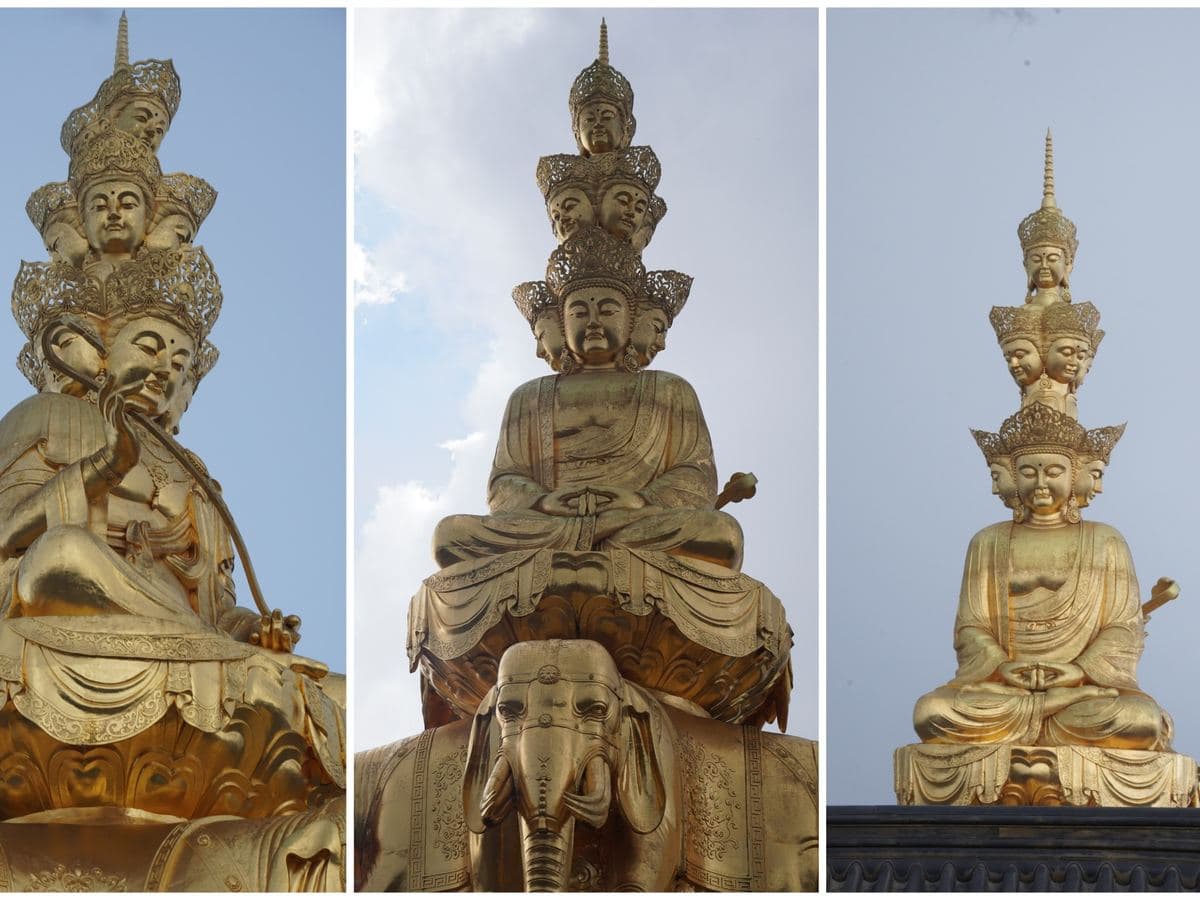
Mount Emei Scenic Area
“Higher than the Five Great Mountains, most splendid under heaven.” Mount Emei is one of the four sacred Buddhist mountains of China. Among the country's famous scenic mountains, it is arguably the tallest, its main peak, Wanfo Golden Summit (万佛金顶), rising to 3,099 metres above sea level. Baoguo Temple (报国寺) is the gateway to Mount Emei and the point every visitor passes, whether arriving by bus or on foot. From the summit, on a clear day, you can make out the silver peaks of the Gongga Snow Mountain hundreds of kilometres away. At the Duguang Terrace (睹光台) on Golden Summit, visitors can witness four spectacular natural phenomena: the magnificent sea of clouds, sunrise, the “Buddha's Light” (佛光) unique to Mount Emei, and the Sacred Lantern (圣灯). Halfway up the mountain are two highlights: Wannian Temple (万年寺) and Qingyin Pavilion (清音阁). Near Qingyin Pavilion, the “One Line Sky” (一线天) path is regularly visited by troops of monkeys. The traditional Ten Scenes of Mount Emei are: Golden Summit Auspicious Light, Elephant Pool Moonlit Night, Nine Elders' Immortal Abode, Snow over Daping, Dawn Rain at Hongchun, Autumn Wind at Baishui, Clear Music over the Twin Bridges, Verdant Peaks at Lingyan, Clear Clouds over Luo Peak, and Evening Bell at Shengji. Just from their names they sound beautiful, but due to natural weather conditions and environmental changes, only seven survive today, and it is very hard to see all of them in one visit. As a result, a set of New Ten Scenes has been proposed: Golden Buddha of Golden Summit, Ten Thousand Buddhas Paying Homage, Xiaoping Romance, Light through One Line Sky, Monkeys in the Secluded Valley, Clear Music Lake, First Mountain Pavilion, Wushu Town, Pearl Lake Embraced by Greenery, and Health and Beauty Lake.
峨眉、乐山 · 1–3 days · Entrance ticket: ¥160 in peak season, ¥110 in off-season. Golden Summit cable car: peak season ¥65 up, ¥55 down; off-season ¥30 up, ¥20 down. Wannian cable car: peak season ¥65 up, ¥45 down; off-season ¥30 up, ¥20 down. Temple admission fees also apply: Baoguo Temple ¥8, Fuhu Temple ¥8, Wannian Temple ¥10. Skiing ¥120 per person per hour.
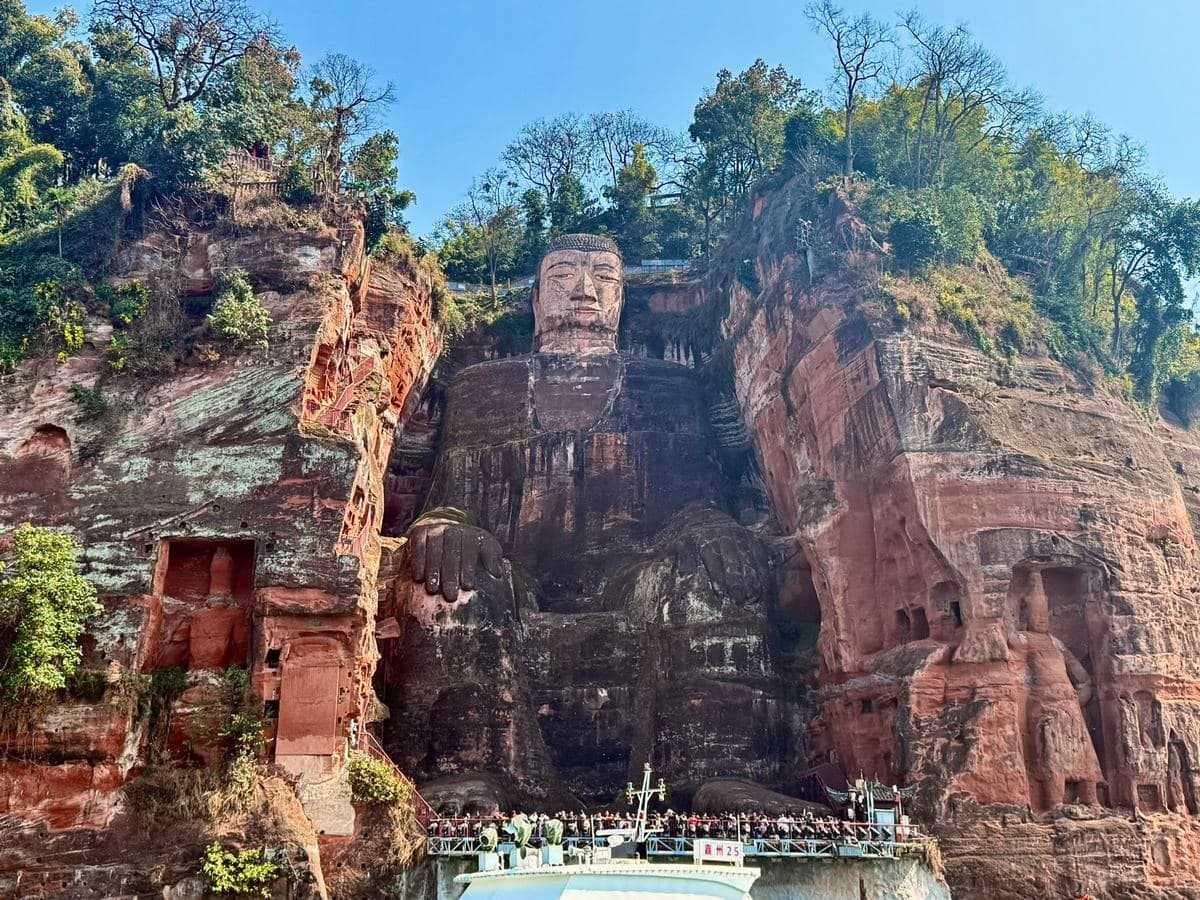
Leshan Giant Buddha
Nature, with its uncanny craftsmanship, has carved the solemn Leshan Sleeping Buddha. The area is steeped in Buddhist art and rich cultural heritage. Su Xun, Su Shi and Su Zhe, the father and sons who were giants of Song-dynasty literature, were all from Leshan, as was the modern writer Guo Moruo. The best place to view the Giant Buddha is from the ferry, which passes in front of it so that the full figure of the Buddha comes into view. Guantao Pavilion (观涛阁), built on a cliff on the hill of Wuyou Temple (乌尤寺), is the finest spot to watch the Dadu River and the Min River converge. The silt-laden waters rush and roar past in a spectacular display. Walking along the Lingyun Plank Road (凌云栈道) to the left of the Giant Buddha takes you directly to its base. Looking up from here, you feel as if the Buddha rises ever higher the more you gaze at it. To the right of the Giant Buddha is the Nine-Bend Ancient Plank Road (九曲古栈道), carved into the sheer cliff beside the statue. It is extremely steep and winds through nine turns, allowing you to climb to the top of Lingyun Hill and admire the sculptural artistry of the Giant Buddha's head.
峨眉、乐山 · ¥80; river boat ticket ¥70 (covers views of the full Giant Buddha, the Sleeping Buddha and the Three Rivers)
Jiayang National Mine Park
Jiayang Mine Park is a “living milestone” of China’s coal industry. Its attractions include the Jiayang little train, hailed as a “living fossil” of the Industrial Revolution, and the authentic, original-ecology town of Bajiaogou (芭蕉沟), with its mining heritage sites blending Chinese and Western architectural features. The park reopened the No. 1 shaft of the Jiayang Coal Mine, which had been decommissioned for 20 years, after repairs and renovation, creating China’s only real coal mine dedicated to tourism. Underground, visitors can ride a monkey car and try coal digging, with guides on hand. Another highlight is the steam train, the world’s only surviving narrow-gauge steam locomotive. Every March and April, the little train, puffing white steam, winds slowly through fields of rapeseed flowers, a truly beautiful sight.
峨眉、乐山 · 2–3 hours · Little train short round trip (Bagou (芭沟)–Yuejin (跃进)) ¥80; Huangcunjing (黄村井) mine exploration ¥80
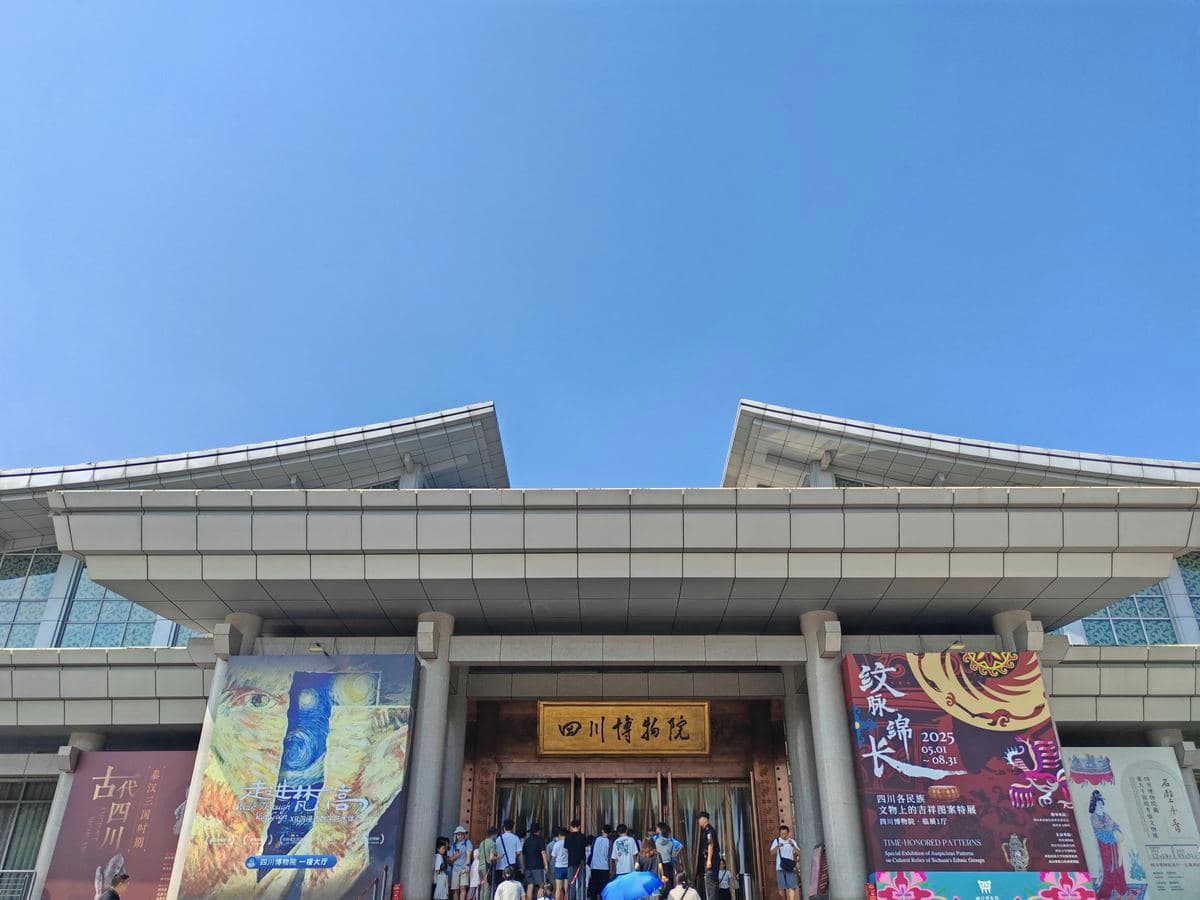
Sichuan Museum
The largest comprehensive museum in Southwest China. The first floor is devoted mainly to the Sichuan Han Dynasty Pottery and Stone Art Exhibition, featuring rugged, simple Han stone carvings and pottery sculptures. The second floor comprises the Bashu Bronze Hall, the Dafeng Hall (the Zhang Daqian Calligraphy and Painting Gallery), the Chinese Calligraphy and Painting Masterpieces Gallery and the Ceramics Hall. The third floor includes the Light of Buddhism gallery, the Wanfosi Stone Carving Gallery and the Ancient Elegance Arts and Crafts Museum, most of which reflect Sichuan's folk customs.
1–2 hours · Free
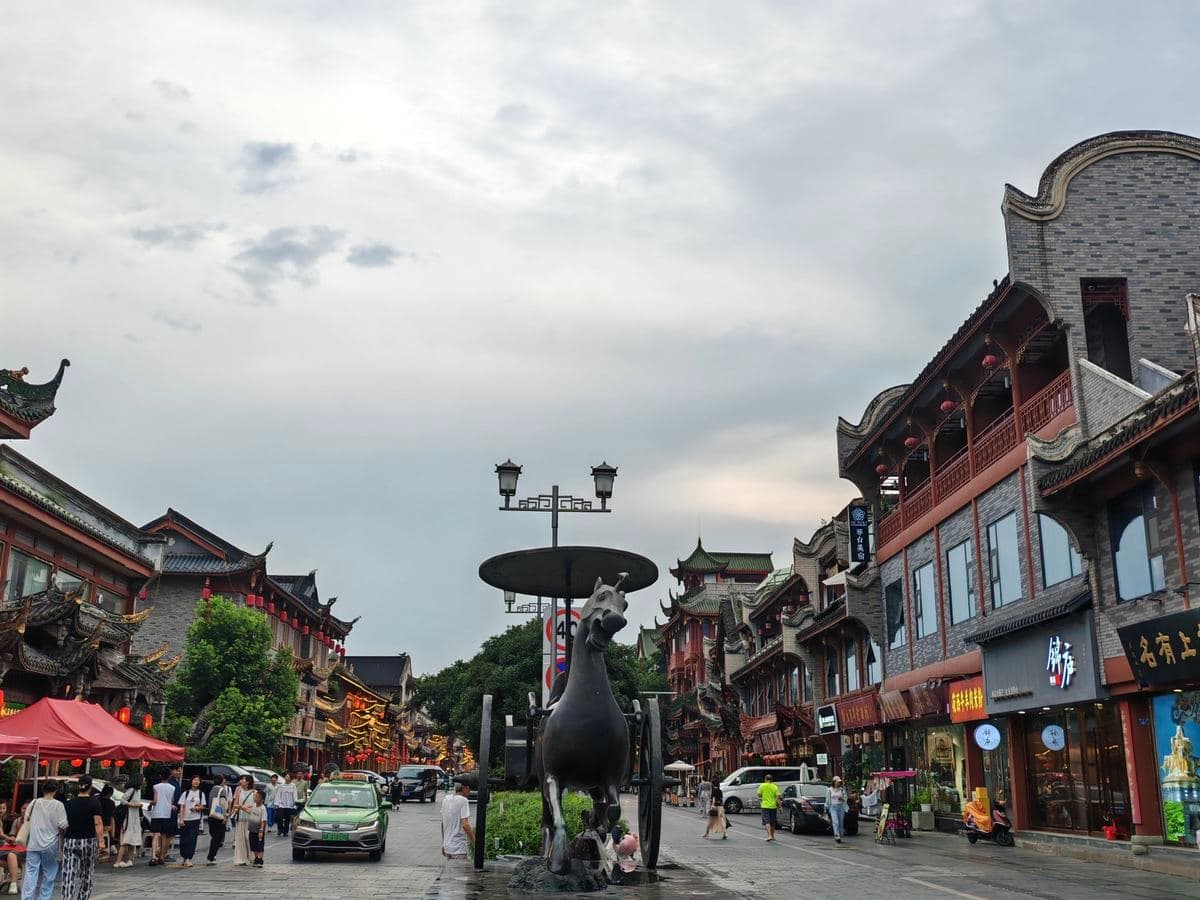
Kuanzhai Alley
'Kuanzhai Alley is the most Chengdu of all places.' The revitalized Kuanzhai Alley has become the best ambassador of Chengdu's leisurely lifestyle, with an air reminiscent of Shanghai's Xintiandi. The old Kuanzhai Alley is the last surviving remnant of Chengdu's traditional urban layout. Today, the buildings on either side house modern, elegant restaurants, bars and teahouses, and prices have risen accordingly. However, do not rush through here. Sitting at an open-air restaurant, sipping tea, ordering some local snacks and gazing at the grey-tiled, white-walled West Sichuan houses is a surprisingly calming experience. Kuanzhai Alley truly belongs to the evening, when people from all walks of life enjoy unhurried lives. Spending a night in the old lanes is a wonderful way to experience the distinctive slow-paced charm of Chengdu.
2–3 hours
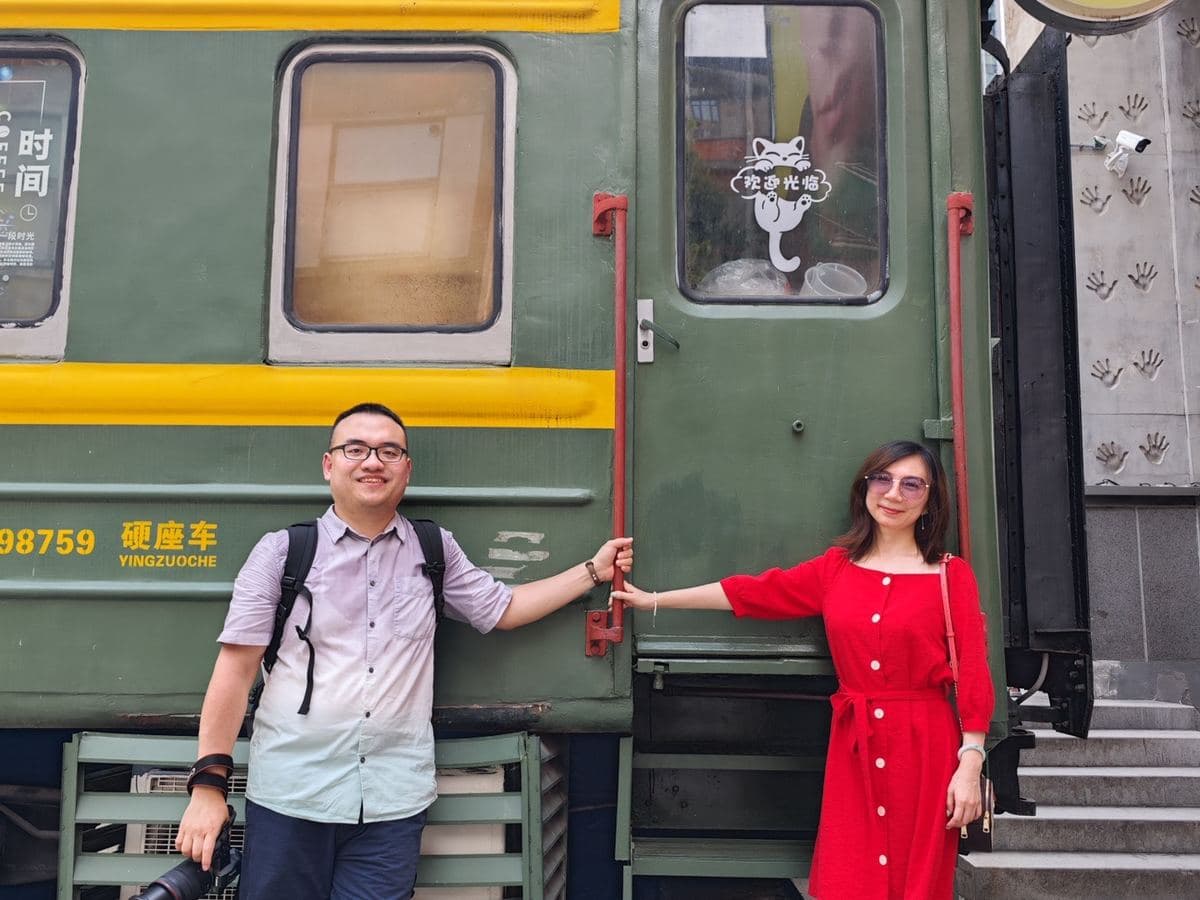
Eastern Suburb Memory
Eastern Suburb Memory was originally known as the 'East District Music Park'. It is a new type of tourist destination that combines the preservation of industrial heritage with the cultural and creative industries. The park features buildings constructed with Soviet aid, which are visually striking and evoke a strong sense of nostalgia. Fans can find handprint walls here featuring Zhang Liangying, Li Yuchun, Jiang Wen and others.
1–2 hours · Free
Wangcong Shrine
This mausoleum and shrine commemorates the ancient Shu rulers Wangdi and Congdi, who were buried together. Between the halls and tombs, pools ring the site, their waters rippling. Pavilions such as Daosun Lou and Tingjuan Lou are built along the water's edge. More than 200 ancient cypresses surround the tombs, lush and dense. The Song Contest held here during the Dragon Boat Festival is grand and lively.
2 hours · Free
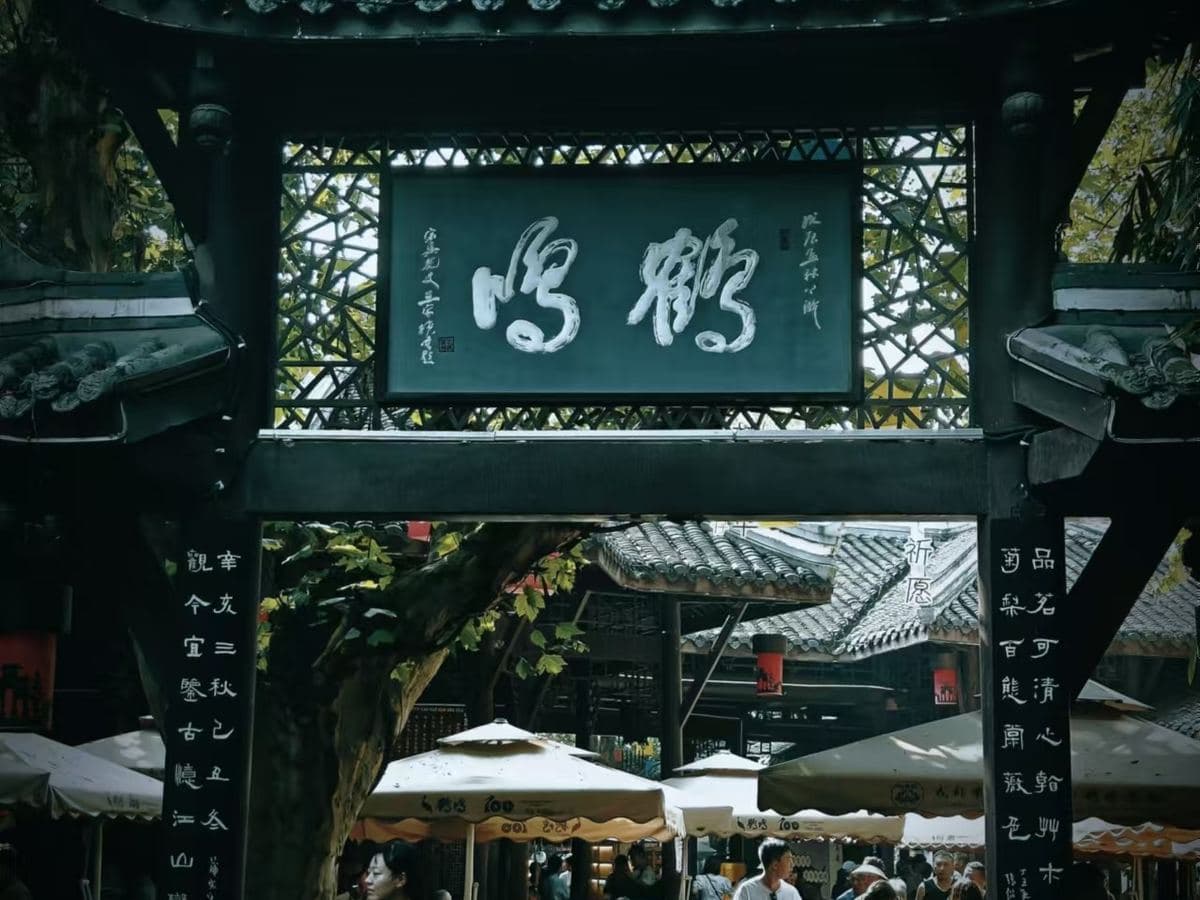
People's Park
Established in 1911, this is one of the earliest parks in modern China. Under the sunshine and among the trees, you can row a boat on the lake and feel the easygoing charm unique to Chengdu. The park's small teahouses and restaurants are also favorite haunts of locals. Doing nothing at all, just zoning out, daydreaming or basking in the sun, can also ease a tense mind.
Near Xihuamen Street Station (西华门街站, bus stop) · Free
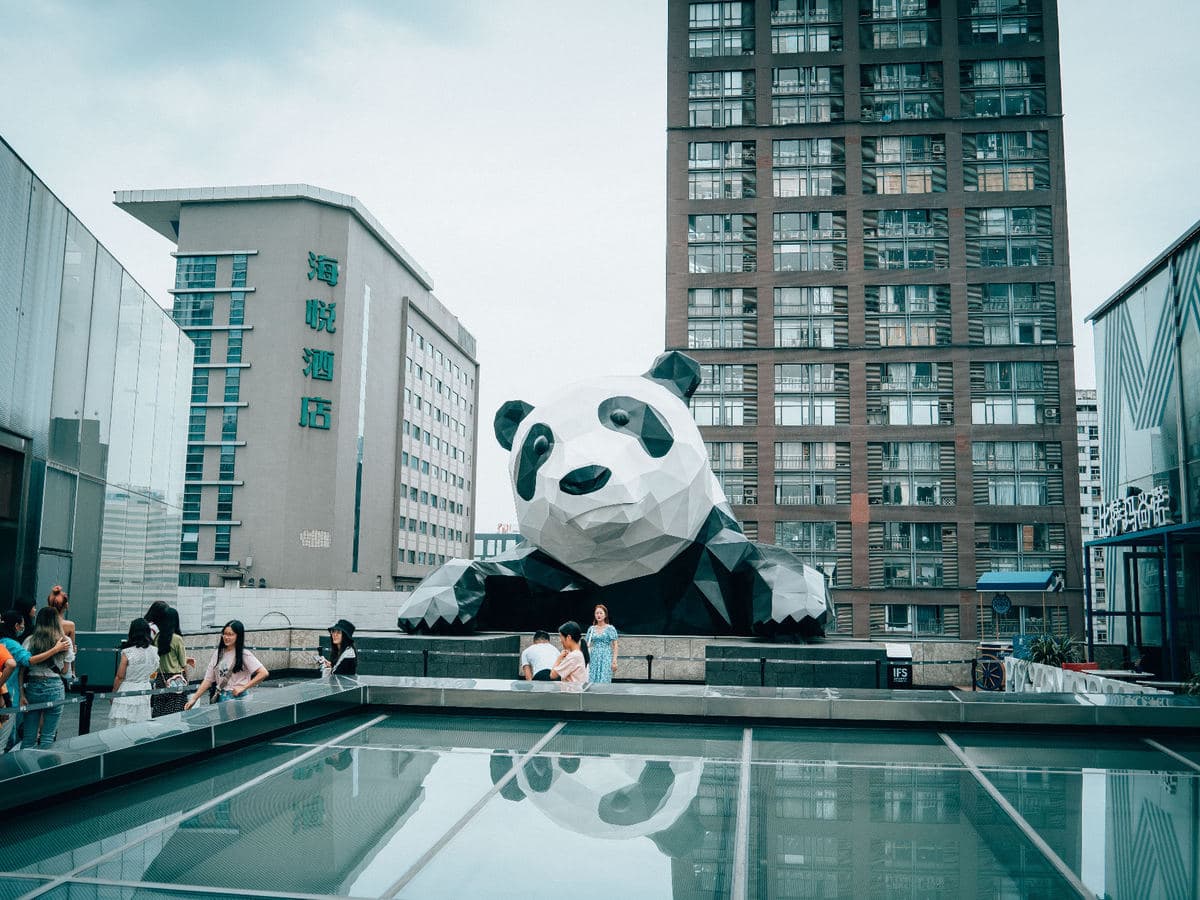
Chunxi Road
'Crowds come and go, as if climbing a spring terrace.' Chunxi Road is Chengdu's most bustling and fashionable shopping street, lined with century-old shops, malls and restaurants. No Chengdu citywalk is complete without it.
Nature
Dongmen Shijing
One of Chengdu's best-known characterful districts. Together with Li Jieren's former residence, Lingke, it forms the complete Jieren Park. It vividly recreates the everyday life of old Chengdu. Whether it's Sichuan cuisine or old-style teahouses, you can experience the authentic flavor of Sichuan street life firsthand.
2–3 hours
Luocheng Ancient Town
Luocheng Ancient Town has an exceptionally unique layout. The whole town sits on a mountaintop, and its streets and houses resemble a sailing ship. The main street, Liangting Street, is popularly known as “Boat-Shaped Street.” If you are passing through Qianwei or Leshan, it is worth a detour to experience the cultural atmosphere of old Sichuan in the Ming and Qing dynasties.
峨眉、乐山 · 3–4 hours · Free
Oriental Buddha Capital
Located behind the Leshan Giant Buddha, within the same protected zone as the dual World Heritage site. The area is covered in forest and retains a natural, rustic character, and it houses more than ten thousand fine Buddha statues, making it a remarkable example of natural and cultural landscapes in harmony. Working together, a professor from the Sculpture Department of the Sichuan Fine Arts Institute and local stonemasons revived the cliff-carving techniques that flourished in the Tang and Song dynasties but had nearly been lost in the Ming and Qing. The 170-meter-long reclining Buddha, serene in expression and lying on its side, is the most awe-inspiring sight at the Oriental Buddha Capital. Modeled on the Dazu Rock Carvings, it makes use of the mountain’s natural contours: the head is carved at the south end, the feet at the north end, and the vegetation in between is left intact. The Cave of Ten Thousand Buddhas is the core attraction of the Oriental Buddha Capital. It contains bodhisattvas, arhats and Buddha statues from around the world, each one lifelike. Even more remarkable, every statue was sculpted from a single piece of rock in the mountain, a feat of exquisite craftsmanship that leaves visitors amazed.
峨眉、乐山 · 1–2 hours · ¥80
Getting there & around
Getting There
Chengdu is the largest land and air transport hub in southwest China, with very convenient transport options.
By Air
Chengdu Shuangliu International Airport is located in the southwest suburbs of Chengdu, 16 kilometres from the city centre. The airport has direct flights to dozens of cities across China, as well as international flights to cities and regions such as Hong Kong, Bangkok and Tokyo. Take Metro Line 10, Phase 1 (Taipingyuan → Shuangliu Airport Terminal 2) to reach Shuangliu Airport directly. The airport also has several shuttle routes into the city centre.
By Train
Chengdu's main railway stations are Chengdu East, Chengdu North, Chengdu South and Chengdu West. Chengdu North is one of the largest railway hubs in southwest China and is a special-grade station directly under the Chengdu Railway Bureau.
Railway Stations
High-Speed Rail
The high-speed railway from Chengdu to Dujiangyan is open, and the intercity railway to Leshan is also in operation.
By Road
Chengdu is the largest road hub in southwest China, where six national highways meet, including National Highway 108 and National Highway 319.
Long-Distance Bus Stations and Departure Directions
Getting Around the City
Almost all of Chengdu's urban attractions are reachable by bus. Bus company service hotline: 028-85076868. At major intersections and busy areas across the city, there are also “Chengdu Tong” information kiosks where you can look up bus routes yourself.
Taxi service in Chengdu is generally good, and drivers rarely overcharge. Chengdu taxi drivers know the best food and sights, so feel free to ask them for advice. They are usually happy to help.
Metro
Chengdu currently has 13 metro lines in operation. Line 1 serves Shengxianhu (升仙湖), Huoche Beizhan (火车北站), Tianfu Square, Huoche Nanzhan (火车南站) and Ocean Park. Line 2 serves Chadianzi station, Chunxi Road, the Jinsha Site Museum and Huoche Dongzhan (火车东站). Line 3 serves Chengdu Zoo, Chunxi Road and Xinnanmen. Line 4 serves Kuanzhai Alley and Luomashi. Line 5 serves the Chengdu Open-Air Music Park, Jinli and the Wuhou Shrine Museum. Line 6 serves Chengdu Happy Valley. Line 7 serves Huoche Beizhan, Chengdu East Railway Station, Huoche Nanzhan, and the Culture Palace. Line 8 serves Sichuan University and Dongjiao Memory. Line 9 serves Tiexiangsi Water Street and Tianfu Furong Garden. Line 10 serves Shuangliu Airport. Line 17 serves Guose Tianxiang. Line 18 serves Xinglong Lake and Sancha Lake. Line 19 serves Tianfu International Airport.
The expressway from Chengdu to Leshan and the Mount Emei scenic area is now fully open. It runs 169 km, reaching Mount Emei to the southwest and Leshan to the southeast.
From central Chengdu, the station with the most bus departures is the Tourist Bus Passenger Transport Center at Xinnanmen, with a bus roughly every 20 minutes. Mount Emei and Leshan are about 30 km apart and are a busy tourist route year-round. On average, a bus departs every 10 minutes, the one-way journey takes under an hour, and the last bus leaves at around 18:00.
Chengdu South and Chengdu East stations have many intercity trains to Leshan every day. The fastest trip takes only 46 minutes. A second-class seat from Chengdu South to Leshan costs ¥51, and from Chengdu East to Leshan it costs ¥54. From Leshan station, transfer to a tourist minibus into the scenic area. The ride takes about 15 minutes, and a taxi costs around ¥20.
With the opening of the Chengdu–Mianyang–Leshan passenger dedicated line, you can now reach the Mount Emei scenic area in 1.5 hours.
Premier Zhou Enlai's handwritten copy of Li Bai's "Song of the Mount Emei Moon." Photo: Zhang Zhulin
The Three Types of Monkeys at Mount Emei
Greedy monkeys, robber monkeys and hooligan monkeys. Do not touch the monkeys. Do not open your bag in front of them. Girls should protect their hair, avoid bright clothing, especially red, and never wear skirts.
Shuangliu Airport Service Hotline
Shuangliu Airport Service Hotline- Phone:
- 028-85205555
Sichuan Airlines 24-Hour Direct Sales Hotline
Sichuan Airlines 24-Hour Direct Sales Hotline- Phone:
- 95378
CAAC Ticket Office
CAAC Ticket Office- Address:
- No. 15, Section 4, Renmin South Road, Units 3–4
- Phone:
- 028-88888888
Chengdu North Railway Station
Chengdu North Railway Station- Address:
- North Second Ring Road, Chengdu
- Getting there:
- Bus routes 11, 15 and 24, among others, and Metro Line 1
Chengdu East Railway Station
Chengdu East Railway Station- Address:
- No. 4 Wanke Road, Baohe Subdistrict, Chenghua District, Fifth Section of East Third Ring Road, Chengdu
- Getting there:
- Bus routes 4 and 137, among others, and Metro Line 2
Xinnanmen Bus Station
Xinnanmen Bus Station- Address:
- On Xinnan Road, beside the Xinnanmen Bridge in Chengdu
- Getting there:
- Around Chengdu and to famous scenic spots across Sichuan
Chengbei Passenger Terminal
Chengbei Passenger Terminal- Address:
- Beside the Wukuaishi Interchange on the Second Ring Road
- Getting there:
- Eastern and northern Sichuan, including Bazhong and Dazhou
Wuguiqiao Bus Station (Chengdu Bus Terminal)
Wuguiqiao Bus Station (Chengdu Bus Terminal)- Address:
- East Chengdu, beside Tazishan Park
- Getting there:
- Along the Chengyu and Neiyi expressways, including Chongqing, Yibin, Zigong, Nanning, Guilin and Fuling
Chadianzi Bus Station
Chadianzi Bus Station- Address:
- On the West Third Ring Road
- Getting there:
- Tibetan areas in western and northern Sichuan and some famous scenic spots
Shiyangchang Bus Station
Shiyangchang Bus Station- Address:
- Outside the South Third Ring Road
- Getting there:
- Along the Chengya, Chengle and Yaxi expressways, and in the Panxi region
Eat & drink
Sichuan cuisine, one of China's Eight Great Cuisines, can be a real test for your taste buds, yet "delicious and affordable" is still many people's first impression of Chengdu dining. Chengdu's food trends come and go like a pop chart, changing every year, though some never fade, such as home-style Sichuan dishes and beef-tallow hotpot.
Recommended Restaurants
Chengdu's restaurants are everywhere, on nearly every street and alley. The densest concentrations are along the west side of Yangshi Street between the second and third ring roads, on Lingshiguan Road and the Zongnan and Zongbei compounds in front of the US Consulate in Chengdu, along the perpendicular Kehua Road, and in the many small Sichuan eateries in the Shuangnan compound. All of them have distinctive character.
Traditional vs. Modern Sichuan Cuisine
Traditional Sichuan cuisine is all about intense numbing and spiciness. As Sichuan food became popular, it kept its traditional flavors and presentation while blending in new flavors, giving birth to modern Sichuan cuisine. Modern Sichuan cuisine keeps the color and flavor of Sichuan dishes but works hard to highlight the fresh aroma of the ingredients themselves. Take chili as an example: it is spicy enough to be flavorful, and more importantly it brings out the aromas of different chilies, yet chili, a key seasoning in Sichuan cooking, never overpowers the dish. It plays its supporting role so that the beauty of each ingredient shines. In addition, modern Sichuan restaurants pay more attention to the dining environment, freeing Sichuan food from its traditional image as a hole-in-the-wall fly-infested eatery and making it popular across the country.
Food Streets
Shaxi Line (Shawan Road West Extension), the Yangxi Line food street, the Funan New District hotpot street, the Caotang dining and entertainment circle (including Qintai Road, Jinli West Road, Fanglin Road and Qinghua Road), Wuhou Shrine Avenue, the Shuangnan food area, Kehua Road → Lingshiguan Road → Yulin → Zhonghuayuan food area, the leisure dining street along the southern extension of Renmin South Road, and the Wangping Street food area.
Bàba Cài
Seasonal vegetables are boiled in plain water and broth over high heat until very soft, with a little salt and MSG added just before serving. Examples include taro with cabbage, or cowpeas with pumpkin. In Dujiangyan City there is a special dish, bàba cài, that visitors never forget. It is made with winter amaranth (also called kuí cài, the 'green kuí in the garden' of the classic poem), cooked in rice water. First blanch the winter amaranth briefly in boiling water, then simmer it in a suitable amount of rice water, seasoned with salt and MSG. The dish is tender and smooth, and is said to be good for the complexion. Visitors to Dujiangyan or Qingcheng Mountain can try it; most restaurants serve it.
Extra-Long Opening Hours
Chengdu's restaurants keep very long hours. For 20 hours of the day you can easily find somewhere to eat, which leaves many visitors from other cities amazed. Today it is possible to find somewhere to eat around the clock.
Lamb Soup Hotpot
1. In Chengdu, there are several famous places for lamb soup hotpot: Huangjia Town in Shuangliu, Jitou Town in Wuhou District, Xiaojiahe, and Xiaoguanmiao.
2. If your constitution is weak and you have rising internal heat, it is best to avoid lamb soup hotpot for the time being.
Formal Sichuan Banquet
A formal Sichuan banquet is especially particular about the 'Three Steams' (wine rice, sweet steamed pork belly and savoury steamed pork belly) and the 'Nine Kou' steamed set dishes (whole chicken, whole duck, pork rib cuts, pork knuckle, whole fish, crispy pork, bowl-steamed dishes, mixed stew, seafood and more). Add four cold dishes (cold chicken, cold pork tripe, cold pork head or braised pork, oil-skin peanuts or cold cucumber), four stir-fries (chili pork strips, garlic sprout pork strips, yellow chive pork strips, magnolia or lettuce pork slices, white-oil peas and more), and a sour broth with shredded yellow chives served last. It is very popular with food lovers.
Qintai Road
Buses 5, 43, 58, 81 and 109 reach it. It has the same bluestone-paved lanes and ancient-style architecture, but here you will find mainly gold and silver jewellery shops and larger restaurants.
Qiao Yi Qiao
A specialty restaurant chain with many branches in Chengdu. You can ask the Chengdu 114 information line, or ask people near your accommodation where the nearest one is.
Chengdu Snacks
Chengdu has so many delicious snacks: Dongzikou liangfen (mung bean jelly), Tongguoxiang vegetarian noodles, Tan Douhua (tofu pudding), Shiyou noodles, flower pastries, fèichángfěn (pork intestine rice noodles) and many more. There are too many to count, and they are all very cheap.
Snacks Around Chengdu
Sichuan Hotpot
Sichuan hotpot needs little introduction. Chengdu hotpot, the best-known representative of Sichuan hotpot, comes in a huge range of styles. Chengdu people will put almost anything that flies, walks or swims into the pot. Hotpot restaurants are found on every street and lane, and in number they even rival Sichuan restaurants. Below are some well-known local hotpot restaurants. See whether your palate can withstand the test of the spicy, aromatic, numbing and hot flavours.
Chengdu Jinli Snack Street
A must-visit for tourists, so prices are naturally a little higher and the flavour is decent rather than exceptional. If you have time, it is still worth a stroll. The street brings together most of Chengdu's famous snacks, including the Three Big Cannons (sāndàpào), yè'er bā, lǔròu guōkuī, tiánshuǐ miàn, Chuānběi liángfěn and suānlàfěn, saving you considerable time and transport costs. The location is also convenient: Wuhou Shrine is next door, so you can sightsee and eat at the same time.
Yibin Yellow Catfish Hotpot
Yellow catfish from the Yangtze River is 'comfortable Huang Lading' (bāshì huáng làdīng). In Yibin, yellow catfish is seldom braised or steamed; it is more often cooked in the Sichuan style, and its flesh is wonderfully tender.
Huafu Tofu Pudding House
Its original new-style Sichuan dishes, such as Hibiscus Tofu, bamboo-tube tofu pudding and Red-Oil Jade Ribbon, keep the essence of Sichuan cuisine while being nutritious, healthy and delicious. They are very popular with guests from across the country.
Sansheng Flower Village
A large farmhouse-style venue popular with locals. Sansheng is a township of Chengdu with many large farmhouse resorts. The surroundings are elegant and the facilities complete. You can enjoy the flowers, drink tea, play cards and sing, all at low cost. Spend half a day there to experience the typical lifestyle of Chengdu people.
Open-Air Teahouses
Outside the Sichuan Provincial Museum, at the Jinjiang Bridge head on the riverside road, on Lion Hill, or at Wenshu Monastery, Baihua Pond and Wuhou Shrine, you will find open-air teahouses where you can freely drag over a chair and find the most comfortable angle to lean back. Drink tea, sit quietly, chat, people-watch, and for about ¥10 have your ears cleaned. Time drifts away with the steam rising from the tea.
Chengdu Women
Chengdu is often called a 'city of rouge and powder'. Chengdu women are very beautiful, with a touch of spice, and have a strong personality. They are a living trademark of Chengdu.
Features of Sichuan Barbecue
Sichuan barbecue comes in a wide variety: vegetables, fish, shrimp, meat and bones can all be grilled. During grilling they are brushed with oil and seasoned with chili and spices, and the aroma is irresistible.
Chengdu Teahouses
Chengdu is a city steeped in tea. Chengdu tea is not about cooling down or quenching thirst, but about passing the time. For Chengdu people, drinking tea ranks alongside eating and mahjong as a top priority, never to be taken lightly. The most common is locally produced jasmine tea, brewed in a lidded bowl and topped up countless times. Some teahouses also serve fine Sichuan teas such as Zhuyeqing and Emei Xuerui. Who you drink with determines where you go. Older folks frequent open-air teahouses and small tea stalls in residential areas, where a bowl of tea costs ¥2–3 and can keep you seated all day. Young people and the well-off go mostly to modern tea houses and tea rooms for the ambience, and accept higher prices. Ordinary citizens often frequent teahouses by the river and in parks, which are inexpensive and pleasant.
Wanli Cruise Boat and Heart-of-River Teahouse
Before checking into your hotel in the evening, two good spots to see the Jin River are the Wanli Cruise Boat and the Heart-of-River Teahouse. The Wanli Cruise Boat (Wànlǐhào Yóulún) is by Wanli Bridge, right beside the Jin River. Have afternoon tea around 4 or 5 pm, then eat spicy hotpot at a seat by the water in the evening and watch the Jin River's soft lights at night. The Heart-of-River Teahouse lies across from Wangjiang Park. It is a peninsula-shaped open-air teahouse surrounded by water on three sides. Stand at the very front of the teahouse, facing the wind, and the rolling Jin River comes right toward you.
Yilaoma Pork Trotter Soup
Qiao Yi QiaoThis shop mainly serves pork trotter soup. Although the menu is not very wide, the trotter soup is made with real character. Laoma's version in particular looks so appetizing you'll be eager to dig in.
- Address:
- No. 17, Attached No. 4, South Dongchenggen Street (Renmin Park)
- Phone:
- 028-87767995
Chen Mapo Tofu
Qiao Yi QiaoMapo tofu is a signature dish of Sichuan cuisine, and this restaurant is the birthplace of Mapo tofu. You can taste authentic traditional Chengdu specialties here, at reasonable prices.
- Address:
- No. 10, Qinghua Road, Chengdu (Attached Nos. 10–12)
- Phone:
- 028-87317216
Hongxing Restaurant
Qiao Yi QiaoOnce the Chengdu locals' favourite Sichuan restaurant, it began as a simple street stall that looked a bit like a Guangdong open-air eatery. It now has several branches. Hongxing chicken (similar to 'mouth-watering chicken'), eel slices with glass noodles, cold buckwheat noodles and tribute-vegetable kidney slices are signature dishes.
- Address:
- Building 2, Qinghua Fang, No. 137 Ziwei East Road, Gaoxin District; beside Gate 1 of Wanda Plaza, No. 68 Jinhua Road Section 1, Jinjiang District; Building 12, No. 9 Jianshe North Road Section 3, Chenghua District
- Phone:
- 028-85199008/85175388;028-82000860;028-83253388/83253636
Shiguo Pa Ni Qiu (Stone-Pot Mud Loach)
QiaoyiqiaoA very popular spot. The loach is fresh, fragrant and silky, melting in your mouth, and the flavour is deeply satisfying. No wonder it has so many repeat customers.
- Address:
- No. 6, Shuyuan South Street, Daci Temple Road, Chunxi Road commercial district (opposite Taikoo Li)
- Phone:
- 028-86615052
Maojiao Huola
QiaoyiqiaoA skewer shop with a distinctly Chengdu character. The ingredients are fresh and generously portioned, and the low tables and small stools bring a strong sense of everyday local life.
- Address:
- No. 5 Dongsheng Street
- Phone:
- 13551179819
Wangma Shousi Kaotu (Yulin Branch)
Chengdu SnacksThe grilled rabbit is wrapped in foil, and both the spicy and five-spice versions are delicious.
- Address:
- No. 6 Yulin Heng Street, Wuhou District
- Phone:
- 028-85554035
Zhong Shuijiao
Chengdu SnacksThe chili-oil dumplings are definitely more appealing than the plain ones. The most tempting part is the sauce: mildly spicy, a touch sweet, rich and delicious.
- Address:
- Inside Ziwei Pavilion, People's Park, No. 12 Shaocheng Road
- Phone:
- 028-86130521
Pansunshi
Chengdu SnacksThe braised dishes here are outstanding, and the braised pork guokui (flatbread) is excellent too. It gets very crowded, though, and service can sometimes struggle to keep up.
- Address:
- Nos. 62–63 Huaxing Street
- Phone:
- 028-86750609
Shudi Douhua
Snacks Around ChengduThe quality of tofu depends on local water, and Chengdu's water isn't especially good. So once you get out of the city, where the waters run clear and the mountains are green, you can feast on the tofu pudding for which Sichuan is famous. Head west and you can eat tofu pudding on Mount Qingcheng; head south, deep into the end of Chengren Road to Wangyang Town and Songfeng Town, and you'll taste the most tender river-crossing tofu pudding of your life. Further southwest is, of course, Xiba tofu in Leshan, which the Song-dynasty poet Lu You praised lavishly.
Shuangliu Famous Snacks
Snacks Around ChengduLaoma's rabbit heads, Dong's pig trotters, Shaokun soft-shell turtle, Luo Laoshi's braised intestines, and more. Qiaoyiqiao's guaiwei goose lips and rabbit heads next to Baiyi Community are also good.
Pengzhou Jiuchi Banya
Snacks Around ChengduThe most iconic is the “Jiuchi Banya” from Jiuchi Town, where the duck necks are exceptionally large. It's famous across western Sichuan. Today, one of the most popular hotpot add-ons in Chengdu is the “Jiuchi goose intestines” from the same place.
Luzhou Fish Head Hotpot
Snacks Around ChengduLuzhou is known for its fish, and its fish-head hotpot is famous far and wide. One restaurant, “Changjiang Fresh Fish”, has a strong Sichuan flavour and is delicious.
“Jiang Paigu”
Snacks Around Chengdu“Jiang Paigu” in Hongguang Town, Pidu District, draws crowds of drivers every day.
Xinjin Huanglading (Yellow Catfish)
Snacks Around ChengduXinjin's yellow catfish has long been famous, and the “Chubby Sister” version is especially recommended. However, authentic local-raised yellow catfish is hard to come by.
Qingcheng Mountain “Nongjiale” (Farmhouse Restaurants)
Snacks Around ChengduAround Qingcheng Mountain you'll also find “nongjiale”, small family-run eateries where local villagers offer meals and lodging to visitors. There you can taste authentic local specialities, the most famous being Qingcheng's old cured pork. It's delicious and inexpensive too.
Shujiuxiang Hotpot Restaurant
Sansheng Flower VillageA hotpot restaurant that Chengdu locals love most. The setting is pleasant. The hotpot follows the Chongqing beef-tallow style, numbing, spicy and fragrant, and there is now also a clear-broth option. The pot is divided into nine compartments by copper strips arranged in a “jing” (井) pattern, a nod to the restaurant's name, which also makes it easy to cook different ingredients at once.
- Address:
- No. 160, First Ring Road West Section 1 (opposite Baihuatan Park)
- Phone:
- 028-87016811
Laomatou Hotpot
Sansheng Flower VillageAn authentic Chongqing beef-tallow hotpot, open 24 hours and very busy. Pork kidney slices and square bamboo shoots are must-orders.
- Address:
- 2nd Floor, No. 51 Hongxing Road Section 4
- Phone:
- 028-86666920
Huangcheng Laoma
Sansheng Flower VillageA pioneer that first turned hotpot into a bigger, more upscale affair. Huangcheng Laoma truly raised the status of Chengdu hotpot, putting it on an equal footing with Chongqing's. Its flagship store embodies the ideal of Sichuan-style art combined with fine dining, and it can be considered a forerunner of the designer restaurants that are now becoming fashionable.
- Address:
- No. 20, Second Ring Road South Section 3 (near Zijing Cinema)
- Phone:
- 028-85139999
Sanzhier Lengguoyu Hotpot
Sansheng Flower VillageThe place that pioneered cold-pot fish in China. Its distinctive Sichuan pepper fragrance whets the appetite, and the fish is fresh and tender, killed to order. Snacks from Yibin, such as huangba (yellow rice cake), chuan'er ba and smoked braised platter, are especially distinctive.
- Address:
- No. 19 Kuanxiangzi
- Phone:
- 028-86696660
Tianfu Tan Fish Head Hotpot
Sansheng Flower VillageChengdu's fish-head hotpot was made popular by “Tan Yutou”, so if you have the chance to try the authentic “Tan Yutou”, there's no reason to hesitate.
- Address:
- No. 13, First Ring Road West Section 2
- Phone:
- 028-62326606
Layuan
Sansheng Flower VillageA hotpot restaurant that Chengdu locals adore. The ingredients are fresh and the flavours authentic, truly “ba shi de hen” (wonderfully comfortable).
- Address:
- No. 4 Gonghang Road off Dianxin Road (opposite Yunchuan Hotel)
- Phone:
- 028-85503706
Teahouse at Du Fu Thatched Cottage
Chengdu TeahousesThere are several places to sip tea inside the cottage grounds. The best is a small courtyard south of the cottage's screen wall. Beyond its walls lies a large flower garden, so while you sip tea you can faintly catch the fragrance of the blooms beyond.
Teahouse at People's Park
Chengdu TeahousesPeople's Park is in the city centre, and older residents love coming here in the morning to take their birds for a stroll and have tea. The open-air teahouse by the lake is always lively, and it is free to enter when there is no chrysanthemum show.
Teahouse at Qingyang Palace
Chengdu TeahousesAdmission to Qingyang Palace is only ¥10. Its teahouse is always packed and serves decent vegetarian food.
Teahouse at Wangjiang Park
Chengdu TeahousesWangjiang Park is lush with green bamboo, and its teahouse sits right amid clumps of bamboo. It is the largest of the teahouses in Chengdu's parks.
Wenshuyuan Teahouse
Chengdu TeahousesOn Wenshufang pedestrian street, this open-air teahouse is very much a local haunt, full mostly of Chengdu residents. Order a cup of tea, crack sunflower seeds, read the newspaper, and then spend ¥10 on an ear cleaning. Before you know it, you'll have stolen half a day of leisure from life's hustle.
Daci Temple Teahouse
Chengdu TeahousesLocated on the eastern section of Shudu Avenue, inside today's Chengdu Museum, Daci Temple was once one of Chengdu's four great temples. Sipping tea amid towering ancient trees and grand temple courtyards has a special charm.
Chengdu Painting Academy Tea House
Chengdu TeahousesLocated in the Chengdu Painting Academy on Tongren Road, near Wide Alley and Narrow Alley (Kuanxiangzi and Zhaixiangzi), the academy has a century-old ginkgo tree and the best-preserved Qing-dynasty courtyard-style architecture. Kuanxiangzi and Zhaixiangzi nearby are also a key protected residential area of Chengdu, and a stroll here offers a glimpse of old Chengdu's charm.
Laoshunxing Teahouse
Chengdu TeahousesLocated on the third floor of the Chengdu International Convention Center, this teahouse is quite large, with half the space for tea and half for snacks. In the evenings there are Sichuan opera performances, giving it a bit of the feel of an old theatre house. The teahouse also has a folk exhibition area with old photographs, antique farming tools, furniture and other charming relics.
Guanyin Pavilion Teahouse
Chengdu TeahousesThe century-old Guanyin Pavilion teahouse unfolds new stories every day. People in society will grow weary someday, and returning to such a quiet place is a fine choice.
Where to stay
Most Chengdu sights can be visited as day trips, with overnight stays in Chengdu. Accommodation in Chengdu is very convenient, with hotels and inns at every price level.
Chengdu Felton Hotel
Chengdu Felton Hotel- Address:
- No. 111, Wenhua Road
- Phone:
- 028-82666666
Shopping
Shopping in Chengdu will never disappoint, with plenty of local specialties to help you shop to your heart's content.
Shu brocade, one of China's Four Great Famous Brocades, and Shu embroidery, one of China's Four Great Famous Embroideries, are excellent choices, with a wide variety of patterns and fine quality, though they're not cheap. Porcelain-body bamboo weaving will open your eyes, and vases, coffee sets, flower holders and rice bowls made from it are hard to resist. Silver-thread crafts are exquisitely beautiful. Qingcheng silk carpets are superb, with wall hangings and rugs to choose from. There's also the renowned Quanxing Daqu, Luzhou Laojiao and Shuijingfang liquors. And don't forget Pixian broad bean paste, an essential ingredient for authentic Sichuan cooking, along with Xinfan Xiaomaozi water-processed douchi (fermented black soybeans), a fine product of central Sichuan.
Nightlife
Chengdu is the hub of China's Southwest, and its bustling scene goes without saying. The leisure and entertainment popular in coastal cities are also everywhere here, and at low prices. In particular, the “blind massage” parlours on many small streets typically charge around ¥60 for an hour, which is perfect for shaking off travel fatigue. Chengdu also holds many local festivals throughout the year. If you're lucky enough to catch one, you'll surely be swept up in its festive atmosphere and find yourself irresistibly drawn in.
Chengdu's hottest nightlife spots are mostly concentrated around Yulin Community and Renmin South Road. The city centre is also home to many trendy, avant-garde entertainment venues.
Chunxi Road is Chengdu's most bustling pedestrian street, lined with large department stores such as Wangfujing, Pacific Department Store and Parkson. On summer evenings, stroll along the street or sit at a roadside drink stall and watch stylish young people pass by. It's pure bliss. When you're tired of shopping, head to Huaxing Street behind Wangfujing Department Store for chuanchuanxiang (skewered hotpot). The variety is dazzling and the flavour is beyond words.
The Funan River was Old Chengdu's moat. After renovation, it has become a new tourist attraction. When night falls and the lights glow, strolling along the river reveals the elegant charm of Chengdu. For the most activity in the evening, try the Music Plaza near Jiuyan Bridge, Hejiang Pavilion, and Huoshui Park beside the amusement park.
Fried Rice
In the past couple of years, fried rice stalls have sprung up beside the barbecue stands. They stir-fry a mix of meats and vegetables with rice until the aroma has you swallowing hard. For people who work the night shift, a box of fried rice for ¥10 is the perfect late-night snack.
Li Boqing
Sichuan opera, Li Boqing's freestyle storytelling (sanda pingshu), and comedic Sichuan-dialect skits performed in bars. Non-locals may not understand the words, but one look at Mr. Li's head and expressions will have you laughing. Many Chengdu taxis play Li Boqing's storytelling on the radio, and you can also request it in hotel rooms. It's best to have some knowledge of the Chengdu dialect so you can really enjoy it.
Nightlife in Chengdu
Chengdu comes alive at night. After dark, the lights blaze and bars and teahouses stay open late. On the Yulin Road bar street, bars often host unknown singers whose performances can be wonderful, making it a great place to unwind.
Yulin Lifestyle Plaza
This is Chengdu's nightlife hub. Floors 1 to 4 are filled with restaurants, bars, cafés, internet cafés and clothing shops, while floors 5 and 6 house saunas and KTV. The Forest Barbecue on the first floor comes from Leshan and tastes truly special. In the middle of the ground floor is a traditional-style lengdanbei (冷啖杯) stall, where you can eat and drink at the same time. Yulin Lifestyle Plaza is so quintessentially Chengdu.
- Address:
- No. 15, Yulin South Road
Jiuyan Bridge
Chengdu's famous bar street. To many young Chengdu locals, Yulin is already passé. Dining and bar-hopping around Jiuyan Bridge, home of Sichuan University, is where it's at. One sentence describes it best: “This is a hard-to-describe district. Here you can find a sophisticated, bohemian mood, feel the hardship of ordinary working people, and bask in the fragrance of highly educated talent. This is where they all converge.”
Erma Tavern (339 Xiaosenlin Branch)
One of Chengdu's signature nightlife taverns. Its open-air courtyard preserves the character of western Sichuan's outdoor teahouses: open and welcoming. Combined with the good atmosphere and “drinking contests”, every young person here can get pleasantly buzzed (喝得贰麻贰麻的).
- Address:
- No. 118, Binhe Road, Mengzhuiwan
- Phone:
- 15528410604
Mengzhuiwan Riverside Market
A commercial street built along the river. It features craft shops, cafés, restaurants and other stylish outlets, and holds themed markets regularly. The area looks a bit dull by day, but at night the beautiful riverside views and dazzling lights bring it new life. It's a great spot for couples on dates or friends and family gathering.
- Address:
- Wangping International Community Lounge, No. 2 Binhe Road, Mengzhuiwan Street
Xiaojiuguan Tavern
A gathering place for Chengdu's underground bands. The owner is a well-known painter, and the venue has become a hangout for Chengdu's fashion crowd.
- Address:
- No. 55, Yulin West Road, Chengdu
- Phone:
- 18584877594
- Getting there:
- Near Yulin West Road (bus stop)
Chengdu Barbecue
Chengdu was once a paradise for street barbecue lovers. Today, if you want barbecue, you'll mostly head to dedicated barbecue restaurants. Well-known names include Forest Barbecue, Houdao Barbecue, Heshi Barbecue, and various Leshan-style barbecues. In summer, with iced beer, leisurely skewers and an unhurried evening, it's pure pleasure.
Day trips & beyond

Dujiangyan
A great ancient water conservancy project. Thanks to Dujiangyan, the thousands of miles of flat land on the Chengdu Plain and the reputation of the “Land of Abundance” were made possible. It is known as the brilliant pearl of ancient hydraulic engineering.
3–5 hours
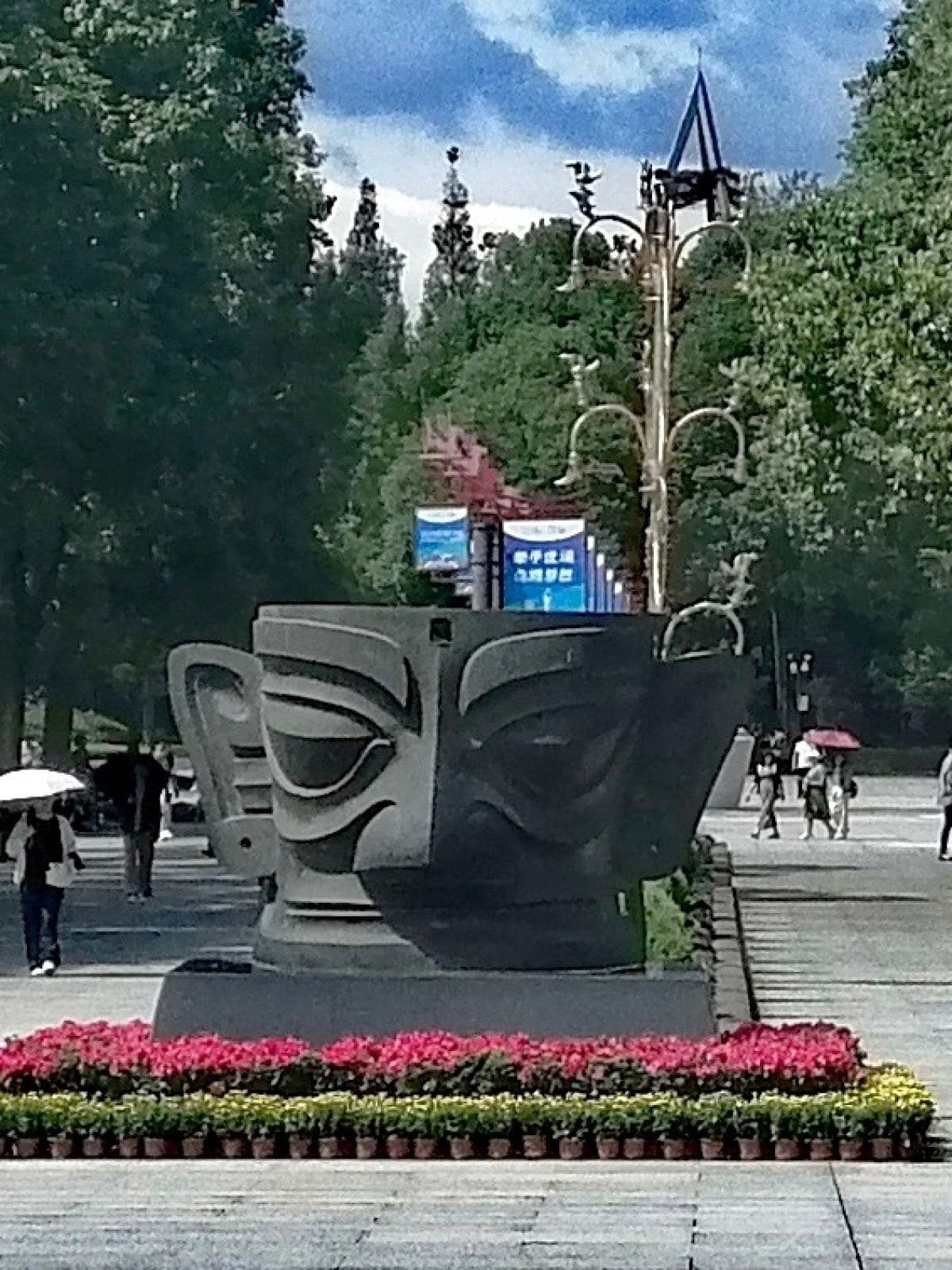
Sanxingdui Museum
The Sanxingdui site in Guanghan, near Chengdu, was discovered in 1931. The large number of artifacts unearthed there, including gold objects, bronzes, jade, pottery and ivory, bear distinctive hallmarks of Bashu culture. Some are simple and archaic, others mysterious and strange, and all carry a powerful artistic impact.
2–3 hours
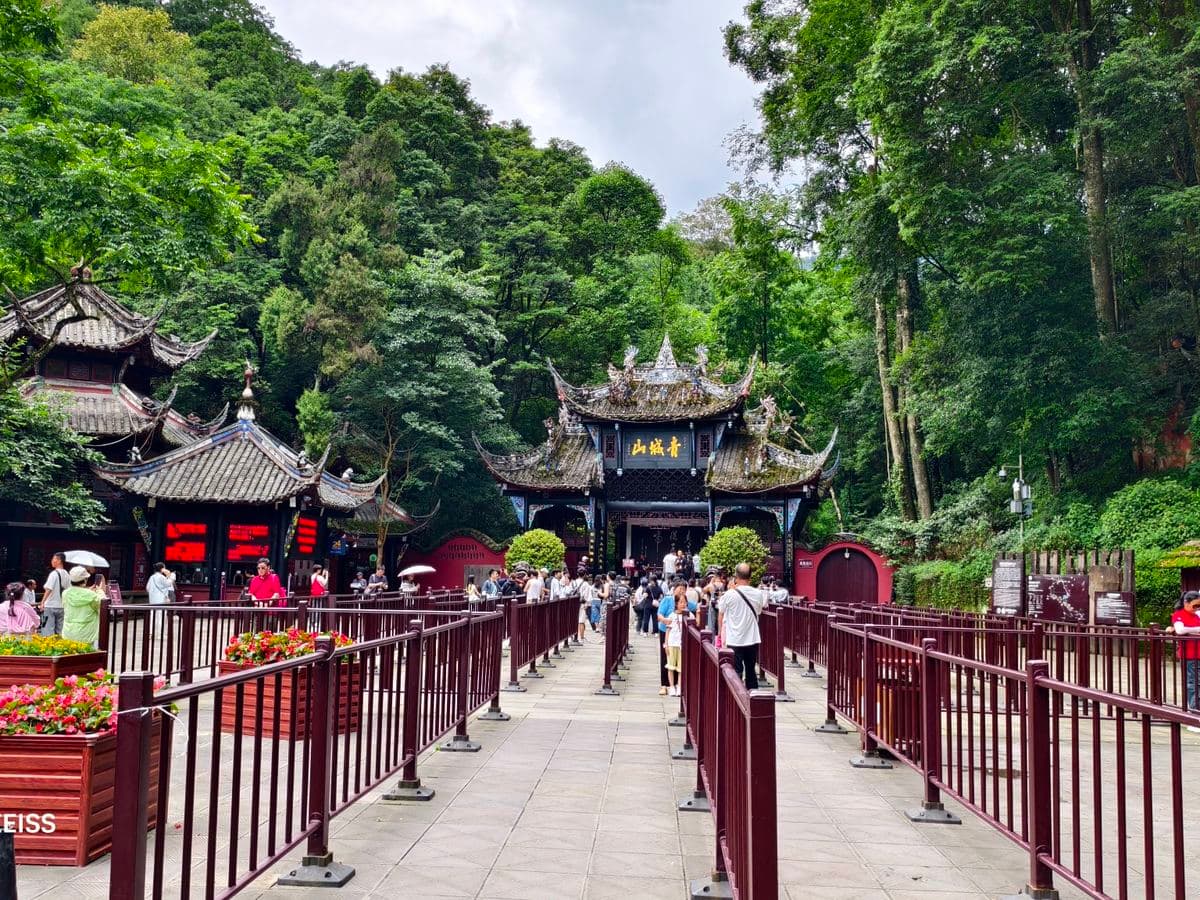
Mount Qingcheng
“Cave Paradise and Blessed Land,” “Earthly Paradise” and “The Most Secluded Place Under Heaven” are all used to praise Mount Qingcheng, and few can resist its charm. Mount Qingcheng is one of the birthplaces of Taoism in China and is a famous Taoist mountain. It is divided into the Front Mountain and the Back Mountain. The Front Mountain boasts beautiful scenery and numerous cultural relics. The Back Mountain’s natural scenery is mysterious and enchanting, primitive and splendid, like a peach-blossom paradise removed from the world. Only by reaching the Back Mountain will you understand the meaning of “the most secluded place under heaven.” It seems the tranquility of the entire Chengdu Plain originates from here.
3–5 hours
Jiezi Ancient Town
Jiezi Ancient Town sits at the back of Qingcheng Mountain (青城后山), nestled between hills and water. Green ridges stretch along the horizon, and clear streams flow year-round, earning it the nickname 'Water Town of West Sichuan.' The guesthouse recommended on the variety show Day Day Up, Yuangui Inn (远归客栈), is located here. From Qingcheng Mountain, you can walk straight down from the back mountain to Jiezi Ancient Town.
3–5 hours
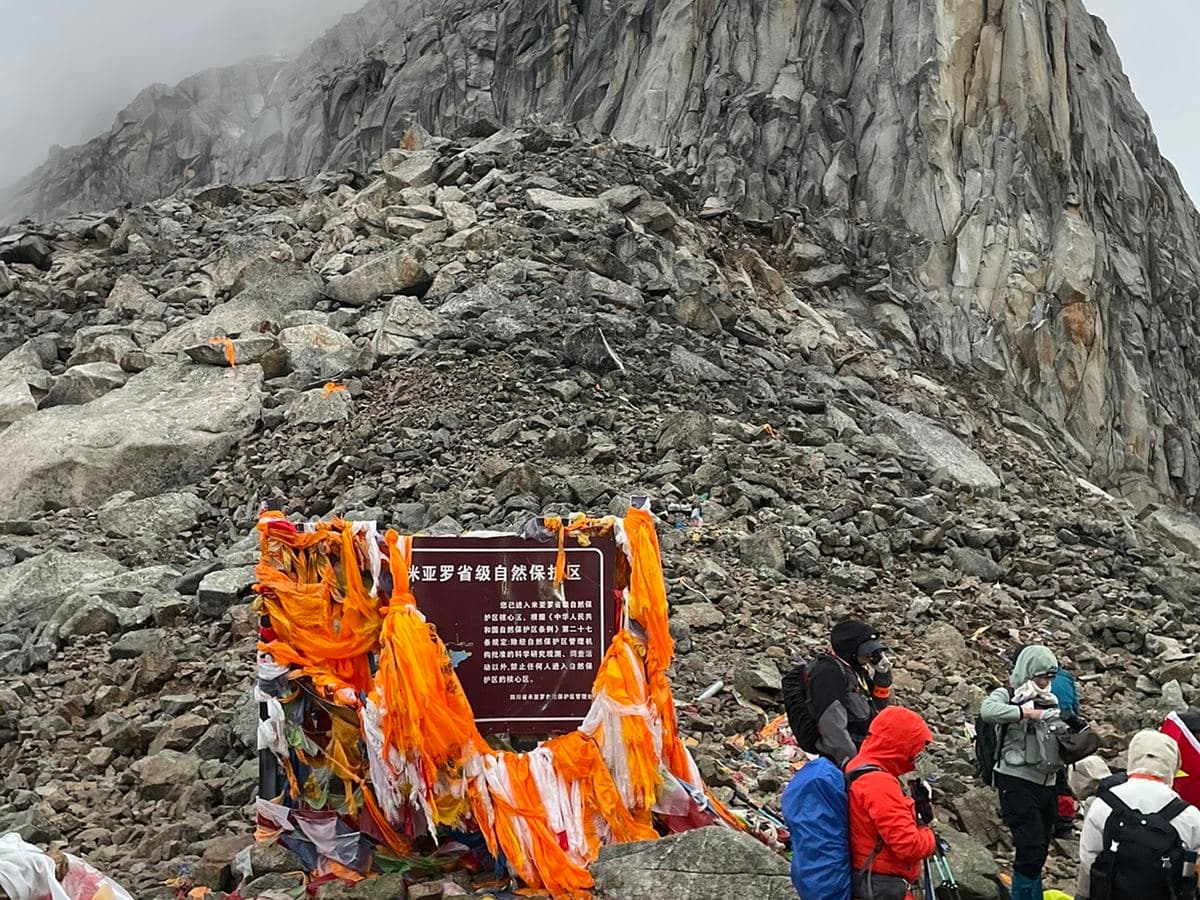
Mount Siguniang, Wolong
The sunrises and sunsets here are breathtaking enough to move you to the core. Mount Siguniang belongs to the Qionglai Mountains, and its main peak, Yaomei Peak (幺妹峰), rises to 6,240 metres. The mountain is made up of four adjoining snowy peaks that stay blanketed in white all year round, looking like four beautiful maidens in white dresses among the mountains, which is how it got its name. Known for its steep, towering grandeur, Siguniang is often called 'the Alps of China.' Mount Siguniang consists of three valleys: Changping Gou (长坪沟), Shuangqiao Gou (双桥沟) and Haizi Gou (海子沟), with most of the main sights concentrated in Changping Gou. Wolong Nature Reserve, home of the giant panda, lies on both banks of the Pitiao Gou valley on the eastern slope of Mount Siguniang. Pitiao Gou, also called Wolong Gou, is a swift river that rushes down in a single long descent.
Mount Siguniang: 2–3 days; Wolong Nature Reserve: 2–3 hours
Jiajiang Thousand Buddha Cliff
Qianfoyan (Thousand Buddha Cliff) in Jiajiang is a picturesque landscape of mountains and water, known as “the finest spot on the Qingyi River.” Daguan Mountain and Yifeng Ridge face each other across the Qingyi River, which winds between them, creating a scene of “two mountains facing each other, one river flowing through the gap.” On the left bank of the Qingyi River, more than 200 grottoes contain some 2,400 carved figures, which is why the site is called the “Thousand Buddha Cliff.” These cliff carvings predate the Leshan Giant Buddha slightly. They were begun in the Sui dynasty, flourished in the Tang, and continued into the Ming and Qing. Unlike the Giant Buddha, however, the Qianfoyan carvings were largely created privately by local people, so their content is richer and more varied, and their artistic forms more diverse. The figures are arranged in a pleasing, irregular pattern: some occupy a single grotto, while others share a grotto with over a hundred figures. Some are over a zhang tall, others less than a chi. The forms are graceful, the craftsmanship refined, and the postures varied and colourful, with the “Pure Land” scenes considered the finest. Besides the cliff carvings, there is an abundance of inscriptions from successive dynasties.
峨眉、乐山 · 2–3 hours
Luoji Mountain Scenic Area
A natural museum of Quaternary glaciation. Any season is good for a visit, with plenty of fine weather, and summer is especially pleasant for escaping the heat. In April and May, the azaleas bloom and create a sea of flowers. The area is home to Asia's longest cable car. From the summit, you can overlook the world's largest ancient glacial grooves and alpine lakes. In the evening, enjoy the distinctive Yi Flower Drum Dance.
峨眉、乐山 · 2–4 hours
Xingwen Stone Sea Scenic Area
One of China's most fully developed karst landscapes, with stone peaks rising across the surface and caves and tunnels running underground. The Greatest Funnel Under Heaven is particularly remarkable, and the area is considered a world wonder. Xingwen County, where the site is located, is Sichuan's largest Miao settlement and the last place where the ancient Bo people disappeared, so the area is rich in cultural relics and vibrant ethnic traditions.
峨眉、乐山
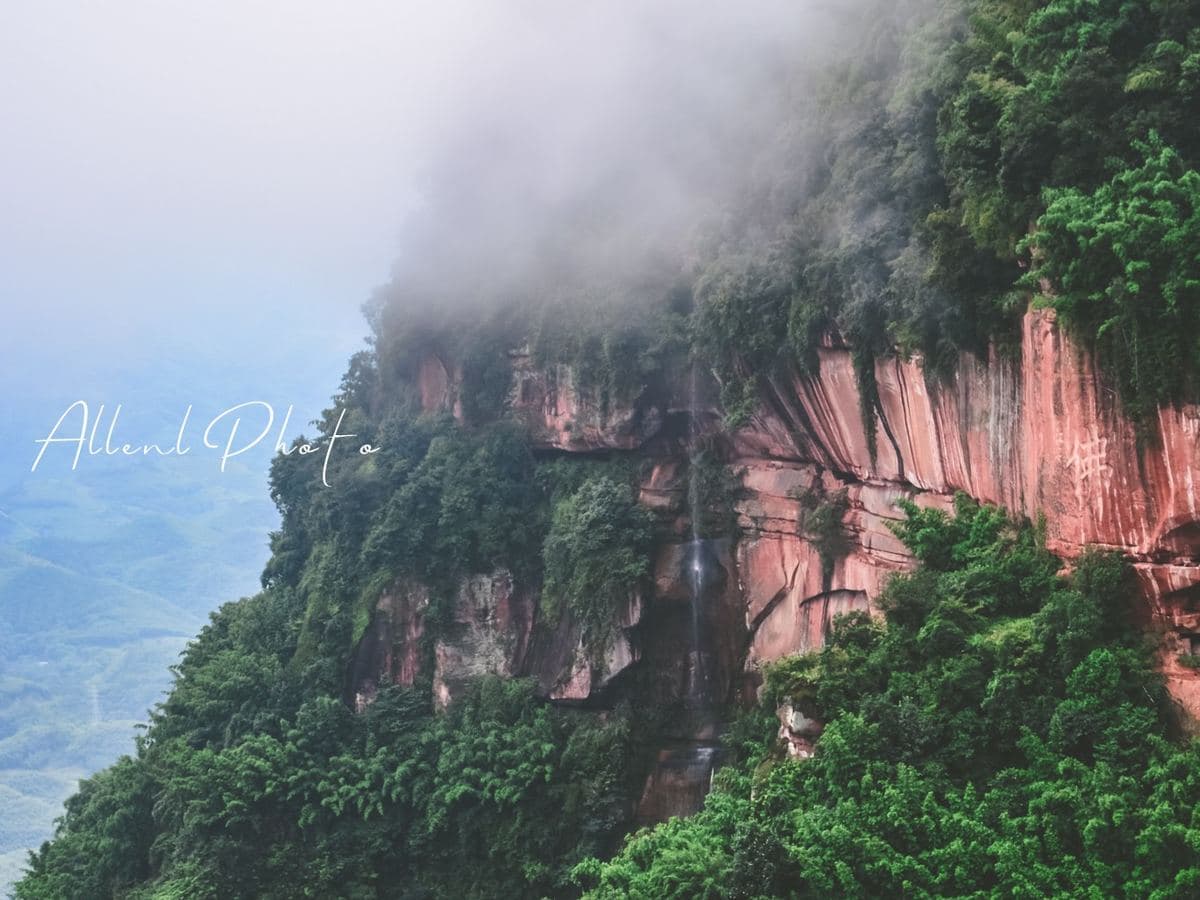
Shunan Bamboo Sea Resort
The Shunan Bamboo Sea is one of the Top Ten Most Beautiful Forests in China, as selected by China National Geography. It is China's largest “green bamboo park,” combining mountains, water, caves, lakes and waterfalls with historical and cultural landmarks. Strolling through the vast bamboo sea, which covers 120 square kilometres, you will encounter waterfalls, temples and covered walkways along the way, making it a truly refreshing journey.
峨眉、乐山 · 3–4 hours
Heizhugou Scenic Area
One of the most complete and pristine ecological communities in China. Heizhugou has a mysterious air and many puzzling phenomena, including several reported incidents in which people and animals vanished inside the gully. Its latitude is similar to that of the Bermuda Triangle and the Egyptian pyramids, which is why it is known as the “Bermuda of China.”
峨眉、乐山
Jinkou Grand Canyon
Jinkou Grand Canyon is part of the Dadu River canyon landscape. Its continuous length and dramatic, steep scenery are rare in the world. Visitors can enter through unusual three-dimensional passages. The most famous gorge along the banks is the “Sky Line,” where cliffs press so closely on either side that you can see only sky overhead.
峨眉、乐山 · 2 hours
Longchi National Forest Park
The park’s flora and fauna are exceptionally rich. Rare species known as “living fossils,” such as the dove tree, lianxiang tree, yinque tree and round-leaved magnolia, can all be found here. Wildlife includes golden snub-nosed monkeys, giant pandas and antelopes. The forest is hailed as a “wild plant gene bank” and a “natural paradise for animals.” Being here means returning to nature in its most magical and enchanting state.
3–5 hours
Nanqiao Bridge
An ancient bridge full of historic charm, now a popular photo spot thanks to its stunning “blue tears” phenomenon. Every night, blue lights shine on the lake, turning its surface into what looks like blue tears, a deeply romantic sight.
Architecture · Photography
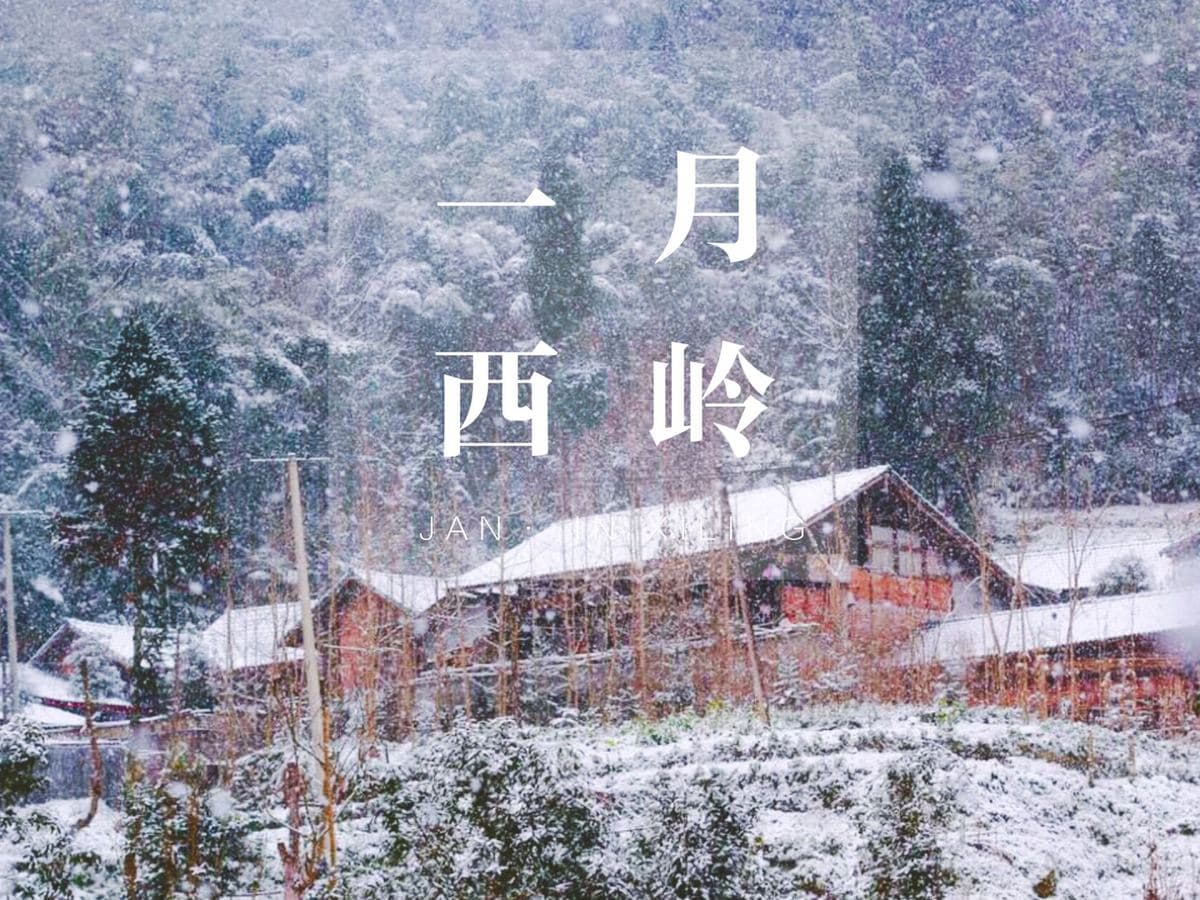
Xiling Snow Mountain
The wild, mysterious nature of Xiling Snow Mountain draws countless visitors. The scenic area's plant life is distributed vertically according to altitude, with all four seasons present at once. More than 40 rare animal species, including giant pandas, golden snub-nosed monkeys and takins, live here. With high peaks, dense forests, clear springs and unusual wildlife, it is a place to escape the summer heat and to ski in winter. It is rare to find such majestic, untouched natural scenery just over an hour's drive from Chengdu. The area also contains Heming Mountain (鹤鸣山), the birthplace of the Orthodox Way of the Celestial Masters (天师正一道), as well as the estate of landlord Liu Wencai (刘文彩).
3–5 hours
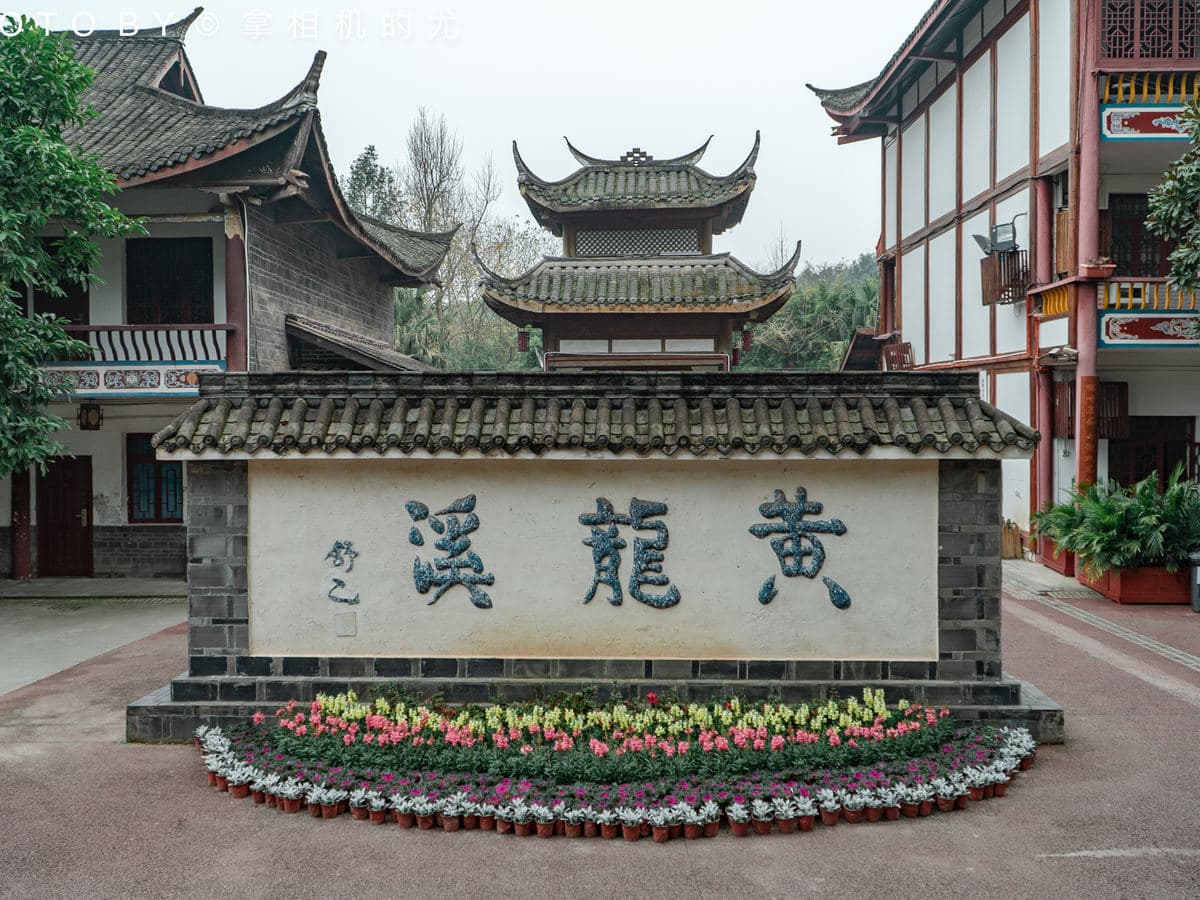
Huanglongxi Ancient Town
Remarkably well preserved, Huanglongxi features red sandstone slab paths, traditional Sichuan wooden stilt houses, and street food made the old-fashioned way. A river winds around the town, with boats drifting on the water and old banyan trees lining the banks. Huanglongxi offers more than a living ancient town: it presents a traditional way of life.
History & Culture · Old Towns & Villages · Waterfront
Baoguang Temple
Xindu's Baoguang Temple is one of the four great Buddhist temples in southern China. The Hall of Arhats preserves 500 painted and gilded arhat statues, each lifelike and distinct, with no two alike. The temple also houses a precious reliquary pagoda. The East Garden of Baoguang Temple holds many works by famous artists, including Xu Beihong's largest single-horse painting, Zhang Daqian's painting of Guanyin, calligraphy by Yu Youren, and paintings by Zhu Chan.
1–2 hours
Niubei Mountain
In May 2022, the Niubei Mountain scenic area, after several years of closed development, officially opened to the public. High ticket prices have caused visitor complaints, but the mountain's magnificent scenery still draws crowds. The summit offers wide-open views and is hailed as 'China's largest viewing platform,' making it an excellent spot for photography. The Niubei sea of clouds can be surging and majestic, ethereal and gentle, dazzlingly colourful, or dense and striking. Locals say: 'Once you've seen the clouds at Niubei, no other clouds will impress you.'
1–2 days
Qionglai Tiantai Mountain Scenic Area
Legend says the mountain got its name because Yu the Great (大禹), while controlling floods in Shu, built an altar here to worship heaven. As a renowned religious mountain, it is home to Daoism, Buddhism and Confucianism side by side. On the mountain is the Monks' Yamen (和尚衙门), one of the rare comprehensive institutions in China combining government administration with a dedicated court of law. The scenic area is known for its 'strange rocks, marvellous peaks, beautiful waters and secluded forests.'
0.5–1 day
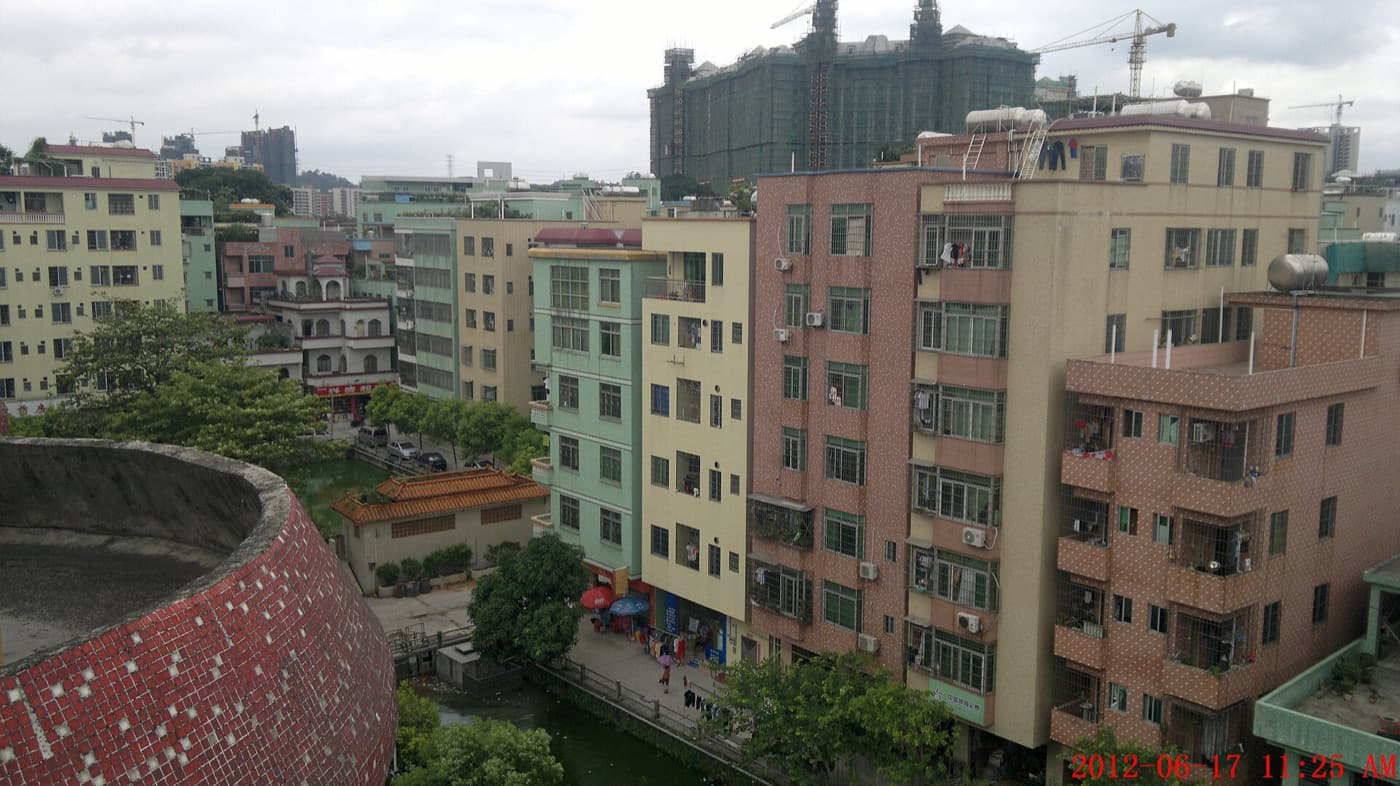
Pingle Ancient Town
A nationally designated Famous Historical and Cultural Town. Founded during the reign of Emperor Jing of the Han dynasty, it was a crossroads for the Qin-Han postal road and the Southern Silk Road. Lezhan Street (乐善街) is the town's famous waterside street, and at its far end stands Lezhan Bridge (乐善桥), known as 'Qionglai's No. 1 Bridge.' Built in 1862, this seven-arched stone bridge has peach-shaped arch openings, a rare design, and is considered unrivalled in western Sichuan.
1 day
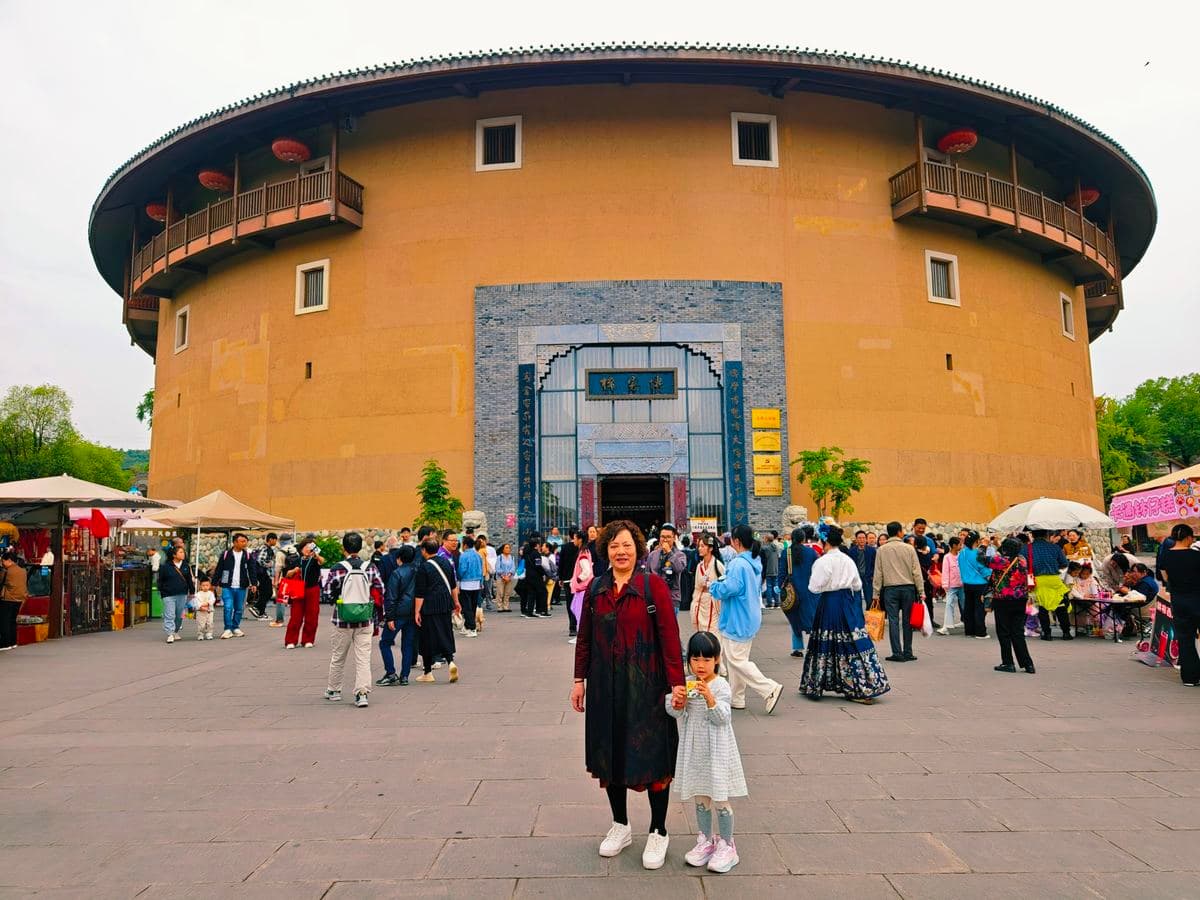
Luodai Ancient Town
Luodai Ancient Town is a Hakka town that dates back to the Three Kingdoms period. Its most captivating features are its rich Hakka culture and distinctive local food, and it is known as 'the No. 1 Hakka Town under Heaven.' The town preserves several guild halls, including the Guangdong Guild Hall (广东会馆), the Northern Sichuan Guild Hall (川北会馆) and the Hunan-Hubei Guild Hall (湖广会馆).
3–5 hours
Manhua Manor
Chengdu's “back garden” for locals. Spread over more than 500 mu, the park grows a wide variety of flowers, with something different to see in each season. Cherry blossoms in March are the most striking, with petals drifting down as if you had stepped into a fairytale. The park also offers plenty of rides and attractions, making it a well-rounded leisure spot for flower viewing, gatherings and leisurely strolls.
2–4 hours
Source: China Self-Guided Travel 2025 (《中国自助游》, Tianjin Science & Technology Press, Aug 2024), pp. 302–363. Translated from the Chinese edition; names and prices follow the guidebook. · Plain text version