Luodai Ancient Town
Luodai Ancient Town is a Hakka town that dates back to the Three Kingdoms period. Its most captivating features are its rich Hakka culture and distinctive local food, and it is known as 'the No.…
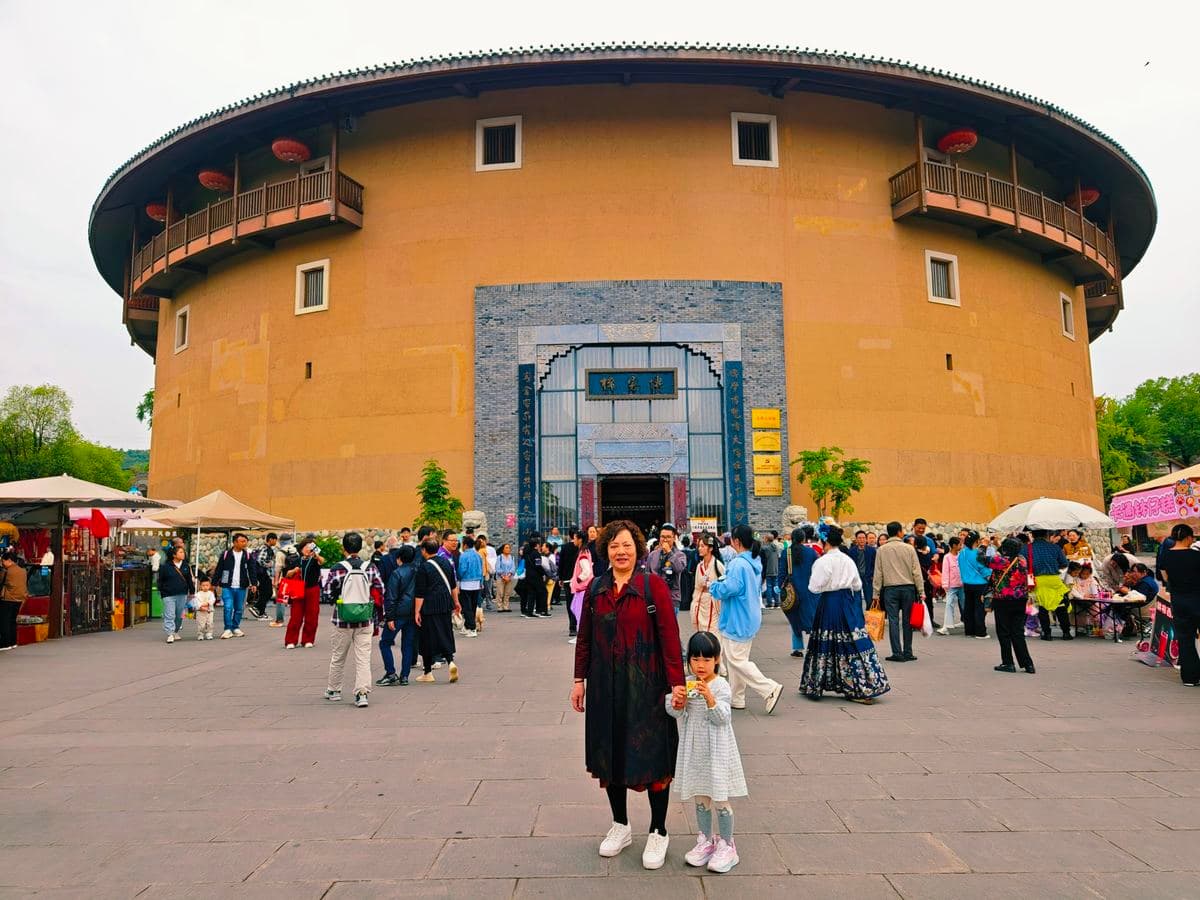
Luodai Ancient Town, Chengdu
Key facts
- Time needed
- 3–5 hours
- Getting there
- Take the metro in Chengdu to Xihe Station (西河站), then transfer to a bus to Luodai Passenger Transport Centre Station (洛带客运中心站).
- Guidebook rating
- 3 / 5
From China Self Guided Travel 2025, page 349. Open in Google Maps
About Luodai Ancient Town
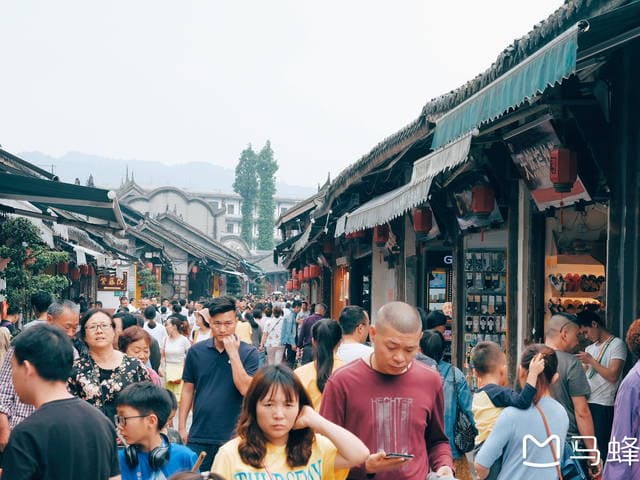
Luodai Ancient Town is a Hakka town that dates back to the Three Kingdoms period. Its most captivating features are its rich Hakka culture and distinctive local food, and it is known as 'the No. 1 Hakka Town under Heaven.' The town preserves several guild halls, including the Guangdong Guild Hall (广东会馆), the Northern Sichuan Guild Hall (川北会馆) and the Hunan-Hubei Guild Hall (湖广会馆).
Tips from the guidebook
- Be sure to try the local fragrant tea. The lamb street by Jinlong Lake (金龙湖) is also very tasty.
Frequently asked questions
How do I get to Luodai Ancient Town?
Take the metro in Chengdu to Xihe Station (西河站), then transfer to a bus to Luodai Passenger Transport Centre Station (洛带客运中心站).
How long should I spend at Luodai Ancient Town?
Plan on 3–5 hours for Luodai Ancient Town.
Where is Luodai Ancient Town?
Luodai Ancient Town is in Chengdu, Sichuan Province, in the Southwest of China.
More places in Chengdu

Dujiangyan
A great ancient water conservancy project. Thanks to Dujiangyan, the thousands of miles of flat land on the Chengdu Plain and the reputation of the “Land of Abundance” were made possible. It is known as the brilliant pearl of ancient hydraulic engineering.
¥80 · 3–5 hours
Mount Emei Scenic Area
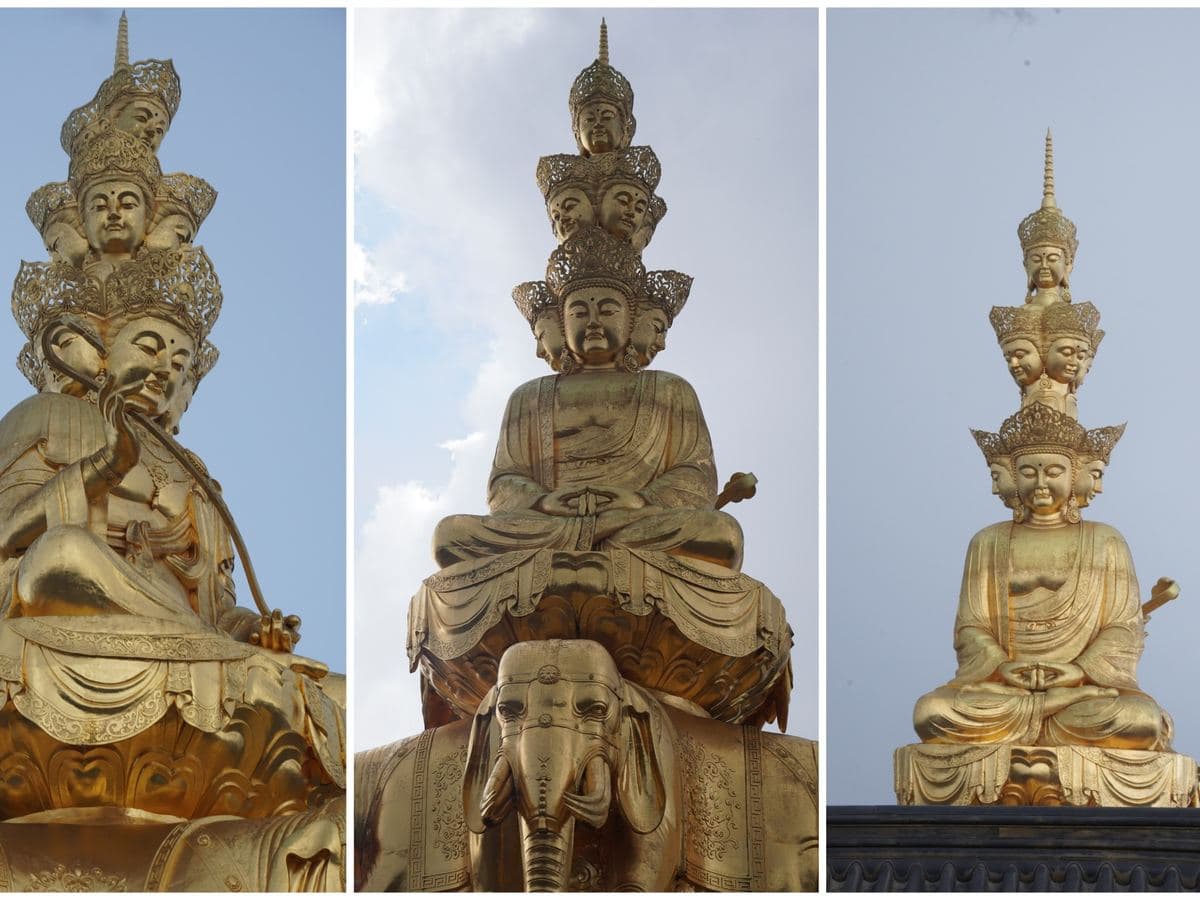
“Higher than the Five Great Mountains, most splendid under heaven.” Mount Emei is one of the four sacred Buddhist mountains of China. Among the country's famous scenic mountains, it is arguably the tallest, its main peak, Wanfo Golden Summit (万佛金顶), rising to 3,099 metres above sea level. Baoguo Temple (报国寺) is the gateway to Mount Emei and the point every visitor passes, whether arriving by bus or on foot. From the summit, on a clear day, you can make out the silver peaks of the Gongga Snow Mountain hundreds of kilometres away. At the Duguang Terrace (睹光台) on Golden Summit, visitors can witness four spectacular natural phenomena: the magnificent sea of clouds, sunrise, the “Buddha's Light” (佛光) unique to Mount Emei, and the Sacred Lantern (圣灯). Halfway up the mountain are two highlights: Wannian Temple (万年寺) and Qingyin Pavilion (清音阁). Near Qingyin Pavilion, the “One Line Sky” (一线天) path is regularly visited by troops of monkeys. The traditional Ten Scenes of Mount Emei are: Golden Summit Auspicious Light, Elephant Pool Moonlit Night, Nine Elders' Immortal Abode, Snow over Daping, Dawn Rain at Hongchun, Autumn Wind at Baishui, Clear Music over the Twin Bridges, Verdant Peaks at Lingyan, Clear Clouds over Luo Peak, and Evening Bell at Shengji. Just from their names they sound beautiful, but due to natural weather conditions and environmental changes, only seven survive today, and it is very hard to see all of them in one visit. As a result, a set of New Ten Scenes has been proposed: Golden Buddha of Golden Summit, Ten Thousand Buddhas Paying Homage, Xiaoping Romance, Light through One Line Sky, Monkeys in the Secluded Valley, Clear Music Lake, First Mountain Pavilion, Wushu Town, Pearl Lake Embraced by Greenery, and Health and Beauty Lake.
Entrance ticket: ¥160 in peak season, ¥110 in off-season. Golden Summit cable car: peak season ¥65 up, ¥55 down; off-season ¥30 up, ¥20 down. Wannian cable car: peak season ¥65 up, ¥45 down; off-season ¥30 up, ¥20 down. Temple admission fees also apply: Baoguo Temple ¥8, Fuhu Temple ¥8, Wannian Temple ¥10. Skiing ¥120 per person per hour. · 1–3 days
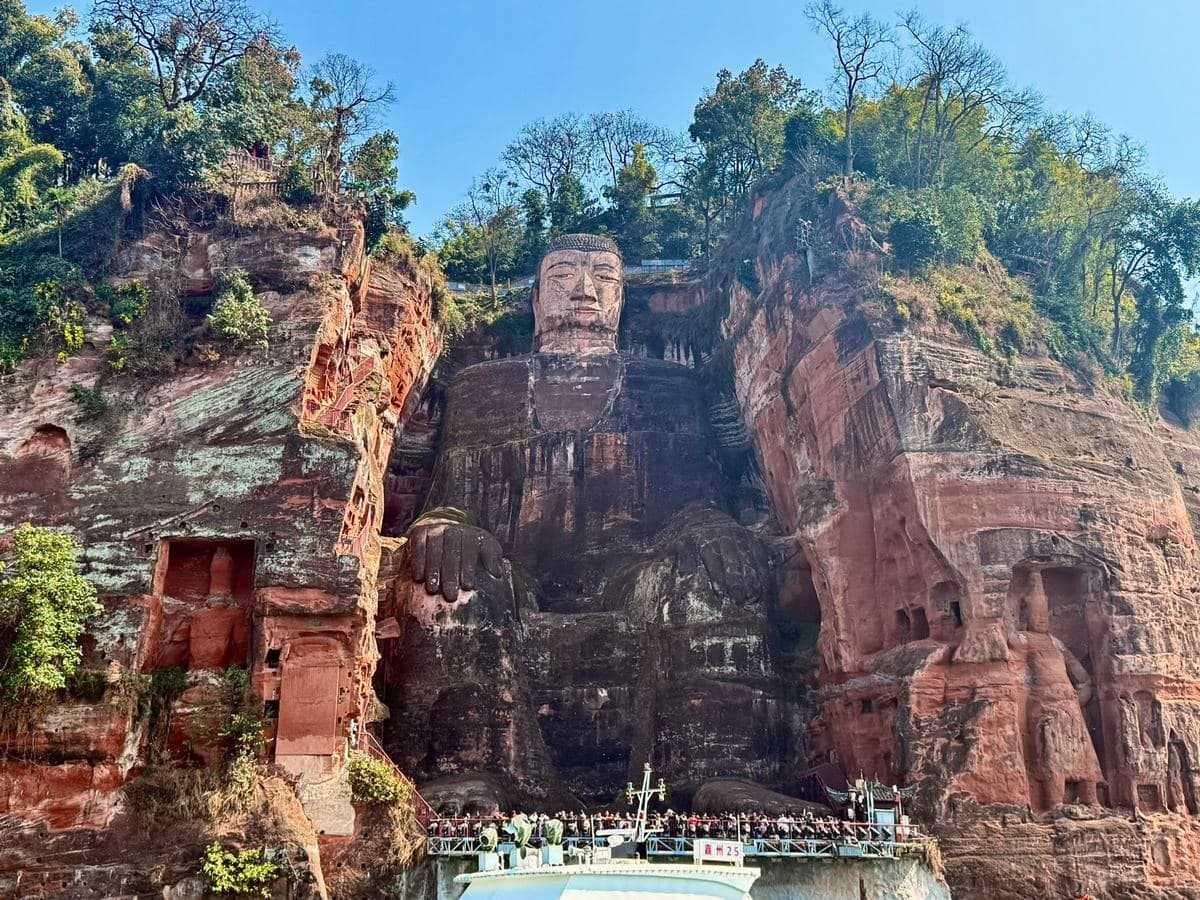
Leshan Giant Buddha
Nature, with its uncanny craftsmanship, has carved the solemn Leshan Sleeping Buddha. The area is steeped in Buddhist art and rich cultural heritage. Su Xun, Su Shi and Su Zhe, the father and sons who were giants of Song-dynasty literature, were all from Leshan, as was the modern writer Guo Moruo. The best place to view the Giant Buddha is from the ferry, which passes in front of it so that the full figure of the Buddha comes into view. Guantao Pavilion (观涛阁), built on a cliff on the hill of Wuyou Temple (乌尤寺), is the finest spot to watch the Dadu River and the Min River converge. The silt-laden waters rush and roar past in a spectacular display. Walking along the Lingyun Plank Road (凌云栈道) to the left of the Giant Buddha takes you directly to its base. Looking up from here, you feel as if the Buddha rises ever higher the more you gaze at it. To the right of the Giant Buddha is the Nine-Bend Ancient Plank Road (九曲古栈道), carved into the sheer cliff beside the statue. It is extremely steep and winds through nine turns, allowing you to climb to the top of Lingyun Hill and admire the sculptural artistry of the Giant Buddha's head.
¥80; river boat ticket ¥70 (covers views of the full Giant Buddha, the Sleeping Buddha and the Three Rivers)
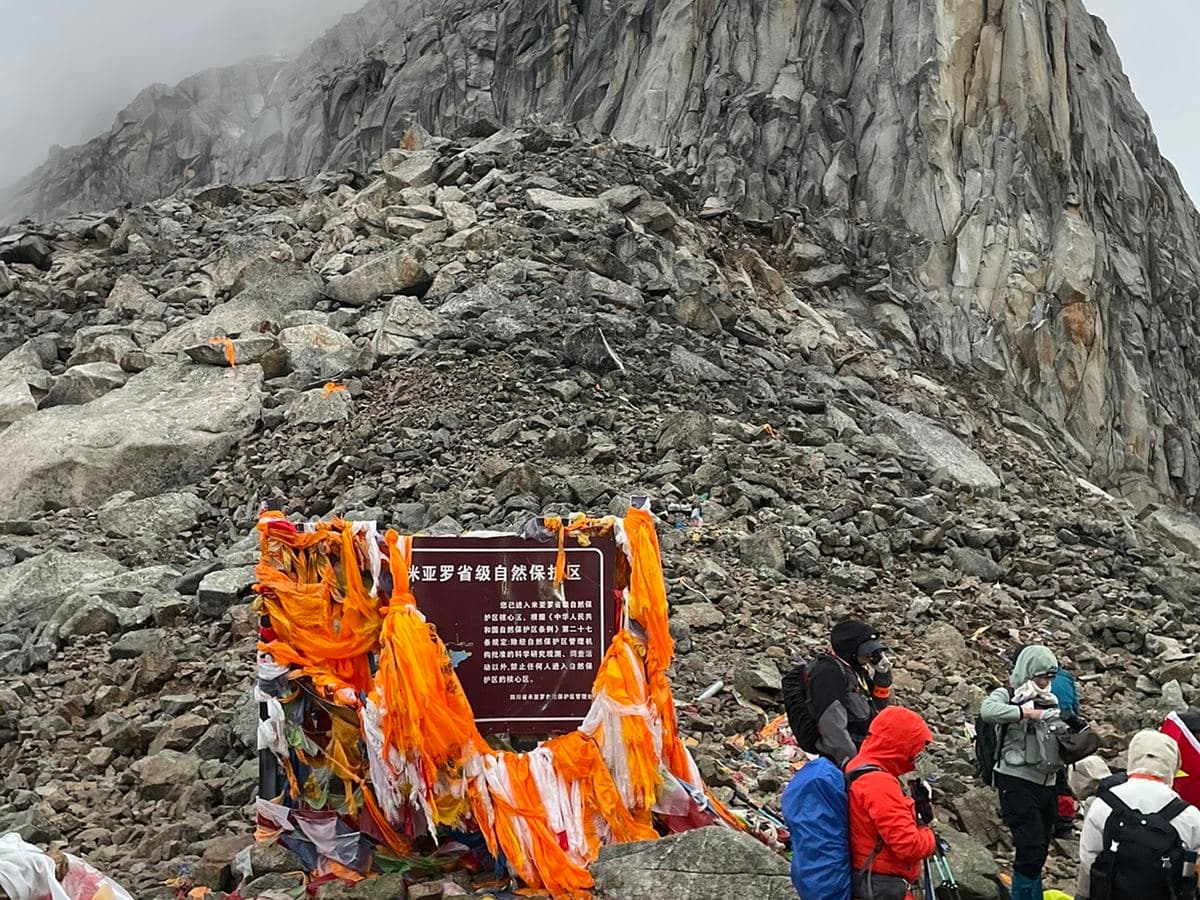
Mount Siguniang, Wolong
The sunrises and sunsets here are breathtaking enough to move you to the core. Mount Siguniang belongs to the Qionglai Mountains, and its main peak, Yaomei Peak (幺妹峰), rises to 6,240 metres. The mountain is made up of four adjoining snowy peaks that stay blanketed in white all year round, looking like four beautiful maidens in white dresses among the mountains, which is how it got its name. Known for its steep, towering grandeur, Siguniang is often called 'the Alps of China.' Mount Siguniang consists of three valleys: Changping Gou (长坪沟), Shuangqiao Gou (双桥沟) and Haizi Gou (海子沟), with most of the main sights concentrated in Changping Gou. Wolong Nature Reserve, home of the giant panda, lies on both banks of the Pitiao Gou valley on the eastern slope of Mount Siguniang. Pitiao Gou, also called Wolong Gou, is a swift river that rushes down in a single long descent.
Shuangqiao Gou: ¥180; Haizi Gou: ¥60; Changping Gou: ¥70; Wolong Panda Base: ¥60; Giant Panda Museum: ¥20; Giant Panda Garden: ¥90 · Mount Siguniang: 2–3 days; Wolong Nature Reserve: 2–3 hours
Jiayang National Mine Park
Jiayang Mine Park is a “living milestone” of China’s coal industry. Its attractions include the Jiayang little train, hailed as a “living fossil” of the Industrial Revolution, and the authentic, original-ecology town of Bajiaogou (芭蕉沟), with its mining heritage sites blending Chinese and Western architectural features. The park reopened the No. 1 shaft of the Jiayang Coal Mine, which had been decommissioned for 20 years, after repairs and renovation, creating China’s only real coal mine dedicated to tourism. Underground, visitors can ride a monkey car and try coal digging, with guides on hand. Another highlight is the steam train, the world’s only surviving narrow-gauge steam locomotive. Every March and April, the little train, puffing white steam, winds slowly through fields of rapeseed flowers, a truly beautiful sight.
Little train short round trip (Bagou (芭沟)–Yuejin (跃进)) ¥80; Huangcunjing (黄村井) mine exploration ¥80 · 2–3 hours
Jiezi Ancient Town
Jiezi Ancient Town sits at the back of Qingcheng Mountain (青城后山), nestled between hills and water. Green ridges stretch along the horizon, and clear streams flow year-round, earning it the nickname 'Water Town of West Sichuan.' The guesthouse recommended on the variety show Day Day Up, Yuangui Inn (远归客栈), is located here. From Qingcheng Mountain, you can walk straight down from the back mountain to Jiezi Ancient Town.
Free · 3–5 hours