Qingyang Palace
The oldest and largest Taoist temple complex in Chengdu. Everything within Qingyang Palace may be a microcosm of the city. If you have time,…
Qingyang Palace, Chengdu
Key facts
- Admission
- ¥20
- Opening hours
- 8:00—18:00
- Time needed
- 1–2 hours
- Getting there
- Near Qingyang Palace bus stop (青羊宫站), Provincial Hospital of Traditional Chinese Medicine metro station (中医大省医院站)
- Guidebook rating
- 4 / 5
From China Self Guided Travel 2025, page 314. Open in Google Maps
About Qingyang Palace
The oldest and largest Taoist temple complex in Chengdu. Everything within Qingyang Palace may be a microcosm of the city. If you have time, sit down with a cup of tea and quietly savour the leisure that belongs to Chengdu.
Tips from the guidebook
- 1. In front of the Hall of the Three Pure Ones stands a pair of bronze goats, cast during the Yongzheng reign of the Qing dynasty and transported from Beijing. One of them combines the features of all twelve zodiac animals, making it an important relic for the study of Taoist culture.
- 2. Qingyang Palace is especially popular with Chengdu locals for drinking tea and playing mahjong. There are large bowls of tea and ear-cleaning services, priced at ¥5 per person.
- 3. The vegetarian meals at Qingyang Palace are also well known in Chengdu, at moderate prices. They are worth trying.
Frequently asked questions
How much does Qingyang Palace cost?
Admission to Qingyang Palace is ¥20, as listed in the 2025 guidebook. Prices can change; check the official channel before you go.
What are the opening hours of Qingyang Palace?
Qingyang Palace is open 8:00—18:00.
How do I get to Qingyang Palace?
Near Qingyang Palace bus stop (青羊宫站), Provincial Hospital of Traditional Chinese Medicine metro station (中医大省医院站)
How long should I spend at Qingyang Palace?
Plan on 1–2 hours for Qingyang Palace.
Where is Qingyang Palace?
Qingyang Palace is in Chengdu, Sichuan Province, in the Southwest of China.
More places in Chengdu

Dujiangyan
A great ancient water conservancy project. Thanks to Dujiangyan, the thousands of miles of flat land on the Chengdu Plain and the reputation of the “Land of Abundance” were made possible. It is known as the brilliant pearl of ancient hydraulic engineering.
¥80 · 3–5 hours
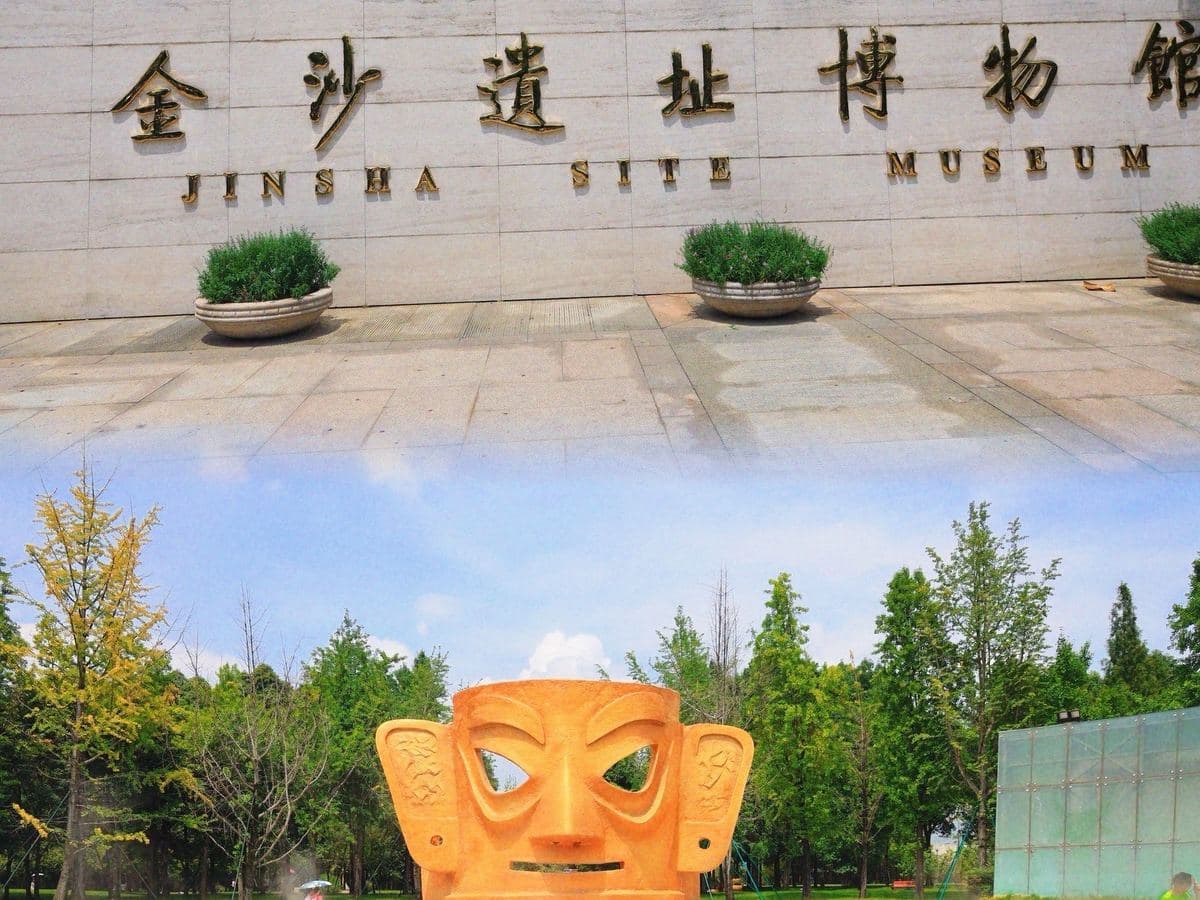
Jinsha Site Museum
A Shang and Zhou dynasty site that has yielded the densest concentration of ivory of any site from the same period in the world, as well as the most abundant gold and jade artifacts. Its most famous treasure is the gold foil 'Sun Bird' displayed in the fourth exhibition hall. It has been designated the emblem of China's cultural heritage and the main motif of Chengdu's city image.
¥70 · 2–3 hours
Wuhou Shrine
Zhuge Liang's reputation is so renowned in China that a trip to Chengdu is incomplete without a visit to Wuhou Shrine. Just past the entrance, six stone steles stand amid dense shade. The largest, erected in the Tang dynasty, is the Stele of the Shrine to Prime Minister Zhuge Wuhou of the Shu Han Kingdom, a monument of great historical value. It is known as the 'Three Perfections Stele' because its text was written by Tang dynasty chancellor Pei Du, its calligraphy was done by the calligrapher Liu Gongquan, and its characters were carved by the master craftsman Lu Jian.
¥50 · 2–3 hours
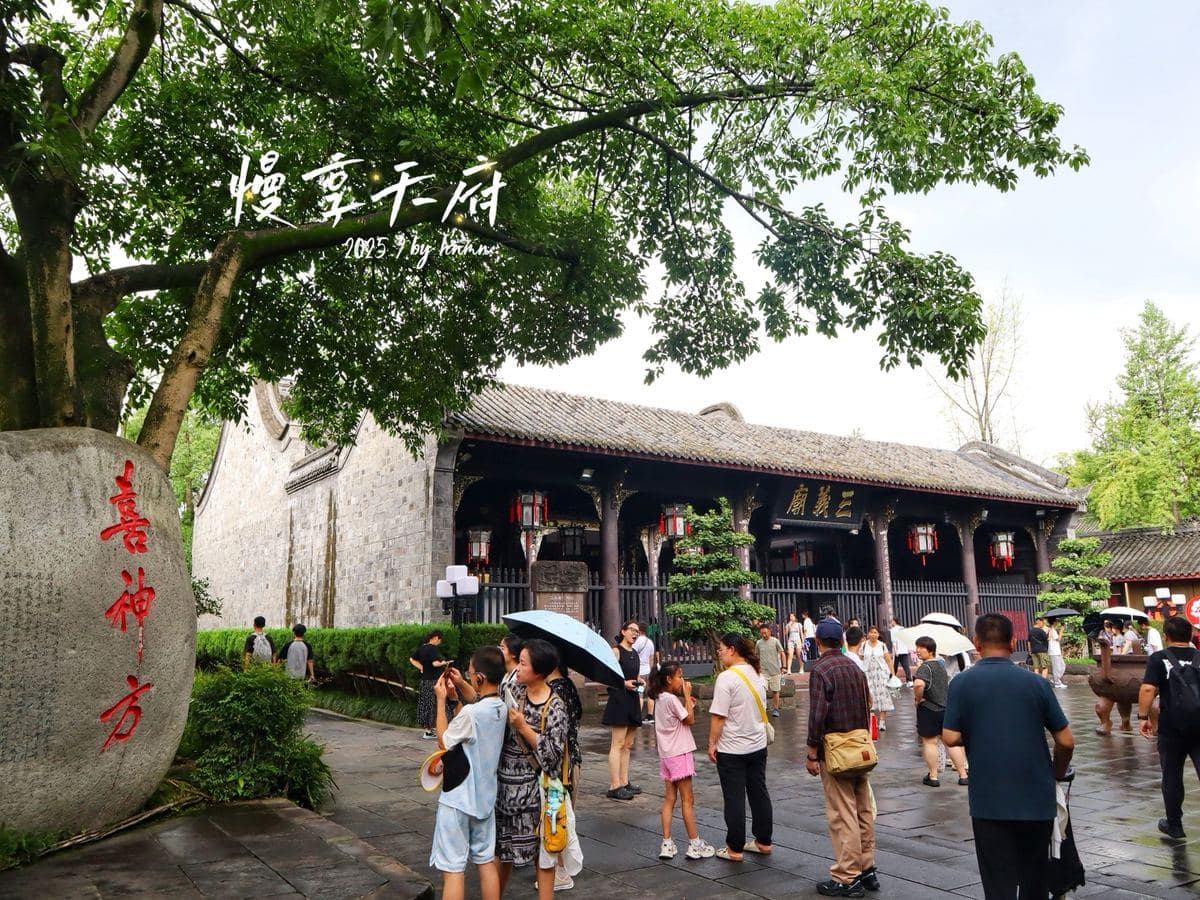
Jinli Ancient Street
Ask a local what the best place to visit in Chengdu is, and you will often hear: 'Jinli, the number one street in West Sichuan!' Adjoining Wuhou Shrine, Jinli Ancient Street condenses the essence of Chengdu life. Snacks, teahouses, restaurants, courtyard guesthouses and handicrafts can all be found here. Compared with the more 'fashionable' Kuanzhai Alley, Jinli has more bustle, a more down-to-earth and friendly atmosphere, and lower prices. You can also see the large pond and towering ancient trees of Wuhou Shrine. A stream flows alongside the stretch of ancient street next to Wuhou Shrine. When you tire of walking, sit on the flat stones beneath the willows by the water to rest, or lean back in a rattan chair beside a teahouse and sip some tea. It feels a bit like the stream-side villages of Lijiang.
2–3 hours
Zhaojue Temple
Zhaojue Temple is known as the 'first forest of Zen' in West Sichuan. Be sure to see the wooden statue of the Thousand-Armed Guanyin. The arms the bodhisattva raises seem to reach into a mysterious space, while heads are layered and hidden among them, as if suggesting the endless cycle of life.
Free · 1–2 hours
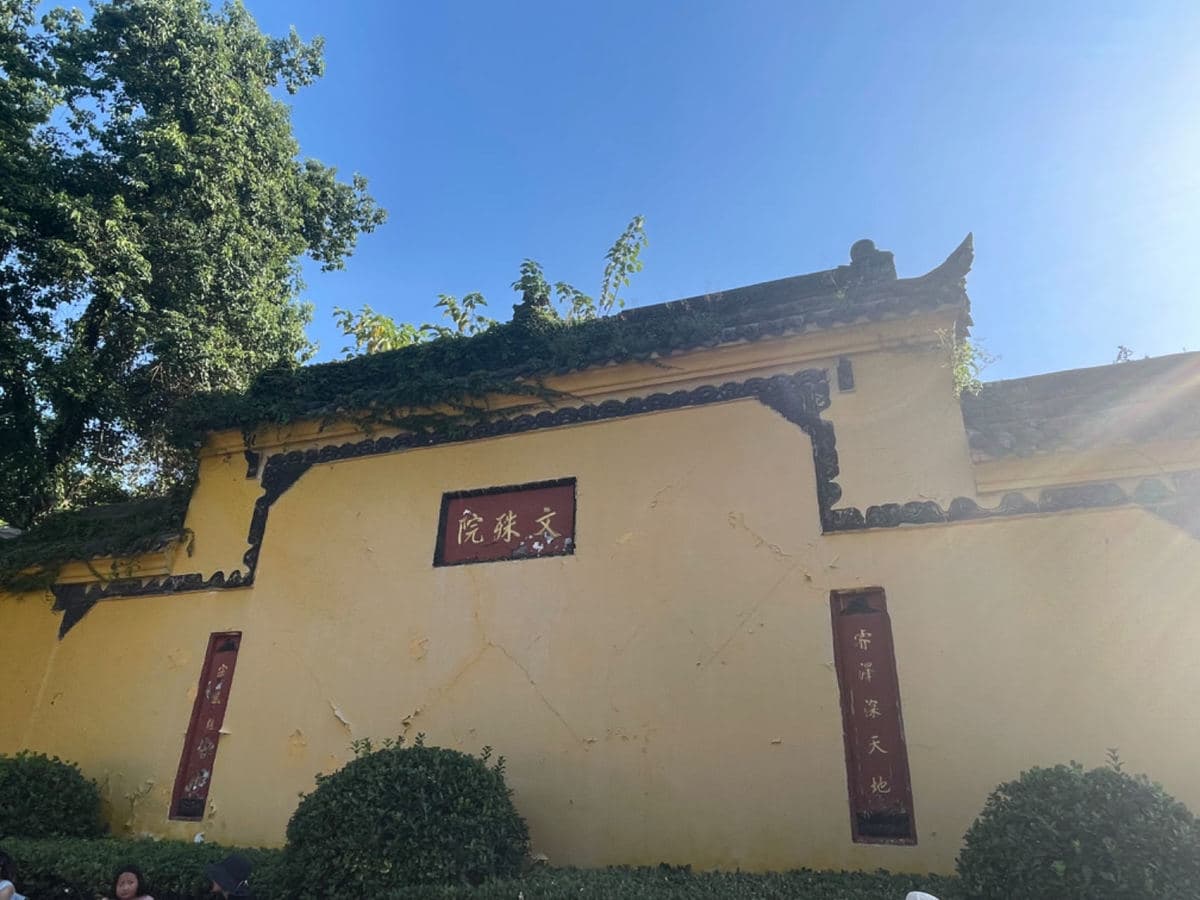
Wenshu Monastery
Wenshu Monastery was one of the 'Four Great Monasteries' of West Sichuan during the Qing dynasty and is a key Buddhist temple in the Han Chinese regions of China. The monastery houses a fragment of the skull of the Tang monk Xuanzang. Only three such relics exist in China, making it extremely precious. Wenshu Monastery has no commercial atmosphere. Its visitors are mostly devout believers and practising monks. The temple offers free Buddhist magazines, incense and tea, as well as temple experience activities, allowing you to experience the true essence of Buddhist teaching.
Free · 1–2 hours