Oriental Buddha Capital
Located behind the Leshan Giant Buddha, within the same protected zone as the dual World Heritage site. The area is covered in forest and retains a natural, rustic character,…
Oriental Buddha Capital, Chengdu
Key facts
- Admission
- ¥80
- Opening hours
- 8:00—17:00
- Time needed
- 1–2 hours
- Getting there
- From Chengdu’s Xinnanmen Station, take a direct bus to Leshan, ¥50–60 per ticket
- Guidebook rating
- 3 / 5
From China Self Guided Travel 2025, page 358. Open in Google Maps
About Oriental Buddha Capital
Located behind the Leshan Giant Buddha, within the same protected zone as the dual World Heritage site. The area is covered in forest and retains a natural, rustic character, and it houses more than ten thousand fine Buddha statues, making it a remarkable example of natural and cultural landscapes in harmony. Working together, a professor from the Sculpture Department of the Sichuan Fine Arts Institute and local stonemasons revived the cliff-carving techniques that flourished in the Tang and Song dynasties but had nearly been lost in the Ming and Qing.
The 170-meter-long reclining Buddha, serene in expression and lying on its side, is the most awe-inspiring sight at the Oriental Buddha Capital. Modeled on the Dazu Rock Carvings, it makes use of the mountain’s natural contours: the head is carved at the south end, the feet at the north end, and the vegetation in between is left intact.
The Cave of Ten Thousand Buddhas is the core attraction of the Oriental Buddha Capital. It contains bodhisattvas, arhats and Buddha statues from around the world, each one lifelike. Even more remarkable, every statue was sculpted from a single piece of rock in the mountain, a feat of exquisite craftsmanship that leaves visitors amazed.
Frequently asked questions
How much does Oriental Buddha Capital cost?
Admission to Oriental Buddha Capital is ¥80, as listed in the 2025 guidebook. Prices can change; check the official channel before you go.
What are the opening hours of Oriental Buddha Capital?
Oriental Buddha Capital is open 8:00—17:00.
How do I get to Oriental Buddha Capital?
From Chengdu’s Xinnanmen Station, take a direct bus to Leshan, ¥50–60 per ticket
How long should I spend at Oriental Buddha Capital?
Plan on 1–2 hours for Oriental Buddha Capital.
Where is Oriental Buddha Capital?
Oriental Buddha Capital is in Chengdu, Sichuan Province, in the Southwest of China. 362 Lingyun Road, Shizhong District, Leshan City, Sichuan Province
More places in Chengdu

Dujiangyan
A great ancient water conservancy project. Thanks to Dujiangyan, the thousands of miles of flat land on the Chengdu Plain and the reputation of the “Land of Abundance” were made possible. It is known as the brilliant pearl of ancient hydraulic engineering.
¥80 · 3–5 hours
Jiajiang Thousand Buddha Cliff
Qianfoyan (Thousand Buddha Cliff) in Jiajiang is a picturesque landscape of mountains and water, known as “the finest spot on the Qingyi River.” Daguan Mountain and Yifeng Ridge face each other across the Qingyi River, which winds between them, creating a scene of “two mountains facing each other, one river flowing through the gap.” On the left bank of the Qingyi River, more than 200 grottoes contain some 2,400 carved figures, which is why the site is called the “Thousand Buddha Cliff.” These cliff carvings predate the Leshan Giant Buddha slightly. They were begun in the Sui dynasty, flourished in the Tang, and continued into the Ming and Qing. Unlike the Giant Buddha, however, the Qianfoyan carvings were largely created privately by local people, so their content is richer and more varied, and their artistic forms more diverse. The figures are arranged in a pleasing, irregular pattern: some occupy a single grotto, while others share a grotto with over a hundred figures. Some are over a zhang tall, others less than a chi. The forms are graceful, the craftsmanship refined, and the postures varied and colourful, with the “Pure Land” scenes considered the finest. Besides the cliff carvings, there is an abundance of inscriptions from successive dynasties.
¥50 · 2–3 hours
Jiayang National Mine Park
Jiayang Mine Park is a “living milestone” of China’s coal industry. Its attractions include the Jiayang little train, hailed as a “living fossil” of the Industrial Revolution, and the authentic, original-ecology town of Bajiaogou (芭蕉沟), with its mining heritage sites blending Chinese and Western architectural features. The park reopened the No. 1 shaft of the Jiayang Coal Mine, which had been decommissioned for 20 years, after repairs and renovation, creating China’s only real coal mine dedicated to tourism. Underground, visitors can ride a monkey car and try coal digging, with guides on hand. Another highlight is the steam train, the world’s only surviving narrow-gauge steam locomotive. Every March and April, the little train, puffing white steam, winds slowly through fields of rapeseed flowers, a truly beautiful sight.
Little train short round trip (Bagou (芭沟)–Yuejin (跃进)) ¥80; Huangcunjing (黄村井) mine exploration ¥80 · 2–3 hours
Luoji Mountain Scenic Area
A natural museum of Quaternary glaciation. Any season is good for a visit, with plenty of fine weather, and summer is especially pleasant for escaping the heat. In April and May, the azaleas bloom and create a sea of flowers. The area is home to Asia's longest cable car. From the summit, you can overlook the world's largest ancient glacial grooves and alpine lakes. In the evening, enjoy the distinctive Yi Flower Drum Dance.
Entrance plus shuttle bus ¥65; round-trip cable car ¥130 per person · 2–4 hours
Xingwen Stone Sea Scenic Area
One of China's most fully developed karst landscapes, with stone peaks rising across the surface and caves and tunnels running underground. The Greatest Funnel Under Heaven is particularly remarkable, and the area is considered a world wonder. Xingwen County, where the site is located, is Sichuan's largest Miao settlement and the last place where the ancient Bo people disappeared, so the area is rich in cultural relics and vibrant ethnic traditions.
Entrance ¥80, combo ticket ¥120
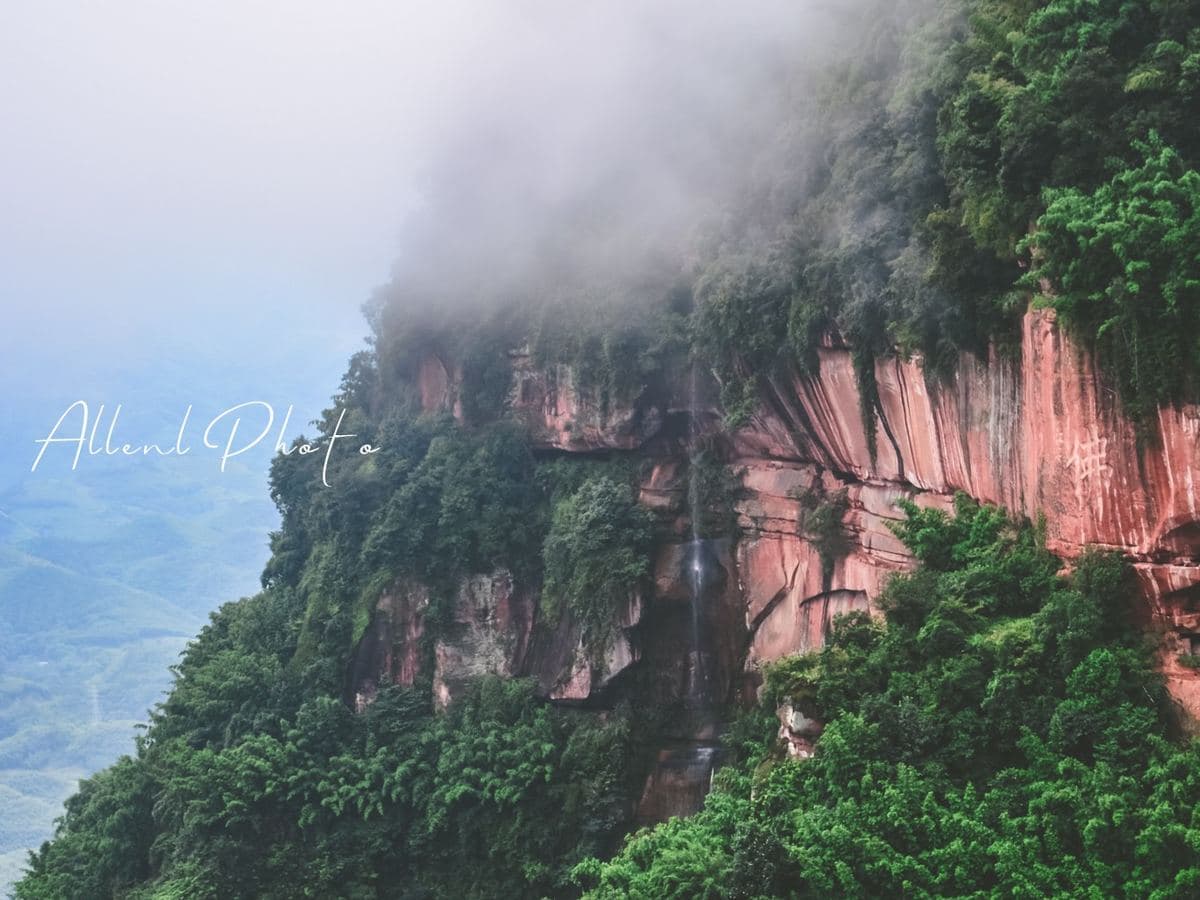
Shunan Bamboo Sea Resort
The Shunan Bamboo Sea is one of the Top Ten Most Beautiful Forests in China, as selected by China National Geography. It is China's largest “green bamboo park,” combining mountains, water, caves, lakes and waterfalls with historical and cultural landmarks. Strolling through the vast bamboo sea, which covers 120 square kilometres, you will encounter waterfalls, temples and covered walkways along the way, making it a truly refreshing journey.
¥100 (January–November); ¥60 (December) · 3–4 hours