Eastern Suburb Memory
Eastern Suburb Memory was originally known as the 'East District Music Park'. It is a new type of tourist destination that combines the preservation of industrial heritage with the cultural and creat…
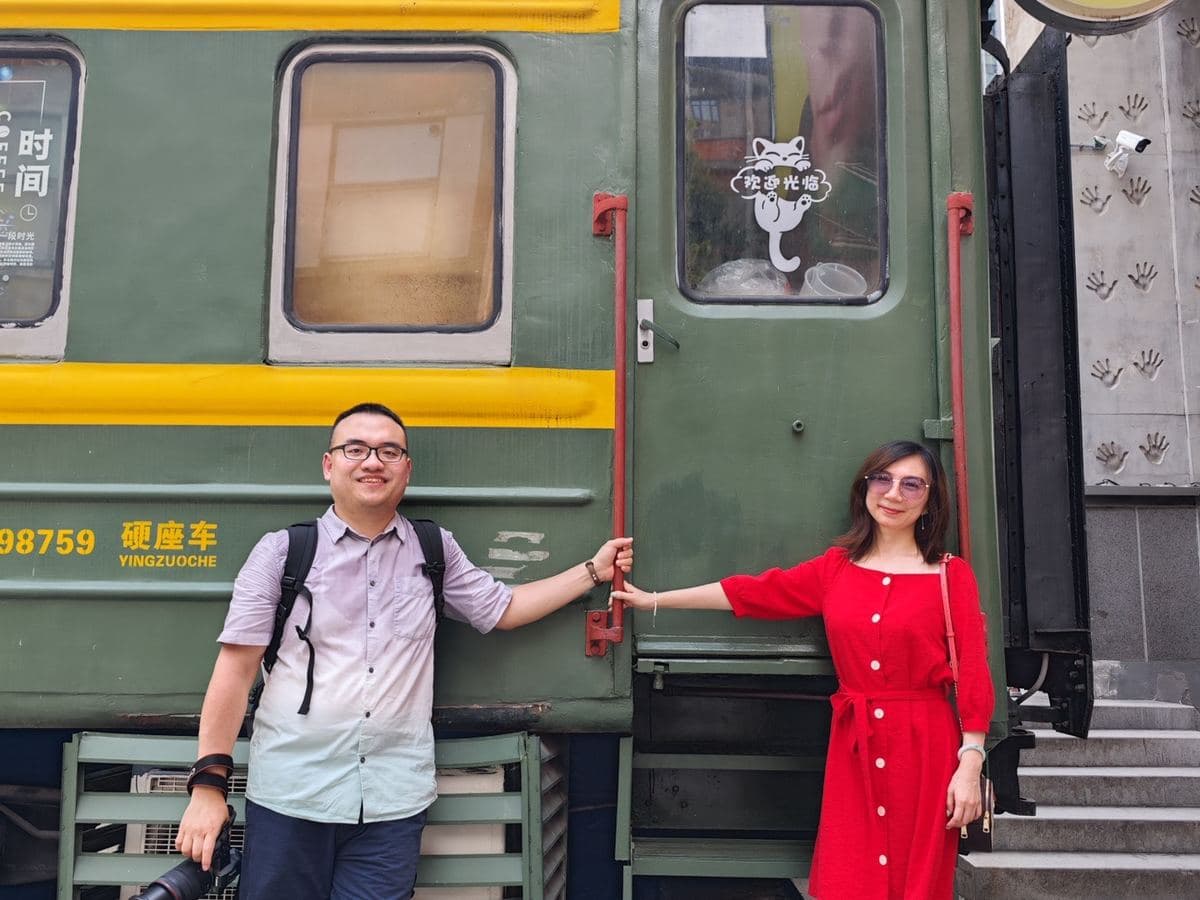
Eastern Suburb Memory, Chengdu
Key facts
- Admission
- Free
- Time needed
- 1–2 hours
- Getting there
- Near Eastern Suburb Memory North Gate bus stop (东郊记忆北大门站)
- Guidebook rating
- 3 / 5
From China Self Guided Travel 2025, page 319. Open in Google Maps
About Eastern Suburb Memory
Eastern Suburb Memory was originally known as the 'East District Music Park'. It is a new type of tourist destination that combines the preservation of industrial heritage with the cultural and creative industries. The park features buildings constructed with Soviet aid, which are visually striking and evoke a strong sense of nostalgia. Fans can find handprint walls here featuring Zhang Liangying, Li Yuchun, Jiang Wen and others.
Frequently asked questions
How much does Eastern Suburb Memory cost?
Admission to Eastern Suburb Memory is Free, as listed in the 2025 guidebook. Prices can change; check the official channel before you go.
How do I get to Eastern Suburb Memory?
Near Eastern Suburb Memory North Gate bus stop (东郊记忆北大门站)
How long should I spend at Eastern Suburb Memory?
Plan on 1–2 hours for Eastern Suburb Memory.
Where is Eastern Suburb Memory?
Eastern Suburb Memory is in Chengdu, Sichuan Province, in the Southwest of China. No. 1 Jianshe South Branch Road, Chenghua District
More places in Chengdu

Dujiangyan
A great ancient water conservancy project. Thanks to Dujiangyan, the thousands of miles of flat land on the Chengdu Plain and the reputation of the “Land of Abundance” were made possible. It is known as the brilliant pearl of ancient hydraulic engineering.
¥80 · 3–5 hours
Chengdu Research Base of Giant Panda Breeding
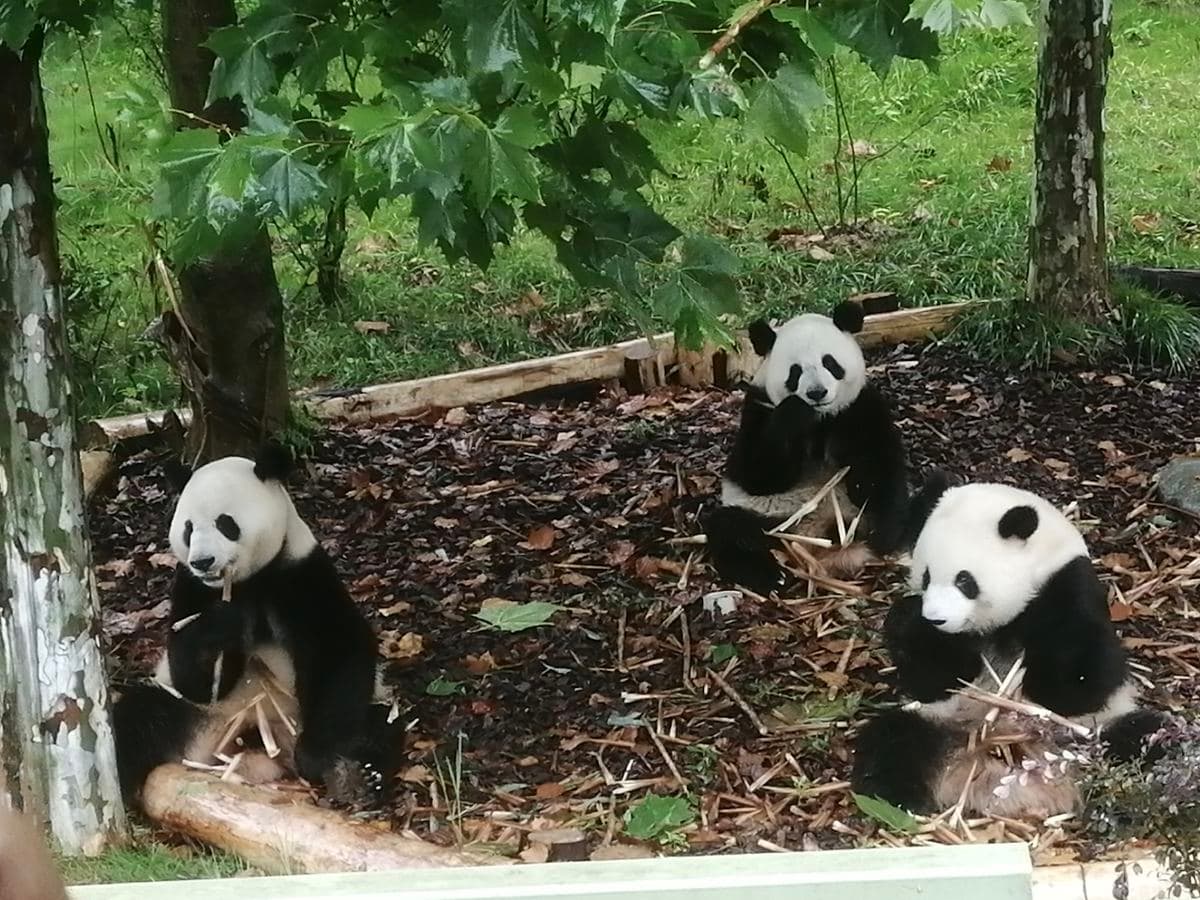
The giant panda is a beloved and rare animal. Pandas can be found in Chongzhou, Dujiangyan, Dayi, Pengzhou, Qionglai and other areas under Chengdu's jurisdiction. Over 80% of China's giant pandas live within Sichuan Province. The pandas at the research base are raised in a semi-wild state, which sets them apart from those you see in zoos.
¥55 · 3–5 hours
Danjing Terrace, Longquanshan Urban Forest Park
From high above, you can take in the vast Chengdu Plain, where more and more green canopies come into view. The Danjing Terrace viewing platform sits at the highest point of the Danjing Mountain ridge in the Longquanshan range of Chengdu's Eastern New Area, earning it the nickname 'the City's Eye.'
¥30 · 1–2 hours
Zhuyi Village
On one side lies a traditional village of lush forests and tall bamboo; on the other, guesthouses, bars and bamboo craft galleries with a strong artistic atmosphere. An art museum sits right in the village, bringing culture into everyday life. It stands out for its looks and wins people over with its substance.
0.5–1 day
Wenshu Monastery
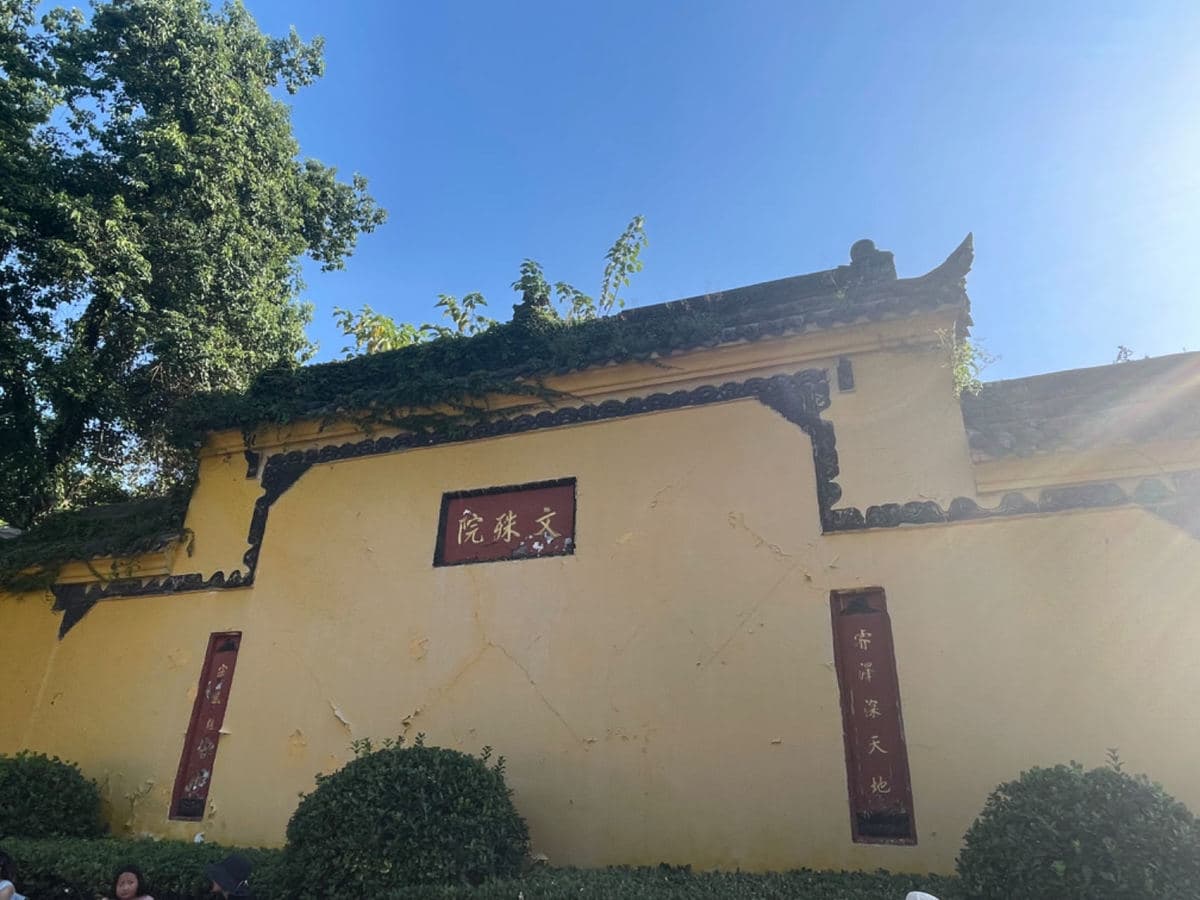
Wenshu Monastery was one of the 'Four Great Monasteries' of West Sichuan during the Qing dynasty and is a key Buddhist temple in the Han Chinese regions of China. The monastery houses a fragment of the skull of the Tang monk Xuanzang. Only three such relics exist in China, making it extremely precious. Wenshu Monastery has no commercial atmosphere. Its visitors are mostly devout believers and practising monks. The temple offers free Buddhist magazines, incense and tea, as well as temple experience activities, allowing you to experience the true essence of Buddhist teaching.
Free · 1–2 hours
Buer Shanfang
This hidden hamlet is an ideal place to slow down and breathe easy. It is also a rural cultural and creative complex that brings together family experiences, creative product development, children's education, and leisure and entertainment.
2–3 hours