Hohhot travel guide
呼和浩特
Backed by many national dairy enterprises, Hohhot could hardly fail to be called the “Dairy Capital”. In the suburbs and the villages of the surrounding banners and counties,…
19 places · In the guidebook: pages 1865–1880

Hohhot, Inner Mongolia Autonomous Region · AI illustration for China Trip
Quick itinerary
Hohhot in 5 days
- Day 1
- Inner Mongolia Museum→
- Dazhao Temple→
- Xilitu Zhao Temple→
- Great Mosque→
- Islamic Culture Street (eat halal snacks nearby)
- Day 2
- Wang Zhaojun’s Tomb→
- Mongolian Cultural Park→
- Wusutu Zhao Temple
- Day 1
- Hohhot→
- Hasuhai Lake→
- Wudang Lamasery (Wudangzhao)→
- Baotou (overnight)
- Day 2
- Baotou→
- Meiligen→
- Kubuqi Desert→
- Xiangshawan (Singing Sand Bay)→
- Hohhot
- Day 3
The feel of the place
- Dairy Capital
- Backed by many national dairy enterprises, Hohhot could hardly fail to be called the “Dairy Capital”. In the suburbs and the villages of the surrounding banners and counties, you will regularly come across small herds of dairy cows ambling about, and the strong smell of cow dung hangs in the air. Even more heartening is that every city, district and township leader says: “Given Hohhot’s position in the national dairy industry, we must raise our dairy cows well, and we are determined to do so.”
- Liquor and Song
- Faced with the vast, boundless grassland, raising one’s arm in a shout would feel meaningless, so liquor and song became the distinctive way nomadic grassland peoples express their feelings. Especially when welcoming distant guests who are rarely seen, Mongolian hospitality takes the form of a silver bowl lifted on a hada scarf and a blessing song sung over the drink. Warm affection flows as freely as the liquor, bowl after bowl and song after song, without end.
- Being a Guest
- When entering a ger (Mongolian yurt), walk around the left side of the stove. Sit on the west and north sides of the ger; the east side is where the host lives, so avoid sitting there. When taking a seat, do not block the Buddha image hanging on the north wall. Inside, you may sit on the floor without removing your shoes, but do not sit on the threshold. In winter, do not walk carelessly on the north and west sides of the ger, as the snow there is meant to be melted for drinking water.
- Offering Tea
- At a tourist site or a herder’s home, the host will first offer each guest a bowl of milk tea. Slightly rise from your seat and receive it with both hands or your right hand. Never use your left hand, which is regarded as a lack of manners. If you don’t want tea, tap the rim of the bowl lightly with the ladle or the spout of the pot, and the host will understand.
- Offering a Toast
- Offering liquor to guests is the traditional Mongolian way of showing respect and affection. When the host offers a drink, the guest should not decline, pull back or refuse to drink. Instead, immediately accept the bowl or cup and dip the ring finger into the liquor, flicking it toward the sky, the ground and the stove to honour the gods of heaven, earth and fire. If you cannot drink, there is no need to force yourself; you may simply touch the liquor to your lips to acknowledge the host’s generosity.
- Presenting a Hada
- Presenting a hada is a courtesy used by Mongolian herders when greeting and seeing off guests, and in everyday dealings. When a hada is presented to you, stand and face the person offering it, listen attentively to the blessing or eulogy, and accept the toast. On receiving the hada, bow slightly forward so the giver can drape it around your neck, then press your palms together at your chest and thank them.
Traditional Sports
Boyikuo and neck-strength contests are traditional sports of the Daur people. Boyikuo is similar to modern hockey: a wooden ball filled with an oily substance is set alight, and players strike the burning fireball back and forth at night. The flaming ball passing from player to player, like a dragon chasing a pearl, makes for a striking spectacle.
Warmth and Sun Protection
When travelling in Inner Mongolia, especially in spring and winter, bring cold-resistant, insulated clothing if you can. Don’t forget sun protection products and sunglasses too.
Preparation and Information
Language
The Mongols have their own language, but local residents of Hohhot can all understand and speak Mandarin. They speak quickly, but communication is largely unproblematic.
Climate and Travel Season
Hohhot has a temperate continental monsoon climate with distinct seasons. Winters are long and bitterly cold, and summers are short and hot, while spring and autumn see dramatic weather swings. The day-night temperature gap in Hohhot can reach 20°C within a single day, so even summer visitors should bring long sleeves. The best time to visit is April to October.
Festivals
“Little New Year” and “Big New Year”: traditional Mongolian festivals. Little New Year falls on the 23rd day of the 12th lunar month, and Big New Year on the first day of the first lunar month.
Naadam Grassland Tourism Festival: July to August each year.
Inner Mongolia Grassland Tourism Festival: held in Hohhot around August each year.
Customs
Things to see
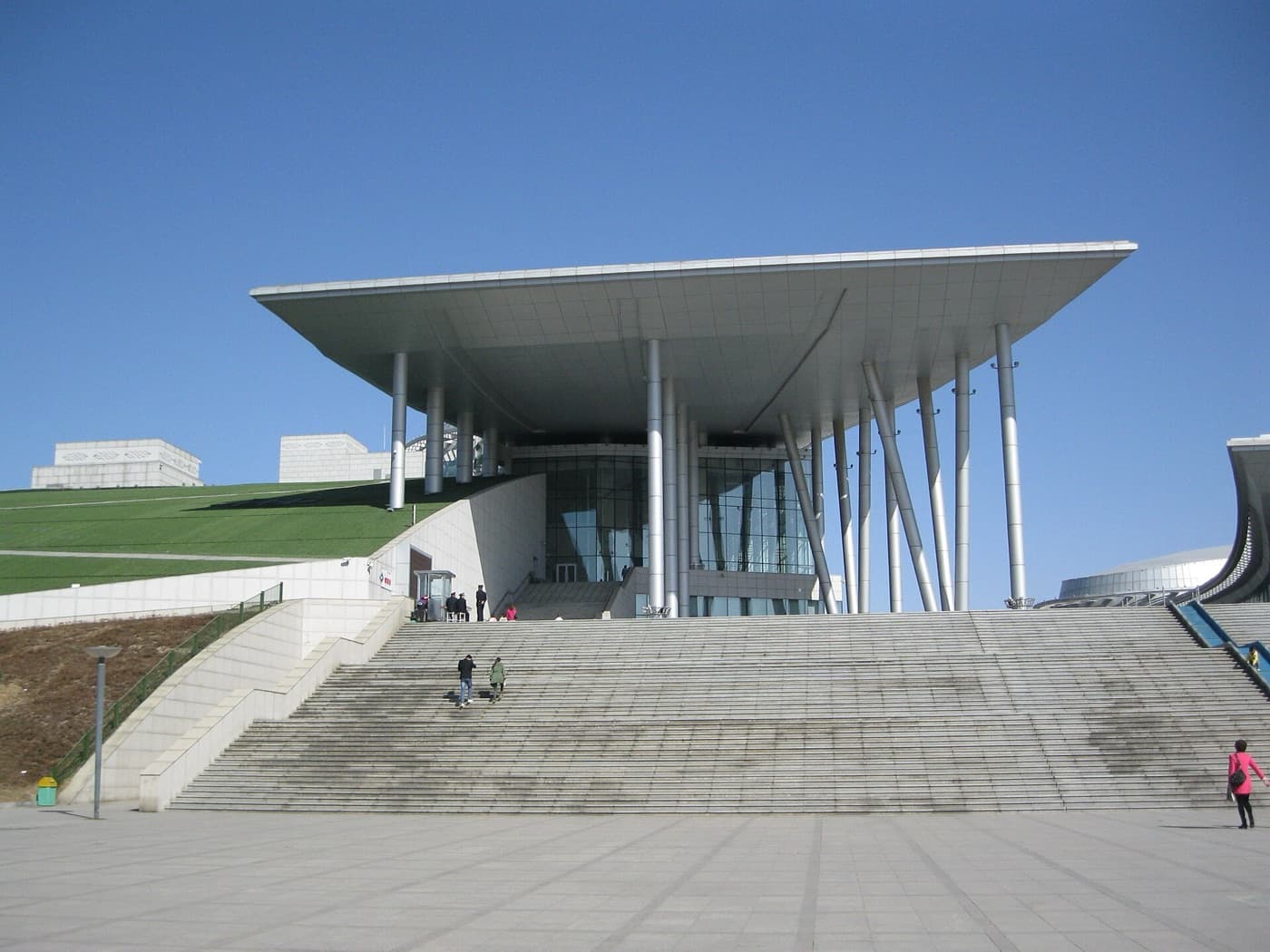
Inner Mongolia Museum
2–3 hours · Free (advance reservation required)
The Inner Mongolia Museum is a first-class national museum and the largest comprehensive museum in the Inner Mongolia Autonomous Region, integrating the collection, research and display of cultural relics.
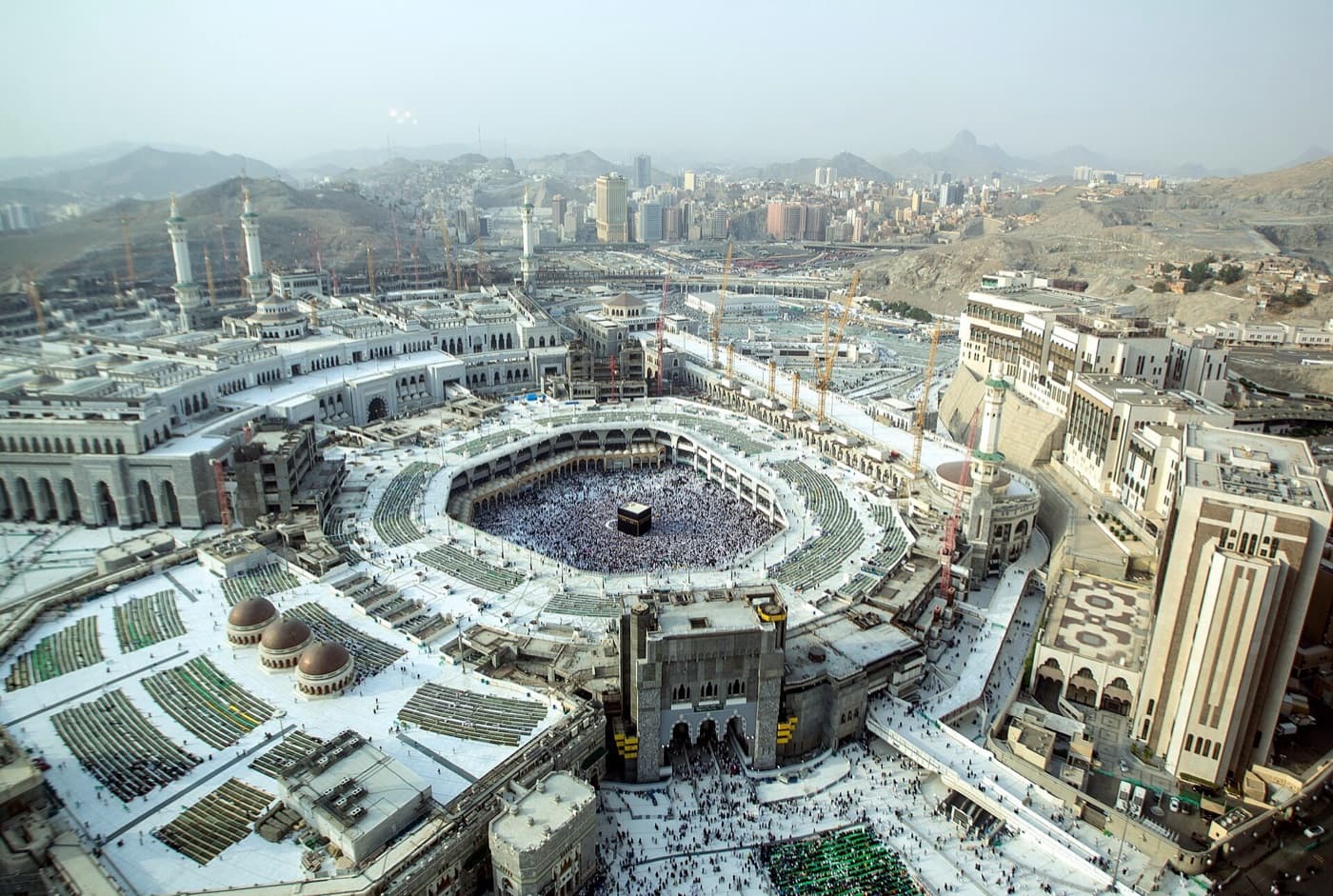
Great Mosque
1 hour · ¥5
One of the Seven Great Historic Sites of Hohhot, and the tallest building in the city before the 1980s. Its distinctive, ancient architectural style makes it a must-see in Hohhot. The mosque houses 30 volumes of the Arabic Quran. Hohhot has about 20,000 Muslim residents, most of whom live near the Great Mosque.
Dazhao Temple (Wuliang Temple, Ike Zhao)
The temple holds a woodblock-printed Buddhist scripture collection said to be more than 600 years old. In Mongolian, Dazhao is called 'Ike Zhao,' meaning 'Great Temple.' Built in the Ming dynasty, it is the largest Gelug temple in Hohhot and one of the few temples in Inner Mongolia without a living Buddha. Its architecture blends Han, Tibetan and Mongolian styles, and its statues and murals are exceptionally beautiful.
2–3 hours · ¥35
Xilitu Zhao Temple
The largest temple in Hohhot and the most exquisite surviving temple in the city. Buddhist assemblies and 'Qiamu' (Chaam) dances are held here each year, making the temple lively and festive.
1 hour · ¥30
Saishang Old Street
Every city with a rich history has an old street, and Hohhot is no exception. Saishang Old Street is an ancient street in the Ming and Qing style. Although it has been renovated and restored, most of its buildings still keep their original character and appearance, giving it a simple and tranquil charm. Compared with the commercialised old streets of other cities, Saishang is refreshingly honest: a woollen garment costs over ¥100, and a skewer of lamb costs ¥3.
1–2 hours; 1–2 hours · ¥65
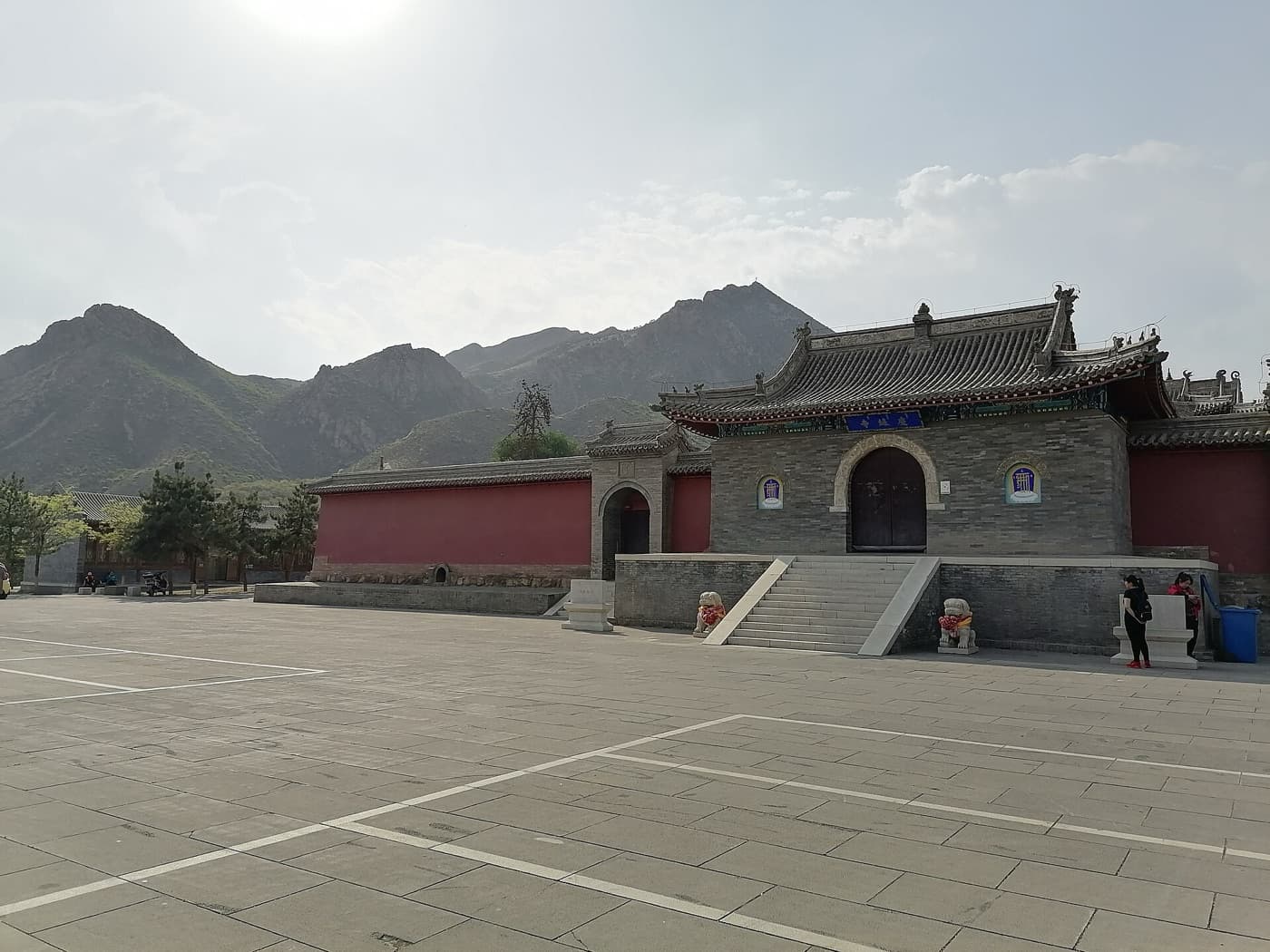
Wusutu Zhao Temple
Set against the mountains and beside the water, the temple is especially beautiful in spring, when apricot blossoms bloom. It is known as 'Apricot Groves Blushing Red.' The murals inside have a simple, archaic style and vivid colours and are well worth seeing. Within the temple grounds grows a rare Bodhi tree, which blooms each May.
2–3 hours · ¥25
Islamic Cultural Street
Along the street, tall buildings decorated with corbelled arches, domes and coloured glazed bricks create an imposing presence. Rows of pointed-arch doors and windows, sturdy domed roofs and tall columned towers convey a rich Islamic character.
1 hour · Free
Wuta Temple (Five-Pagoda Temple)
The temple houses a Vajra Throne Pagoda with five stupas and the world's only stone carving of an astronomical chart in Mongolian script. Five Pagoda Temple was first built during the Yongzheng reign of the Qing dynasty. Its pagodas are built entirely of glazed brick. The lower level of the pagoda bears the text of the Diamond Sutra inscribed in three scripts, and the upper level is covered with thousands of small gilded Buddhas, finely carved and exquisitely delicate.
1–2 hours · Free
Getting there & around
Getting There & Away
By Air
Hohhot Baita Airport is located 15 km northeast of the city centre. Multiple routes connect it with major cities such as Beijing, Guangzhou, Shenzhen, Shanghai, Chifeng and Ulanhot.
By Rail
Hohhot lies on the Jingbao Railway and has passenger train services to dozens of cities, including Beijing, Xi'an, Hulunbuir, Lanzhou and Yinchuan. Hohhot also has international trains to Ulaanbaatar and Moscow. A high-speed rail line now links Hohhot with Beijing, with the fastest journey taking just 2 hours.
Local Festivals
First Month: known in Mongolian as Chagan Sar (White Month, or the first lunar month), meaning New Year or Spring Festival.
Ovoo Worship: “ovoo” is a Mongolian word meaning heap or mound. Ovoos are usually built on high mountains or hills as solid, cone-shaped towers of stacked stones. Ovoo worship is one of the major sacred rituals of the Mongolian people, and large-scale ceremonies are held on the 13th day of the fifth lunar month each year.
Vernacular Architecture
The Daur people live in places backed by mountains and near water. Their homes and courtyards are neatly built and usually enclosed by fences woven from red willow, birch poles or cornstalks. The roof ridges project outward, forming a “介” shape, which is why these are called “jie-shaped houses.” Following the Daur tradition of valuing the west, the west room serves as the main living space, with connected kangs (heated platforms) along its south, west and north sides, forming what is known as the “manzi kang.”
tip: The “Noble” Sheep
1. “Good food doesn't come cheap”: a roast whole lamb, not even especially large, is sometimes quoted at ¥1000.
2. Lamb offal holds a special place among the local snacks.
Metro
Hohhot currently has two metro lines in operation. Line 1 connects Hohhot East Railway Station with the airport, and Line 2 reaches Hohhot Railway Station.
Road
The Hohhot–Baotou Expressway serves the area. Every county in the municipality is now connected by road, and roads have also reached previously isolated farming and pastoral areas and border regions. Dozens of long-distance coaches depart daily for nearby towns. Several passenger bus routes have also been opened to border provinces and regions in Mongolia and Russia.
Getting Around the City
Multiple bus routes radiate from the city centre to all parts of the urban area. Thousands of taxis operate around the clock throughout the city's streets and lanes. The flag fall is ¥8 for the first 2 km, then ¥1.5 per km. Hohhot is compact, and most parts of the city can be reached for ¥15. Metro Lines 1 and 2 are now open.
phone: Taxi booking hotline: 0471-8936669
Hohhot Railway Station
Hohhot Railway Station- Address:
- 41 Chezhan East Street, Xincheng District
Hohhot East Railway Station
Hohhot East Railway Station- Address:
- Wantong Road, Xincheng District
Eat & drink
Hohhot's food scene is wild and distinctive, featuring pheasant, wild vegetables, wild mushrooms and a dizzying array of game dishes that are all delicious.
Signature dishes include whole roast lamb, hand-held mutton (shou ba rou), roast lamb leg, fried milk grains (chaomi), milk skin (naiPIzi), milk tofu (naidoufu), mare's milk wine and Zhaojun wine, among others. Hand-held mutton and whole roast lamb are the standouts: a whole plump lamb is roasted over blazing flames until the skin turns crisp and golden, sizzling as fragrant sesame oil drips down, its aroma irresistible.
Inner Mongolia Restaurant (Inner Mongolia Library Branch)
The best dishes here include roast lamb ribs, steamed crab, steamed lamb hooves and freshly sliced roast lamb, along with many tasty desserts.
- Address:
- 31 Wulanchabu West Road, Saihan District
- Phone:
- 0471-6938888
Gerile Ama
A well-known local brand specialising in Mongolian cuisine. Cheese pies, guo cha (tea pot tea), camel meat pies and sand onion lamb buns are all popular.
- Address:
- Block B, Yutai Business Plaza, 200 m north of Jinfenghuang, Jinqiao Road
- Phone:
- 0471-5232787
Where to stay
Hohhot offers a wide range of accommodation. Besides star-rated hotels, there are many guesthouses and budget inns with basic facilities and reasonable hygiene standards at low prices, making them good value. You can also stay with herding families in the suburbs or sleep in a Mongolian yurt.
Shopping
As the regional capital of the Inner Mongolia Autonomous Region, Hohhot brings together local specialty products from across Inner Mongolia.
Shopping Recommendations
For local specialties, the best place to shop is the street-side markets, including the city's largest farm and produce market, where you can find nearly every kind of regional product at good value. Visitors looking for Mongolian-themed souvenirs can browse the Inner Mongolia Cultural Relics Store on Xilin North Road.
Top Picks
“Shandan” brand jacquard blankets and yarn, Ordos cashmere sweaters, Mongolian knives, Mongolian carpets, fat choy (black moss), kou mo mushrooms, huhuer (snuff bottles), Balin bloodstone, and “Shou” brand oat flakes (Yinshan oats).
Day trips & beyond

Wudang Lamasery (Wudangzhao)
Wudang Lamasery (Wudangzhao) is the only purely Tibetan-style temple in Inner Mongolia. Together with the Potala Palace in Tibet and Kumbum Monastery in Qinghai, it is regarded as one of China's three great Tibetan Buddhist monasteries. The complex consists of one mausoleum, three palaces, eight halls and ninety-nine residential halls. The largest building in the monastery is the Sugu Qin Palace. A small hill beside the monastery has a pavilion from which you can take in the full view of Wudangzhao.
2–3 hours
Hadamen National Forest Park
Just 40 km from Hohhot, Hadamen is made up of eleven deeply incised valleys and the ridges between them. Forest and grassland blend seamlessly, with clearly layered scenery that looks like a painting.
3–6 hours
Xilamuren Grassland
Xilamuren Grassland is very cool in July and August, and the local saying goes: "Wear a padded jacket in the morning, gauze in the afternoon, and eat watermelon while hugging a stove." Activities include horseback riding, camel riding, horse racing, camel racing, wrestling shows, climbing Aobao Hill and visiting Tibetan Buddhist temples. Yurt hotels here combine brick-and-concrete structures with traditional felt yurts.
1 day
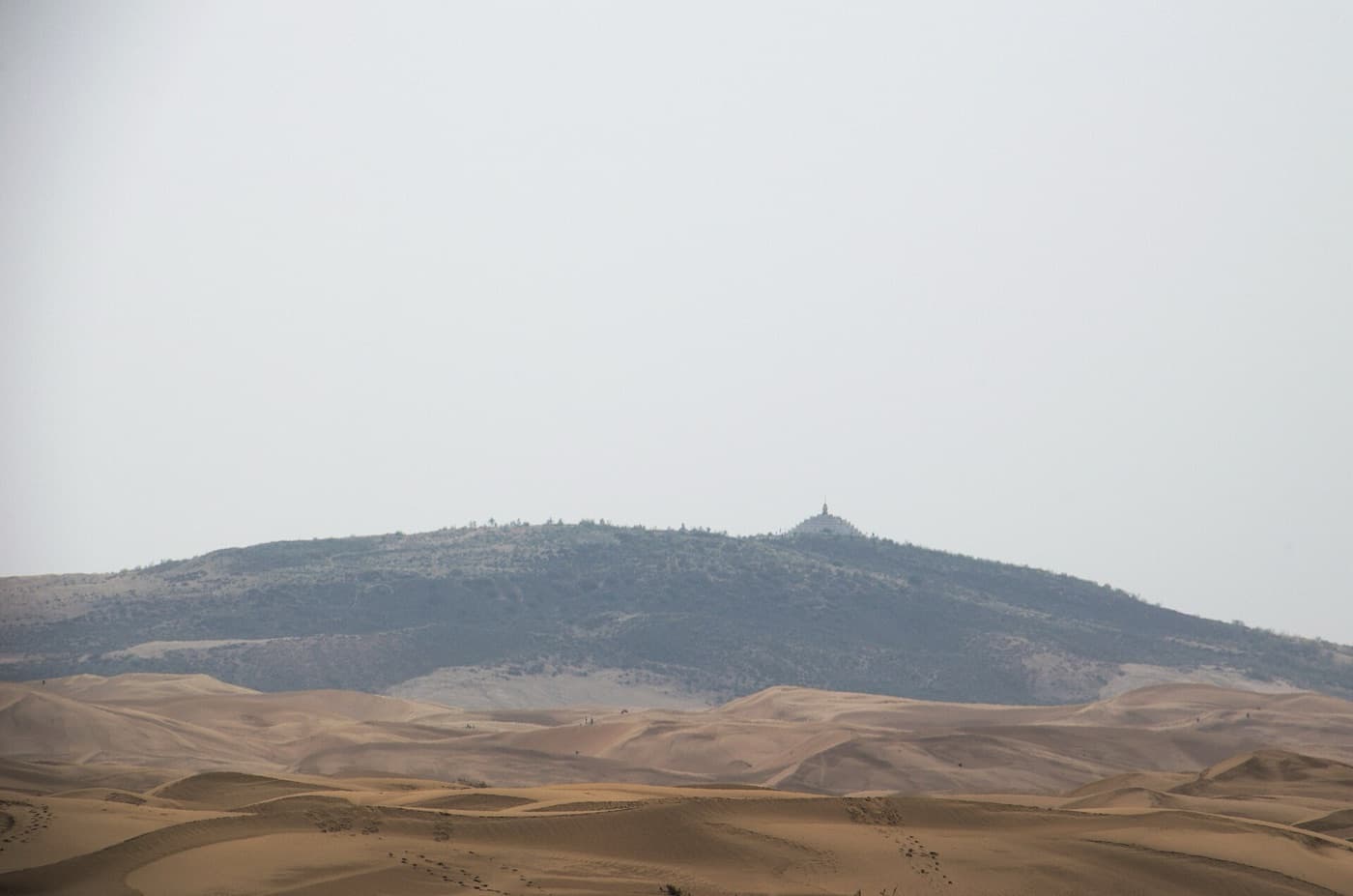
Kubuqi Desert
Kubuqi Desert has more ethnic minority charm than other deserts. It is a paradise for adventurers, where you can ride a camel across endless golden dunes and set off on a remarkable journey. The vast sand sea, the magnificent sunset and the lone traveller together make a stunning picture.
1 day
Chilechuan Grassland
The Chilechuan Grassland Cultural Tourism Scenic Area is divided into two main zones. One focuses on showcasing and experiencing Mongol-Yuan culture, drawing on the ancient nomadic scenery described in the poem "Chilechuan, beneath the Yin Mountains." Through returning farmland to grassland, the area has restored tens of thousands of mu of natural pasture, forming a landscape centred on Mongol-Yuan culture. The other zone is devoted to sightseeing, leisure and holidays.
1 day
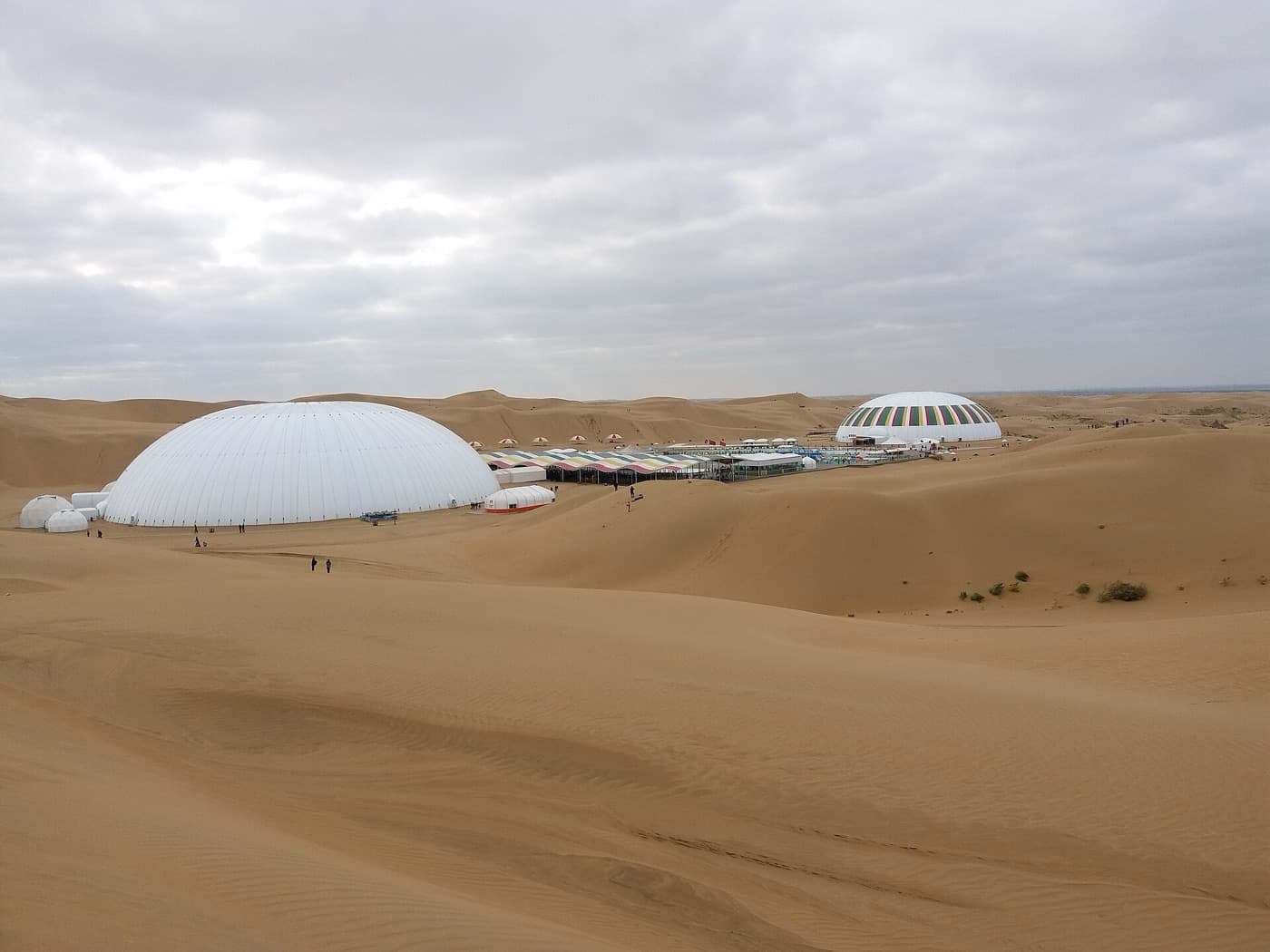
Xiangshawan (Singing Sand Bay)
Xiangshawan is a crescent-shaped sand slope with the vast desert behind it and a great river in front. Nearly 100 metres high, its golden slope sits beneath blue skies and white clouds, creating a magnificent view of sand reaching into the sky. What is most puzzling and most captivating here is its singing sand. As you slide down from the top of the dune, it produces a rumbling sound.
2–8 hours
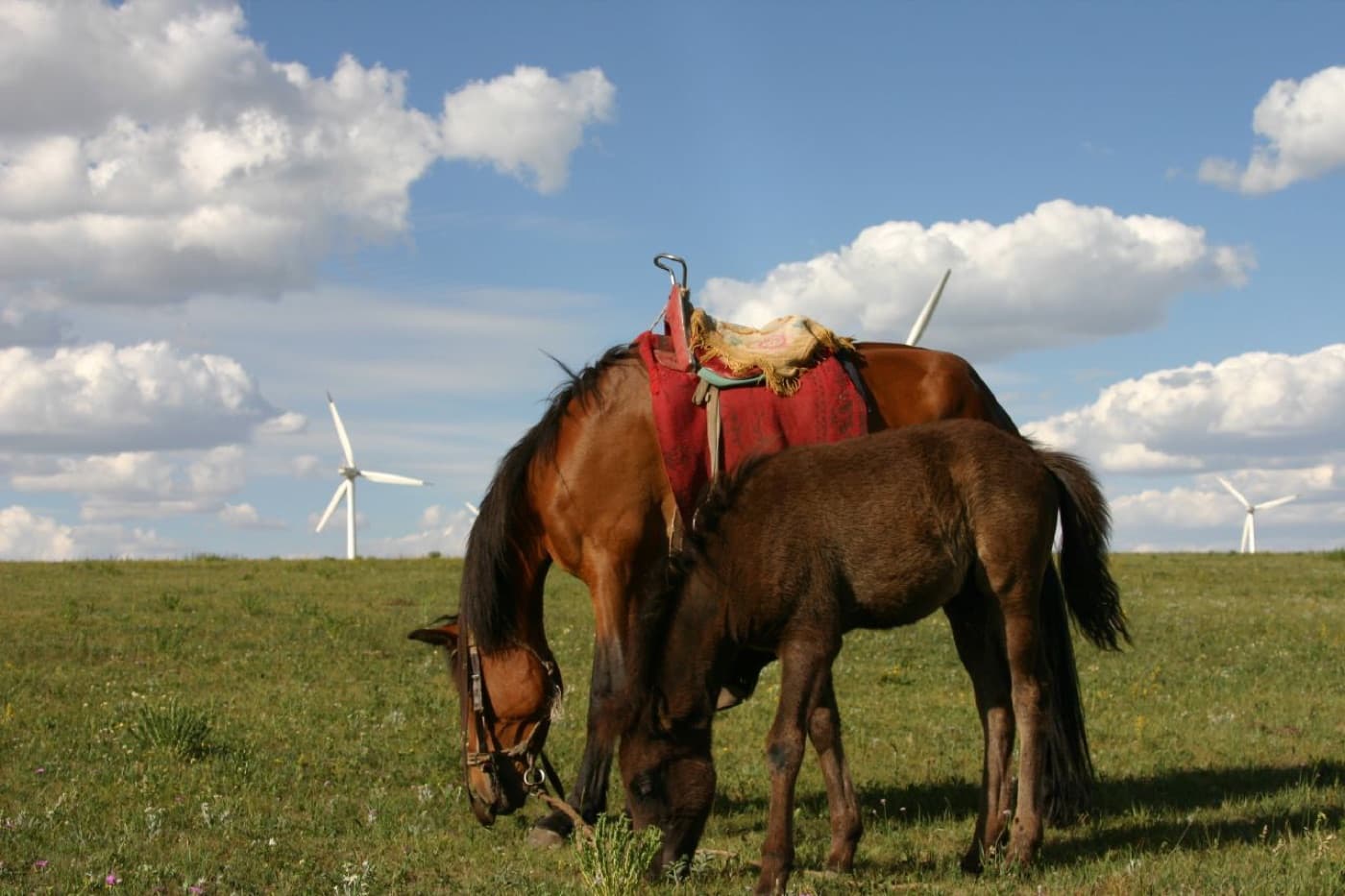
Huiteng Xile Grassland
"Huiteng Xile" means "cold plateau" in Mongolian. The grassland scenic spot sits at over 1,800 metres above sea level and stretches about 100 km from east to west. Ninety-nine natural lakes dot the green grassland. It combines the vast, majestic character of pastoral grassland with the bright, delicate colours of a southern Chinese water town.
1 day
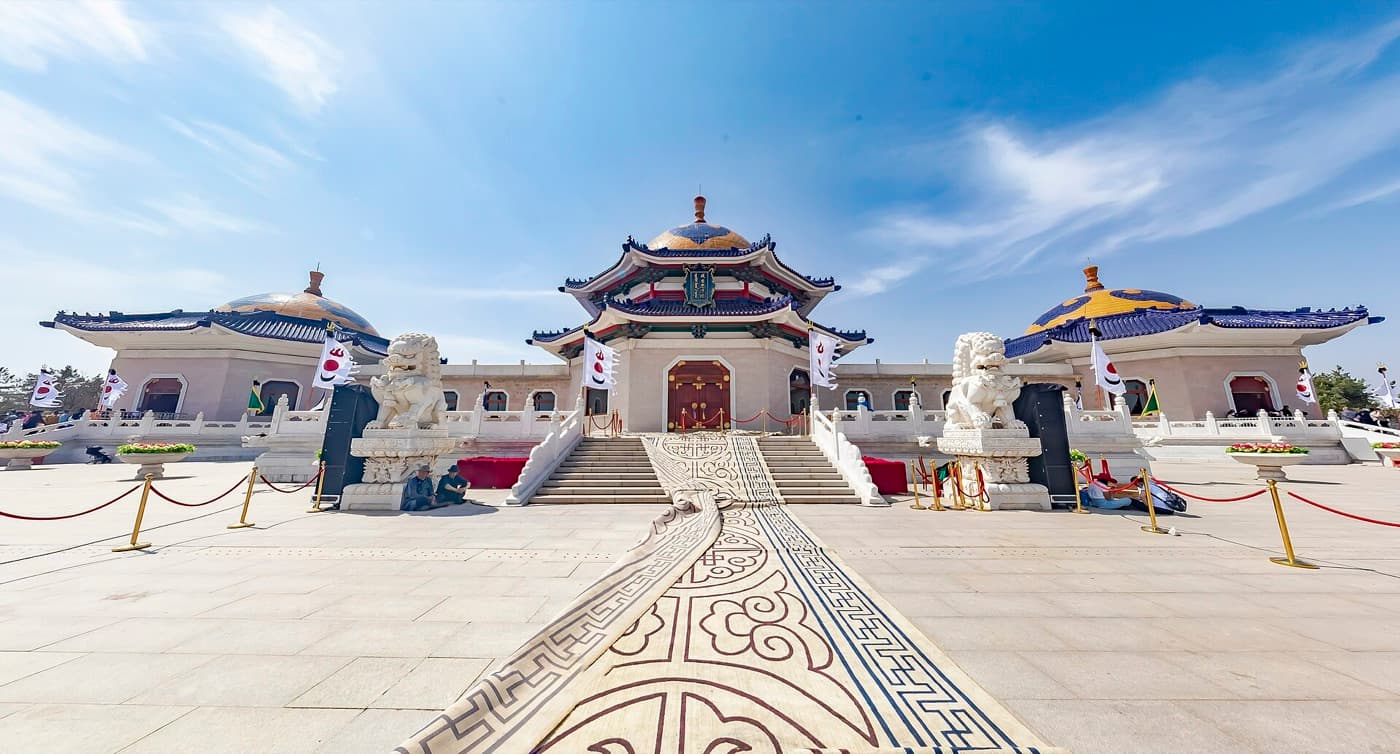
Mausoleum of Genghis Khan Scenic Area
This is said to be the place where the great ruler Genghis Khan was buried after his death, though it is more likely a place where later generations held memorial ceremonies in his honour. The main structure has a gateway in the style of a Yuan-dynasty city tower and three interconnected halls shaped like Mongol yurts. The east and west corridors feature large murals depicting Genghis Khan's life, from his birth to his unification of the Mongol tribes, and the achievements of his descendants, including Kublai Khan.
2–3 hours
Huanghuagou Grassland
One of the three best-preserved alpine meadow grasslands in the world, Huanghuagou is the closest grassland with the finest scenery to the Beijing-Tianjin-Hebei and Shanxi region. Its location is ideal and access is convenient. Domestic and international visitors call it "Paradise Grassland, Cool Haven."
3–4 hours
Meiligen
Meiligen Great Waterfall is a rare spring-fed waterfall in northern China, with a drop of 66 metres and a pool of wisdom water at its base. In winter, when the waterfall freezes, it forms a silver chain tens of metres long, resembling a dragon winding through a mountain stream, which is a spectacular sight. Meiligen Temple is the only surviving temple in China that chants sutras in Mongolian and combines Tibetan and Han architectural styles. It is also a highlight worth visiting.
1–3 days
Northern Weapons City (Beifang Bingqi Cheng)
A distinctive tourist attraction combining national defence, weapons exhibitions, military industry culture and leisure. Weapons display areas line both sides of the central square, showcasing representative arms. The underground section of the weapons city displays conventional light weapons, while the National Defence Education Hall uses advanced sound, light and electronic systems to present dramatic scenes from famous battles at home and abroad.
2–3 hours
Source: China Self-Guided Travel 2025 (《中国自助游》, Tianjin Science & Technology Press, Aug 2024), pp. 1865–1880. Translated from the Chinese edition; names and prices follow the guidebook. · Plain text version