Islamic Cultural Street
Along the street, tall buildings decorated with corbelled arches, domes and coloured glazed bricks create an imposing presence. Rows of pointed-arch doors and windows,…
Islamic Cultural Street, Hohhot
Key facts
- Admission
- Free
- Opening hours
- Open all day
- Time needed
- 1 hour
- Getting there
- Near the North Gate of the old city (bus stop)
- Guidebook rating
- 3 / 5
From China Self Guided Travel 2025, page 1872. Open in Google Maps
About Islamic Cultural Street
Along the street, tall buildings decorated with corbelled arches, domes and coloured glazed bricks create an imposing presence. Rows of pointed-arch doors and windows, sturdy domed roofs and tall columned towers convey a rich Islamic character.
Frequently asked questions
How much does Islamic Cultural Street cost?
Admission to Islamic Cultural Street is Free, as listed in the 2025 guidebook. Prices can change; check the official channel before you go.
What are the opening hours of Islamic Cultural Street?
Islamic Cultural Street is open Open all day.
How do I get to Islamic Cultural Street?
Near the North Gate of the old city (bus stop)
How long should I spend at Islamic Cultural Street?
Plan on 1 hour for Islamic Cultural Street.
Where is Islamic Cultural Street?
Islamic Cultural Street is in Hohhot, Inner Mongolia Autonomous Region, in the North China of China. Intersection of Zhongshan West Road and Tongdao South Road, Huimin District, Hohhot
More places in Hohhot

Wudang Lamasery (Wudangzhao)
Wudang Lamasery (Wudangzhao) is the only purely Tibetan-style temple in Inner Mongolia. Together with the Potala Palace in Tibet and Kumbum Monastery in Qinghai, it is regarded as one of China's three great Tibetan Buddhist monasteries. The complex consists of one mausoleum, three palaces, eight halls and ninety-nine residential halls. The largest building in the monastery is the Sugu Qin Palace. A small hill beside the monastery has a pavilion from which you can take in the full view of Wudangzhao.
¥60 · 2–3 hours
Inner Mongolia Museum
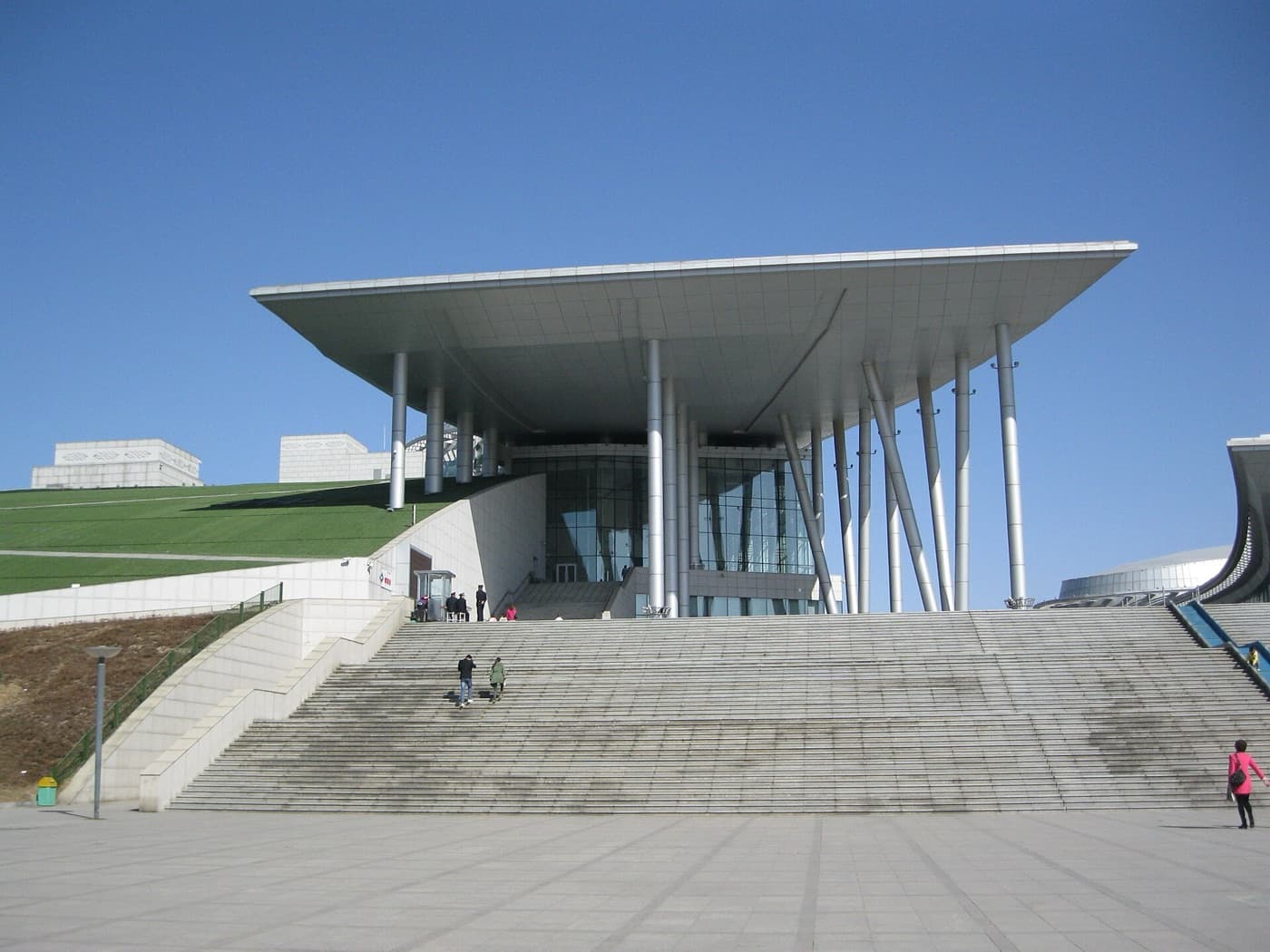
The Inner Mongolia Museum is a first-class national museum and the largest comprehensive museum in the Inner Mongolia Autonomous Region, integrating the collection, research and display of cultural relics.
Free (advance reservation required) · 2–3 hours
Great Mosque
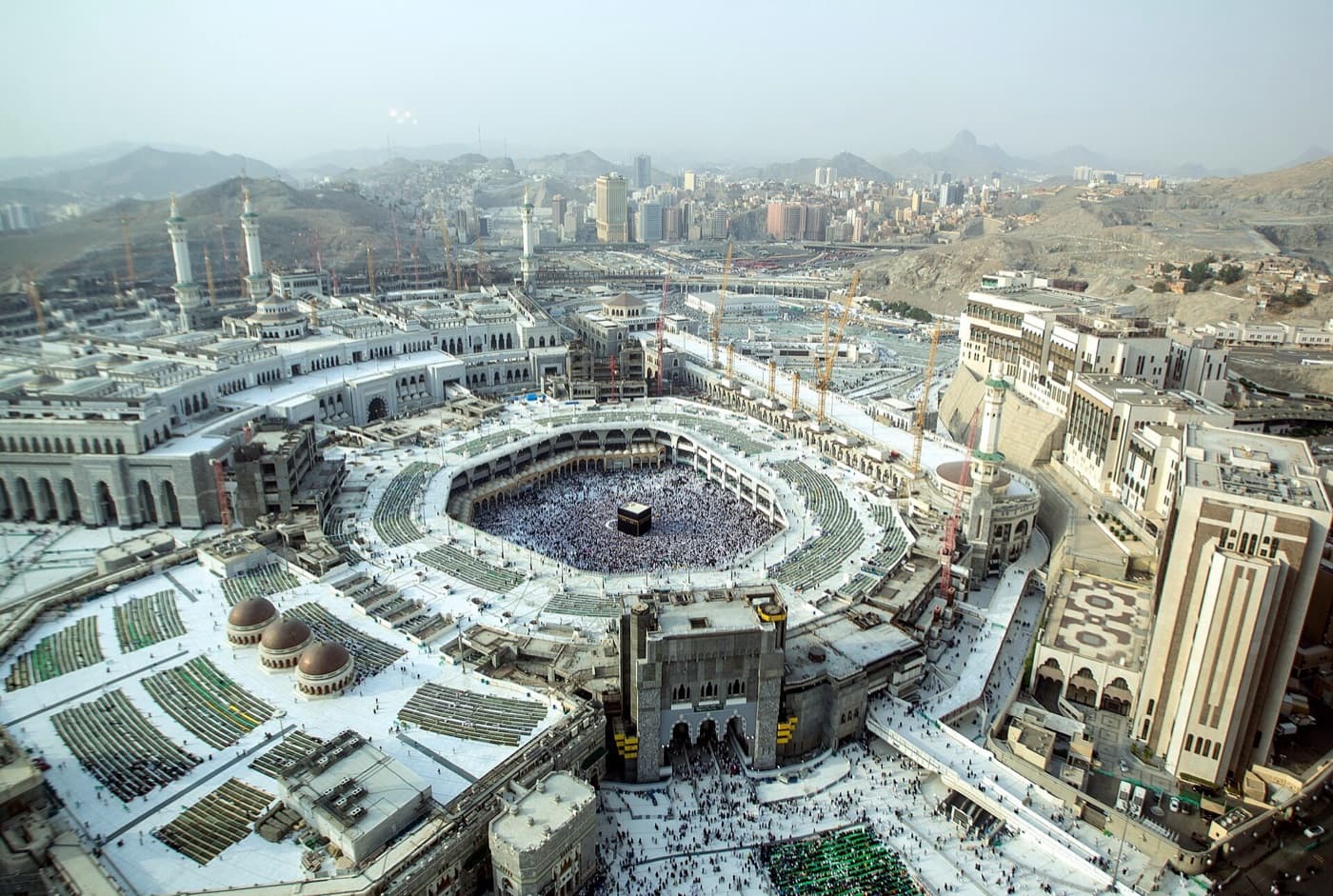
One of the Seven Great Historic Sites of Hohhot, and the tallest building in the city before the 1980s. Its distinctive, ancient architectural style makes it a must-see in Hohhot. The mosque houses 30 volumes of the Arabic Quran. Hohhot has about 20,000 Muslim residents, most of whom live near the Great Mosque.
¥5 · 1 hour
Saishang Old Street
Every city with a rich history has an old street, and Hohhot is no exception. Saishang Old Street is an ancient street in the Ming and Qing style. Although it has been renovated and restored, most of its buildings still keep their original character and appearance, giving it a simple and tranquil charm. Compared with the commercialised old streets of other cities, Saishang is refreshingly honest: a woollen garment costs over ¥100, and a skewer of lamb costs ¥3.
¥65 · 1–2 hours; 1–2 hours
Dazhao Temple (Wuliang Temple, Ike Zhao)
The temple holds a woodblock-printed Buddhist scripture collection said to be more than 600 years old. In Mongolian, Dazhao is called 'Ike Zhao,' meaning 'Great Temple.' Built in the Ming dynasty, it is the largest Gelug temple in Hohhot and one of the few temples in Inner Mongolia without a living Buddha. Its architecture blends Han, Tibetan and Mongolian styles, and its statues and murals are exceptionally beautiful.
¥35 · 2–3 hours
Xilitu Zhao Temple
The largest temple in Hohhot and the most exquisite surviving temple in the city. Buddhist assemblies and 'Qiamu' (Chaam) dances are held here each year, making the temple lively and festive.
¥30 · 1 hour