Northern Weapons City (Beifang Bingqi Cheng)
A distinctive tourist attraction combining national defence, weapons exhibitions, military industry culture and leisure. Weapons display areas line both sides of the central square,…
Northern Weapons City (Beifang Bingqi Cheng), Hohhot
Key facts
- Admission
- ¥15
- Opening hours
- 8:00–19:00 (April–September); 8:00–18:00 (October–March)
- Time needed
- 2–3 hours
- Getting there
- Near the Northern Weapons City bus stop
- Guidebook rating
- 3 / 5
From China Self Guided Travel 2025, page 1879. Open in Google Maps
About Northern Weapons City (Beifang Bingqi Cheng)
A distinctive tourist attraction combining national defence, weapons exhibitions, military industry culture and leisure. Weapons display areas line both sides of the central square, showcasing representative arms. The underground section of the weapons city displays conventional light weapons, while the National Defence Education Hall uses advanced sound, light and electronic systems to present dramatic scenes from famous battles at home and abroad.
Frequently asked questions
How much does Northern Weapons City (Beifang Bingqi Cheng) cost?
Admission to Northern Weapons City (Beifang Bingqi Cheng) is ¥15, as listed in the 2025 guidebook. Prices can change; check the official channel before you go.
What are the opening hours of Northern Weapons City (Beifang Bingqi Cheng)?
Northern Weapons City (Beifang Bingqi Cheng) is open 8:00–19:00 (April–September); 8:00–18:00 (October–March).
How do I get to Northern Weapons City (Beifang Bingqi Cheng)?
Near the Northern Weapons City bus stop
How long should I spend at Northern Weapons City (Beifang Bingqi Cheng)?
Plan on 2–3 hours for Northern Weapons City (Beifang Bingqi Cheng).
Where is Northern Weapons City (Beifang Bingqi Cheng)?
Northern Weapons City (Beifang Bingqi Cheng) is in Hohhot, Inner Mongolia Autonomous Region, in the North China of China. Gongbing Road, Qingshan District, Baotou
More places in Hohhot

Wudang Lamasery (Wudangzhao)
Wudang Lamasery (Wudangzhao) is the only purely Tibetan-style temple in Inner Mongolia. Together with the Potala Palace in Tibet and Kumbum Monastery in Qinghai, it is regarded as one of China's three great Tibetan Buddhist monasteries. The complex consists of one mausoleum, three palaces, eight halls and ninety-nine residential halls. The largest building in the monastery is the Sugu Qin Palace. A small hill beside the monastery has a pavilion from which you can take in the full view of Wudangzhao.
¥60 · 2–3 hours
Huanghuagou Grassland
One of the three best-preserved alpine meadow grasslands in the world, Huanghuagou is the closest grassland with the finest scenery to the Beijing-Tianjin-Hebei and Shanxi region. Its location is ideal and access is convenient. Domestic and international visitors call it "Paradise Grassland, Cool Haven."
¥155 · 3–4 hours
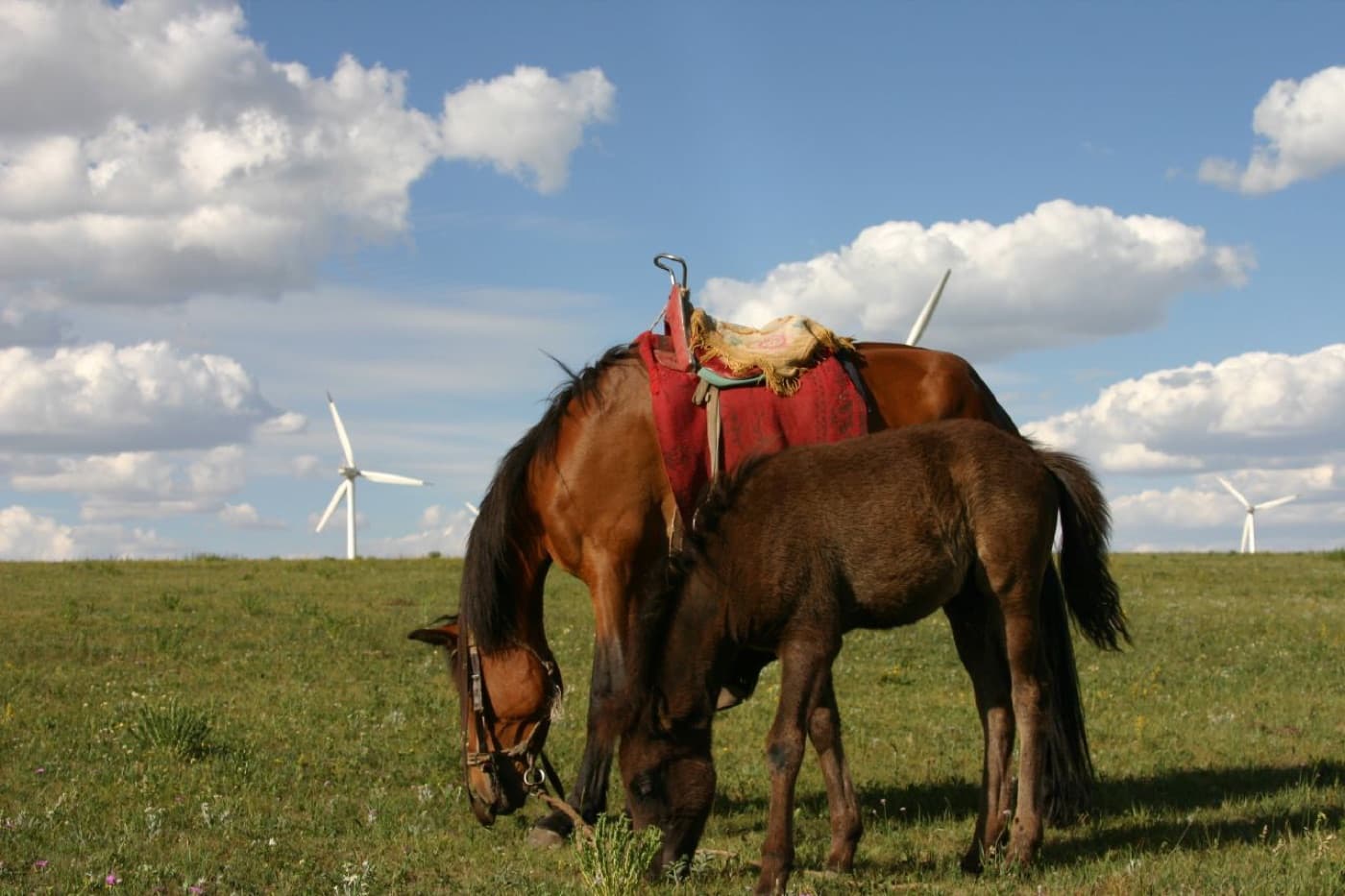
Huiteng Xile Grassland
"Huiteng Xile" means "cold plateau" in Mongolian. The grassland scenic spot sits at over 1,800 metres above sea level and stretches about 100 km from east to west. Ninety-nine natural lakes dot the green grassland. It combines the vast, majestic character of pastoral grassland with the bright, delicate colours of a southern Chinese water town.
1 day
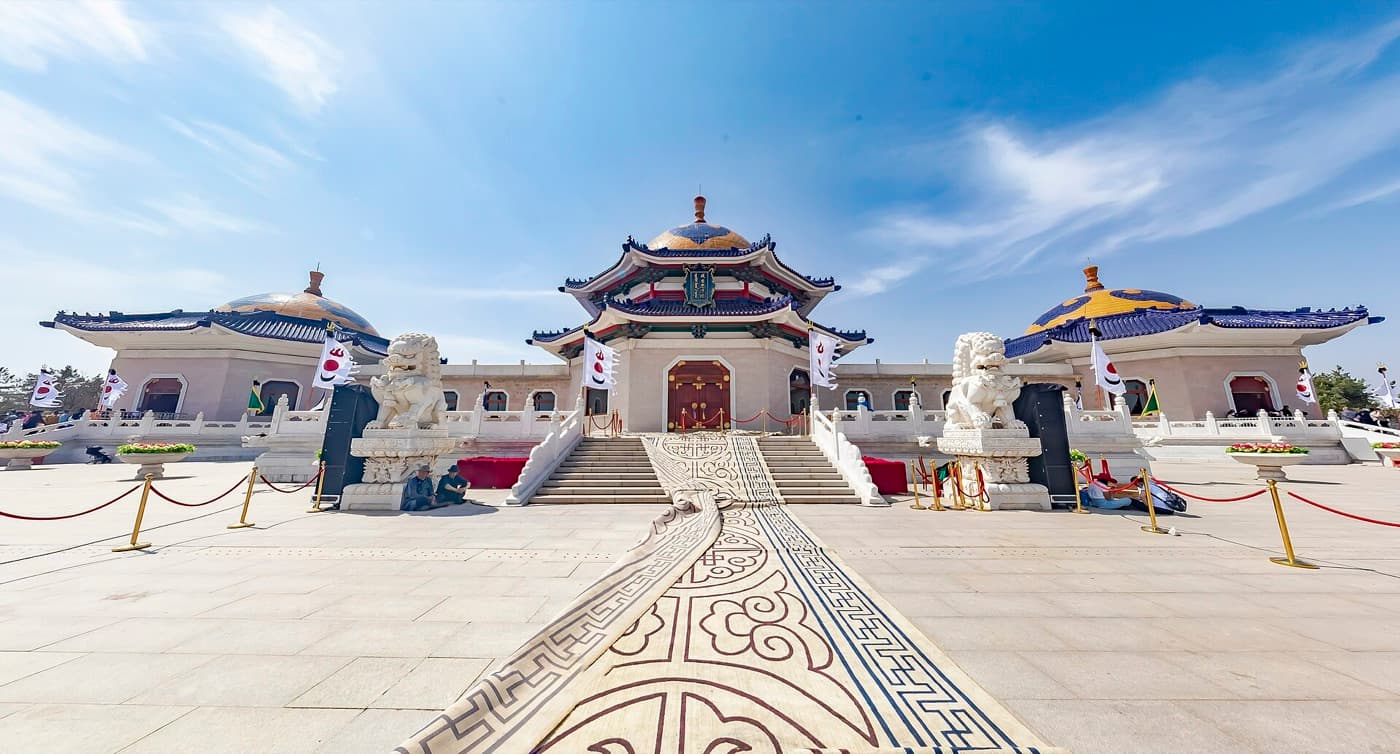
Mausoleum of Genghis Khan Scenic Area
This is said to be the place where the great ruler Genghis Khan was buried after his death, though it is more likely a place where later generations held memorial ceremonies in his honour. The main structure has a gateway in the style of a Yuan-dynasty city tower and three interconnected halls shaped like Mongol yurts. The east and west corridors feature large murals depicting Genghis Khan's life, from his birth to his unification of the Mongol tribes, and the achievements of his descendants, including Kublai Khan.
Peak season: ¥170; off-season: ¥150 · 2–3 hours
Chilechuan Grassland
The Chilechuan Grassland Cultural Tourism Scenic Area is divided into two main zones. One focuses on showcasing and experiencing Mongol-Yuan culture, drawing on the ancient nomadic scenery described in the poem "Chilechuan, beneath the Yin Mountains." Through returning farmland to grassland, the area has restored tens of thousands of mu of natural pasture, forming a landscape centred on Mongol-Yuan culture. The other zone is devoted to sightseeing, leisure and holidays.
1 day
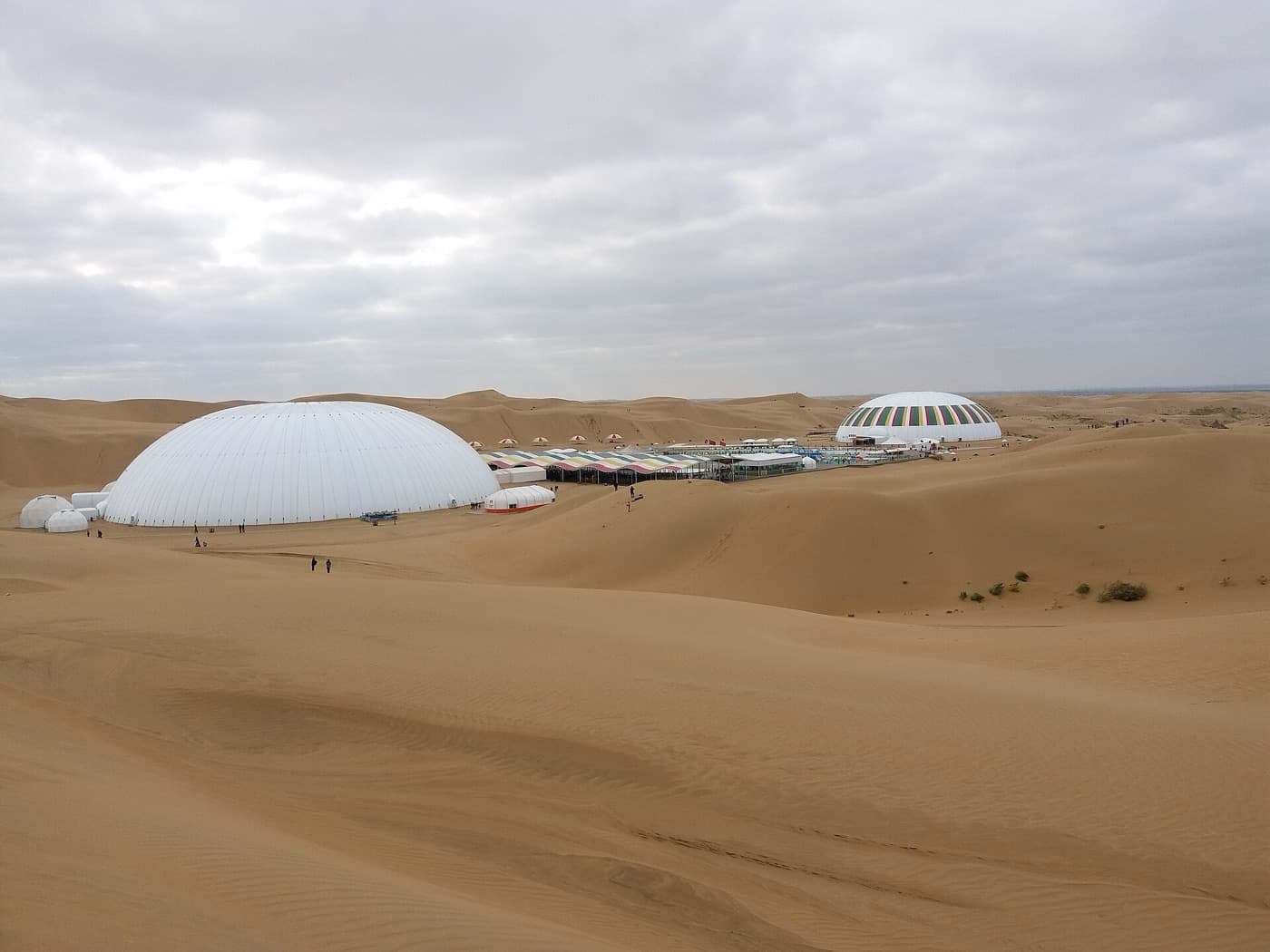
Xiangshawan (Singing Sand Bay)
Xiangshawan is a crescent-shaped sand slope with the vast desert behind it and a great river in front. Nearly 100 metres high, its golden slope sits beneath blue skies and white clouds, creating a magnificent view of sand reaching into the sky. What is most puzzling and most captivating here is its singing sand. As you slide down from the top of the dune, it produces a rumbling sound.
¥130 (includes cable car) · 2–8 hours