Hadamen National Forest Park
Just 40 km from Hohhot, Hadamen is made up of eleven deeply incised valleys and the ridges between them. Forest and grassland blend seamlessly, with clearly layered scenery that looks like a painting.
Hadamen National Forest Park, Hohhot
Key facts
- Admission
- ¥40
- Opening hours
- 8:30–17:30 (scenic area open May–November only)
- Time needed
- 3–6 hours
- Getting there
- Far from the city centre with no public transport. Self-driving or hiring a car is recommended.
- Guidebook rating
- 4 / 5
From China Self Guided Travel 2025, page 1875. Open in Google Maps
About Hadamen National Forest Park
Just 40 km from Hohhot, Hadamen is made up of eleven deeply incised valleys and the ridges between them. Forest and grassland blend seamlessly, with clearly layered scenery that looks like a painting.
Frequently asked questions
How much does Hadamen National Forest Park cost?
Admission to Hadamen National Forest Park is ¥40, as listed in the 2025 guidebook. Prices can change; check the official channel before you go.
What are the opening hours of Hadamen National Forest Park?
Hadamen National Forest Park is open 8:30–17:30 (scenic area open May–November only).
How do I get to Hadamen National Forest Park?
Far from the city centre with no public transport. Self-driving or hiring a car is recommended.
How long should I spend at Hadamen National Forest Park?
Plan on 3–6 hours for Hadamen National Forest Park.
Where is Hadamen National Forest Park?
Hadamen National Forest Park is in Hohhot, Inner Mongolia Autonomous Region, in the North China of China.
More places in Hohhot

Wudang Lamasery (Wudangzhao)
Wudang Lamasery (Wudangzhao) is the only purely Tibetan-style temple in Inner Mongolia. Together with the Potala Palace in Tibet and Kumbum Monastery in Qinghai, it is regarded as one of China's three great Tibetan Buddhist monasteries. The complex consists of one mausoleum, three palaces, eight halls and ninety-nine residential halls. The largest building in the monastery is the Sugu Qin Palace. A small hill beside the monastery has a pavilion from which you can take in the full view of Wudangzhao.
¥60 · 2–3 hours
Xilamuren Grassland
Xilamuren Grassland is very cool in July and August, and the local saying goes: "Wear a padded jacket in the morning, gauze in the afternoon, and eat watermelon while hugging a stove." Activities include horseback riding, camel riding, horse racing, camel racing, wrestling shows, climbing Aobao Hill and visiting Tibetan Buddhist temples. Yurt hotels here combine brick-and-concrete structures with traditional felt yurts.
1 day
Kubuqi Desert
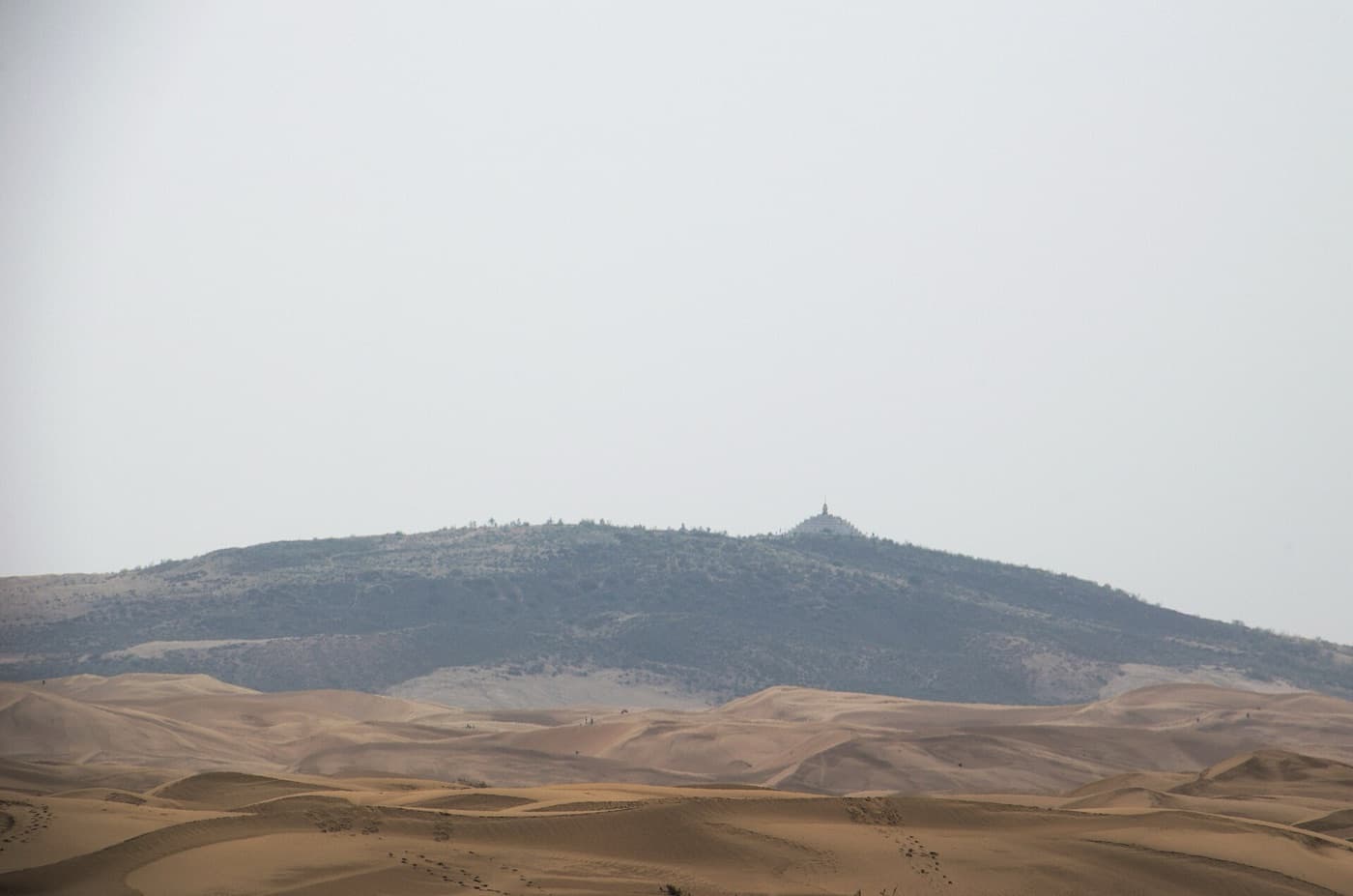
Kubuqi Desert has more ethnic minority charm than other deserts. It is a paradise for adventurers, where you can ride a camel across endless golden dunes and set off on a remarkable journey. The vast sand sea, the magnificent sunset and the lone traveller together make a stunning picture.
1 day
Saishang Old Street
Every city with a rich history has an old street, and Hohhot is no exception. Saishang Old Street is an ancient street in the Ming and Qing style. Although it has been renovated and restored, most of its buildings still keep their original character and appearance, giving it a simple and tranquil charm. Compared with the commercialised old streets of other cities, Saishang is refreshingly honest: a woollen garment costs over ¥100, and a skewer of lamb costs ¥3.
¥65 · 1–2 hours; 1–2 hours
Chilechuan Grassland
The Chilechuan Grassland Cultural Tourism Scenic Area is divided into two main zones. One focuses on showcasing and experiencing Mongol-Yuan culture, drawing on the ancient nomadic scenery described in the poem "Chilechuan, beneath the Yin Mountains." Through returning farmland to grassland, the area has restored tens of thousands of mu of natural pasture, forming a landscape centred on Mongol-Yuan culture. The other zone is devoted to sightseeing, leisure and holidays.
1 day
Xiangshawan (Singing Sand Bay)
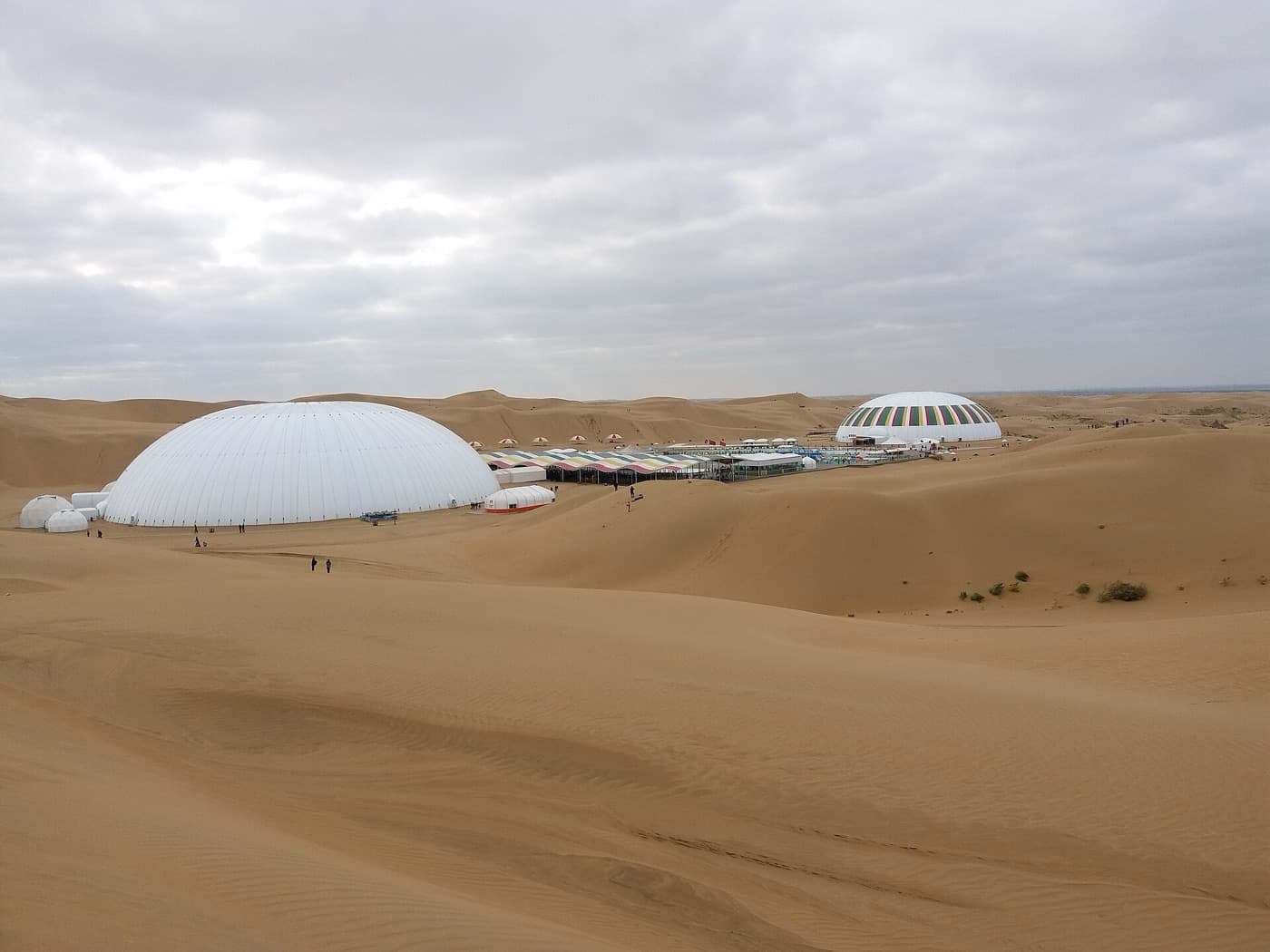
Xiangshawan is a crescent-shaped sand slope with the vast desert behind it and a great river in front. Nearly 100 metres high, its golden slope sits beneath blue skies and white clouds, creating a magnificent view of sand reaching into the sky. What is most puzzling and most captivating here is its singing sand. As you slide down from the top of the dune, it produces a rumbling sound.
¥130 (includes cable car) · 2–8 hours