Xining travel guide
西宁
Xining's sunlight pierces through the clouds and falls straight onto your skin. Without sunscreen beforehand, the searing sensation is hard to escape, and your eyes ache.…
16 places · In the guidebook: pages 689–714

Xining, Qinghai Province · AI illustration for China Trip
Quick itinerary
Xining in 5 days
- Day 1
- Tibetan Medicine Culture Museum→
- Beichan Temple→
- Dongguan Grand Mosque→
- Xiaoxin Street (dinner)
- Day 2
- Qinghai Highland Wildlife Park→
- Ta'er Monastery (Kumbum)→
- Huangyuan County (overnight)
- Day 3
- Zanpu Linka→
- Danggar Ancient Town→
- Riyue Mountain→
- Daotang River (overnight)
- Day 4
- Daotang River→
- Qinghai Lake (overnight in Heima River Township, watch the sunrise over Qinghai Lake)
- Day 5
- Qinghai Lake→
- Chaka Salt Lake→
- Emerald Lake→
- Da Qaidam (on the border between Qinghai and Gansu; you can leave Qinghai directly and enter Gansu to continue sightseeing)
The feel of the place
- Scorching Sun
- Xining's sunlight pierces through the clouds and falls straight onto your skin. Without sunscreen beforehand, the searing sensation is hard to escape, and your eyes ache. But the sky is such a deep blue that you feel you could melt into it, which makes up for the blazing sun along the way. Xining is already very close to Tibet, so coming here is a rehearsal for entering Tibet.
- Grilled Lamb and Flatbread
- Stand on a Xining street and the aroma of grilled lamb drifts over, along with the flatbread (mo) typical of Northwest China. Especially at the night market, sitting under the lights around a low little table with grilled lamb and flatbread in hand, every delicacy is before you. A traveller who leaves Xining will carry that taste on their tongue, and wherever they go, their memory of grilled lamb will always belong to Xining.
- Lamb Offal Soup
- The most common snack at Xining's street stalls is lamb offal soup. It is genuinely made from lamb offal.
Xining
Xining is a relatively safe city. As long as you avoid particularly remote places at night, you will generally be fine. Walking through eastern Xining, around 90% of the people you pass are Muslims, which you can tell from the small white caps and colourful headscarves. Female travellers should try to understand the different roles within Muslim families. In the Dongguan Great Mosque, do not touch religious objects, and wear long sleeves and trousers when entering the main prayer hall.
Preparation and Enquiries
Climate and Best Travel Season
The golden season for visiting Xining is June to September, when the average daily temperature is only about 17°C.
The highest point in Xining is 4,877 m, and the city centre sits at 2,261 m. Low air pressure, long hours of sunshine and strong solar radiation are the climate features here, so sun protection is essential on any trip. The difference between day and night temperatures is also large, with summer nights averaging no more than 10°C, so keep warm too.
tip: 1. Essentials: sunglasses, sunscreen with an SPF of at least 15, moisturiser and lip balm, which are especially important for women's luggage.
2. Climate: Xining's air is dry, so eat plenty of vegetables and fruit, and go easy on lamb.
3. Vitamin supplements: Xining has a fairly good supply of vegetables and fruit at reasonable prices, but you may also bring synthetic vitamin tablets such as Jinshi'erkang or Centrum.
4. Rhodiola: helps prevent altitude sickness. The following large pharmacy is reliable: Qinghai Provincial Pharmaceutical Company [diagonally opposite Xining Mansion; from the railway station, take a bus to Xining Mansion (bus stop)].
Festivals
Things to see
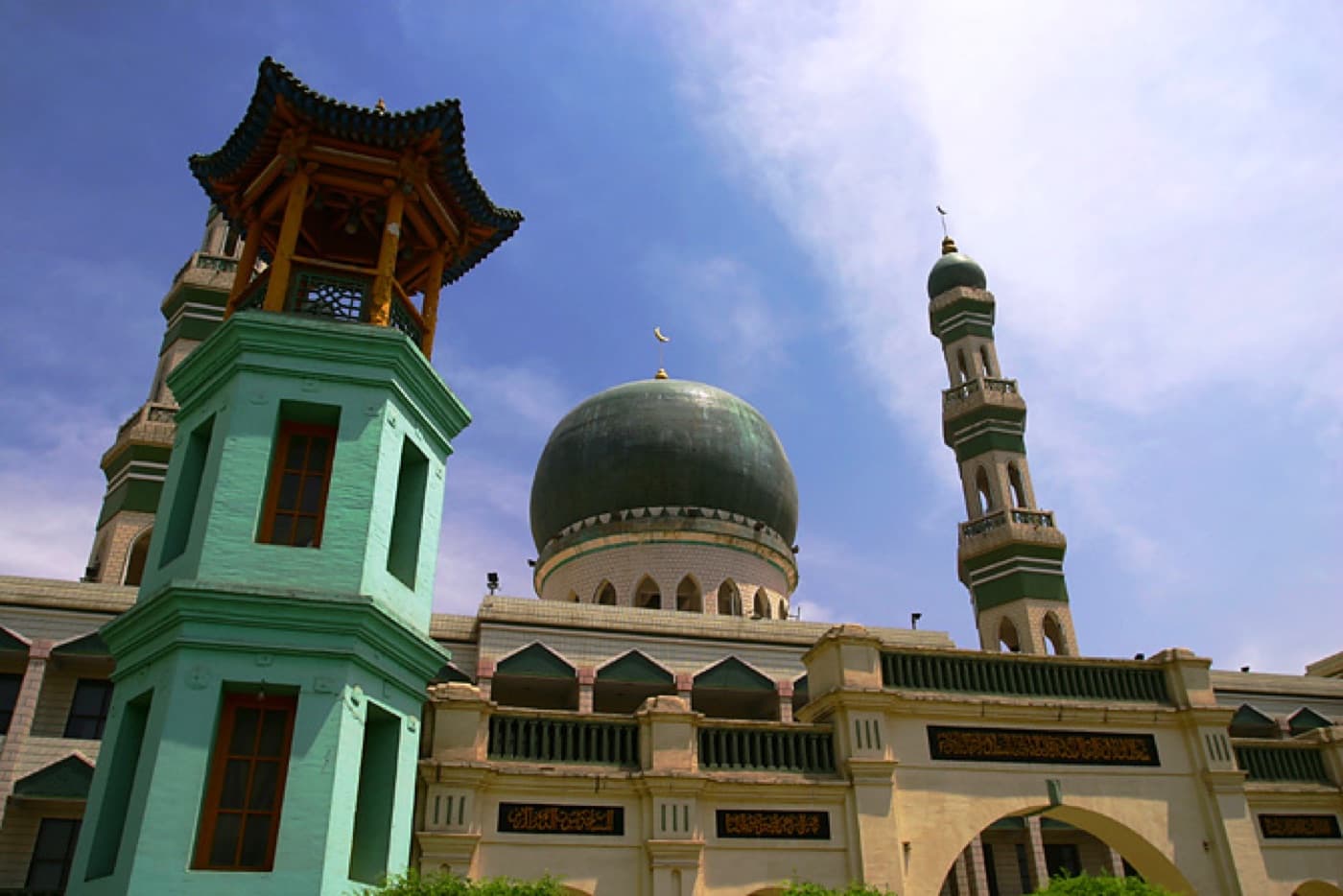
Dongguan Grand Mosque
1 hour · No admission fee; free guided tours available
One of the largest mosque complexes in Northwest China. The mosque faces east and combines classical Chinese architecture with Islamic design. Its main prayer hall is grand and imposing, capable of accommodating over 3,000 worshippers at once. On major Islamic festivals, tens of thousands of Muslims gather here for solemn and dignified religious ceremonies. It is also the highest seminary for the study of Islamic scripture.
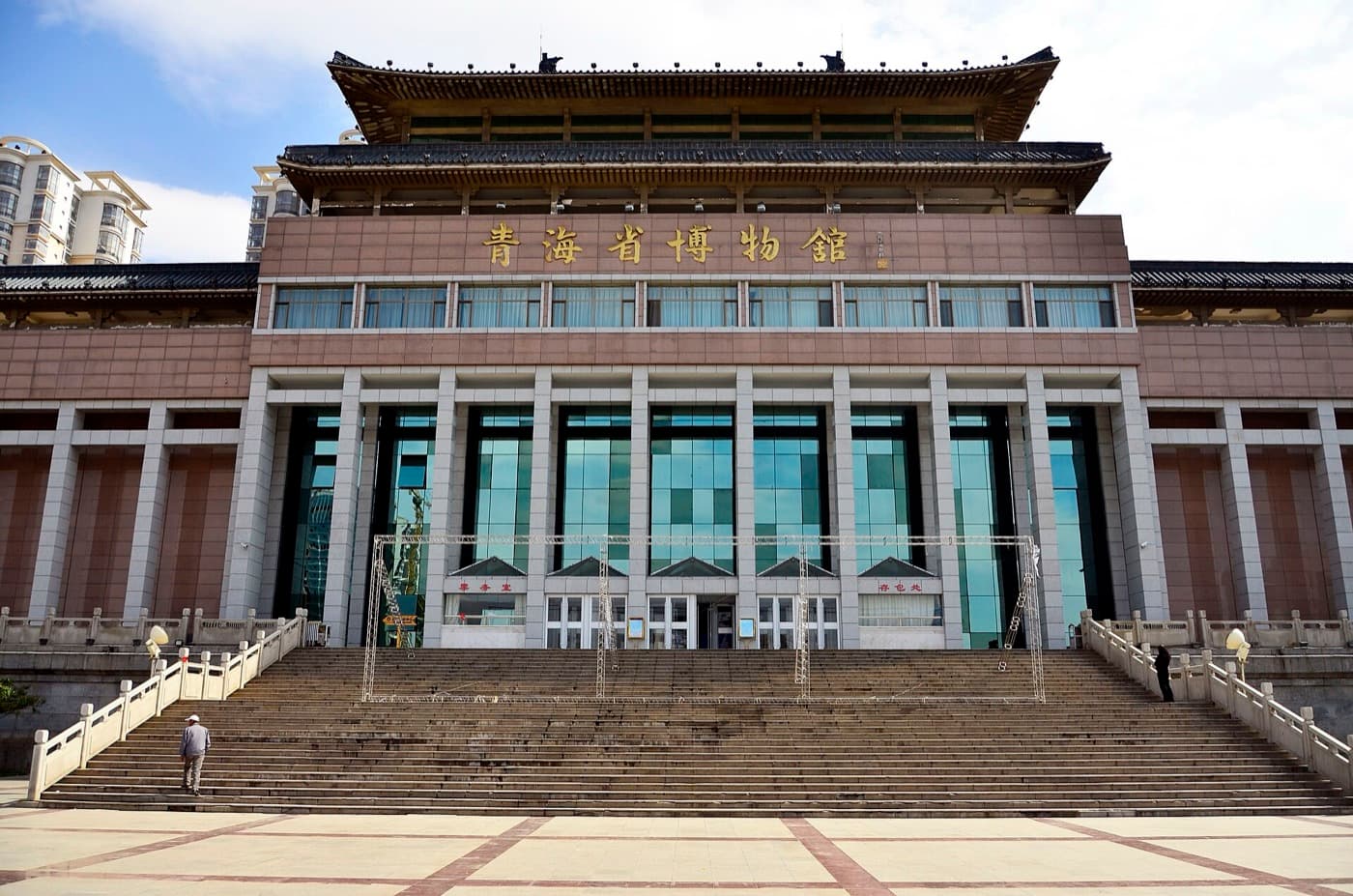
Qinghai Provincial Museum
1–2 hours · Free; advance reservation required
The Qinghai Provincial Museum covers 20,800 square metres and is a landmark of Xining's historic city. Its architecture is symmetrical along a central axis, combining ethnic cultural character with a modern feel. Its collection of more than 15,000 cultural relics spans history, folk customs, politics, economics and many other fields, including pottery, gold and silverware, and bronzes. Each piece embodies the wisdom of the early inhabitants of Qinghai.
Beichan Temple
From the top of Beichan Temple you can take in a bird's-eye view of the whole city of Xining. Commonly known as Beishan Temple, it is one of the "Eight Scenic Views of Xining," with "Misty Rain at Beishan" ranked among them. The steep hillside is dotted with man-made caves, which is why the site is also known as "Nine Caves and Eighteen Grottoes." The restored Beishan Temple is a Taoist temple.
1 hour · Free
Xining Wildlife Park
The zoo sits on Xishan (West Mountain) in Xining and enjoys beautiful scenery. Its greatest highlight is its population of animals native to the Qinghai-Tibet Plateau, such as snow leopards, Przewalski's gazelles, desert cats and wild yaks. These are rarely seen in zoos in other cities. The wildlife park mainly consists of a herbivore area, a free-ranging predator area, a rare bird house and an aquarium. The aquarium charges a separate fee, but it is fairly small and not especially worth a visit. The most important part of the park is the free-ranging predator area, where a boardwalk allows visitors to observe the predators up close from above.
2–3 hours · ¥30; Panda House ¥25
Getting there & around
Getting In and Out
Xining has long been known as the "Gateway to the Qinghai-Tibet Plateau". It now has a transport network combining air, rail and road. Xining is an essential transit point and hub for travel within and beyond the province.
tip: 1. Staying in a Muslim home: Do not enter the kitchen without permission. Muslim kitchens generally do not welcome non-Muslim visitors, and you should not enter the hosts' rooms, especially the hostess's.
2. Objects: Do not touch religious objects. When eating in a Muslim household, follow halal standards.
3. Prayer: Mosques generally do not welcome non-Muslim visitors during prayer times. Muslim prayer is genuinely worth seeing, but you should only visit and take photos with permission. The best approach is to have a Muslim companion take you in, and they can arrange for you to watch from one side.
tip: Headscarves
Women in all kinds of headscarves hurry through the streets of Xining: white, black, green, and some in floral prints. The colours signal a Muslim woman's age, with black for the eldest and white for the youngest. White scarves are rarer now, though, as young women have switched to brighter shades such as pink and blue.
tip: Long-Distance Bus
1. Tickets generally go on sale one day in advance.
2. Xining's bus stations close early in the evening, so go early to check schedules or buy tickets.
3. Buses from Xining to other destinations run frequently, but departure times are not fixed.
tip: Taxi
Always agree on your destination before getting in. Xining's city centre is compact. The flag-fall fare is usually ¥6, and if you bargain well, ¥5 can take you quite far.
Air
Caojiabu International Airport lies about 29 km east of central Xining and is the airport closest to Qinghai Lake. It currently offers direct flights to many cities, including Beijing, Xi'an, Shanghai, Chengdu, Guangzhou, Kunming, Shenzhen and Urumqi.
Airport shuttle buses run to central Xining, terminating at the Bayi Road Bus Station in the city centre. The fare is ¥21.
Rail
Xining currently has high-speed train services to Lanzhou, Menyuan, Zhangye, Jiayuguan and even Urumqi. Regular trains run east to major cities such as Shanghai and Beijing, and west direct to Lhasa. All trains to and from other cities depart from and stop at Xining Railway Station.
Road
Long-Distance Bus Stations and Destinations
City Transport
Xining has dozens of bus routes connecting the city and its suburbs. Long-distance buses also run to counties such as Huangzhong, Huangyuan and Datong, which is convenient for visitors.
Tips
1. Daybreak: this is the best time to photograph the Dongguan Mosque. Besides the grand architecture, you may catch worshippers sweeping the mosque grounds.
2. Prayer: the mosque can normally hold 3,000 worshippers and up to 10,000 at peak times, a truly spectacular sight.
3. Main hall: generally closed to the public; entry requires the imam's permission. Photography is not allowed inside the main hall.
4. Significance: the mosque is also the education centre for Islam in Northwest China and home to the region's highest institution for the study of Islamic scripture.
tip: 1. Relics of the Song and Yuan dynasties: the temple retains murals and caisson ceilings that, stylistically, date from the late Tang and the Song and Yuan periods.
2. Ningshou Pagoda: the five-tiered, close-eaved brick pagoda on the summit of Beishan was built in the Qing dynasty.
Caojiabu International Airport
Caojiabu International Airport- Phone:
- 0971-96345
Bayi Road Airport Office
Bayi Road Airport Office- Address:
- No. 26, Beida Street
- Phone:
- 0971-8189075
Xining Passenger Transport Centre
Xining Passenger Transport Centre- Getting there:
- Buses to multiple destinations in Qinghai, Gansu and beyond
Xining Nanchuan West Road Bus Station
Xining Nanchuan West Road Bus Station- Getting there:
- Buses to Huangnan, Hainan, Haibei, Yushu and other destinations
Xining Bayi Road Bus Station
Xining Bayi Road Bus Station- Getting there:
- Buses to Lanzhou, Linxia, Gannan, Huzhu and other places. This is also the main departure point for shuttle buses to Qinghai Lake: in peak season, the Jiuban Tourist Line departs from here daily for the Erlangjian Scenic Area.
Xining Xinning Road Bus Station
Xining Xinning Road Bus Station- Getting there:
- Long-distance buses to Luoyang, Yinchuan, Sichuan, Changsha and other distant destinations, plus buses to Dunhuang and Delingha. Buses also run from here to Ulan and other Haixi towns, from which you can continue on to Qinghai Lake.
Eat & drink
The Xining region offers a rich variety of main dishes and snacks. Xining's snacks are famous far and wide. Remember these names: Yin Liangfen, Yu Niangpi, Kang Zhurou, Li Yangtou, Xin Suancao and Song Jingdui. The first character in each name is a surname, and it is also the signature of that snack family.
tip: Snacks
Chenggui Lamb Neck Hand-Grab Specialty Shop sits on the north side of the crossroads of Gonghe Road and Dongguan Street. Its lamb neck is a distinctive local dish. Open from 17:00 until about 22:00, when it usually sells out. It also serves gamianpian, lazi and fried potatoes. Prices are reasonable, service is attentive, and it is very popular.
tip: Alcohol Precautions
1. When drinking locally, respect local customs.
2. Xining's qingke (highland barley) liquor goes to your head easily. As a guide, drink no more than two-thirds of your usual baijiu quantity, and avoid overindulging.
3. Xining sits at over 2,000 metres above sea level. Apart from avoiding strenuous exercise, limit smoking and drinking.
tip: Tea
In Xining, try boiled tea (aocha), made mainly from black tea simmered with salt, Sichuan pepper, tsaoko (grass cardamom) and ginger. The tea is strong and dark; it is said to cut the greasiness of rich food and clear the head.
tip: Da Xinjie and Xiao Xinjie
Da Xinjie (Big New Street) and Xiao Xinjie (Small New Street) are two intersecting lanes in Chengzhong District. Da Xinjie runs north to south and Xiao Xinjie east to west. The night market on Da Xinjie focuses on clothing but also has plenty of snacks, while Xiao Xinjie is lined with snack stalls giving off fragrant aromas.
Specialty Food Streets
Local Snacks
Shuijing Lane
Specialty Food StreetsKnown as a 'snack paradise', Shuijing Lane serves authentic hand-grabbed mutton, grilled lamb ribs, lamb intestines and kebabs.
Da Xinjie
Specialty Food StreetsOpening hours are generally 17:00–24:00. Take Bus 1 from the railway station to Da Shizi stop, then walk 100 metres north from Yinma Street. A long row of street stalls stretches for hundreds of metres and is always busy. Here you can taste Xining's local flavours as well as snacks from across China.
Mazhong Food House
Specialty Food StreetsLocated on Mojia Street, another 'snack paradise', Mazhong Food House is the first place any Xining local will recommend. Take Bus 1 and get off at Da Shizi. Its Yu niangpi (wheat-gluten sheet noodles) at ¥8 a bowl is unforgettable. The clay-pot dishes are also excellent, and there is a full range of fried snacks, including stir-fried liangfen. Qingzhen Yixin Lamb Hand-Grab Restaurant (Huayuan North Street branch): one of the best halal restaurants in town, and very well known. Its braised lamb is essentially hand-grabbed mutton, simmered in a large pot and dipped in small condiment bowls. It has no gamey taste and is very tender, so even people who don't usually like lamb tend to fall for it.
- Address:
- No. 5, Baiyu Lane, Huaguang Garden North Street, Chengzhong District
- Phone:
- 0971-8179336
Qingzhen Yogurt
Local SnacksAnyone who has visited Xining, especially women, remembers the yogurt here. One spoonful feels like scooping into a bowl of steamed egg custard; it tastes tangy and sweet and is silky and thick. After this, supermarket yogurt tastes like paste. The stall at the entrance to Ximen Small Park sells a bowl for ¥2, arguably the best yogurt you will ever drink. There is also an unassuming stall near the entrance to Yiwu Commercial City whose flavour is very good.
Leba
Local SnacksA skewer unique to Xining. Lamb ribs are first simmered until half-cooked, then brushed with sauce and grilled over charcoal. This is essentially the Turkish kebab method, and the word 'leba' (kebab) also derives from Turkish.
Hand-Grabbed Mutton
Local SnacksEaten by holding a knife in one hand to cut the meat and picking up the pieces with the other hand. The method is very simple: boil fresh mutton in water, then add salt or dip it in salt before eating. Cooked this way, the mutton is tender without being mushy, with a rich, savoury flavour. Originally a simple way for herders to eat while on the move, it has become one of the flavourful foods with distinctive local and ethnic character.
Sand Pot (Shaguo)
Local SnacksA small hotpot built mainly on beef, mutton, vegetables, tofu and glass noodles, served with a bowl of rice and generously portioned. Not only is the taste good, it is also a great place to save money on dinner. It is usually sold after nightfall from food stalls around Xining Mansion.
Where to stay
Luxury hotels in Xining are not very expensive, so for many visitors from big cities, it is entirely possible to indulge a little.
tip: Accommodation Tips
1. A basic single room at a guesthouse in Xining generally costs about ¥60.
2. Hotels generally do not have air conditioning, so bring a light layer for summer evenings. Hotels provide quilts and blankets.
3. Xining's tap water is very cold, so avoid taking cold showers.
tip: Haihu New District Centre
A one-stop complex combining dining, plaza shopping and nightlife, with everything you could need. The Qinghai Conghong Nuosang Tibetan Cultural Experience Space sells authentic specialty foods from across Qinghai.
Shopping
Shangyexiang Market, Gucheng Tai Market and Ximenkou Dongtian Shopping City are all good places to shop. For local specialties, Hualian Supermarket carries most items, and the quality is relatively reliable.
Muslim Mansion
Recommended AccommodationA distinctive three-star hotel in Xining. All staff wear traditional Muslim dress, and the hotel is safe, clean and elegantly designed. Each room has three small booklets on the table promoting Islamic teachings, which makes for an interesting read.
- Address:
- No. 9 Qiyi Road, Chengdong District, Xining City
- Phone:
- 0971-8164107
Shopping
Some people say there are three things you must not leave Xining without buying. The first is “Snow Mountain” five-spice beef jerky, made from fresh yak meat from the Qinghai plateau, with a distinctive flavour. The others are yak-wool sweaters and qingke barley liquor. Of course, genuine products bought from proper shopping centres are best. Xining also has cordyceps liquor and handicrafts worth buying, such as Tibetan knives and silverware.
Nightlife
Daxin Street is open from 17:00 to 24:00. Even strolling along this street, which is not especially busy, you can feel the liveliness of Xining's nights.
Day trips & beyond

Ta'er Monastery (Kumbum)
Known in Tibetan as Gonben Xianbalin, meaning “the image of the hundred thousand lion roars,” Kumbum Monastery (Ta’er Monastery) has a history of more than 600 years. From afar, a row of white stupas stands quietly before the temple beneath the blue sky. But as you draw near, the riot of colour is astonishing: set against the bluestone walls, it gleams with a dazzling sheen. This is one of China’s famous monasteries. It is the birthplace of Tsongkhapa, founder of the Gelug school of Tibetan Buddhism, one of the six great monasteries of the Gelug school, and the centre of Buddhist activity in the Northwest. Built into the slope of the mountain, Kumbum Monastery covers more than 400,000 square metres and contains over 10,000 rooms of halls, scripture colleges, stupas, residences of living Buddhas, monks’ quarters and other buildings. It is an ancient architectural complex that blends Han and Tibetan artistic styles. The butter sculptures, murals and duixiu (appliqué embroidery) are known as the “Three Artistic Marvels” of Kumbum Monastery. Butter sculpture is an art form in which sculptures are modelled from butter mixed with coloured pigments. According to legend, the art originated in Tibet. When Princess Wencheng married Songtsen Gampo, she brought a Buddha statue from Chang’an, which was enshrined in the Jokhang Temple in Lhasa. In the harsh winter, when no fresh flowers were available to offer to the Buddha, believers made flowers from butter to express their devotion. Every year on the Lantern Festival (the 15th day of the first lunar month), monk artists display their carefully crafted butter sculptures inside the monastery, making it an annual highlight of the temple’s calendar. Murals adorn the walls of the halls; most are painted on cloth hangings, while some are painted directly onto walls and beams. The pigments are mineral-based, bright in colour and long-lasting. The murals belong to the Tibetan Buddhist religious painting tradition and have a strong Indo-Tibetan flavour. Duixiu is one of the Tibetan art forms unique to Kumbum Monastery. Coloured silk is cut into shapes such as Buddhas, flowers, birds and animals, stuffed with wool or cotton, and then sewn onto cloth hangings. Its subjects are mostly drawn from Buddhist tales and religious life, and it is a traditional art unique to this monastery.
3–5 hours

Qinghai Lake Scenic Area
For Qinghai Province, Qinghai Lake is what the Great Wall is for China, so it is a must-visit on any trip to Qinghai. Qinghai Lake is 105 km long and 63 km wide, with a surface elevation of 3,196 m. It is China’s largest inland lake and also its largest saltwater lake. It is surrounded by four towering mountains, rising 3,600–5,000 m, which stand like four high natural screens embracing the lake. The lake’s scenery changes with the seasons. In summer and autumn, the vast grassland looks like a green carpet, with countless cattle and sheep scattered across it like pearls. In winter, the lake freezes into a jade-like expanse that shines like a giant mirror in the sunlight. A trip to Qinghai Lake lets you appreciate nature’s masterpiece as well as the pastoral scenery of the plateau. You can ride horses or yaks, roam the grasslands, climb the sand dunes and, if you are keen, visit herders’ homes to experience Tibetan herding culture. The main sights include Riyue Mountain, Daotang River, Bird Island, Jinyintan Grassland, Erlangjian Scenic Area and the Menyuan rapeseed fields.
1–3 days

Chaka Salt Lake Scenic Area
Chaka Salt Lake (茶卡盐湖) lies in Chaka Town, Ulan County, in the eastern Qaidam Basin. It was an important stop on the ancient Silk Road and a必经 gateway to Xinjiang and Tibet. The lake's shimmering waters and vivid scenery are especially striking at sunrise and sunset, when water and sky merge in a blaze of light. At night, the lake offers some of the most beautiful starry skies, clean and pure, where you can feel the vastness of the universe.
2–4 hours
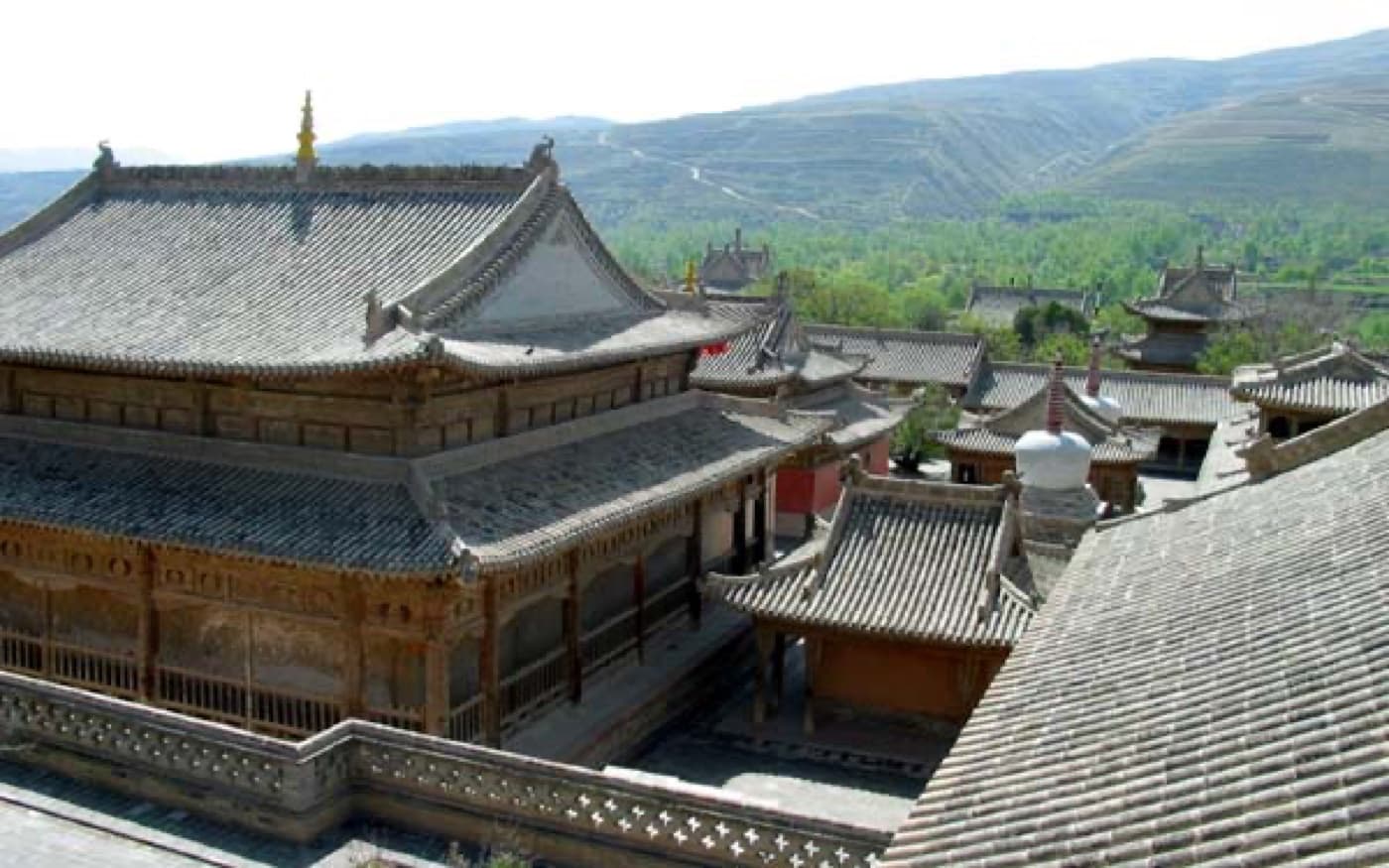
Qutan Monastery
A famous monastery with more than 600 years of history, known as the “Little Forbidden City of Ledu.” Qutan Monastery lies beside mountains and rivers. Its Ming-dynasty complex is made up of halls, stele pavilions, a bell tower and a drum tower. Inside, the Longguo Hall and Baoguang Hall have carved beams and painted rafters, simple yet elegant. Two nine-bend corridors run along the sides, decorated with exquisite and varied murals. “Qutan” comes from the Sanskrit “Gautama,” the family name of Shakyamuni, the founder of Buddhism.
1–2 hours
Zanpu Linka
The only royal monastery on the Qinghai-Tibet Plateau that brings together all eight major schools of Tibetan Buddhism under one roof. The main hall enshrines two jade statues, of Songtsen Gampo and Princess Wencheng. Inside the jade Buddhas are two smaller statues carved from Hotan jade, exquisitely crafted, lifelike and truly magnificent.
2 hours
Da Qaidam Emerald Lake
Feicui Lake (Emerald Lake) takes its name from its clear, sparkling blue waters, which look like jade in the sunlight. The lake's color depends on the weather and on the concentration of minerals in the water, so it shifts throughout the day. On calm days, the lake's surface becomes a mirror, reflecting blue skies, white clouds, and the snow-capped peaks of the Qaidam Mountains. Feicui Lake remains a largely undeveloped, pristine landscape. Though far less famous than Chaka Salt Lake, its scenery is every bit as breathtaking, and it must be experienced in person to be truly appreciated.
1–2 hours
Kanbula Geopark
Kanbula is a classic Danxia landform, with rock faces glowing a fiery red. Its main features include strange peaks, flat-topped mesas, caves, and sheer cliffs. Large formations stand like pillars, towers, and castles, steep and upright, while smaller sculpted forms resemble giants and animals, each one vivid and strangely shaped, as if carved by the hand of nature. There are two ways to explore Kanbula, by water or by land. A boat trip winds through the valleys, where the fiery red rock contrasts with the clear waters of the Yellow River, creating a scene that is both vibrant and serene. In flowering season, you can also see vast fields of golden rapeseed flowers. The land route offers a different experience. Prayer flags flutter on the mountaintops, and as the road winds down, Tibetan villages appear along the way, forming a peaceful, idyllic retreat.
3–4 hours
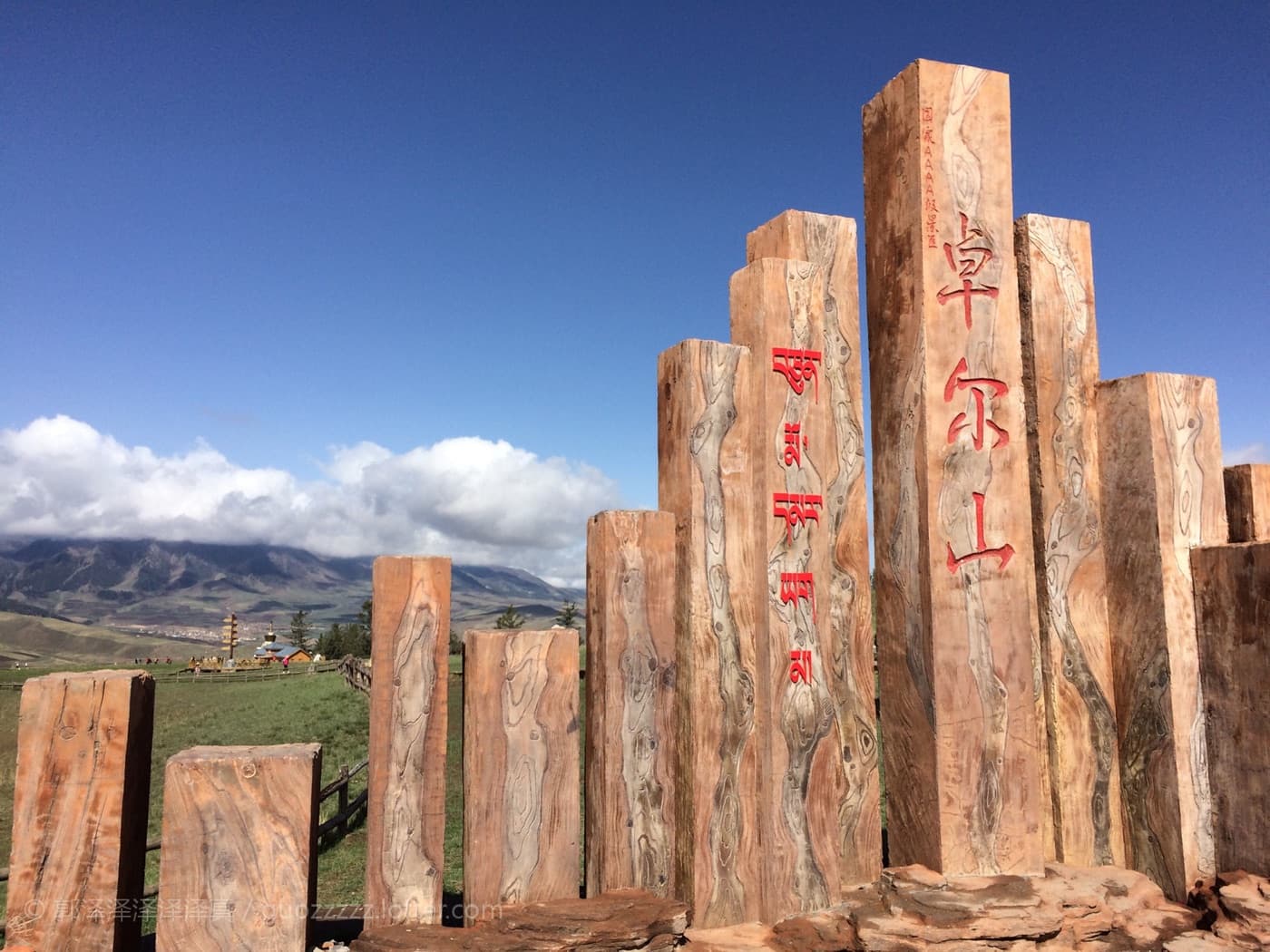
Zhuoer Mountain
Zhuoer Mountain Scenic Area is known in Qinghai as a base for musicians collecting folk material and for photographers. Its striking Danxia landforms, winding Qilian Mountains, bright golden rapeseed fields, high forests, canyons, and grasslands form a sweeping, colorful panorama.
3–5 hours
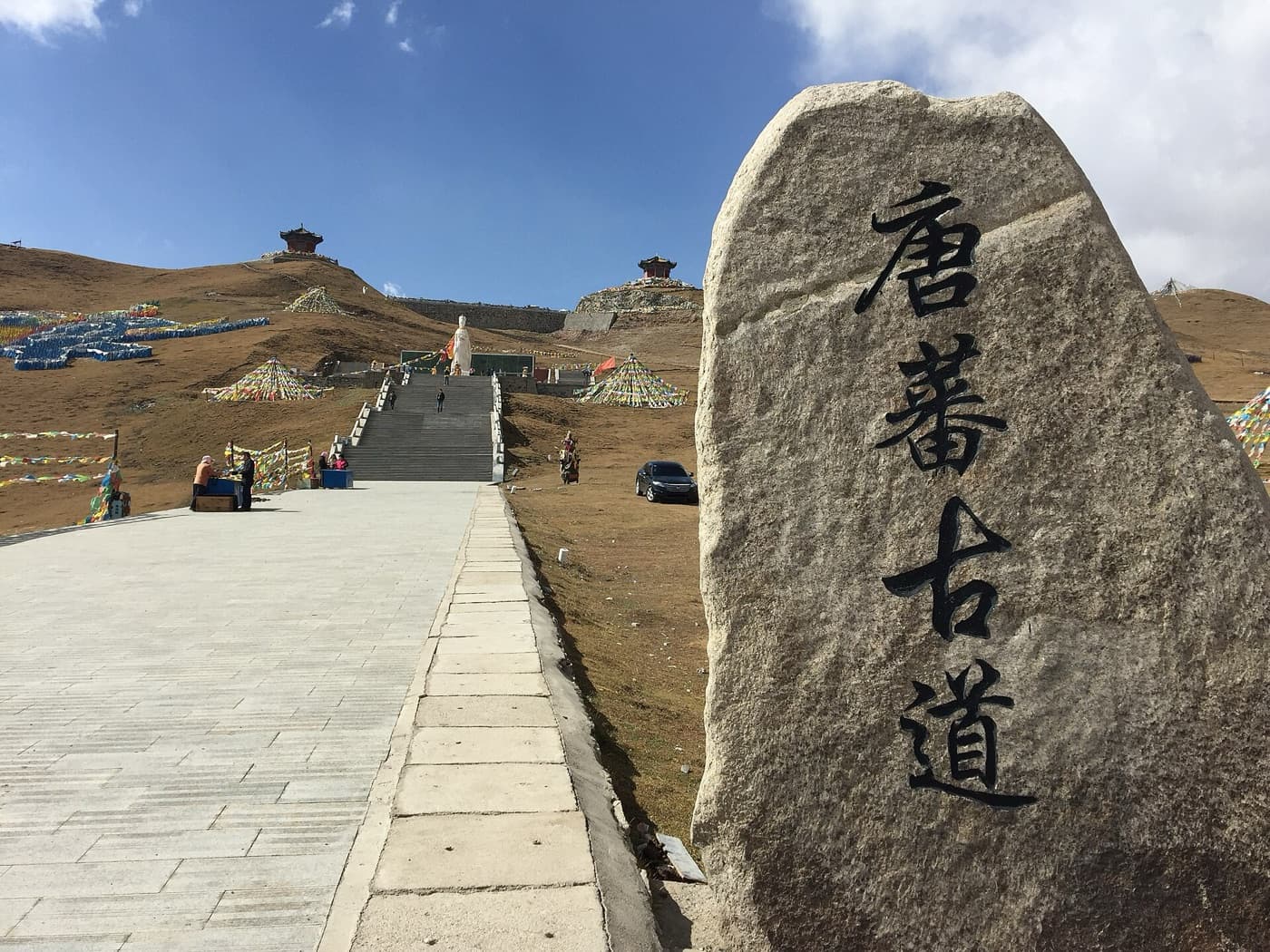
Riyue Mountain
The story of Princess Wencheng made Riyue Mountain famous. It is the necessary gateway to the Qinghai-Tibet Plateau, so it is also known as the “Western Sea Screen” and the “Gateway to the Grasslands.” From the summit, looking east, you see a pastoral landscape; looking west, you see the bright and beautiful Qinghai Lake. The two views are entirely different. Legend says that when Princess Wencheng passed this mountain on her way to Tibet, she climbed the peak and looked east, no longer able to see her hometown of Chang’an. Overcome with sorrow, the empty mirror she carried fell to the ground and split in two, turning into the golden sun and the silver moon. At the foot of Riyue Mountain, the Daotang River winds along a unique course and is worth a stop on the way.
1–3 hours
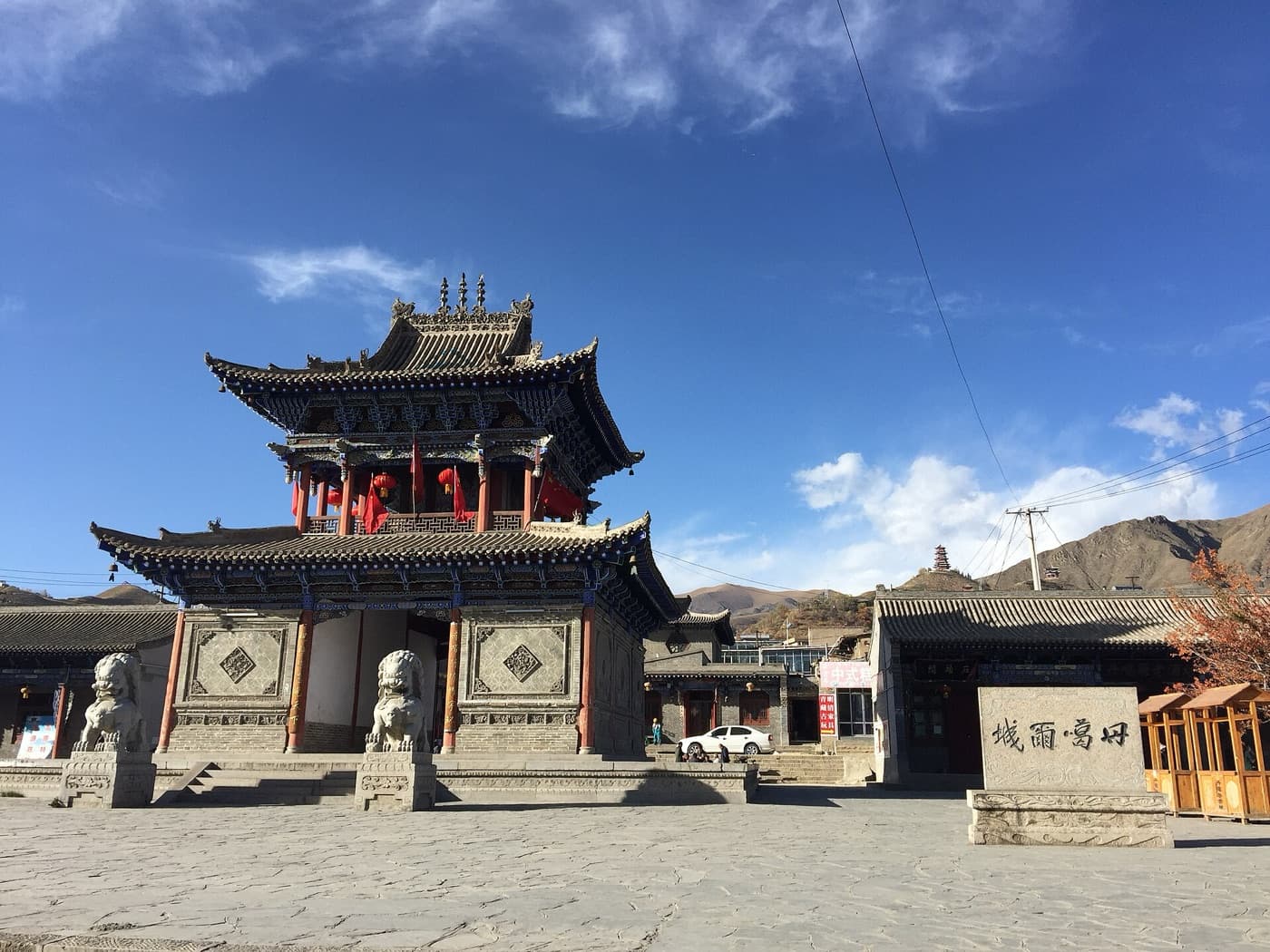
Dan'gar Ancient City Scenic Area
“Dan Gar” means “white conch” in Tibetan. Here the Qinghai-Tibet Plateau meets the Loess Plateau, and grassland culture and farming culture intertwine. The ancient Silk Road and the Tang-Tubo Road both pass through the area. Its greatest feature is its multiethnic character, making Dan Gar an excellent place for visitors to experience the cultures of many peoples.
1–2 hours
Menyuan Rapeseed Flower Fields
Located in Haibei Tibetan Autonomous Prefecture, Qinghai Province, Menyuan is one of the main oilseed-producing areas in Northwest China. Every July, rapeseed fields stretch for dozens of kilometers. Set against the blue sky and white clouds, the golden blooms are especially magnificent.
2–3 hours
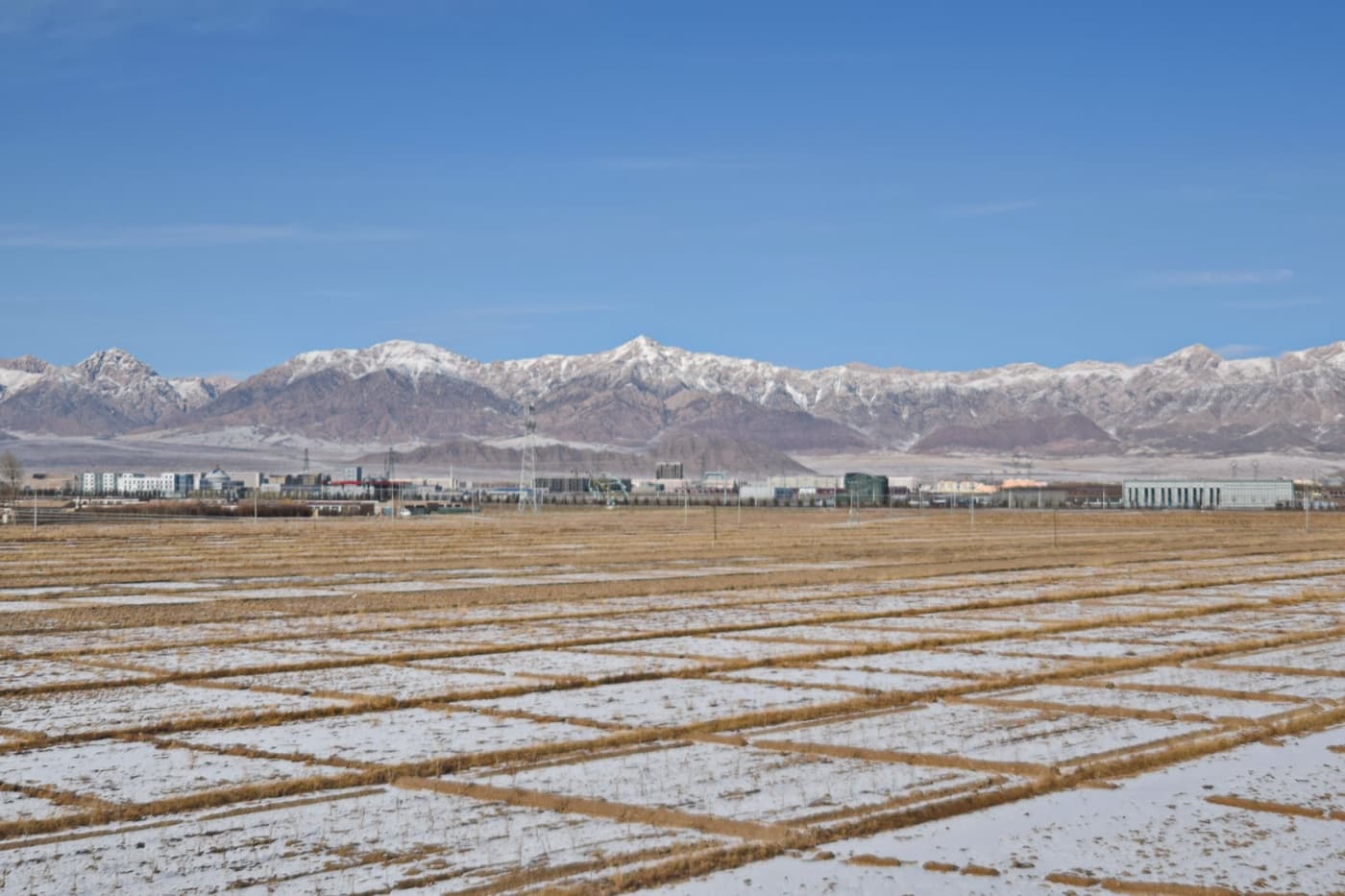
Delingha City
Delingha is a city on the northeastern edge of the Qaidam Basin. The poet Haizi wrote the lines “Sister, tonight I am in Delingha” in his 1988 poem “Diary,” lending the city a poetic aura. Though it remains off the beaten path, there are still many worthwhile sights. The Huaitoutala Rock Carvings, created in the late Northern Dynasties and the Sui and Tang periods, are finely executed, with distinctive styles and wide-ranging subjects. Lake Tuosu is an inland saltwater lake surrounded by vast Gobi desert, with an open, expansive shoreline. Above all, do not miss the Haizi Poetry Exhibition Hall and the Haizi Poetry Stele Forest, where you can truly feel the poet's romantic life.
History & Culture
Source: China Self-Guided Travel 2025 (《中国自助游》, Tianjin Science & Technology Press, Aug 2024), pp. 689–714. Translated from the Chinese edition; names and prices follow the guidebook. · Plain text version