Chaka Salt Lake Scenic Area
Chaka Salt Lake (茶卡盐湖) lies in Chaka Town, Ulan County, in the eastern Qaidam Basin. It was an important stop on the ancient Silk Road and a必经 gateway to Xinjiang and Tibet.…

Chaka Salt Lake Scenic Area, Xining · AI illustration for China Trip
Key facts
- Admission
- ¥60 (May–October), ¥30 (November–April of the following year); single-trip small train ¥50, single-trip boat ¥90, observation tower ¥20
- Opening hours
- 7:30—21:00
- Time needed
- 2–4 hours
- Getting there
- Shuttle buses run from Xining Bus Station (Xining Passenger Transport Center, 西宁汽车客运中心站) to Chaka Town, a trip of about 4 hours. The fare is about ¥83.
- Guidebook rating
- 5 / 5
From China Self Guided Travel 2025, page 710. Open in Google Maps
About Chaka Salt Lake Scenic Area
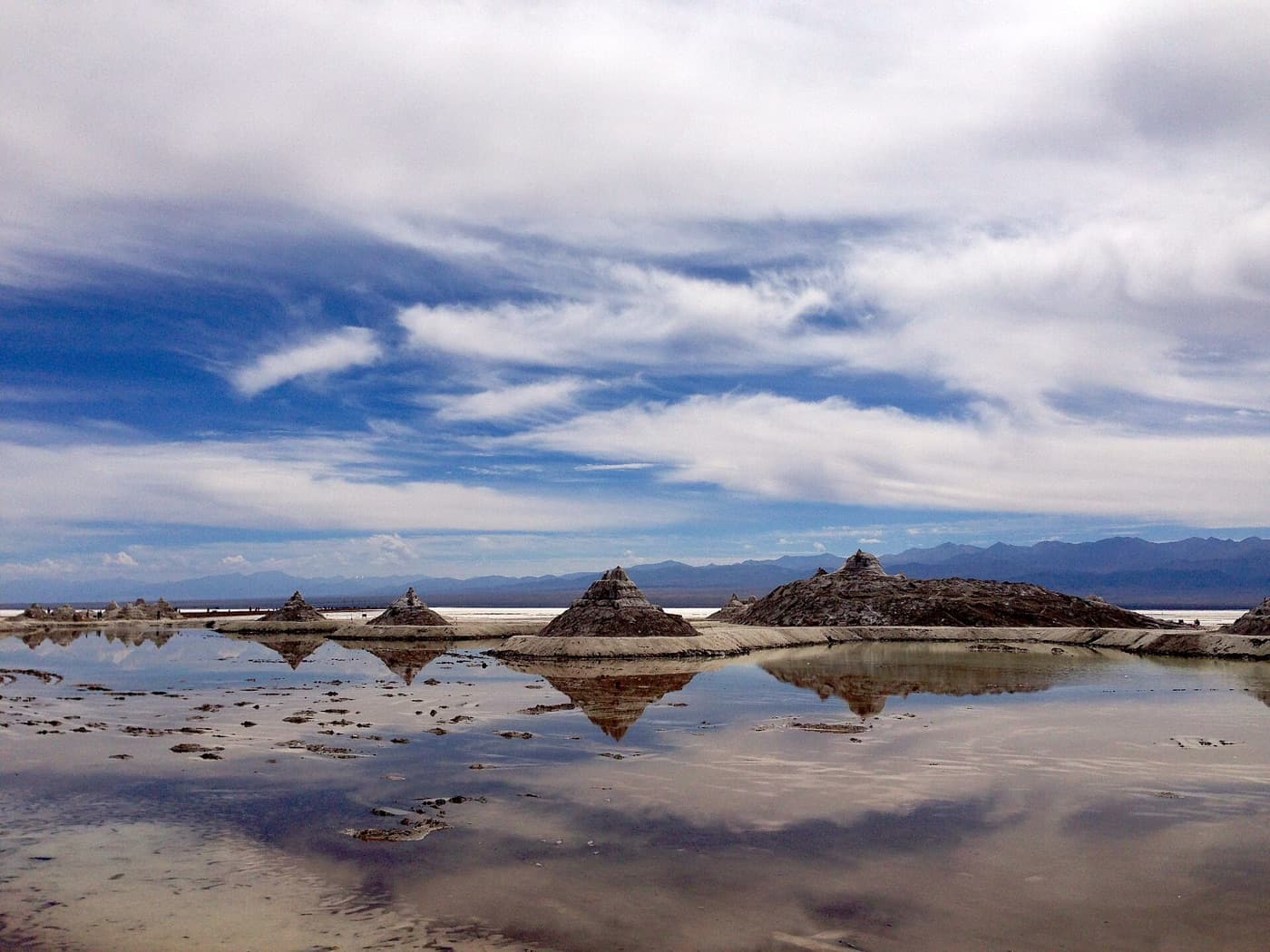
Chaka Salt Lake (茶卡盐湖) lies in Chaka Town, Ulan County, in the eastern Qaidam Basin. It was an important stop on the ancient Silk Road and a必经 gateway to Xinjiang and Tibet. The lake's shimmering waters and vivid scenery are especially striking at sunrise and sunset, when water and sky merge in a blaze of light. At night, the lake offers some of the most beautiful starry skies, clean and pure, where you can feel the vastness of the universe.
Tips from the guidebook
- Best season: Chaka Salt Lake depends heavily on the weather. To see the famous “sky mirror” effect, visit in summer. In winter, fog is heavy and you may see very little.
Frequently asked questions
How much does Chaka Salt Lake Scenic Area cost?
Admission to Chaka Salt Lake Scenic Area is ¥60 (May–October), ¥30 (November–April of the following year); single-trip small train ¥50, single-trip boat ¥90, observation tower ¥20, as listed in the 2025 guidebook. Prices can change; check the official channel before you go.
What are the opening hours of Chaka Salt Lake Scenic Area?
Chaka Salt Lake Scenic Area is open 7:30—21:00.
How do I get to Chaka Salt Lake Scenic Area?
Shuttle buses run from Xining Bus Station (Xining Passenger Transport Center, 西宁汽车客运中心站) to Chaka Town, a trip of about 4 hours. The fare is about ¥83.
How long should I spend at Chaka Salt Lake Scenic Area?
Plan on 2–4 hours for Chaka Salt Lake Scenic Area.
Where is Chaka Salt Lake Scenic Area?
Chaka Salt Lake Scenic Area is in Xining, Qinghai Province, in the Northwest of China.
More places in Xining

Qinghai Lake Scenic Area
For Qinghai Province, Qinghai Lake is what the Great Wall is for China, so it is a must-visit on any trip to Qinghai. Qinghai Lake is 105 km long and 63 km wide, with a surface elevation of 3,196 m. It is China’s largest inland lake and also its largest saltwater lake. It is surrounded by four towering mountains, rising 3,600–5,000 m, which stand like four high natural screens embracing the lake. The lake’s scenery changes with the seasons. In summer and autumn, the vast grassland looks like a green carpet, with countless cattle and sheep scattered across it like pearls. In winter, the lake freezes into a jade-like expanse that shines like a giant mirror in the sunlight. A trip to Qinghai Lake lets you appreciate nature’s masterpiece as well as the pastoral scenery of the plateau. You can ride horses or yaks, roam the grasslands, climb the sand dunes and, if you are keen, visit herders’ homes to experience Tibetan herding culture. The main sights include Riyue Mountain, Daotang River, Bird Island, Jinyintan Grassland, Erlangjian Scenic Area and the Menyuan rapeseed fields.
Erlangjian Scenic Area: ¥90 (peak season), ¥50 (off-season); Xiannüwan Scenic Area: ¥60 (peak season), ¥30 (off-season) · 1–3 days

Ta'er Monastery (Kumbum)
Known in Tibetan as Gonben Xianbalin, meaning “the image of the hundred thousand lion roars,” Kumbum Monastery (Ta’er Monastery) has a history of more than 600 years. From afar, a row of white stupas stands quietly before the temple beneath the blue sky. But as you draw near, the riot of colour is astonishing: set against the bluestone walls, it gleams with a dazzling sheen. This is one of China’s famous monasteries. It is the birthplace of Tsongkhapa, founder of the Gelug school of Tibetan Buddhism, one of the six great monasteries of the Gelug school, and the centre of Buddhist activity in the Northwest. Built into the slope of the mountain, Kumbum Monastery covers more than 400,000 square metres and contains over 10,000 rooms of halls, scripture colleges, stupas, residences of living Buddhas, monks’ quarters and other buildings. It is an ancient architectural complex that blends Han and Tibetan artistic styles. The butter sculptures, murals and duixiu (appliqué embroidery) are known as the “Three Artistic Marvels” of Kumbum Monastery. Butter sculpture is an art form in which sculptures are modelled from butter mixed with coloured pigments. According to legend, the art originated in Tibet. When Princess Wencheng married Songtsen Gampo, she brought a Buddha statue from Chang’an, which was enshrined in the Jokhang Temple in Lhasa. In the harsh winter, when no fresh flowers were available to offer to the Buddha, believers made flowers from butter to express their devotion. Every year on the Lantern Festival (the 15th day of the first lunar month), monk artists display their carefully crafted butter sculptures inside the monastery, making it an annual highlight of the temple’s calendar. Murals adorn the walls of the halls; most are painted on cloth hangings, while some are painted directly onto walls and beams. The pigments are mineral-based, bright in colour and long-lasting. The murals belong to the Tibetan Buddhist religious painting tradition and have a strong Indo-Tibetan flavour. Duixiu is one of the Tibetan art forms unique to Kumbum Monastery. Coloured silk is cut into shapes such as Buddhas, flowers, birds and animals, stuffed with wool or cotton, and then sewn onto cloth hangings. Its subjects are mostly drawn from Buddhist tales and religious life, and it is a traditional art unique to this monastery.
¥70 (April–October); ¥40 (November–March of the following year). Entry to the Butter Sculpture Hall, Sutra Printing Hall, Murals Hall and Thangka Hall requires a ticket. Other smaller halls are free to enter. · 3–5 hours
Da Qaidam Emerald Lake
Feicui Lake (Emerald Lake) takes its name from its clear, sparkling blue waters, which look like jade in the sunlight. The lake's color depends on the weather and on the concentration of minerals in the water, so it shifts throughout the day. On calm days, the lake's surface becomes a mirror, reflecting blue skies, white clouds, and the snow-capped peaks of the Qaidam Mountains. Feicui Lake remains a largely undeveloped, pristine landscape. Though far less famous than Chaka Salt Lake, its scenery is every bit as breathtaking, and it must be experienced in person to be truly appreciated.
¥50; small train ¥60 (round trip) · 1–2 hours
Kanbula Geopark
Kanbula is a classic Danxia landform, with rock faces glowing a fiery red. Its main features include strange peaks, flat-topped mesas, caves, and sheer cliffs. Large formations stand like pillars, towers, and castles, steep and upright, while smaller sculpted forms resemble giants and animals, each one vivid and strangely shaped, as if carved by the hand of nature. There are two ways to explore Kanbula, by water or by land. A boat trip winds through the valleys, where the fiery red rock contrasts with the clear waters of the Yellow River, creating a scene that is both vibrant and serene. In flowering season, you can also see vast fields of golden rapeseed flowers. The land route offers a different experience. Prayer flags flutter on the mountaintops, and as the road winds down, Tibetan villages appear along the way, forming a peaceful, idyllic retreat.
Entrance ¥45; sightseeing bus ¥100; sightseeing boat ¥100 per person per trip · 3–4 hours
Zhuoer Mountain
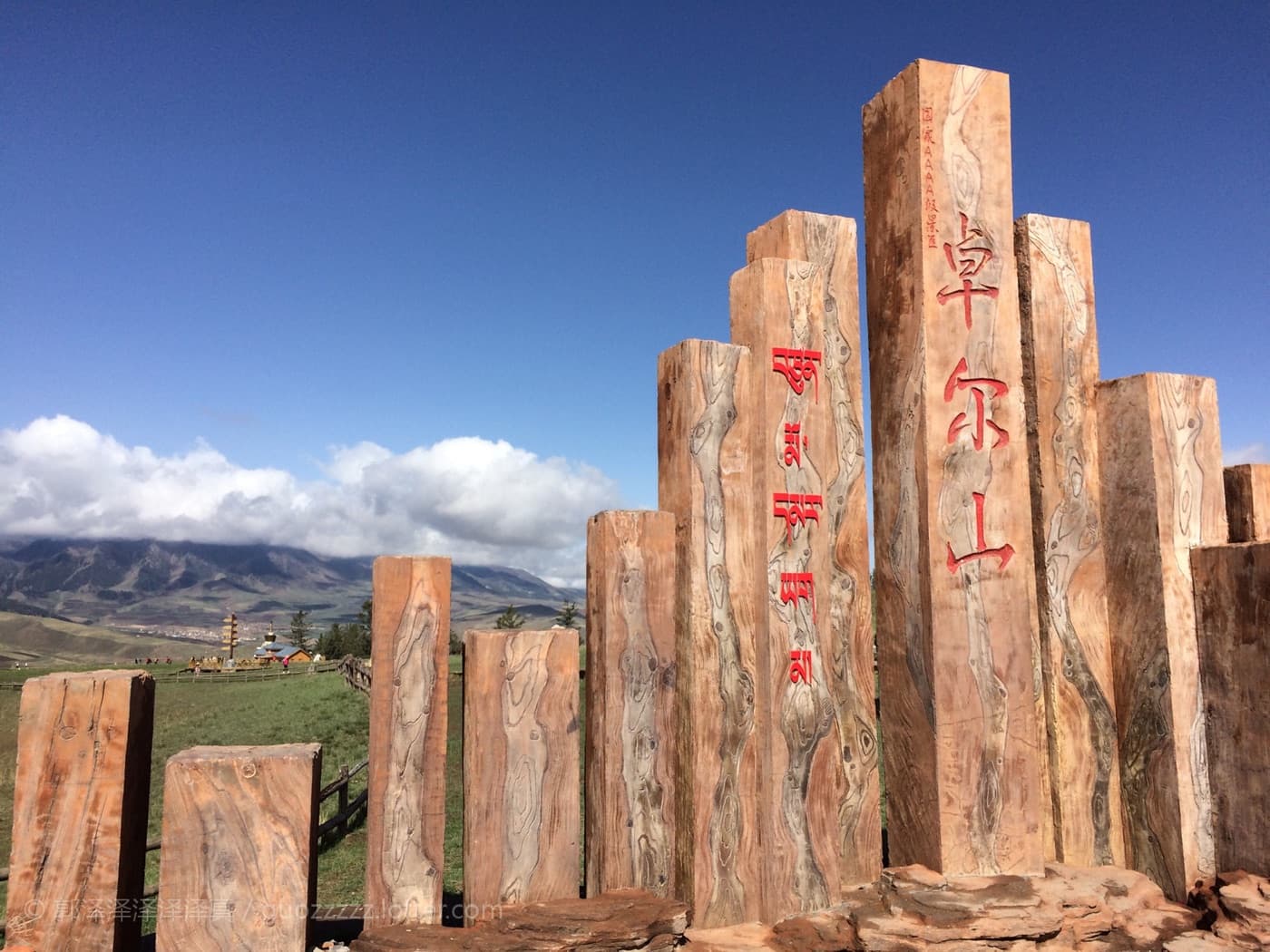
Zhuoer Mountain Scenic Area is known in Qinghai as a base for musicians collecting folk material and for photographers. Its striking Danxia landforms, winding Qilian Mountains, bright golden rapeseed fields, high forests, canyons, and grasslands form a sweeping, colorful panorama.
¥80 (includes scenic shuttle bus) · 3–5 hours
Zanpu Linka
The only royal monastery on the Qinghai-Tibet Plateau that brings together all eight major schools of Tibetan Buddhism under one roof. The main hall enshrines two jade statues, of Songtsen Gampo and Princess Wencheng. Inside the jade Buddhas are two smaller statues carved from Hotan jade, exquisitely crafted, lifelike and truly magnificent.
¥40 · 2 hours