Yangu Huaxiang Trail
The Yangu Huaxiang Trail (Rock Bones and Fragrant Flowers Trail) has several especially beautiful sights. Wuyi Mountain's finest tea-growing areas lie along this route and its surroundings,…
Yangu Huaxiang Trail, Wuyi Mountain
Key facts
- Admission
- Included in the Wuyishan main scenic area ticket
- Opening hours
- 07:00-17:00 (11.1-2.28 of the following year); 06:30-18:00 (3.1-10.31)
- Time needed
- 3-5 hours
- Getting there
- The starting point is the Dahongpao Scenic Area entrance; you can take the sightseeing bus from the scenic area's south entrance to Dahongpao Station to begin the hike; the end point is Water Curtain Cave
- Guidebook rating
- 4 / 5
From China Self Guided Travel 2025, page 1587. Open in Google Maps
About Yangu Huaxiang Trail
The Yangu Huaxiang Trail (Rock Bones and Fragrant Flowers Trail) has several especially beautiful sights. Wuyi Mountain's finest tea-growing areas lie along this route and its surroundings, and locals also call it “the most expensive and most romantic road.”
Tips from the guidebook
- Many consider this the most worthwhile stretch of trail in Wuyi Mountain, with scenery that feels like a fairyland. If you are not in a hurry and your fitness allows, it is strongly recommended. The full route is about 6 km and takes 2–3 hours on foot.
Frequently asked questions
How much does Yangu Huaxiang Trail cost?
Admission to Yangu Huaxiang Trail is Included in the Wuyishan main scenic area ticket, as listed in the 2025 guidebook. Prices can change; check the official channel before you go.
What are the opening hours of Yangu Huaxiang Trail?
Yangu Huaxiang Trail is open 07:00-17:00 (11.1-2.28 of the following year); 06:30-18:00 (3.1-10.31).
How do I get to Yangu Huaxiang Trail?
The starting point is the Dahongpao Scenic Area entrance; you can take the sightseeing bus from the scenic area's south entrance to Dahongpao Station to begin the hike; the end point is Water Curtain Cave
How long should I spend at Yangu Huaxiang Trail?
Plan on 3-5 hours for Yangu Huaxiang Trail.
Where is Yangu Huaxiang Trail?
Yangu Huaxiang Trail is in Wuyi Mountain, Fujian Province, in the East China of China. Northern part of Wuyishan Scenic Area, Wuyishan City, Nanping, Fujian Province
More places in Wuyi Mountain
East China's No. 1 Rafting Route
This is the Tongmu Stream inflatable raft ride, with four or five sections of extremely steep drops and thrills throughout. You must hold on to the raft the entire way, making it a must-visit for adventure lovers.
¥100, about 90 minutes of rafting · 1.5-2.5 hours
Chengcun Village
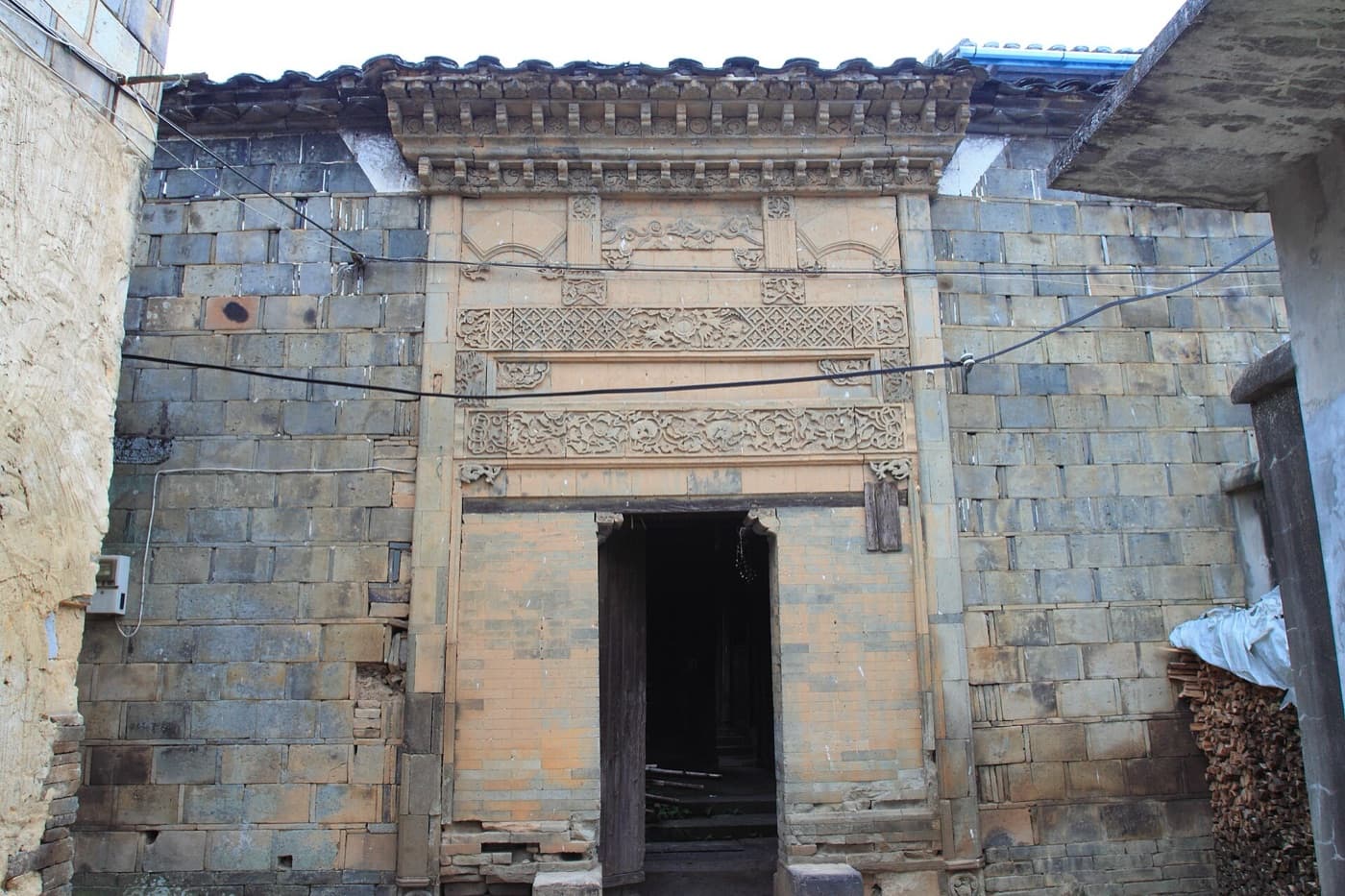
Chengcun Village is simple and quiet, with a rich cultural charm. According to the Zhao Clan Genealogy kept in the village, the Zhao family descends from Zhao Yuanzuo, the eldest son of Song Emperor Taizong, Zhao Guangyi. Many ancestral halls survive in the village, the most striking architecturally being the magnificent Centenary Arch (Baisui Fang) and the ancestral halls of the three clans. At the southwest village entrance stands the Guyue Gatehouse, facing south, its brick walls weathered by centuries of wind and rain. The Jujing Tower (聚景楼) in the village center is a feng shui structure; climbing it gives sweeping views of the surroundings. Chengcun still preserves traditional folk weddings, whose joyful festive scenes leave a lasting impression.
Free · 1 day
Heping Ancient Town
Heping Ancient Town, located in Shaowu City, Nanping, was originally named Heping (禾坪, “rice threshing ground”) because the area produced abundant rice and was flat. Its establishment dates back to the Tang dynasty, and it is one of the oldest ancient towns in Fujian Province. Nearly 200 historic residences remain intact in the town, making it one of the largest and best-preserved ancient towns in China. Heping is hailed as the bridge through which Central Plains culture entered Fujian. Relics still in the town include the Jukui Pagoda, whose inscribed plaque was written by Yuan Chonghuan, and plaques inscribed by Republican-era presidents. Heping is also a representative example of the historical and cultural heritage of South Wuyi, renowned for its thriving education and flourishing literary culture. From the Song to the Qing dynasties, the town produced more than 100 jinshi (top-level imperial exam graduates), and countless xiucai and juren scholars. The most distinguished was Huang Qiao, Vice Minister of Works under the Later Tang, who founded Heping Academy. Heping Academy was the earliest academy in northern Fujian's history, and the Song Neo-Confucian scholar Zhu Xi once lectured here. Heping rice wine, Heping Guanxing tea, Heping tofu, Heping rice noodles and Heping baoci (glutinous rice cakes) are famed for their pure, natural flavours and remain traditional specialties of Shaowu today.
¥40 · 3–5 hours
Yixiantian (Thread of Sky)
A huge boulder leans over three adjoining caves. Inside them, you can look up through a crack and see a single thread of daylight. Besides its unique scenery, the site is home to some rare plants and animals and holds cultural relics.
Included in the Wuyishan main scenic area ticket · 1 hour
Huxiao Rock
Tiger Roar Rock rises steeply into the sky, with springs and boulders, and is one of the few truly outstanding scenic spots in Wuyi Mountain.
Included in the Wuyishan main scenic area ticket · 2–3 hours
Wufu Ancient Town
Wufu Town lies in the southeastern part of Wuyishan City. Originally named Wufuli, it was established in the mid-Jin dynasty, more than 1,700 years ago. Set amid towering mountains and ridges, it has ten li of lotus ponds, earning it the nickname “Land of Lotus.” Wufu has produced many famous figures through the ages and is the hometown of the Song lyricist Liu Yong, the “Three Talents of the Liu Family,” the “Five Worthies of the Hu Family,” and Zhu Xi. The place that best showcases the achievements of Zhu Xi and his ancestors is Xingxian Old Street. Notable buildings on the street include Xingxian Academy, the Zhuzi Community Granary, Zhuzi Lane and the Five Worthies Well. Xingxian Academy was founded around the reign of Emperor Xiaozong of the Southern Song and is where Zhu Xi once lectured and taught his disciples. Its gateway tower rises high, and its exquisite construction features brick carvings of flowers, birds and figures on the doorway. The form is imposing and solemn, making it a spectacular sight.
3–5 hours