Xuanwu Lake
Xuanwu Lake, formerly known as Sangbo, is China's largest imperial garden lake and one of the Three Famous Lakes of Jiangnan.…
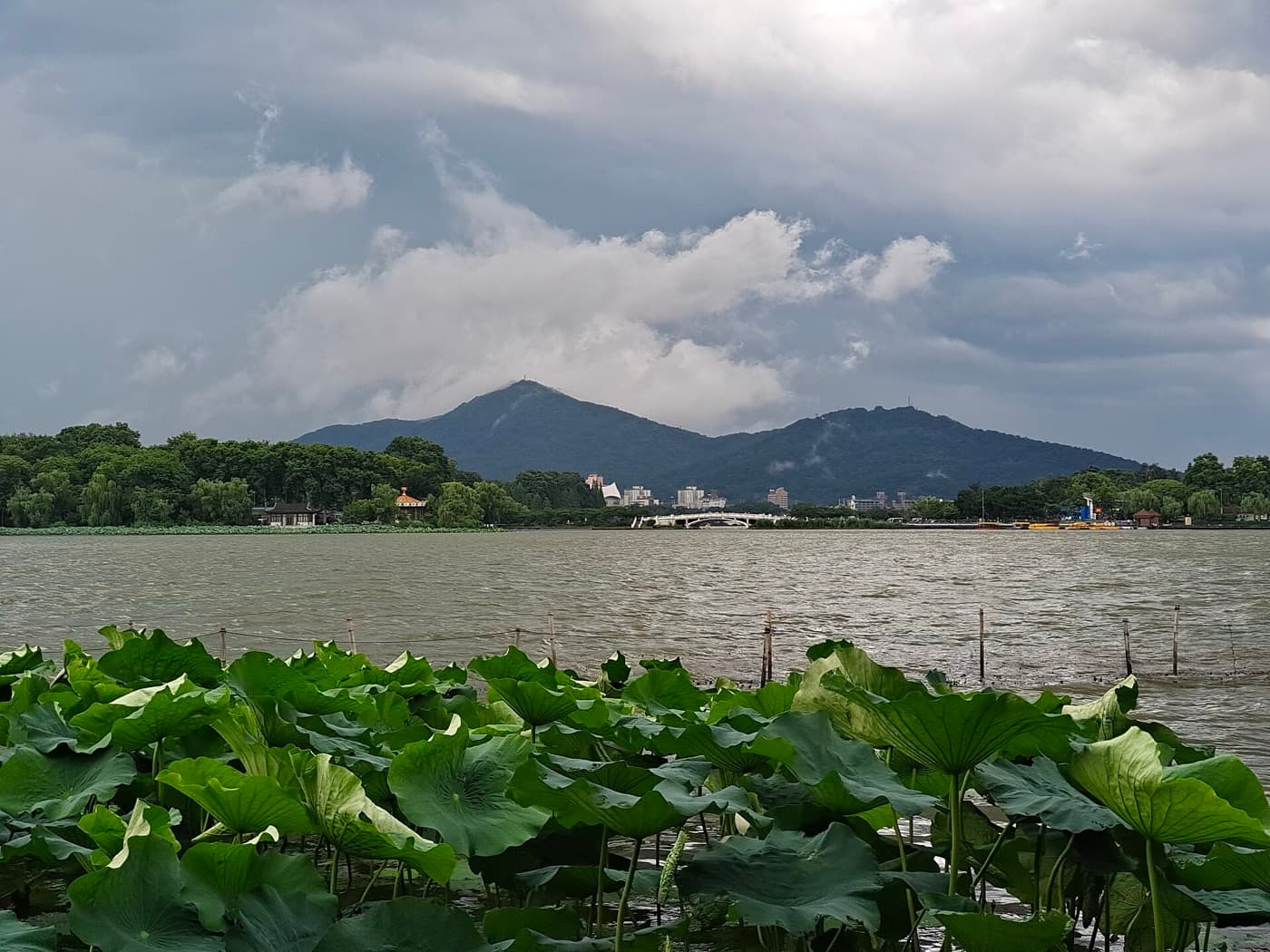
Xuanwu Lake, Nanjing · CL4-LCLC · CC BY-SA 4.0 · Wikimedia Commons
Key facts
- Getting there
- Near Xuanwu Lake Park (玄武湖公园) bus stop, Xuanwumen (玄武门) metro station
- Phone
- 025-83614286
- Guidebook rating
- 3 / 5
From China Self Guided Travel 2025, page 1010. Open in Google Maps
About Xuanwu Lake
Xuanwu Lake, formerly known as Sangbo, is China's largest imperial garden lake and one of the Three Famous Lakes of Jiangnan. Celebrated as the “Pearl of Jinling,” it has a history of more than 1,500 years. Five green islets lie within it: Huanzhou, Yingzhou, Lingzhou, Liangzhou and Cuizhou. The majestic Ming City Wall, the graceful Jiuhua Hill and the simple Jiming Temple embrace it on its right side. In summer and autumn, the lake is covered with lotus blossoms whose fragrance fills the air, making it enchanting to behold.
Tips from the guidebook
- 1. Best season: Summer and autumn are the ideal times to visit Xuanwu Lake, when the lotus flowers are in bloom and the lake is filled with fragrance and beautiful scenery.
- 2. Boat rental: Boats can be rented for a trip on the lake. Pedal boats cost ¥40 per hour, electric boats cost ¥60 per hour, and luxury painted boats cost ¥50 per person (each fits about 20 people).
Frequently asked questions
How do I get to Xuanwu Lake?
Near Xuanwu Lake Park (玄武湖公园) bus stop, Xuanwumen (玄武门) metro station
Where is Xuanwu Lake?
Xuanwu Lake is in Nanjing, Jiangsu Province, in the East China of China.
More places in Nanjing

Zhongshan National Scenic Area (Purple Mountain)
Sun Yat-sen Mausoleum (Plaza of Universal Love, Tomb Road, Mausoleum Gate, Stele Pavilion, Memorial Hall, Tomb Chamber): free; Ming Xiaoling Mausoleum: ¥70; Music Terrace: ¥10; Linggu Scenic Area (including Linggu Temple): ¥35; Meiling Palace: ¥30; combined ticket for the entire scenic area: ¥100

Qinhuai River
Qinhuai River → Confucius Temple → Dacheng Hall → Mingde Hall → Zunjing Pavilion → Jiangnan Imperial Examination Hall → Wuyi Lane → Former Residences of the Wang and Xie Families → Former Residence of Wu Jingzi → Taoye Ferry → Chaotian Palace → Zhonghua Gate. The five-kilometer-long Qinhuai River scenic belt, centered on Confucius Temple, is both Nanjing’s largest entertainment hub and a hugely popular sightseeing area. “Ten Li Qinhuai” refers to the prosperity of the Qinhuai River area in the past, when merchants gathered and culture flourished. Successive dynasties described it as “a district of wind, flowers, and moonlight, a gathering place of gold dust and elegance.” After renovation, the Qinhuai River still has painted boats, waterside pavilions, green windows, and vermilion doors, but the addition of many modern lighting technologies makes it somewhat noisy, and it retains little of the leisurely charm of earlier times.
Yuejiang Tower Scenic Area
One of China’s Top Ten Cultural Pavilions and one of the Four Great Towers of the Jiangnan region, Yuejiang Tower is a national AAAA-level tourist attraction and one of the New Forty-Eight Scenes of Jinling. It is known as “the number one tower in Jiangnan.”
¥40 · 1–3 hours
Niushou Mountain Cultural Tourism Zone
Also known as Tianque Mountain, Niushou Mountain takes its name from the twin peaks on its summit, which resemble the two horns of a bull’s head. It is one of the Four Great Scenic Spots of Jinling and is known as “the Spring Niushou.” Ancient Jinling scenes include the Niushou Mist and the Zutang Bell-Ringing. The mountain also preserves many historic sites, such as Yue Fei’s Anti-Jin Fortress and the Zheng He Cultural Park.
¥88 · 4–6 hours
Memorial Hall of the Victims in the Nanjing Massacre by Japanese Invaders
This is a history that must never be forgotten. Through historical facts and artistic works, it records the suffering of a nation. The screening hall shows the historical documentary “The Japanese Invaders' Nanjing Massacre” (侵华日军南京大屠杀).
Free
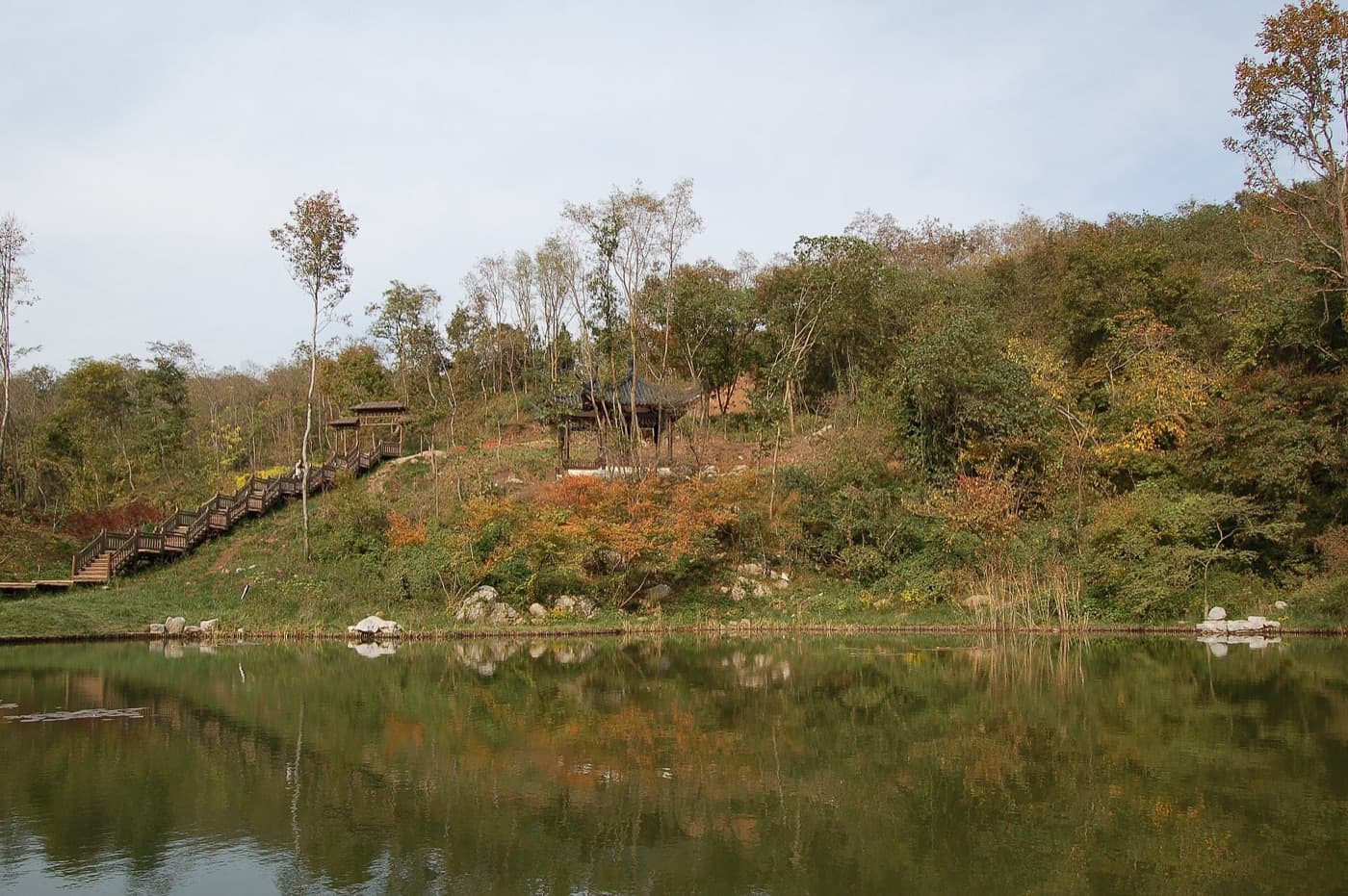
Qixia Mountain
Known as “the most beautiful mountain in Jinling,” Qixia Mountain is a national AAAA-level tourist attraction and one of China’s four top destinations for autumn foliage. In deep autumn, the mountain turns red all over, like the evening glow settling on the hills, a truly spectacular sight.
¥80 · 2–4 hours