Jinci Temple
Jinci Temple was first built during the Northern Wei dynasty and was once the ancestral shrine of Ji Yu, the founding ruler of the State of Jin. After many rounds of construction and expansion,…

Jinci Temple, Taiyuan · AI illustration for China Trip
Key facts
- Admission
- ¥80
- Opening hours
- 8:30—18:00
- Time needed
- 2–4 hours
- Getting there
- Near Jinci Park (bus stop)
- Guidebook rating
- 5 / 5
From China Self Guided Travel 2025, page 1789. Open in Google Maps
About Jinci Temple
Jinci Temple was first built during the Northern Wei dynasty and was once the ancestral shrine of Ji Yu, the founding ruler of the State of Jin. After many rounds of construction and expansion, it has become a scenic site where natural landscape and historical relics intertwine. Half-hidden among lush trees, clear spring water winds through its shrines and halls, drawing constant praise from visitors.
There are three must-see highlights, known as the “Three Wonders of Jinci.” The first is the Ancient Cypresses of Zhou and the Tang Locust, planted during the Northern Zhou dynasty. More than 900 years ago, Ouyang Xiu praised them in verse: “The land's spirit nourishes the grasses and trees, and the ancient cypresses breathe a hazy green.” They still stand tall and vigorous today. The second is the Song-dynasty painted sculptures inside the Holy Mother Hall. The Holy Mother Hall is the main building of Jinci Temple, magnificent and grand, and it houses 43 painted clay sculptures. Their postures are natural and their craftsmanship is exquisite, making them masterpieces in the history of Chinese sculpture. The third is Nanlao Spring, the main source of the Jin River, which flows ceaselessly day and night. Also within Jinci is the stele bearing the “Inscription of Jinci Temple,” personally composed by Emperor Taizong of the Tang dynasty, Li Shimin. It is a particularly precious famous stele.
Tips from the guidebook
- How to Visit Jinci and the Best Seasons
- 1. You can tour Jinci in three sections: the central, northern and southern parts. The central axis runs from the Jinci gate to the Holy Mother Hall and forms the core of the temple. The northern section, from the Wenchang Palace to the Lüzu Pavilion, features undulating groups of buildings with high artistic value. The southern section, from the Shengying Tower to the Gongshuzi Shrine, has the charm of a Jiangnan garden.
- 2. Jinci preserves many precious relics and many beautiful legends. If you are interested, buy a booklet at the entrance to read as you wander the grounds, or hire a guide for an explanation.
- 3. Spring, summer and autumn offer the finest scenery; winter is somewhat less impressive.
Frequently asked questions
How much does Jinci Temple cost?
Admission to Jinci Temple is ¥80, as listed in the 2025 guidebook. Prices can change; check the official channel before you go.
What are the opening hours of Jinci Temple?
Jinci Temple is open 8:30—18:00.
How do I get to Jinci Temple?
Near Jinci Park (bus stop)
How long should I spend at Jinci Temple?
Plan on 2–4 hours for Jinci Temple.
Where is Jinci Temple?
Jinci Temple is in Taiyuan, Shanxi Province, in the North China of China. At the foot of Xuanweng Mountain, about 25 km southwest of central Taiyuan
More places in Taiyuan
Fenhe River Scenic Area
The Fen River is the second-largest tributary of the Yellow River and the largest river in Shanxi. Along its east and west banks are 14 distinctive scenic spots, including “Echoes of Jin and Fen,” “Five Rings Aglow,” “Evening Crossing on the Fen River” and “Seven Pavilions.” At night, more than 8,000 lanterns spread across the scenic areas lend the river a hazy, profound charm. The Fenhe River Scenic Area is a prime destination for leisure travel.
1–3 hours
Tianlongshan Grottoes
Located on the mountainside of Tianlong Mountain, 40 km southwest of Taiyuan, the grottoes were first carved during the Eastern Wei dynasty and contain 24 caves in total. The finest of them is the Tang-dynasty grotto in Cave 9, Manshan Pavilion, which houses a well-preserved seated statue of Maitreya Buddha, a supreme example of ancient sculptural art. A road near the Tianlongshan scenic area passes four bridges and one tunnel along the way. The so-called “Internet-famous Bridge” is the highest of them, a three-tier elevated bridge.
¥50 · 2–3 hours
Shuangta Temple
A landmark of Taiyuan, first built during the Wanli era of the Ming dynasty. Shuangta Temple, also known as Yongzuo Temple, where “zuo” means blessing and protection. The Great Hall and the east and west side halls are built with blue-brick carvings imitating wooden structures. The twin pagodas, Xuanwen Pagoda and Wenfeng Pagoda, each with 13 stories, have an octagonal structure and stand about 54.7 metres tall. Their eaves are decorated with glazed ridge beasts, making a dazzling and spectacular sight.
Peak season ¥30; off-season ¥20 · 1–2 hours
Mengshan Giant Buddha
Mengshan Giant Buddha is located about 20 km southwest of Taiyuan. With a history of nearly 1,500 years, it is the earliest stone-carved Buddha statue in the world. The statue stands more than 60 metres tall, about 10 metres taller than the Bamiyan Buddhas in Afghanistan, once regarded as the “largest Buddha in the world,” and it is over 100 years older. Three legendary episodes make the Giant Buddha especially compelling. First, Empress Wu Zetian once ordered a huge kasaya robe made for the statue, decorated with gold, silver and jewels that lit up the cliffs and illuminated the mountains and rivers. Second, after Emperor Gaozu of the Tang dynasty, Li Yuan, paid respects to the Giant Buddha one day, he dreamed that night of Buddha light shining everywhere, which strengthened his resolve to raise an army and ultimately achieve his great cause. Third, the Mengshan Giant Buddha vanished from history for several centuries. At the end of the Yuan dynasty, the Buddha, which had flourished for more than 800 years, disappeared amid the wars. During a place-name survey in the 1980s, people discovered that a spot called Dadu Cliff, in Sidi Village, was the body of the Western Mountain Giant Buddha. After protective development and restoration, this Buddha, which had been lost for more than 600 years, once again appeared before the world.
¥35 · 2–4 hours
Jinyang Lake Park
Jinyang Lake is equivalent to 17 Yingze Parks and is larger than West Lake. It is the largest water park in North China, covering nearly 17,000 mu in total, and is nicknamed the “Little Sanya.” Walking on fine sand, looking out over Jinyang Lake and feeling the gentle, refreshing breeze, you can stroll along the beach and enjoy a sensation much like being in Sanya.
1–2 hours
Ningwu
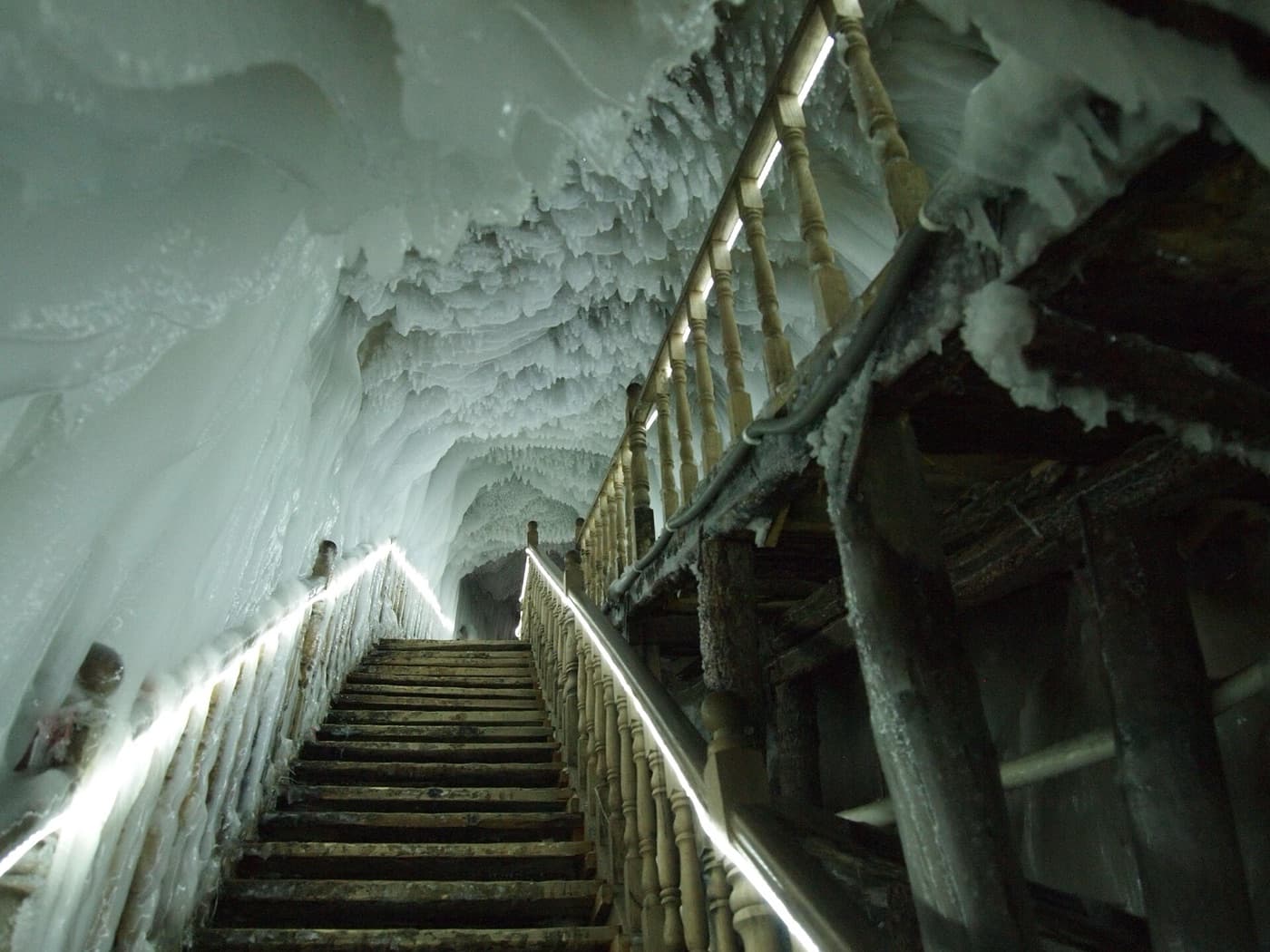
A little-known destination tucked into the mountains of northern Shanxi, Ningwu combines forests, grasslands, a heavenly lake, deserts, glaciers, cave temples, hanging coffins, the Hanging Temple and a thousand-year-old town. Almost every kind of scenery can be found here in concentrated form. Ningwu’s most distinctive attractions include Wannian Ice Cave, the Hanging Temple, Lovers’ Valley, the Cliffside Plank Road, Luya Mountain, Maluan Grassland and Ningwu Heavenly Lake.