Fuling Tomb of the Qing Dynasty (Eastern Mausoleum)
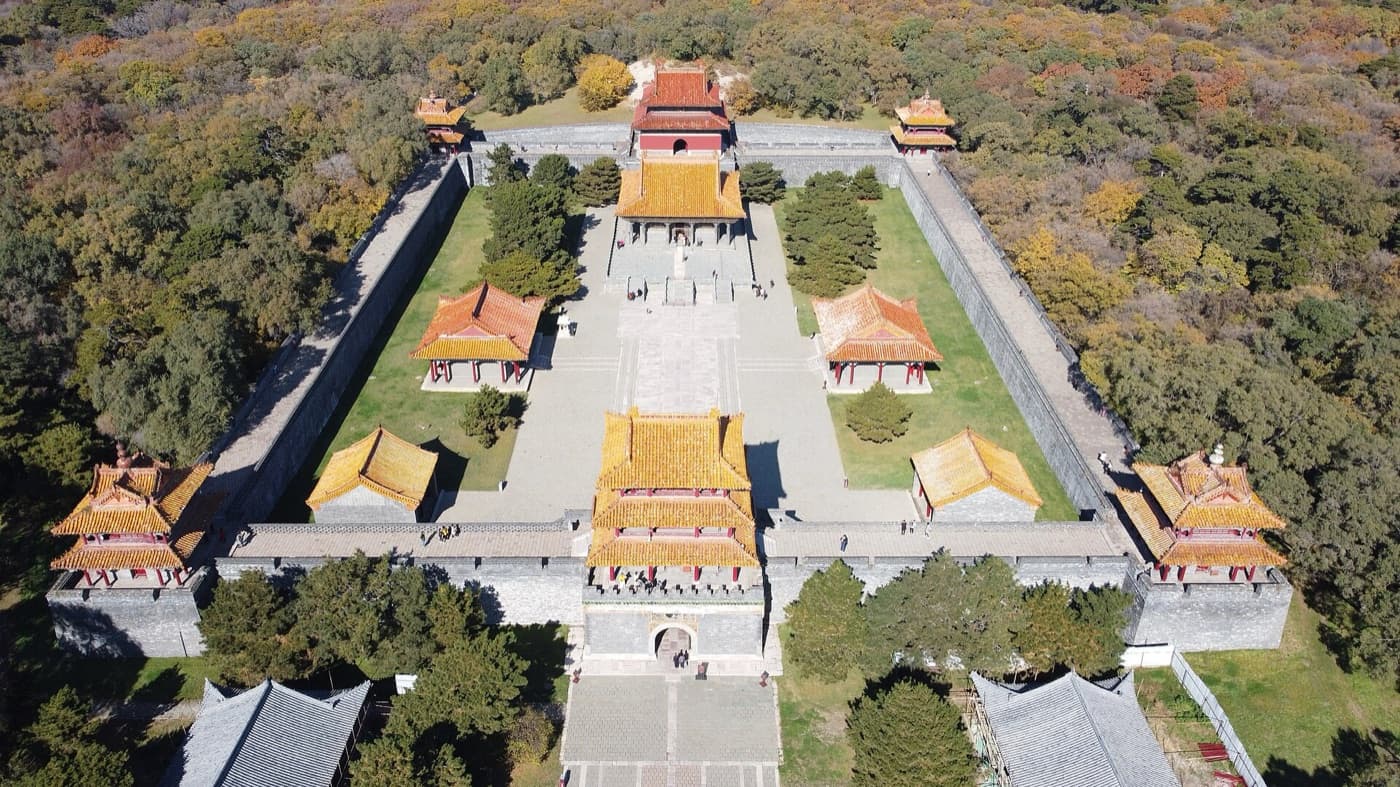
Fuling is the tomb of Qing Emperor Taizu Nurhaci and Empress Xiaoci Gao of the Yehe Nara clan. Because it lies on Shenyang's eastern outskirts, it is also known as the Eastern Mausoleum (东陵).…
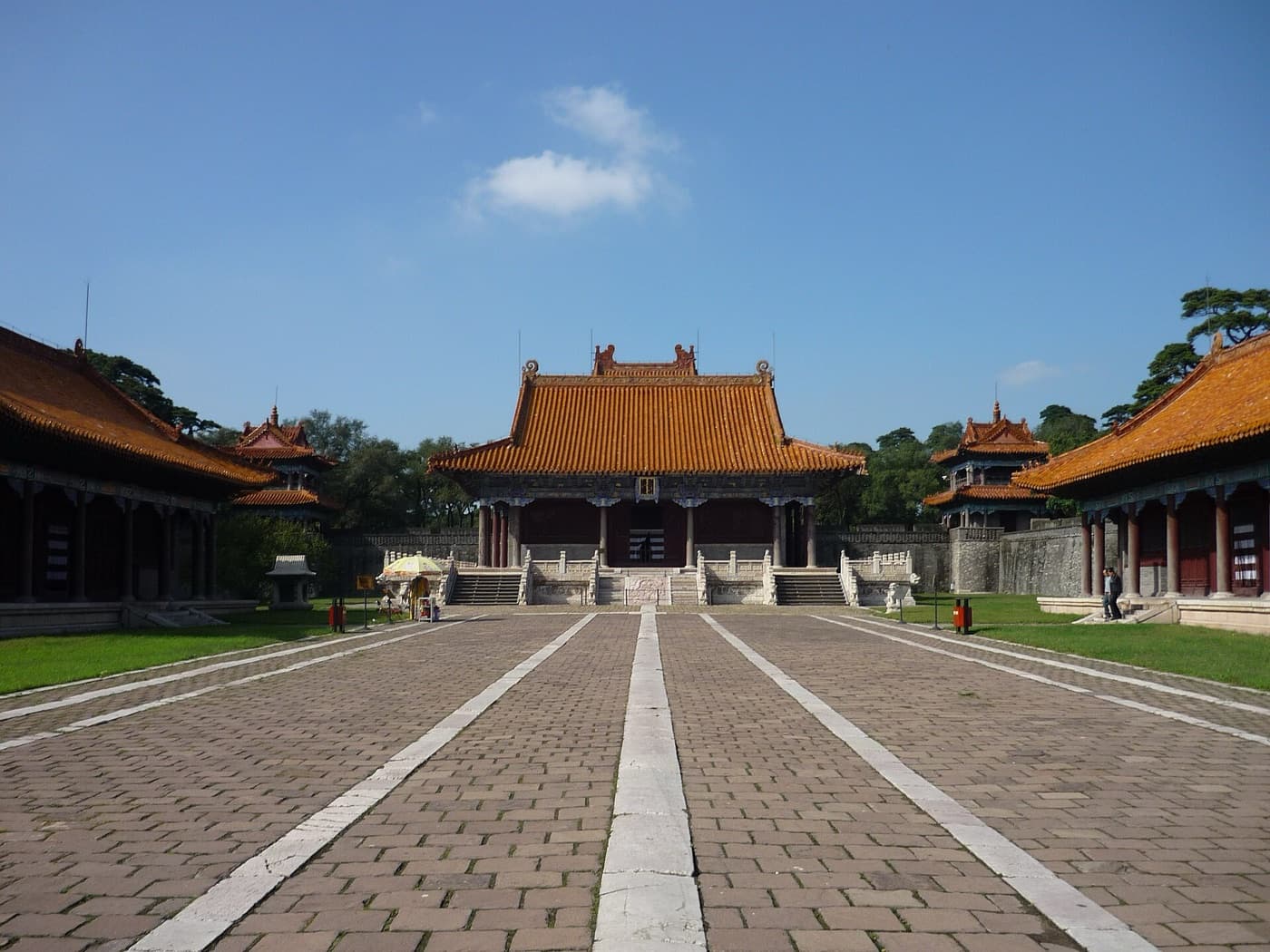
Fuling Tomb of the Qing Dynasty (Eastern Mausoleum), Shenyang · Suikotei · CC BY-SA 4.0 · Wikimedia Commons
Key facts
- Admission
- ¥30
- Opening hours
- 8:00–17:00 (April 1 – October 31); 8:30–16:30 (November 1 – March 31)
- Time needed
- 2–4 hours
- Getting there
- Near Dongling Park (bus stop)
- Guidebook rating
- 3 / 5
From China Self Guided Travel 2025, page 2244. Open in Google Maps
About Fuling Tomb of the Qing Dynasty (Eastern Mausoleum)
Fuling is the tomb of Qing Emperor Taizu Nurhaci and Empress Xiaoci Gao of the Yehe Nara clan. Because it lies on Shenyang's eastern outskirts, it is also known as the Eastern Mausoleum (东陵).
The '108 steps' (一百零八磴), built into the natural terrain, symbolize the 36 Heavenly Generals and 72 Earthly Fiends and are a defining feature of Fuling.
Tips from the guidebook
- 1. Visiting time: The sights are compact, and you can see everything in about an hour.
- 2. Stele: Inside the Eastern Mausoleum is a stone stele inscribed in both Manchu and Chinese. Legend says that if you toss a coin and it sticks to the stele, you will be blessed with good fortune, a symbol of lasting prosperity.
- 3. Understanding history: Shenyang Imperial Palace, the Eastern Mausoleum, the Northern Mausoleum and the Zhang Family Marshal's Residence are all historical sites. Researching Qing and Republican history before your visit will make the trip even more rewarding.
Frequently asked questions
How much does Fuling Tomb of the Qing Dynasty (Eastern Mausoleum) cost?
Admission to Fuling Tomb of the Qing Dynasty (Eastern Mausoleum) is ¥30, as listed in the 2025 guidebook. Prices can change; check the official channel before you go.
What are the opening hours of Fuling Tomb of the Qing Dynasty (Eastern Mausoleum)?
Fuling Tomb of the Qing Dynasty (Eastern Mausoleum) is open 8:00–17:00 (April 1 – October 31); 8:30–16:30 (November 1 – March 31).
How do I get to Fuling Tomb of the Qing Dynasty (Eastern Mausoleum)?
Near Dongling Park (bus stop)
How long should I spend at Fuling Tomb of the Qing Dynasty (Eastern Mausoleum)?
Plan on 2–4 hours for Fuling Tomb of the Qing Dynasty (Eastern Mausoleum).
Where is Fuling Tomb of the Qing Dynasty (Eastern Mausoleum)?
Fuling Tomb of the Qing Dynasty (Eastern Mausoleum) is in Shenyang, Liaoning Province, in the Northeast of China.
More places in Shenyang

Shenyang Imperial Palace Museum
The palace complex built and used by Qing emperors Nurhaci and Hong Taiji. Its architecture has distinct Manchu characteristics, and among the palace complexes that survive in China, its historical and artistic value is second only to Beijing's Forbidden City. The layout reflects the Eight Banners system and is unique to Shenyang Palace. The Wenshu Pavilion, built to store the Siku Quanshu (Complete Library of the Four Treasuries), is also here. After seeing the Forbidden City's grandeur and sense of space, you may find Shenyang Palace underwhelming. It is hemmed in by the city's buildings and is far smaller in scale. But this is how the palace looked before the Qing entered the Central Plains, and it would be unfair to measure it against the Forbidden City in terms of atmosphere.
¥50 · 2–4 hours
Zhang Xueliang Former Residence Museum
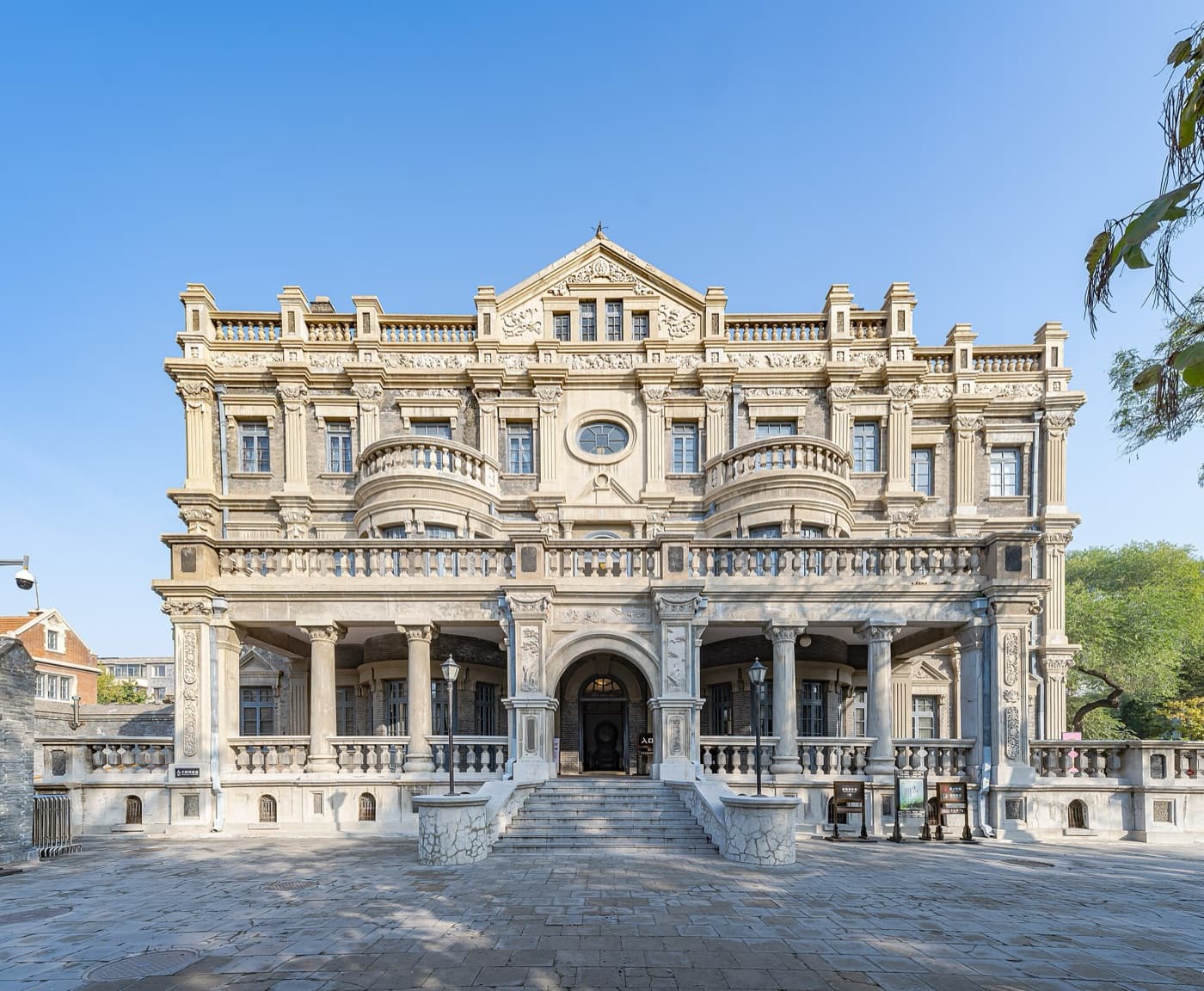
South of Shenyang Imperial Palace stand the residences of Zhang Zuolin and Zhang Xueliang. This compound witnessed many turning points in history. Zhang Zuolin rose to power here as the Northeast Warlord. After the Huanggutun Incident, he was mortally wounded and died in the Marshal's Residence. Zhang Xueliang announced the 'Northeast Flag Change' here. As the saying goes, touring one Marshal's Residence reveals half the history of the Republic of China. The architecture is exquisite: the Great Green Building is grand and majestic, the Small Green Building is simple and approachable, and Miss Zhao Si's Building carries a faint Western charm. Those familiar with history will appreciate the distinctive character of each building even more.
¥18
Benxi Water Cave Scenic Area
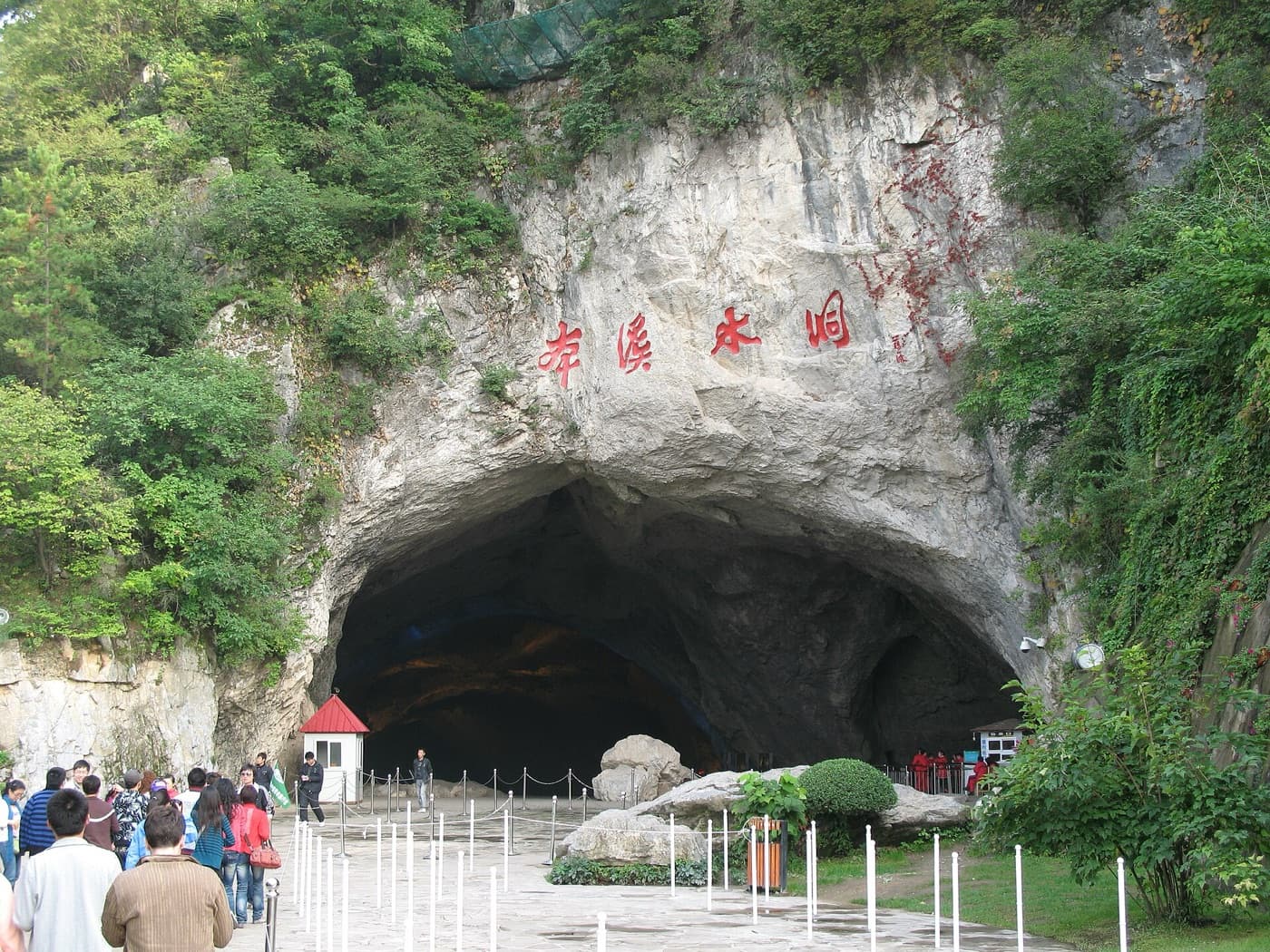
Centred on the Benxi Water Cave, the area combines mountains, water, caves, springs, lakes and an ancient human heritage site. The Water Cave is a large limestone karst cave flooded with water, formed several million years ago. Its developed route covers nearly 3,000 metres, making it the longest flooded cave discovered in the world.
¥110 (Water Cave + Dry Cave)
Qianshan Scenic Area
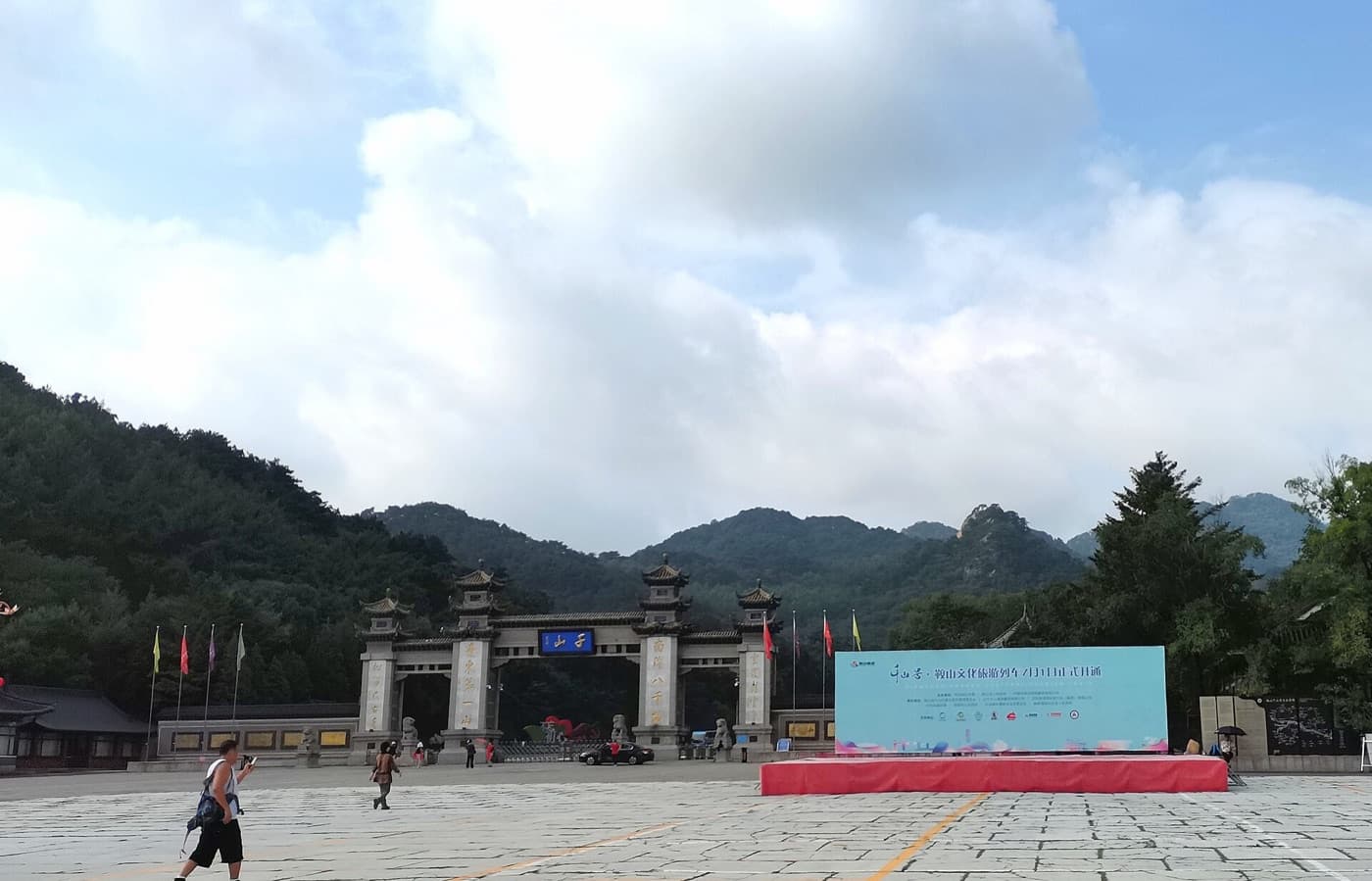
Qianshan is a branch of the Changbai Mountains, and its name comes from its 999 peaks. Its Maitreya Buddha carving is comparable to the Leshan Giant Buddha. Xianrentai, the first peak of Qianshan, is named after a legend in which immortals flew in on cranes to play chess on its summit. Wuliang Temple is the largest and most exquisite of the temples in Qianshan. The newly opened Qianshan Cable Car runs directly to the Xiao Huangshan scenic area, making travel much easier for visitors.
Main gate ticket: ¥80. Electric sightseeing bus within the scenic area: ¥10 one way. Cable cars: Tianshang Tian cable car ¥20 one way, Great Buddha cable car ¥20 one way, Wufoding cable car ¥30 return · 0.5–1 day
Beiling Park (Zhaoling Mausoleum)
Shenyang's largest park. In its central section is the tomb of Hong Taiji, the second Qing emperor, and Empress Xiaoduan Wen. A giant statue of Hong Taiji stands in the square, its expression remarkably lifelike. Climb the Minglou Tower for views of the imperial garden landscape. The mausoleum's layout follows the principle of 'court in front, chambers behind'. It is arranged from south to north in three parts, front, middle and back, with the main buildings all on the central axis and symmetrically arranged on either side.
¥5 · 1–3 hours
Taiqing Palace
Taiqing Palace was first built in 1663 and is a Quanzhen Taoist temple in Northeast China. The complex faces south. The front courtyard contains the Lingguan Hall, flanked by the Shifang Hall and the Yunshui Hall. The Guandi Hall stands on the north axis and houses a statue of Guan Yu. The Yuhuang Pavilion enshrines the highest deity of Taoism, the Jade Emperor.
¥2 (excludes incense and fortune-stick fees) · 1–2 hours