Benxi Water Cave Scenic Area
Centred on the Benxi Water Cave, the area combines mountains, water, caves, springs, lakes and an ancient human heritage site. The Water Cave is a large limestone karst cave flooded with water,…
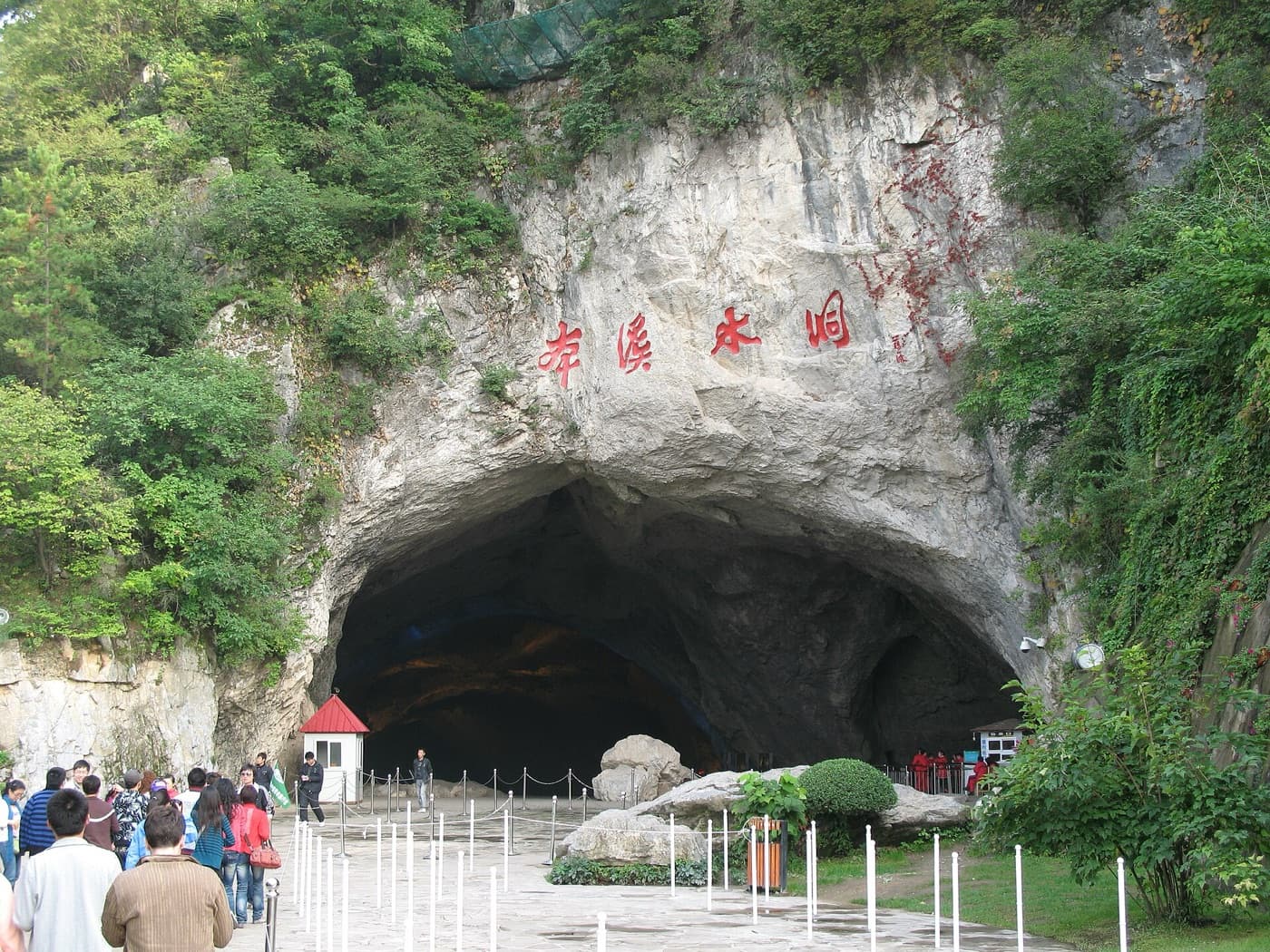
Benxi Water Cave Scenic Area, Shenyang · Drew Lietzow - User: (WT-shared) Zepppep at wts wikivoyage · Public domain · Wikimedia Commons
Key facts
- Admission
- ¥110 (Water Cave + Dry Cave)
- Getting there
- Take a train or bus from Shenyang to Benxi City. From Benxi Railway Station, a dedicated shuttle runs to the scenic area about every 10 minutes; the fare is ¥15. 3–4 hours
- Guidebook rating
- 4 / 5
From China Self Guided Travel 2025, page 2252. Open in Google Maps
About Benxi Water Cave Scenic Area
Centred on the Benxi Water Cave, the area combines mountains, water, caves, springs, lakes and an ancient human heritage site. The Water Cave is a large limestone karst cave flooded with water, formed several million years ago. Its developed route covers nearly 3,000 metres, making it the longest flooded cave discovered in the world.
Tips from the guidebook
- 1. Boat tour of the cave: The main hall at the front of the cave has a water surface of over 1,000 square metres, with a pier that can moor up to 80 tour boats at once. Take a boat to explore the Water Cave.
- 2. Paleontology Museum: The 300-metre-long Dry Cave has been developed into a large paleontology museum.
Frequently asked questions
How much does Benxi Water Cave Scenic Area cost?
Admission to Benxi Water Cave Scenic Area is ¥110 (Water Cave + Dry Cave), as listed in the 2025 guidebook. Prices can change; check the official channel before you go.
How do I get to Benxi Water Cave Scenic Area?
Take a train or bus from Shenyang to Benxi City. From Benxi Railway Station, a dedicated shuttle runs to the scenic area about every 10 minutes; the fare is ¥15. 3–4 hours
Where is Benxi Water Cave Scenic Area?
Benxi Water Cave Scenic Area is in Shenyang, Liaoning Province, in the Northeast of China.
More places in Shenyang

Shenyang Imperial Palace Museum
The palace complex built and used by Qing emperors Nurhaci and Hong Taiji. Its architecture has distinct Manchu characteristics, and among the palace complexes that survive in China, its historical and artistic value is second only to Beijing's Forbidden City. The layout reflects the Eight Banners system and is unique to Shenyang Palace. The Wenshu Pavilion, built to store the Siku Quanshu (Complete Library of the Four Treasuries), is also here. After seeing the Forbidden City's grandeur and sense of space, you may find Shenyang Palace underwhelming. It is hemmed in by the city's buildings and is far smaller in scale. But this is how the palace looked before the Qing entered the Central Plains, and it would be unfair to measure it against the Forbidden City in terms of atmosphere.
¥50 · 2–4 hours
Qianshan Scenic Area
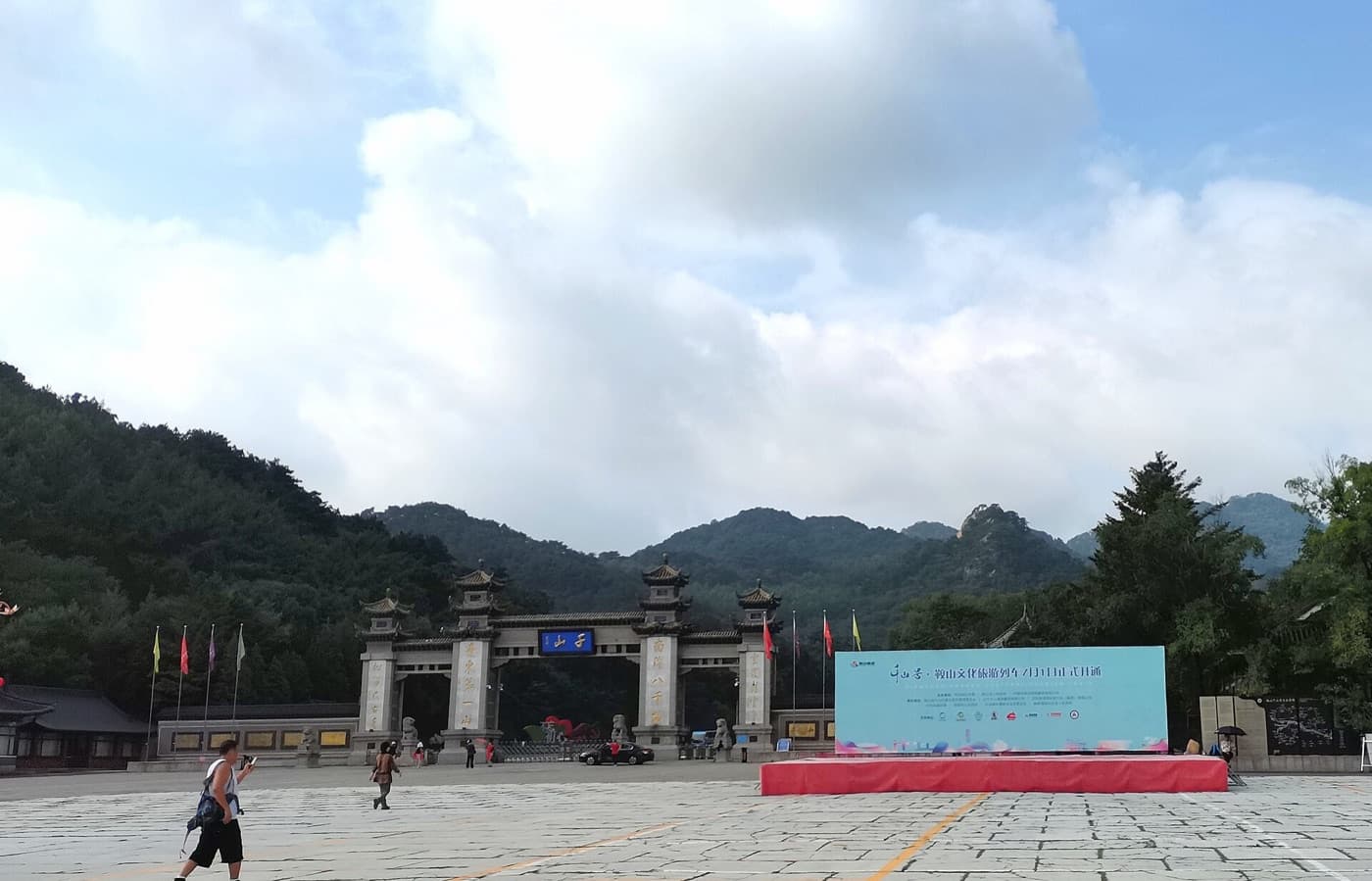
Qianshan is a branch of the Changbai Mountains, and its name comes from its 999 peaks. Its Maitreya Buddha carving is comparable to the Leshan Giant Buddha. Xianrentai, the first peak of Qianshan, is named after a legend in which immortals flew in on cranes to play chess on its summit. Wuliang Temple is the largest and most exquisite of the temples in Qianshan. The newly opened Qianshan Cable Car runs directly to the Xiao Huangshan scenic area, making travel much easier for visitors.
Main gate ticket: ¥80. Electric sightseeing bus within the scenic area: ¥10 one way. Cable cars: Tianshang Tian cable car ¥20 one way, Great Buddha cable car ¥20 one way, Wufoding cable car ¥30 return · 0.5–1 day
Zhang Xueliang Former Residence Museum
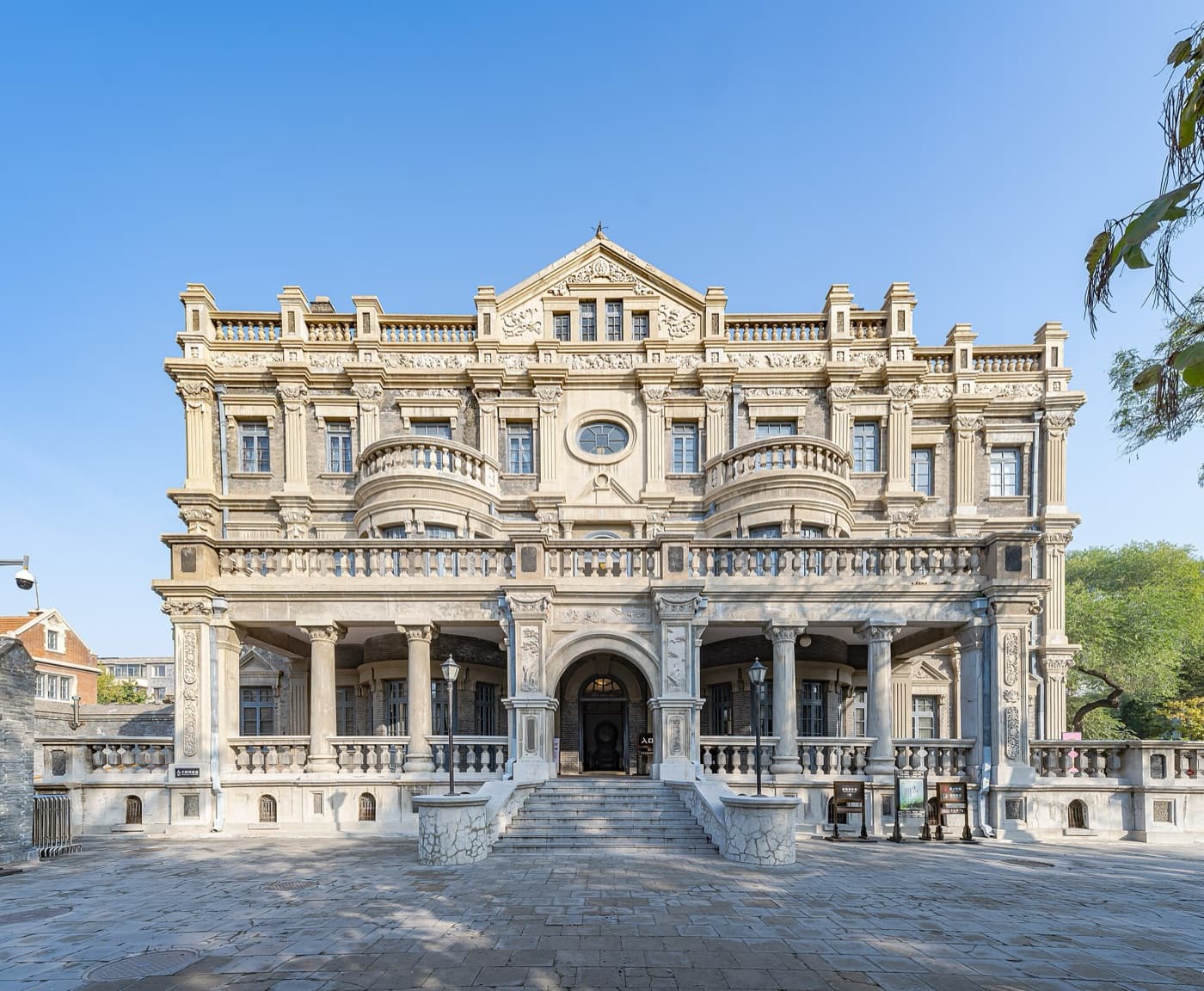
South of Shenyang Imperial Palace stand the residences of Zhang Zuolin and Zhang Xueliang. This compound witnessed many turning points in history. Zhang Zuolin rose to power here as the Northeast Warlord. After the Huanggutun Incident, he was mortally wounded and died in the Marshal's Residence. Zhang Xueliang announced the 'Northeast Flag Change' here. As the saying goes, touring one Marshal's Residence reveals half the history of the Republic of China. The architecture is exquisite: the Great Green Building is grand and majestic, the Small Green Building is simple and approachable, and Miss Zhao Si's Building carries a faint Western charm. Those familiar with history will appreciate the distinctive character of each building even more.
¥18
Wolong Lake Ecological Scenic Area
Liaoning Province's largest plain freshwater lake is scenic and pleasant in every season. In summer you can admire the blue water and sky, in spring and autumn you can watch wild geese and ducks gather, and in winter you can experience Khitan Liao Dynasty culture at the Winter Fishing Festival.
Guanmenshan Reservoir
Known as the "Little Jiangnan" and the "Huangshan of the Northeast," it has five beauties: striking peaks, clear water, delicate mists, lush trees and beautiful flowers. Its steep peaks rise sharply from the ground, and the summits are crowned with graceful pines and towering rocks, as if naturally arranged like giant bonsai.
¥90 · 1–2 days
Shenyang Guaipo Scenic Area (Strange Slope)
Guaipo (Strange Slope), together with nearby Xiangshan (Ringing Mountain) and Wengding, is known as the 'Three Mysteries'. The scenic area also features the Songlin Huaigu Valley, nicknamed 'Snow in June' (六月飞雪), and combines the strange, secluded, unique and playful. The Seven-Eye Dragon-Piercing Stele, inscribed by Emperor Qianlong, is another sight not to be missed.
¥40 · 1 day