Chaozhou Ancient City
Chaozhou Ancient City lies along the lower reaches of the Han River and is blessed with exceptional natural scenery. The city has a long history,…
Chaozhou Ancient City, Chaoshan
Key facts
- Admission
- Ticket A ¥111; Ticket B ¥128
- Opening hours
- Open all day
- Time needed
- 3–5 hours
- Getting there
- Direct buses run from every bus station in Shantou to Chaozhou Ancient City, every 15 minutes.
- Guidebook rating
- 4 / 5
From China Self Guided Travel 2025, page 2381. Open in Google Maps
About Chaozhou Ancient City
Chaozhou Ancient City lies along the lower reaches of the Han River and is blessed with exceptional natural scenery. The city has a long history, and several old buildings in its historic quarter carry the charm of the Tang and Song dynasties. Visitors should not miss the Eight Scenes of Chaozhou, which took shape in the late Ming and early Qing dynasties: Spring Floods at Xiangqiao (湘桥春涨), Oak Trees at Han Shrine (韩祠橡木), Ancient Pines at Jinshan (金山古松), Seasonal Rain at Phoenix (凤凰时雨), Pagoda at Longqiu (龙湫宝塔), Autumn Wind at Ecrossing (鳄渡秋风), Buddhist Lanterns at Beige (北阁佛灯) and Fishing Rafts on West Lake (西湖渔筏).
Frequently asked questions
How much does Chaozhou Ancient City cost?
Admission to Chaozhou Ancient City is Ticket A ¥111; Ticket B ¥128, as listed in the 2025 guidebook. Prices can change; check the official channel before you go.
What are the opening hours of Chaozhou Ancient City?
Chaozhou Ancient City is open Open all day.
How do I get to Chaozhou Ancient City?
Direct buses run from every bus station in Shantou to Chaozhou Ancient City, every 15 minutes.
How long should I spend at Chaozhou Ancient City?
Plan on 3–5 hours for Chaozhou Ancient City.
Where is Chaozhou Ancient City?
Chaozhou Ancient City is in Chaoshan, Guangdong Province, in the South China of China. 90 m southeast of No. 85 Shuiping Road, Xiangqiao District, Chaozhou
More places in Chaoshan
Kaiyuan Temple
One of the largest ancient architectural complexes in Chaozhou, Kaiyuan Temple is known as “the First Ancient Temple of Eastern Guangdong” and is one of the four surviving Kaiyuan-era temples in China.
Free · 1–2 hours
Guangji Bridge
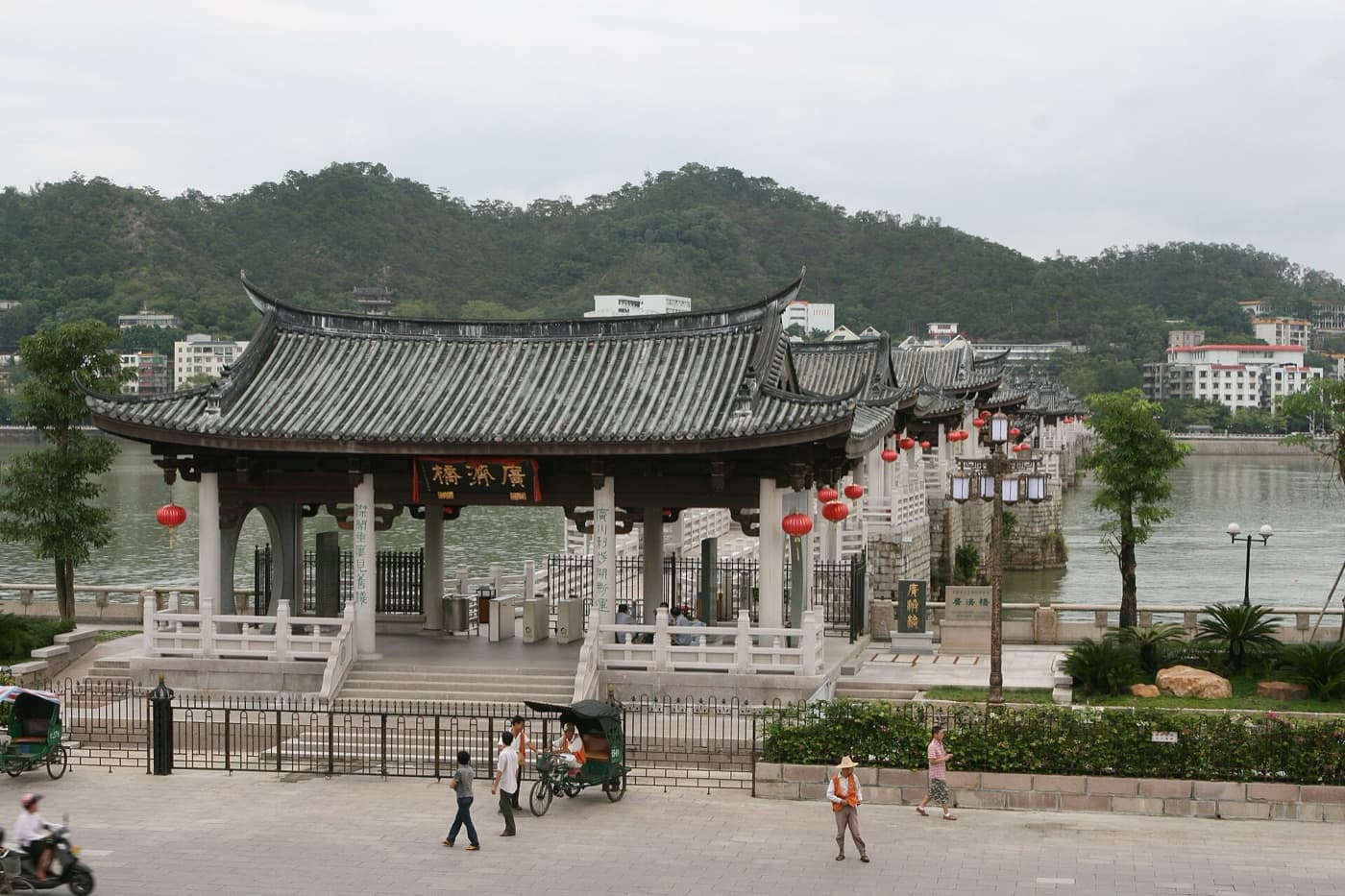
Commonly known as Xiangzi Bridge, it is one of China’s four great ancient bridges, alongside Zhaozhou Bridge, Luoyang Bridge and Lugou Bridge, famed for its unique “eighteen shuttle boats and twenty-four piers” design. First built in 1171 and repaired by successive dynasties, it took on its “eighteen shuttle boats and twenty-four piers” form by 1513. The bridge is linked by 24 piers in its eastern and western sections and 18 shuttle boats in the middle. Its floating section can be opened and closed, and its structure is unusual, combining beam, arch and pontoon bridge types in one, a unique case in the history of Chinese bridge building.
¥20 · 1–2 hours
Daoyun Tulou
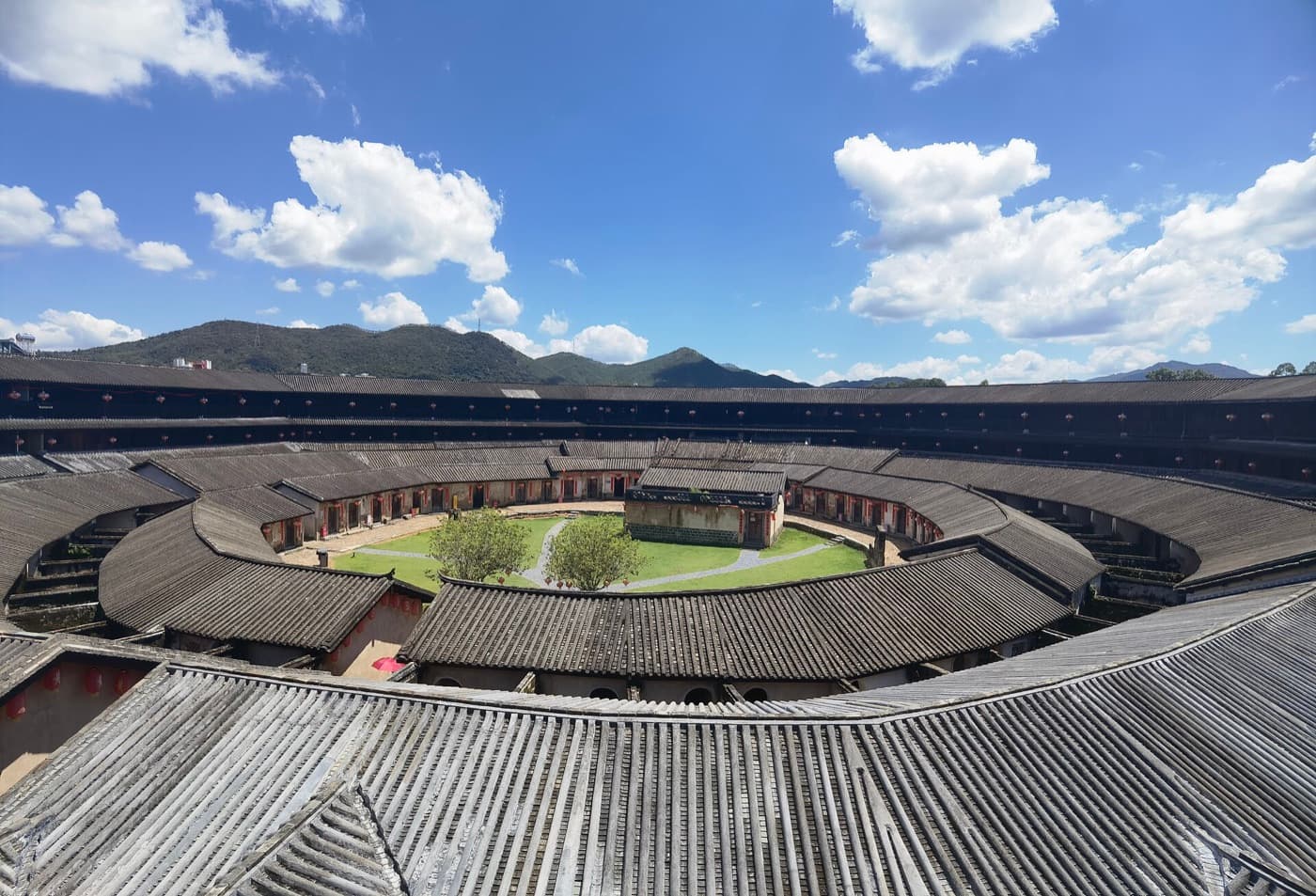
One of the largest Hakka tulou (earthen round houses) discovered in China so far, its defining feature is a layout based on the Bagua (eight trigrams) diagram. Daoyun Tulou is still home to local residents, adding lively local character to the ancient earthen walls. Its unique architecture attracts many ancient-architecture experts and visitors from China and abroad to study and sightsee. It is also a paradise for photography enthusiasts.
1 hour
Paifang Street
Many arcade-style (qilou) buildings line the street, and 22 memorial archways (paifang) stand along it, giving it a lingering sense of antiquity. Beyond the historic sights, the street’s local food is also very tempting.
Free · 1–2 hours
Longhu Ancient Village
The village still preserves hundreds of ancestral halls and mansions from successive dynasties, along with inscriptions, calligraphy and stone tablets left by notable scholars. Its depth of history, scale and distinctive layout are rare in Chaoshan and across eastern Guangdong.
Free · 2 hours
Han Wengong Shrine
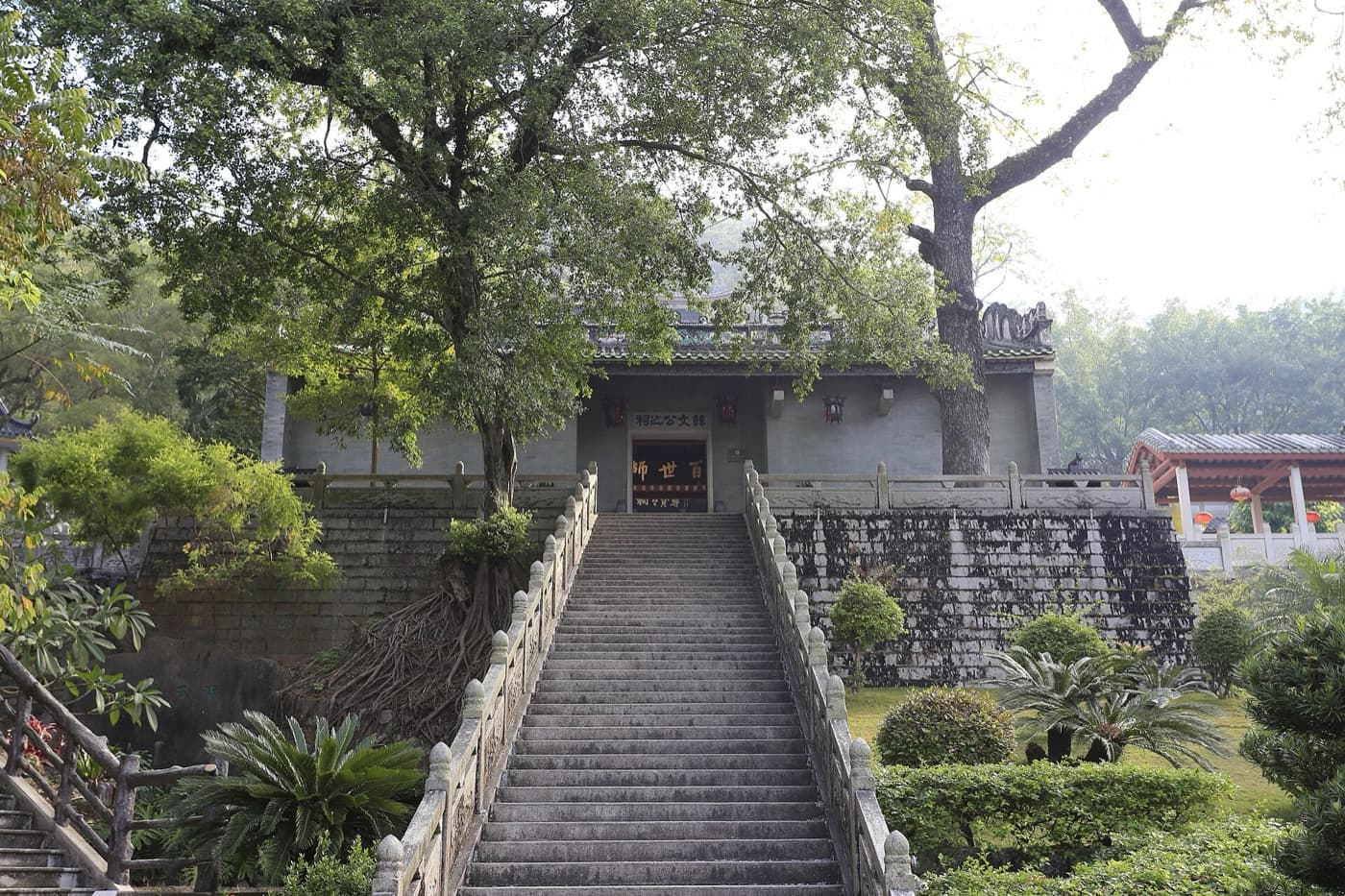
Han Yu served as prefect of Chaozhou, where he suppressed evil practices, supported farming and sericulture, freed enslaved people and promoted education, making outstanding contributions to the region’s development. To commemorate him, the Han Wengong Shrine was built. The most worthwhile feature of the shrine is its historical stele inscriptions: 40 stone steles from different dynasties are preserved here. The most notable include the Ming-dynasty “Record of the Expanded Han Shrine” and “Merit Not Inferior to Yu”, the Qing-dynasty seal-script carving “Transmitting the Dao and Initiating Literature”, and the re-carved “Stele of the Han Wengong Temple of Changli Count in Chaozhou”. There are also plaques written by many modern celebrities.
Free admission with ID card · 1–2 hours