Longhu Ancient Village
The village still preserves hundreds of ancestral halls and mansions from successive dynasties, along with inscriptions, calligraphy and stone tablets left by notable scholars. Its depth of history,…
Longhu Ancient Village, Chaoshan
Key facts
- Admission
- Free
- Opening hours
- 8:30—17:30
- Time needed
- 2 hours
- Address
- Longhu Town, Chaozhou City
- Getting there
- From Chaozhou, take the shuttle bus running between Chaozhou and Shantou, which departs every 30 minutes; the fare is ¥25. Get off at Guanchao (鹳巢) and take a motorbike to Longhu Village, about ¥3. Buses from Chaozhou also run directly to the village.
- Guidebook rating
- 4 / 5
From China Self Guided Travel 2025, page 2385. Open in Google Maps
About Longhu Ancient Village
The village still preserves hundreds of ancestral halls and mansions from successive dynasties, along with inscriptions, calligraphy and stone tablets left by notable scholars. Its depth of history, scale and distinctive layout are rare in Chaoshan and across eastern Guangdong.
Frequently asked questions
How much does Longhu Ancient Village cost?
Admission to Longhu Ancient Village is Free, as listed in the 2025 guidebook. Prices can change; check the official channel before you go.
What are the opening hours of Longhu Ancient Village?
Longhu Ancient Village is open 8:30—17:30.
How do I get to Longhu Ancient Village?
From Chaozhou, take the shuttle bus running between Chaozhou and Shantou, which departs every 30 minutes; the fare is ¥25. Get off at Guanchao (鹳巢) and take a motorbike to Longhu Village, about ¥3. Buses from Chaozhou also run directly to the village.
How long should I spend at Longhu Ancient Village?
Plan on 2 hours for Longhu Ancient Village.
Where is Longhu Ancient Village?
Longhu Ancient Village is in Chaoshan, Guangdong Province, in the South China of China. Longhu Town, Chaozhou City
More places in Chaoshan
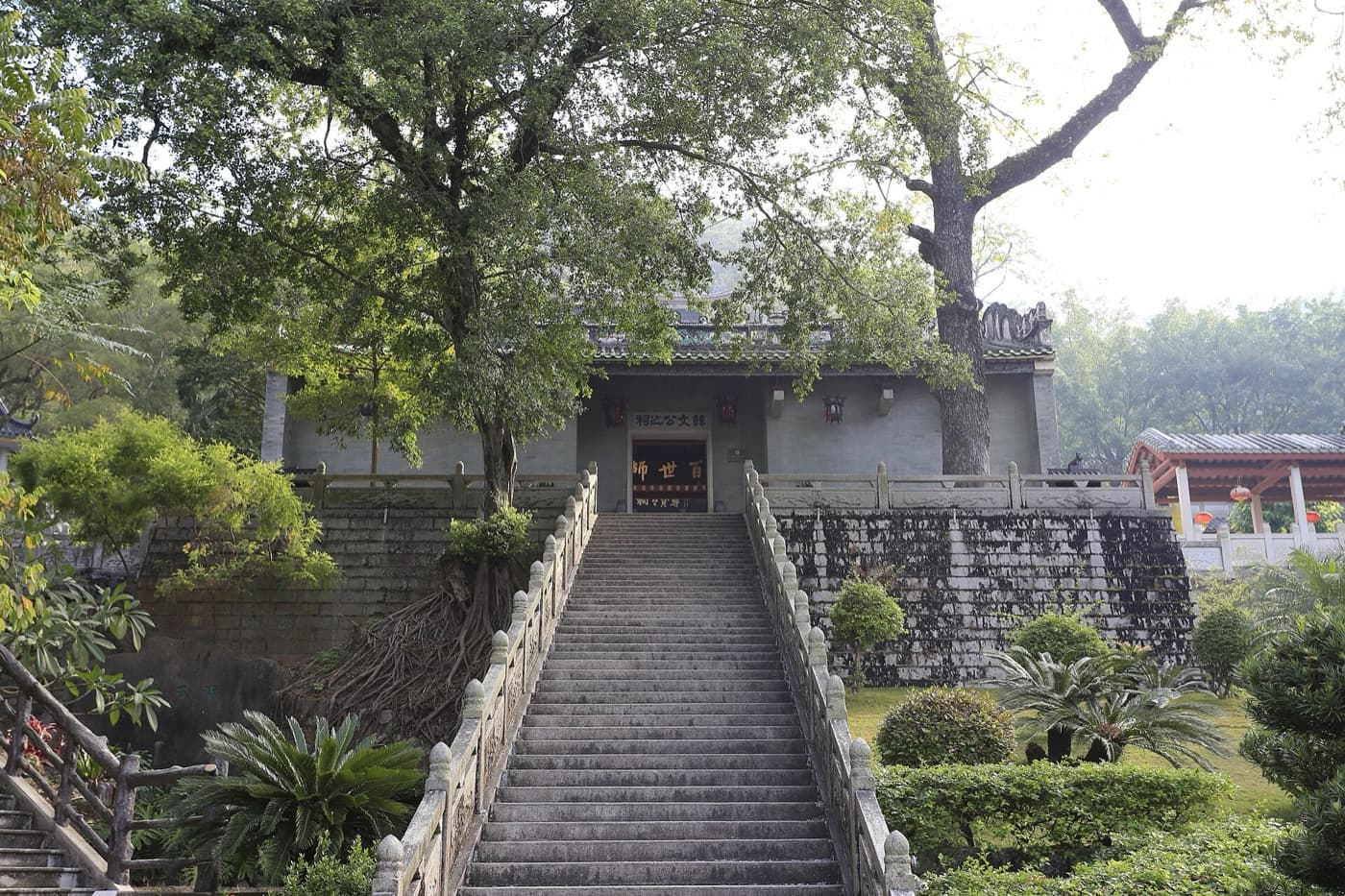
Han Wengong Shrine
Han Yu served as prefect of Chaozhou, where he suppressed evil practices, supported farming and sericulture, freed enslaved people and promoted education, making outstanding contributions to the region’s development. To commemorate him, the Han Wengong Shrine was built. The most worthwhile feature of the shrine is its historical stele inscriptions: 40 stone steles from different dynasties are preserved here. The most notable include the Ming-dynasty “Record of the Expanded Han Shrine” and “Merit Not Inferior to Yu”, the Qing-dynasty seal-script carving “Transmitting the Dao and Initiating Literature”, and the re-carved “Stele of the Han Wengong Temple of Changli Count in Chaozhou”. There are also plaques written by many modern celebrities.
Free admission with ID card · 1–2 hours
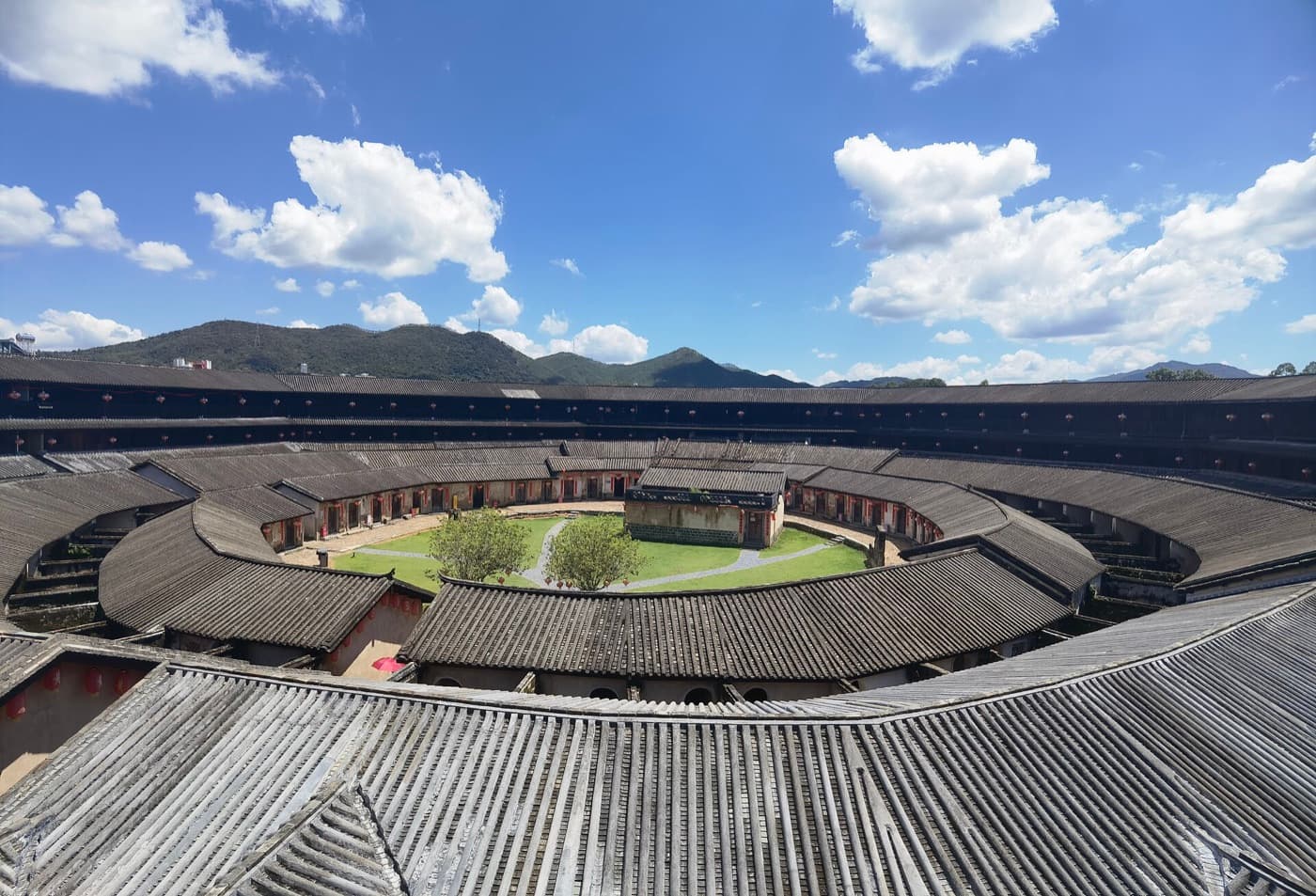
Daoyun Tulou
One of the largest Hakka tulou (earthen round houses) discovered in China so far, its defining feature is a layout based on the Bagua (eight trigrams) diagram. Daoyun Tulou is still home to local residents, adding lively local character to the ancient earthen walls. Its unique architecture attracts many ancient-architecture experts and visitors from China and abroad to study and sightsee. It is also a paradise for photography enthusiasts.
1 hour
Paifang Street
Many arcade-style (qilou) buildings line the street, and 22 memorial archways (paifang) stand along it, giving it a lingering sense of antiquity. Beyond the historic sights, the street’s local food is also very tempting.
Free · 1–2 hours
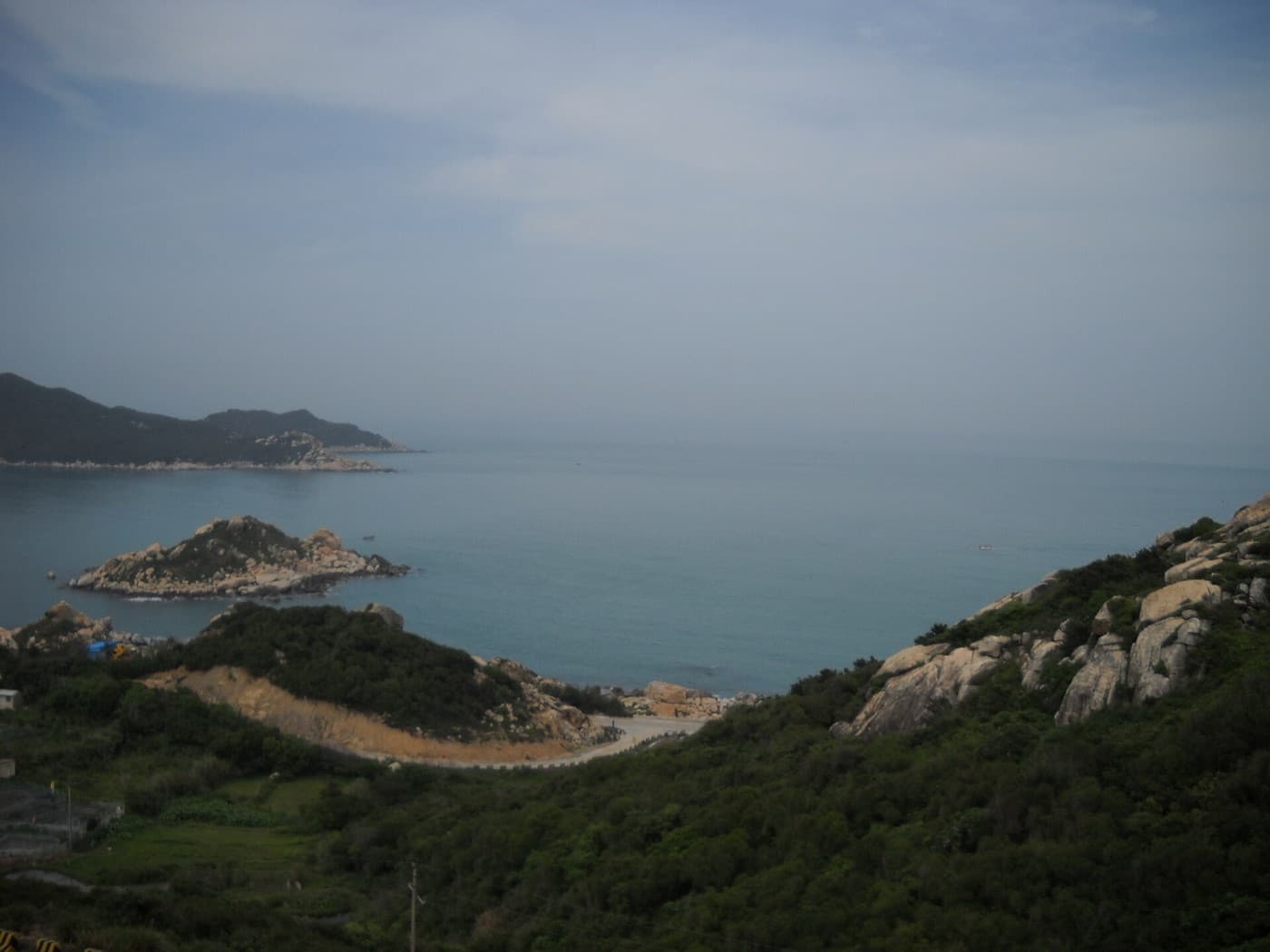
Nan'ao Island
Lying on the sea where Guangdong and Fujian meet, Nan’ao is made up of 23 islands, large and small, known as “the guardian of Chaoshan and the throat of Fujian and Guangdong”. Besides historic sites such as Changshanwei Battery, Zongbingfu and Xiongzhen Pass, the island also has Huanghua Mountain National Forest Park and the Qing’ao Bay tourist area.
Zongbingfu (Garrison Commander’s Office) ¥10; Qing’ao Bay free; Gold and Silver Island ¥5; Song Well ¥5 · 1–2 days
Queshi Scenic Area
Foremost of the Eight Scenic Views of Shantou and one of Guangdong’s first provincial-level scenic and historic sites, Queshi lies on the southern side of Shantou Bay. It consists of coastal terraces and 43 peaks, and combines sea, mountains, rocks, caves and human heritage. Uniquely blending grandeur, strangeness, elegance and seclusion, it has long been the first choice for visitors to Shantou, filled with rich subtropical scenery and distinctive Chaoshan charm.
Tashan Scenic Area ¥10; Yanfeng Scenic Area ¥10; combined ticket for both areas ¥15; Longquan Cave ¥6; cable car ¥50 · 1 day
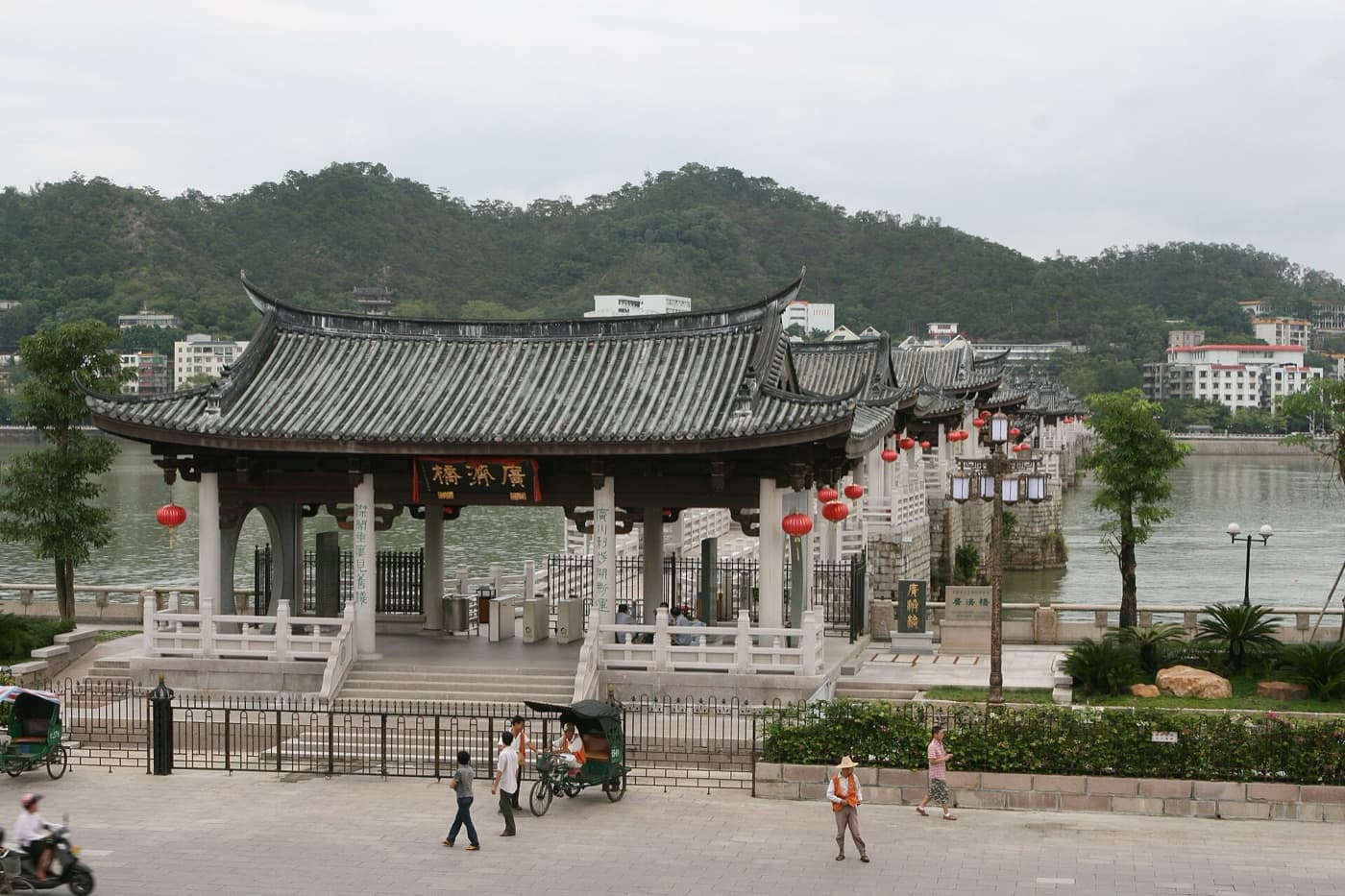
Guangji Bridge
Commonly known as Xiangzi Bridge, it is one of China’s four great ancient bridges, alongside Zhaozhou Bridge, Luoyang Bridge and Lugou Bridge, famed for its unique “eighteen shuttle boats and twenty-four piers” design. First built in 1171 and repaired by successive dynasties, it took on its “eighteen shuttle boats and twenty-four piers” form by 1513. The bridge is linked by 24 piers in its eastern and western sections and 18 shuttle boats in the middle. Its floating section can be opened and closed, and its structure is unusual, combining beam, arch and pontoon bridge types in one, a unique case in the history of Chinese bridge building.
¥20 · 1–2 hours