Shigatse travel guide
日喀则
Here you feel tiny, tucked into the belly of a Toyota Land Cruiser, spending each day gazing out the window. On the way to Shigatse, you pass through Tibet's farming region,…
16 places · In the guidebook: pages 551–569

Shigatse, Tibet Autonomous Region · AI illustration for China Trip
Quick itinerary
Shigatse in 3 days
- Day 1
- Lhasa→
- Yamdrok Lake (belongs to Shannan; see the Shannan section)→
- Gyantse Dzong Fortress→
- Palcho Monastery (Pelkor Chode)→
- Palha Manor (overnight in Gyantse County)
- Day 2
- Day 3
The feel of the place
- On the Road
- Here you feel tiny, tucked into the belly of a Toyota Land Cruiser, spending each day gazing out the window. On the way to Shigatse, you pass through Tibet's farming region, with barley fields and dense trees lining the road like a corridor. Silent prayer flags flutter on the rooftops of Tibetan farmhouses, and golden sunlight floods your eyes at sunset. Crossing one mountain after another, muddy roads keep swallowing the wheels, the four-wheel drive roars constantly, and the high chassis keeps getting lifted by boulders. When things are quiet, you'll see hares and antelopes standing on the cliffs, gazing back at you. Snow-capped peaks and pristine lakes, a blue sky that makes you lose your bearings, thin air... The road always has an end. Pause for a moment beneath the tallest peak at the edge of the sky. Really, it's already beautiful just being on the road.
- Foreigners on the Road
- During Shigatse's rainy season, the roads are extremely harsh. If you travel this route, you'll pass a small valley beside the road where there are always camps with tents pitched. In the freezing temperatures and thin high-altitude air, you can see foreigners wandering around the camp in shorts. They are a scene in their own right along the road.
- Missing Person Notices
- Beyond 5,000 meters above sea level, the people you encounter are usually only Tibetans, yaks, and foreigners. Some men and women trudge along with backpacks, some old couples pedal strange bicycles, and some handsome young men ride a slow horse toward the snowy mountains. In the small, remote village restaurants along the way, the walls are covered with missing-person notices written in many languages.
- Rich Religious Culture
- Shigatse was the seat of successive Panchen Erdenis and is home to many famous monasteries, including Tashilhunpo Monastery, Sakya Monastery, Palcho Monastery, and Shalu Monastery. Together they form a rich religious culture that blends many schools of Buddhism.
Before You Set Off
1. Arrange a Border Permit: Travel to Mount Everest and Zhangmu Port both require a border permit. Since these two destinations can only be reached by chartering a vehicle through a travel agency, it is very convenient to apply for the permit directly through a travel agency.
2. Rent an Off-Road Vehicle: In Tibet, the Toyota Land Cruiser is the most standard model. The older Toyota 60 series is rugged and durable, though its odometer is usually broken, so the numbers on it could wrap around the Earth several times. Other newer Toyota models cost more but are in better condition, and they are usually rented to foreigners or government units. By the way, the Toyota V8 is a status symbol, and Lhasa has the most of them in the country. Spacious, comfortable, and luxurious, it can be called a land aircraft carrier.
3. Go to a Travel Agency: Along Duosen Road and Danjielin Road, north of the Jokhang Temple, there are many small travel agencies. It's advisable to ask around at several before choosing one, and when signing a contract, review the terms carefully.
Economy and Local Customs in Shigatse
The economy of the Shigatse area is relatively traditional, and the local people are simple and honest. When you photograph Tibetan locals, they won't stare at you expecting money. Giving stationery and snacks to Tibetan children is generally handled politely.
Road Conditions
The road from Lhasa to Yamdrok Lake includes a long uphill stretch. In some places it barely allows two vehicles to pass, and it is entirely paved with crushed gravel and dirt. The climb winds up through cliffs and valleys, from an altitude of over 3,000 meters all the way to Kamba La Pass at 5,030 meters. Anyone who is nervous should avoid sitting on the right side of the car, since a drop of several hundred meters into the valley is only a door-opening away.
Preparation and Advice
Language
On the road to the snowy mountains, you often go half a day without passing a single run-down village, so language is an important concern.
Things to see
On 16 August 2014, the first Lhasa–Shigatse passenger train, K9821, made its maiden run. The journey takes about 3 hours.

Tashilhunpo Monastery
2 hours · Peak season ¥100, off-season ¥55 (free during the Jumping Buddha Festival)
A pitch-black passageway lets you walk around the Buddha statue. The precious beads and agates inlaid on the base are within arm's reach, and the splendour feels like a dream. Founded in 1447 by Gendun Drupa, a disciple of Tsongkhapa and the First Dalai Lama. From the Fourth Panchen Lama onward, it became the centre of the Panchen Lamas' religious and political activities. It is the fourth-largest monastery of the Gelug school and houses the world's largest gilded bronze Buddha, 22.4 metres tall. The bronze figure is inlaid with more than 1,400 gemstones, and a huge diamond on its brow is set off by over 30 diamonds the size of broad beans. Tashilhunpo has four colleges (扎仓) built into the slope of the mountain. Of the monastery's 64 khang-tsen (康村), many have moved away. Try walking through the dark little chambers: the wooden stair railings have been polished glossy by countless touches, and through narrow window openings you can look out at the bustling monastery grounds, as if gazing across another age.

Mount Everest (Qomolangma)
Mountain entry fee ¥160; sightseeing bus ¥120
The final 100 kilometres require passing a border checkpoint, then continuing up the valley. You will pass the ruins of an ancient fortress, a village, rabbits, antelopes, and increasingly sparse vegetation, until there is nothing at all. There are only loose stones, snowmelt, and peaks, with no grass or moss, and very little life to be seen. Winding around one mountain after another, the driver says, 'Look, Qomolangma.'

Everest Base Camp
Eight kilometres beyond Rongbuk Monastery lies the Chinese Everest Base Camp, famous throughout the mountaineering world. The only permanent structure there is a small stone hut belonging to the Chinese Mountaineering Association, but during the climbing season, hundreds of tents crowd the foot of the mountain, housing challengers of every nationality and the finest Sherpa guides. On a small hill near the camp stands the new survey marker for Everest's height. On the slope beside it are many gravestones, where numerous brave climbers rest eternally. On the way from Xegar to Everest, you cross the Gyu La Pass at 5,170 metres, where you can gaze out over the Roof of the World: Cho Oyu, Everest, Makalu and Shishapangma stand in a row, a magnificent sight!
Nature

Rongbuk Glacier
The Rongbuk Glacier lies in the vast area at the foot of Mount Everest, between 5,300 and 6,300 metres. Made up of the West Rongbuk and Central Rongbuk glaciers, it extends 22.4 km and is the world's most fully developed and best-preserved valley glacier. Cirques, glaciers and hanging glaciers are widespread, and countless glacial lakes, ice cliffs, ice caves and ice streams create breathtaking scenery. Known as “China's most beautiful glacier” and the world's largest “high-mountain park,” it is an extraordinary sight.
1 hour
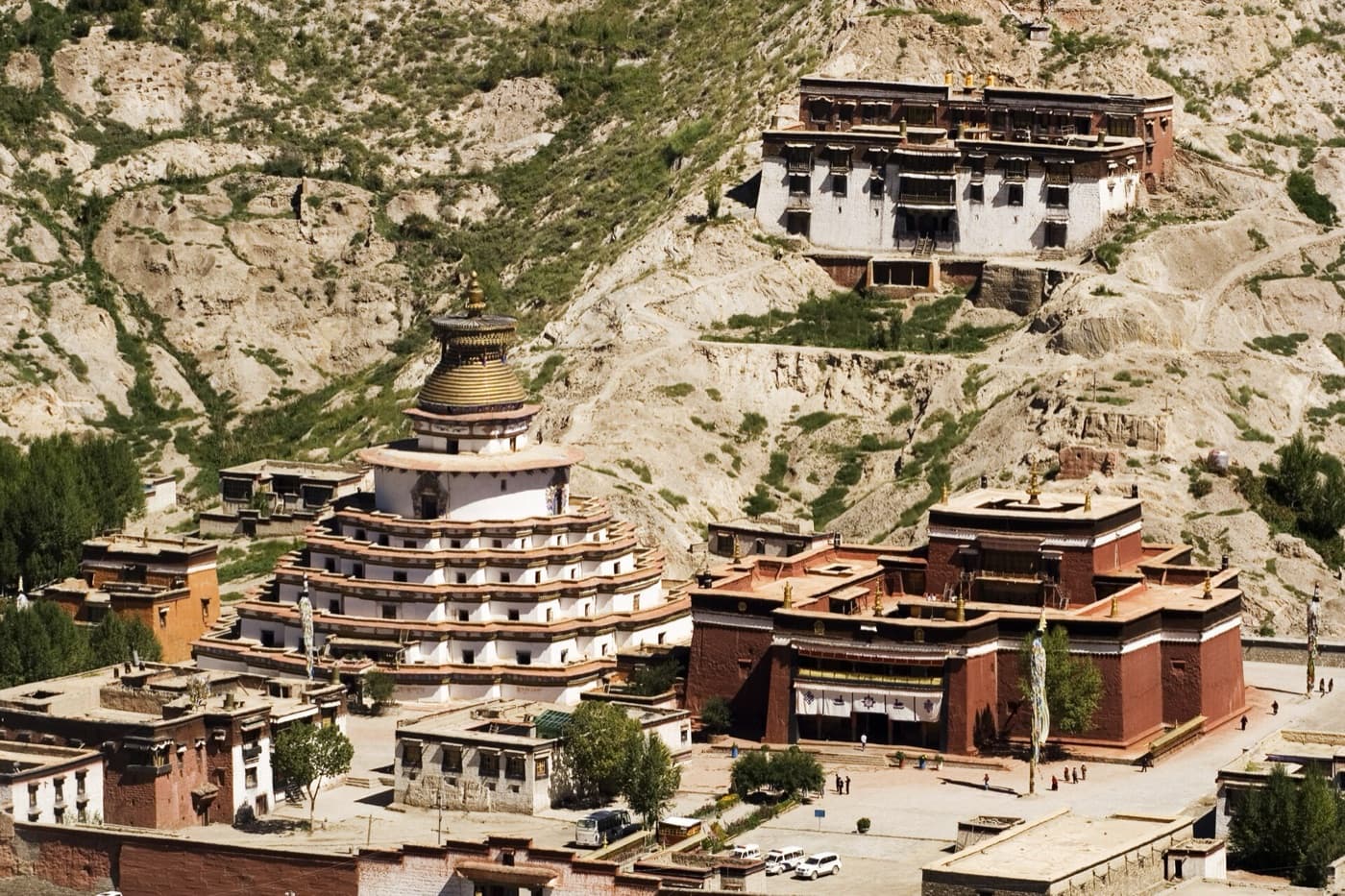
Palcho Monastery (Pelkor Chode)
Inside Palcho Monastery, the distinctive Kumbum (Pelkor Chode) is an octagonal, nine-storey tower and the monastery's signature building. Its interior is painted with a vast number of Buddha images, so it is also called the 'Tower of Hundred Thousand Buddhas'. The tower is 32 m tall, has 108 doorways and 77 chapels, and its design is distinctive beyond description. Palcho Monastery was first built in 1427. It originally belonged to the Sakya school (the Flower Sect), but other schools later moved in, so the Sakya, Gelug and Kadam (White Sect) schools came to coexist here. The monastery has 16 colleges (dratsang), and each school holds several of them according to its influence. The main hall houses an 8-metre-tall gilded bronze statue of Jampa Buddha (Maitreya).
1–2 hours
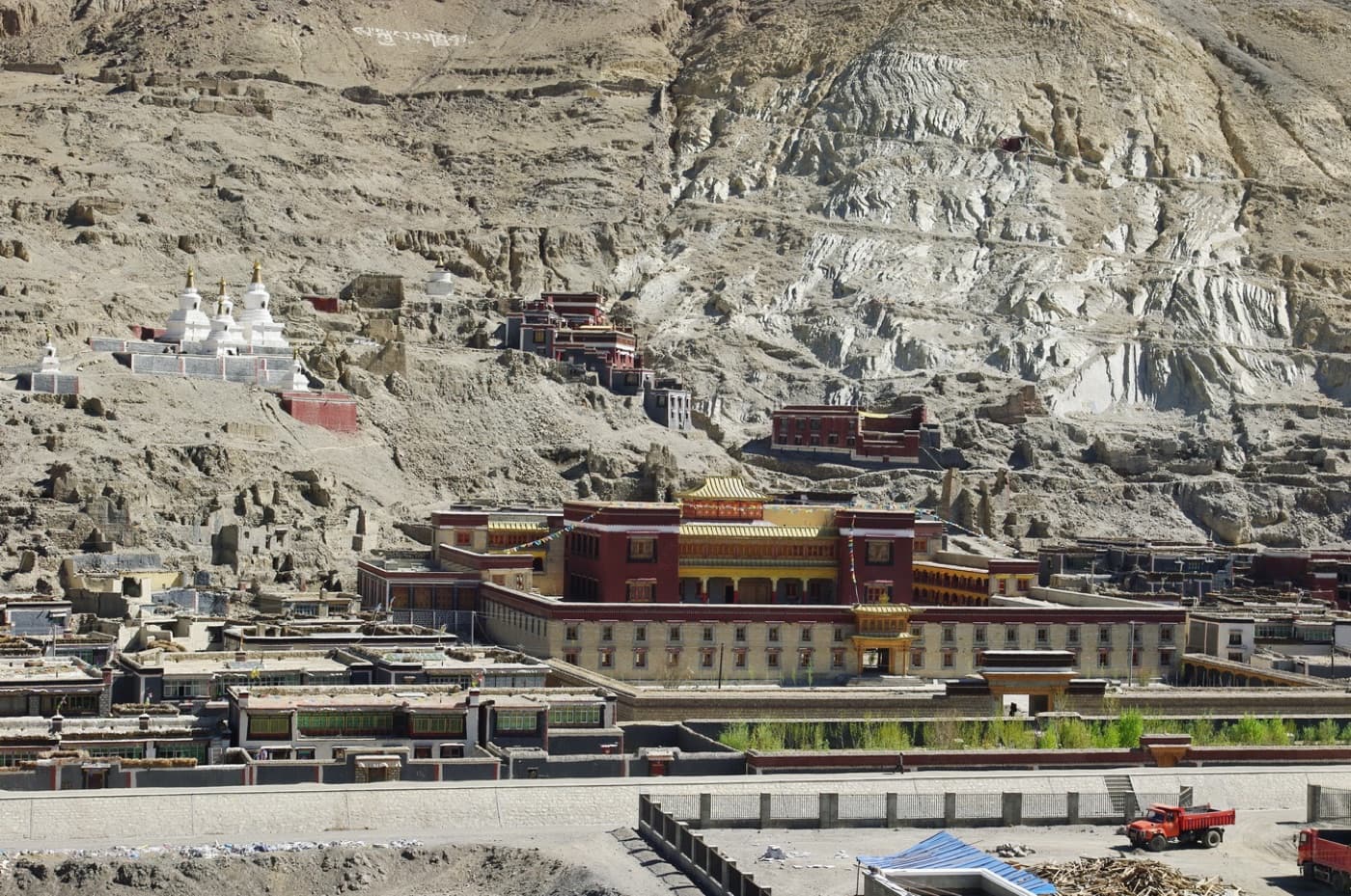
Sakya Monastery
Sakya Monastery is the first monastery of the Sakya school of Tibetan Buddhism and is known as the 'Second Dunhuang'. Its architecture is highly unusual. The complex is square in plan and enclosed by walls 10 m high, with watchtowers at the four corners and a man-made moat outside. The outer walls are painted red, black and white, the distinctive hallmark of Sakya temples in Tibetan Buddhism. The monastery's collection of relics is exceptionally rich. It includes thousands of Sanskrit palm-leaf scriptures, over a thousand years old, which are said to have been copied by Tibet's scribes at the direction of Sakya Lama Phagpa, as well as finely crafted murals. Dunhuang has become a relic of history, but Sakya Monastery's traditions have been passed down from generation to generation and continue to thrive. Sakya Monastery holds many ceremonies throughout the year, both large and small. The most significant and distinctive are the Summer Vajra Dance Festival, held in the seventh month of the Tibetan calendar, and the Winter Vajra Dance Festival, which begins on the 19th day of the eleventh Tibetan month.
1–3 hours · ¥60
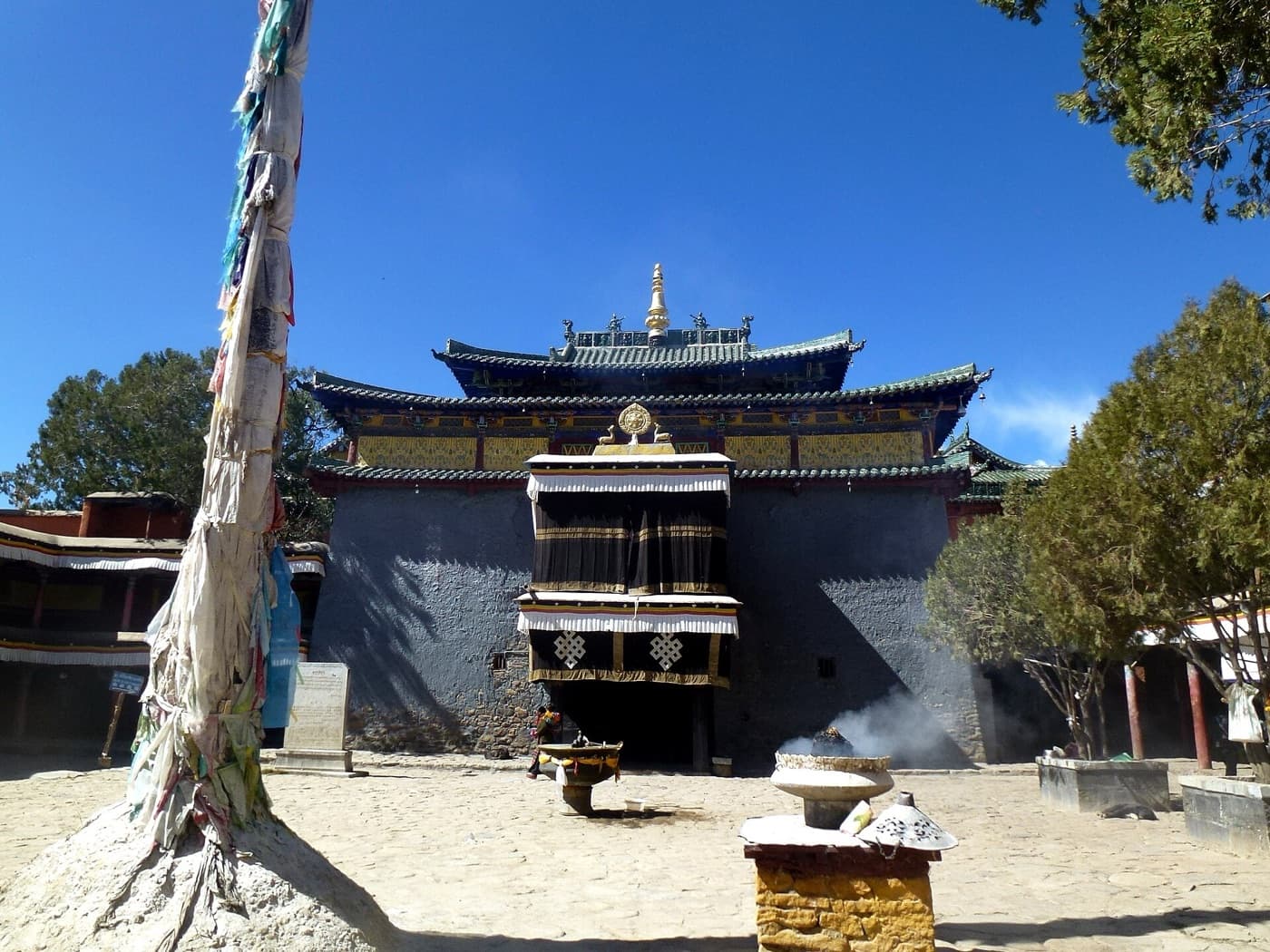
Shalu Monastery
Shalu Monastery is a renowned temple of the Shalu school of Tibetan Buddhism. It was founded in 1087 by the monk Jizun Xirao Qiongnai. During the Yuan dynasty, an earthquake caused devastating damage to the monastery, and the Yuan emperor sent workers to restore it, including Han Chinese craftsmen. Han and Tibetan artisans together built this temple, which has a distinctive style. Tibetan-style halls are topped with Han-style palatial roofs of glazed tiles, supported by wooden dougong brackets. The two architectural traditions blend seamlessly, a vivid testament to the close collaboration between Han and Tibetan craftsmen. Four treasures of the monastery have survived: a set of scripture boards assembled from 108 small sandalwood blocks; holy water sealed in a copper vessel that is renewed only once every 12 years; a stone basin used by Xirao Jiongnai for washing his face; and a foundation stone, white on one side and black on the other, carved with the six-syllable mantra.
3 hours · ¥60
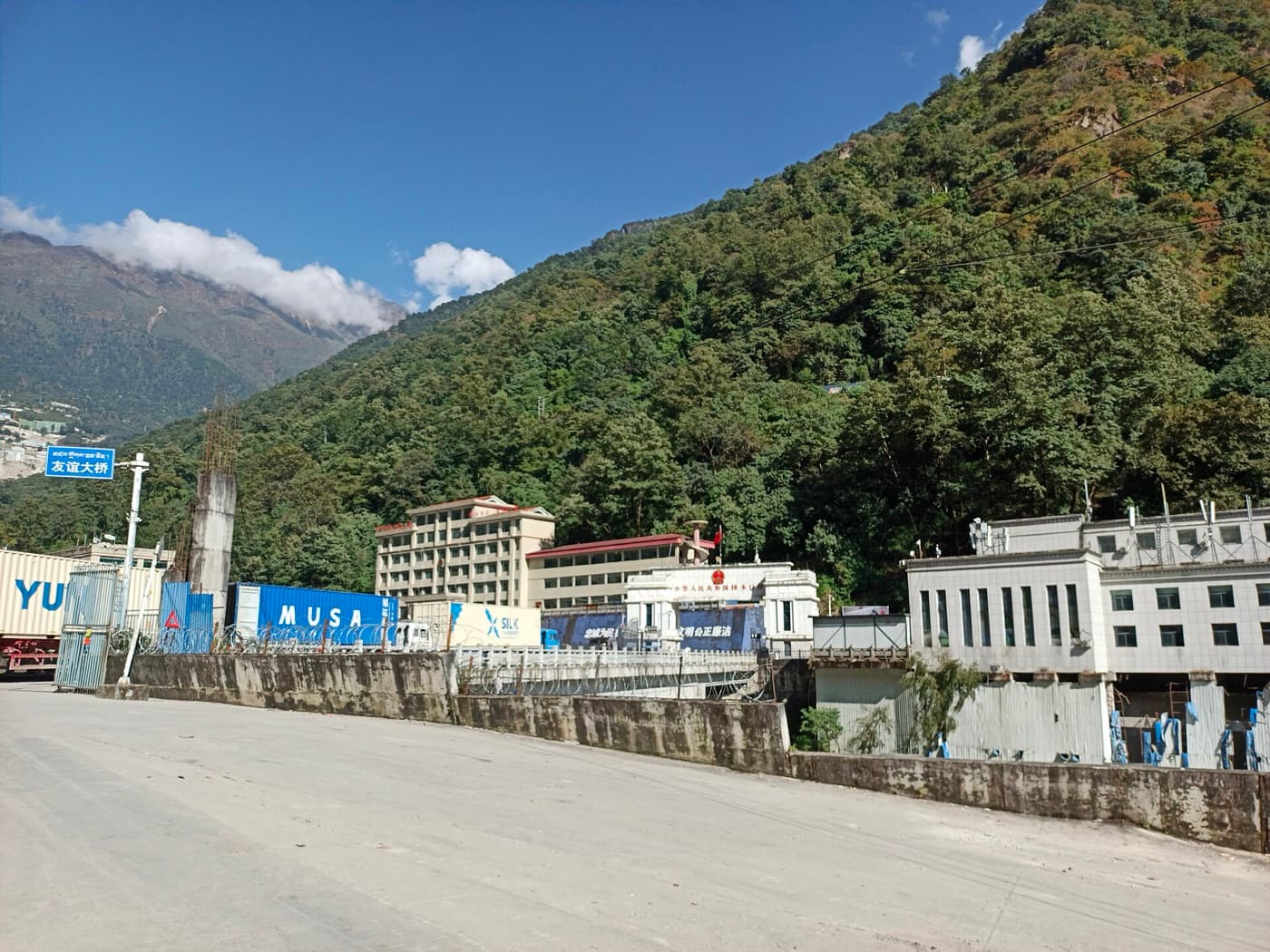
Zhangmu Port
Located on the border with Nepal. The roads are rough, but the scenery along the way is stunning. Zhangmu Port sits at an altitude of only 2,800 metres. The town is a commercial hub where Tibetans and Han Chinese are joined by many Indians and Nepalis, and the streets are full of colourful Nepali trucks. Goods are displayed in dazzling variety, and travellers from north and south often gather here, earning it the nickname 'Little Hong Kong' of Tibet.
Nature
Samzhubze Dzong Fortress
Over six centuries of changing times, this former political and religious centre of Tsang, and the seat of successive Panchen Lamas, has retained its simple dignity. Samzhubze Dzong is known as the 'Little Potala Palace'. Compared with the Potala Palace, where crowds fill the square despite daily visitor limits, this place feels like a luxury: there is no entrance ticket and no booking required, and you can enjoy its sacred serenity beneath blue skies and white clouds.
1 hour · Free
Karola Glacier
This is one of the glaciers closest to Lhasa. The upper ice cap has a gentle slope, and the lower part consists of two ice tongues in the form of hanging glaciers. Beyond its natural beauty, it attracts visitors with its mysterious legends and rich history and culture. Sadly, in the 1996 film “Red River Valley,” a triangular gash blasted into the glacier by the film crew became a permanent “wound” on this beautiful glacier.
1–2 hours · ¥50
Dzong Hill Anti-British Site (Zongshan)
I have forgotten the lyrics of the song that Ningjing sings atop the castle in the film *Red River Valley*, but its beauty is beyond words. The sprawling Zongshan Fortress still stands on the mountaintop, its ridges as sharp and craggy as an eagle's wings. In 1904, British forces invaded Tibet. Tibetan soldiers and civilians stationed in Gyantse built fortifications on the steep Zongshan Hill and held out for eight months with bows, arrows and Tibetan knives. When they ran out of ammunition and food, the brave fighters charged into the enemy ranks, while the wounded leapt from the cliffs and died for their country.
1 hour · The fortress is not open to the public. The square below it is free to enter.
Pala Manor
Pala Manor is the only well-preserved aristocratic estate from old Tibet still standing, and it ranks among the Twelve Great Manors. The three-storey main building is quite impressive. Fifty-seven rooms survive, with complete facilities and refined decoration. They include a prayer hall, a sunlit room, a reception hall, bedrooms and even a dedicated hall for mahjong. Inside, the rooms are richly carved and painted and sumptuously furnished. The prayer hall's decor is elaborate, and its scriptures and shrines are well preserved. The manor also has a brewery, a mill and a large communal stove for serfs. In sharp contrast to the tall, imposing main building is Langsheng Courtyard, diagonally opposite. Its rooms are cramped, low, small and damp, and each one housed several generations of a single family.
1–2 hours · ¥30
Panchen Lama's New Palace (Dekyi Phodrang)
One of the residences of the Panchen Lamas, the spiritual leaders of Tibetan Buddhism, located south of Tashilhunpo. Also known as Dekyi Phodrang, it was built in 1954 with funds from the central government and served as the summer palace where the Panchen Lama stayed. The new palace is splendid and elegant, making it a pleasant place to escape the summer heat. It houses many Tibetan historical relics and art treasures, the most exquisite of which is a mural of Phagpa meeting Kublai Khan.
¥30
Rongbuk Monastery
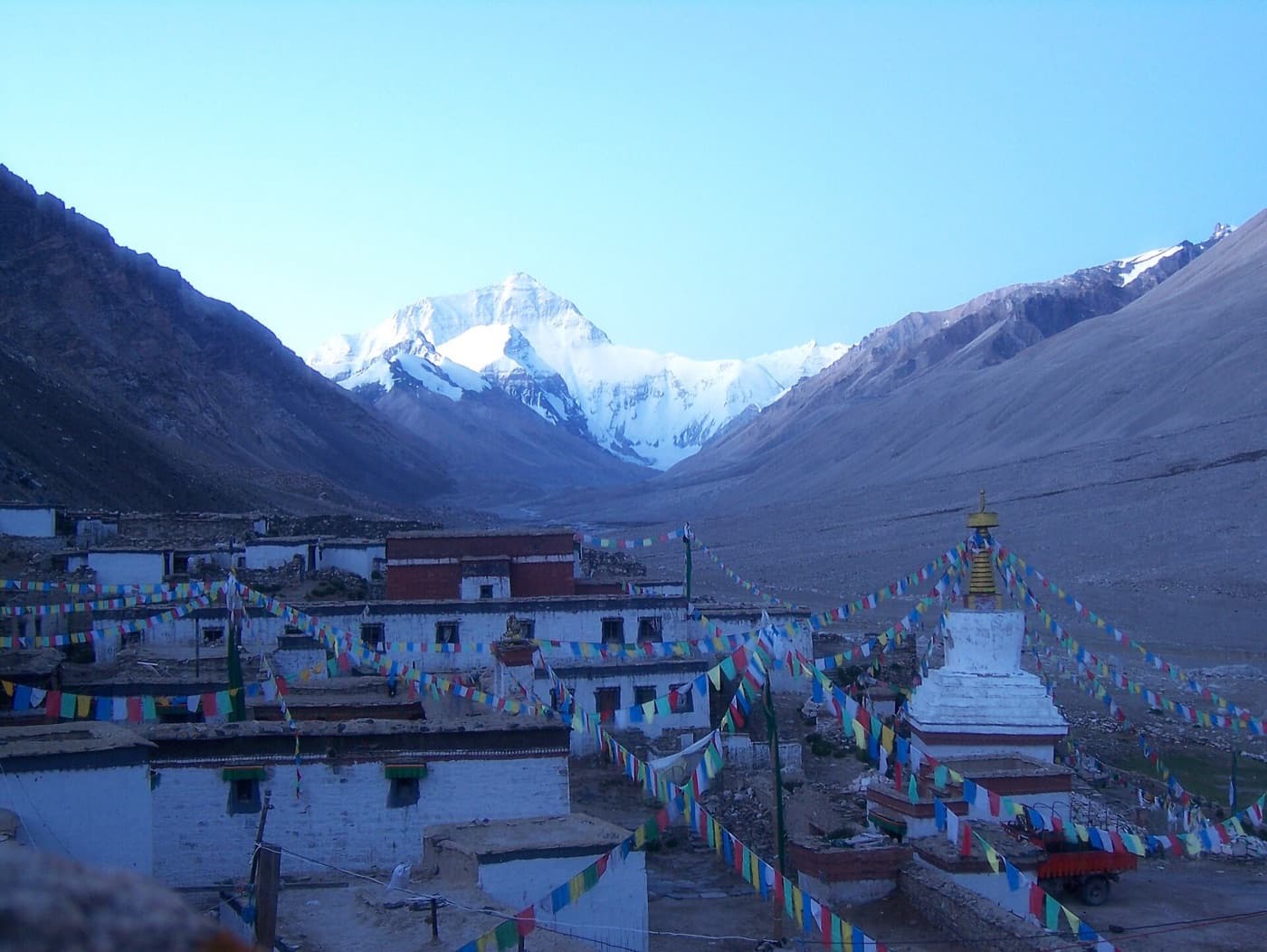
Rongbuk Monastery, whose full name is Ladui Chaxiong Rongbu Dong'a Qulin Monastery (拉堆查绒布冬阿曲林寺), belongs to the Nyingma school of Tibetan Buddhism and is a rare monastery where monks and nuns live together. The monastery has an old site and a new one. The old monastery is close to Mount Everest and houses the meditation cave where Padmasambhava (莲花生大士) once meditated in seclusion, as well as a rock bearing his hand and footprints, and stupas. Looking south from the monastery offers an excellent view of Mount Everest. The mani stone pile and white chorten at the monastery gate are often used by visitors as foreground for photos of the peak.
1–3 hours · ¥30
Shishapangma
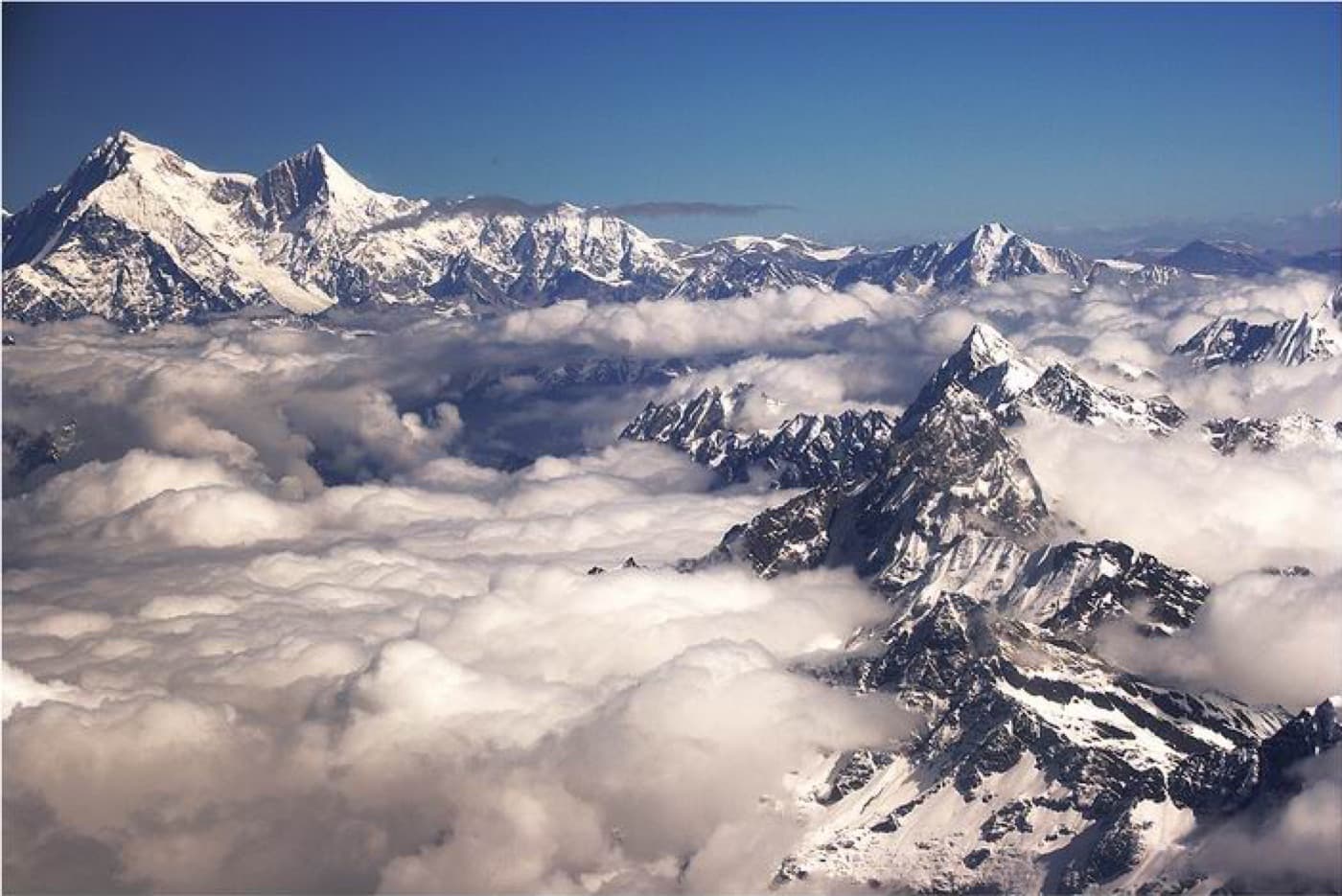
Shishapangma is the only 8,000-metre peak located entirely within China. The area resembles an 'ice crystal garden', and its strange scenery has inspired many myths and songs among the Tibetan people, who revere it as an auspicious sacred mountain. Its grandeur is matched by danger: criss-crossing ice crevasses and frequent avalanches have made countless challengers hold back. As its Tibetan name suggests, it means 'extremely cold, with harsh and changeable weather'.
1–2 hours
Peiku Tso Lake
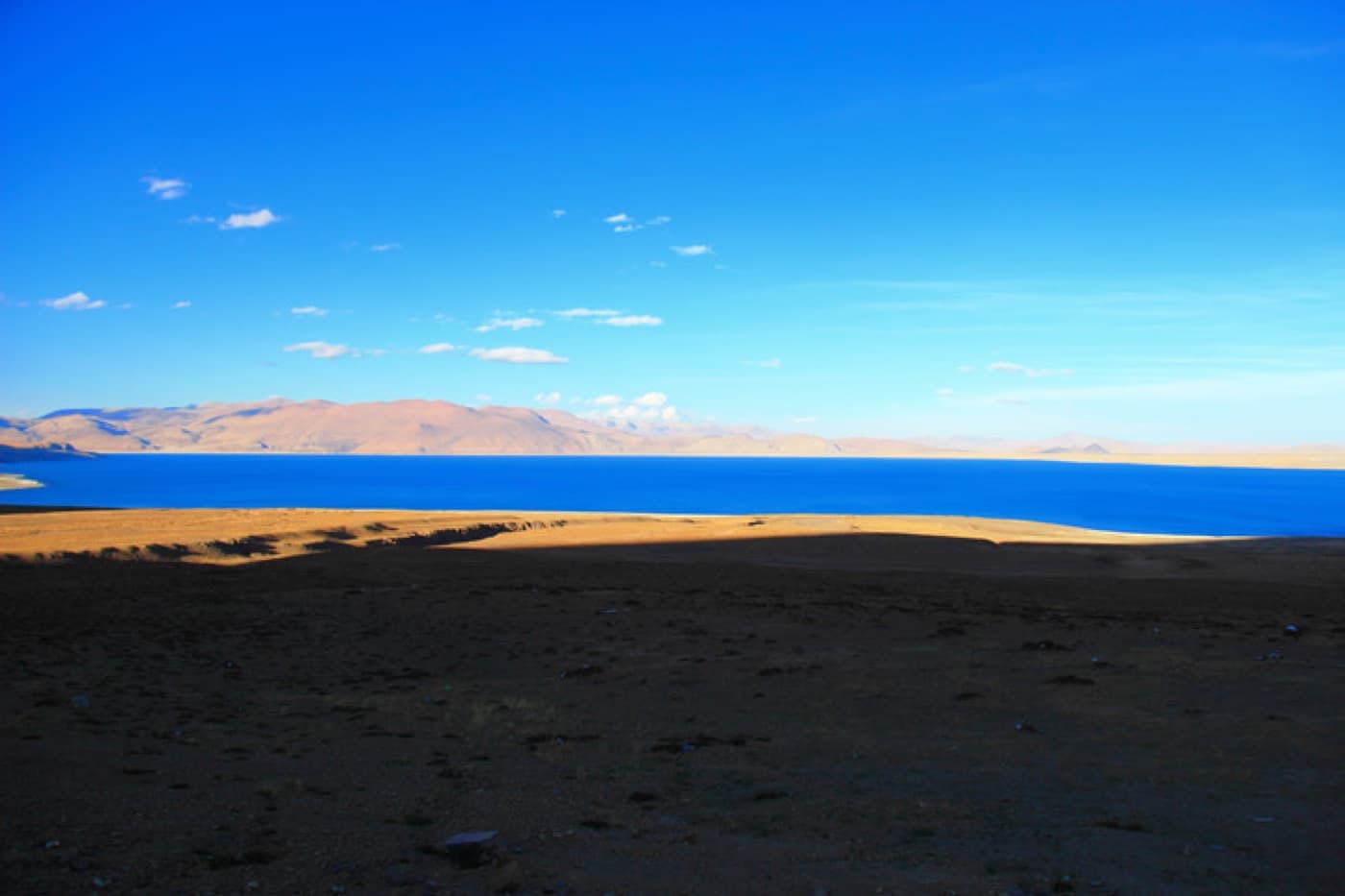
Peiku Tso, also known as Bogu Co or Lacuo Xin, is the largest lake in Shigatse. Surrounded by mountains on three sides, with an open landscape, its shores are often visited by wild horses, Tibetan wild asses, Tibetan antelopes, cranes, ruddy shelducks, and gray ducks. Legend says that anyone who manages to photograph Shishapangma from Peiku Tso will be blessed with good luck. Whether or not this is only a tale, the blessing of snowy peaks and lakes gives people even more reason to linger at Peiku Tso.
1 hour · Included in the Shishapangma scenic area combined ticket
Getting there & around
The trip to Mount Everest is a classic route in any Tibet tour, and most travel agencies offer it. The distance from Lhasa to Everest is about 650 km. Because routes vary, the round trip totals roughly 1,500 km. Agency tours usually run 5 days or longer, with peak-season quotes of ¥5,000–¥8,000 (about ¥1,000 per vehicle per day), covering all costs except sightseeing admission tickets along the route and travelers' meals and lodging. In fact, apart from admission tickets, meals, and lodging, it's hard to spend any money at all.
Outside the Tibetan medicine hospital in front of Jokhang Temple, there are always charter cars for hire. For ordinary travellers, however, their prices are no better than those of travel agencies, and the road to Everest is very hard going, so vehicles inevitably break down along the way, and the resulting costs and hassle are difficult to share. It is therefore advisable to rent a car through a travel agency, which will arrange insurance and a driver and find you companions for the vehicle. (A charter usually seats five: four in the back and one in the front passenger seat, so the slimmer your companions, the better.) You can also check the message boards at Balangxue and Jiri, where people often look for travel companions.
Eat & drink
Recommended Restaurants
Pengbi (朋必)
Only Shigatse locals will know what you mean if you ask about pengbi. It is a snack made from pea flour. The way it is eaten is unique: your palm serves as the bowl and your fingers as chopsticks. You can eat it on the street as you walk, which is great fun. Shigatse folk jokingly say that if you haven't tried pengbi, you haven't really been to Shigatse.
Tibetan Blood Sausage
Whenever a herding family in Tibetan areas slaughters a sheep, they fill a small intestine with the blood and boil it to eat. Tibetan-style blood sausage is quite different from the Cantonese and Sichuan sausages commonly eaten back home, so it is worth trying while you are in Tibet.
Fengsheng Tibetan Restaurant (Xigaze Pedestrian Street branch)
Recommended RestaurantsA Tibetan restaurant popular with locals, with an authentic Tibetan atmosphere and good service.
- Address:
- 20 metres northeast of the intersection of Bangjiakong Road and Xigaze Scenic Street (Pedestrian Street No. 62)
- Phone:
- 15726720000
Wuerduo Mansion Restaurant
Recommended RestaurantsOne of the better restaurants in Shigatse city. It has a large frontage and a stylish setting with a strong Tibetan flavour. The dishes have been adapted and taste quite good, and it draws many visitors from elsewhere.
- Address:
- No. 10, Zhade West Road, opposite Deqing Puzhang
- Phone:
- 18514263474
Where to stay
Shigatse is Tibet's second-largest city, and many travellers set off from here for Everest, Zhangmu Port, Ngari Prefecture and even Nepal, so there is heavy foot traffic. Accommodation in Shigatse is concentrated in the urban area, with plenty of choice: hotels, guesthouses and small inns at every price level, priced from tens to hundreds of ¥. Many mid-range and budget guesthouses and inns have limited facilities and only provide hot water during set hours, so be sure to check in advance.
Source: China Self-Guided Travel 2025 (《中国自助游》, Tianjin Science & Technology Press, Aug 2024), pp. 551–569. Translated from the Chinese edition; names and prices follow the guidebook. · Plain text version