Lhasa travel guide
拉萨
In Tibet you may witness this scene: a long, extraordinary mountain road, and a group of deeply devout pilgrims who prostrate themselves at every step. They have been travelling for years,…
19 places · In the guidebook: pages 521–551

Lhasa, Tibet Autonomous Region · AI illustration for China Trip
Quick itinerary
Lhasa in 5 days
- Day 1
- Potala Palace→
- Yaowang Mountain (Medicine King Mountain)→
- Norbulingka→
- Drepung Monastery
- Day 2
- Day 3
- Lhasa→
- Nyainqentanglha Mountains→
- Nagela Pass→
- Namtso Lake (overnight)
- Day 4
- Day 5
The feel of the place
- Devout Pilgrims
- In Tibet you may witness this scene: a long, extraordinary mountain road, and a group of deeply devout pilgrims who prostrate themselves at every step. They have been travelling for years, aiming to touch the sacred land of Lhasa with their whole bodies in a single lifetime.
- Opening Business
- If you browse Barkhor Street early in the day and haggle with Tibetan vendors, you will hear the phrase "kaizhang shengyi" (opening business). By custom, Tibetan traders give the first and last customers of the day a price discount. When they say "opening business," it is as if they are telling you that you have bought a treasure worth far more than its price. They then slap the money they've received all over their stall, which is said to bring good luck.
Altitude Sickness
There have been cases where a cold developed into pulmonary edema and proved fatal. However, travel routes are now generally well connected, and major cities have hospitals that treat altitude sickness, so the likelihood of death from altitude sickness is extremely small. Note that travelers with heart or lung problems, or who are physically frail, are not suited to high-altitude travel.
Upon first arriving in Tibet, avoid strenuous activity right away; it is best to rest for two days. If you get a headache, you can take pain relievers such as aspirin, and if the pain is severe, you will need to seek treatment at a hospital. Oxygen cylinders are also sold locally.
Don't Tease Dogs
In Tibet, especially in more remote areas, do not tease dogs, as you may encounter Tibetan mastiffs at any time.
Areas of Tibet That Require a Border Travel Permit
Shigatse City
Zhongba, Saga, Nyalam (Zhangmu), Tingri, Kangma, Yadong, Gamba, Dinggyê, Gyirong
Nyingchi City
Medog, Lulang, Mainling, Zayü
Shannan City
Nagarze, Cona, Lhozhag, Lhünzê
Ngari Prefecture
Burang, Zanda, Rutog, Gar
Preparation and Advice
Climate and Travel Seasons
From November to May of the following year, temperatures in Tibet are very low, and many areas are cut off by heavy snow. Because the air is dry in winter, altitude sickness is also more noticeable than in summer, so this period is not suitable for ordinary travelers. However, it is the best season for visiting Ngari, as there is no rainfall to wash out the roads.
June to August is the rainy season in Tibet. Lhasa's rain is quite unusual: it usually falls at night, while the daytime is bright and sunny, with a strong sunlight that can truly be called blazing. Apart from some sunburn at midday, temperatures during this period are very pleasant. This is why people in Lhasa tend to feel lazy, and once they have adjusted to the altitude, they never want to leave.
Health
Altitude sickness is a process of adaptation, and whether you travel by road or by air, you will feel some degree of discomfort on arriving at the plateau. Symptoms are usually not at their most intense right after landing or when passing Tanggula Pass, because the oxygen stored in your blood cells is still sufficient at that point. The first night on the plateau is the hardest. Normal reactions include shortness of breath, chest tightness, headache, and nausea or vomiting, and the best approach is to be patient. Generally, you will largely adapt after 3 to 5 days, although the fatigue caused by oxygen deficiency cannot be eliminated in just a dozen or so days.
Safety
Because of language barriers, misunderstandings can easily occur. Please respect Tibetan people and avoid unintentionally causing trouble. Tibetans generally find travelers fresh and interesting rather than hostile, so you can rest assured on this point.
Things to see
1. Tickets for the Potala Palace are sold for the following day only, and are subject to time slots. Demand is high, so many visitors queue overnight. Tickets go on sale at 14:00 each day, sell out in under an hour, and only a few hundred tickets are sold to individual visitors per day. Self-guided travellers can join a local tour group, or go to the west gate of the Potala Palace a day in advance to queue for a booking voucher. The voucher states the entry time. Arrive at the gate about 20 minutes before that time to exchange it for an official ticket. If you are very late, the voucher may become invalid.

Potala Palace
3–4 hours · ¥200 (peak season, May–October); ¥100 (off-season, November–April). The Snow City and Treasure Hall at the foot of the mountain can be visited free of charge; the Golden Roof is not open to visitors.
A treasure house: you may never see as many treasures in your lifetime as you will here, and seeing them up close is dazzling. The Potala Palace stands on Marburi Hill (玛布日山) in the centre of Lhasa and is the largest and most complete palace complex in Tibet. 'Potala' is Sanskrit for 'Sacred Place of Avalokiteśvara'. In the 7th century, the Tubo king Songtsen Gampo built a palace here when he married Princess Wencheng of the Tang dynasty; it was later destroyed in wars. It was rebuilt in the mid-17th century. It covers 130,000 square metres and was the political centre of the former Tibetan region. The whole complex is built of wood and stone, with gilded roofs. The Potala Palace was the venue for large-scale religious and political ceremonies. The 7th floor at the top was the Dalai Lama's winter residence; because it receives abundant sunlight, it is known as the East and West Sunlight Halls. The Red Palace houses mainly the stupa tombs and chapels of successive Dalai Lamas, with eight stupa tombs in total, distributed among the halls on different floors. The largest is the stupa of the 5th Dalai Lama, 14.85 metres tall and inlaid with diamonds and agate. Its topmost gem, a heavenly bead (tianzhu), is said to be the most precious in the world. There is also a gem said to have formed in an elephant's brain, and the gold used alone amounted to 5,500 kilograms. This hall is the largest in the Potala Palace, covering 725 square metres.

Jokhang Temple
1–2 hours · ¥85
The Jokhang Temple holds a supreme position in Tibetan Buddhism and is the highest-ranking temple of the Gelug (Yellow Hat) school. In 643 CE, the 18-year-old Princess Wencheng arrived in Lhasa carrying a life-size statue of Shakyamuni at age 12. It is said to have been modelled on Shakyamuni himself and consecrated by him personally, which makes it the most precious. To house the statue, Songtsen Gampo built Ramoche Temple for Princess Wencheng, and built the Jokhang for the Nepalese Princess Bhrikuti, who had married him earlier. In the time of Princess Jincheng, the statue was moved to the Jokhang, and the temple was then continually expanded until it reached its present scale.
Yaowangshan Cliff Carvings
Yaowang Hill (Yaowangshan) lies to the right of the Potala Palace and is one of the ideal spots for photographing the full view of the Potala. The cliffs on the back of the hill are carved with more than 5,000 Buddha images, large and small, the most in Tibet. There is a folk custom in Lhasa: if a poor family loses a relative and cannot afford a thangka for the funeral rites, they can buy some pigment and go to Yaowangshan to repaint the rock-carved Buddha images. This is said to bring the same merit as a funeral thangka of Buddha images.
1–2 hours · Free
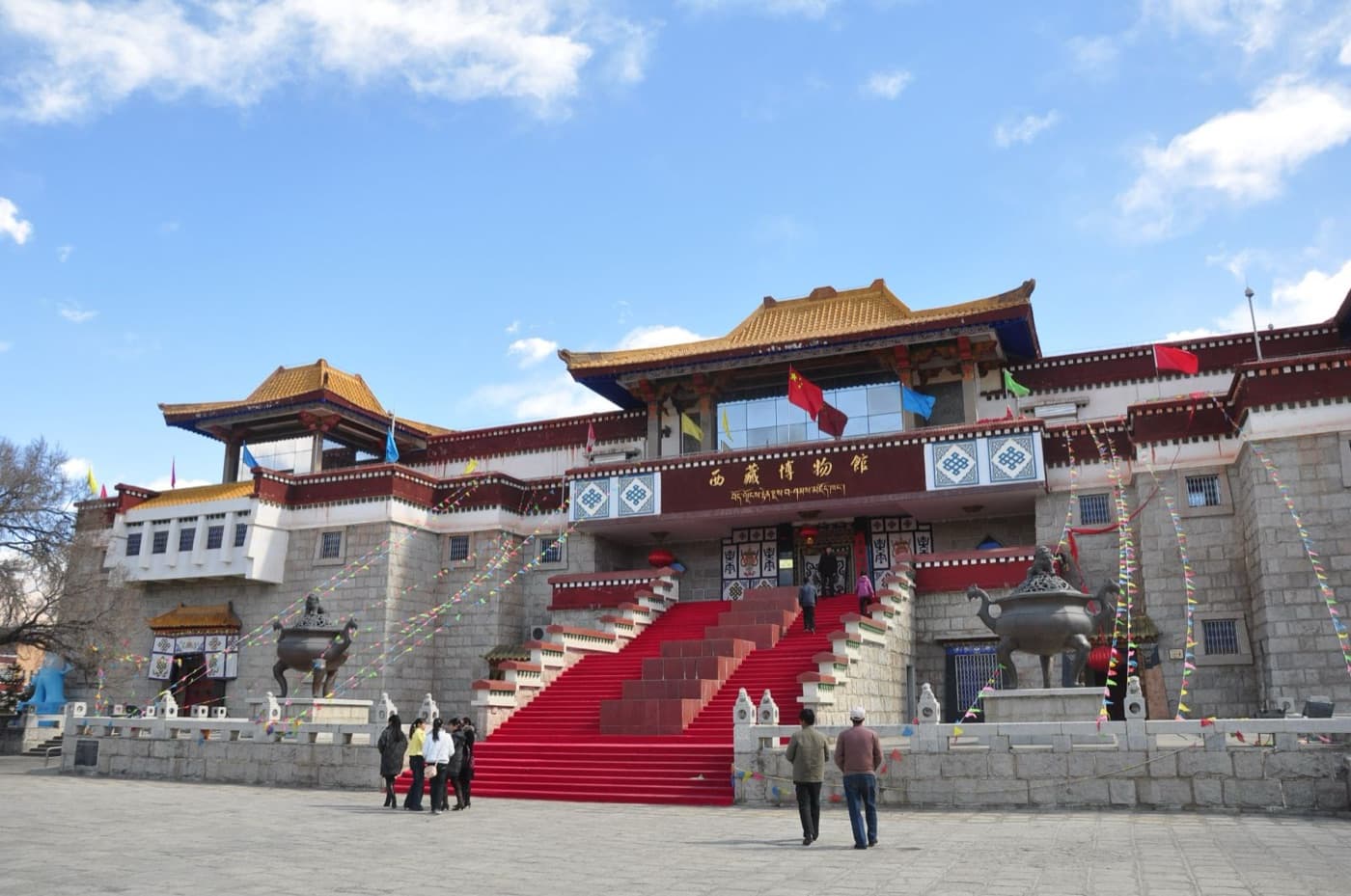
Tibet Museum
The museum's exhibition halls are made up of four sections: prehistoric culture, an inseparable history, culture and art, and folk culture. Through Tibet's history, culture, art, religion and folk customs, they present the captivating splendour and long history of the Tibetan people. The thangka is a distinctive form of painting in Tibetan culture and history, and the most representative treasure of Tibetan art. To understand a place, visiting its museum first is the best way.
1–2 hours · Free
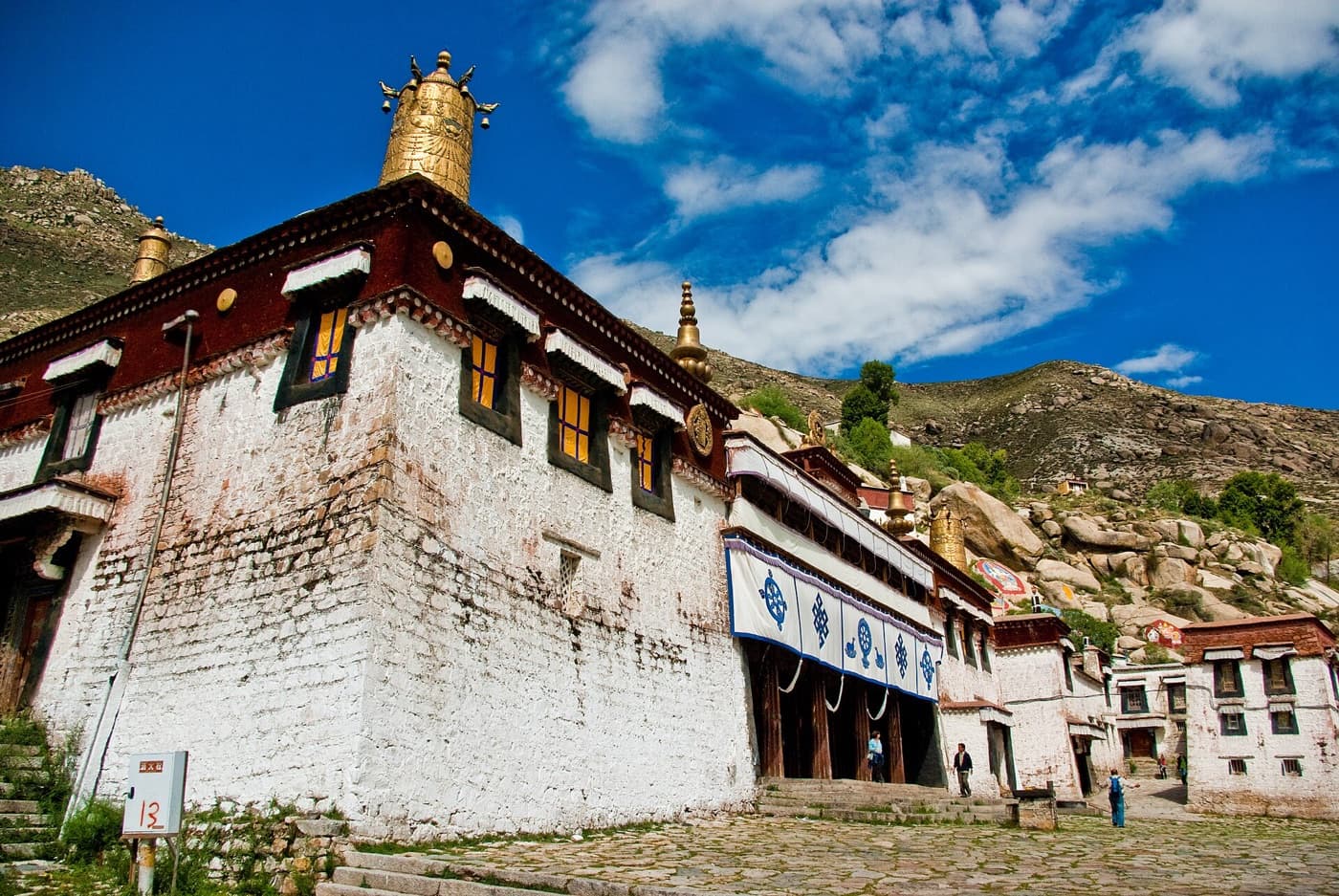
Sera Monastery
Sera Monastery, Drepung Monastery and Ganden Monastery are known together as Lhasa's Three Great Monasteries. Sera, the most recently built of the three, was founded in 1418 by Sakya Yeshe, one of the eight great disciples of Tsongkhapa, the founder of the Gelug school of Tibetan Buddhism. The monastery is divided into three dratsang (monastic colleges): Jangtse, Mey and Ngakpa, and 29 khang (monks' residential compounds). Sera Monastery is famous for its monastic debates. Debate is not only a form of academic exchange among monks but also a contest of spirit and wisdom, and it draws many visitors and devotees.
3–4 hours · ¥50; ¥10 after 17:00
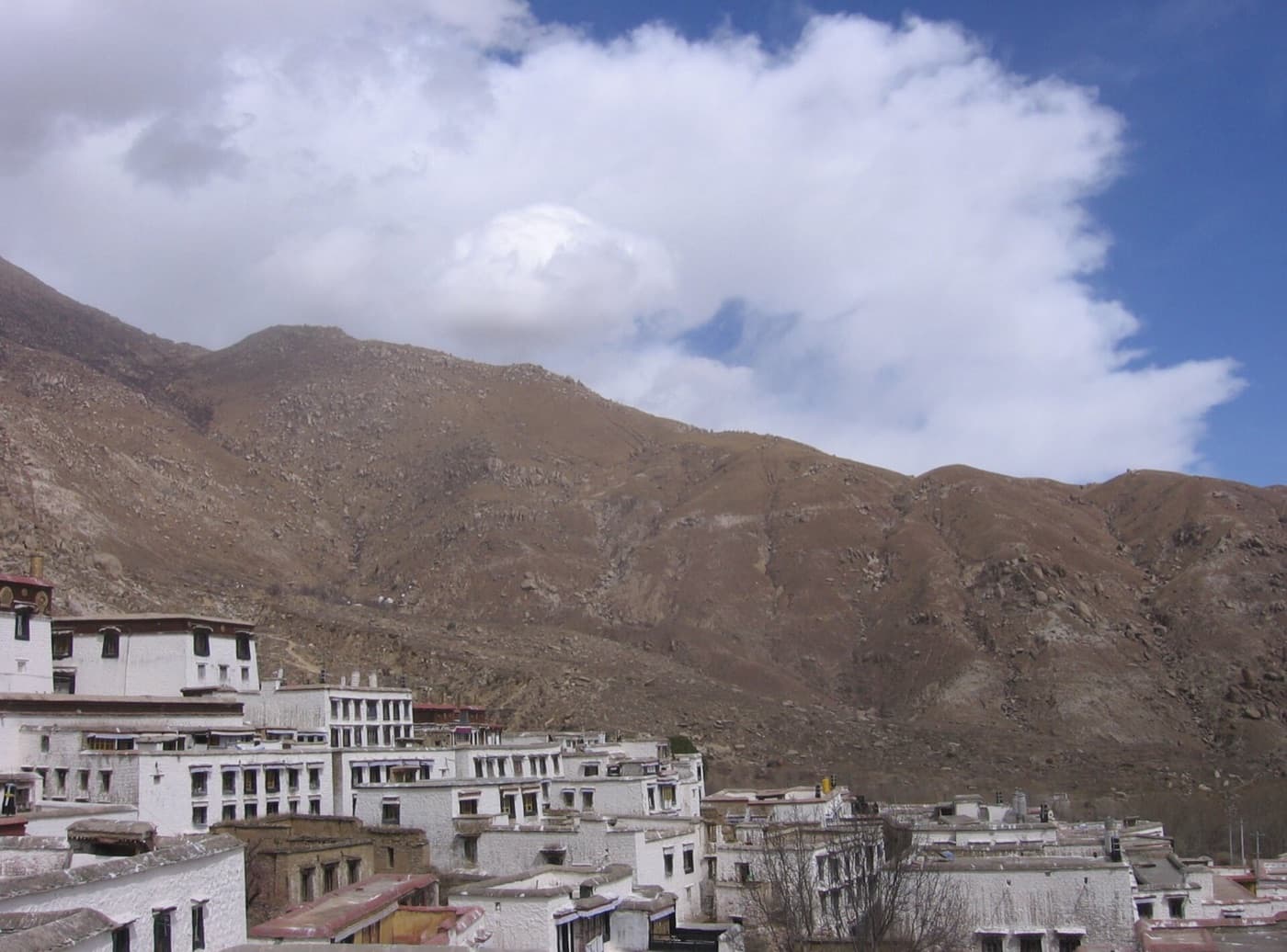
Drepung Monastery
Drepung Monastery is the largest monastery in Tibet, covering 200,000 square metres, and has four dratsang. It was founded in 1416 by a disciple of Tsongkhapa. The Great Assembly Hall is the main building, supported by 183 pillars, and can hold 9,000 monks for scripture recitation. The Tsomchen Hall houses the stupas of the first to fourth Dalai Lamas. Ganden Phodrang, formerly known as Tusita Palace, meaning 'Palace of the Heavenly Gods', is located inside Drepung Monastery. It was home to the first to fifth Dalai Lamas before they moved to the Potala Palace.
2–3 hours · ¥60
Princess Wencheng Live Performance Theatre
A performance not to be missed. The show tells the classic epic of Princess Wencheng's marriage alliance with the Tibetan king Songtsen Gampo. The staging is grand and the music is stirring, and it showcases the blending of Han and Tibetan cultures. Unlike traditional theatre, the highlight of this large-scale outdoor live drama, The Princess Wencheng, is that it uses the stars of the plateau as its backdrop and the mountains and rivers as its scenery, which makes you feel as if you are inside the story.
2 hours · ¥380–¥1,280, depending on seat location
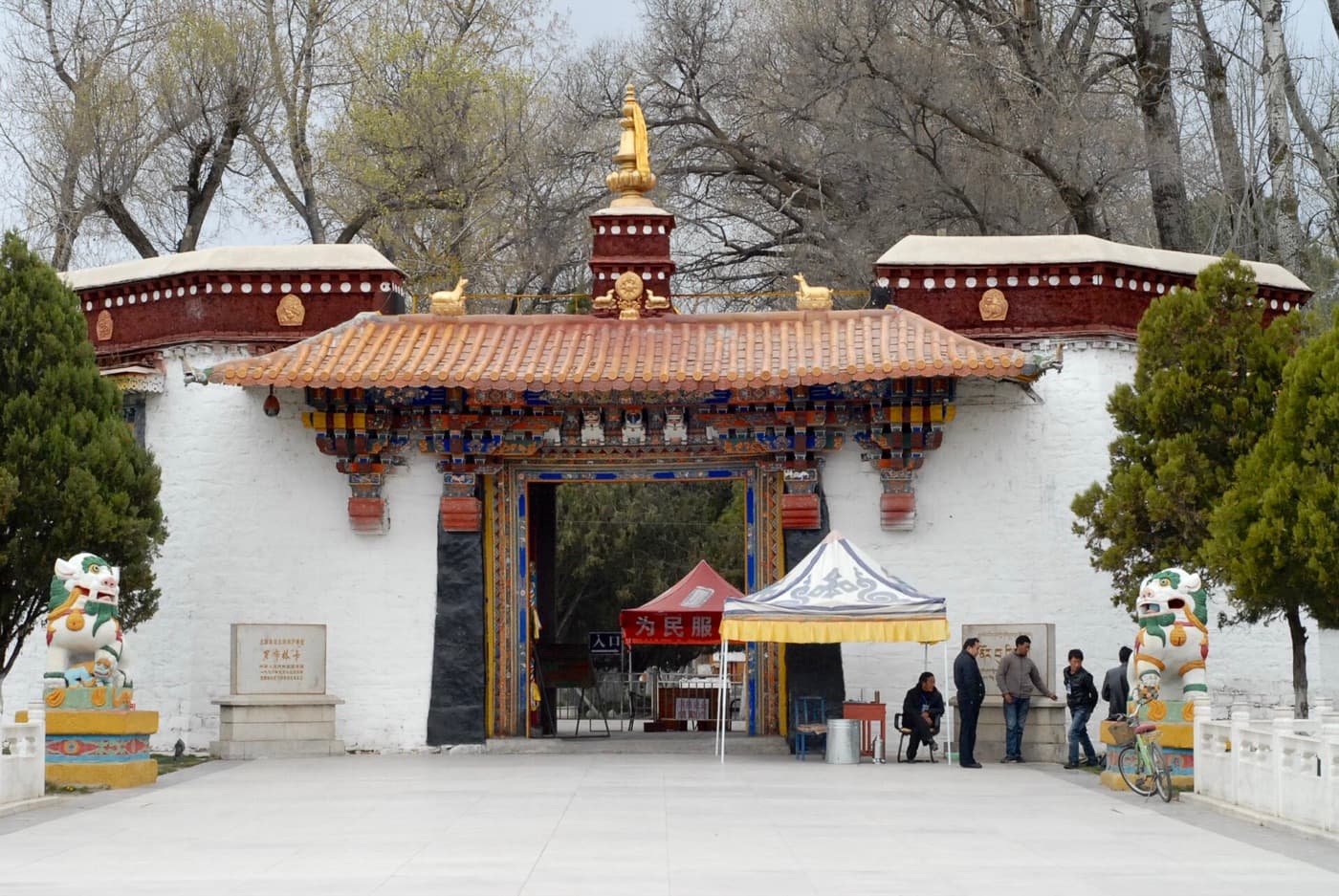
Norbulingka
A renowned Tibetan garden and a place where Tibetans relax in their free time. Norbulingka means 'Jewel Park' in Tibetan. Construction began in the 1740s during the time of the 7th Dalai Lama, and it later served as the summer palace of successive Dalai Lamas. The grounds cover 360,000 square metres and consist of three palaces and gardens.
2–3 hours · ¥60; park admission ¥10; main gate ¥3; each hall ¥7
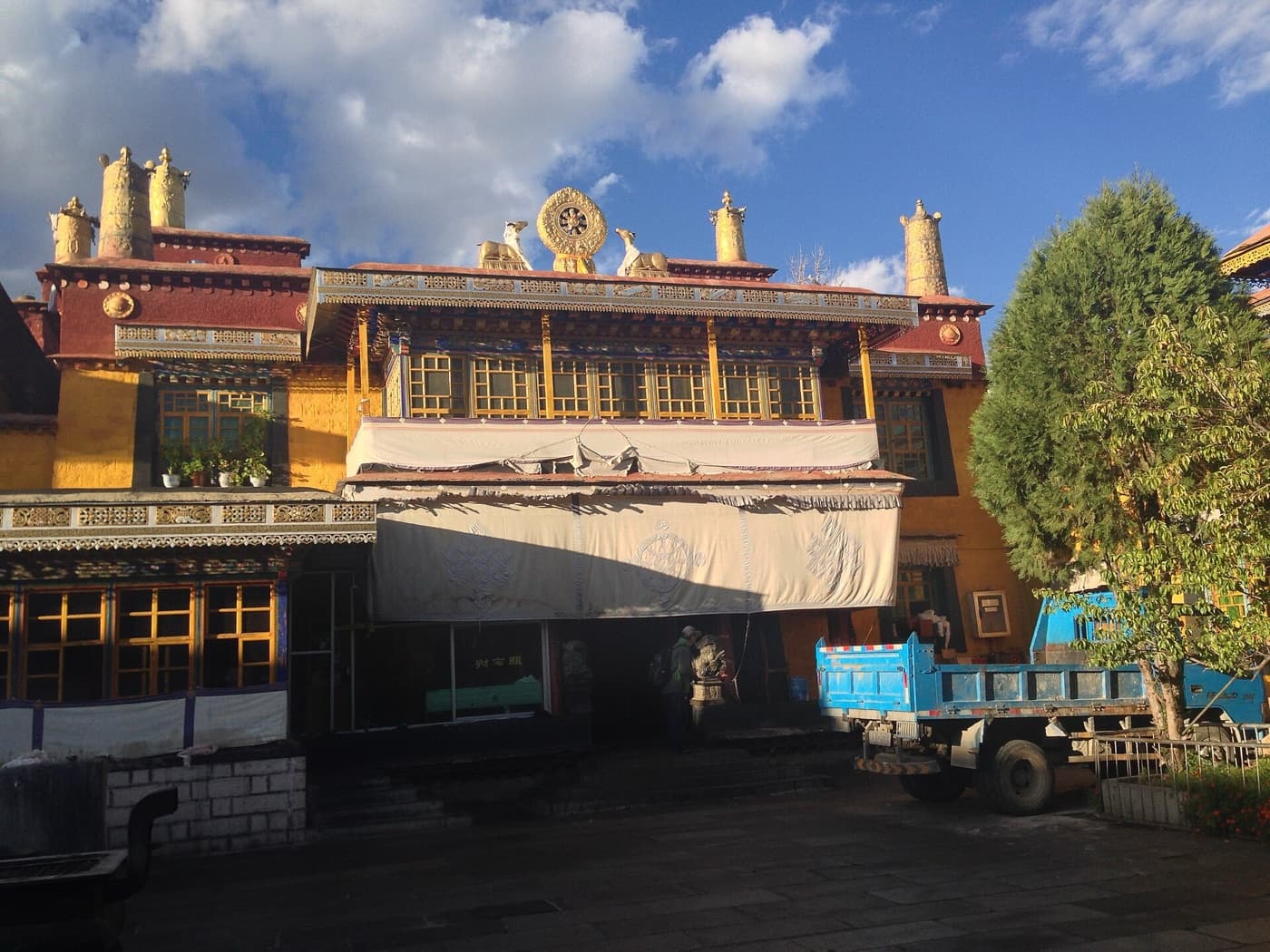
Zhaji Temple
The only temple dedicated to the God of Wealth in Tibet, where incense burns continuously every day. The principal deity of Zhaji Temple is said to enjoy liquor, so when worshipping here, besides khata (hada) and sang (juniper twigs), be sure to bring a bottle of baijiu or qingke (highland barley) liquor. If you haven't had time to prepare, vendors at the temple gate sell all three year-round, and the prices are not high.
1–2 hours · Free
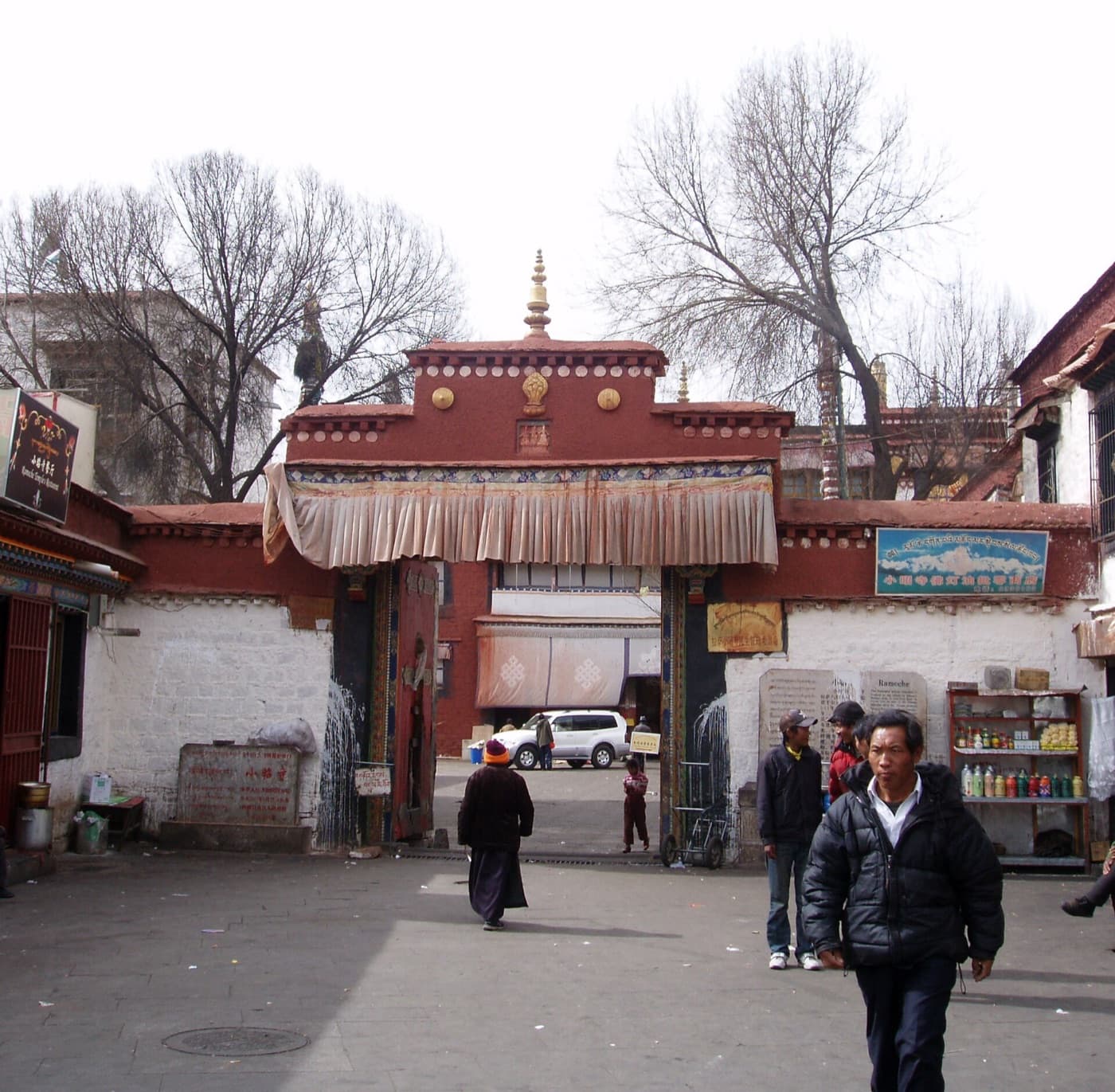
Ramoche Temple
Ramoche Temple is far less busy with incense than the Jokhang. Built in the mid-7th century under the supervision of Princess Wencheng to house the 12-year-old life-size statue of Shakyamuni, its main gate faces east to express her longing for her homeland.
1–2 hours · ¥30
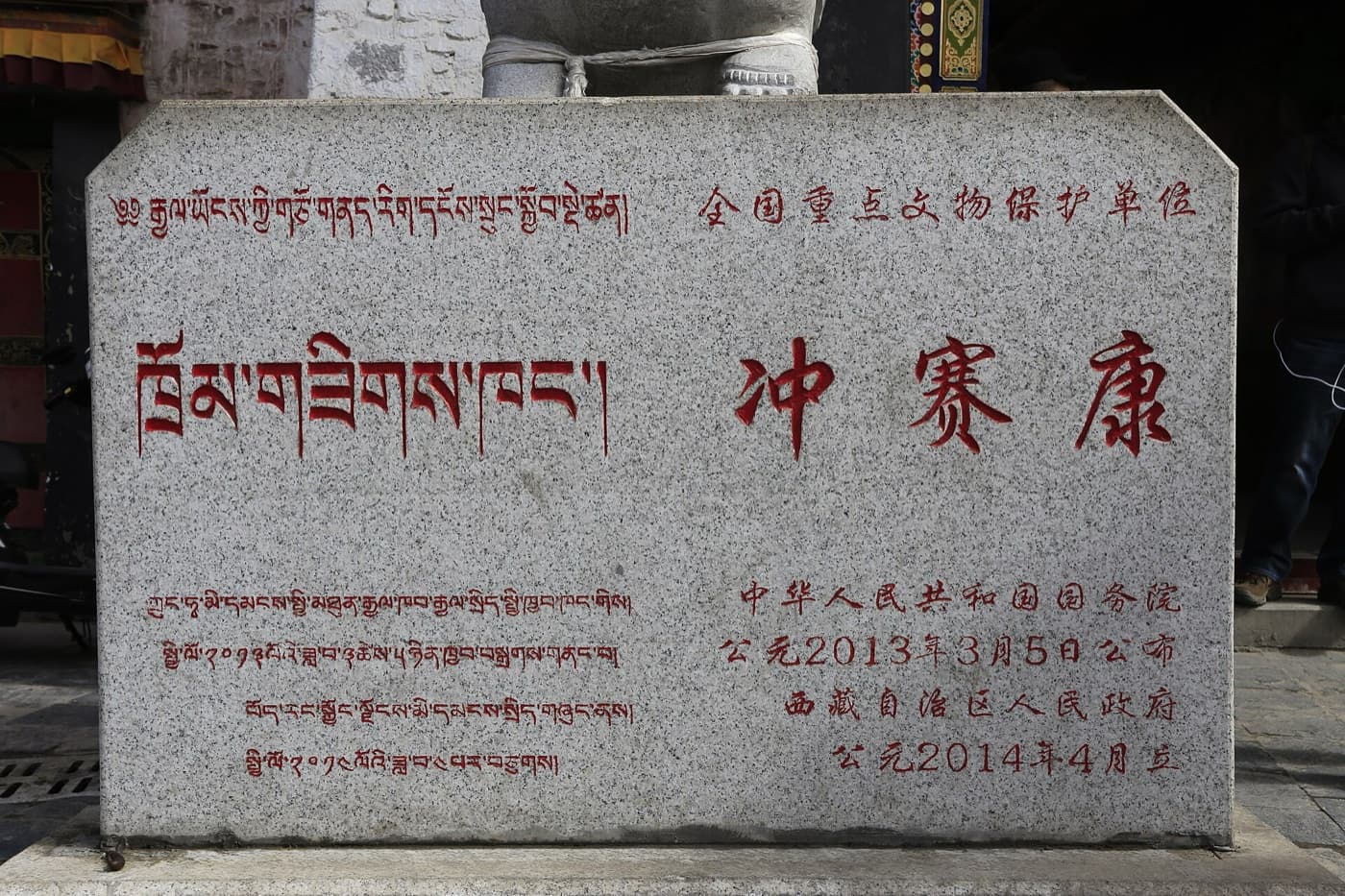
Chongsaikang
Lhasa's largest small-commodity wholesale market, comparable to Hanzheng Street in Wuhan. The air is thick with the smell of yak butter, and piles of yak meat and Nepalese black tea are on sale. Khampa people, with red hero knots in their hair, still hold a traditional advantage here and use an old method called sleeve bargaining. The two sides place their hands inside each other's sleeves and negotiate prices by touch. They reach an understanding while chatting and laughing, and bystanders cannot tell what is happening.
1–2 hours
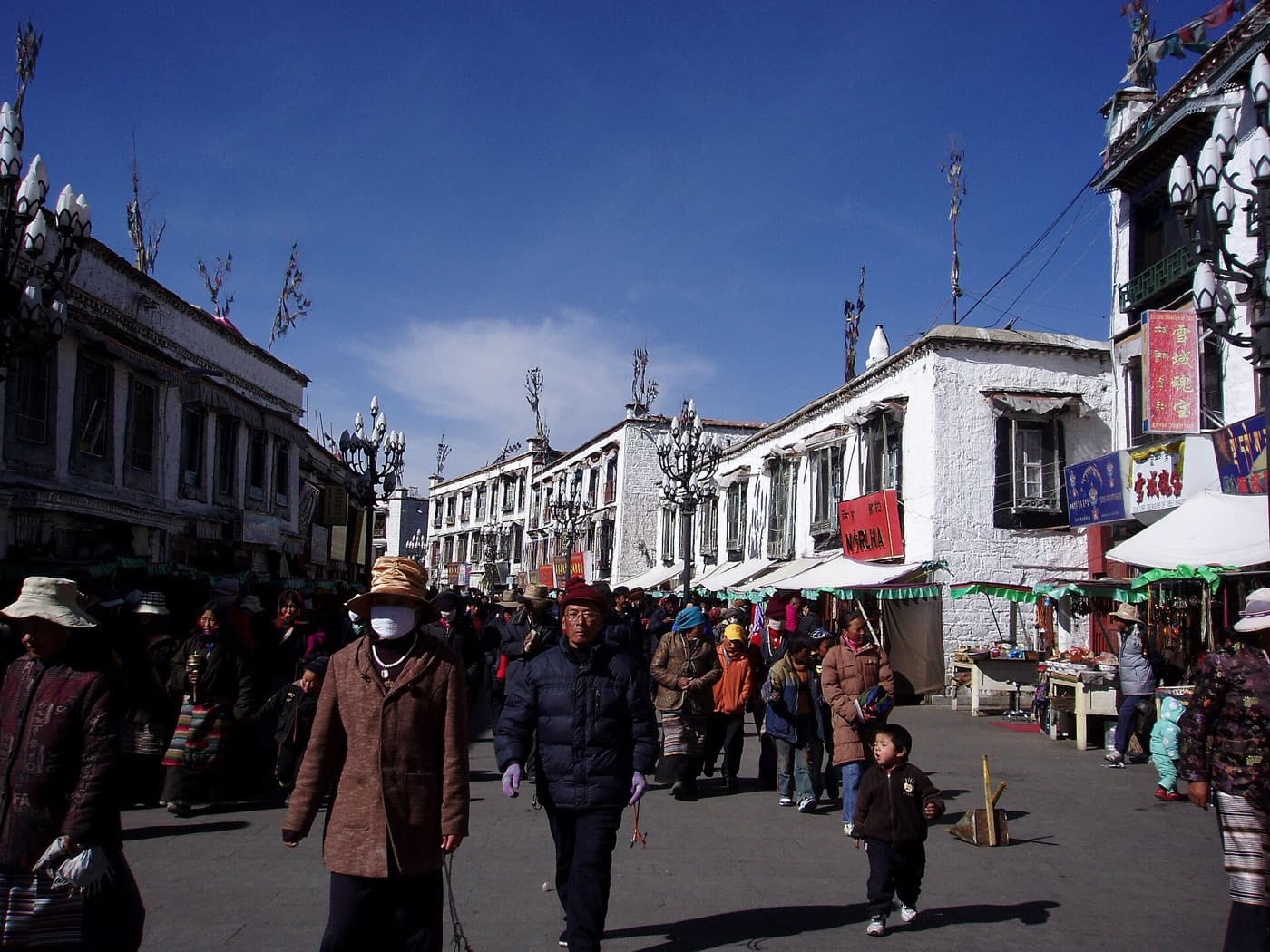
Barkhor Street
Barkhor Street, also known as Bagjiao Street, circles the Jokhang Temple. It is the Tibetan street with the most authentic local life and the most important pilgrim circuit for Tibetan Buddhists. In the past it was a gathering place for aristocrats and merchants, and many buildings more than a century old are still well preserved. They are vivid examples of Lhasa's traditional residential architecture.
1–2 hours
Getting there & around
Getting In and Out
Among the means of transport, flying in and out of Lhasa may be the most suitable, as it saves time; yet it is also the least suitable, because it shortens the process of adapting to the altitude.
Adjust Your Plans
1. When first arriving on the plateau, do not make overly rigid plans, as your physical condition cannot be guaranteed. Moreover, in Lhasa people naturally become languid; even sitting in a hotel corridor and sunbathing is a pleasure.
2. July and August are the peak tourist season in Tibet. During this period, hotel and vehicle prices rise, and flight tickets are also harder to get.
Avoid Contact Lenses
The air in Tibet is extremely dry, so travelers who are nearsighted should avoid wearing contact lenses. Pharmacies throughout Tibet stock rhodiola; taking it starting two weeks before entering Tibet can help prevent altitude sickness, but it cannot cure it.
Qinghai-Tibet Railway
1. To minimize the impact on the original habitat of wildlife such as Tibetan antelopes, the Qinghai-Tibet Railway has a total of 33 wildlife crossings along the entire line, with a cumulative width of nearly 60 kilometers. Along the line there are also many bridges, low embankments and livestock passages for wildlife to cross.
2. Because trains on the Qinghai-Tibet Line are fully enclosed and supplied with oxygen after entering Tibet, passengers cannot open the windows, so littering does not occur. Every station along the railway has a waste collection point, and all rubbish is transported to Golmud for disposal.
3. The Qinghai-Tibet Railway can bring more employment opportunities to Tibetan farmers and herders.
Travel Tips
Travelers heading onto the plateau are advised to consider taking a sleeper train from Golmud. You can also charter a vehicle; there is no standard price, but a one-way trip can generally be arranged for around ¥200. Sometimes you can also catch a new vehicle heading to Lhasa for just over ¥100 per person, but the safety level is not high.
By Air
Gonggar Airport is located in Jiazhulin Town, Gonggar County, Shannan City, about 60 kilometers from downtown Lhasa. Airport buses run to downtown Lhasa, with a fare of about ¥25 and a journey of about 1 hour. The bus terminal is at the Niangre Road CAAC Hotel beside the Potala Palace. A taxi from downtown to the airport costs about ¥200.
By Rail
Travelling to Tibet by train has outstanding advantages. First, the altitude of the Qinghai-Tibet Railway rises gradually as the train advances, which helps your body adapt step by step to the plateau. Second, you can enjoy scenery unique to the Qinghai-Tibet Line that cannot be seen by air, such as the source of the Yangtze River, the Tuotuo River, the Tanggula Pass at an altitude of 5,231 metres, the Qingshui River Bridge where Tibetan antelopes often cross, and the mysterious uninhabited region. Oxygen supply in the carriages starts from the Golmud section, and the journey from Golmud to Lhasa takes only about 12 hours. The trains run during the day, so passengers can enjoy all of these sights.
From downtown, you can take Bus No. 1, 9, 10, 14 or 30 to Lhasa Railway Station. Trains to Lhasa currently run from cities including Beijing, Lanzhou, Xining, Chengdu, Chongqing, Shanghai, Guangzhou and Shigatse.
By Road
The highways into Tibet include the Qinghai-Tibet, Yunnan-Tibet, Sichuan-Tibet, Xinjiang-Tibet and China-Nepal Highways. The Yunnan-Tibet and Sichuan-Tibet Highways may be cut off by landslides during the rainy season each year, while the Xinjiang-Tibet Highway does not even have regular bus services. The China-Nepal Highway is an important route for foreign travellers entering Tibet.
The Qinghai-Tibet Highway runs 1,164 kilometres from Golmud in Qinghai to Lhasa. Its road conditions are the best of the five highways into Tibet, it carries 80% of the freight transported into Tibet each year, and it is the preferred overland route for independent travellers. The route crosses Tanggula Pass, and long-distance sleeper buses take 24 to 36 hours. Because the journey is so long, tyre blowouts and bad weather may occur along the way, so punctual arrival cannot be guaranteed. The two major long-distance bus stations in Lhasa are the North Suburb Bus Station and the Liuwu Bus Station.
Long-Distance Bus Stations and Departure Destinations
Getting Around the City
Taxis in Lhasa now run on metered fares, with a flag-fall of ¥10 for the first 3 kilometres and ¥2 per kilometre thereafter. Because the urban area of Lhasa is quite small, most trips can be completed within the flag-fall fare. However, trips to suburban sites such as Drepung Monastery and Sera Monastery will exceed the flag-fall fare. Pedicabs, which charge by distance, generally have a flag-fall fare of ¥3. Minibuses and buses are also the main means of transport in Lhasa; city buses cost ¥1 and minibuses cost ¥2.
Airport Information Desk
By Air- Phone:
- 96222
North Suburb Bus Station
North Suburb Bus Station- Address:
- No. 11 Zhaji Road, Lhasa
- Getting there:
- Mainly long-distance coach services; buses to Nagqu, Shigatse, Shannan, Ngari, Golmud, Shangri-La and other destinations
Liuwu Bus Station
Liuwu Bus Station- Address:
- Next to Lhasa Railway Station; a newly built long-distance bus station
- Getting there:
- Buses to Chubu Monastery, Drigung Thil Monastery and Ganden Monastery
Eat & drink
Milk tea and highland barley wine are foods you will encounter throughout a trip to Tibet. However, compared with other areas, Lhasa is the most bustling city, offering very good Tibetan-style dishes as well as a wide range of other cuisines. If you have the budget, you can enjoy excellent food here.
Lhasa Hospital
Emergency department 0891-6322200
Emergency department 0891-6822115
Recommended Restaurants
Lhasa offers food from many regions, including Tibetan cuisine, Cantonese, northern Chinese and Hunan dishes. Sichuan cuisine is the most common and is very popular with both visitors and locals. Deji Road and Beijing Road bring together food from across China, with Sichuan dishes, hotpot, a variety of snacks, and even Western food and bars. Many visitors to Lhasa make a point of trying them.
Tibet Autonomous Region People's Hospital
Lhasa Hospital- Address:
- Located on North Linkuo Road
Tibet Autonomous Region Second People's Hospital
Lhasa Hospital- Address:
- Located at No. 119 East Jinzhu Road
Lhasa People's Hospital
Lhasa Hospital- Address:
- Located on East Beijing Road
Tibet Military Region General Hospital
Lhasa Hospital- Address:
- Located on North Niangre Road
Lhasa Maternity and Child Health Hospital
Lhasa Hospital- Address:
- Located at No. 12 Jiangsu Road
Lhasa Municipal Center for Disease Control and Prevention
Lhasa Hospital- Address:
- Located on South Duodi Road
Tibetan Food
Recommended RestaurantsTibetan cooking does not involve elaborate techniques; the flavour comes from the natural juices of the ingredients. Those who do not eat much meat may find it hard to enjoy, and it takes a certain boldness to eat it. Tibetan tableware has no chopsticks, only knives. As for highland barley wine and butter tea, sample them first before drinking, as stomach discomfort in Tibet can be a real nuisance. The Minzu Hotel in Lhasa serves excellent local dishes, so you can sample a wide range there. Below are a few good places to try Tibetan food.
Snow God Palace Tibetan Restaurant
Recommended RestaurantsWith an elegant setting, this is one of Lhasa's top-end Tibetan restaurants, staffed entirely by young Tibetan women. The Tibetan dishes are authentic, including raw meat paste, blood sausage, fried lamb ribs and Tibetan baozi.
- Address:
- Located at the western end of the Potala Palace wall
- Phone:
- 0891-6531556
Maji Ami Western Restaurant & Bar
Recommended RestaurantsA very famous restaurant where you can experience a distinctive atmosphere.
- Address:
- Opposite the telecom bureau at the southeast corner of Barkhor Street
- Phone:
- 0891-6328608
Ruyi Kalin Tibetan Restaurant & Bar
Recommended RestaurantsNo trip to Tibet is complete without trying yak meat, and the yak hotpot here is outstanding, with tender beef and a rich, flavourful broth.
- Address:
- Room 26, 2nd floor, City 118 Chain Hotel, Yutuo Road
- Phone:
- 13989082006
Where to stay
Lhasa is Tibet's largest city and the tourism hub of the entire Tibetan region, so accommodation is no worry. There are luxurious, comfortable hotels, such as the Lhasa Hotel, which has oxygen supply equipment like a large hospital. There are also plain collective hostels that offer nothing beyond a bed and a TV. Travelers are best off staying at a few well-known traveler hubs, where it's easy to find fellow travelers to share a car rental and exchange information.
Many backpackers prefer small guesthouses similar to youth hostels, which are generally located near Barkhor Street.
Most youth hostels have a public message board covered with travel information, most of which is about chartering vehicles. Chartering through these boards can be 10%–50% cheaper than through a travel agency, and you can also find fellow travelers heading to more remote routes such as Medog and Ngari.
Banak Shol Hotel
Recommended AccommodationEstablished in 1984, this hotel is very popular with travelers and is one of Lhasa's longest-running and most famous guesthouses.
- Address:
- No. 8, Beijing East Road
- Phone:
- 0891-6563777
Linchang Boutique Hotel
Recommended AccommodationAn old mansion with a fresh look, originally the residence of a tutor to the Dalai Lama. The furniture is sourced from antique markets, including old Tibetan cabinets. From the rooftop you can see the golden roof of the Jokhang Temple and the peaks surrounding Lhasa.
- Address:
- No. 38, Lugu 1st Lane, Chengguan District, Lhasa (near Jiangsu Road)
- Phone:
- 0891-6899991
Shopping
No one can resist the lure of Barkhor Street. It is a street encircling the Jokhang Temple, where thousands of vendors call out to you in a variety of languages.
How to Choose Tibetan Jewellery
Most of what's sold here is Tibetan accessories: earrings, necklaces, bangles, rings, and all sorts of curious and quirky items. Street stalls rarely sell genuine gold or silver, and the gemstones are even less likely to be real. The craftsmanship is rough, but the colors and styles are distinctly Tibetan and hard to find elsewhere. That makes them ideal for buying in bulk as gifts for friends and colleagues, priced from a few yuan to over ¥10. On the streets behind the Jokhang Temple, some small shops sell genuine silver jewelry, weighed on electronic scales at about ¥25 per gram.
Tibetan Knives
How to Choose Tibetan AccessoriesAnother must-buy, though the craftsmanship is extremely rough, so these knives are best displayed in a cabinet and admired for their shells. They are usually about a foot long (roughly 33 cm), though occasionally you'll find one a full meter long. Post offices can ship parcels for you, and even if you buy a Green Dragon Crescent Blade, they will pack it up and send it home.
Thangkas
How to Choose Tibetan AccessoriesThangkas come in printed and hand-painted versions. Printed ones feature Buddhist images on silk. Hand-painted ones are carefully rendered on canvas by skilled artisans and Tibetan Buddhist monks using natural pigments. Because the pigments contain toxins, insects won't bite them no matter how long they're kept. Several shops on Barkhor Street specialize in making thangkas, and some stores stand outside the gate of the Potala Palace. Thangkas are works of art, so prices are high: even small ones cost several hundred yuan. As for the half-mountain thangka at Drepung Monastery, its value is easy to imagine.
Nightlife
Lhasa has many entertainment and leisure venues, including cinemas, karaoke lounges, dance halls, bars, nightclubs, teahouses and bowling alleys. Along the streets you will also find simple bars run by Tibetan locals, such as sweet tea houses, Tibetan restaurants and hot springs. Many restaurants in the city also offer colourful ethnic song and dance performances.
Recommended Bars
Viva Villa: Sipping a cocktail while looking at the Potala Palace at night and listening to lovely folk music is one of the best ways to unwind. It is definitely worth a visit.
address: No. 28 Jiangsu Road (6th floor, Zhefei Hotel, Guangdong Guild Hall)
Cuifang
Recommended BarsWhat is it like to drink at a bar at an altitude of 3,666 metres? This hidden-away bar is well regarded for its many types of whisky, and its building retains a strong Tibetan style.
- Address:
- No. 16, Second Lane, Xiasasu Road
The Little House Music Bar
Recommended BarsA well-known small bar in Lhasa. It is very quiet during the day, and it is pleasant to sit with your laptop and get online. The owner plays excellent music, including records from China, India, Nepal and other regions, all carefully selected.
Lhasa Song
Recommended BarsBuy the most expensive oxygen, dance at the highest-altitude disco. After 10 p.m., when the night has deepened, the lively atmosphere is only just getting started. People from all over the country gather here to raise their glasses and sing the song "Houlai" together.
- Address:
- Xianzu Island Chengtou Binhe Park Phase II, 4-8-1, Binhe Road
Day trips & beyond

Namtso Lake
For many people who have been to Namtso, it is one of the most majestic places they have ever seen. If you can visit only three places in Tibet, travellers who have been there recommend Namtso, the Himalayas and Mount Kailash (Kangrinboqe). Namtso is China's second-largest saltwater lake after Qinghai Lake, and it is the highest saltwater lake in the world. Five islets dot the lake, and the massive Tashi Peninsula is visible from far away. On Tashi Island, two small hills rise. If you climb to the summit of the taller one, you will see a huge pile of mani stones and prayer banners, along with a line of small mani stone piles stretching for hundreds of metres. This is the highest point of Namtso, with the vast lake spreading out around you like a sea. Along the shore stand snow-capped mountains, and on clear days you can see the main peak of the Nyainqêntanglha Range.
1–2 days
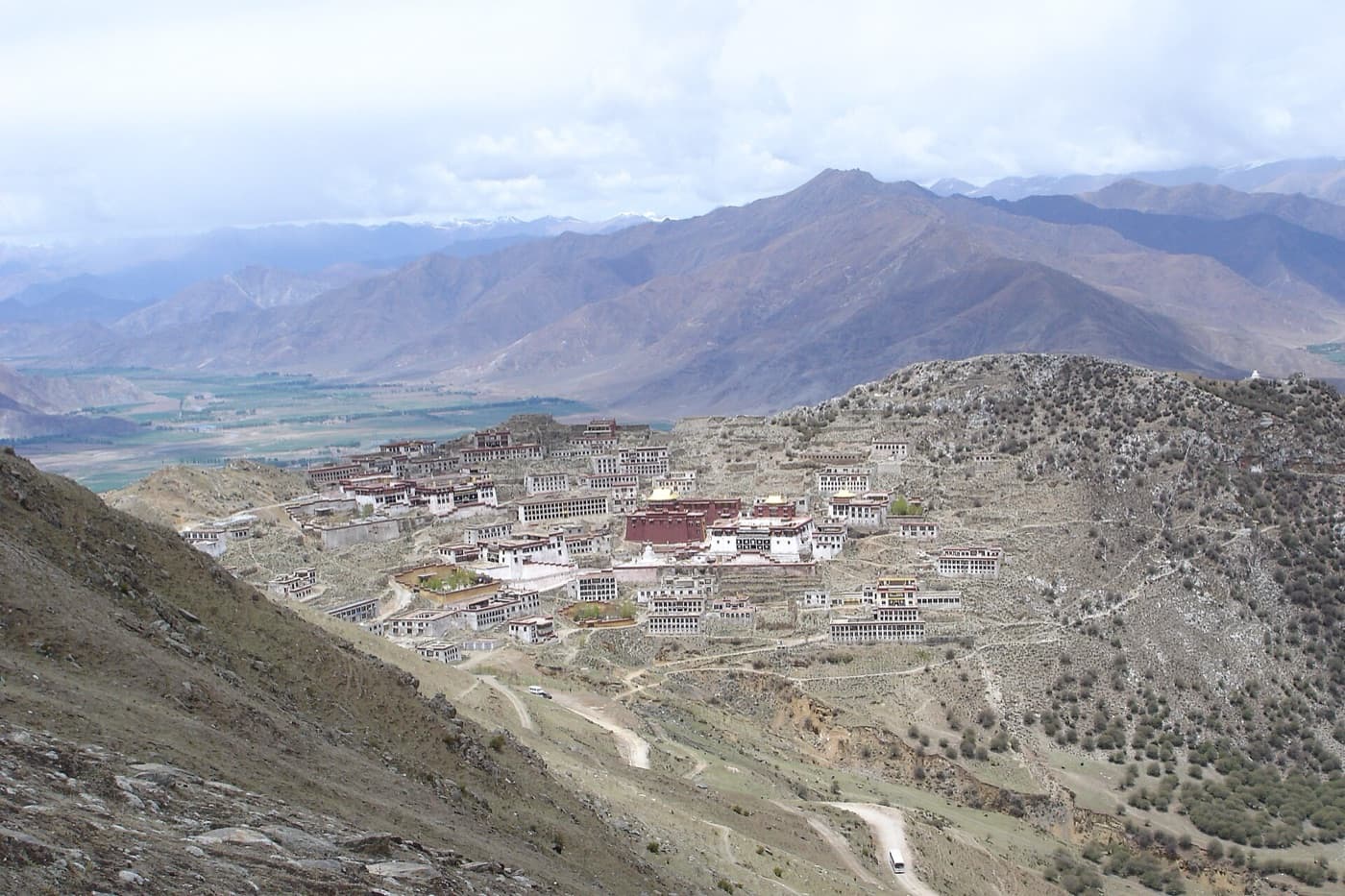
Ganden Monastery
The first monastery of the Gelug school. Ganden Monastery, together with Sera and Drepung monasteries, is known as Lhasa's Three Great Monasteries. It was built by Tsongkhapa in 1409, and his body is enshrined in a stupa inside the monastery. The monastery has two dratsang, more than 50 buildings, and a set quota of 3,300 monks.
2–3 hours
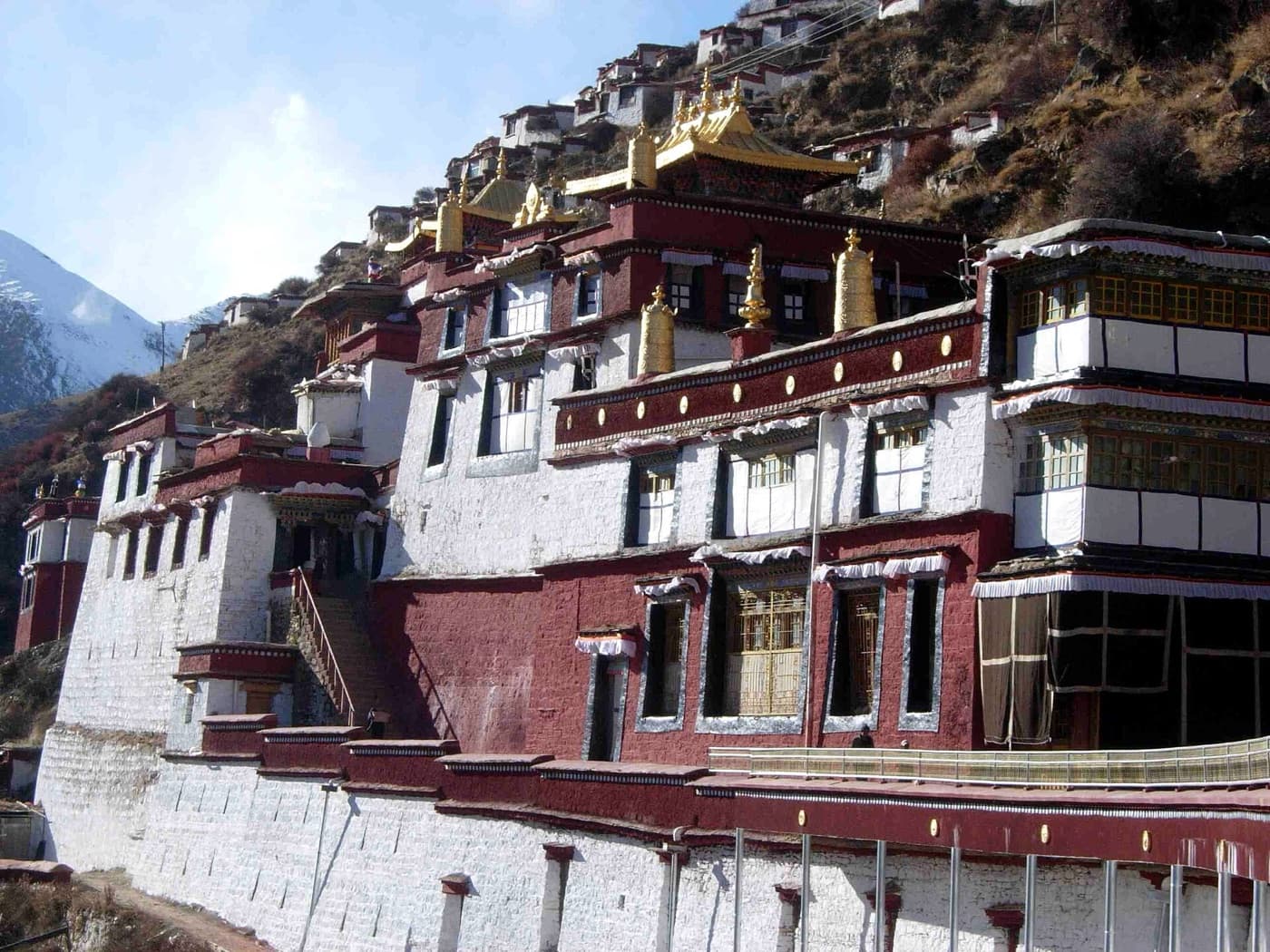
Drigung Til Monastery
Built in 1179 by Rinchen Pel, the monastery stands between sheer cliffs and is very spectacular. Its main sights include the assembly hall, the stupa hall, the library, the mandala hall, the hall of protector deities, meditation and esoteric training rooms, and Tashi Gomang Hall.
2–3 hours
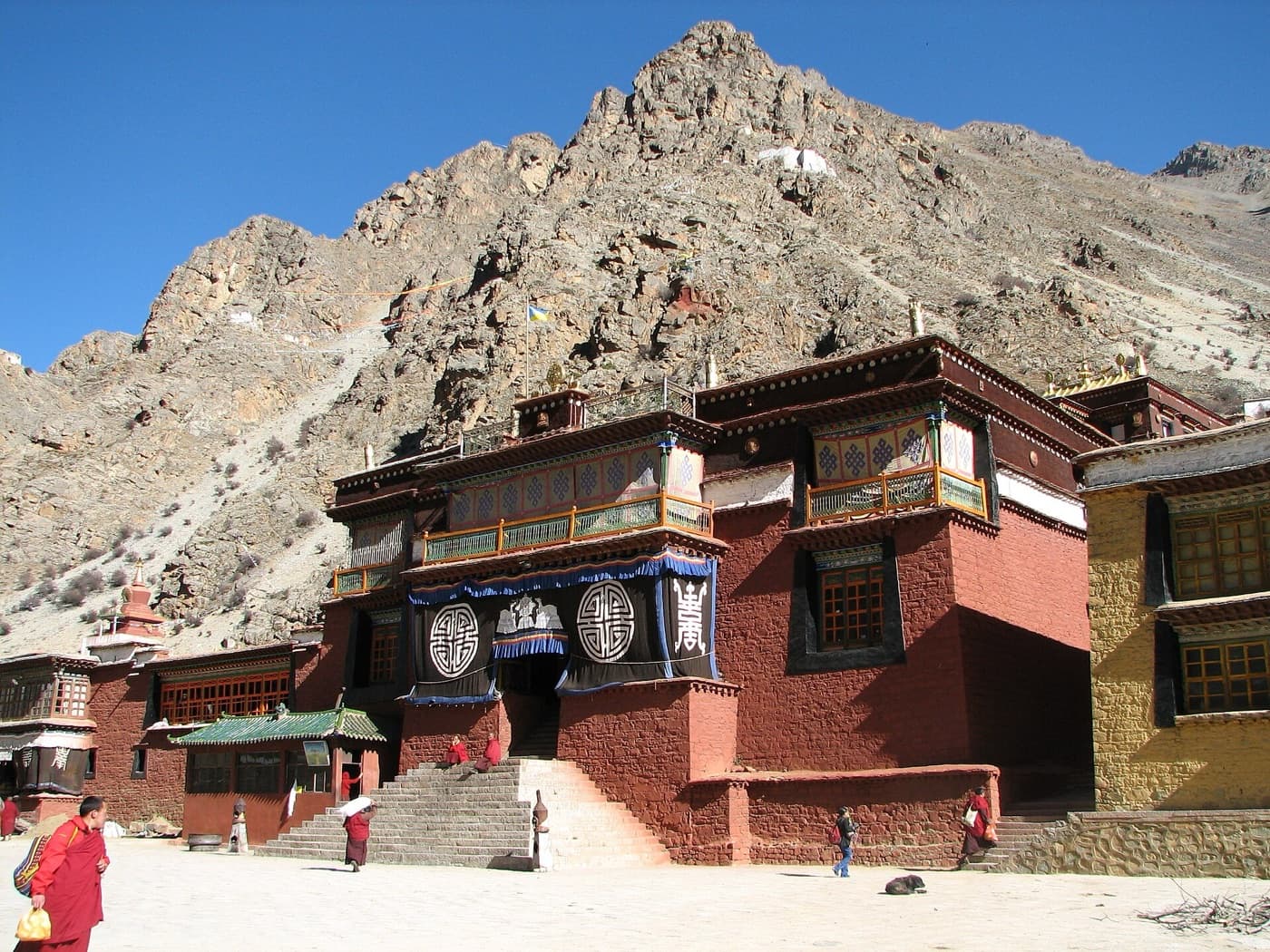
Tsurphu Monastery
Tsurphu Monastery lies 60 km west of Lhasa, on the upper reaches of the Tsurphu River. It is also known as Cuobu Temple (磋卜寺). At an altitude of 4,300 m, it was founded in 1187 by Düsum Khyenpa, a disciple of the Karma Kagyu master Tabu Lhaje. It was rebuilt after the Cultural Revolution and is the main monastery of the Karma Kagyu school of Tibetan Buddhism in Tibet, belonging to the White Sect (Kagyu). Every year on 30 May, Tsurphu Monastery holds its annual ceremony to unveil a giant embroidered thangka of Shakyamuni Buddha.
Temples
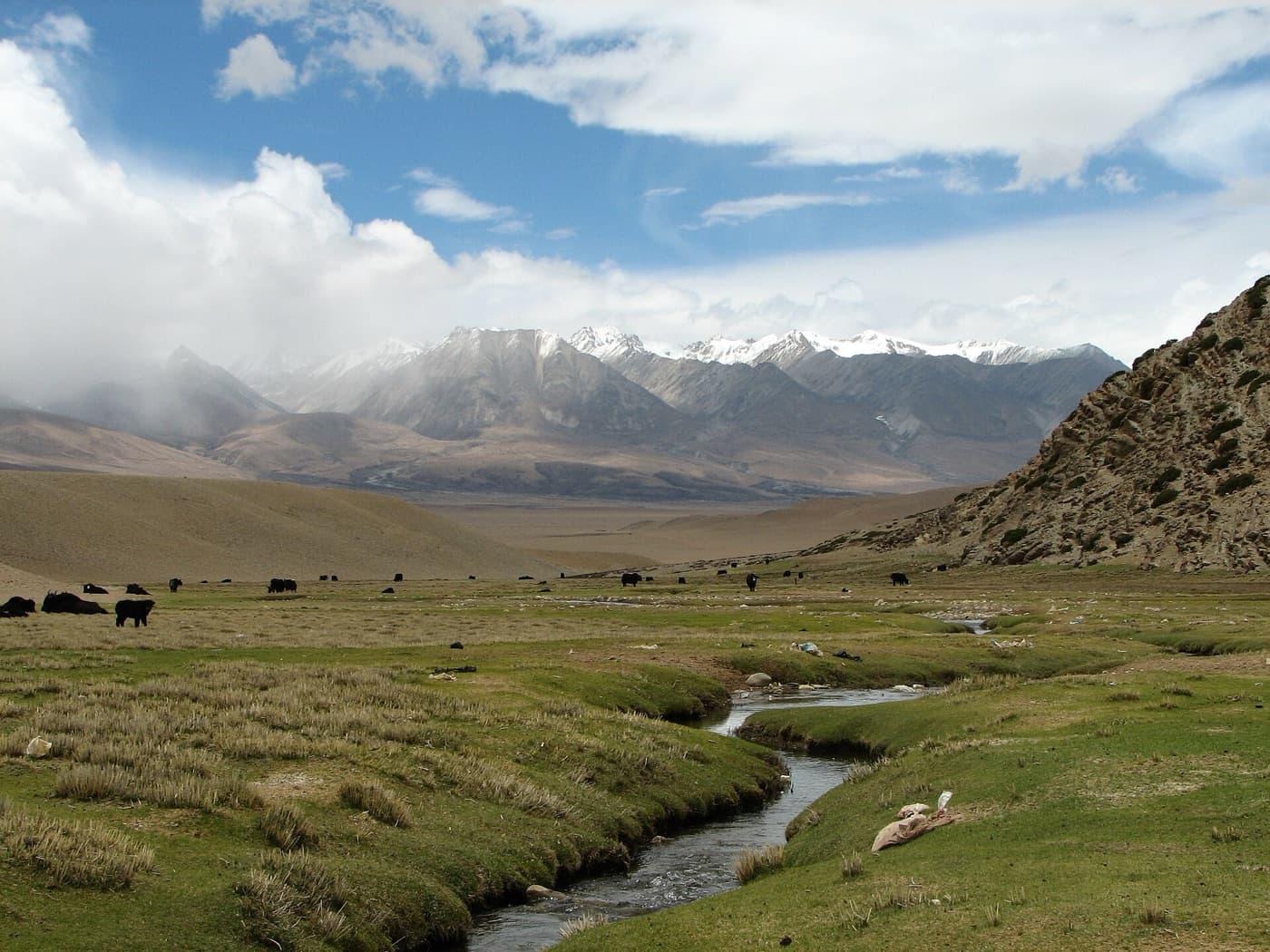
Yangbajain
The Yangbajain geothermal field covers more than 7,000 square metres, and its water temperature stays at around 47°C. Most of the hot springs here contain hydrogen sulphide, which is said to help treat a range of chronic illnesses. Bathing takes place in an open-air swimming pool, with snow-capped mountains visible in the distance. Yangbajain is at its most beautiful at dawn, when huge clouds of steam rise from the geothermal fields over the water and white mist drifts across the scene like a fairyland.
4–5 hours
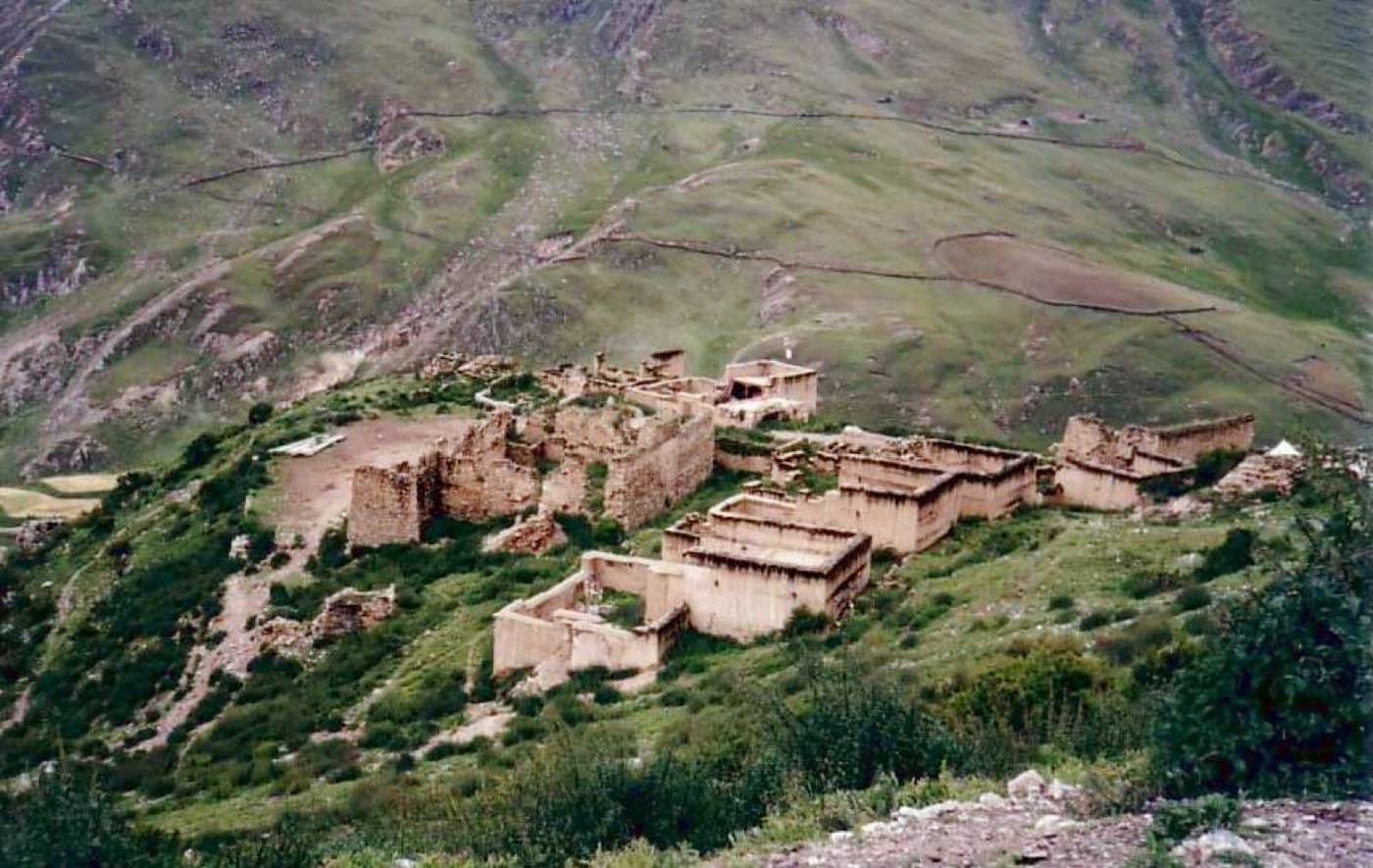
Drak Yerpa Monastery
According to legend, the monastery was first built in the 7th century, so its history spans some 1,500 years. After several expansions, it took its present form: Drak Yerpa Monastery, tucked into the crevices of the cliff face.
1 hour
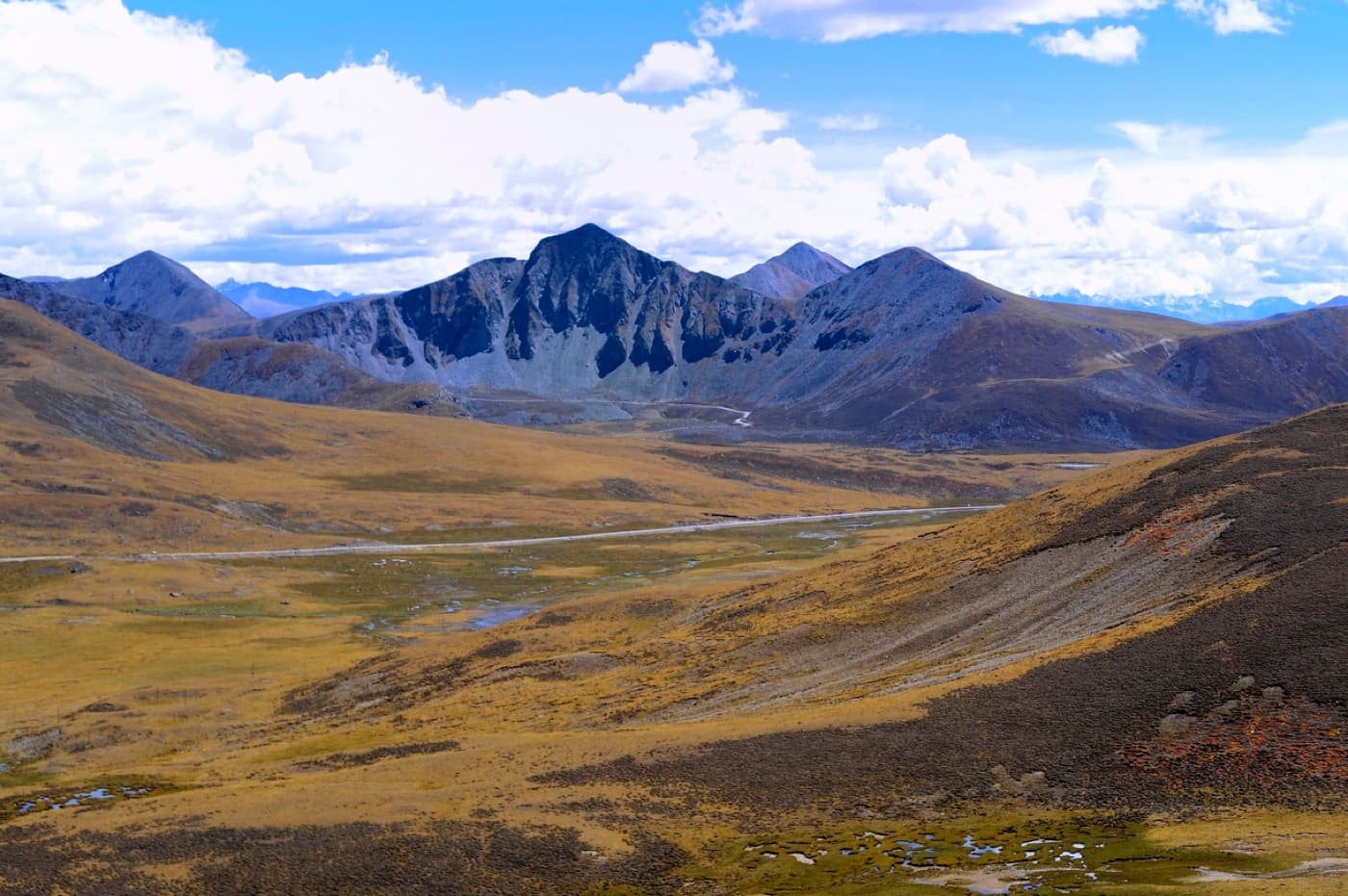
Mila Mountain
At 5,103 m, Mila Mountain is known in Tibetan as Jiagezong, meaning 'Mountain of the Divine People'. It lies on the essential route into Tibet along the Sichuan-Tibet Highway (川藏线) and is well worth a stop. Three iconic bronze oxen and colourful prayer flags fluttering between earth and sky lend the place a sense of sanctity.
1–3 hours
Source: China Self-Guided Travel 2025 (《中国自助游》, Tianjin Science & Technology Press, Aug 2024), pp. 521–551. Translated from the Chinese edition; names and prices follow the guidebook. · Plain text version