Mount Heng (Nanyue Hengshan) travel guide
南岳衡山
The number of pilgrims who come to Nanyue to burn incense and worship the Buddha is hard to imagine. From the first to the fifteenth day of the seventh lunar month, the crowds can only be described as a sea of people.…
11 places · In the guidebook: pages 1988–1997

Mount Heng (Nanyue Hengshan), Hunan Province · AI illustration for China Trip
Quick itinerary
Mount Heng (Nanyue Hengshan) in 1 days
- Day 1
- Nanyue Grand Temple→
- Huayan Lake→
- Zhonglie Shrine→
- Banshan Pavilion→
- Xuandu Temple→
- Xiangnan Temple→
- Shoubinanshan Rock→
- Nantianmen Gate→
- Zhurong Peak (watch the sunset and the sea of clouds)→
- Gaotai Temple→
- Zangjing Hall
The feel of the place
- Pilgrims
- The number of pilgrims who come to Nanyue to burn incense and worship the Buddha is hard to imagine. From the first to the fifteenth day of the seventh lunar month, the crowds can only be described as a sea of people. What sets pilgrims apart from ordinary visitors is their red: a red sleeveless vest, a red shoulder bag, or a red handkerchief—something red, in any case. During festival fairs, the spectacle of these red-clad processions has become a new sight in Nanyue.
Travel Essentials
1. In local usage, “Hengshan” generally refers to Hengshan County, while “Nanyue” is the name of the Mount Heng scenic area. When asking for directions, buying tickets or taking transport, be sure to say “Nanyue” and not just “Hengshan.”
2. The weather on the mountain changes quickly, so visitors should bring rain gear.
3. The summit is about 10°C cooler than the foot of the mountain, so bring some warm clothing.
4. Apart from daily necessities and valuables, large luggage can be left at hotels near the Grand Temple at the foot of the mountain. You can also leave luggage there even if you do not stay overnight.
Buddhism and Taoism Side by Side
Buddhism and Taoism coexist on Mount Heng, sharing one mountain and even one temple complex, a rare feature among China's famous mountains.
Preparation and Information
Language
Speaking Mandarin is perfectly adequate for communicating with locals.
Climate and Best Time to Visit
Because of the altitude, the temperature difference between the mountain and the foot is considerable: it is hot at the base and cold at the top. Locals have long described Mount Heng as having “three layers of sky”: from the foot of the mountain to Yuban Bridge, from Yuban Bridge to Banshan Pavilion, and from Banshan Pavilion to Zhurong Peak. The higher you go, the colder it gets. Spring is rainy, summer is not too hot and winter is not too cold, and for much of the year the mountain is shrouded in cloud and mist.
Things to see
Nanyue, also known as the “Mountain of Longevity,” gave rise to the saying “as long-lived as the southern mountain.” The Mount Heng scenic area has 72 major and minor peaks stretching across some 800 li (roughly 400 km). The main peak, Zhurong Peak, stands 1,290 metres above sea level. Throughout the area, lush forests, bamboo groves and rare flowers and plants create a beautiful natural landscape, earning it the nickname “Nanyue Stands Alone in Beauty.”
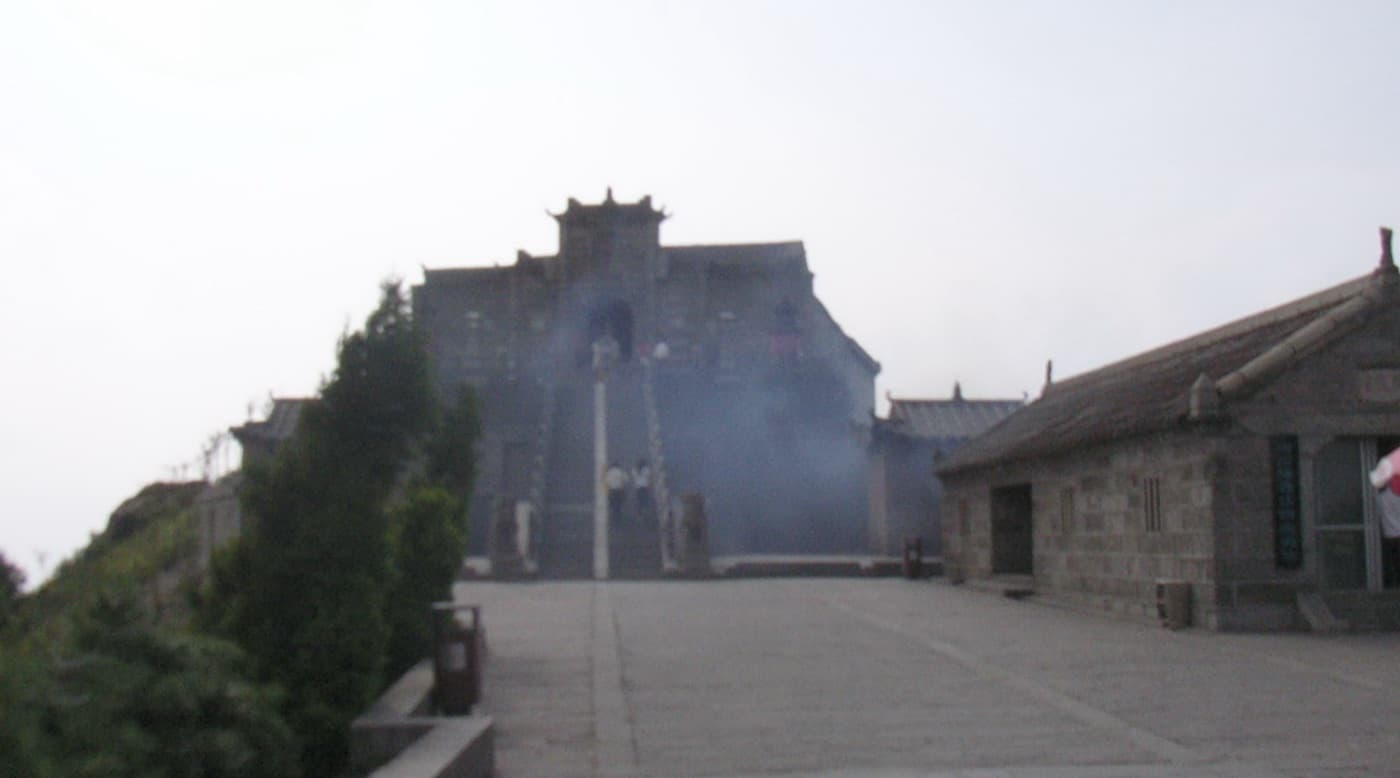
Zhurong Peak
Architecture · Photography · Nature
Zhurong Hall stands on the summit of Zhurong Peak. Because the mountain is high and exposed to strong winds, the hall was built with granite walls and an iron-tiled roof. Standing firm against wind and snow atop the boulders at the peak, it is a truly impressive sight. Behind the hall is the Moon-Gazing Terrace (望月台), a towering rock outcrop with ancient inscriptions whose characters remain clearly legible.
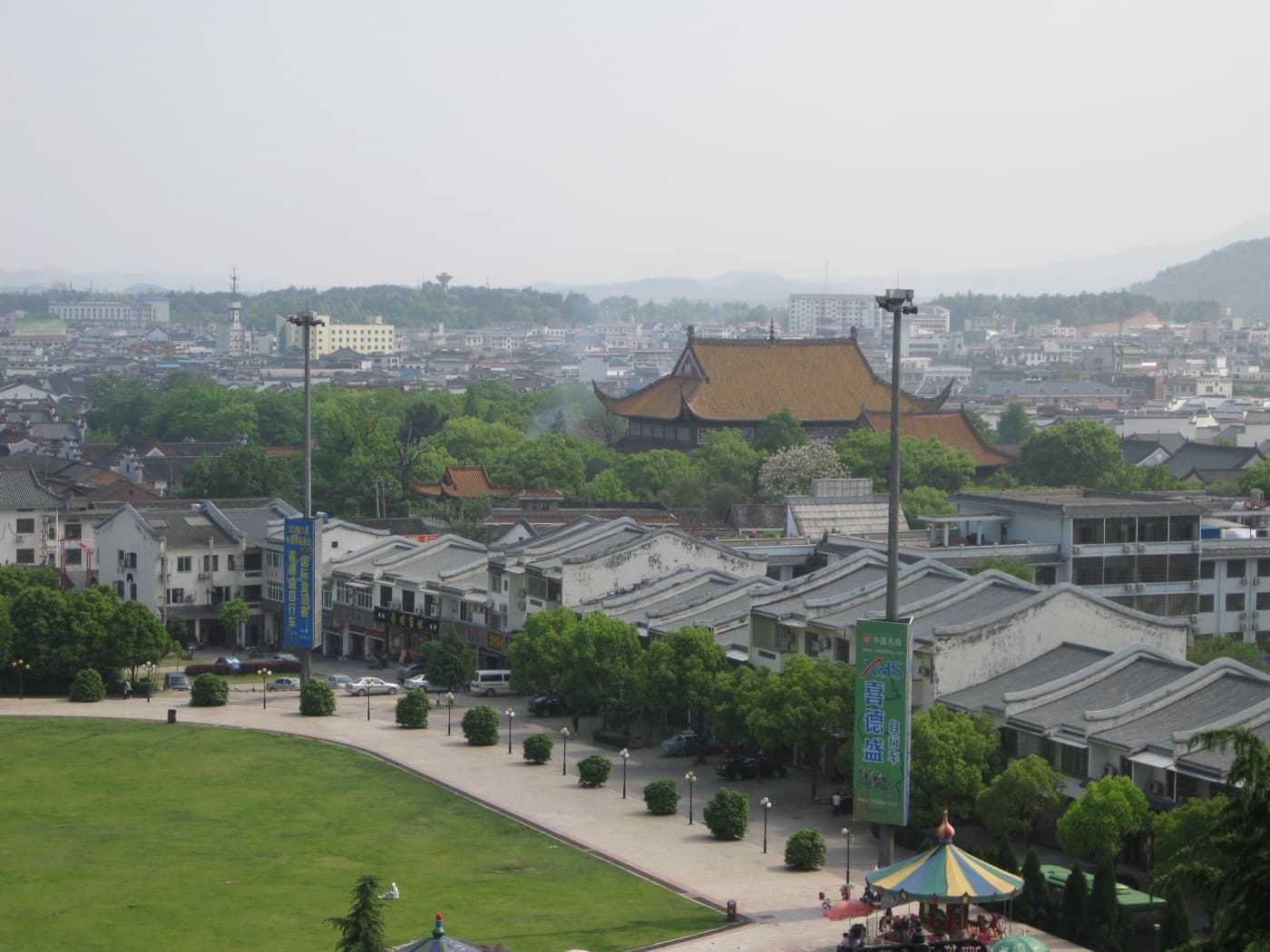
Nanyue Grand Temple
2–3 hours · ¥40
Founded in the early Tang dynasty, Nanyue Grand Temple is the largest palace-style ancient architectural complex in southern China, its main buildings arranged in nine successive courtyards. It is a treasure of both historical significance and artistic value. Its grand scale, exquisite architecture, complete structure and meticulous layout are truly rare.
Zangjing Hall
There is a saying: "Without visiting the Zangjing Pavilion, you have not truly seen the beauty of Nanyue." The boundless green forest, red walls with green tiles, and carved beams and painted halls and pavilions may explain the origin of the "Beauty of Zangjing Hall". "The Beauty of Zangjing Pavilion" is counted as one of the Four Wonders of Nanyue.
1 hour
Fangguang Temple
Renowned for its profound and graceful atmosphere, Fangguang Temple lies beneath Lotus Peak. Ancient trees grow densely here, silver springs murmur, and eight surrounding peaks rise like the petals of a lotus, with Fangguang Temple at its heart. The area is home to many rare tree species, including Chinese yew, Yinque and Emmenopterys. One sal tree grows from a crevice in the rock and is several hundred years old.
1–2 hours
Huaguoshan Scenic Area
Here you can enjoy both the grace of Mount Heng (Nanyue Hengshan) and the splendour of Danxia landforms. The scenic area recreates scenes from the classic novel Journey to the West, including the Sea-Calming Divine Needle (the Golden Cudgel), the Spider Cave, Five Elements Mountain, the Three Attacks on the White Bone Demon and the Kingdom of Women. The highlight is Water Curtain Cave (水帘洞). Its water flows from Zigai Peak through mountain streams into the cave. The cave is only 7–10 metres wide yet seemingly bottomless, and when the water overflows it forms a waterfall more than 60 metres high.
0.5–1 day · ¥100
Getting there & around
Getting There and Away
Hengyang is an important railway transfer hub in southern China, and reaching Mount Heng requires changing trains in Hengyang, so it is also the key transfer point for visiting the mountain. In terms of transport, the train is convenient for visitors from every direction. You can alight at Hengyang, Hengshan or Zhuzhou railway stations, then change to a bus to reach Nanyue District (formerly Nanyue Town), and from there transfer to a bus up to Mount Heng.
Railway
Several major north–south trunk lines, including the Beijing–Guangzhou and Zhejiang–Jiangxi lines, meet at Hengyang, so the train is one of the more convenient ways to reach Mount Heng.
From Changsha South, you can also take a high-speed train to Hengshan West Station. The second-class seat fare is ¥64.5 and the journey takes 29 minutes.
Road
From Changsha: Take the Changsha–Nanyue tourist bus from the railway station directly to the Nanyue scenic area. Alternatively, take a city bus from the railway station to Changsha South Long-Distance Bus Station, then board the Changsha–Nanyue tourist bus there. Fare: ¥46. Journey time: about 150 minutes.
From Hengyang: Take a city bus from the railway station square to the Central Bus Station and get off there. From here, take a tourist bus to the Nanyue scenic area. Fare: ¥15; journey time: 45–60 minutes. Chartered car: ¥100–150.
Getting Around the Area
Visitors who arrive by train at Hengyang, Hengshan or Zhuzhou railway stations can change to a bus for Nanyue District. There is a road up the mountain, so from the foot of the mountain you can take a tourist shuttle or a tourist taxi to Banshan Pavilion or Mojing Terrace.
Hengshan West High-Speed Railway Station has a dedicated tourist line to Nanyue; the fare is ¥18. From the railway station to Nanyue on the tourist line, the fare is ¥10. From Nanyue Bus Station you can take Bus No. 3, which is free.
Eat & drink
As a famous Buddhist mountain, Nanyue naturally specializes in vegetarian cuisine. The main ingredients of its vegetarian feasts include Xiang lotus, mushrooms, bamboo shoots, and red and white radishes, all local mountain delicacies. Even without tasting the vegetarian dishes of Mount Heng, the names alone are remarkable: “One Fragrance,” “Twice Plum,” “Three-Fresh Soup,” “Four Seasons Clear,” “Five Lamps Gathering,” “Six Sons Lotus,” “Seven-Storey Tower,” “Eight Great Bowls,” “Nine As You Wish,” and “Ten Scenes.” The presentations are equally refined: “Auspicious as You Wish,” “Pure as Ice and Jade,” and “All Is Empty.”
Where to stay
The Nanyue district at the foot of the mountain is the main centre for food and lodging. Visitors can eat, rest and buy sightseeing maps here. There are also many hotels and guesthouses on the mountain. Nanyue Hotel at Mojing Terrace and Nanyue Mountain Villa halfway up the slopes are both good places to stay.
Caihuo Grand Hotel
Caihuo Grand Hotel- Address:
- No. 46, Jinpen Street, Jinsha Road
- Phone:
- 0734-5674888
Shopping
Cloud and Mist Tea is a specialty of Mount Heng. Nanyue yanjun mushrooms are another well-known local product: fresh mushrooms are fried until cooked, then stored in a jar with a little tea oil to make a mushroom oil, which is used in cooking to give dishes a delightful aroma. Gaipai porcelain is another Nanyue specialty worth considering as a souvenir.
Day trips & beyond
Jiuyi Mountain
Also known as Cangwu Mountain, Jiuyi Mountain takes its name from Emperor Shun's southern tour. Its green peaks rise majestically, karst caves dot the landscape, and the natural scenery is beautiful. This is also a Yao ethnic community, where you can enjoy Yao songs, long-drum dances and the wedding custom of the bride “sitting in the song hall” (坐歌堂).
0.5–1 day
Shangangtang Ancient Village
With over 1,200 years of history, this is one of the oldest thousand-year-old ancient villages discovered in Hunan Province to date. Most of its residents belong to the Zhou clan. The village's highlight is Yuebei Pavilion (月陂亭), which houses the calligraphy “Loyalty, Filial Piety, Integrity and Honesty” by Wen Tianxiang. Outside the village, Buying Bridge (步瀛桥) is a three-arch stone bridge, the only Song-dynasty bridge in Hunan Province.
1 hour
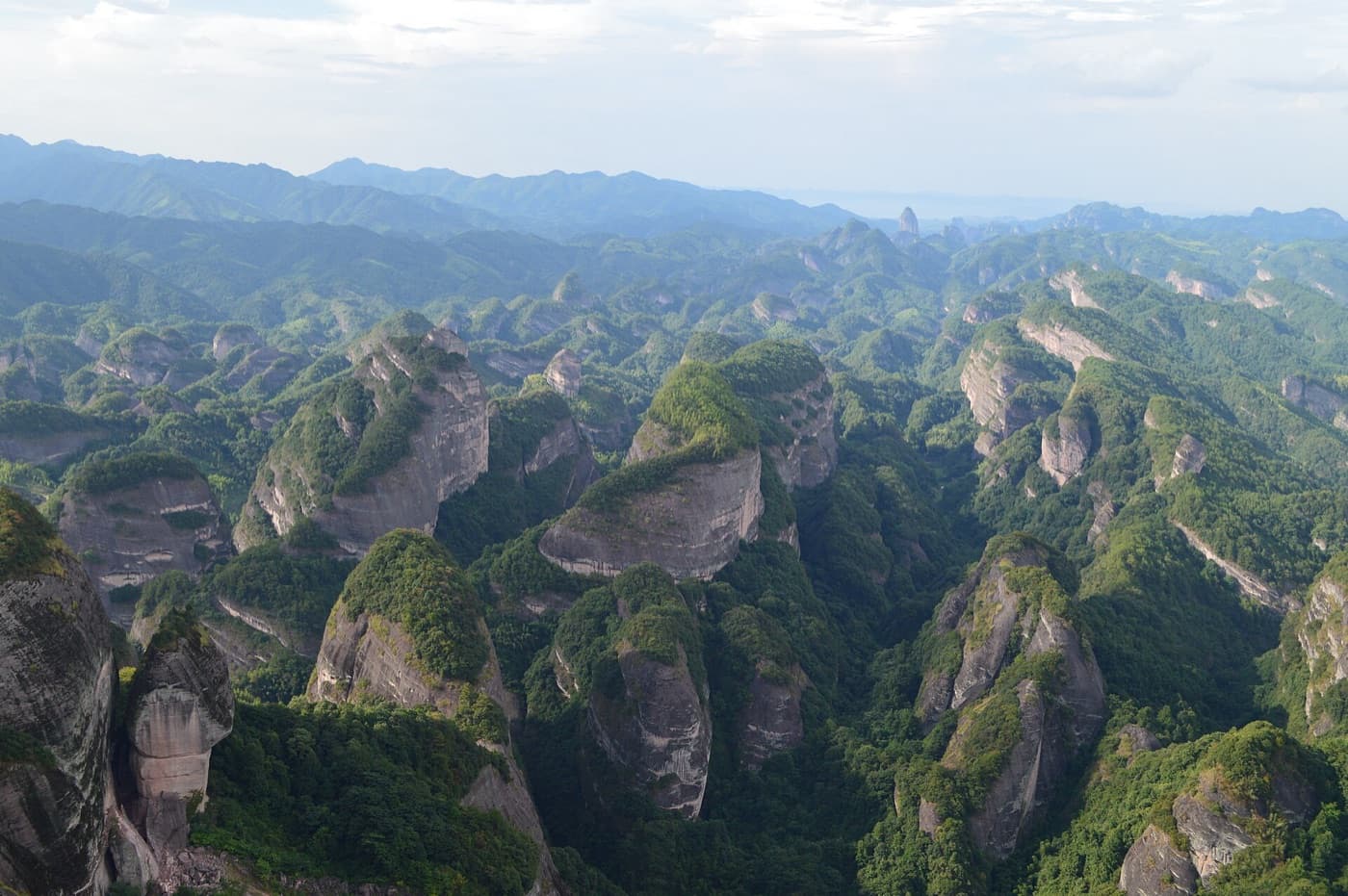
Langshan Mountain
Combining cliffs, green ridges, strange peaks, secluded valleys, mysterious caves and clear waters in one place, Langshan is a classic Danxia peak-forest landscape. Its General Stone (将军石), Natural Bridge (天生桥), Tianyi Lane (天一巷), Eight-Corner Stronghold (八角寨), Camel Peak (骆驼峰) and Chili Peak (辣椒峰) are known as marvels of China and are considered among the world's natural wonders.
1–2 days
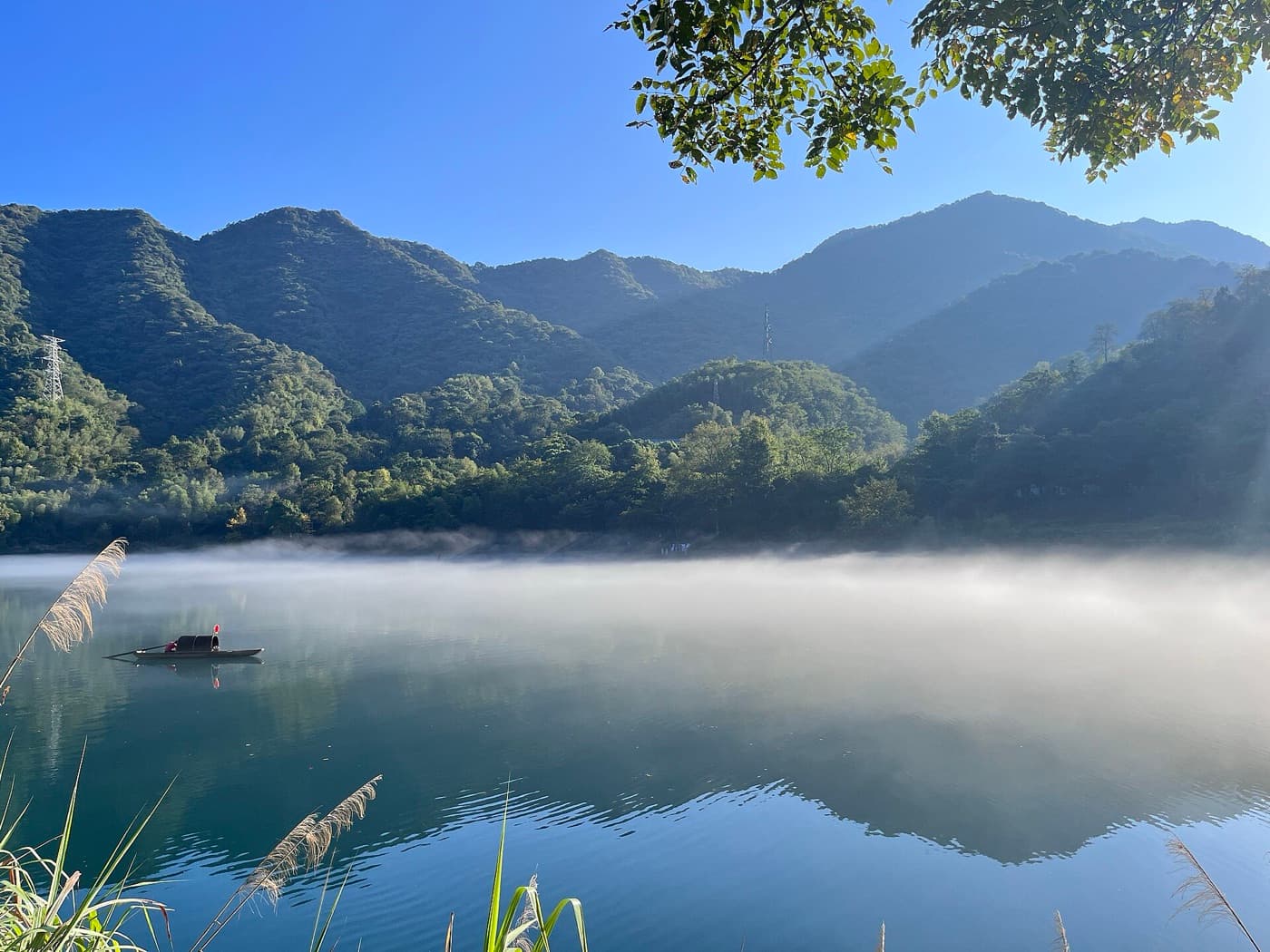
Dongjiang Lake Tourist Area
Dongjiang Lake in Chenzhou stretches vast and misty, with water and sky merging into one colour. The most enchanting sight is the ever-changing morning mist, now thick, now thin, with swaying fishing boats appearing and disappearing within it. Green hills and jade-green waters, veiled in mist, look like an ink-wash painting. “Mist shrouds the cold water, moonlight shrouds the sand”: it is an intoxicating scene of Jiangnan beauty.
0.5–2 days
Gaoyiling Scenic Area
An undeveloped Danxia landscape, Gaoyiling has become something of a favourite among outdoor travellers. Lone Danxia peaks and strange rocks in countless shapes and vivid colours, scattered clear pools, red mountains and blue water make for lovely scenery. Fellow travellers affectionately call it a Danxia landscape that is “beautiful beyond words” (美得一塌糊涂).
1–2 hours
Shigu Academy
One of the “Four Great Academies of Tianxia” (天下四书院) in the early Song dynasty, alongside Yingtian Academy, White Deer Grotto Academy and Yuelu Academy. Since ancient times it has been a favourite of literati. Su Shi, Zhou Dunyi, Zhu Xi, Cai Runan and other historical figures taught here, while Li Daoyuan, Zeng Guofan, Peng Yulin and others came to lecture, compose poems, inscribe stone tablets or simply enjoy the scenery, making it a magnificent sight.
3–4 hours
Source: China Self-Guided Travel 2025 (《中国自助游》, Tianjin Science & Technology Press, Aug 2024), pp. 1988–1997. Translated from the Chinese edition; names and prices follow the guidebook. · Plain text version