Nanyue Grand Temple
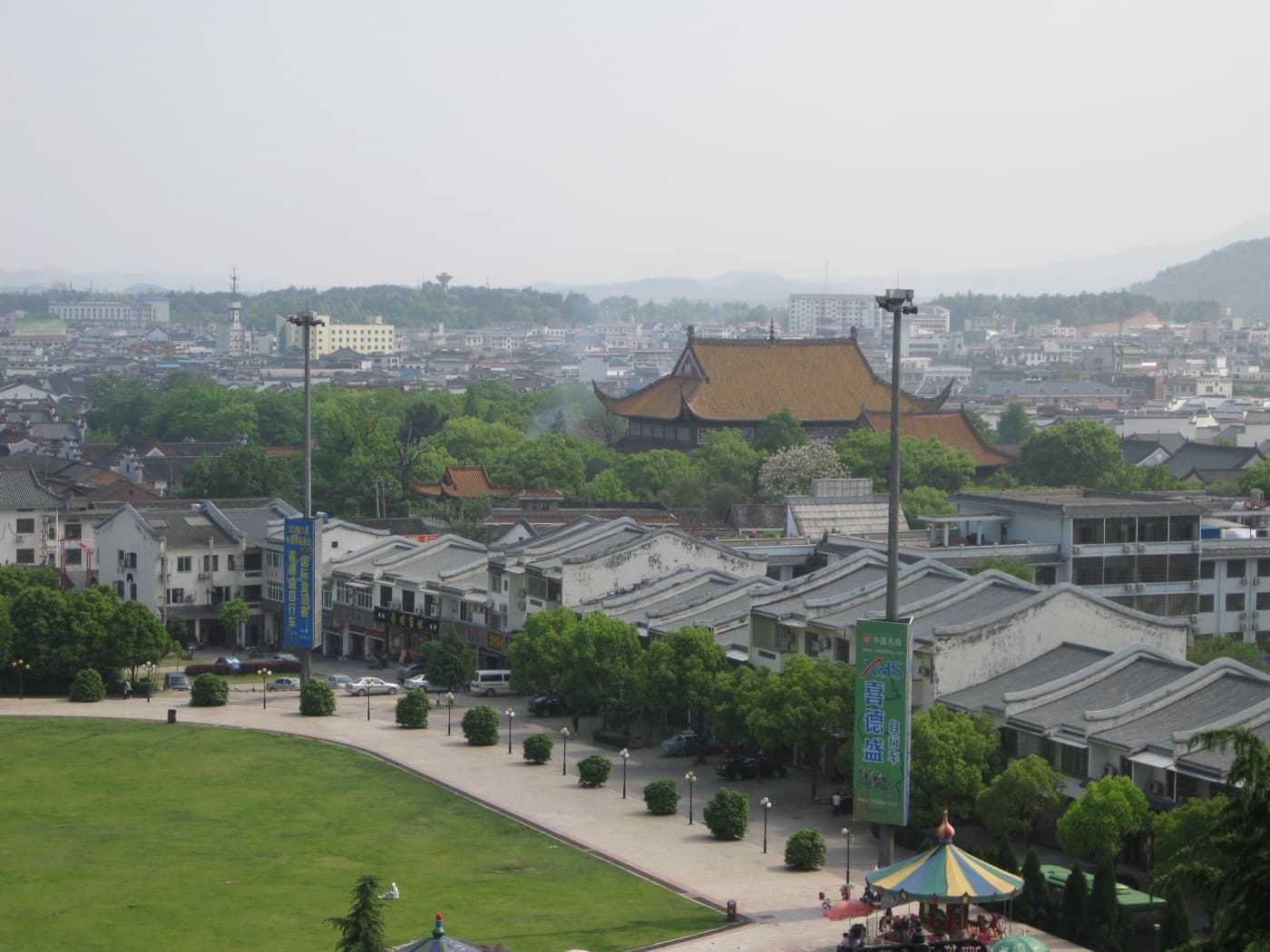
Founded in the early Tang dynasty, Nanyue Grand Temple is the largest palace-style ancient architectural complex in southern China, its main buildings arranged in nine successive courtyards.…
Nanyue Grand Temple, Mount Heng (Nanyue Hengshan) · 圍棋一級 · CC BY-SA 3.0 · Wikimedia Commons
Key facts
- Admission
- ¥40
- Time needed
- 2–3 hours
- Address
- North Street, Nanyue Town
- Guidebook rating
- 3 / 5
From China Self Guided Travel 2025, page 1991. Open in Google Maps
About Nanyue Grand Temple
Founded in the early Tang dynasty, Nanyue Grand Temple is the largest palace-style ancient architectural complex in southern China, its main buildings arranged in nine successive courtyards. It is a treasure of both historical significance and artistic value. Its grand scale, exquisite architecture, complete structure and meticulous layout are truly rare.
Frequently asked questions
How much does Nanyue Grand Temple cost?
Admission to Nanyue Grand Temple is ¥40, as listed in the 2025 guidebook. Prices can change; check the official channel before you go.
How long should I spend at Nanyue Grand Temple?
Plan on 2–3 hours for Nanyue Grand Temple.
Where is Nanyue Grand Temple?
Nanyue Grand Temple is in Mount Heng (Nanyue Hengshan), Hunan Province, in the Central China of China. North Street, Nanyue Town
More places in Mount Heng (Nanyue Hengshan)
Zhurong Peak
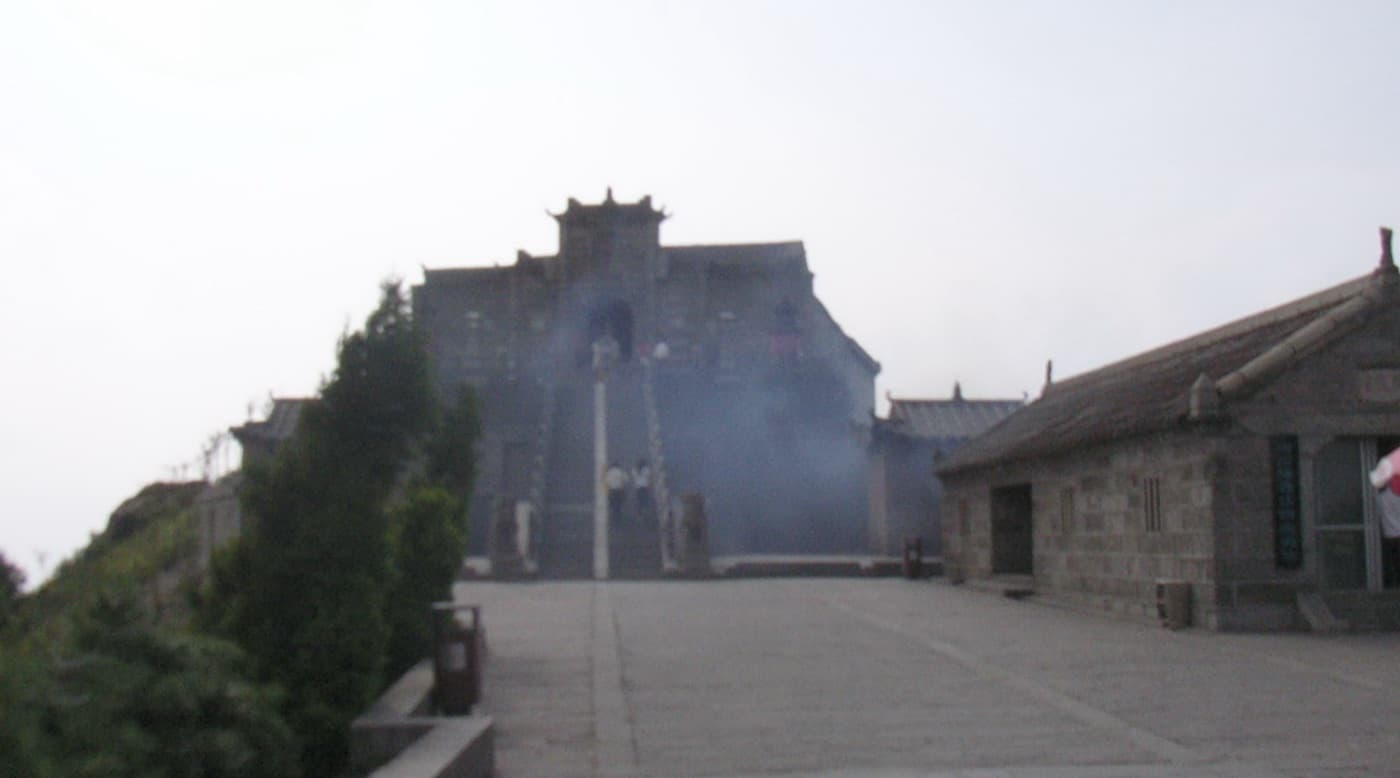
Zhurong Hall stands on the summit of Zhurong Peak. Because the mountain is high and exposed to strong winds, the hall was built with granite walls and an iron-tiled roof. Standing firm against wind and snow atop the boulders at the peak, it is a truly impressive sight. Behind the hall is the Moon-Gazing Terrace (望月台), a towering rock outcrop with ancient inscriptions whose characters remain clearly legible.
Jiuyi Mountain
Also known as Cangwu Mountain, Jiuyi Mountain takes its name from Emperor Shun's southern tour. Its green peaks rise majestically, karst caves dot the landscape, and the natural scenery is beautiful. This is also a Yao ethnic community, where you can enjoy Yao songs, long-drum dances and the wedding custom of the bride “sitting in the song hall” (坐歌堂).
No entrance fee for the scenic area; individual attractions charge separately. Shun Emperor's Mausoleum ¥60; Zixia Rock ¥60; Shunyuan Peak ¥30 · 0.5–1 day
Shangangtang Ancient Village
With over 1,200 years of history, this is one of the oldest thousand-year-old ancient villages discovered in Hunan Province to date. Most of its residents belong to the Zhou clan. The village's highlight is Yuebei Pavilion (月陂亭), which houses the calligraphy “Loyalty, Filial Piety, Integrity and Honesty” by Wen Tianxiang. Outside the village, Buying Bridge (步瀛桥) is a three-arch stone bridge, the only Song-dynasty bridge in Hunan Province.
1 hour
Langshan Mountain
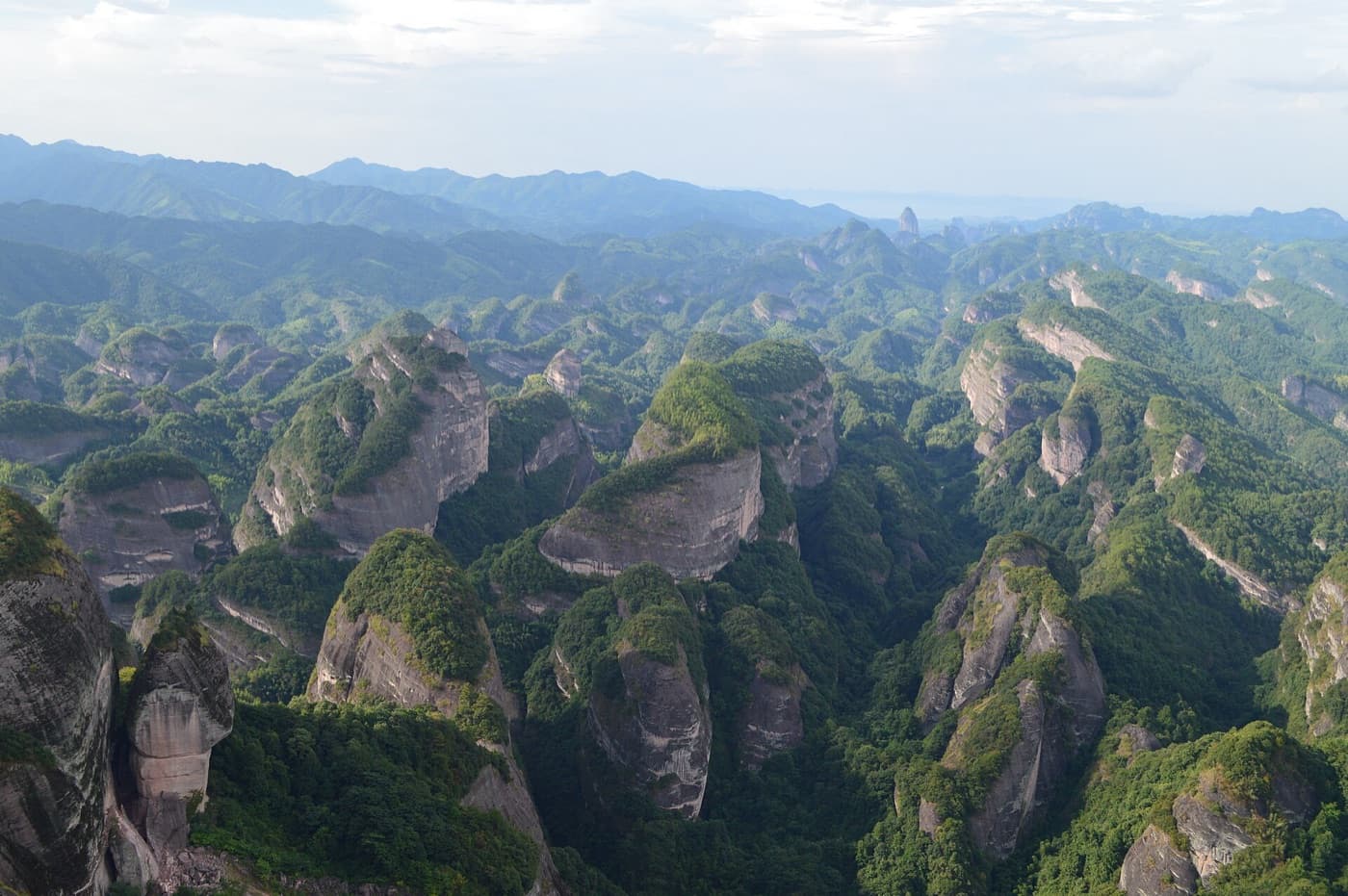
Combining cliffs, green ridges, strange peaks, secluded valleys, mysterious caves and clear waters in one place, Langshan is a classic Danxia peak-forest landscape. Its General Stone (将军石), Natural Bridge (天生桥), Tianyi Lane (天一巷), Eight-Corner Stronghold (八角寨), Camel Peak (骆驼峰) and Chili Peak (辣椒峰) are known as marvels of China and are considered among the world's natural wonders.
Entrance ¥136; bamboo raft ¥120; entrance + bamboo raft ¥186 · 1–2 days
Dongjiang Lake Tourist Area
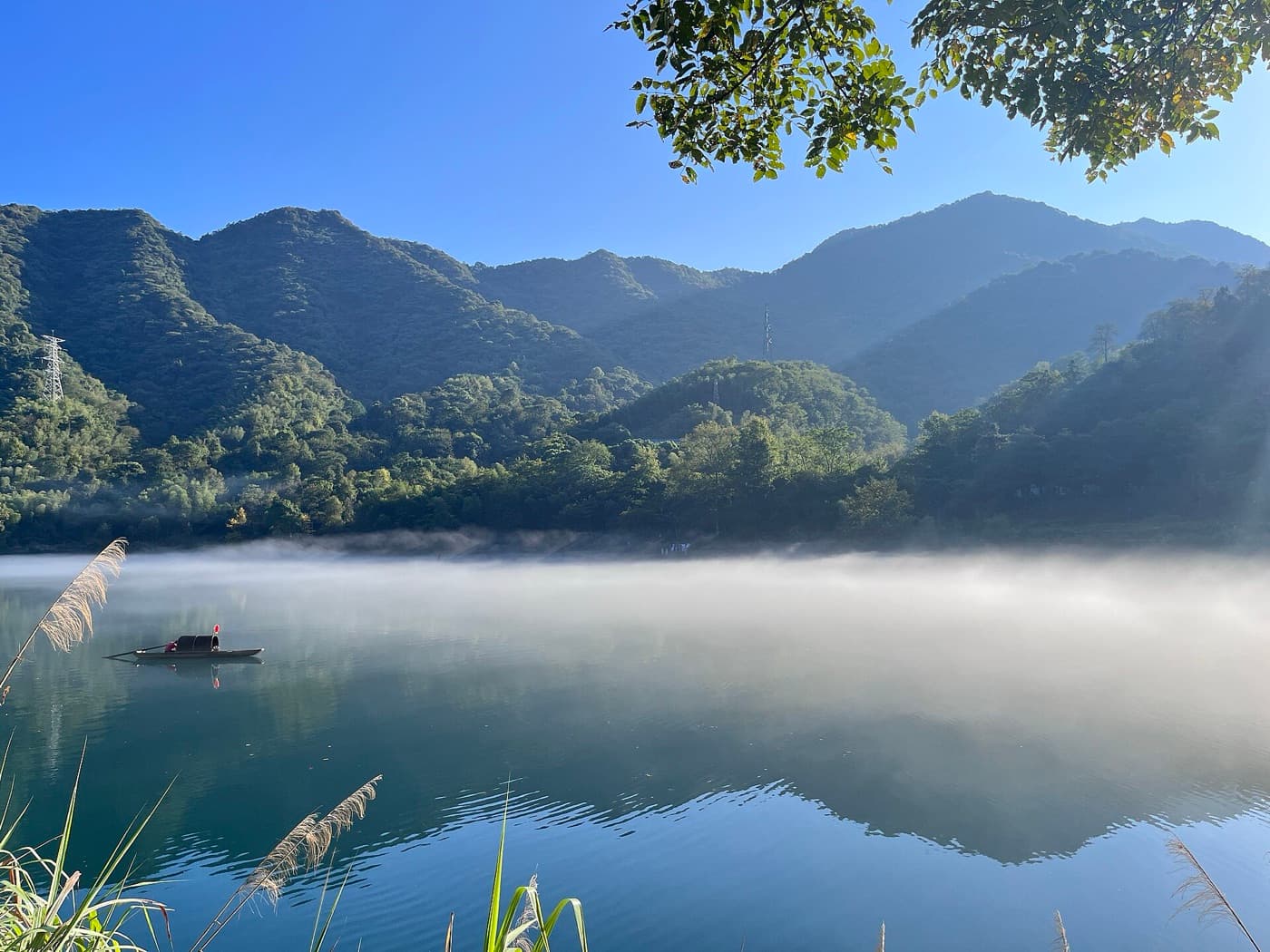
Dongjiang Lake in Chenzhou stretches vast and misty, with water and sky merging into one colour. The most enchanting sight is the ever-changing morning mist, now thick, now thin, with swaying fishing boats appearing and disappearing within it. Green hills and jade-green waters, veiled in mist, look like an ink-wash painting. “Mist shrouds the cold water, moonlight shrouds the sand”: it is an intoxicating scene of Jiangnan beauty.
¥55 (includes Xiaolong River and Longjing Gorge); ¥90 (includes Xiaolong River, Longjing Gorge, Dongjiang Lake, Douli Lingyan Cave and a yacht tour of Douli Island); Dongjiang rafting ¥248 · 0.5–2 days
Zangjing Hall
There is a saying: "Without visiting the Zangjing Pavilion, you have not truly seen the beauty of Nanyue." The boundless green forest, red walls with green tiles, and carved beams and painted halls and pavilions may explain the origin of the "Beauty of Zangjing Hall". "The Beauty of Zangjing Pavilion" is counted as one of the Four Wonders of Nanyue.
1 hour