Dunhuang travel guide
敦煌
In the centre of Dunhuang city stands a statue of a figure playing the pipa in reverse pose, inspired by the world's most beautiful and largest art gallery, the Mogao Caves. Experts, however,…
8 places · In the guidebook: pages 750–762

Dunhuang, Gansu Province · AI illustration for China Trip
Quick itinerary
Dunhuang in 2 days
- Day 1
- Mogao Caves→
- Crescent Lake and Mingsha Sand Dunes
- Day 2
- Mingsha Mountain→
- Dunhuang Movie Town→
- West Thousand Buddha Caves→
- Yangguan Pass→
- Yardang National Geopark→
- Yumen Pass
The feel of the place
- Reverse-Pose Pipa Playing
- In the centre of Dunhuang city stands a statue of a figure playing the pipa in reverse pose, inspired by the world's most beautiful and largest art gallery, the Mogao Caves. Experts, however, believe this is only one dance movement, and that music could not actually be played in this posture. Here you will also find Yangguan and Yumen Passes, the westernmost passes of the Han dynasty, and the most magical spring of all, Crescent Lake within Mingsha Dunes (Echoing-Sand Mountain). Gobi, desert, oasis, beautiful sculptures and ancient legends: Dunhuang is a place no one should miss in a lifetime.
Preparation and Advice
Climate and Travel Season
Autumn is the most beautiful season in Dunhuang, with golden poplar leaves, brilliant blue skies, yellow sand dunes, grey Gobi expanses and sweet grapes. Visiting then is sure to lift your spirits.
Things to see

Mogao Caves
More than 3 hours · Peak season: full ticket ¥238 (admission to 8 physical caves ¥180 + digital film ¥48 + round-trip shuttle to Mogao ¥10); film-only ticket ¥50 (includes the digital film “Millennium Mogao” and the dome film “Dreamlike Buddhist Palace”) Off-season: full ticket ¥140 (admission to 12 physical caves ¥90 + digital film ¥40 + round-trip shuttle to Mogao ¥10); Flying Apsaras special route ticket ¥140 (guided visit on the Flying Apsaras theme route + digital virtual experience); film-only ticket ¥40 (includes the digital film “Millennium Mogao” and the dome film “Dreamlike Buddhist Palace”)
Located 25 km southeast of Dunhuang city, on the southern side of Mingsha Mountain, the Mogao Caves are China’s largest cave complex. Their finest treasures are the murals and painted sculptures, created from the Former Qin dynasty through the Sui and Tang, making them a treasure of Chinese art. In 1900, the Daoist monk Wang Yuanlu discovered the Library Cave, which held nearly 60,000 historical artefacts, including Buddhist scriptures in various scripts, historical records, letters, literary works and social documents, making it a treasure trove for the study of Chinese history from the 4th to the 11th century. Unfortunately, social upheaval in the late Qing and early Republican periods led to large numbers of these materials being taken away by foreigners, and fewer than one-third of the Library Cave artefacts remain in China. Today there are 492 caves, containing 2,415 painted sculptures and 45,000 square metres of murals. The Nine-Storey Pavilion is the emblem of the Mogao Caves; it houses a 34-metre Tang-dynasty Buddha made of clay over a stone core, which, together with another 26-metre Buddha, is known as the Northern and Southern Great Buddhas.

Mingsha Mountain and Crescent Spring Scenic Area
3–4 hours · ¥110
The 40-km-long Mingsha Mountain glows with golden sand, and camel trains carry cheerful visitors across the dune crests. Crescent Lake, cradled on three sides by the dunes, is revered as a sacred spring because “the sand never fills the water, and the water never dries up.” Mingsha Mountain, Crescent Lake and the art of the Mogao Caves form one landscape. Together, they are the “two wonders” of southern Dunhuang. Some say Crescent Lake is a teardrop in the sand. The best times to see Mingsha Mountain and Crescent Lake: sunrise on summer mornings and sunset on summer evenings; in winter, midday is best. The sunset over Mingsha Mountain is spectacular and not to be missed, so plan your visit for a summer dusk. When riding camels in the scenic area, agree on the price beforehand to avoid trouble. The dunes are very windy, so take some precautions.

Yadan National Geopark
Located 85 km west of Yumen Pass, this is a classic yardang landform cluster that, seen as a whole, resembles a medieval walled city. Many famous buildings of the world have their counterparts here: the Temple of Heaven in Beijing, the Potala Palace in Tibet, the Egyptian pyramids, Arabian mosques and more. The masterpieces shaped by nature leave visitors in awe, as if they had stepped into a museum of world architecture.
2–3 hours · ¥120 (includes sightseeing shuttle)
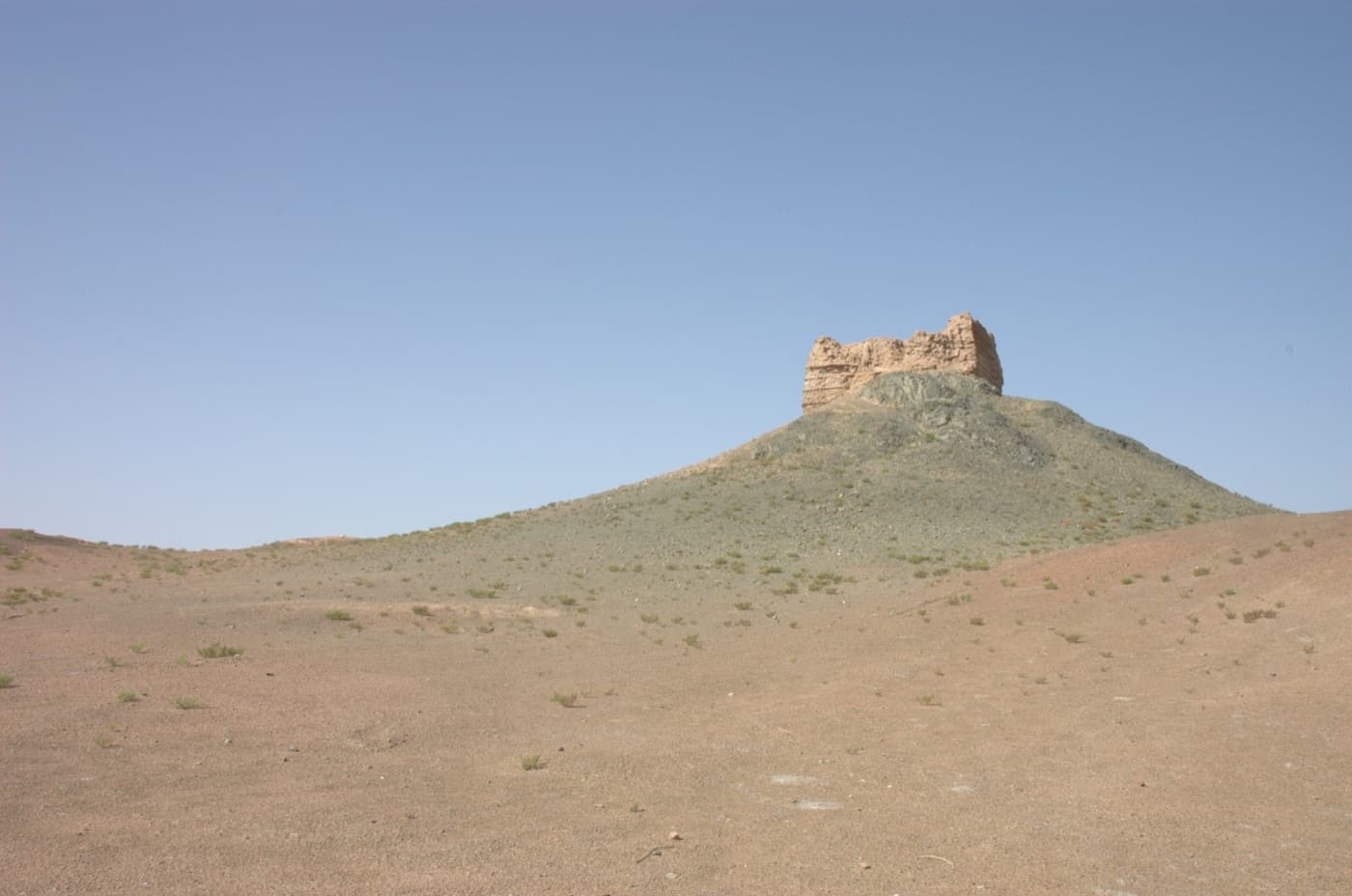
Yangguan Pass Scenic Area
At the foot of the hills lies a small reed lake, strikingly beautiful against the Gobi and desert. The drive there and back passes yardang landforms, tall poplars, tamarisk and reeds in the river valleys, and a little hut on a distant hilltop where grapes are dried, making for a journey that is never dull. “Let me urge you to drink one more cup of wine: west of Yang Pass, there are no old friends.” This ancient fort, recited by poets and scholars for centuries, has kept watch over its last beacon tower for a thousand years.
2–3 hours · ¥50 (includes the Yangguan Museum)
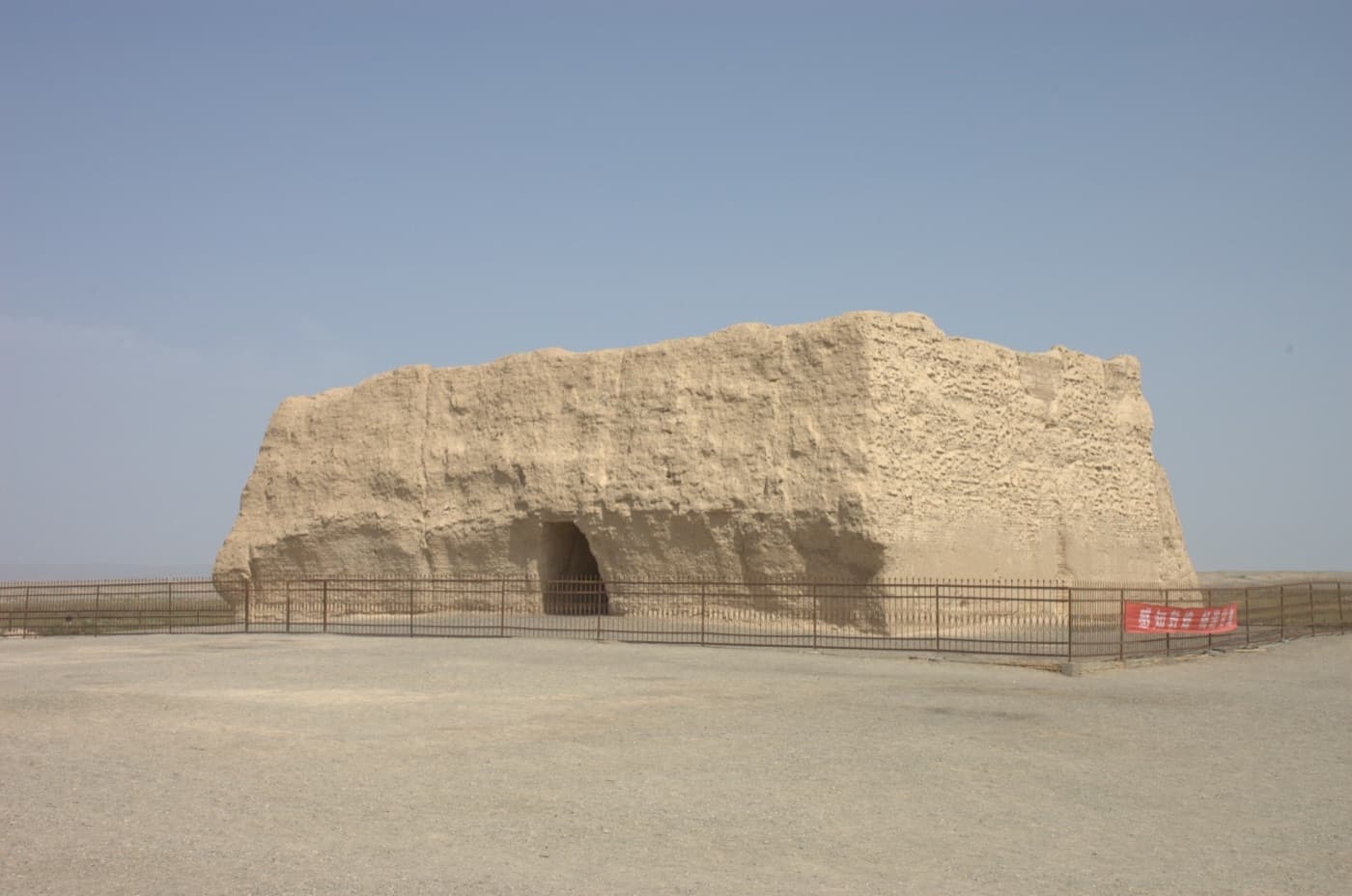
Yumenguan Pass Ruins Scenic Area
This is the place referred to in the sorrowful line “the spring breeze does not reach Yumen Pass.” The melancholy of that poem has moved generation after generation and filled people with longing for this ancient and mysterious frontier fort. The weathering of the years and the layers of history will keep this “Small Square City” shining forever.
1 hour · ¥40
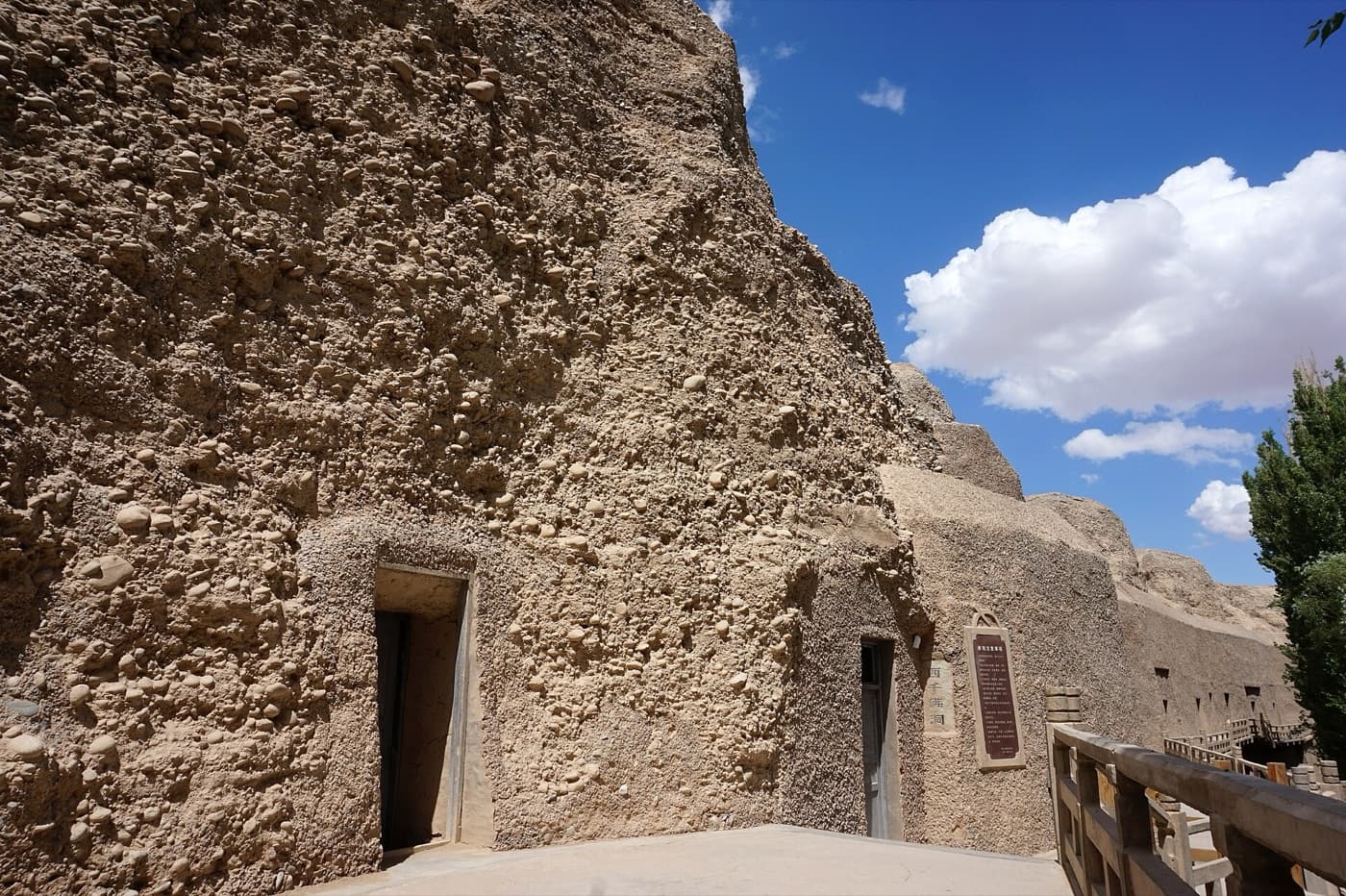
West Thousand Buddha Caves
These caves date from the same period as the Mogao Caves and lie just across Mingsha Mountain from them. Their structure, painted sculptures and mural style are close to the Mogao system, and they contain statues and murals. However, due to natural erosion and human damage, only 16 caves survive, of which 9 are open to visitors.
1 hour · ¥30
Dunhuang Ancient City
Dunhuang Ancient City is an important stop on the Western Route of Dunhuang and is usually visited together with Yangguan Pass Ruins, Yumen Pass and Yardang National Geopark. The city was built to resemble the ancient Shazhou city of the Song dynasty for the 1987 China-Japan co-produced historical film *Dunhuang*. It has since served as a filming location for many TV series and variety shows, including *Investiture of the Gods*, *New Dragon Gate Inn* and *Keep Running*. Visitors can admire the traditional architecture and streets of northwest China, take atmospheric photos, and look for scenes they recognise from various productions. The ancient city has five main streets: Dunhuang Street, Gaochang Street, Ganzhou Street, Xingqing Street and Bianliang Street. Each street's architecture represents a different region, so strolling through them gives a remarkable sense of travelling across regions.
1–2 hours · ¥40
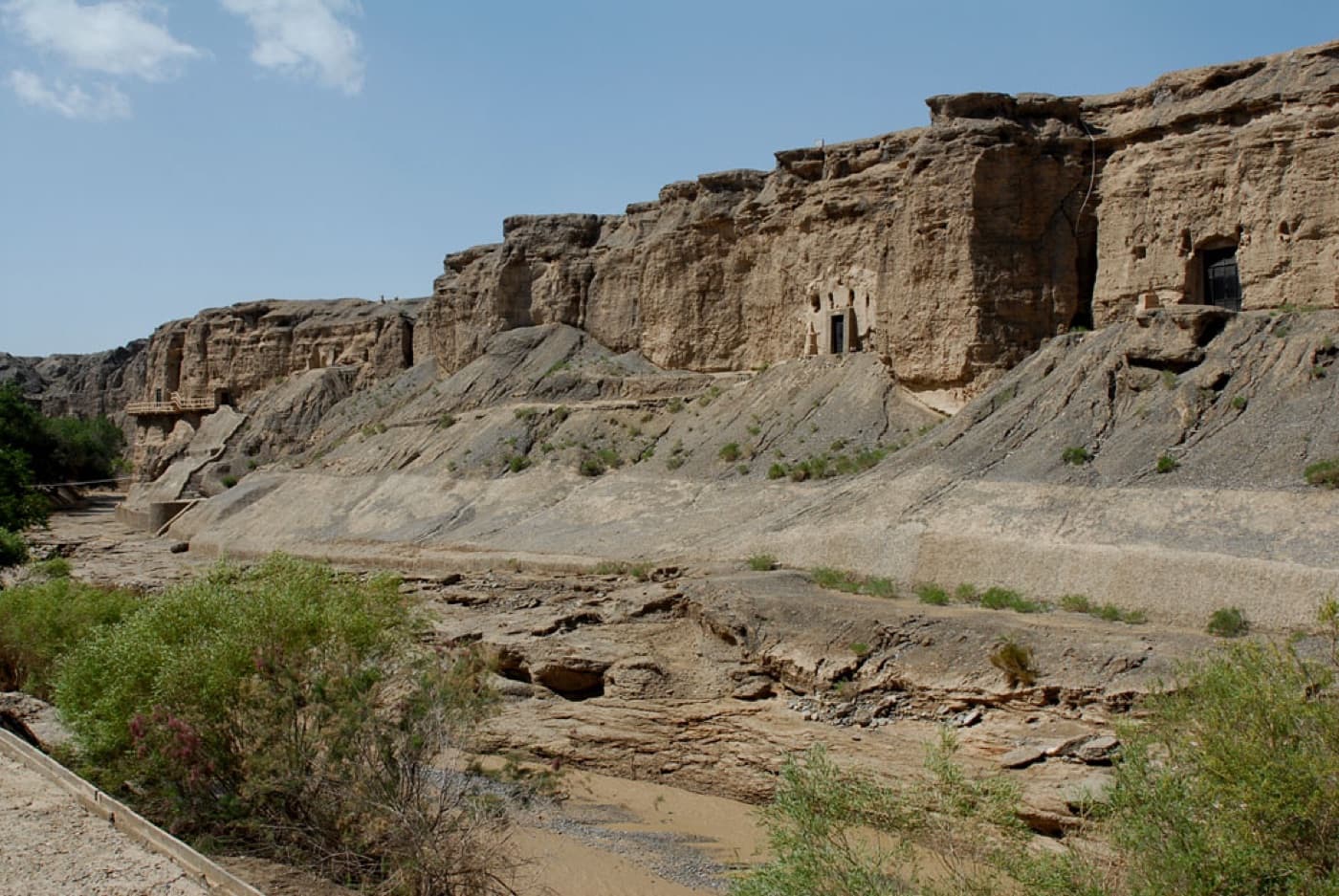
Yulin Caves
Yulin Caves contain 43 well-preserved cave temples dating back a thousand years, with 272 painted sculptures and more than 5,650 square metres of murals. The murals are grand in scale and exquisitely detailed. The 25-metre-high gilded Maitreya Buddha, radiant and magnificent, and the strikingly lifelike Eighteen Arhats, along with the expressive Mute Arhat, are classic examples of Yulin Caves' painted sculptures and are exceptionally rare anywhere in the world.
2–3 hours · General admission: ¥40; admission to representative caves: Cave 2 ¥100, Cave 3 ¥150, Cave 4 ¥100, Cave 25 ¥200
Getting there & around
Getting There and Away
Dunhuang has been a tourist destination for a long time, and is served by air, rail and road.
By Air
Dunhuang Airport is 13 km from the city centre. Scheduled flights currently connect Dunhuang with Beijing, Lanzhou, Xi'an, Jiayuguan, Urumqi and other cities. The airport shuttle bus takes about 20 minutes to the city centre and costs ¥30 per person. Minibuses also stop 500 m west of the airport gate and cost ¥3 per person.
By Rail
Dunhuang Railway Station has frequent daily services to and from Xi'an, Jiayuguan and Lanzhou.
By Road
Fast trains, slow trains and sleeper coaches run to eastern Gansu, Xinjiang and Qinghai.
Getting Around in the City
Dunhuang is very small, and most places in the town centre can be reached on foot, or you can rent a bicycle to explore. For Yumen Pass and Yangguan Pass, you can charter a car for about ¥300. Direct buses run to Mingsha Dunes and the Mogao Caves: Bus No. 3 from the town centre goes directly to Mingsha Entrance and Crescent Lake. The bus to the Mogao Caves costs ¥8 per person and departs from the Dunhuang Hotel at the Xiyu Road intersection, north of the bus station, passing the Silk Road Hotel and Dunhuang Railway Station on the way. Buses run every 30 minutes from 8:30 a.m. The last bus back from the Mogao Caves to the city leaves at 6:00 p.m.
Taxis
Most taxis in Dunhuang do not have meters and fares are based mainly on distance. Within the city, expect around ¥5; to places outside the city, around ¥10; from the city to the airport, ¥30–40.
Handicrafts
Shopping for souvenirs in Dunhuang is fun, as vendors often tell you many beautiful legends. Dunhuang has many handicraft shops, such as the Dunhuang Luminous Cup Factory, Dunhuang Carpet Factory, Dunhuang Eyeglass Factory and Dunhuang Calligraphy and Painting Academy.
Night Markets
Dunhuang is small: you can walk around the whole town in 20 minutes, and there are no major commercial districts. Explore the town during the day, and in the evening visit Shazhou Night Market for snacks. If you shop at Shazhou Night Market, always ask about prices first, as they vary greatly.
Bicycle Rental
Bicycles can be rented on Mingshan Road.
Live Performances
Dunhuang has several large-scale shows well worth seeing, such as Once More Dunhuang, Dunhuang Grand Ceremony and Flower Rain on the Silk Road. They recreate the splendour of the ancient Silk Road and are very helpful for understanding Dunhuang's history and the Silk Road. If you have the chance, be sure to see them.
Airport Information
By Air- Phone:
- 0937-8866133
Dunhuang Railway Station
Dunhuang Railway Station- Address:
- No. 217 Provincial Highway, Dunhuang City
Dunhuang Bus Station
Dunhuang Bus Station- Address:
- Opposite Feitian Hotel
- Phone:
- 0937-8822174
Eat & drink
Dunhuang's food finally differs a little from the rest of Gansu, with more deep-fried oil cakes and donkey meat yellow noodles, which give northerners a sense of home. Southerners, however, may not feel the same.
Recommended Snacks
Dunhuang's signature foods are deep-fried oil cakes and donkey meat yellow noodles. The oil cakes are much like Beijing's zhagao (fried glutinous rice cakes). Yellow noodles are made the same way as beef noodles, except that the cooked noodles are not served in clear broth. Instead, they are topped with a rich sauce of diced donkey meat, garlic sprouts, green peas and more. This noodle dish can only be found in Dunhuang.
Shazhou Market
Shazhou Market, on the south side of Dunhuang East Street, is a large open-air snack street, similar to Jingtie Market in Jiayuguan and the ancient street in Zhangye. It offers a variety of northwestern noodles and grilled lamb.
Where to stay
Dunhuang is a typical tourist city. The most common sights on its streets are hotels and guesthouses, which outnumber restaurants, so you can find accommodation at any price level. During public holidays such as May Day and National Day, however, availability can be unpredictable.
Shanquan Shanzhuang Youth Hostel
Recommended AccommodationNear the Mingsha Mountain scenic area, with a pleasant environment.
- Address:
- No. 9, Group 2, Yueyaquan Village, Yueyaquan Town, Dunhuang City
- Phone:
- 16670481872
Source: China Self-Guided Travel 2025 (《中国自助游》, Tianjin Science & Technology Press, Aug 2024), pp. 750–762. Translated from the Chinese edition; names and prices follow the guidebook. · Plain text version