Shuimo Danxia Scenic Area
Shuimo Danxia Scenic Area lies just 13 km from downtown Lanzhou. Within it are classic danxia (red-bed) landforms, including danxia cloud-like ridges, deep green valleys,…
Shuimo Danxia Scenic Area, Lanzhou
Key facts
- Admission
- ¥80
- Opening hours
- 9:00—17:30
- Time needed
- 0.5–1 day
- Getting there
- Take the Shuimo Danxia Scenic Area tourist shuttle line, or take a bus to Shuping Danxia Scenic Area Junction (树屏丹霞景区路口) bus stop
- Guidebook rating
- 3 / 5
From China Self Guided Travel 2025, page 724. Open in Google Maps
About Shuimo Danxia Scenic Area
Shuimo Danxia Scenic Area lies just 13 km from downtown Lanzhou. Within it are classic danxia (red-bed) landforms, including danxia cloud-like ridges, deep green valleys, the Yixian Tian (“One Line Sky”) gorge, solitary peaks, cliffs and eroded hills, sculpted by nature into striking shapes. Differences in weather and sunlight create contrasting scenery: the sunlit slopes from west to east glow orange-red, while the shaded slopes from east to west are deep green. The two colours complement each other, creating a rich sense of layers.
Frequently asked questions
How much does Shuimo Danxia Scenic Area cost?
Admission to Shuimo Danxia Scenic Area is ¥80, as listed in the 2025 guidebook. Prices can change; check the official channel before you go.
What are the opening hours of Shuimo Danxia Scenic Area?
Shuimo Danxia Scenic Area is open 9:00—17:30.
How do I get to Shuimo Danxia Scenic Area?
Take the Shuimo Danxia Scenic Area tourist shuttle line, or take a bus to Shuping Danxia Scenic Area Junction (树屏丹霞景区路口) bus stop
How long should I spend at Shuimo Danxia Scenic Area?
Plan on 0.5–1 day for Shuimo Danxia Scenic Area.
Where is Shuimo Danxia Scenic Area?
Shuimo Danxia Scenic Area is in Lanzhou, Gansu Province, in the Northwest of China. Xinghua Village, Provincial Highway 201, Shuping Town, Yongdeng County, Lanzhou City
More places in Lanzhou

Gansu Provincial Museum
Gansu is traversed by the Silk Road, and most travelers will not have enough time to explore all its historic sites. This museum is highly recommended as a way to gain a comprehensive understanding of Gansu's history and to view a wide range of cultural relics, including the national treasure “Flying Horse of Gansu” (Galloping Horse Treading on a Swallow).
Free admission · 1–3 hours
Qingcheng Ancient Town
Historically, Qingcheng was a distribution hub for goods such as water-pipe tobacco, with excellent transport links, and merchants from Beijing, Shanxi and Tianjin gathered here. As a result, its architecture combines the luxurious grandeur of Shanxi mansions with the elegant symmetry of Beijing siheyuan courtyard houses. Here, visitors can admire the antique Ming and Qing dynasty residences, see the 10,000-mu lotus fields swaying in the breeze, and listen to the moving Xixiang folk tunes.
¥30 · 1–3 hours
Binglingsi Grottoes
Binglingsi Grottoes were first carved during the Western Qin period of the Sixteen Kingdoms. Today there are 183 caves, 694 carved stone Buddha statues, 82 clay sculptures and 900 square metres of murals. On the cliff wall of Tangshu Cave, the largest cave, ink inscriptions dated to the first year of the Jianhong era (420 CE) survive, the earliest explicitly dated inscription among China's grottoes. The site is divided into the Upper Temple, Donggou and the Lower Temple. The Lower Temple has the most spectacular scenery, and its relief stupas and esoteric Buddhist murals rank alongside those of the Mogao Caves and Maiji Mountain Grottoes.
¥50 · 1 hour
Waterwheel Expo Park
Waterwheel Expo Park is home to the famous Lanzhou Yellow River Waterwheel, along with dozens of waterwheels from across China and abroad, each in a different style, so visitors can learn about the characteristics of waterwheels from different regions. The park also features ponds, flower beds and sculptures, making for a pleasant setting. On the east side of the park, the Culture Plaza houses exhibition halls including the Lanzhou Strange Stones Museum, the Gansu Folk Customs Museum and the Waterwheel Exhibition Hall, which are also worth a visit.
Free · 1–2 hours
Xiguan Mosque
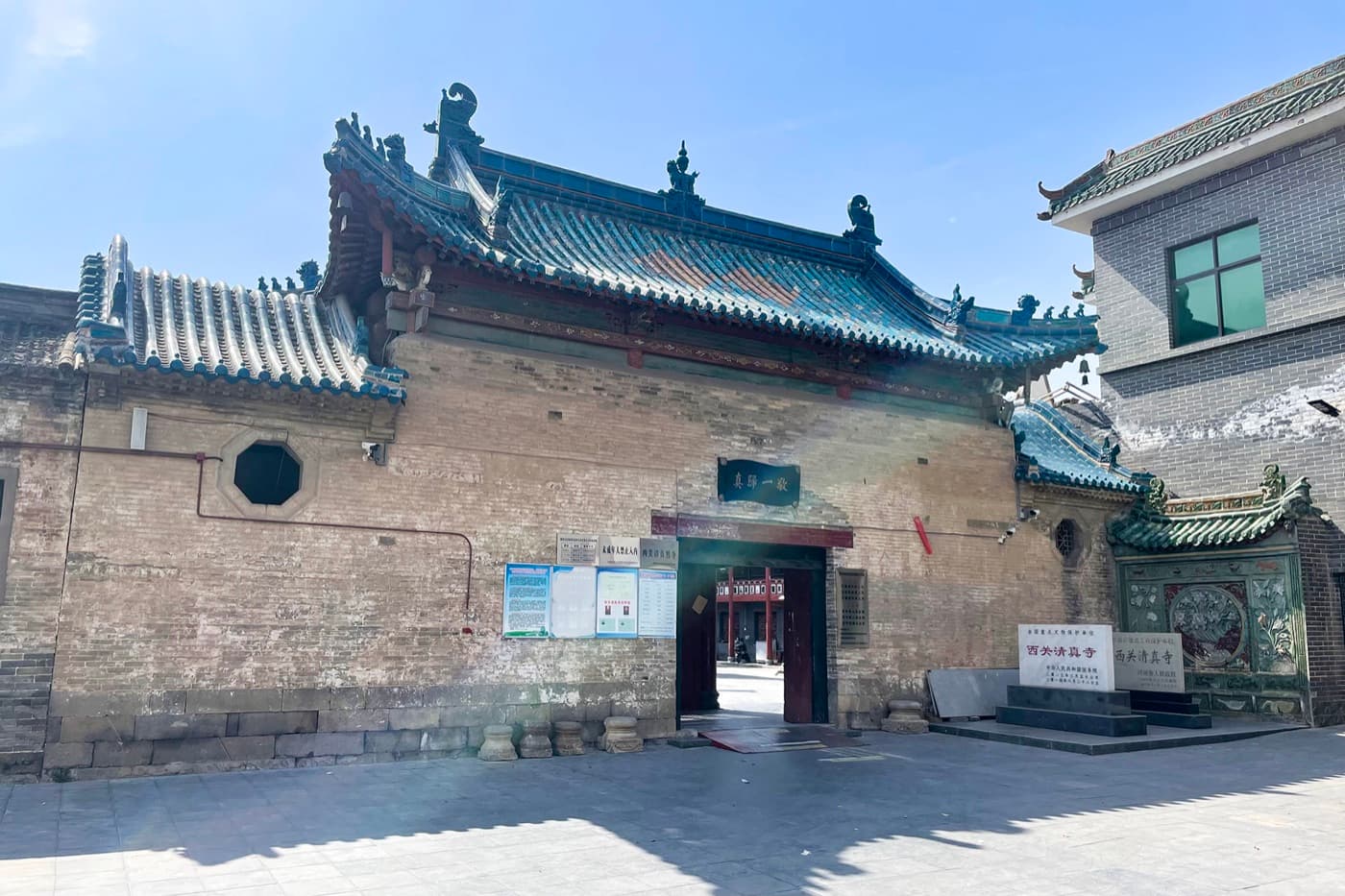
Xiguan Mosque, known locally as the “Guest Mosque” (Kesi), was first built during the Hongwu or Yongle reign of the Ming dynasty. The mosque is majestic and solemn, with a distinctive Islamic style. Its compound includes the main prayer hall, a lecture hall and other buildings, and the prayer hall can hold more than 3,000 people. Every year, over a hundred foreign Muslims visit and pray here. Not far north of Xiguan Mosque, on the west side of Zhongshan Road, is Qiaomen Mosque, a gathering place for local Muslim worshippers.
Free · 1 hour
Zhongshan Bridge (Yellow River Iron Bridge)
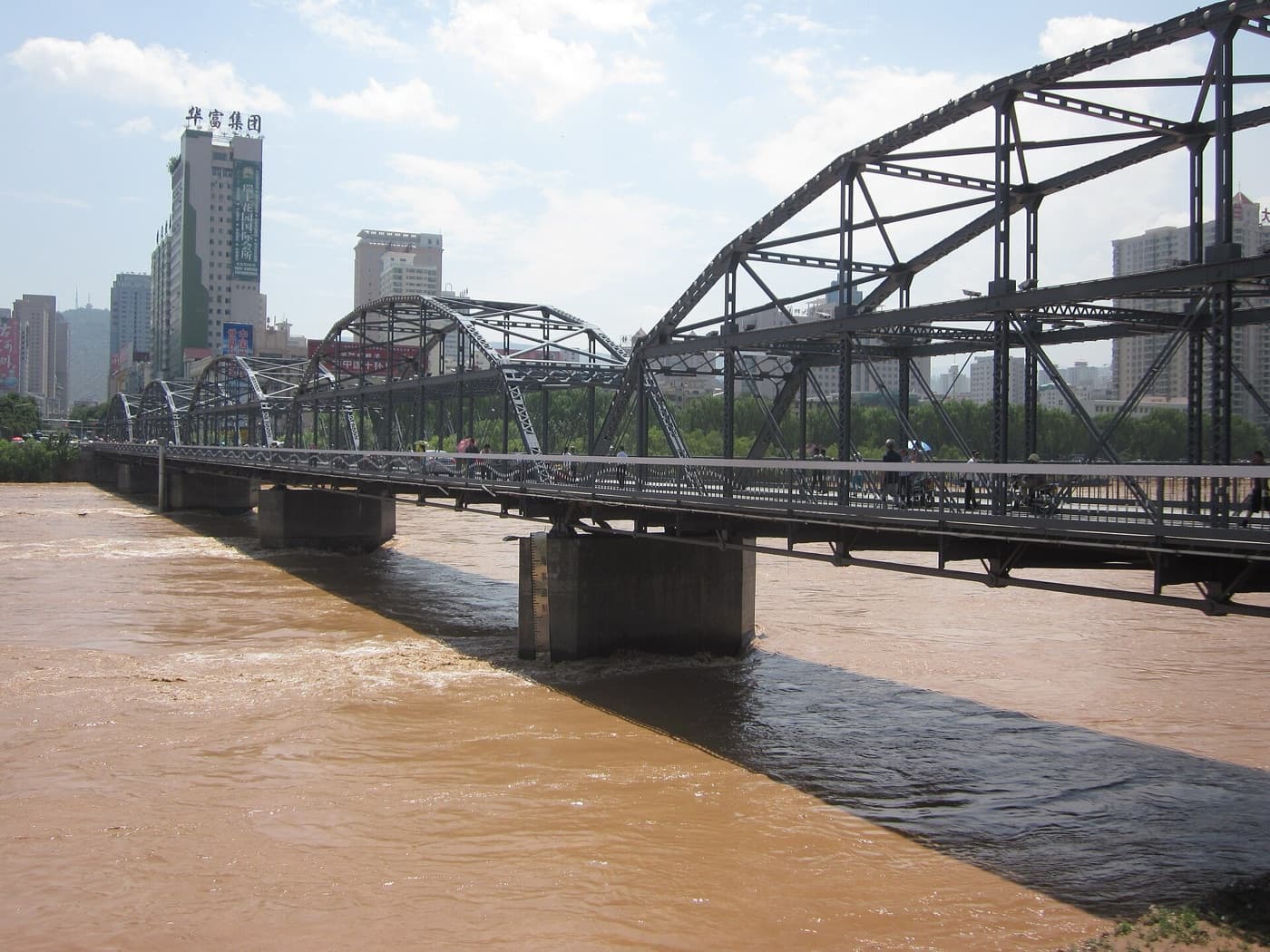
Also known as Zhongshan Bridge, this was the first true bridge over the Yellow River in history. Its predecessor was a Ming Dynasty pontoon bridge, in which 24 large boats were linked together, with four “general pillars” on the banks to secure the cables. Completed in 1909 by the Qing government at a cost of several hundred thousand taels of silver, the bridge was renamed in 1928 in honor of Dr. Sun Yat-sen. Today, the Yellow River Iron Bridge has been converted into a pedestrian bridge. Standing on it, you can gaze at the White Pagoda rising above White Pagoda Hill in the distance, or look down to watch the “Mother River” flowing beneath you. It is one of the highlights of Lanzhou.
Free · 1 hour