Lanzhou travel guide
兰州
The Yellow River winds through Lanzhou like a golden handkerchief beckoning you. Over two thousand years ago, this was one of the four great Yellow River ferry crossings.…
11 places · In the guidebook: pages 716–730

Lanzhou, Gansu Province · AI illustration for China Trip
Quick itinerary
Lanzhou in 1 days
The feel of the place
- Jincheng (Golden City)
- The Yellow River winds through Lanzhou like a golden handkerchief beckoning you. Over two thousand years ago, this was one of the four great Yellow River ferry crossings. Tang monk Xuanzang on his journey to fetch scriptures, Han generals campaigning in the west and merchants heading east all once crossed the river here on sheepskin rafts known as “huntuo.” And so the Golden City, nestled between mountains and river, came to be — today's Lanzhou.
- Silk Road
- From 1868 to 1872, German geologist Ferdinand von Richthofen made seven trips to China for geological surveys. In his work *China: The Results of My Own Travels and Research Based on Them*, he first named the trade routes linking Asia, Europe and Africa since the Han dynasty, centred on silk trade, the “Silk Road.” The Silk Road began at Chang'an and ended at New Delhi, Cairo and Constantinople. Today the bustle and prosperity of the ancient Silk Road have long faded, so coming to Lanzhou is less about paying respects to ancient sites and more about catching a fleeting glimpse of history's ghostly shadows.
tip: The scenic spots around Lanzhou are quite far from the city centre, and a round trip usually takes a full day. You can plan your itinerary according to your own interests.
Climate
Some guidebooks advise bringing warm clothing for winter in Gansu and sweaters for summer and autumn. In fact, daytime winter temperatures here are noticeably higher than in other northern regions such as Beijing, and in summer a long-sleeved top is at most all you need. It is not as extreme as they claim.
Airport Information
phone: 0931-96556
CAAC Ticket Office
address: 582 Donggang West Road
phone: 0931-8879888
Buses
Touts claiming to work for official bus companies often hang around outside the West Bus Station. Even so, it is advisable to buy tickets at the station's ticket counter. Otherwise, you may end up being led around the streets by touts until the bus is full.
tip: 1. Transport hub: Lanzhou's city sights are not many worth visiting. Its role as a transport hub is more important for travellers.
2. Taxis: Lanzhou has plenty of taxis. The flag fall is ¥10 for the first 3 km, then ¥1.4 per km beyond that. Taking a taxi is also a good option, as the local driver may recommend a few distinctive restaurants, and you may be pleasantly surprised.
Preparation and Enquiries
Language
Northwest dialects contain a large amount of Mandarin, so you will not have trouble with language in typical tourist cities. In more remote areas, you may find a few words hard to understand, but you can still communicate.
Climate and Travel Seasons
Lanzhou has a typical inland climate: dry, with little rain or snow, plenty of sunshine and large differences between day and night temperatures. The city lies in the Yellow River valley, nestled between mountains and water. Summers are not scorchingly hot and winters are not severely cold, with an annual average temperature of 10℃. The climate is fairly ideal for travellers in every season, though sun protection is still necessary.
Things to see

Gansu Provincial Museum
1–3 hours · Free admission
Gansu is traversed by the Silk Road, and most travelers will not have enough time to explore all its historic sites. This museum is highly recommended as a way to gain a comprehensive understanding of Gansu's history and to view a wide range of cultural relics, including the national treasure “Flying Horse of Gansu” (Galloping Horse Treading on a Swallow).
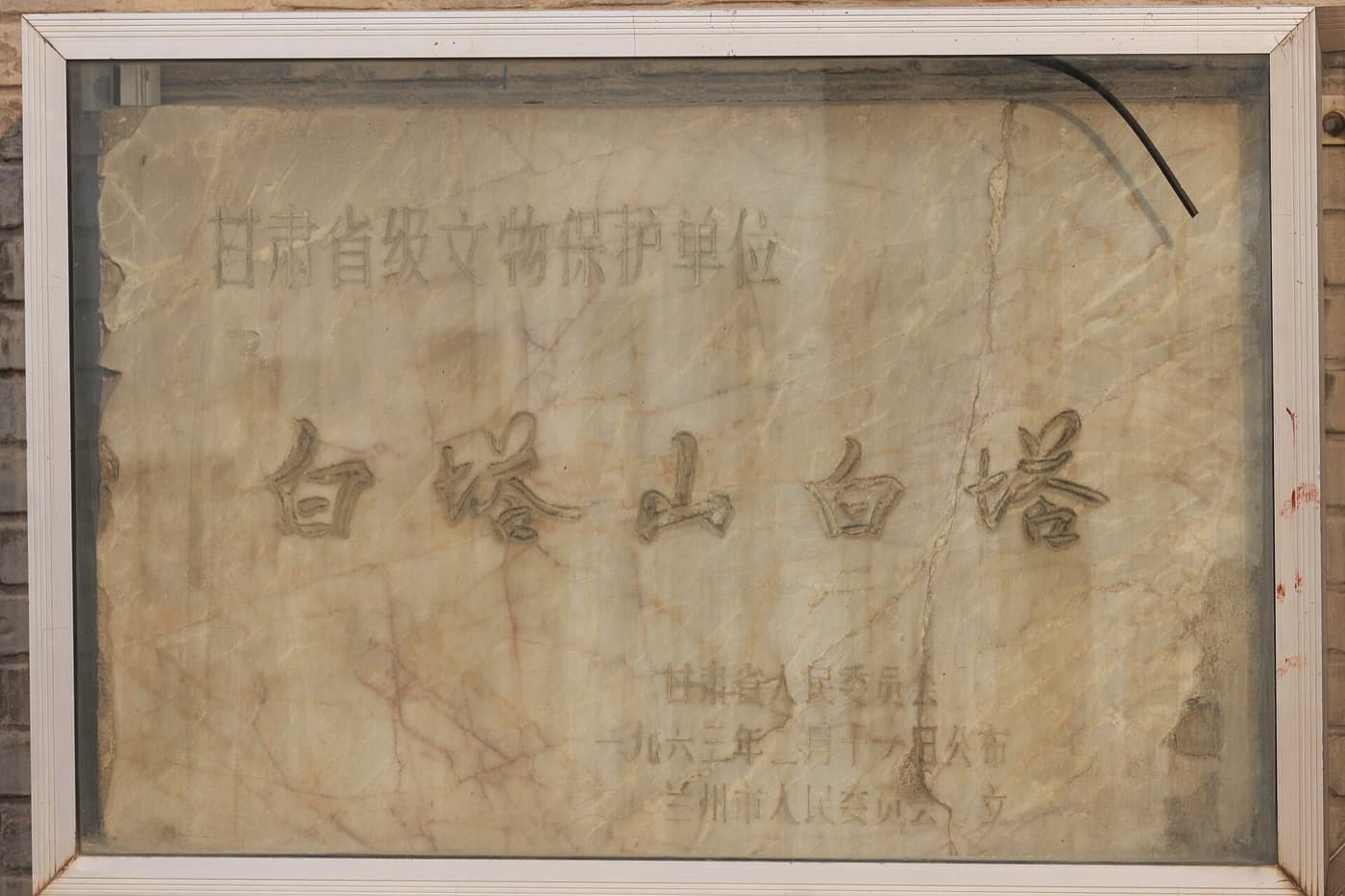
White Pagoda Hill Park
1–3 hours · Free entry; Yellow River cableway: round trip ¥55, uphill ¥45, downhill ¥30
Located in the heart of Lanzhou on the north bank of the Yellow River, the hill takes its name from the White Pagoda Temple built on its summit. The pagoda was erected to commemorate a famous Tibetan Sakya lama who was traveling to Mongolia to meet Genghis Khan, but died in Jincheng along the way. On White Pagoda Hill, the “Three Treasures of the Mountain” are said to be an elephant-hide drum, a bronze bell, and a Chinese redbud tree (which later withered and died after its roots dried out). From the summit, you can overlook the cityscape of Lanzhou and the Yellow River Iron Bridge.
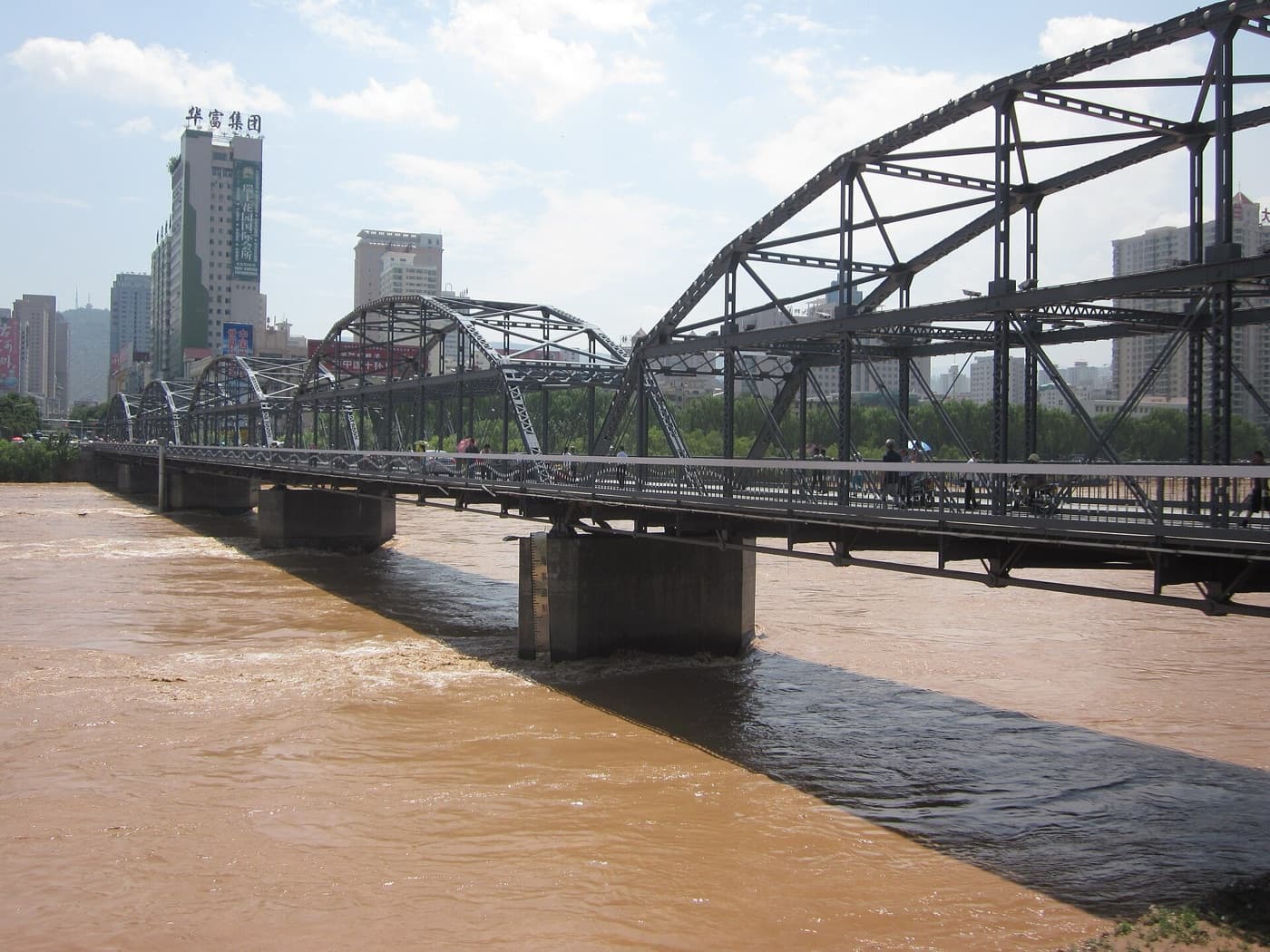
Zhongshan Bridge (Yellow River Iron Bridge)
Also known as Zhongshan Bridge, this was the first true bridge over the Yellow River in history. Its predecessor was a Ming Dynasty pontoon bridge, in which 24 large boats were linked together, with four “general pillars” on the banks to secure the cables. Completed in 1909 by the Qing government at a cost of several hundred thousand taels of silver, the bridge was renamed in 1928 in honor of Dr. Sun Yat-sen. Today, the Yellow River Iron Bridge has been converted into a pedestrian bridge. Standing on it, you can gaze at the White Pagoda rising above White Pagoda Hill in the distance, or look down to watch the “Mother River” flowing beneath you. It is one of the highlights of Lanzhou.
1 hour · Free
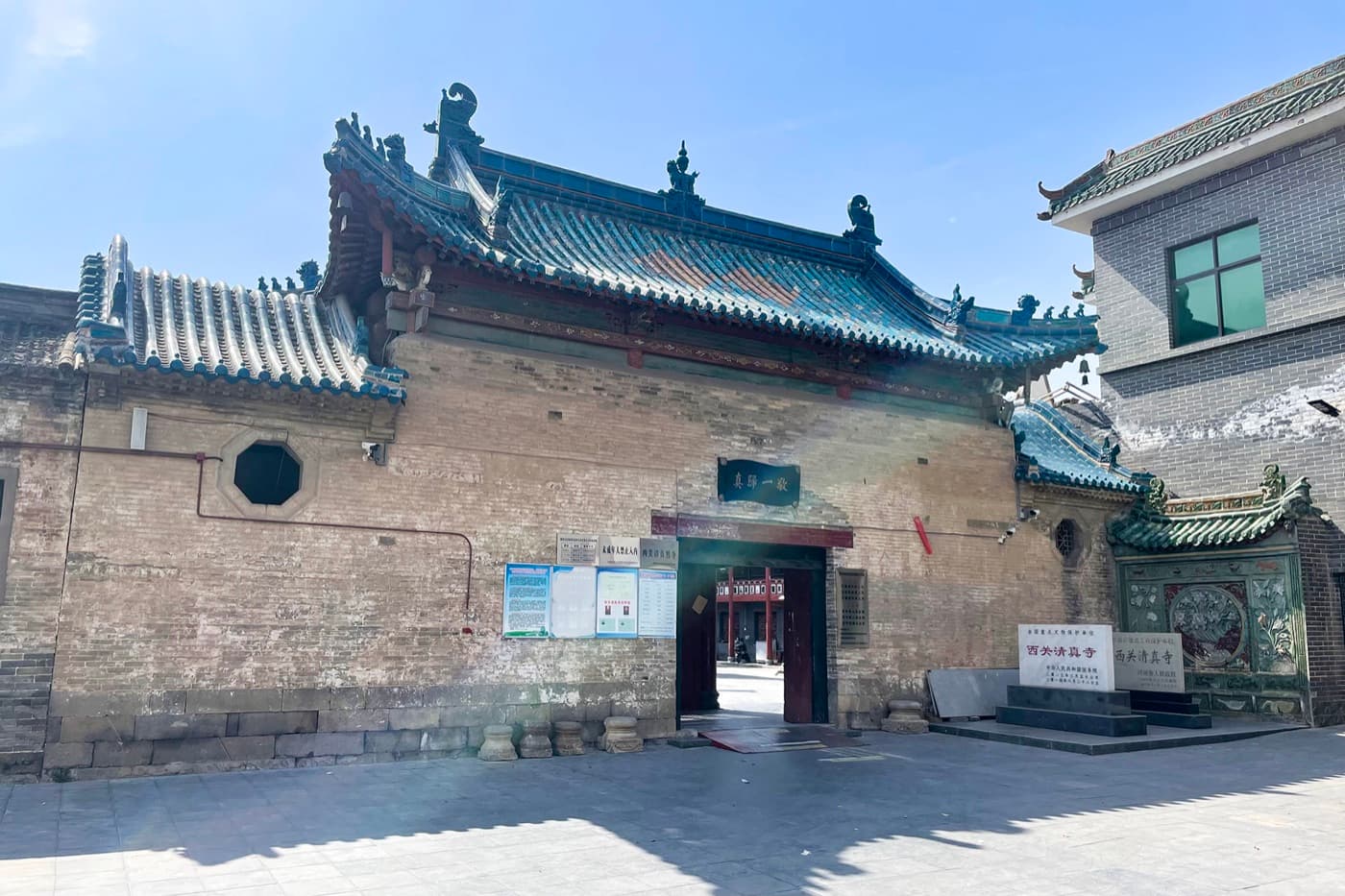
Xiguan Mosque
Xiguan Mosque, known locally as the “Guest Mosque” (Kesi), was first built during the Hongwu or Yongle reign of the Ming dynasty. The mosque is majestic and solemn, with a distinctive Islamic style. Its compound includes the main prayer hall, a lecture hall and other buildings, and the prayer hall can hold more than 3,000 people. Every year, over a hundred foreign Muslims visit and pray here. Not far north of Xiguan Mosque, on the west side of Zhongshan Road, is Qiaomen Mosque, a gathering place for local Muslim worshippers.
1 hour · Free
Waterwheel Expo Park
Waterwheel Expo Park is home to the famous Lanzhou Yellow River Waterwheel, along with dozens of waterwheels from across China and abroad, each in a different style, so visitors can learn about the characteristics of waterwheels from different regions. The park also features ponds, flower beds and sculptures, making for a pleasant setting. On the east side of the park, the Culture Plaza houses exhibition halls including the Lanzhou Strange Stones Museum, the Gansu Folk Customs Museum and the Waterwheel Exhibition Hall, which are also worth a visit.
1–2 hours · Free
Shuimo Danxia Scenic Area
Shuimo Danxia Scenic Area lies just 13 km from downtown Lanzhou. Within it are classic danxia (red-bed) landforms, including danxia cloud-like ridges, deep green valleys, the Yixian Tian (“One Line Sky”) gorge, solitary peaks, cliffs and eroded hills, sculpted by nature into striking shapes. Differences in weather and sunlight create contrasting scenery: the sunlit slopes from west to east glow orange-red, while the shaded slopes from east to west are deep green. The two colours complement each other, creating a rich sense of layers.
0.5–1 day · ¥80
Getting there & around
Getting In and Out
As an important transport hub in the west, Lanzhou is the first choice for travellers entering and leaving Gansu Province.
By Air
Lanzhou Zhongchuan Airport is one of the largest aviation hubs in Northwest China. It has flights to Beijing, Shanghai, Guangzhou, Chengdu, Hong Kong and other cities, as well as international routes to Japan, Singapore and other countries.
The airport is about 70 km from the city centre. There is a CAAC ticket office on Donggang West Road in central Lanzhou, right in front of the airport shuttle pick-up point, and the fare is ¥30. You can also take an intercity high-speed train, which stops at the airport, Lanzhou New Area, Lanzhou West Station and Lanzhou Station, with fares of ¥10–20.
By Rail
Railway Stations and Departure Destinations
Lanzhou West Station
Lanzhou Railway Station
Direct trains to Beijing, Shanghai, Chengdu, Xi'an, Urumqi and other cities.
address: No. 393 Huochezhan East Road, Chengguan District, Lanzhou
transport: Take bus No. 11, 12, 36, 112 or 126 and get off at Lanzhou Station
By Road
Long-distance buses are a convenient way to reach destinations across Gansu Province. If your route runs from the grasslands of southern Gannan to Jiuzhaigou in Sichuan, a long-distance bus is the only option.
Station Address and Departure Destinations
Long-Distance Bus Stations and Departure Destinations
Getting Around the City
Lanzhou is built along the Yellow River and stretches more than 10 km. The eastern urban area is the commercial and tourist district, while the western part is the industrial and residential area. For sightseeing in the city, buses are the best choice. Bus No. 1 runs from Lanzhou Railway Station in the east to Lanzhou West Station in the west, and reaches major sights such as the Provincial Museum and Baita Hill, as well as Binhe Road and the city centre.
Water Transport
Lanzhou Port, on the south bank of the Yellow River on the north side of Binhe Middle Road, currently operates four routes: Lanzhou city river buses, river sightseeing, the Lanzhou–Shichuan river express, and the Lanzhou Yellow River Grand Canyon river tour.
tip: The sheepskin raft (yangpi fazi) is an ancient form of water transport, commonly called the “paizi” (raft), and the people who row it are known as “paizi craftsmen.” It is an inflatable “boat” made by binding more than ten whole sheepskin “huntuo” (inflated skin bags) side by side onto a wooden frame. Each huntuo is made by stripping a sheepskin whole, tying off the openings, then tanning it through a series of steps: soaking, filling with salt water and fragrant oil, and so on. Oil is then poured in, the opening is tied off, and the skin is inflated. Sheepskin rafts are made from local materials and are simple to build. The rafts are very light and extremely buoyant, and some large rafts can drift down the Yellow River for half a day, a day, or even two days.
Yellow River Scenic Corridor
The Yellow River Scenic Corridor runs from Yantan in the Chengguan District of Lanzhou in the east to Xiliugou in the Xigu District in the west. It is a sightseeing promenade more than 50 li (about 25 km) long, passing famous sights such as Zhongshan Bridge, the Yellow River Mother statue, and Water Wheel Park. Near Zhongshan Bridge you can take a sheepskin raft or a tour boat to explore the corridor. Riding an ancient sheepskin raft on the Yellow River is the most memorable experience. It may look a little precarious, but it is actually very stable.
Lanzhou's Newly Built High-Speed Rail Station
Lanzhou West StationConnects directly to the new Lanxin Railway, with services serving Xining, Jiayuguan, Urumqi, Jiuquan and other destinations.
- Address:
- 197 Xijin West Road, Qilihe District, Lanzhou
- Getting there:
- Reachable by many bus routes, including Bus 1, 31, 35 and 53
Passenger Transport Center
Station, Address and Departure Destinations338 East Railway Station Road. Destinations: Xi'an, Yinchuan, Tianshui, Xining and more
West Bus Station
Station, Address and Departure Destinations456 East Xijin Road. Destinations: Yongdeng, Xining, Wuwei, Liujiaxia and more
South Bus Station
Station, Address and Departure DestinationsLanggongping, Lanzhou. Destinations: Linxia, Gannan Xiahe, Langmusi and more
Eat & drink
Gansu's abbreviated name is Long (陇). Long cuisine centres on mountain delicacies and meat dishes. Notable specialities include honey-glazed lily (grown near Lanzhou, with quality said to be the best in the world), caterpillar fungus snow chicken (Gannan grasslands are rich in cordyceps), and lotus lamb tripe (the northwest raises many sheep, so many people eat mutton). For travellers, however, noodles are what you will encounter most often.
Local Snacks
Beef Noodles
Local SnacksEveryone in China has eaten beef noodles. Bright red chilli oil, green coriander and garlic sprouts, pale white thin radish slices, golden hand-pulled noodles, and clear beef broth. The dish was created by Ma Baozi, a Hui Muslim. Authentic beef noodles are only eaten in the morning. After noon, nobody eats them, because the beef broth tastes purest only during this window.
Zajiang Noodles
Local SnacksPork, wood ear fungus, golden needle flowers, eggs, tofu and more are simmered into a broth and poured over hand-rolled noodles. The flavour is rich, and it is a classic of northwestern noodle cuisine. Hand-grabbed mutton is said to have a history of nearly a thousand years, and it gets its name from being eaten by hand. There are three ways to eat it: first, sliced, steamed until hot and dipped in three-flavour oil, known as “hot eating”; second, sliced and dipped straight into fine salt, known as “cold eating”; third, pan-fried in a flat pan and eaten while cooking, known as “fried
Eating
Local Snacks” Tender, flavourful meat that is neither greasy nor gamy, with an appealing colour and aroma.
Stir-Fried Noodle Pieces
Local SnacksA famous northwestern noodle dish, usually stir-fried with carrot, potato slices, green pepper, onion and noodle pieces. It is a staple found in every restaurant. Lamb skewers: grilled lamb skewers are an indispensable snack in Lanzhou life, winning locals over with their distinctive flavour and tender texture.
Stuffed Noodle Sheets (Niangpi)
Local SnacksLanzhou niangpi stands out for its meticulous preparation, excellent texture and balanced five flavours. It comes in two styles: “gaodan” (street-stall) niangpi and water-washed niangpi. Gaodan niangpi is seasoned with four condiments, sesame paste, chilli, oil, salt and vinegar, and is topped with fresh bean sprouts or cucumber shreds. It is light and refreshing. Water-washed niangpi is yellow and smooth, evenly thick, and soft with a pleasant chew.
Grey Bean Porridge
Local SnacksBlack peas are combined with spices such as black cardamom, cinnamon and grass cardamom. They are first simmered in an iron pot until half-cooked, then water and seasonings such as red dates are added, and they are slow-cooked over low heat into a paste. Sugar is added when eating, giving it a distinctive flavour. Lanzhou's grey bean porridge is most famously made by “Du Weicheng,” earning the title “King of Grey Beans of Jincheng.”
Hot Winter Pears
Local SnacksLanzhou's specialty winter pears are cooked until soft and sold whole, fruit and broth together. If the pear is cored, hollowed out and cooked with honey and rock sugar, it is said to clear the heart, moisten the lungs, and relieve phlegm and cough. Every winter, small street stalls selling them appear all over Lanzhou.
Where to stay
Pingliang Road and Tianshui Road have many mid-range hotels and guesthouses, so accommodation is convenient.
Shopping
Lanzhou's distinctive geographical position made it a northwestern trading hub where merchants from all directions gathered. Xiguan Crossroads is the most bustling part of the city.
Specialities
Carved Gourds
SpecialitiesOriginating in the Wei and Jin dynasties, this art belongs to the category of micro-carving. Patterns of lines and scenes are carved into the gourd's skin, or the gourd shell is hollowed out to create semi-relief designs.
Yellow River Stones
SpecialitiesCalled “Lanzhou stones” in ancient texts, these refer to the ornamental stones of the Lanzhou section of the Yellow River. Naturally formed, hard and fine-grained with clear veining and vivid colours, they are celebrated as “China's finest.”
Bailan Melon
SpecialitiesAmong the many melon varieties of Lanzhou, Bailan melon stands out and is the most famous.
Nightlife
The Binhe Park in the evening is the most worthwhile place to stroll. Binhe Road in Lanzhou stretches for dozens of kilometres east to west, from Yantan Park in the east to Binhe Park, home to the Yellow River Mother statue, in the west. It resembles Shanghai's Bund. Wandering in the cool evening breeze, listening to the Yellow River waves lapping, watching children and statues under the lights, and seeing couples and flowers in the dark, is very pleasant.
Day trips & beyond
Qingcheng Ancient Town
Historically, Qingcheng was a distribution hub for goods such as water-pipe tobacco, with excellent transport links, and merchants from Beijing, Shanxi and Tianjin gathered here. As a result, its architecture combines the luxurious grandeur of Shanxi mansions with the elegant symmetry of Beijing siheyuan courtyard houses. Here, visitors can admire the antique Ming and Qing dynasty residences, see the 10,000-mu lotus fields swaying in the breeze, and listen to the moving Xixiang folk tunes.
1–3 hours
Binglingsi Grottoes
Binglingsi Grottoes were first carved during the Western Qin period of the Sixteen Kingdoms. Today there are 183 caves, 694 carved stone Buddha statues, 82 clay sculptures and 900 square metres of murals. On the cliff wall of Tangshu Cave, the largest cave, ink inscriptions dated to the first year of the Jianhong era (420 CE) survive, the earliest explicitly dated inscription among China's grottoes. The site is divided into the Upper Temple, Donggou and the Lower Temple. The Lower Temple has the most spectacular scenery, and its relief stupas and esoteric Buddhist murals rank alongside those of the Mogao Caves and Maiji Mountain Grottoes.
1 hour
Xinglong Mountain Scenic Area
Xinglong Mountain was historically known as “the Foremost Mountain of Longyou” and is the national forest park closest to Lanzhou. Its scenery is beautiful.
0.5–1 day
Tulugou National Forest Park
A purely natural scenic area, the valley is 15 km long and resembles a corridor formed by green vegetation and steep cliffs. It is known as the “Mythical Green Valley.” A stream flows through it all year round, giving visitors a refreshing feeling.
1 day
Wanxiang Cave Scenic Area
Wanxiang Cave is 250 to 300 million years old and is a classic karst cave. It is vast in scale, with oddly shaped rock formations and dazzling glistening surfaces, and has very high artistic value. It is known as the “Underground Cultural Corridor.” Inscriptions inside show that countless visitors came here more than 1,000 years ago. The cave preserves over 100 stone steles from the Northern Zhou, Tang, Song, Yuan, Ming and Qing dynasties, as well as more than 960 inscribed poems.
2 hours
Source: China Self-Guided Travel 2025 (《中国自助游》, Tianjin Science & Technology Press, Aug 2024), pp. 716–730. Translated from the Chinese edition; names and prices follow the guidebook. · Plain text version