Shanghai Astronomy Museum
The world's largest planetarium. Its main exhibition areas are divided into three themes: Home, Universe and Journey. The main building is spiral-shaped, resembling 'orbits of celestial bodies'.…
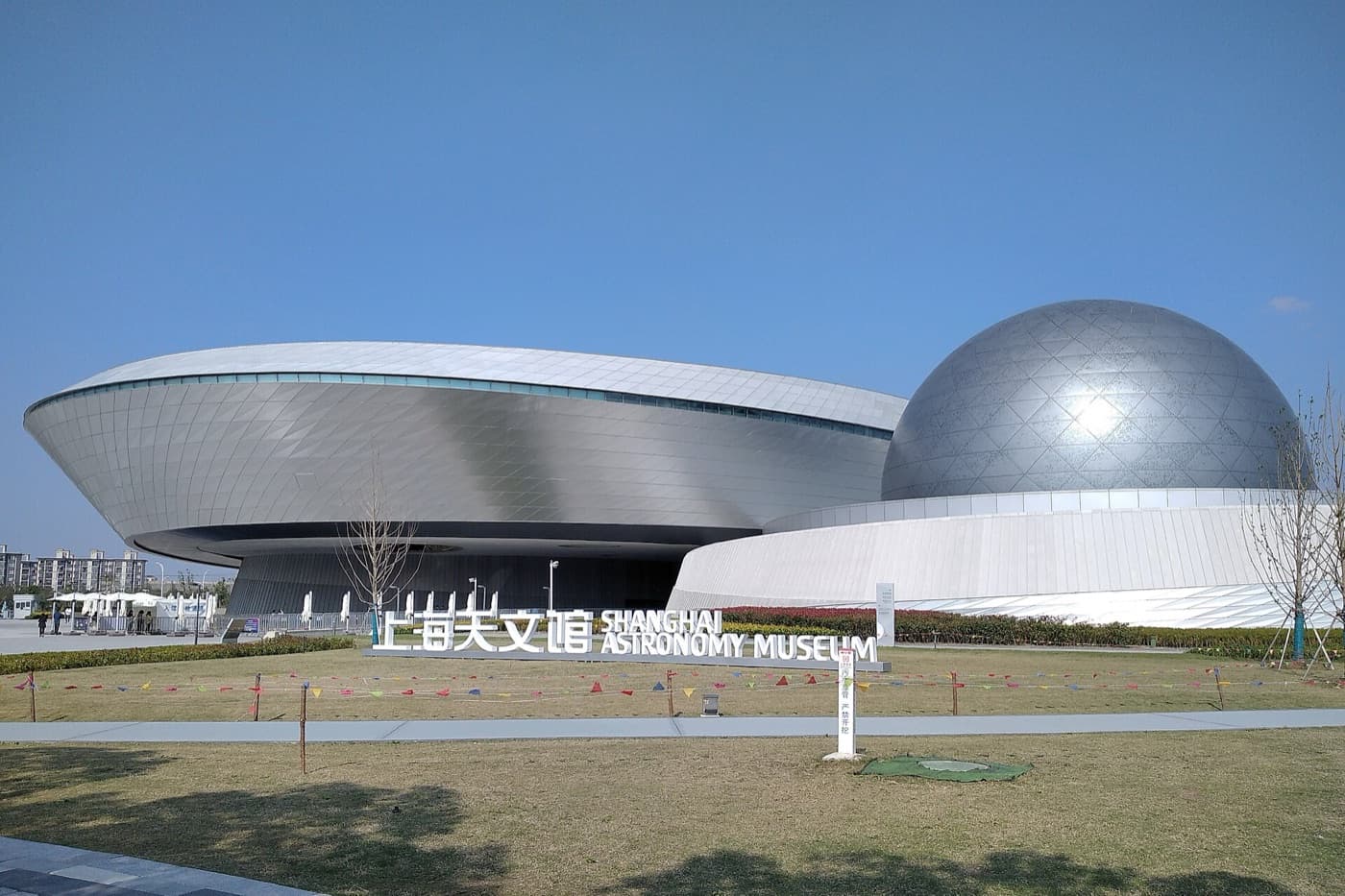
Shanghai Astronomy Museum, Shanghai · Brookqi · CC BY-SA 4.0 · Wikimedia Commons
Key facts
- Admission
- ¥30; dome theatre film ticket ¥40
- Opening hours
- 9:30–16:00 (admission stops at 15:00; closed on Mondays)
- Getting there
- On the shore of Dishui Lake in the Lingang New Area, Pudong New Area. Accessible by Metro Line 16 or by car.
- Guidebook rating
- 4 / 5
From China Self Guided Travel 2025, page 941. Open in Google Maps
About Shanghai Astronomy Museum
The world's largest planetarium. Its main exhibition areas are divided into three themes: Home, Universe and Journey. The main building is spiral-shaped, resembling 'orbits of celestial bodies'. Its three circular elements, the round skylight, the inverted dome and the dome theatre, form a distinctive 'three-body' structure. Since it opened, tickets have been hard to get. Here you can discover the wonders and rich knowledge of the universe, and enjoy a breathtaking visual experience.
Frequently asked questions
How much does Shanghai Astronomy Museum cost?
Admission to Shanghai Astronomy Museum is ¥30; dome theatre film ticket ¥40, as listed in the 2025 guidebook. Prices can change; check the official channel before you go.
What are the opening hours of Shanghai Astronomy Museum?
Shanghai Astronomy Museum is open 9:30–16:00 (admission stops at 15:00; closed on Mondays).
How do I get to Shanghai Astronomy Museum?
On the shore of Dishui Lake in the Lingang New Area, Pudong New Area. Accessible by Metro Line 16 or by car.
Where is Shanghai Astronomy Museum?
Shanghai Astronomy Museum is in Shanghai, Shanghai Municipality, in the East China of China.
More places in Shanghai

Shanghai Museum
Its collection and architecture are truly first-class. Focusing on ancient Chinese art, its collection, exhibitions and research aim to present the complete development history of each artistic category. Its system, richness and quality are highly renowned at home and abroad. Moved here in 1995, the museum has a distinctive design that follows the traditional Chinese concept of 'round heaven, square earth'. Its overall form resembles a dignified ancient bronze vessel. The Shanghai Museum holds half of China's ancient art treasures, and its galleries have no showy gimmicks, yet they will leave visitors astonished by China's history.
Free admission, though some special exhibitions require tickets, with prices varying · 3+ hours

Old City God Temple
A crash course in old Shanghai folk culture. The Old City God Temple has long been like a grand temple fair that never ends. Whatever you might look for at other temple fairs, you'll find here, with its snacks and distinctive handicrafts the most famous of all. The Old City God Temple was built during the Yongle era of the Ming dynasty. Historically, the temple was repeatedly destroyed and rebuilt. The current temple was built in 1926 and rebuilt on a large scale in the 1990s, becoming a large, antique-style architectural complex and commercial district. The renovated old temple may have lost some of the atmosphere of the old city district, yet visitors still flock here, a testament to its enduring charm. The saying “Gold from the Old Temple brings you good luck” is known far and wide.
Free · 1–3 hours

Zhujiajiao Ancient Town
The best-preserved Jiangnan water town near Shanghai. Its waterside townscape, thousand-year history, historic sites and cultural charm define Zhujiajiao. It has less commercial bustle than many other towns, so it feels fresh and relaxed.
Free; folk customs tour ¥30; New Water Town heritage tour ¥60

Jiading Ancient Town
This ancient town, with over 780 years of history, still preserves pagodas, temples, monasteries and old trees. Most visitors come for Zhouqiao Old Street. Lying on the same central axis as the Fahua Pagoda, about 500 meters from it, are the Confucian Temple, Huilong Pool and Yingkui Hill, another distinctive scenic area beside Zhouqiao Old Street. The Confucian Temple in particular is considered the number one in Wuzhong.
Suzhou Creek
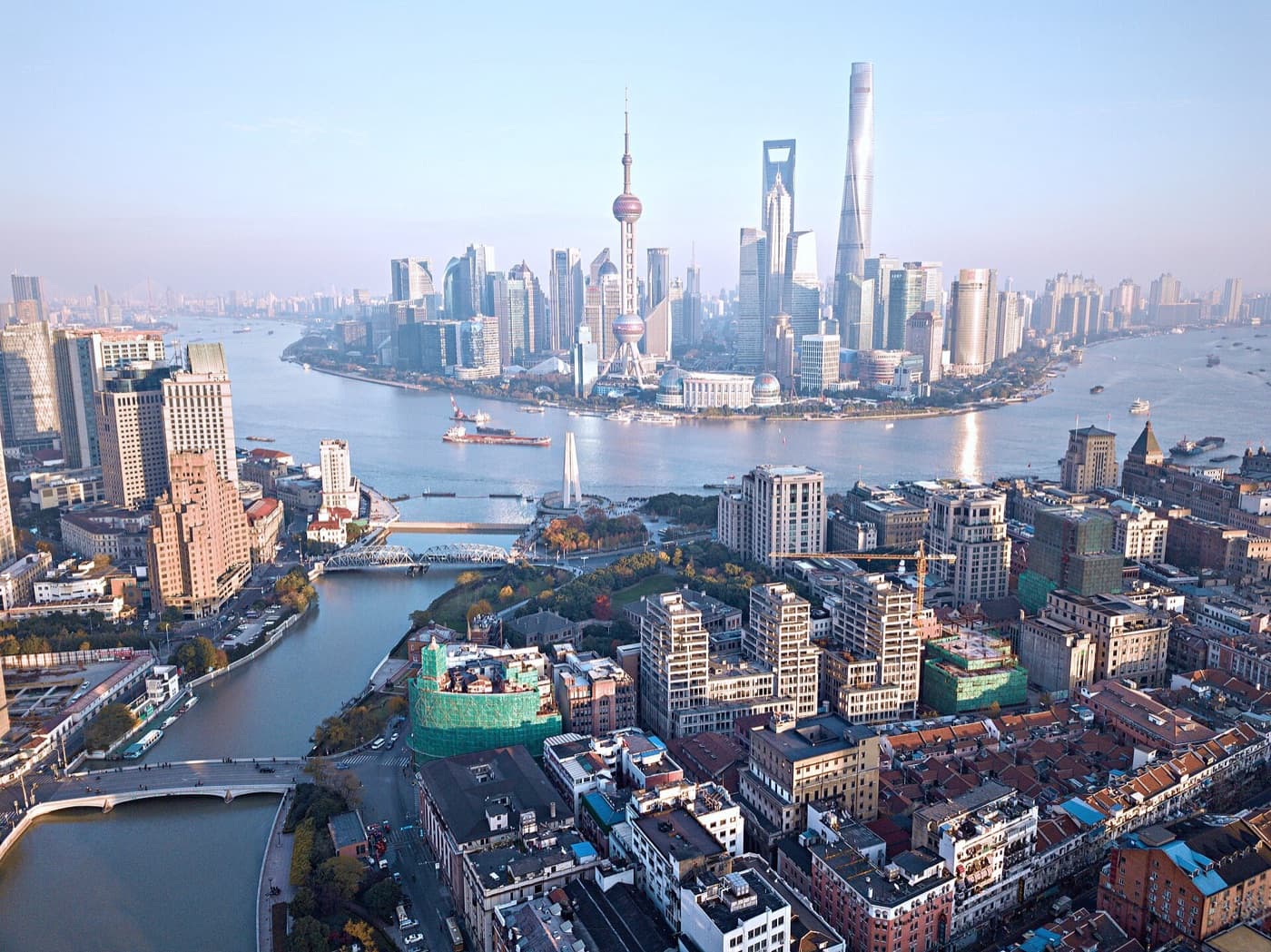
For longtime Shanghainese, Suzhou Creek is more than just a place name; it holds the memories of the city's transformation. The old factories along both banks have since moved out, and their empty workshops have been taken over by artists as studios and galleries. M50 Creative Park is the best example, with its rugged and distinctive warehouse style. Strolling along Suzhou Creek, you can listen to the slow, lingering sound of ship horns and get a sense of the bustle and glory that old Shanghai once had.
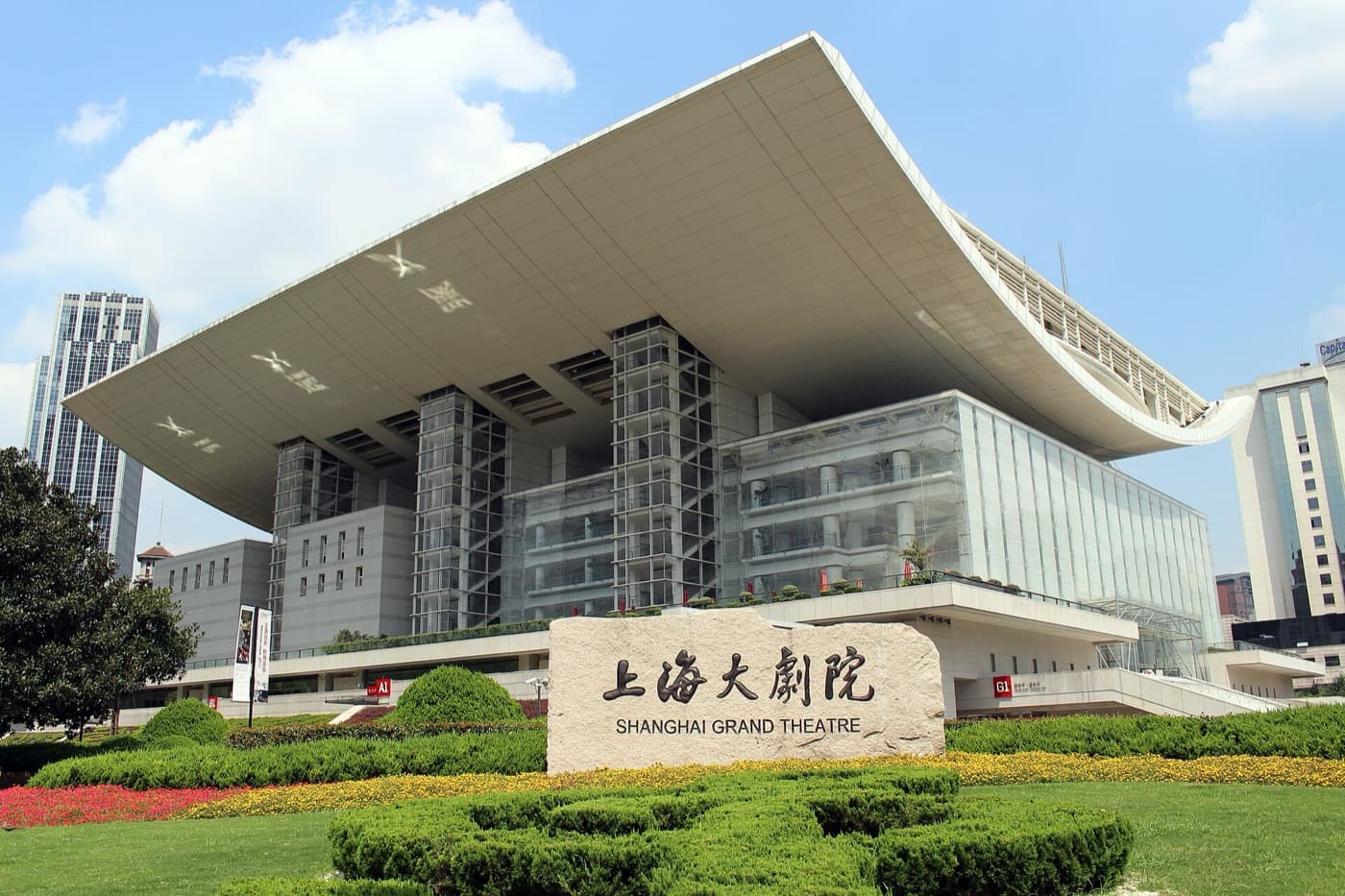
Shanghai Grand Theatre
The first choice for music and architecture lovers. Built with an investment of US$60 million and designed by a French architect, it has a geometric form, with a white curved roof that sweeps up toward the sky like a crown. Above it are a classical outdoor theatre and a rooftop garden, blending East and West. The seating has been excellently designed, with no obstructed views from any corner. The hall's ceiling features a multi-layered echo design, giving outstanding acoustics. The multifunctional stage is even larger than the audience area. The theatre houses three performance halls and frequently hosts international performances.
Visiting the theatre: ¥50 (¥100 for a family of three). To watch a performance, tickets must be booked at least 1 week in advance.