Qiantang River Tidal Bore Viewing
Around the 18th day of the eighth lunar month, the Qiantang River tidal bore can be seen from the shore: surging waves gallop toward you like a charging horse herd,…
Qiantang River Tidal Bore Viewing, Hangzhou
Key facts
- Admission
- Peak season: ¥90; off-season: ¥30
- Time needed
- 1–2 hours
- Getting there
- Take Bus T109 from Haining Railway Station directly to Yanguan (盐官); the journey takes about 1 hour
- Guidebook rating
- 3 / 5
From China Self Guided Travel 2025, page 1150. Open in Google Maps
About Qiantang River Tidal Bore Viewing
Around the 18th day of the eighth lunar month, the Qiantang River tidal bore can be seen from the shore: surging waves gallop toward you like a charging horse herd, fitting the ancient description “waves that rise to the sky and overturn rivers and seas, with a force that could topple mountains.” Apart from the Mid-Autumn period, the tidal bore can also be viewed on the 15th day of each lunar month.
Tips from the guidebook
- Because of weather and other natural factors, it is best to arrive at the viewing point at least 40 minutes early.
Frequently asked questions
How much does Qiantang River Tidal Bore Viewing cost?
Admission to Qiantang River Tidal Bore Viewing is Peak season: ¥90; off-season: ¥30, as listed in the 2025 guidebook. Prices can change; check the official channel before you go.
How do I get to Qiantang River Tidal Bore Viewing?
Take Bus T109 from Haining Railway Station directly to Yanguan (盐官); the journey takes about 1 hour
How long should I spend at Qiantang River Tidal Bore Viewing?
Plan on 1–2 hours for Qiantang River Tidal Bore Viewing.
Where is Qiantang River Tidal Bore Viewing?
Qiantang River Tidal Bore Viewing is in Hangzhou, Zhejiang Province, in the East China of China.
More places in Hangzhou

Museums and Memorial Halls Tour

Third Selection of Ten Scenes of West Lake

Ten Scenes of West Lake
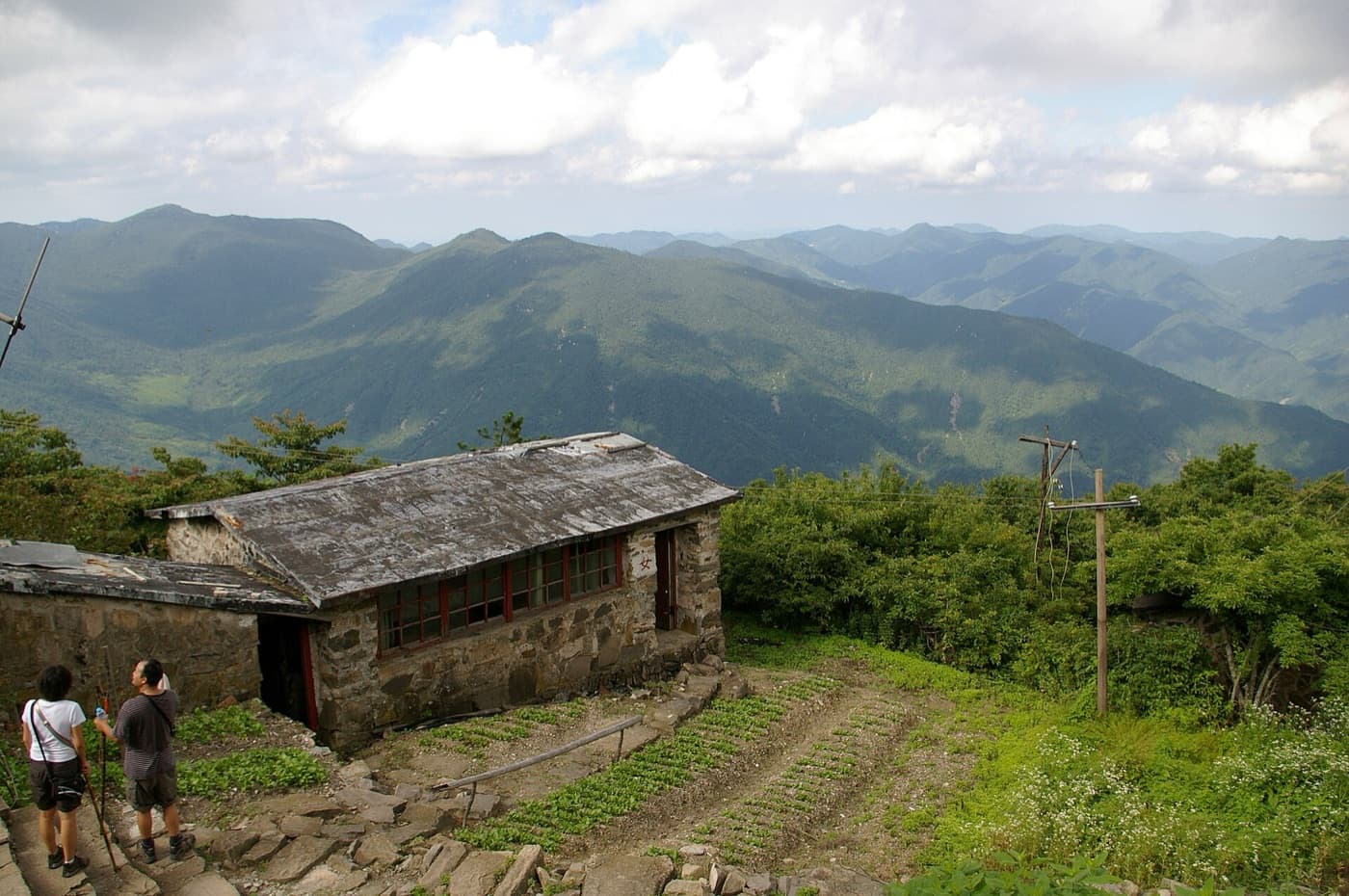
Mount Tianmu
The eastern and western summits of Mount Tianmu each hold a pool, like a pair of eyes gazing up at the sky, which gave the mountain its name. Mount Tianmu has long been praised as “the great canopy of ancient trees heard across the nine regions.” It is home to a rich variety of plants and animals, including many rare species. Its peaks and ridges are lush with ancient trees, and it features dramatic rock formations and cascading waterfalls. It is also a renowned mountain of religious significance.
¥136; round-trip sightseeing shuttle ¥40
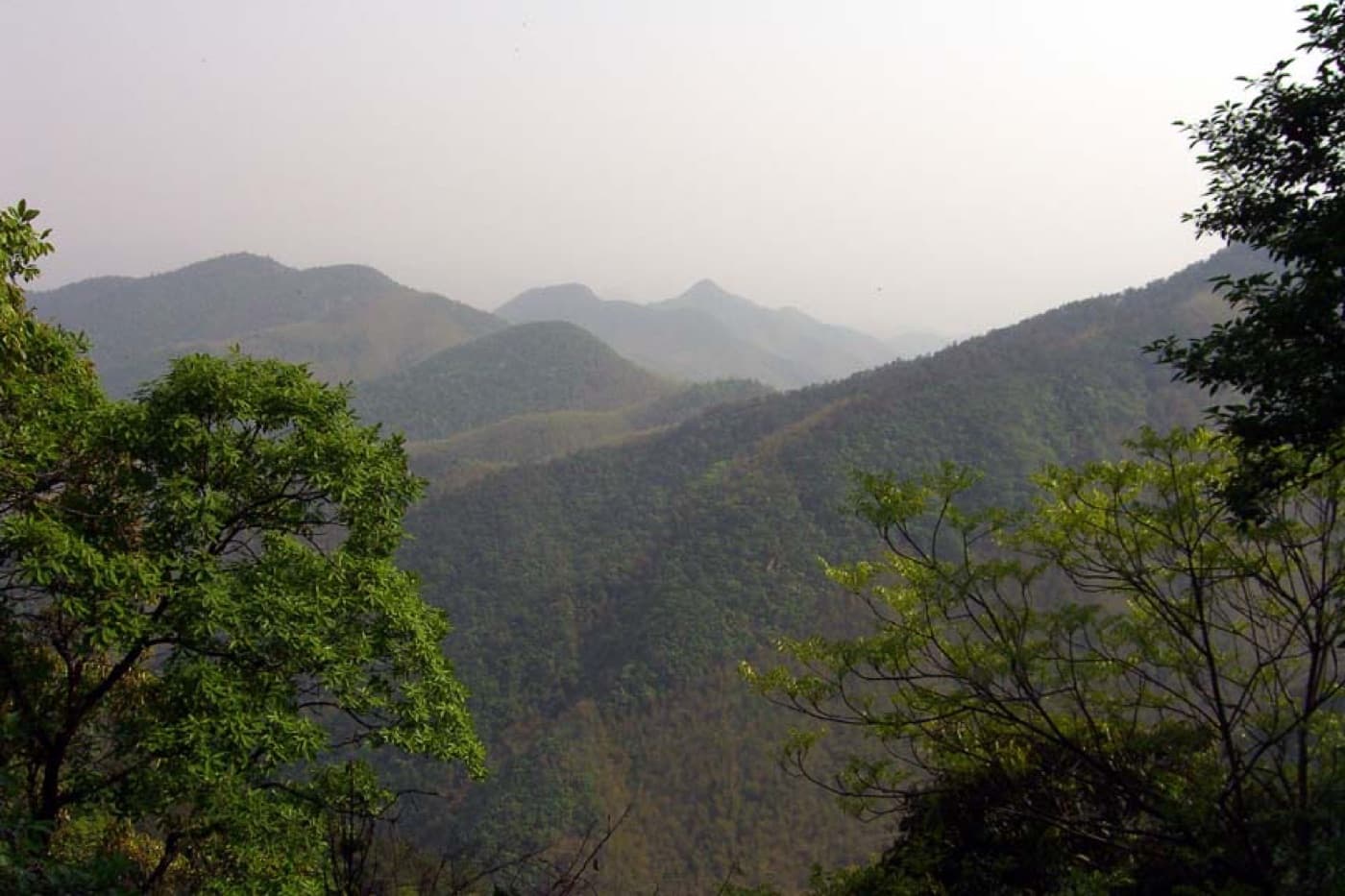
Mount Mogan
Legend has it that during the Spring and Autumn period, the master swordsmiths Ganjiang and Moye, a husband-and-wife pair from the State of Wu, threw themselves into the furnace here and forged the world-famous male and female swords. Mogan Mountain's scenery is enchanting, with the picturesque Reed Marsh Park, the quaint and tranquil Wuling Village, the thrilling Sword Pool Waterfall, and more than a hundred other sights.
¥160 (including round-trip shuttle bus) · 1–2 days
Longmen Ancient Town
Longmen Ancient Town is said to be the hometown of Sun Quan, Emperor Wu of the Eastern Wu kingdom in the Three Kingdoms period, and its history spans more than a thousand years. Its Ming and Qing architecture has survived centuries of upheaval and war, and together with its small bridges, flowing streams and old lanes, it forms the town's distinctive scenery. Visitors can experience the folk customs of the Jiangnan region, explore the rich Sun family culture, and sample local specialties such as Wentai vermicelli, Guotai tofu and Jiangdong yuanbao. The films *The Barber* and *Dwelling in the Fuchun Mountains* were shot here.
Free entry to the town; indoor attractions ¥70 · 2–4 hours