Pusa Ding Temple
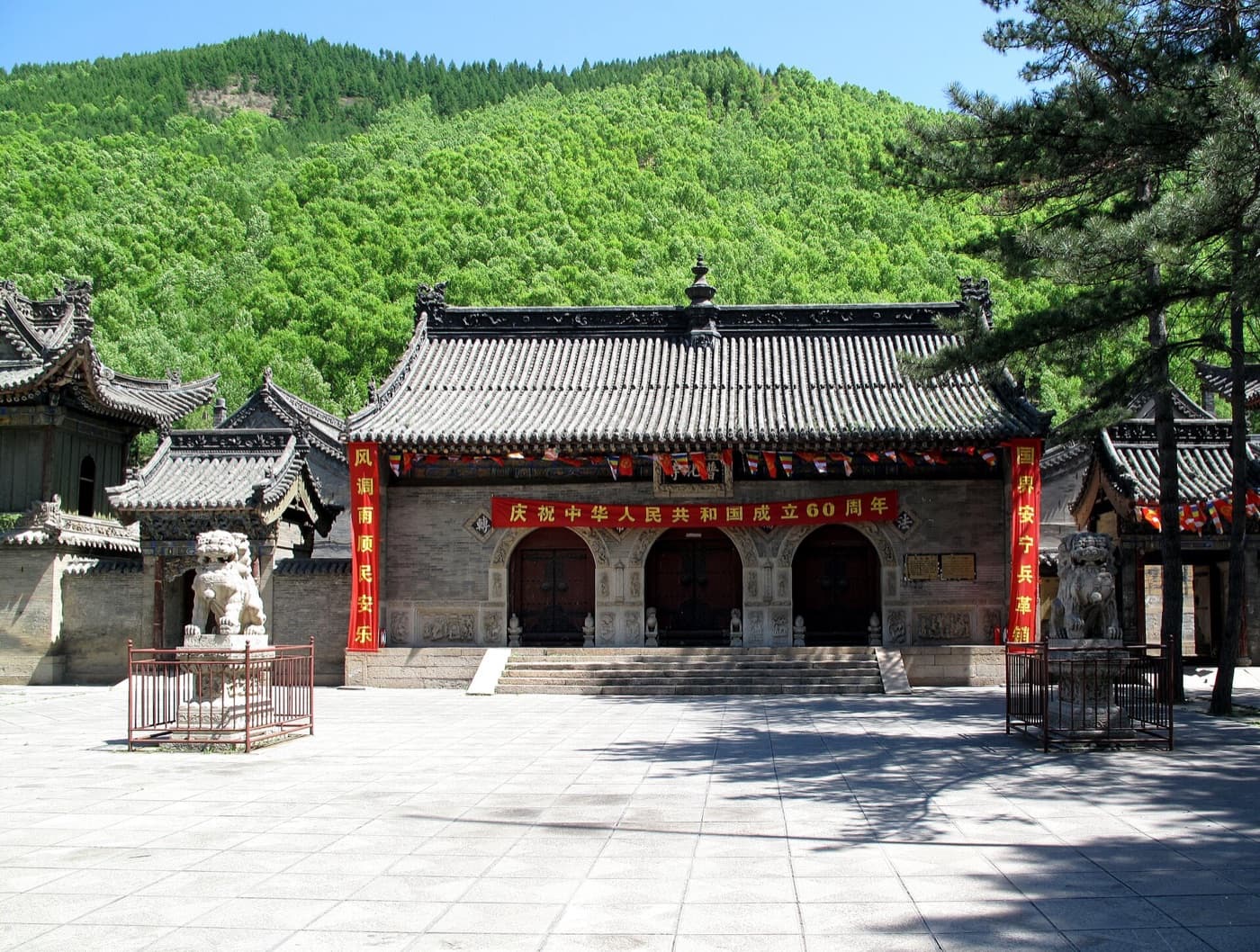
Situated on Lingjiu Peak (灵鹫峰) north of Xiantong Temple, Pusading Temple is the largest, most complete and most magnificent Tibetan Buddhist temple on Mount Wutai,…
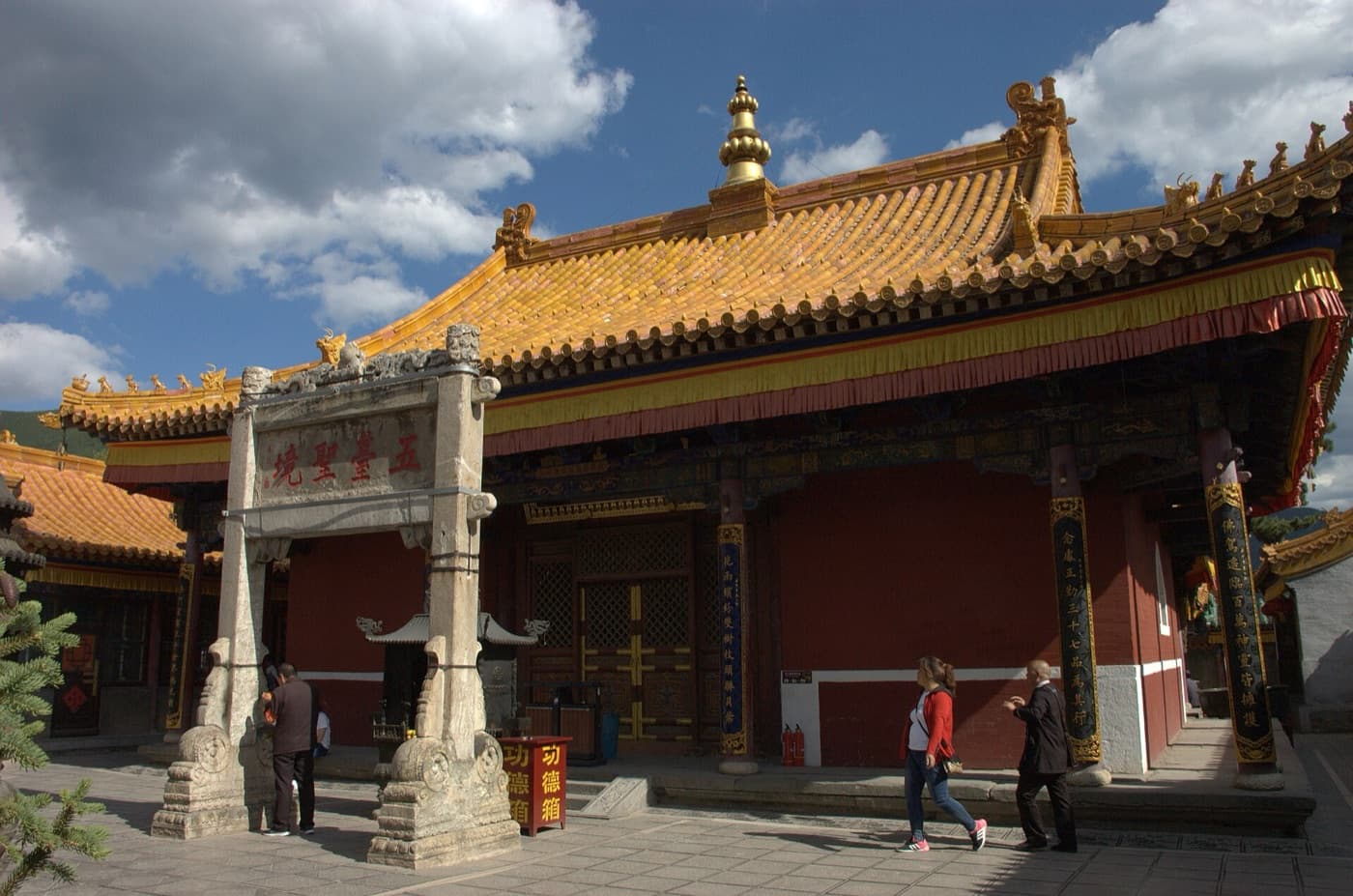
Pusa Ding Temple, Wutai Mountain · Brookqi · CC BY-SA 4.0 · Wikimedia Commons
Key facts
- Admission
- ¥10
- Time needed
- 1–3 hours
- Guidebook rating
- 3 / 5
From China Self Guided Travel 2025, page 1837. Open in Google Maps
About Pusa Ding Temple
Situated on Lingjiu Peak (灵鹫峰) north of Xiantong Temple, Pusading Temple is the largest, most complete and most magnificent Tibetan Buddhist temple on Mount Wutai, and one of the five main Chan sites. "Pusading" is a Manchu term meaning "where Manjushri Bodhisattva dwells on Lingjiu Peak." In the early Qing dynasty, the emperors pursued a conciliatory policy toward ethnic minorities to safeguard national unity. As a result, Pusading Temple, already the foremost Yellow Sect temple on Mount Wutai, rose to become the highest-ranking temple on the mountain. The Kangxi and Qianlong emperors visited Mount Wutai many times and stayed here. In front of the temple, 108 stone steps form a test every pilgrim must pass.
Frequently asked questions
How much does Pusa Ding Temple cost?
Admission to Pusa Ding Temple is ¥10, as listed in the 2025 guidebook. Prices can change; check the official channel before you go.
How long should I spend at Pusa Ding Temple?
Plan on 1–3 hours for Pusa Ding Temple.
Where is Pusa Ding Temple?
Pusa Ding Temple is in Wutai Mountain, Shanxi Province, in the North China of China.
More places in Wutai Mountain

Nanshan Temple
A seven-storey temple on Mount Wutai, built into the mountainside in clearly defined tiers, with a mysterious atmosphere. It is best known for its stone carvings, which depict Buddhist legends, Taoist stories, trees, flowers and plants, and are considered one of Mount Wutai's finest features. This is most evident in Youguo Temple (佑国寺) on the upper three floors, where the top level also offers fine views of the other four peaks of Mount Wutai.

Xiantong Temple
The largest temple on Mount Wutai. Together with the White Horse Temple (白马寺) in Luoyang, it is one of the earliest temples in China, and it is the only nationally protected temple in the Wutai Mountain scenic area. The Great Treasure Hall (大雄宝殿) hosts Buddhist ceremonies. The Wuliang Hall (无量殿) is built entirely of brick and is remarkable for having no roof beams; it houses a cast bronze Vairocana Buddha. The Bronze Hall (铜殿) is a bronze structure containing more than 10,000 small, exquisitely crafted Buddha statues, and is a rare example of bronze cultural relics in China.
¥10 · 2–3 hours
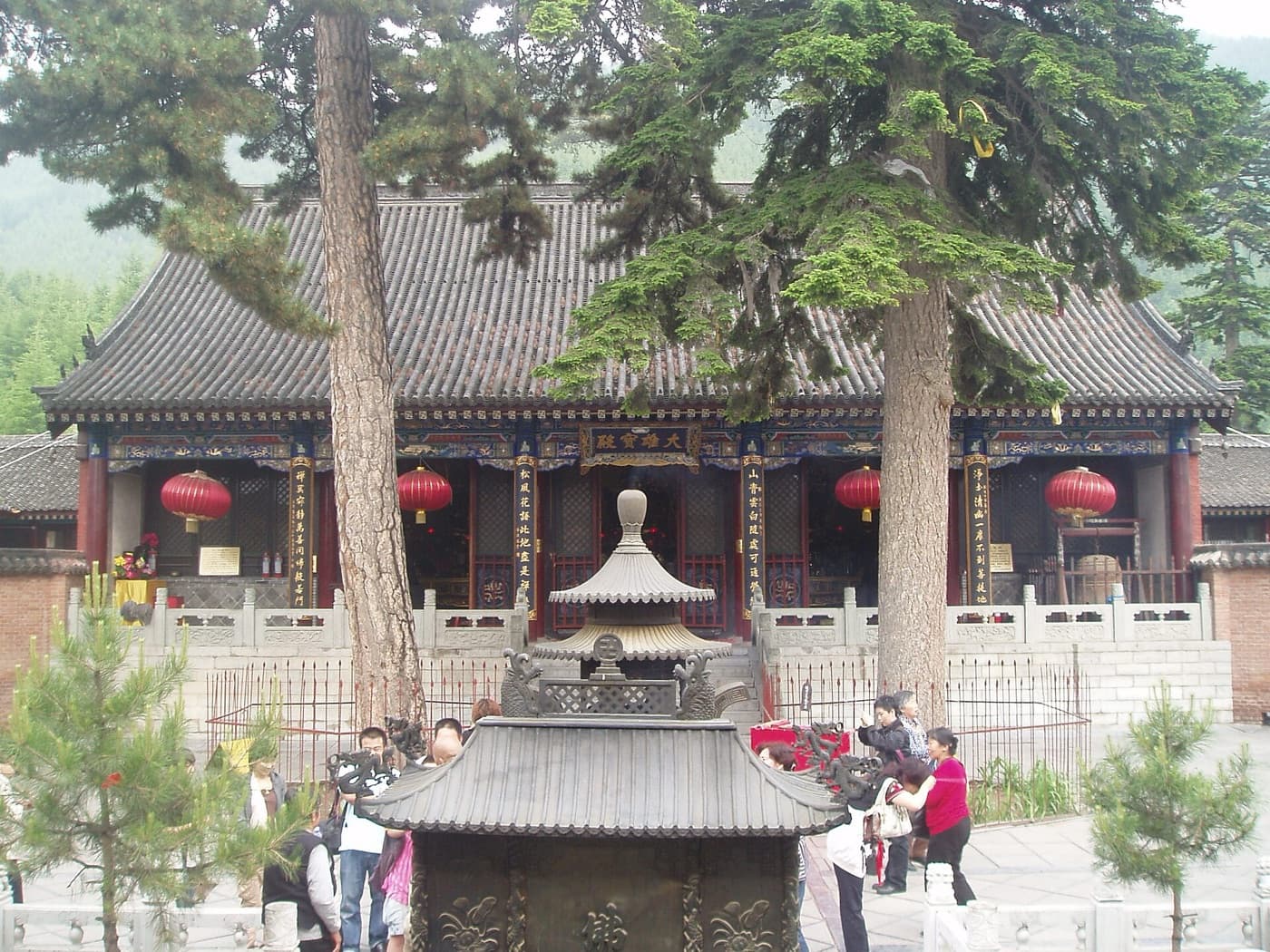
Dailuo Peak
Dailuo Peak sits on a mountaintop beside the Qingshui River, east of Taihuai Town, rising 400 metres vertically. To fulfil an emperor’s wish to worship at one temple while making a pilgrimage to Wutai, the peak’s hall houses five statues of Manjushri, symbolising the five summits of Wutai. This spared monks and pilgrims from outside the region the hardship of travelling the full mountain. Worshipping at Dailuo Peak is also known as the “Small Pilgrimage.”
¥8. Cable car up: ¥50; cable car down: ¥35 · 1–2 hours
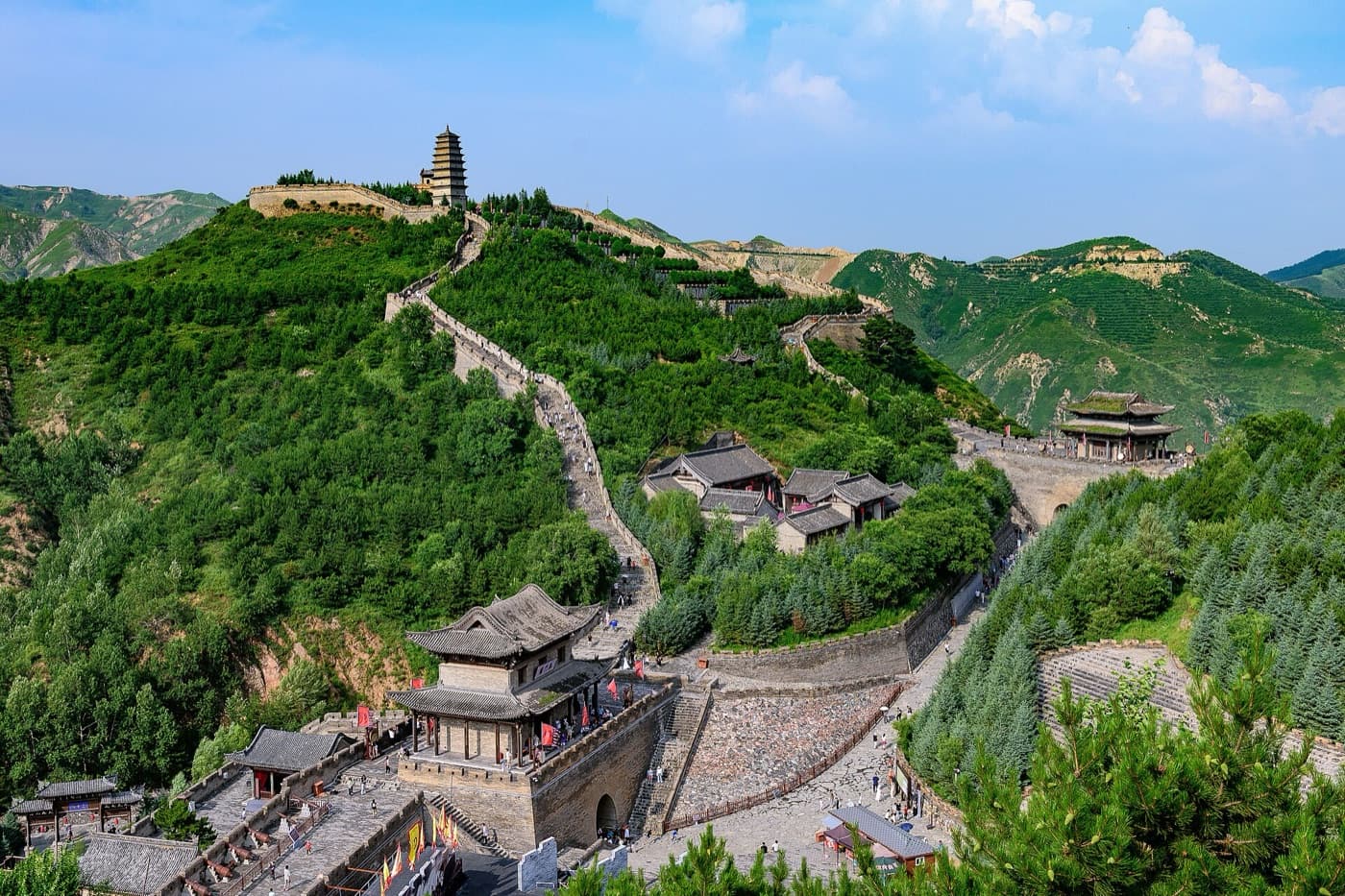
Yanmen Pass
“Of the nine great passes under heaven, Yanmen ranks first.” For over 2,400 years, from ancient times onward, it was a strategic prize contested by military forces across ancient China, witnessing countless battles large and small. The surviving pass was built during the Ming dynasty.
¥60 · 3–4 hours
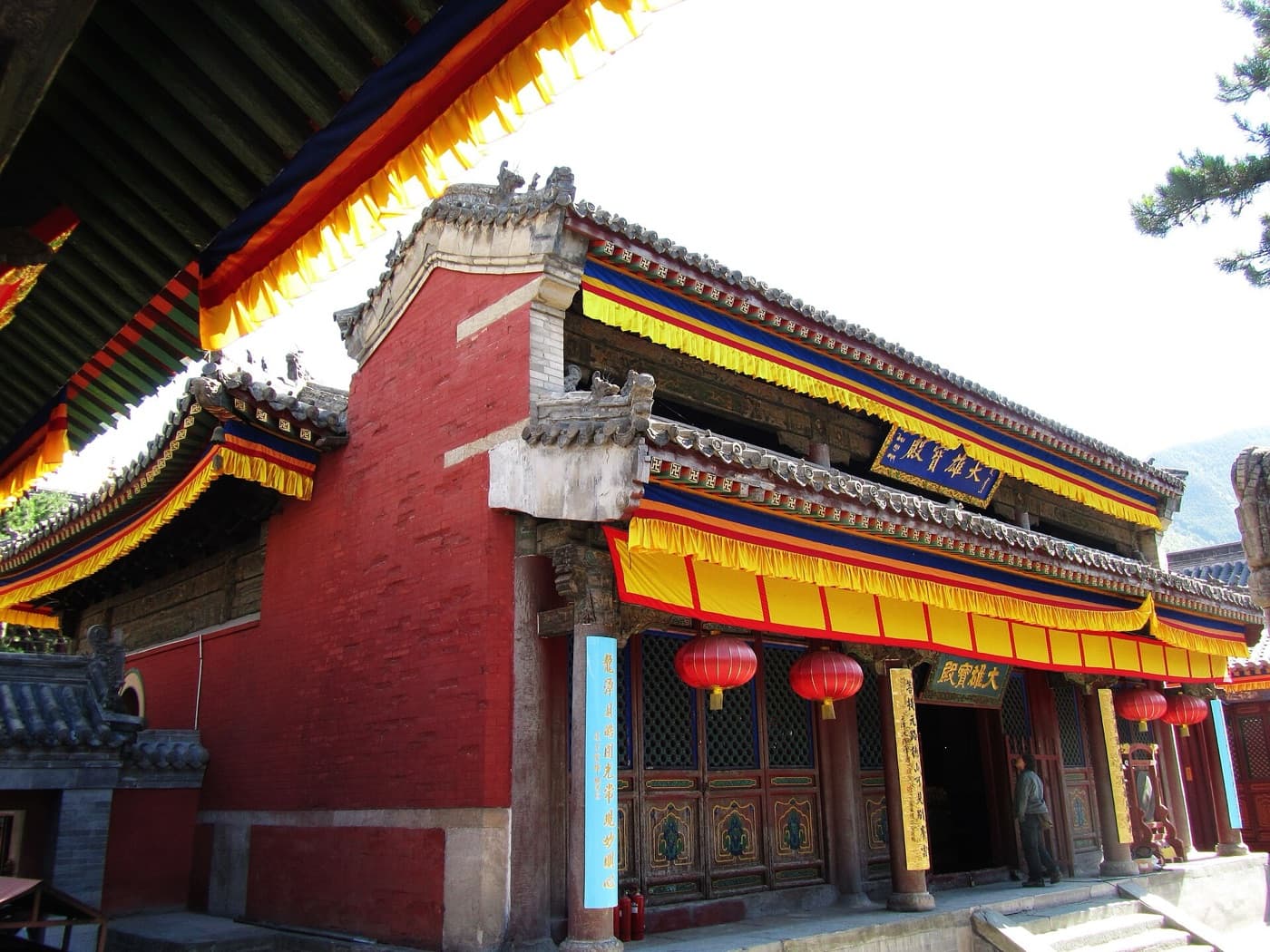
Luohou Temple
Located east of Xiantong Temple, Luohou Temple is one of the five main Chan sites and one of the ten Tibetan Buddhist temples on Mount Wutai. It is home to the most unusual man-made spectacle on the mountain, "Flowers Bloom, Buddhas Appear" (花开现佛). Every year on the 15th day of the sixth lunar month, the birthday of Manjushri Bodhisattva, monks dress in outlandish costumes and masks and perform "ghost dances" (跳鬼) for entertainment.
Free · 1–3 hours
Puhua Temple
The most recently built temple on Mount Wutai; most of the current structures date from the Republican era. The circular stone carvings set into the screen wall in front of the temple are among the finest of Mount Wutai's temple screen walls. Inside the Great Hall, the gable walls depict the process of Shakyamuni attaining Buddhahood. Behind the hall stands a very rare statue of an "Old Manjushri" with a long beard and an arhat-like face.