Lushan West Sea
Vast and tranquil lakes, scattered islands, and mountains and water reflecting each other before your eyes, with the air full of moist freshness. This is a very romantic place, ideal for a holiday.
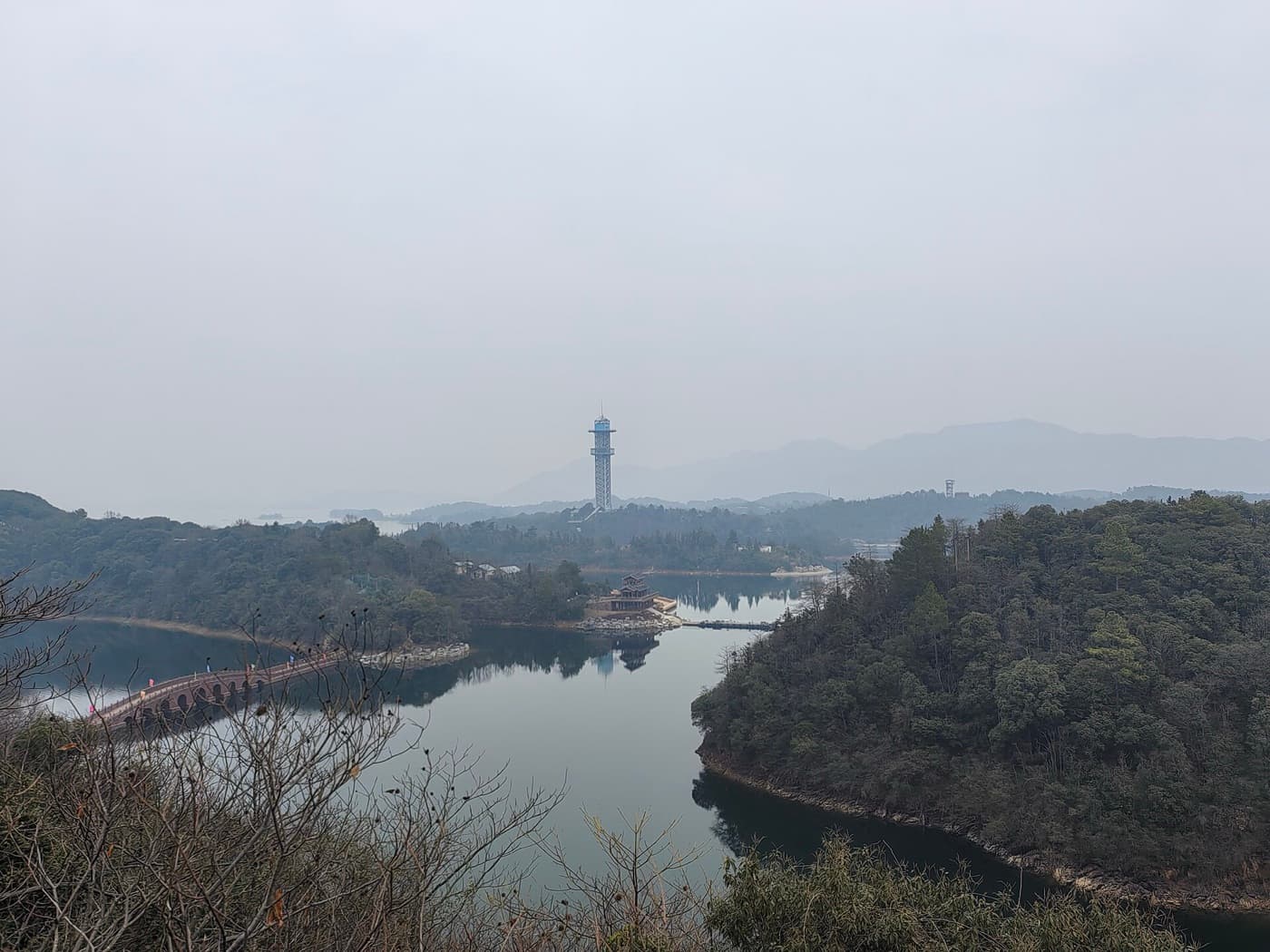
Lushan West Sea, Lushan Mountain (Mount Lu) · Yumeto · CC BY-SA 4.0 · Wikimedia Commons
Key facts
- Admission
- ¥150 per person; Grandma Bridge ¥5 per person; Yunju Mountain ¥20 per person; West Sea Hot Spring ¥198 per person; ¥40; free
- Time needed
- 3–5 hours; 2–3 hours
- Getting there
- Take a bus to Wuning from Jiujiang Bus Station and get off at the Zhelin Lake Scenic Area
- Guidebook rating
- 4 / 5
From China Self Guided Travel 2025, page 1459. Open in Google Maps
About Lushan West Sea
Vast and tranquil lakes, scattered islands, and mountains and water reflecting each other before your eyes, with the air full of moist freshness. This is a very romantic place, ideal for a holiday.
Tips from the guidebook
- From Hanpokou, walk down the stone steps for a few hundred meters to reach the gate. The Botanical Garden, Wangpo Pavilion and Five Elders Peak can be linked together in one visit.
More from the guidebook
One-line recommendation
Tianhe Valley: A new attraction on Mount Lu, dubbed “China’s first lovers’ valley”. Couples will enjoy it, and backpackers can also camp here.
Frequently asked questions
How much does Lushan West Sea cost?
Admission to Lushan West Sea is ¥150 per person; Grandma Bridge ¥5 per person; Yunju Mountain ¥20 per person; West Sea Hot Spring ¥198 per person; ¥40; free, as listed in the 2025 guidebook. Prices can change; check the official channel before you go.
How do I get to Lushan West Sea?
Take a bus to Wuning from Jiujiang Bus Station and get off at the Zhelin Lake Scenic Area
How long should I spend at Lushan West Sea?
Plan on 3–5 hours; 2–3 hours for Lushan West Sea.
Where is Lushan West Sea?
Lushan West Sea is in Lushan Mountain (Mount Lu), Jiangxi Province, in the East China of China. Tianhe Valley Scenic Area, Hanpokou, Mount Lu
More places in Lushan Mountain (Mount Lu)

Lushan Wonders

Lushan Mountain (Mount Lu)
No trip to Jiangxi is complete without visiting Mount Lu. Lushan's natural scenic areas are mostly concentrated on the southern slopes, hence the saying “Lushan's beauty lies in its south.” However, the southern sights are spread out and the routes are challenging. The cultural attractions clustered around Guling Town each have a legend or a piece of history behind them.
Off-season ¥135; peak season ¥160 · 1–2 days
Xiufeng Scenic Area
As the saying goes: “The beauty of Mount Lu lies in its south, and the beauty of the south lies in Xiufeng.” In Xiufeng Scenic Area, the peaks, emerald ridges and jade-green pools, along with its waterfalls, gorges and temples, all display a distinctive charm, so lovely that one could “eat the scenery.” The Xiufeng Temple, with its inscription by the Kangxi Emperor, bears witness to this.
¥63 · 2–4 hours
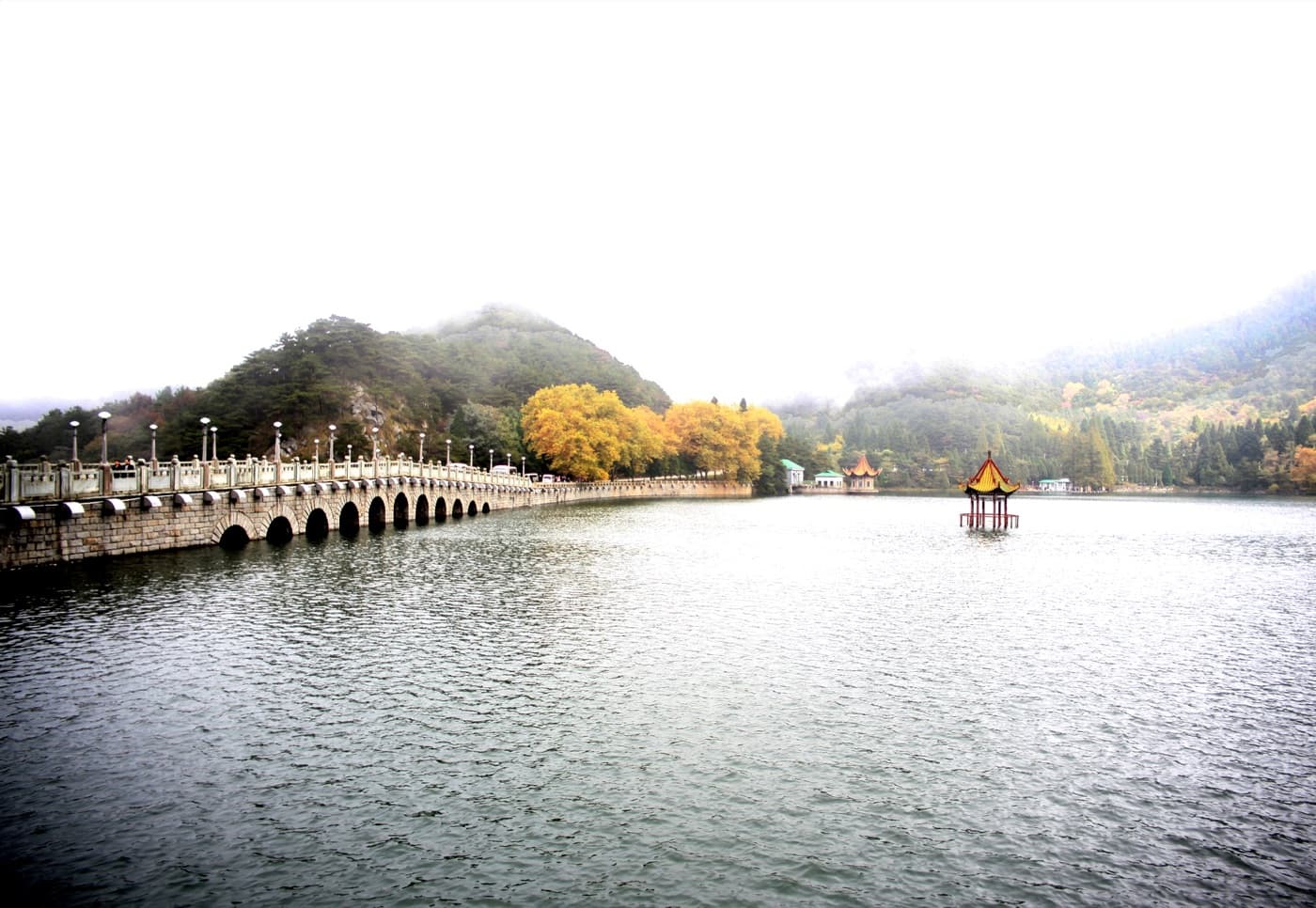
Lulin Lake
Lulin Lake is ringed by mountains draped in lush pines and cypresses. Its water is clear as a mirror, and the reflected peaks blend with drifting clouds and mist, so the lake looks like a divine lake fallen from the sky. Nearby stand palatial buildings such as the Mount Lu Museum, Mount Lu Hotel and People's Theatre.
Included in the Mount Lu entrance ticket · 1–2 hours
Shimenjian Scenic Area
The earliest waterfall recorded in Lushan's historical annals is the Shimenjian Waterfall. As early as over 2,000 years ago, Ban Gu's *Treatise on Geography* in the *Book of the Later Han* recorded: “To the southwest of Lushan stand twin gate-towers, sheer cliffs rising more than a thousand *ren* high, and a waterfall flows there.” Shimenjian faces the cliffs across the ravine, forming towering gates and walls. At its narrowest point, the “Little Stone Gate,” only a crack separates the two cliffs, so visitors must turn sideways to pass through the “gate.” In the glen, high cliffs pour out waterfalls, and deep valleys collect water into pools. Submerged jagged rocks and towering boulders standing in the stream are arranged along the gorge to form “stone platforms.” The largest smooth boulder can seat dozens of people, and the characters “Shimenjian” are carved on it. Beyond the big boulder, the gorge grows steeper and narrower, like swords thrust into the sky, each peak vying for beauty. In this great fault, Mast Peak and Tongzi Cliff rise straight from the ravine floor, standing just a short distance apart, surrounded by a cluster of peaks.
¥52 · 2–3 hours
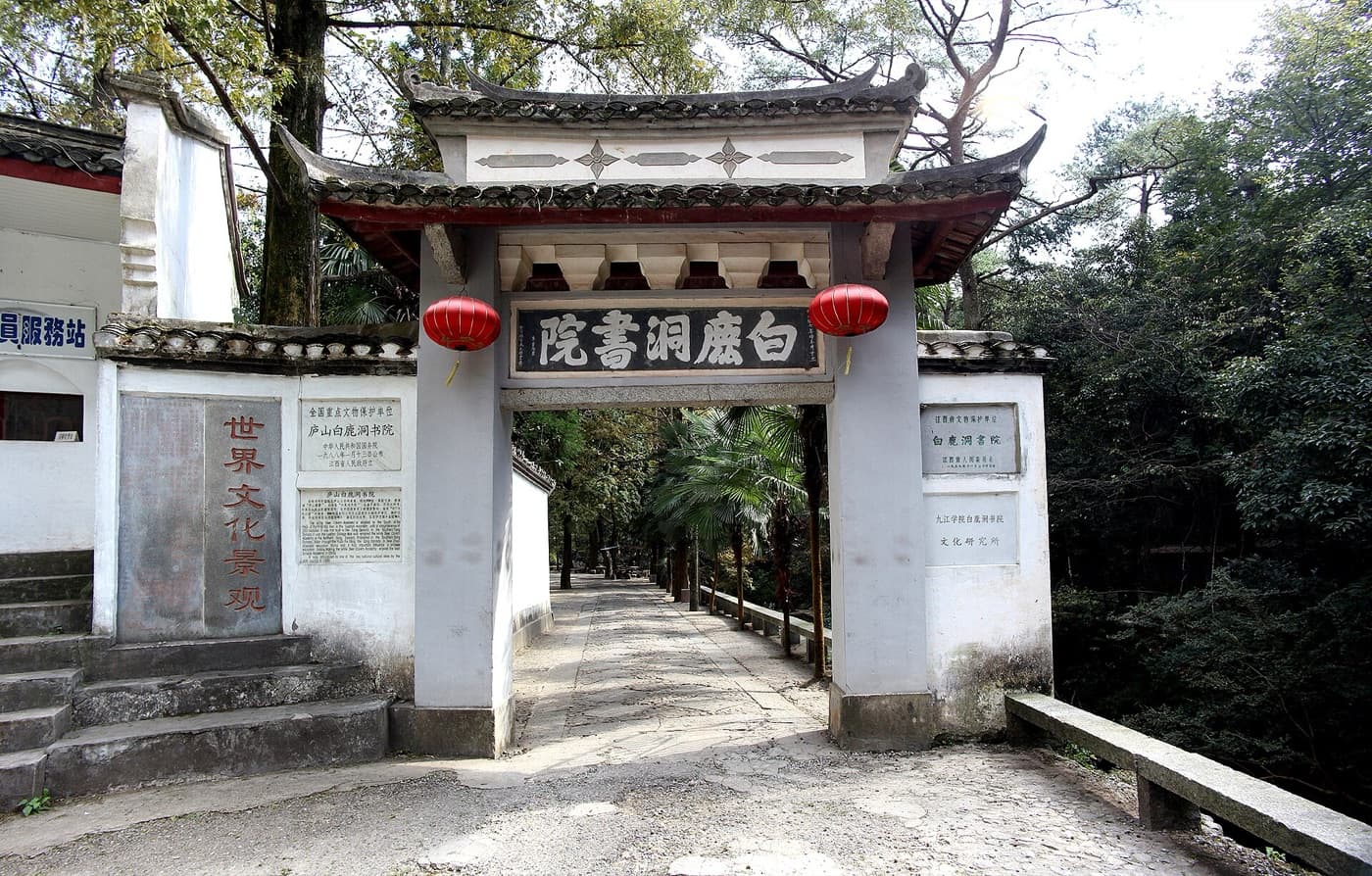
White Deer Grotto Academy
Among Mount Lu’s many attractions, the White Deer Grotto Academy, rebuilt and expanded by the great scholar Zhu Xi, is the easiest to overlook. Yet for any Chinese, the academy is a deeply significant place. It ranks first among China’s Four Great Academies. Apart from the Yuelu Academy in Hunan, it is the only one of these academies to have survived and been well preserved, and it is the White Deer Grotto in Jiangxi.
¥40 · 1–2 hours