Longyou Grottoes
The vast underground man-made grottoes are truly awe-inspiring, magnificent and seemingly the work of gods. Each grotto is rectangular, shaped like an inverted dou measure,…
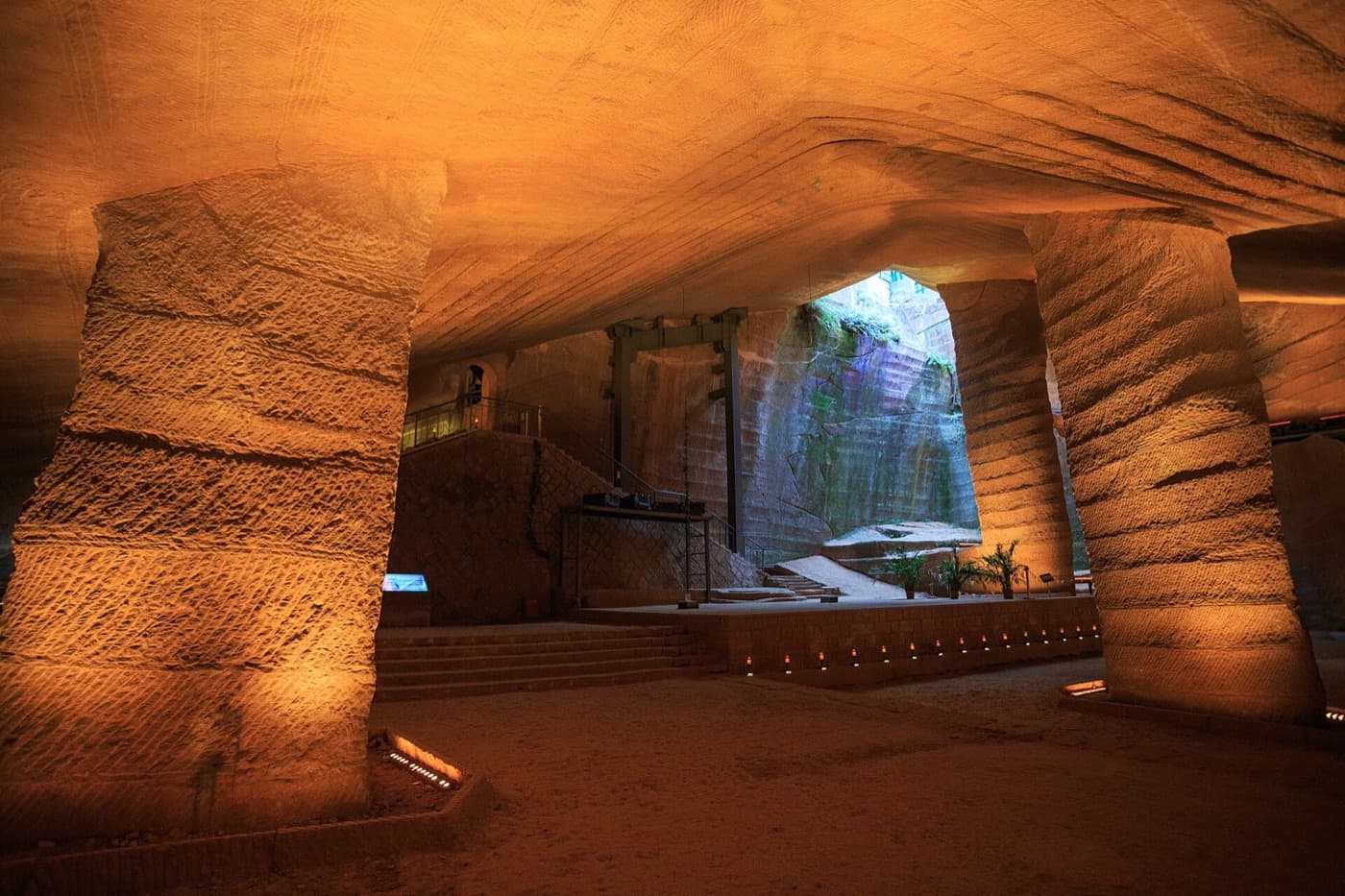
Longyou Grottoes, Hangzhou · Zhangzhugang · CC BY-SA 4.0 · Wikimedia Commons
Key facts
- Admission
- ¥85
- Opening hours
- 8:00—16:30
- Time needed
- 2 hours
- Getting there
- Take the dedicated bus to the scenic area directly from Longyou Bus Terminal. It runs every 30 minutes, and the journey takes about 20 minutes.
- Guidebook rating
- 4 / 5
From China Self Guided Travel 2025, page 1158. Open in Google Maps
About Longyou Grottoes
The vast underground man-made grottoes are truly awe-inspiring, magnificent and seemingly the work of gods. Each grotto is rectangular, shaped like an inverted dou measure, with straight walls and sharp corners, supported by thick pillars holding up the ceiling. The historical background, purpose and ancient quarrying techniques behind the grottoes remain unclear, which is why they are known as “an eternal mystery” and the “ninth wonder of the world.”
Frequently asked questions
How much does Longyou Grottoes cost?
Admission to Longyou Grottoes is ¥85, as listed in the 2025 guidebook. Prices can change; check the official channel before you go.
What are the opening hours of Longyou Grottoes?
Longyou Grottoes is open 8:00—16:30.
How do I get to Longyou Grottoes?
Take the dedicated bus to the scenic area directly from Longyou Bus Terminal. It runs every 30 minutes, and the journey takes about 20 minutes.
How long should I spend at Longyou Grottoes?
Plan on 2 hours for Longyou Grottoes.
Where is Longyou Grottoes?
Longyou Grottoes is in Hangzhou, Zhejiang Province, in the East China of China.
More places in Hangzhou

Museums and Memorial Halls Tour

Third Selection of Ten Scenes of West Lake

Ten Scenes of West Lake
Minjuyuan Folk Residence Garden
Whether or not you have seen the ancient villages of southern Anhui or Wuyuan, we recommend visiting for a comparison. Minjuyuan is one of only two demonstration sites in China where cultural relics were protected by relocation. Over 30 Ming and Qing dynasty buildings were moved and rebuilt here, and many are fine examples of their kind. The scenic area stages folk performances including the “She ethnic betrothal” show, the flower-rolling dragon dance, the pixiu dance, and traditional hand-made “Longyou xuan paper.”
¥45 · 2–3 hours
Yaolin Wonderland
Yaolin Wonderland is a fantastical cave world, attracting Chinese and international visitors with its splendid scenery of “seclusion, depth, wonder and beauty.” Its extraordinary landforms and magnificent stalactite formations are considered wonders of nature. Major highlights include the Fairy Gathering, the Penglai Palace and the Galaxy Waterfall. The cave has also yielded Eastern Han stamped pottery shards, Sui and Tang charcoal inscriptions, Five Dynasties and Northern Song coins, and Yuan dynasty celadon fragments, providing valuable material for archaeological research.
¥116 (excluding Galaxy Crossing) · 1 hour
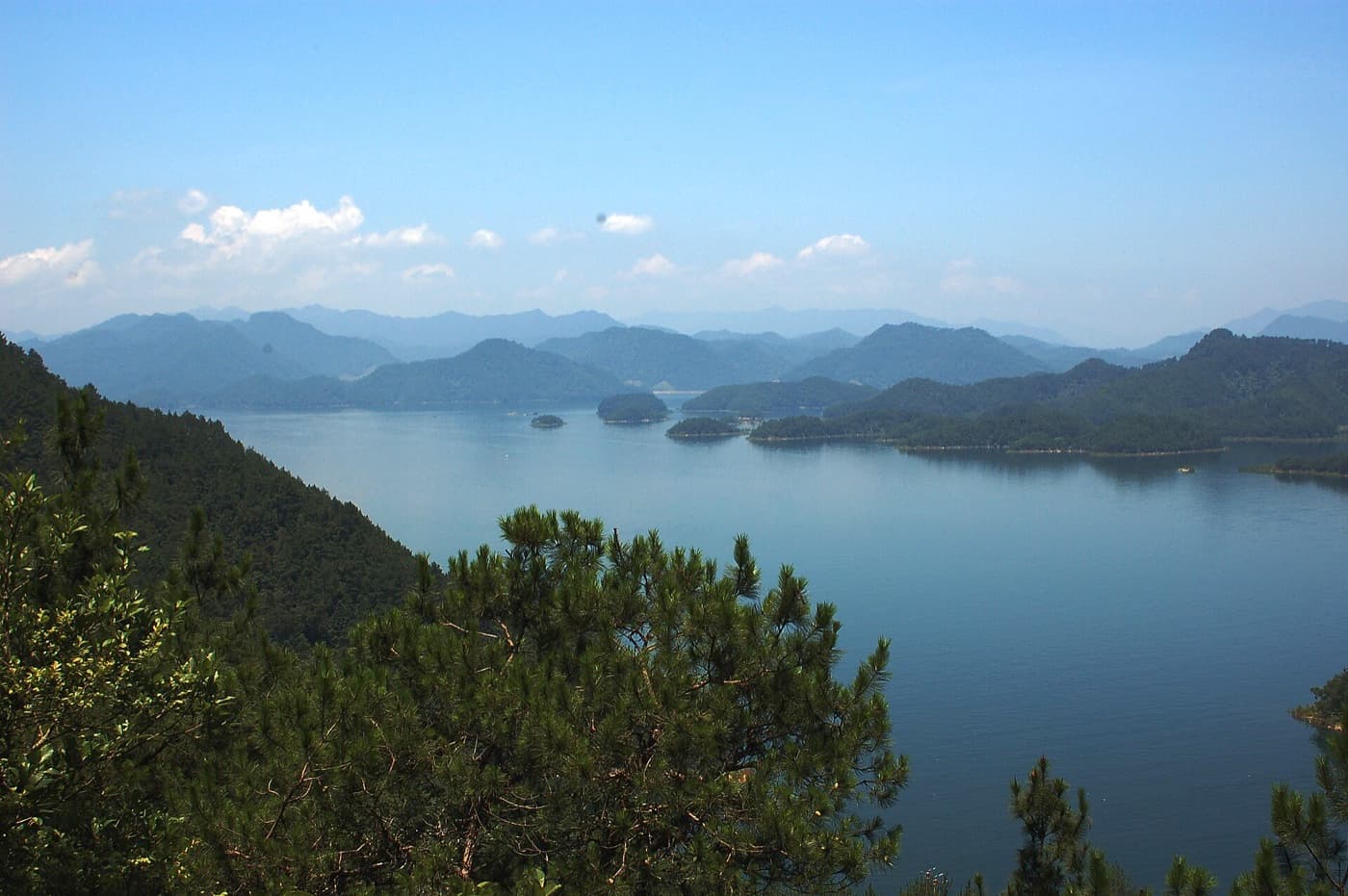
Qiandao Lake (Thousand Island Lake)
In 1959, the construction of the Xin'anjiang Hydropower Station submerged two thousand-year-old cities dating back to the Han and Tang dynasties, Shicheng (the former county seat of Suian) and Hecheng (the former county seat of Chun'an), overnight beneath the emerald waters. Over 3,000 villages and 300,000 mu of farmland have since lain dozens of metres underwater, and more than 1,000 former hilltops have become islands in the lake. This is the origin of Qiandao Lake (Thousand Island Lake). The lake has 1,078 islands, each with its own charm. In spring, islands blanketed in wildflowers look like carefree village girls; in summer, you'll long to swim and surf in the blue waters; in autumn, the red leaves call to mind the line “frost-touched leaves redder than the flowers of the second month”; in winter, snow covers the lake and hills and pines stand firm on the cliffs, a scene worthy of a Wang Wei painting.
Peak season ¥130, off-season ¥110, boat fare ¥65; ¥85; included in the combined ticket; cable car up and down Huangshanjian (Huangshan Peak), round trip ¥50/person, one way ¥30/person; ¥40; forest toboggan ¥30/person; Rainbow Passage ¥50 · 2 days