Longtanshan Park
On the mountain stands an ancient pool, a reservoir built by people of old using a natural spring. No matter how dry the weather, the water level never falls.…
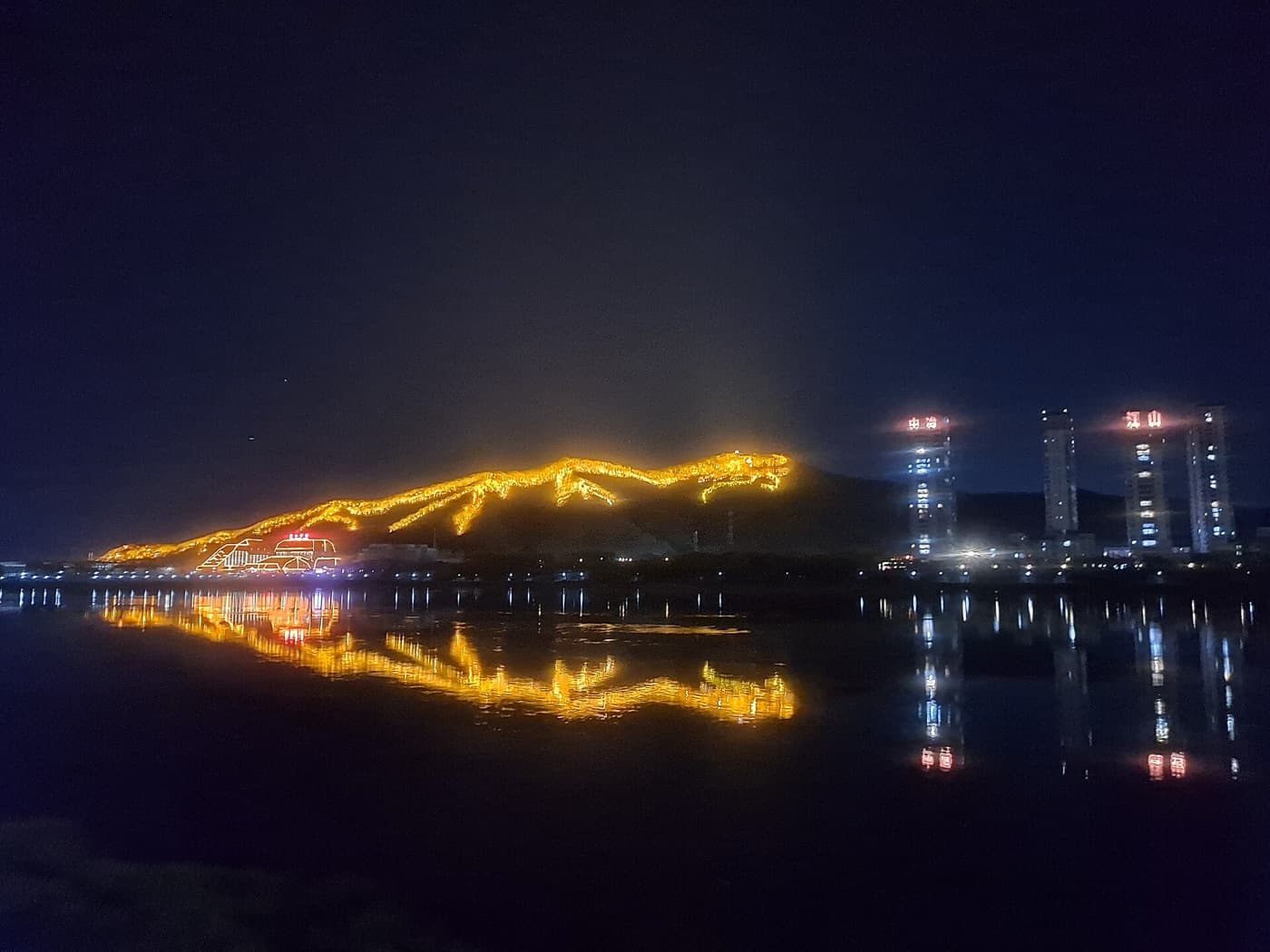
Longtanshan Park, Jilin · H2v5o68z · CC0 · Wikimedia Commons
Key facts
- Admission
- Free
- Opening hours
- 8:00—16:00
- Time needed
- 2 hours
- Getting there
- Near Rime Hotel (bus stop)
- Guidebook rating
- 3 / 5
From China Self Guided Travel 2025, page 2201. Open in Google Maps
About Longtanshan Park
On the mountain stands an ancient pool, a reservoir built by people of old using a natural spring. No matter how dry the weather, the water level never falls. Remains of an ancient Goguryeo fortress, more than 1,500 years old, still survive on the mountain.
Frequently asked questions
How much does Longtanshan Park cost?
Admission to Longtanshan Park is Free, as listed in the 2025 guidebook. Prices can change; check the official channel before you go.
What are the opening hours of Longtanshan Park?
Longtanshan Park is open 8:00—16:00.
How do I get to Longtanshan Park?
Near Rime Hotel (bus stop)
How long should I spend at Longtanshan Park?
Plan on 2 hours for Longtanshan Park.
Where is Longtanshan Park?
Longtanshan Park is in Jilin, Jilin Province, in the Northeast of China.
More places in Jilin

Rime (Soft Rime) Scenery
Known colloquially as “shuguà” (tree hanging), rime ice forms when fog and water vapour freeze. It appears in deep winter along the Songhua River in Jilin and is one of China’s Four Great Natural Wonders. Jilin City’s rime ice is mostly crystalline in form, renowned for its long duration and spectacular beauty. Rime Corridor: The southern and northern suburban counties of Fengman District and the Songjiang Road area in the urban centre are celebrated as the “Rime Corridor” and are among Jilin City’s most famous places to view rime ice.
¥80 · 1–2 days
Hongye Valley Scenic Area
A valley in the Laoye Ridge, a branch of the Changbai Mountains, with graceful peaks and lush vegetation, worth a visit in every season. Spring brings green fields, summer thundering waterfalls, autumn red leaves and winter ice and snow. Yet the most captivating is the autumn colour, rich and powerfully striking; it was ranked third among China’s Top Ten Autumn Colours.
Off-season ¥80, peak season ¥100; Free; Free; Free; ¥80 · 2 hours; 2–3 hours
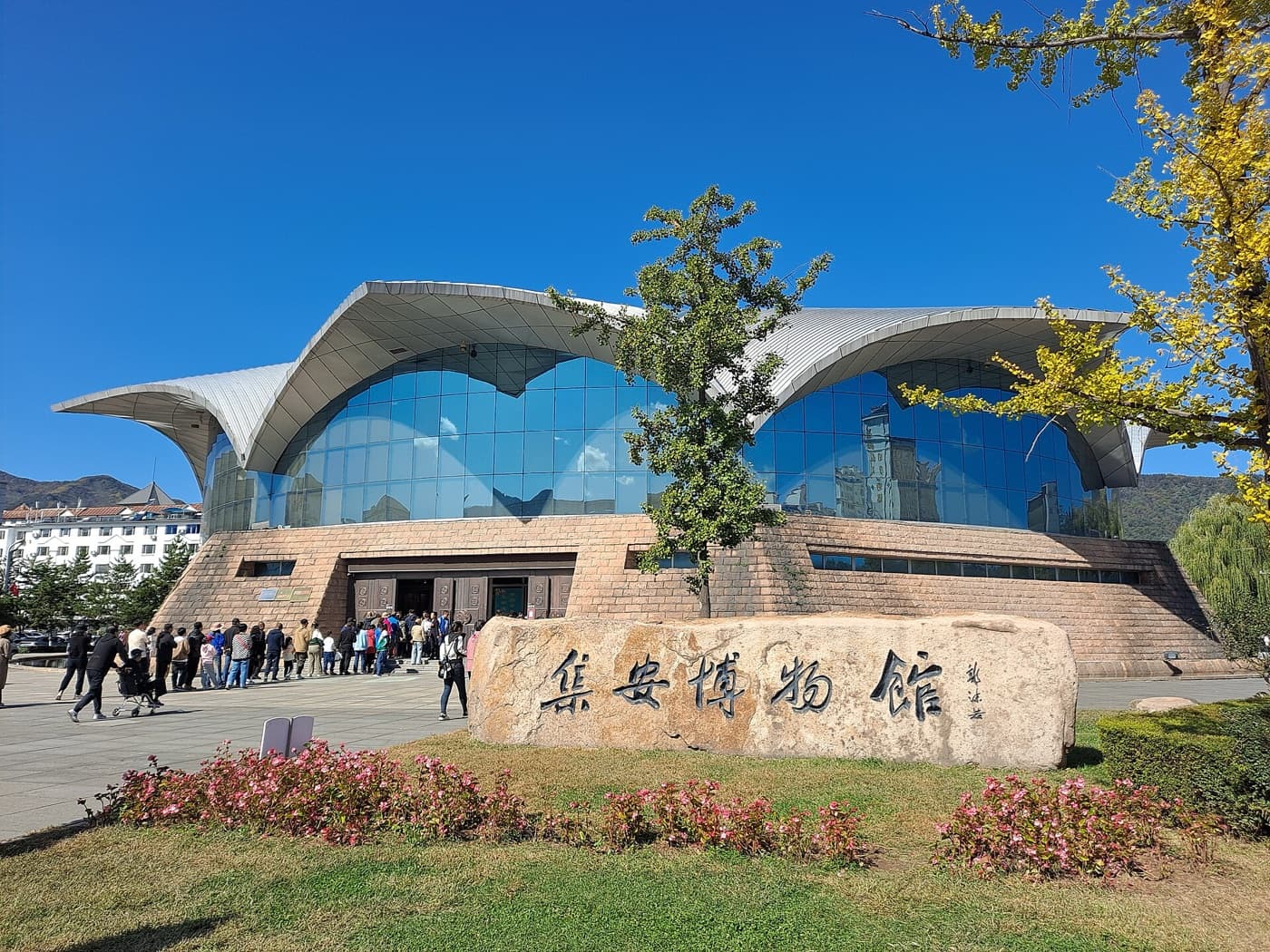
Ji'an
Ji’an, an ancient city known as the “Little Jiangnan of the Frontier,” lies on the banks of the Yalu River at the southernmost tip of Jilin Province. In 3 CE, this was the capital of Goguryeo, and today Ji’an remains one of the places in the world with the most preserved Goguryeo relics. Its 11,280 tombs, scattered densely and in many types, are considered the foremost of China’s ethnic-minority ancient tomb groups. The most prominent is the General’s Tomb, whose shape closely resembles the pharaoh tombs of ancient Egypt and which is hailed as the “Oriental Pyramid.” There is also the Gwanggaeto Stele, celebrated as the “First Stele of the East”; the ancient Guonei City and Wandu Mountain Fortress; the ruins of the Qianqiu Tomb and Taiwangling; the Goguryeo murals in the tombs, themed on the Azure Dragon, White Tiger, Vermilion Bird and Black Tortoise; and the Yushan rock carvings, all part of the long-standing Dong’gou tomb culture.
Lafashan National Forest Park
A national forest park known for its harmonious blend of natural beauty, ecology and cultural heritage. Lafashan National Forest Park is famous for its three wonders: dramatic peaks, mysterious caves and exquisite rock formations. It also boasts a beautiful valley, Red Leaf Valley. Every late autumn, after the first frost, the hillsides blaze red and the forest is dyed in layers of colour. The vivid palette and striking visual impact draw photographers, painters and filmmakers who come here to create and sketch.
¥60 · 1 day
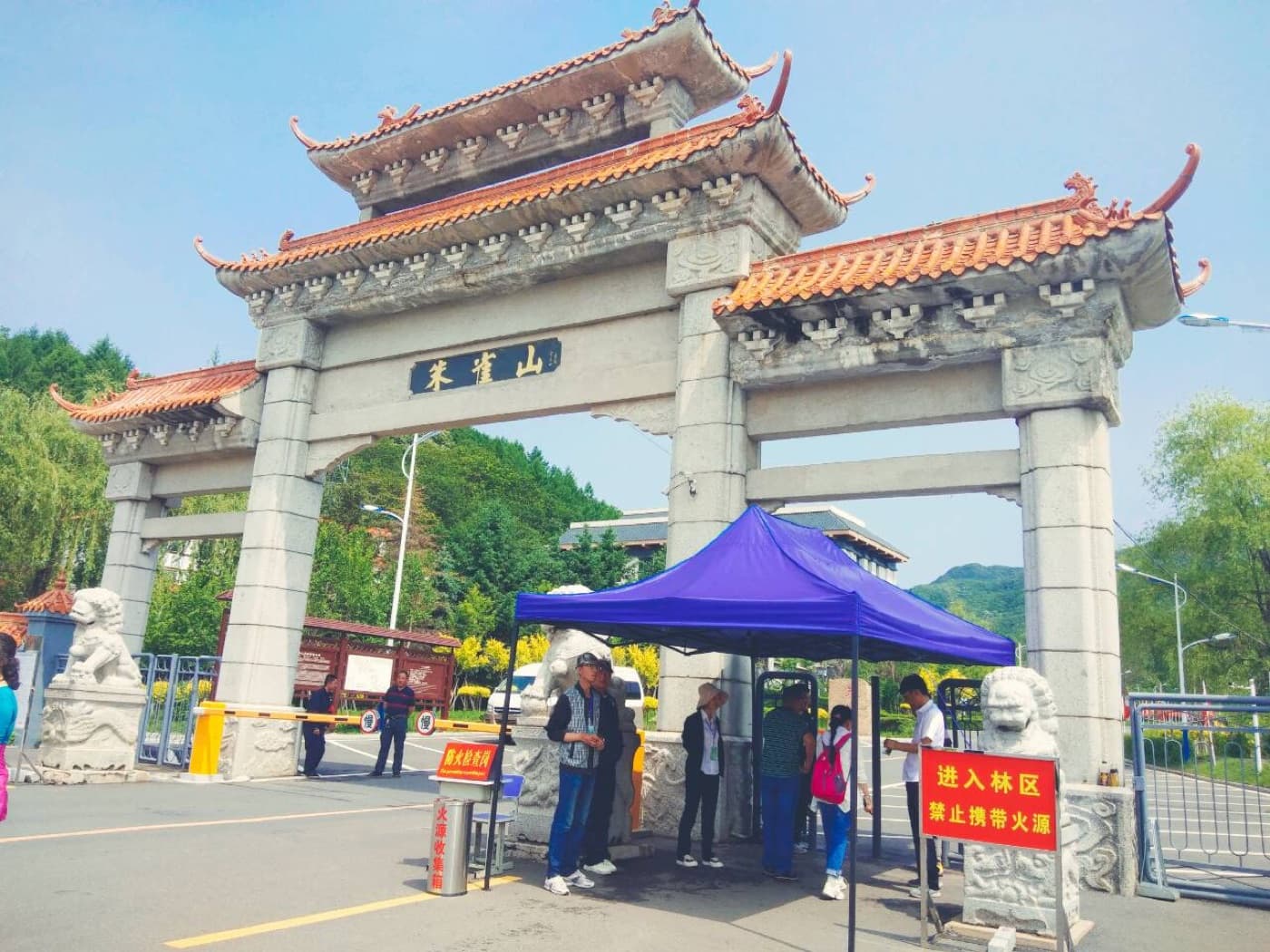
Zhuqueshan National Forest Park
The Ashihada Ming-dynasty cliff inscriptions carved into the rock face at the foot of the mountain are a provincial-level key cultural relic. Legend says the Eight Immortals (八仙) once stayed here, giving rise to the saying “where there are immortals, the name is famous.” The site was already a famous scenic spot in Jilin during the Qianlong era of the Qing dynasty. In summer, visitors come mainly to enjoy hiking; in winter, make the most of skiing, horse-drawn sleighs and sledding.
¥30; ski resort ¥58 · 4–5 hours
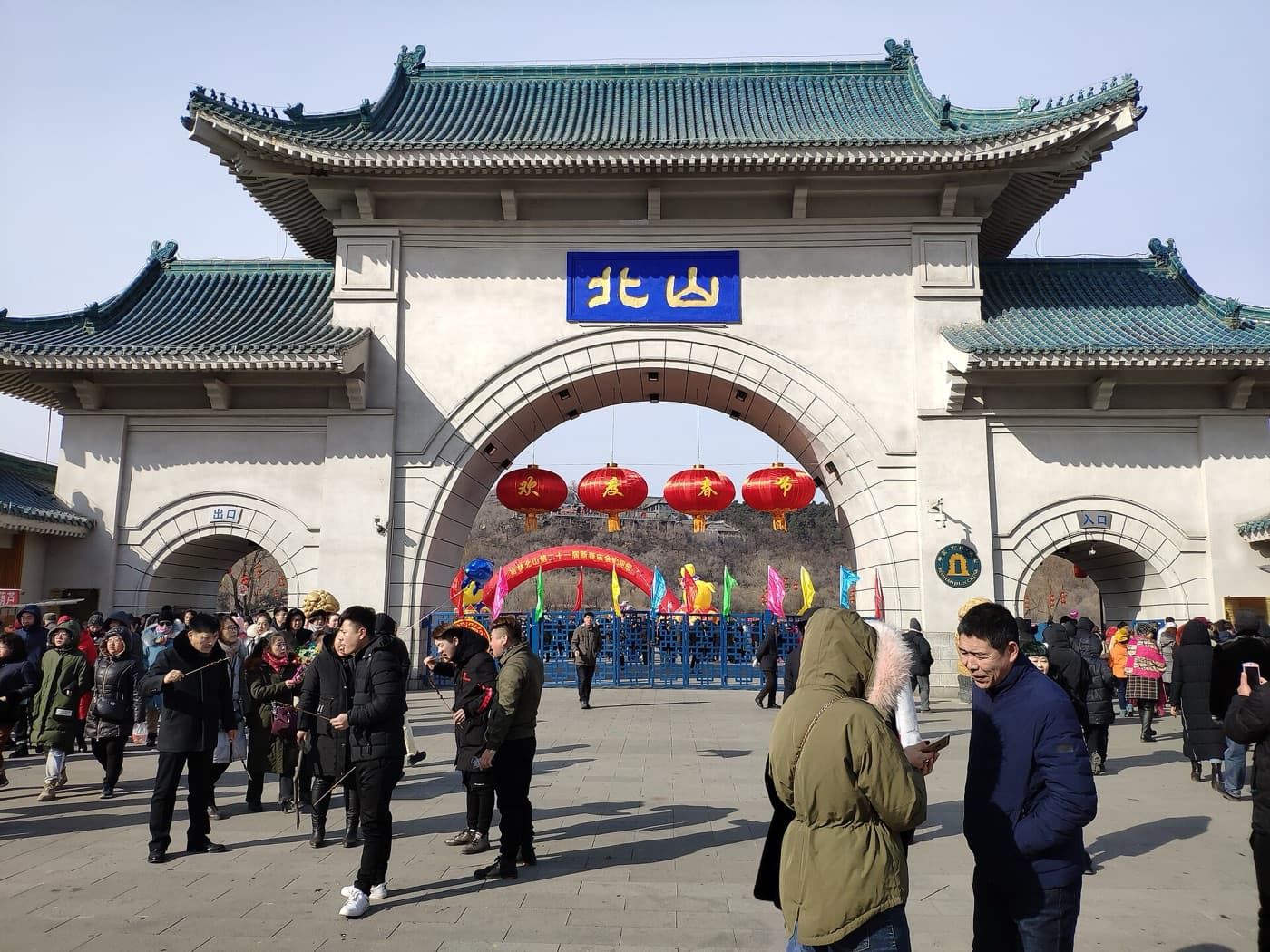
Beishan Scenic Area
Beishan Scenic Area is a leisure destination where Jilin locals come for spring outings, summer escapes, lotus viewing and snow watching. It is also a blessed site where pilgrims climb to worship and pray to the gods. The Beishan Temple Fair is renowned far and wide; since the Qing dynasty it has been praised with the saying, “The Qianshan temple fair ranks first in the Northeast, and the Jilin temple fair surpasses it.” The park’s Ice and Snow World is currently the only comprehensive outdoor ice-and-snow entertainment venue within a city in China, catering to skiers of every level.
¥5 · 1–2 hours