Jilin travel guide
吉林
Held once a year in Jilin City in January, the festival centres on Jilin rime ice, one of China's four great natural wonders. The festivities last about a month.…
11 places · In the guidebook: pages 2196–2214

Jilin, Jilin Province · AI illustration for China Trip
Quick itinerary
Jilin in 3 days
- Day 1
- Day 2
- Longtanshan Park→
- Longtan Mountain Deer Farm→
- Confucius Temple
- Day 3
- Wulajie Manchu Town→
- Aladi Korean Ethnic Village
The feel of the place
- Jilin Rime Ice and Snow Festival
- Held once a year in Jilin City in January, the festival centres on Jilin rime ice, one of China's four great natural wonders. The festivities last about a month. During this time there are grand Northeast yangge dance gatherings, lantern floating and colourful lanterns on the Songhua River, a parade of decorated boats, fireworks evenings, and international and national ice and snow sports competitions including skating, skiing and ice hockey.
Among all Chinese cities, only one shares its name with its province: Jilin. Compared with other cities in the Northeast, Jilin, surrounded by green hills on four sides and water on three, is clearly more graceful. Its rime ice is especially remarkable. Together with the Three Gorges of the Yangtze, the Guilin landscape and the Stone Forest in Yunnan, it is counted among China's four great natural wonders, and it is unique in the world, leaving visitors amazed at nature's artistry.
Food
Jilin people value food that is abundant and generous, and they judge a dish by its quantity and reputation. "One-Pot Stew" best reflects the character of Jilin people. A very large plate holds spare ribs, braised beans, potatoes, pumpkin and corn, served with corn cakes as the staple. There is so much that you cannot finish it all. This "more than you can eat" is the hospitality of the warm-hearted people of Jilin.
Beishan Temple Fair
Jilin City is home to many ethnic groups, so the festive atmosphere is especially lively during holidays.
Preparation and Information
Language
The local dialect of Jilin belongs to the Northern dialect family and is close to Mandarin, so there is no barrier to communication.
Climate and Travel Seasons
Jilin has a distinct four-season climate. The annual average temperature is 3–5℃. Spring is dry and windy, summer is hot and rainy, autumn is cool and sunny, and winter is long and cold. Overall, it is a destination suitable for travel in every season.
Festivals
Jilin began holding the "Jilin International Rime Ice and Snow Festival" in 1991, and this year marks its 28th edition in full. Each year has a different theme, with activities such as ice sailing, skating and skiing, as well as ice dance performances and an ice lantern garden party. In recent years, distinctive events have been added, including a winter dragon boat race, the China Snow Golf Championship and an outdoor curling tournament.
Things to see

Rime (Soft Rime) Scenery
1–2 days · ¥80
Known colloquially as “shuguà” (tree hanging), rime ice forms when fog and water vapour freeze. It appears in deep winter along the Songhua River in Jilin and is one of China’s Four Great Natural Wonders. Jilin City’s rime ice is mostly crystalline in form, renowned for its long duration and spectacular beauty. Rime Corridor: The southern and northern suburban counties of Fengman District and the Songjiang Road area in the urban centre are celebrated as the “Rime Corridor” and are among Jilin City’s most famous places to view rime ice.
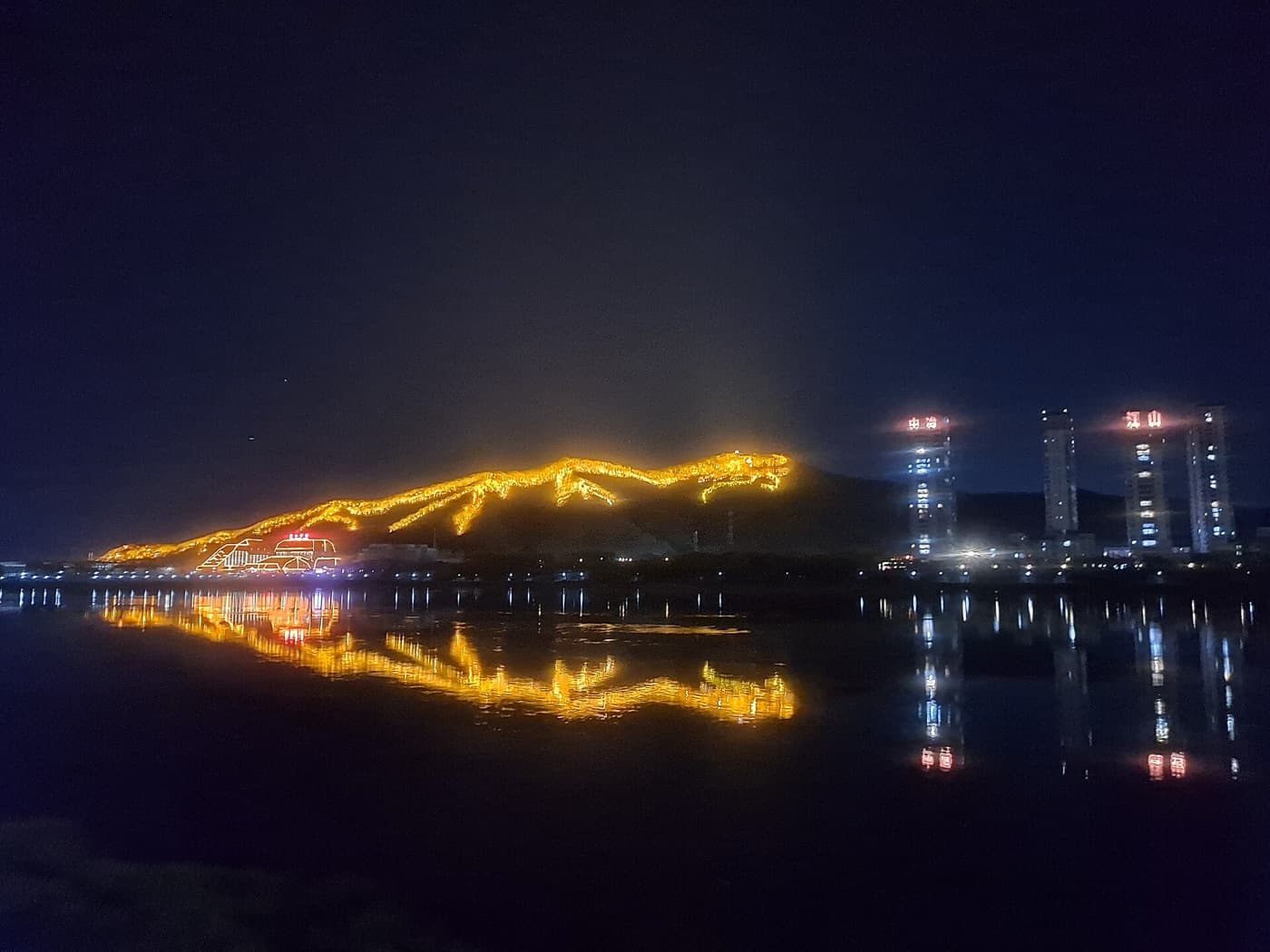
Longtanshan Park
2 hours · Free
On the mountain stands an ancient pool, a reservoir built by people of old using a natural spring. No matter how dry the weather, the water level never falls. Remains of an ancient Goguryeo fortress, more than 1,500 years old, still survive on the mountain.
Hongye Valley Scenic Area
A valley in the Laoye Ridge, a branch of the Changbai Mountains, with graceful peaks and lush vegetation, worth a visit in every season. Spring brings green fields, summer thundering waterfalls, autumn red leaves and winter ice and snow. Yet the most captivating is the autumn colour, rich and powerfully striking; it was ranked third among China’s Top Ten Autumn Colours.
2 hours; 2–3 hours · Off-season ¥80, peak season ¥100; Free; Free; Free; ¥80
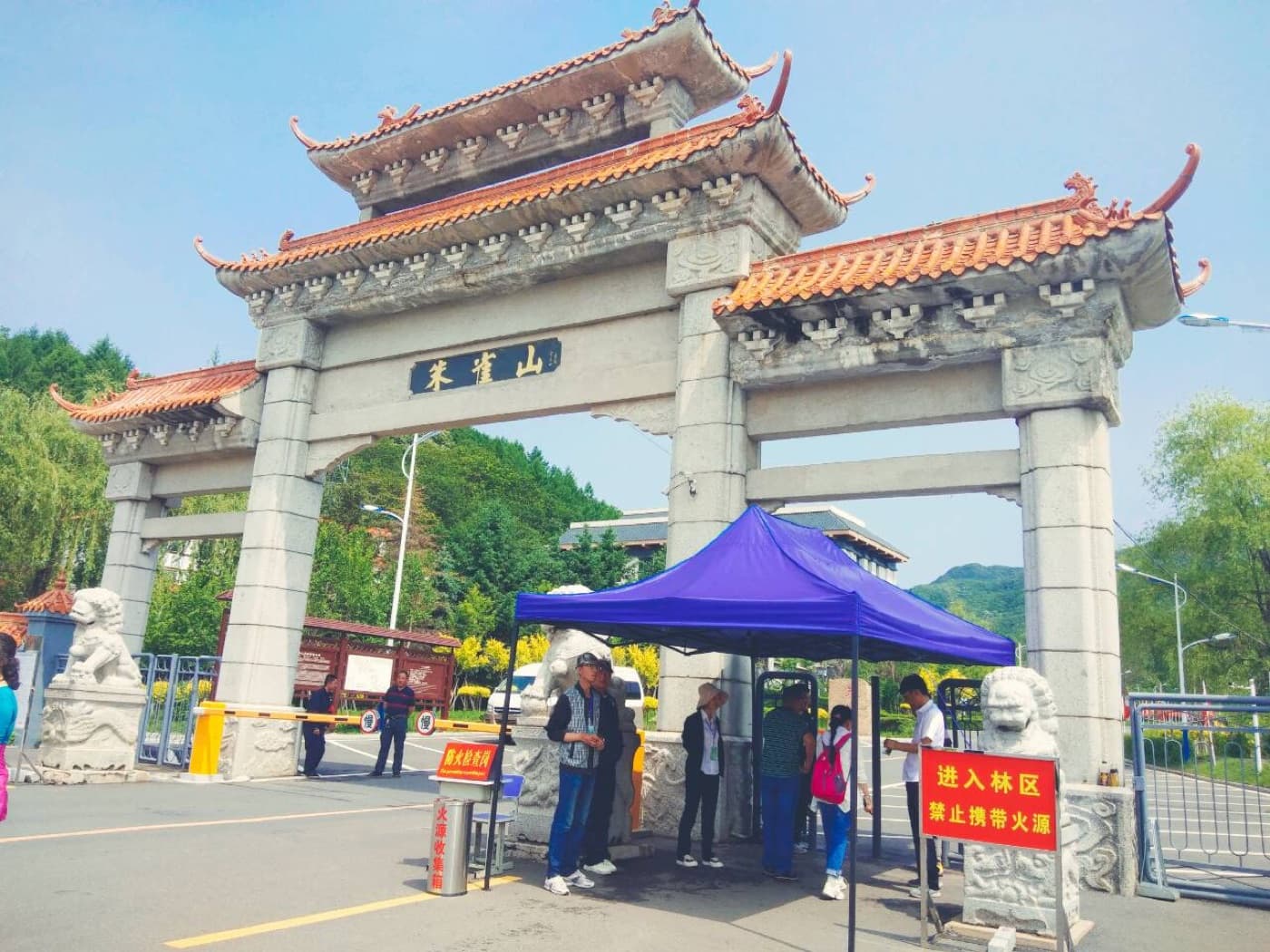
Zhuqueshan National Forest Park
The Ashihada Ming-dynasty cliff inscriptions carved into the rock face at the foot of the mountain are a provincial-level key cultural relic. Legend says the Eight Immortals (八仙) once stayed here, giving rise to the saying “where there are immortals, the name is famous.” The site was already a famous scenic spot in Jilin during the Qianlong era of the Qing dynasty. In summer, visitors come mainly to enjoy hiking; in winter, make the most of skiing, horse-drawn sleighs and sledding.
4–5 hours · ¥30; ski resort ¥58
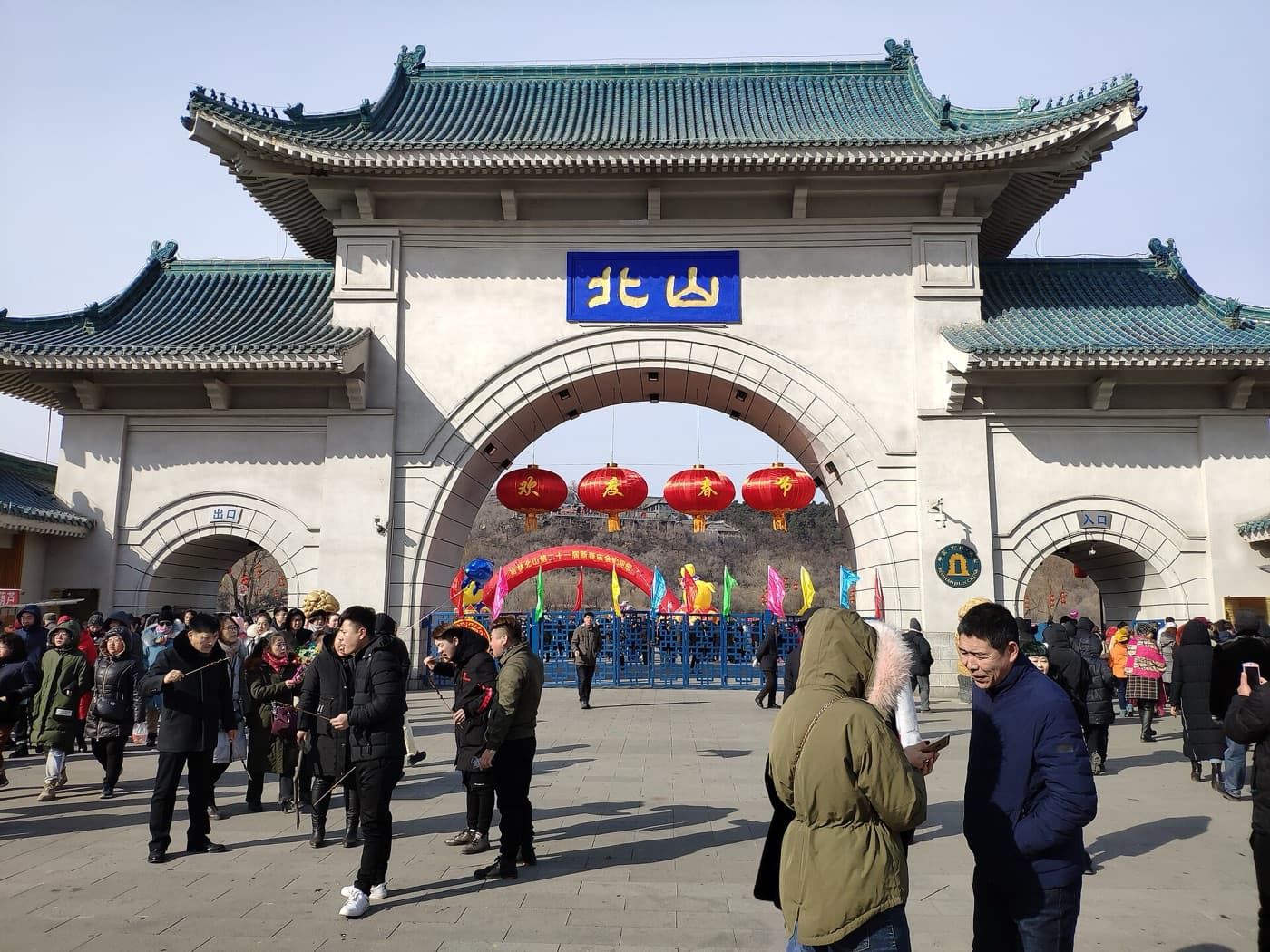
Beishan Scenic Area
Beishan Scenic Area is a leisure destination where Jilin locals come for spring outings, summer escapes, lotus viewing and snow watching. It is also a blessed site where pilgrims climb to worship and pray to the gods. The Beishan Temple Fair is renowned far and wide; since the Qing dynasty it has been praised with the saying, “The Qianshan temple fair ranks first in the Northeast, and the Jilin temple fair surpasses it.” The park’s Ice and Snow World is currently the only comprehensive outdoor ice-and-snow entertainment venue within a city in China, catering to skiers of every level.
1–2 hours · ¥5
Beidahu Ski Resort
The resort has six alpine ski runs, so you can ski while enjoying the forest scenery. As the main venue for skiing competitions, it has jumps built for athletes, so skiers of higher ability can test themselves here. Beginners can head to the dedicated beginner slopes.
1 day · Weekdays (Mon–Fri): full-day lift ticket ¥460 (excluding equipment); 3-hour lift ticket ¥370 (excluding equipment); beginner slope ticket ¥238; night session ticket ¥238 (includes cable car) Weekends (Sat–Sun): full-day lift ticket ¥580 (excluding equipment); 3-hour lift ticket ¥460 (excluding equipment); beginner slope ticket ¥298; night session ticket ¥298 (includes cable car)
Vanke Songhua Lake Resort
A resort where you can find relaxation in every season: water activities in summer, skiing and more in winter. Built with family holidays at its heart, it offers many children’s activities, so kids can play freely while staying safe. The resort has a local-products shop where you can buy Songhua stone, black fungus and other fine Northeastern goods.
3–5 hours · Free; charges vary by activity within the resort
Getting there & around
Getting There
Jilin City is the second-largest city in Jilin Province and is easy to reach.
By Air
Jilin Airport has flights to Beijing, Shanghai, Nanjing, Shenzhen, Qingdao, Dalian and other cities, as well as to Xi'an, Chengdu, Kunming, Hangzhou, Xiamen and international destinations such as Seoul and Sendai.
By Rail
The Changtu, Shenji and Jishu railway lines tie Jilin closely to Changchun, Shenyang and Harbin, the three provincial capitals of the Northeast. Jilin also has direct trains to Beijing, Tianjin, Shanghai, Ningbo and Dalian.
High-Speed Rail
At the end of 2010, the Changchun–Jilin intercity railway opened, the first high-speed line in the Northeast. It runs through five stations including Changchun Station, Longjia Airport and Jilin Station. The Jilin City high-speed rail station is still the old railway station. The trip from Jilin City to Changchun takes about 42 minutes, with fares of ¥30–40.
By Road
The Changji Expressway connects with the Jingha Expressway, so you can drive directly from Jilin to the provincial capital Changchun and to Beijing.
Main long-distance bus destinations: Changchun, Tonghua, Liaoyuan, Baishan, Ningjiang, Shuangyang, Mudanjiang, Shenyang, Harbin, Jiamusi, Quanyang, Chaoyang, etc.
Getting Around the City
Jilin has an extensive network of city and suburban buses, and buses serve every scenic area. A metro line is under construction and is expected to open in 2025.
Civil Aviation Ticket Office
Civil Aviation Ticket Office- Address:
- No. 2288 Chongqing Road
- Phone:
- 0432-66518888
Railway Station Information Desk
Railway Station Information Desk- Address:
- No. 185 Chongqing Road
- Phone:
- 0432-95105105
- 1. Temperature: To see rime ice in Jilin, pay close attention to the weather forecast. Generally, when there is moderate to heavy snow and temperatures are below -20℃, the chance of rime ice is very high. 2. Three stages: Locals enjoy rime ice in three stages: watch the fog at night, see the frost at dawn, and admire the falling blossoms near noon. "Watching the fog at night" means enjoying the misty scene just before the rime ice forms; a band of fog drifts along Songhua Road, and pedestrians seem to stroll through the clouds. "Watching the frost at dawn" means viewing the rime ice itself, which brings to mind the line "Suddenly, one night a spring breeze comes, and a thousand trees bloom with pear blossoms." "Admiring the falling blossoms near noon" means that around midday the frost begins to drop from the branches in the breeze, forming a beautiful curtain of snow along the Songhua River. 3. Best viewing period: November to February.
Eat & drink
Jilin's food has a strong Northeastern character and is largely rich, nourishing fare.
Local Specialties
Qingxiang Garden is best known for its three-course bowl set. Signature dishes include Manwei Spare Ribs, Yehe Chicken Legs, Seafood Nest and Qingxiang Aspic.
Many restaurants throughout Jilin City serve casserole old tofu.
Huoshao Fried Pastry
Xiaoxiao Huoshao, also called "fork huoshao," is made with tender beef, scallions, fresh ginger, sesame oil and filling, wrapped in a dough made from slightly gritty sand flour. The finished pastry is crisp outside and tender inside, aromatic and savoury, and rich without being greasy. It is a traditional local delicacy of Jilin.
Specialty Restaurants
Local Dining
Fuyuan Hall (Henan Street Branch)
Specialty RestaurantsA long-established local brand that has served several generations of Jilin residents, offering Chinese and Western pastries as well as snacks and quick meals. Recommended: spicy hot pot, mung bean cake and twisted dough sticks, and especially its pastries.
- Address:
- No. 117 Henan Street, Chuanying District, Jilin City
- Phone:
- 0432-62075555
Li Liangui Smoked Meat Restaurant
Specialty RestaurantsBe sure to try the Northeastern smoked meat pancake here. The pancake is layered, and the meat includes both fatty and lean cuts. It looks irresistible. The sweet bean sauce here is also excellent.
- Address:
- Opposite Guomao Building, No. 88 Shanghai Road
- Phone:
- 0432-62487888
Jiefang Avenue
Specialty RestaurantsA food street favoured by Jilin locals, where you can sample many flavours of delicious cooking at affordable prices.
Deer Antler Three-Treasure Soup
Specialty DiningDeer Antler Three-Treasure Soup is made with deer antler, deer tendon and deer whip as the main ingredients, simmered with superior stock and seasonings.
Steamed White Fish
Specialty DiningThe Songhua River, and Songhua Lake in particular, is rich in white fish, so restaurants in Jilin City all offer steamed white fish, a local specialty.
Qingling Live Fish
Specialty DiningMade famous by the live-fish dining street in Qingling Town, Jiaohe City, and known throughout the country.
Three-Bowl Set Banquet
Specialty DiningThe Three-Bowl Set Banquet is one of the most representative traditional Manchu feasts. The world-famous Manchu-Han Banquet evolved from it. Made with top-quality local ingredients and prepared using 15 techniques, the banquet includes Manchu specialties such as white meat and blood sausage, golden meat slices, Guandong steamed fish and xiaowotou (small steamed buns).
White Meat and Blood Sausage
Specialty DiningPork slices processed through five steps until paper-thin and tender, served with light, crisp blood sausage that is pleasantly tender to bite.
Ginseng Chicken
Specialty DiningGinseng is one of the Northeast's Three Treasures. Stewed with an old hen, ginseng chicken soup is said to refresh the mind, sharpen the wits and slow ageing.
Where to stay
Jilin City has good hotels at every price level, from budget to upscale. If you find Jilin's accommodation unsatisfactory, consider staying in Changchun instead. The two cities are close together, and transport between them is very convenient.
Wusong Hotel
Recommended AccommodationJilin Wusong Hotel sits east of the scenic Longtan Hill and west of the lush, tranquil Songhua River. In winter you can admire snow-covered willows by the river, and in summer the ancient green mountains. Transport is convenient.
- Address:
- 29 Longtan Street
- Phone:
- 0432-63919666
Shopping
Jilin City is one of the main producing areas of the Northeast's Three Treasures (ginseng, sable fur and deer antler). Besides the Three Treasures, famous local specialties include rhodiola, forest frogs, bulaocao, lingzhi mushroom, bracken fern shoots, weicai (fern shoots) and black fungus.
Recommended Shopping
Henan Street and East Market
A famous commercial pedestrian street in Jilin City. Whether you want large shopping malls or specialty boutiques, you'll find them here, making it the top choice for shoppers.
Jilin Paper-Cutting
Recommended ShoppingJilin paper-cutting originated with the Manchu people and has a distinctive Northeastern character.
Songhua River Scenic Stones
Recommended ShoppingSonghua River scenic stones are found in the Songhua River and feature natural beauty, colour, form and charm, with high collecting and appreciation value.
Jilin Hand-Painted Wood Carving
Recommended ShoppingJilin hand-painted wood carvings are hand-carved from fine-grained birch wood.
Bark Painting
Recommended ShoppingAvailable in two types: birch bark painting and silver fungus painting. Birch bark paintings use the composition of Chinese landscape painting, with finely carved details and elegant colouring. Silver fungus paintings are made mainly from laoniugan, a local fungus, and their relief sculptures of birds and beasts are lifelike and vivid.
Songhua Lake Driftwood Root Carving
Recommended ShoppingDriftwood from Songhua Lake has been shaped by nature into countless forms, with natural charm and ingenious shapes. Its simple, rustic beauty expresses vigorous life. Jilin City has also set up a Songhua Lake Driftwood Art Research Society.
Jilin Painted and Carved Gourds
Recommended ShoppingMade from locally grown gourds, Jilin painted and carved gourds are a distinctive souvenir of the province.
Day trips & beyond
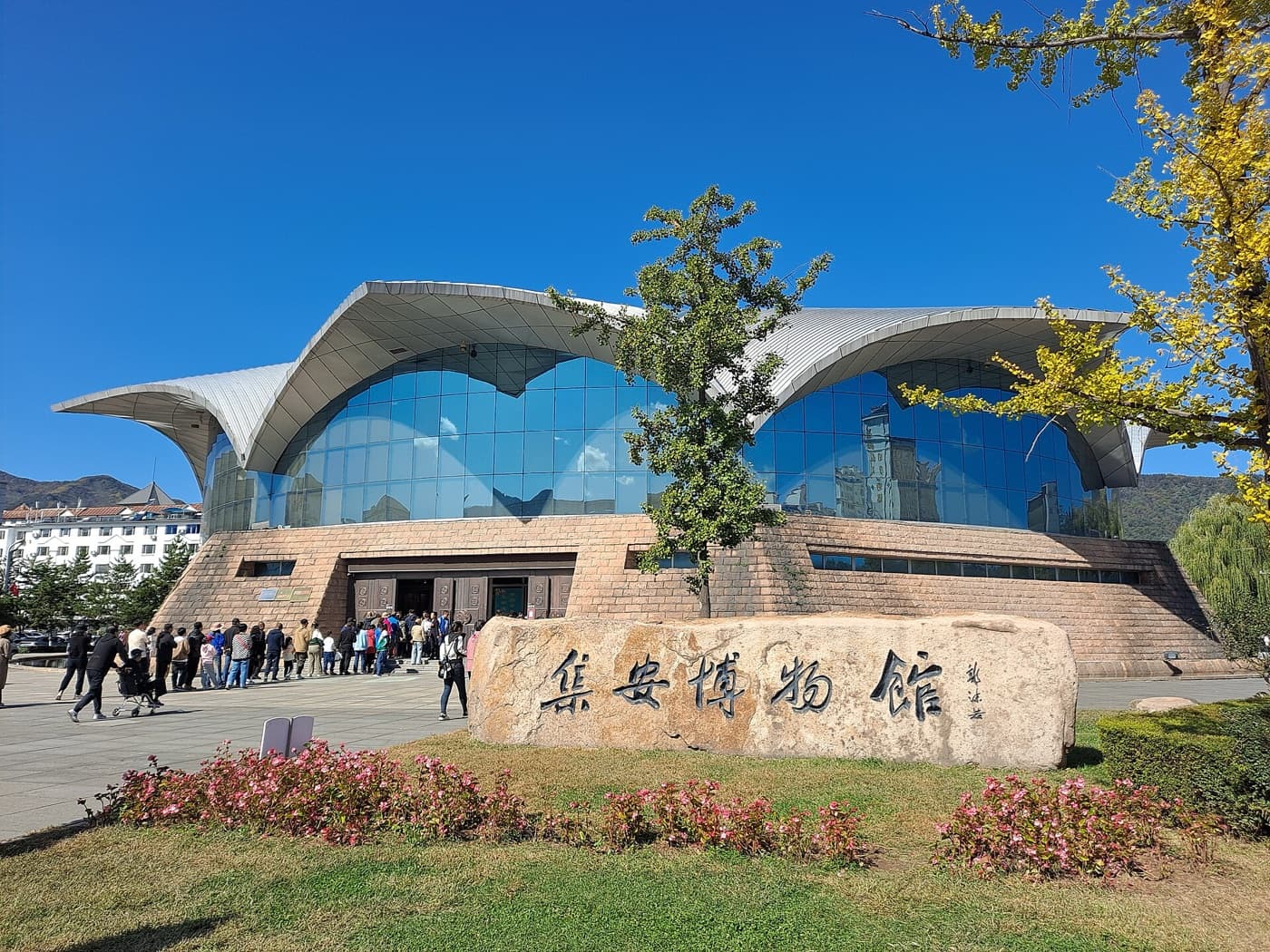
Ji'an
Ji’an, an ancient city known as the “Little Jiangnan of the Frontier,” lies on the banks of the Yalu River at the southernmost tip of Jilin Province. In 3 CE, this was the capital of Goguryeo, and today Ji’an remains one of the places in the world with the most preserved Goguryeo relics. Its 11,280 tombs, scattered densely and in many types, are considered the foremost of China’s ethnic-minority ancient tomb groups. The most prominent is the General’s Tomb, whose shape closely resembles the pharaoh tombs of ancient Egypt and which is hailed as the “Oriental Pyramid.” There is also the Gwanggaeto Stele, celebrated as the “First Stele of the East”; the ancient Guonei City and Wandu Mountain Fortress; the ruins of the Qianqiu Tomb and Taiwangling; the Goguryeo murals in the tombs, themed on the Azure Dragon, White Tiger, Vermilion Bird and Black Tortoise; and the Yushan rock carvings, all part of the long-standing Dong’gou tomb culture.
History & Culture · Nature
Lafashan National Forest Park
A national forest park known for its harmonious blend of natural beauty, ecology and cultural heritage. Lafashan National Forest Park is famous for its three wonders: dramatic peaks, mysterious caves and exquisite rock formations. It also boasts a beautiful valley, Red Leaf Valley. Every late autumn, after the first frost, the hillsides blaze red and the forest is dyed in layers of colour. The vivid palette and striking visual impact draw photographers, painters and filmmakers who come here to create and sketch.
1 day
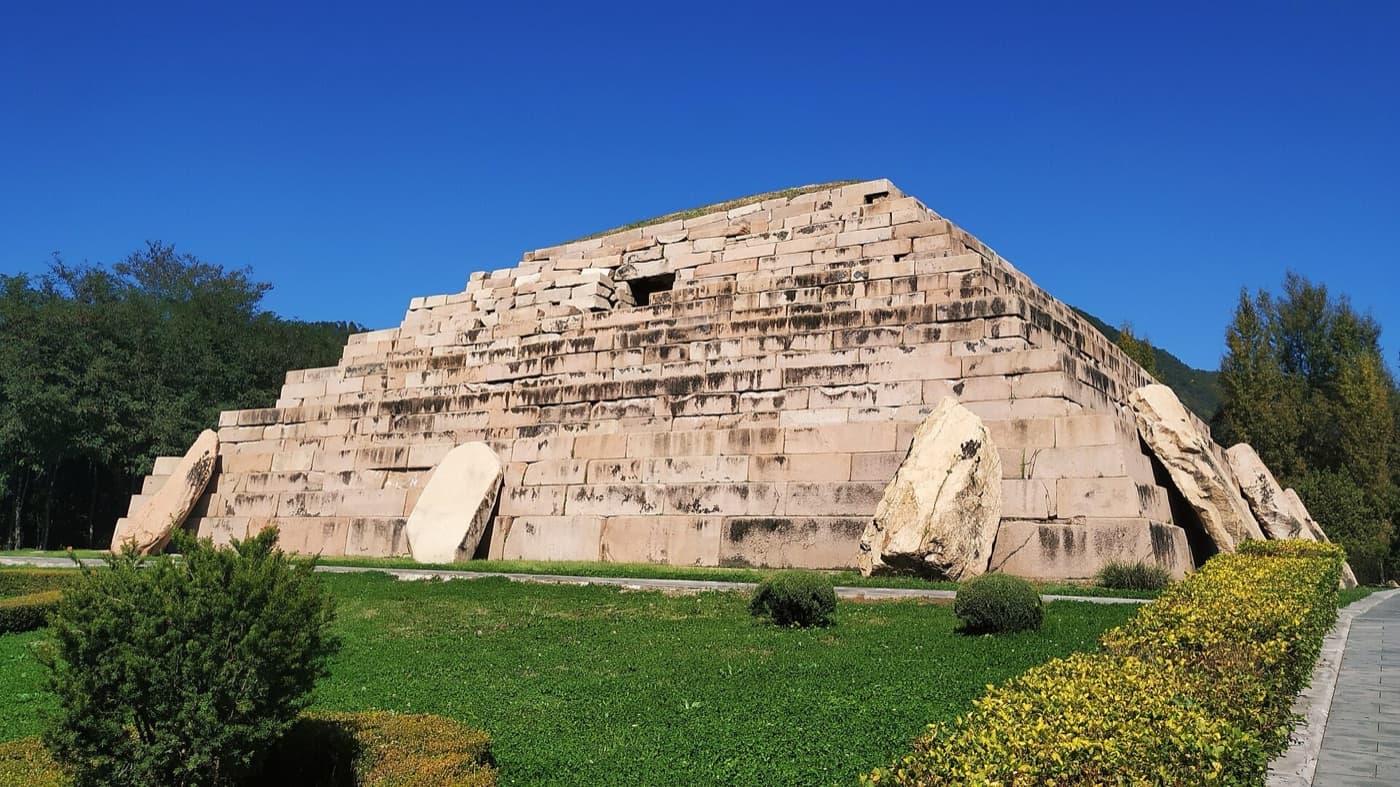
Capital Cities and Tombs of the Ancient Koguryo Kingdom
Relics of the Goguryeo Kingdom: On the plains around Ji’an City in Jilin, more than ten thousand Goguryeo-era tombs are scattered, known at home and abroad as the “Dong’gou Tomb Group.” Recorded in historical texts as 高句骊 and abbreviated as 句丽 or 句骊, Goguryeo was an ancient people who lived in Northeast China from the 1st century BCE to the 7th century CE. In the late 5th century, the name was changed to Goryeo.
5 hours
Guanma Karst Cave
Guanma Karst Cave has striking formations, with caves within caves, and it can rival Qixingyan in Guilin. The interior is cool and pleasant, making it a good choice at any time of year. Legend says that washing your hands and face in the “Holy Immortal River” inside the cave will bring you good luck.
1–2 hours
Source: China Self-Guided Travel 2025 (《中国自助游》, Tianjin Science & Technology Press, Aug 2024), pp. 2196–2214. Translated from the Chinese edition; names and prices follow the guidebook. · Plain text version