Longhuitou (Dragon Turning Head)
Longhuitou Dragon Turning Head sits between mountains and sea and is one of the key attractions of Huludao. From the top you can see Huludao Beach clearly,…
Longhuitou (Dragon Turning Head), Western Liaoning
Key facts
- Admission
- Free
- Opening hours
- Open all day (year-round)
- Time needed
- 1–2 hours
- Getting there
- Take a taxi, or hire a car to get there
- Phone
- 0429-5769999
- Guidebook rating
- 3 / 5
From China Self Guided Travel 2025, page 2257. Open in Google Maps
About Longhuitou (Dragon Turning Head)
Longhuitou Dragon Turning Head sits between mountains and sea and is one of the key attractions of Huludao. From the top you can see Huludao Beach clearly, and on clear days you can see the sea and sky meeting, as well as Juhua Island and Lighthouse Mountain.
Frequently asked questions
How much does Longhuitou (Dragon Turning Head) cost?
Admission to Longhuitou (Dragon Turning Head) is Free, as listed in the 2025 guidebook. Prices can change; check the official channel before you go.
What are the opening hours of Longhuitou (Dragon Turning Head)?
Longhuitou (Dragon Turning Head) is open Open all day (year-round).
How do I get to Longhuitou (Dragon Turning Head)?
Take a taxi, or hire a car to get there
How long should I spend at Longhuitou (Dragon Turning Head)?
Plan on 1–2 hours for Longhuitou (Dragon Turning Head).
Where is Longhuitou (Dragon Turning Head)?
Longhuitou (Dragon Turning Head) is in Western Liaoning, Liaoning Province, in the Northeast of China. Haibin Avenue, Xingcheng City, Huludao City
More places in Western Liaoning
Juehua Island
Tired of the waters of Beidaihe, travellers from Beijing and Hebei have begun to favour the pristine waters of Juehua Island. Also known as Dahaishan or Chrysanthemum Island, Juehua is the largest island in Bohai Bay and takes its name from the wild chrysanthemums that bloom across it. Its shoreline also has many beautiful beaches. Juehua Island is less than 400 km from Beijing, a drive of about five hours. As a result, many Beijing visitors now choose it for weekends, away from the bustle of the city. Here you can watch the sea, enjoy the sea breeze, eat fresh seafood and stroll along golden beaches, savouring the joy of returning to nature.
Combined ticket: ¥175 (includes the ferry) · 3–4 hours
Xingcheng Seaside
Close to Beidaihe, Xingcheng is known as the "Second Beidaihe." Its scenery is much like other seaside cities, with sunshine, sandy beaches and the sea. What sets it apart is the grand Xingcheng Sea Festival held every July.
Free · 2–3 hours
Xingcheng Ancient City
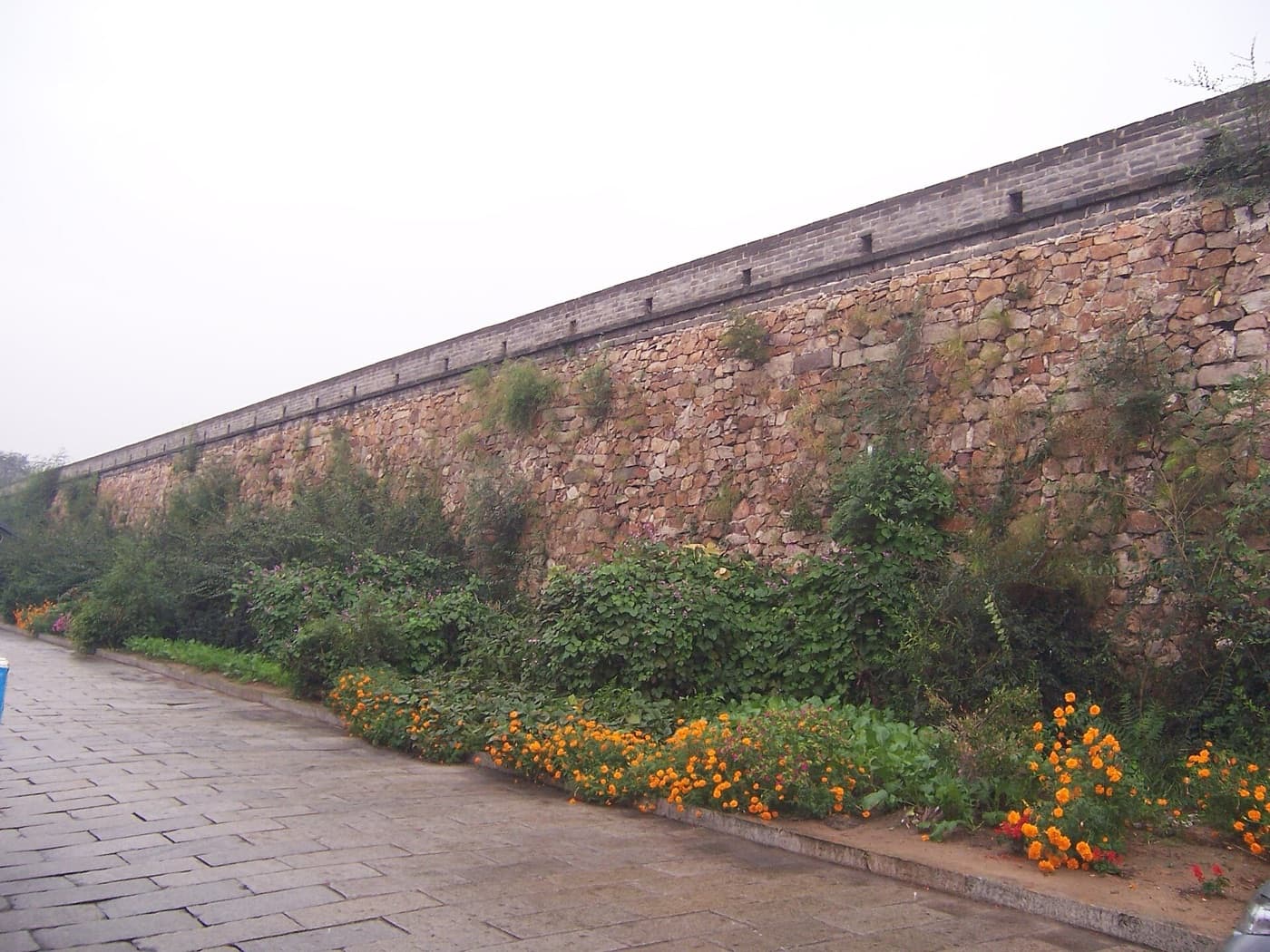
This is where Nurhaci, the founder of the Qing dynasty, was struck by a Portuguese cannon during the Battle of Ningyuan. It is one of the four best-preserved ancient cities in China. The best way to see it is to climb the city wall and take a walk around, enjoying views of the old town. The west gate, Yongning, is the most distinctive and often appears in film and television productions.
Combined ticket: ¥100 (includes the Bell and Drum Towers, City Gate Tower, Zhou Residence, Xingcheng Confucius Temple, Commander's Residence, General's Mansion, and more) · 1–2 hours
Jiumenkou Great Wall
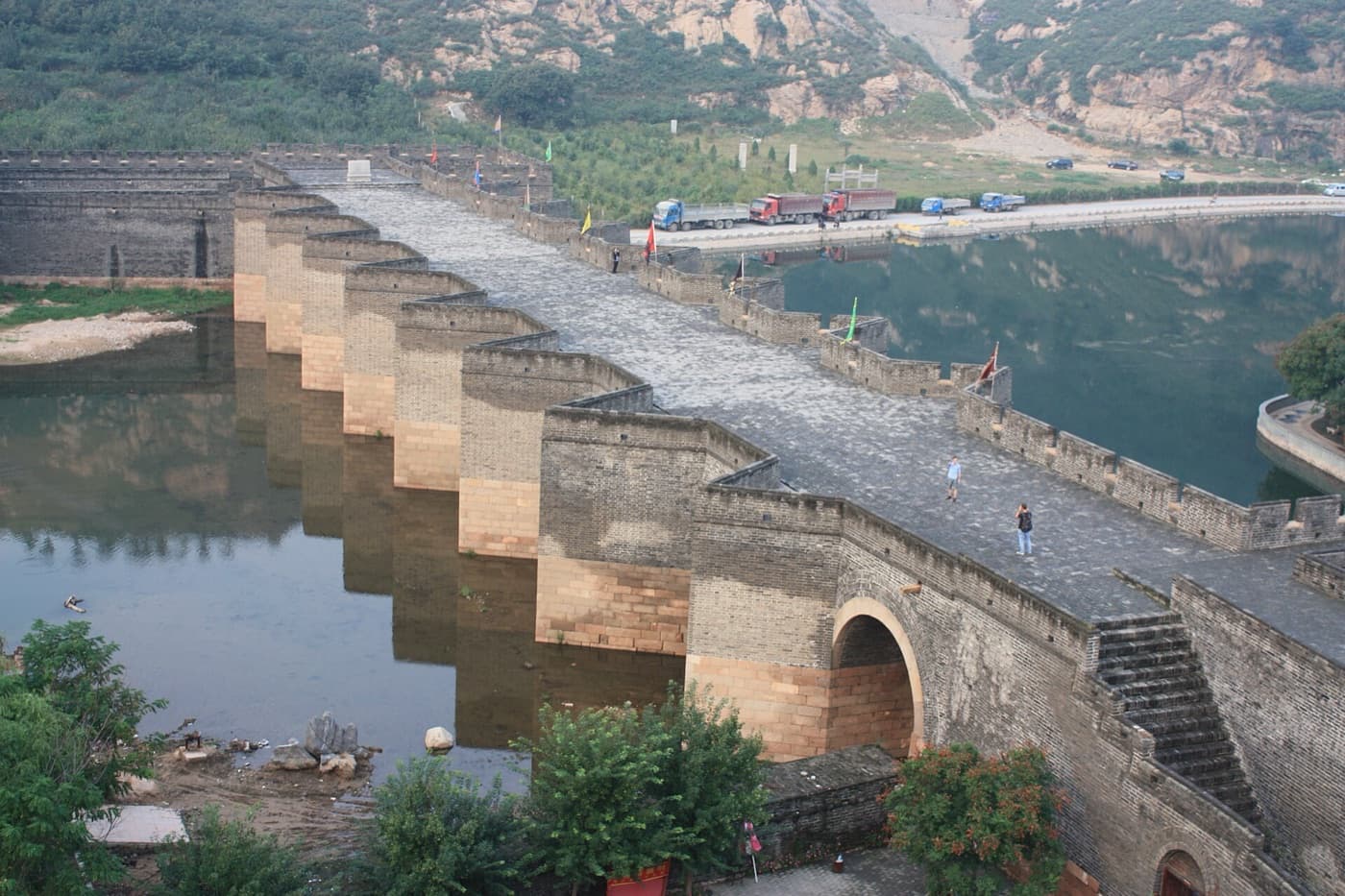
Known as the "Water Great Wall," Jiumenkou Great Wall lies in Suizhong County, Liaoning Province, 15 km from Shanhaiguan. It is 1,704 metres long and is an important pass of the Ming Great Wall, which is why it is also called the "First Pass East of Beijing." Here you will find steep mountains, winding rivers and distinctive architecture. Across the Jiujiang River, which is over 100 metres wide, stone slabs pave a riverbed of 7,000 square metres. From afar it looks like a continuous stone pass, which is why Jiumenkou is also called "Yipianshi" (One Stone Pass). In 2002 Jiumenkou Great Wall became the only heritage site in the Northeast to be granted World Cultural Heritage status, making it a new favourite for Great Wall tours. A newly built rare bird sightseeing park is also located within the scenic area.
¥70 · 2–4 hours
Dongdaihe
Dongdaihe includes many coastal villages, beaches and historic sites, with a large stretch of beach and beautiful sea views. Because it was developed later, Dongdaihe still preserves a relatively natural seaside landscape. Its most famous stretch is Zhimao Bay, where the beach is gently sloping, free of reefs and has good sand. Seafood at the nearby farmhouse restaurants is very fresh and inexpensive.
Free · 1-2 days
Bijiashan Scenic Area
On the seaside of Jinzhou Port in Liaoning lies a small island called Bijiashan. Rising out of the surging sea, the mountain takes its name from its resemblance to a brush rack (笔架, bǐjià). Because the mountain is long and narrow, and has been shaped over the years by the tides, it has formed a natural wonder: the Heavenly Divine Road. Each day, as the tide rises, seawater surges in from both sides toward the causeway, narrowing and shortening it until it disappears beneath the water. Bijiashan then becomes an island that can only be reached by boat. When the tide recedes at sunset, the Divine Road re-emerges above the water, and people can walk back to the mainland. The mountain is dotted with pavilions, terraces, halls and towers. The most famous is the Sanqing Pavilion (Three Pure Ones Pavilion) at the summit, which enshrines the sacred figures of Buddhism, Daoism and Confucianism, along with Pangu, the mythical creator, and draws a steady stream of worshippers.
¥60 · 3-5 hours