Western Liaoning travel guide
辽西
Shanhaiguan is the first city inside the Great Wall pass, and Huludao is the first city beyond it. Separated by just one wall, the two cities have almost completely different landscapes: on one side,…
15 places · In the guidebook: pages 2254–2265

Western Liaoning, Liaoning Province · AI illustration for China Trip
Quick itinerary
Western Liaoning in 5 days
- Day 1
- Day 2
- Dongdaihe→
- Xingcheng Seaside→
- Juehua Island→
- Xingcheng Ancient City→
- Huludao City/Jinzhou City
- Day 3
- Day 4
- Bijia Mountain / Yiwu Lüshan Mountain (if time allows, plan two days to visit each separately)→
- Panjin
- Day 5
The feel of the place
- Guanwai (Beyond the Pass)
- Shanhaiguan is the first city inside the Great Wall pass, and Huludao is the first city beyond it. Separated by just one wall, the two cities have almost completely different landscapes: on one side, a small inland town steeped in Chinese civilisation and farming culture; on the other, a key stronghold once ridden through by nomadic peoples. Ningyuan Ancient City in Huludao still stands firm today, a witness to the many battles fought here, and its important historical sites remain for later generations to admire.
- Dizzying to Behold
- The Red Beach in Panjin is neither an ordinary red nor a simple bright red. At first glance it astonishes, at second glance it amazes, and at third glance it leaves you dizzy.
Around the Mid-Autumn Festival each year, the entire wetland turns a fiery red, the colour stretching from the pier all the way to the horizon. Vast expanses of red beneath a clear blue sky leave you dizzy with just one glance.
Transport
1. Rail: Direct trains on the Beijing–Harbin Railway stop at Xingcheng. The journey from Jinzhou to Xingcheng takes about 1 hour, and from Beijing or Shenyang to Xingcheng it takes just over 5 hours.
2. Road: Buses run to Xingcheng from Beijing, Huludao (Jinxi), Jinzhou and Shanhaiguan.
Preparation and Advice
Language
The Northeastern dialect is very strong in western Liaoning. Jinzhou dialect in particular sounds lively and spirited, with high tones and a distinctive lilt. However, Mandarin is widely understood locally, so communication is not a problem.
Climate and Best Time to Visit
Jinzhou has a temperate monsoon climate, and the best time to visit is from May to September.
Winter in Xingcheng is long and does not end until late April. The best times to visit are from mid-May to mid-June, and from late August to mid-October.
Panjin is all about Red Beach. In April the reeds are tender red; from September to mid-October they turn vivid red, and this is also when the local Chinese mitten crabs are plump and large, making it the best season to visit. In addition, in March and October you can see flocks of birds gathering and roosting here.
Things to see
Seafood here can be bargained down by 20% if you haggle well. When negotiating, be sure to point at the actual goods you are discussing.
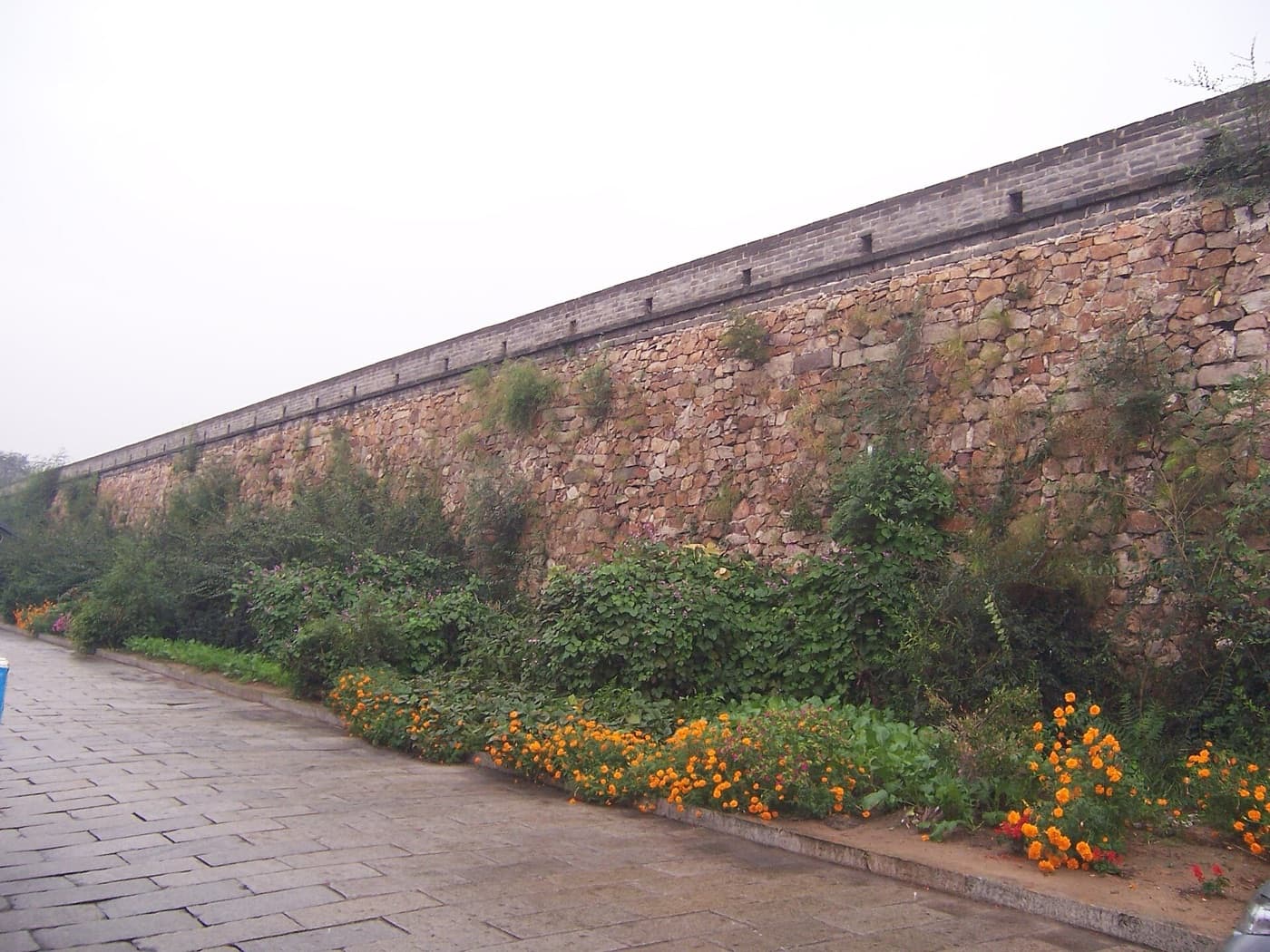
Xingcheng Ancient City
1–2 hours · Combined ticket: ¥100 (includes the Bell and Drum Towers, City Gate Tower, Zhou Residence, Xingcheng Confucius Temple, Commander's Residence, General's Mansion, and more)
This is where Nurhaci, the founder of the Qing dynasty, was struck by a Portuguese cannon during the Battle of Ningyuan. It is one of the four best-preserved ancient cities in China. The best way to see it is to climb the city wall and take a walk around, enjoying views of the old town. The west gate, Yongning, is the most distinctive and often appears in film and television productions.
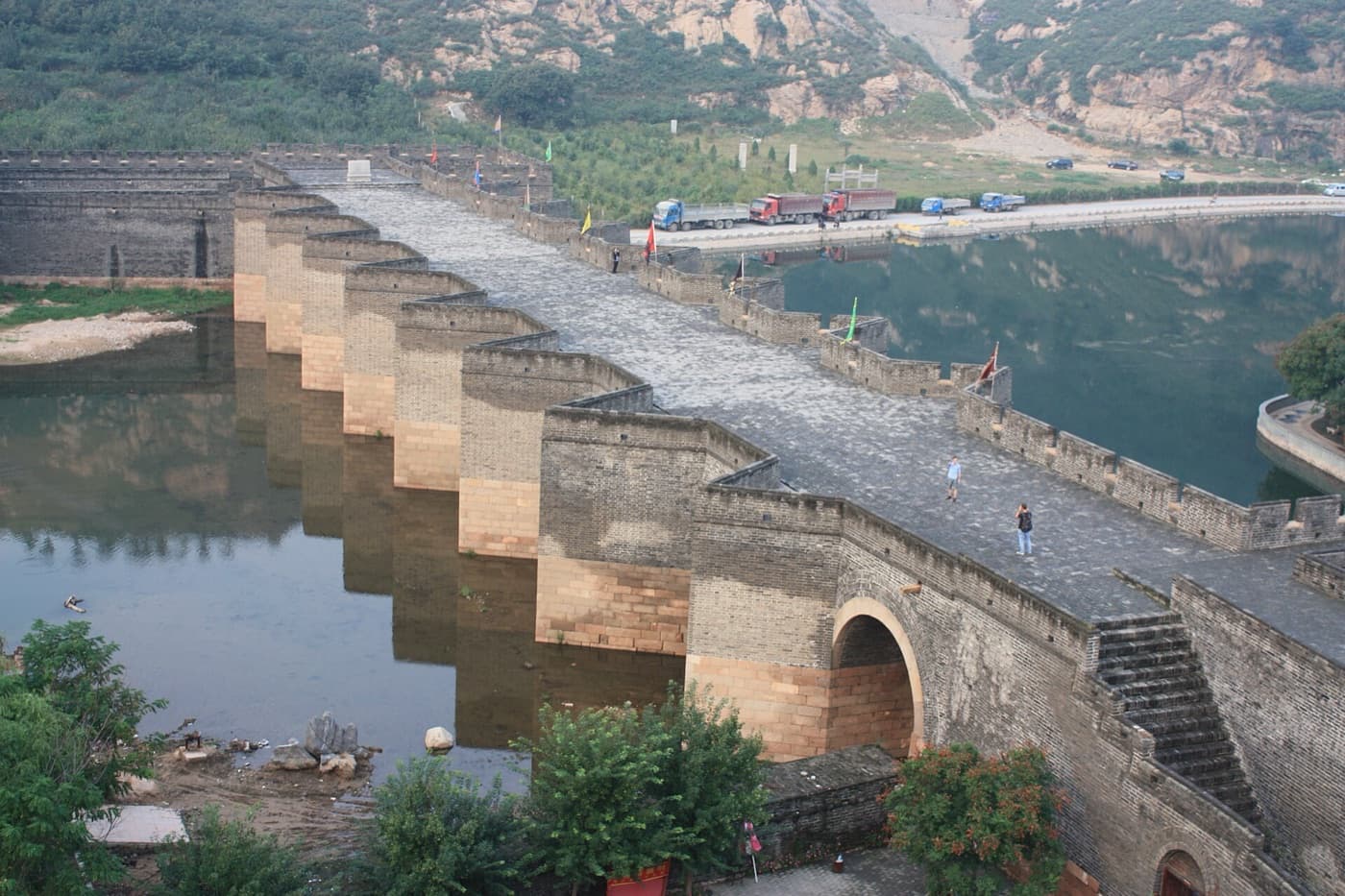
Jiumenkou Great Wall
2–4 hours · ¥70
Known as the "Water Great Wall," Jiumenkou Great Wall lies in Suizhong County, Liaoning Province, 15 km from Shanhaiguan. It is 1,704 metres long and is an important pass of the Ming Great Wall, which is why it is also called the "First Pass East of Beijing." Here you will find steep mountains, winding rivers and distinctive architecture. Across the Jiujiang River, which is over 100 metres wide, stone slabs pave a riverbed of 7,000 square metres. From afar it looks like a continuous stone pass, which is why Jiumenkou is also called "Yipianshi" (One Stone Pass). In 2002 Jiumenkou Great Wall became the only heritage site in the Northeast to be granted World Cultural Heritage status, making it a new favourite for Great Wall tours. A newly built rare bird sightseeing park is also located within the scenic area.
Xingcheng Seaside
Close to Beidaihe, Xingcheng is known as the "Second Beidaihe." Its scenery is much like other seaside cities, with sunshine, sandy beaches and the sea. What sets it apart is the grand Xingcheng Sea Festival held every July.
2–3 hours · Free
Juehua Island
Tired of the waters of Beidaihe, travellers from Beijing and Hebei have begun to favour the pristine waters of Juehua Island. Also known as Dahaishan or Chrysanthemum Island, Juehua is the largest island in Bohai Bay and takes its name from the wild chrysanthemums that bloom across it. Its shoreline also has many beautiful beaches. Juehua Island is less than 400 km from Beijing, a drive of about five hours. As a result, many Beijing visitors now choose it for weekends, away from the bustle of the city. Here you can watch the sea, enjoy the sea breeze, eat fresh seafood and stroll along golden beaches, savouring the joy of returning to nature.
3–4 hours · Combined ticket: ¥175 (includes the ferry)
Dongdaihe
Dongdaihe includes many coastal villages, beaches and historic sites, with a large stretch of beach and beautiful sea views. Because it was developed later, Dongdaihe still preserves a relatively natural seaside landscape. Its most famous stretch is Zhimao Bay, where the beach is gently sloping, free of reefs and has good sand. Seafood at the nearby farmhouse restaurants is very fresh and inexpensive.
Photography · Nature
Bijiashan Scenic Area
On the seaside of Jinzhou Port in Liaoning lies a small island called Bijiashan. Rising out of the surging sea, the mountain takes its name from its resemblance to a brush rack (笔架, bǐjià). Because the mountain is long and narrow, and has been shaped over the years by the tides, it has formed a natural wonder: the Heavenly Divine Road. Each day, as the tide rises, seawater surges in from both sides toward the causeway, narrowing and shortening it until it disappears beneath the water. Bijiashan then becomes an island that can only be reached by boat. When the tide recedes at sunset, the Divine Road re-emerges above the water, and people can walk back to the mainland. The mountain is dotted with pavilions, terraces, halls and towers. The most famous is the Sanqing Pavilion (Three Pure Ones Pavilion) at the summit, which enshrines the sacred figures of Buddhism, Daoism and Confucianism, along with Pangu, the mythical creator, and draws a steady stream of worshippers.
¥60
Yiwulüshan Scenic Area
Located in Beizhen City in western Liaoning, Yiwulu Mountain ranks first among the Northeast's three famous mountains (Yiwulu, Qian and Changbai). It is renowned for its spiritual beauty, and emperors throughout history conferred titles and honors upon it. At the foot of Yiwulu Mountain stands Beizhen Temple, the only well-preserved mountain-god temple among China's five major mountain-guardian temples. Inside is a stele forest dating from the Yuan, Ming and Qing dynasties, including several inscribed memorial stelae penned by the Qianlong Emperor.
3–4 hours · ¥65; cable car round trip ¥50
Dingxiang Ecological Tourism Area
Distinctive geological formations, extensive woodlands, reeds, rivers, tidal flats, marshes, ponds, ditches and rice paddies combine into a unique natural landscape. The excellent ecological environment attracts more than 200 bird species to nest and breed here. Visitors can also get up close to the birds, strolling along the bird-watching gallery beside the pond.
4–5 hours · ¥130
Longhuitou (Dragon Turning Head)
Longhuitou Dragon Turning Head sits between mountains and sea and is one of the key attractions of Huludao. From the top you can see Huludao Beach clearly, and on clear days you can see the sea and sky meeting, as well as Juhua Island and Lighthouse Mountain.
1–2 hours · Free
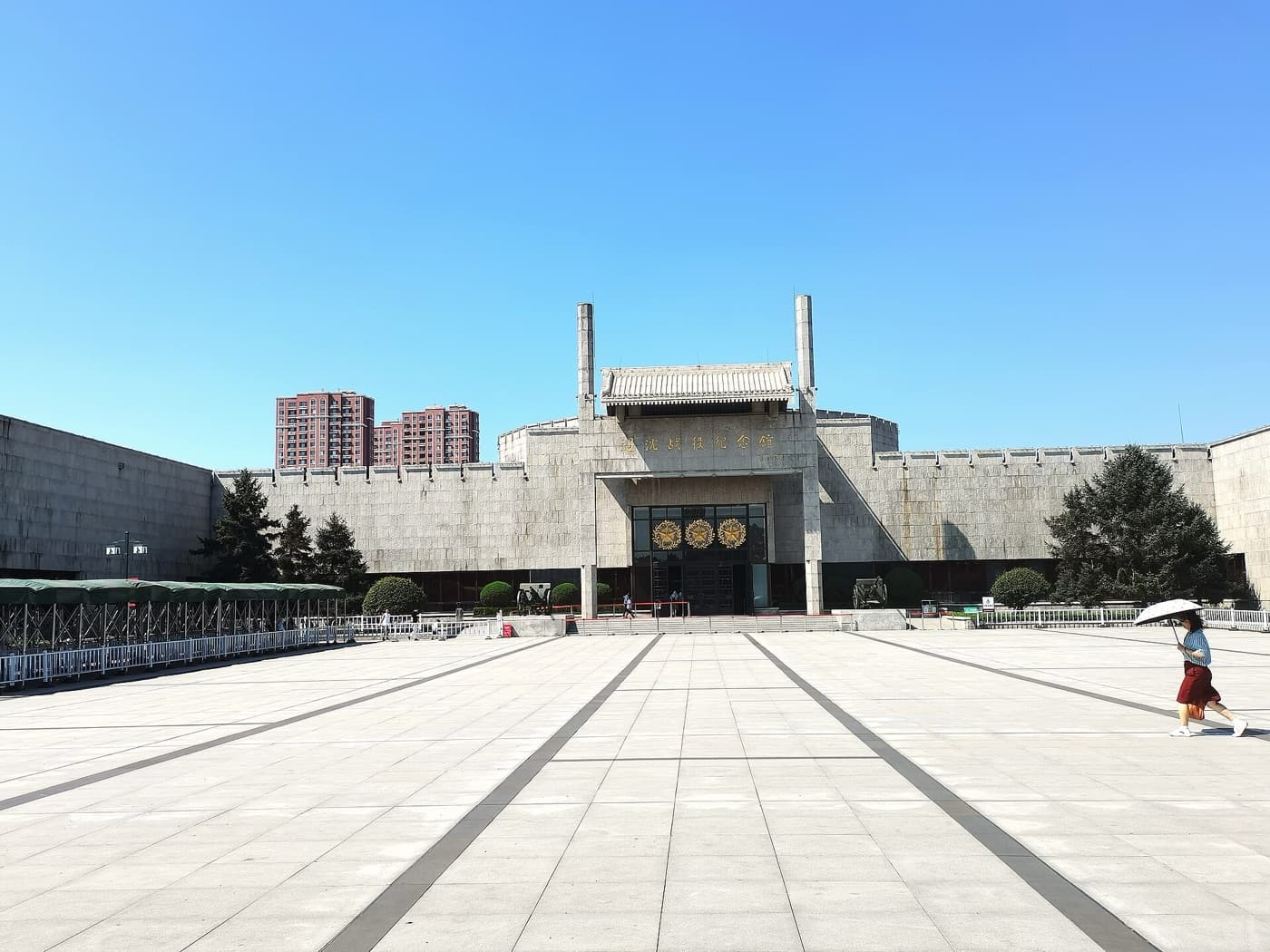
Liaoshen Campaign Memorial Hall
Located at No. 1, Beijing Road Section 5, Linghe District, Jinzhou City in western Liaoning, this is China's first panorama museum. Its panoramic paintings are artistically outstanding, and high-tech light and sound effects create a sense of being right in the scene, as if you had returned to the years of the 'Great Decisive Battle.'
1.5–2 hours
Qingyan Temple Scenic Area
Qingyan Temple Scenic Area boasts beautiful natural scenery: the layered peaks of Luohan Mountain, the graceful silhouette of the Lovers' Pine, the Double Stone where two figures stand side by side, Longyin Gorge where mist rises from the stream, the One-Line Sky gorge where a split cliff lets in the sunlight, and Dingzi Waterfall, whose spray drifts like cloud and smoke. The scenic area runs a dedicated electric shuttle, and free Wi-Fi covers the entire mountain.
3–4 hours · ¥46
Beiputuoshan (North Putuo Mountain)
Known as the 'First Buddhist Mountain Beyond the Pass,' it is also famous for scenic sights that once won renown throughout the Sixteen Prefectures of Yan and Yun: Stone Hall Pines in the Snow, Maple Forest Sunrise, and Cangshan Sea Views.
¥50
Red Beach (Honghaitan)
If you haven't been to Panjin, you won't truly grasp what living red looks like. This national nature reserve covers more than 200,000 mu, and its stunning Red Beach landscape is home to over 200 bird species, including red-crowned cranes and black-headed gulls, which nest among the reed marshes.
3–4 hours · ¥110
Panjin Hubin Park
Built in the traditional garden style, with rockeries, stone piles and pavilions of various forms, it is a rare spot in a bustling city where you can breathe fresh air and rest.
Nature
Scenic Corridor (Fengjing Langdao)
The Fengjing Scenic Corridor lies within the Red Beach Wetland Resort and is known as the world's red coastline. The corridor is ideal for self-drive trips or cycling, and the scenery along the way is beautiful and romantic. Highlights include Reed Sea Trails, Oilfield Landscapes, Years Inn, and the Covered Bridge of Dreams of Love.
Photography · Wildlife · Nature
Getting there & around
The main tourist attractions along the western Liaoning route are concentrated in Xingcheng, Jinzhou and Panjin. This area is the gateway to the Northeast, and transport here is very convenient.
Source: China Self-Guided Travel 2025 (《中国自助游》, Tianjin Science & Technology Press, Aug 2024), pp. 2254–2265. Translated from the Chinese edition; names and prices follow the guidebook. · Plain text version