Jiezhou Guandi Temple
Guandi Temple was built to honour Guan Yu, a general of the Shu Han kingdom during the Three Kingdoms period. Guan Yu is ranked alongside Confucius,…
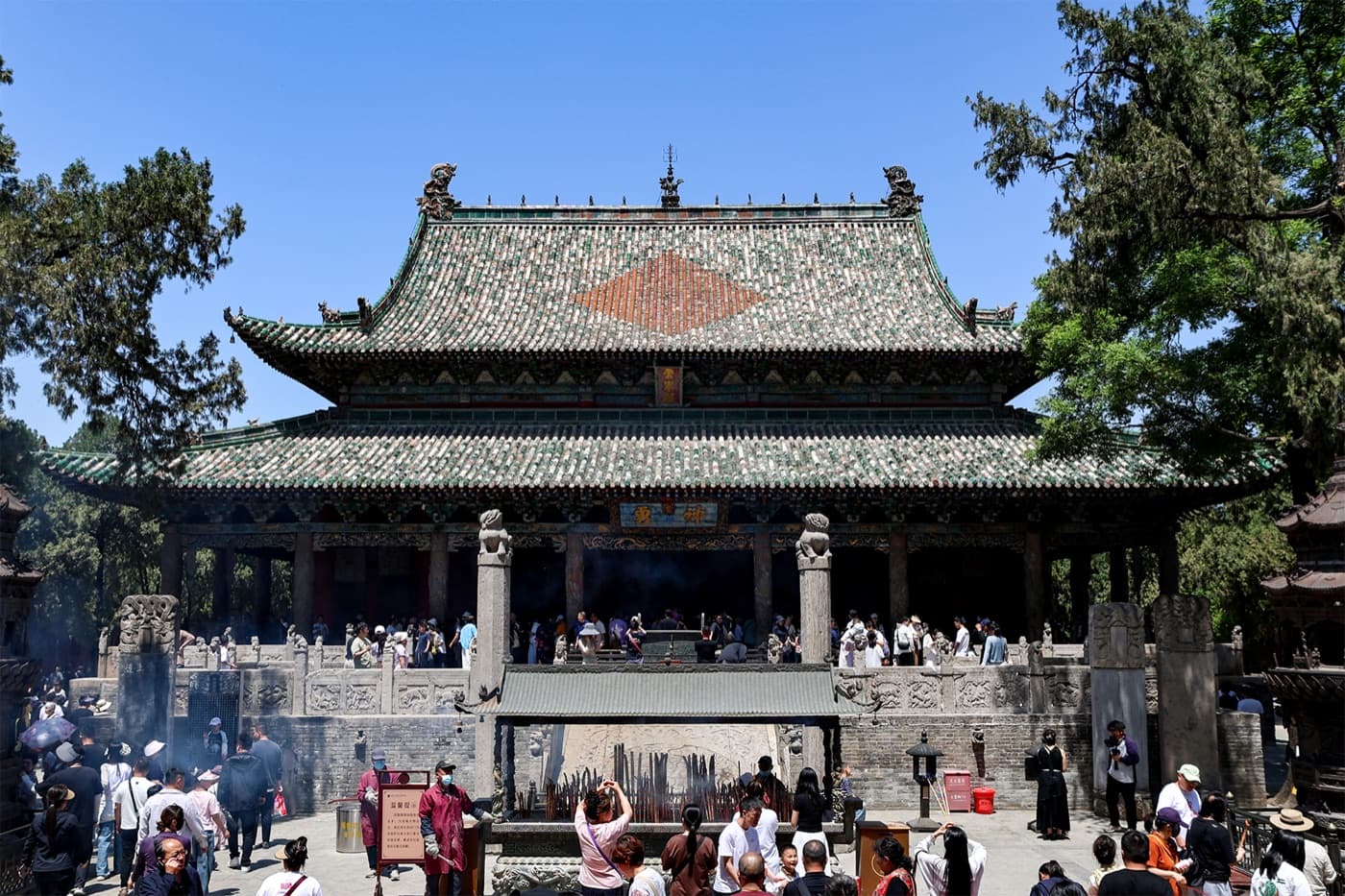
Jiezhou Guandi Temple, Linfen · Windmemories · CC BY-SA 4.0 · Wikimedia Commons
Key facts
- Admission
- Peak season ¥60; off-season ¥50
- Opening hours
- 8:00–18:00 (April–October); 9:00–17:00 (November–March)
- Time needed
- 1–2 hours
- Getting there
- Take a train or bus from Linfen to Yuncheng, about 2 hours, then take a bus from Yuncheng Railway Station to Jiezhou Guandi Temple (bus stop)
- Guidebook rating
- 4 / 5
From China Self Guided Travel 2025, page 1861. Open in Google Maps
About Jiezhou Guandi Temple
Guandi Temple was built to honour Guan Yu, a general of the Shu Han kingdom during the Three Kingdoms period. Guan Yu is ranked alongside Confucius, the 'Sage of Letters,' and is known as 'Guan Gong, the Sage of Martial Virtue.' In Southeast Asia, he is revered for his outstanding virtue as the protector of commerce and the 'God of Wealth,' ranking first among the civil and martial gods of wealth. Jiezhou Guandi Temple is the most authentic and most traditionally significant Guandi Temple, and it is also the largest palace-style temple in China.
Frequently asked questions
How much does Jiezhou Guandi Temple cost?
Admission to Jiezhou Guandi Temple is Peak season ¥60; off-season ¥50, as listed in the 2025 guidebook. Prices can change; check the official channel before you go.
What are the opening hours of Jiezhou Guandi Temple?
Jiezhou Guandi Temple is open 8:00–18:00 (April–October); 9:00–17:00 (November–March).
How do I get to Jiezhou Guandi Temple?
Take a train or bus from Linfen to Yuncheng, about 2 hours, then take a bus from Yuncheng Railway Station to Jiezhou Guandi Temple (bus stop)
How long should I spend at Jiezhou Guandi Temple?
Plan on 1–2 hours for Jiezhou Guandi Temple.
Where is Jiezhou Guandi Temple?
Jiezhou Guandi Temple is in Linfen, Shanxi Province, in the North China of China.
More places in Linfen

Hongdong Great Locust Tree
"Where is my hometown? The Great Locust Tree of Hongdong, Shanxi. Where was my ancestors' home? A crow's nest beneath the Great Locust Tree." Since the Ming dynasty, this folk ballad has circulated widely across China and can often be heard among overseas Chinese and their descendants. The Hongdong Great Locust Tree has become a spiritual anchor for Chinese people everywhere, because it embodies the attachment and longing of ancestors for their homeland, and the heartfelt emotional bond of later generations with the great migration of the Ming dynasty. The Hongdong Great Locust Tree stands 2 km northwest of Hongdong county seat. The ancient tree of the Han dynasty was destroyed long ago in a natural disaster, but a third-generation ancient tree now grows from its roots, soaring several zhang (丈) tall, with a sturdy trunk and lush branches.
¥80 (peak season); ¥60 (off-season) · 2–3 hours

Hukou Waterfall
"Thousands of islands surge in a rush of power, rolling into a thousand thunderclaps that shake the earth." This line of poetry describes Hukou Waterfall perfectly. Upstream, the Yellow River is more than 300 metres wide, but as it passes through this area, it is hemmed in by steep cliffs on both banks and squeezed into a narrow stone gorge only 20–30 metres wide. It plunges down in a torrent of crashing waves, and the mountains echo with its roar. Watching it, you feel as though a giant dragon is dancing on the waves; listening to it, you hear ten thousand galloping horses. Standing by the river, visitors cannot help but marvel that this is the real-life scene behind the stirring song "The wind roars, the horses neigh, the Yellow River rages." At the very centre of the spout where the Yellow River water drops, there is a glossy rock known as the "Turtle Rock" (龟石), which rises and falls with the water level. Whether the water is high or low, a little of it always shows, adding a touch of mystery to the waterfall.
¥100 · 2–3 hours
Yuncheng Salt Lake
Yuncheng Salt Lake rivals the world-famous Dead Sea in Israel. Its black mud contains 7 major and 16 trace elements. Visitors can float on the lake's water, and the mud is said to beautify and nourish the skin, which is why Yuncheng Salt Lake is known as 'China's Dead Sea.'
Combined ticket ¥198 (includes salt therapy, floating, mud and mineral water therapies) · 3–5 hours
Wangmang Ridge
Wangmang Ridge is known for its jagged rock formations and majestic scenery. The most spectacular sight is the sunrise, when the vast sea of clouds rivals that of Mount Tai. The ridge also offers peculiar peaks, pine-sough, rime frost and icicles, with a wide variety of scenes that make it a paradise for photographers. On a steep cliff face stands a 7.5-kilometre 'hanging-wall' road, hand-chiselled with iron hammers. Its rarity earned it a place among the '60 Landmarks of New China' in 2009.
¥110 · 5.5–6 hours
Qiankun Bay
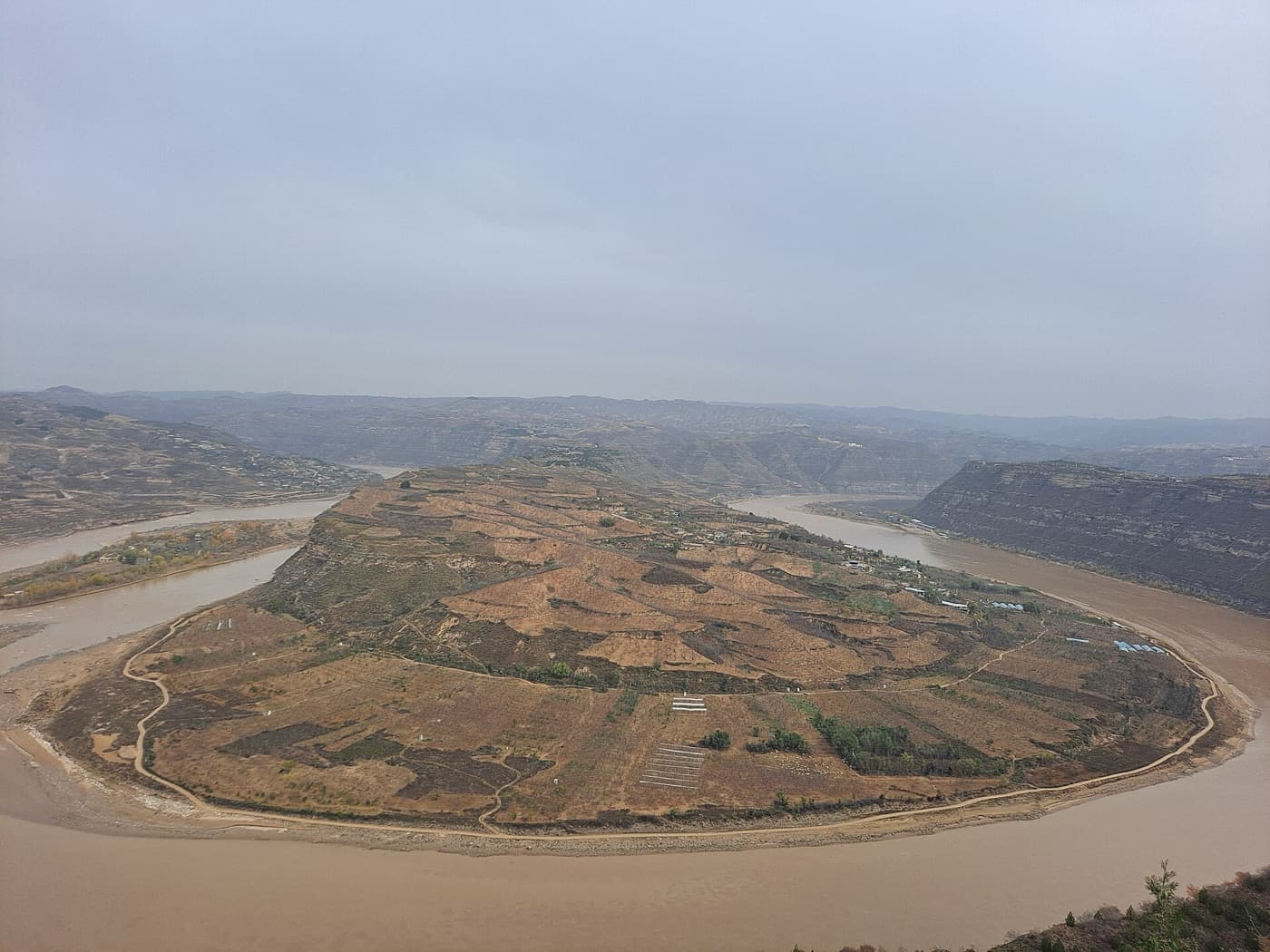
Qiankun Bay Scenic Area combines sightseeing, leisure, holiday and scientific exploration. Its breathtaking natural wonders and deep cultural heritage create a unique Yellow River landscape. The canyon scenery was named one of the "Top Ten Most Beautiful Canyons in China" by the National Geographic China magazine.
¥80 · 1–2 hours
Yunqiu Mountain
This is where agriculture began in ancient times, when King Ji taught the people sowing and harvesting. It is also where, in the remote past, Xihe used Yunqiu Mountain as the northern peak for observing the heavens and fixing the calendar, which gave rise to the Xia calendar (today's lunar calendar). In the Spring and Autumn and Warring States periods, Zhuangzi wrote about Gushe Mountain, and Yunqiu is regarded as its highest peak. The mountain's landscape is unique and striking, and its cultural sites are rich and varied. It is celebrated as 'the foremost scenic spot between the Yellow and Fen rivers' and 'the most beautiful peak of Miaogushe Mountain.'
¥80; in-park shuttle bus ¥20 · 1–2 days