Linfen travel guide
临汾
Linfen travel guide with a day by day itinerary, 14 places with tickets and opening hours, where to eat and stay, and how to get there.
14 places · In the guidebook: pages 1852–1863

Linfen, Shanxi Province · AI illustration for China Trip
Quick itinerary
Linfen in 2 days
The feel of the place
Various archaeological finds show that as early as over 100,000 years ago, in the Palaeolithic era, this area was home to some of the earliest human groups and villages of the Chinese nation. Indeed, the legend of King Yao visiting the wise and handing the throne to Shun took place here. The moment you step into this city, you will feel something special, an indescribable sensation. Perhaps this is the sediment and depth that history has left to this city.
Reclining Ox City
Legend has it that Linfen was the ancient capital of the Taotang people and the old home of the Yiqi clan, and it has long been known as Reclining Ox City. The name comes from 1977, when someone digging earth at the north-east corner of the city wall unearthed a stone box containing an iron reclining ox and a stele inscribed with a record from the Hongwu period of the Ming dynasty. The iron ox weighs 62 kg and its base weighs 16.75 kg; this is probably the basis for Linfen's nickname. The city walls were first built in the Western Jin dynasty, over 1,600 years ago, and when the iron ox was buried in the wall cannot be verified.
The Sweltering Summer
Summers in Linfen can be fearsome for northerners. Temperatures of 38–39°C are common, and the blazing sun is breathtaking. By 8 a.m., people are already out on the streets under parasols. Linfen's summer weather also changes very quickly: you may need a parasol against the sun in the afternoon and an umbrella for rain on your way home in the evening. So when visiting in summer, always bring an umbrella, or you may be surprised to find after a few days that your skin has changed colour without you noticing.
Preparation and Advice
Language
Locals speak something close to Mandarin, so communication is no problem, but watch out for some dialect expressions. For example, Linfen people say “你家” (nǐ jiā) to mean “you all” (你们), not to ask after your entire family.
Climate and Best Time to Visit
Winters in Linfen are cold and dry, with little snow; spring is dry and windy; autumn brings continuous rain; and summer is scorching hot with heavy downpours. Summer highs can reach 41°C, and winter lows can drop to -16°C.
The best months to visit are May, June, September and October.
Things to see
It is said that descendants of the Great Locust Tree migrants share a distinctive trait: the little toenails on both feet are of a “compound” type, split into two parts.

Hukou Waterfall
2–3 hours · ¥100
"Thousands of islands surge in a rush of power, rolling into a thousand thunderclaps that shake the earth." This line of poetry describes Hukou Waterfall perfectly. Upstream, the Yellow River is more than 300 metres wide, but as it passes through this area, it is hemmed in by steep cliffs on both banks and squeezed into a narrow stone gorge only 20–30 metres wide. It plunges down in a torrent of crashing waves, and the mountains echo with its roar. Watching it, you feel as though a giant dragon is dancing on the waves; listening to it, you hear ten thousand galloping horses. Standing by the river, visitors cannot help but marvel that this is the real-life scene behind the stirring song "The wind roars, the horses neigh, the Yellow River rages." At the very centre of the spout where the Yellow River water drops, there is a glossy rock known as the "Turtle Rock" (龟石), which rises and falls with the water level. Whether the water is high or low, a little of it always shows, adding a touch of mystery to the waterfall.

Hongdong Great Locust Tree
2–3 hours · ¥80 (peak season); ¥60 (off-season)
"Where is my hometown? The Great Locust Tree of Hongdong, Shanxi. Where was my ancestors' home? A crow's nest beneath the Great Locust Tree." Since the Ming dynasty, this folk ballad has circulated widely across China and can often be heard among overseas Chinese and their descendants. The Hongdong Great Locust Tree has become a spiritual anchor for Chinese people everywhere, because it embodies the attachment and longing of ancestors for their homeland, and the heartfelt emotional bond of later generations with the great migration of the Ming dynasty. The Hongdong Great Locust Tree stands 2 km northwest of Hongdong county seat. The ancient tree of the Han dynasty was destroyed long ago in a natural disaster, but a third-generation ancient tree now grows from its roots, soaring several zhang (丈) tall, with a sturdy trunk and lush branches.
Yao Temple
Linfen was the capital of Yao, the legendary sage-king. To commemorate his achievements, later generations built the Yao Temple and other structures here. The temple complex still houses the Five Phoenix Tower (五凤楼), the Guangyun Hall (广运殿), the Yao Well Pavilion (尧井亭) and the Sleeping Palace (寝宫). The Guangyun Hall is the main hall dedicated to Yao. It stands 27 metres tall, and the corridors around it hold 42 stone pillars carved with dragons and clouds, showing fine craftsmanship. The temple also contains more than ten stone steles recording Yao's great achievements.
1–2 hours · ¥50
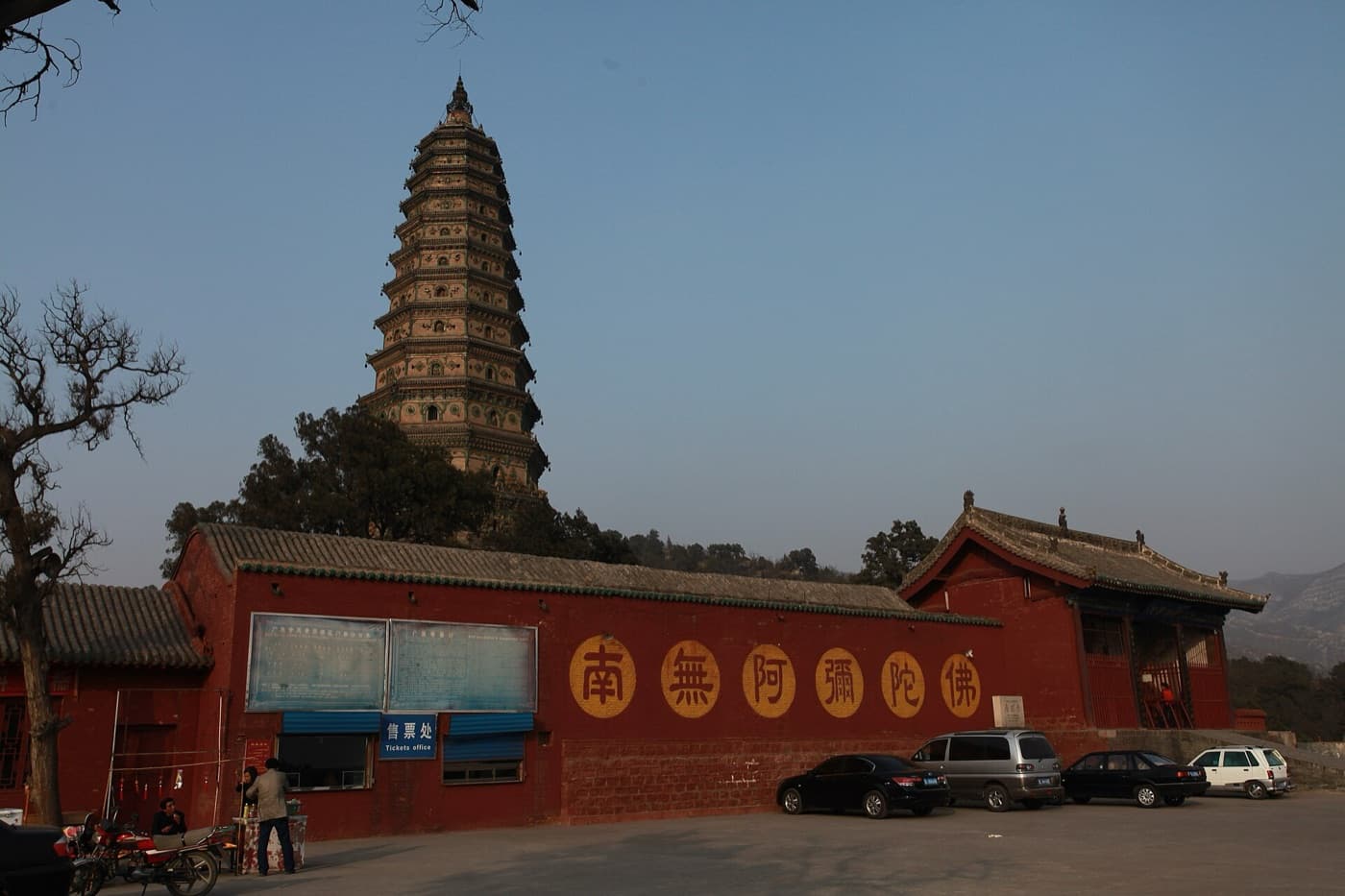
Guangsheng Temple
Located on the southern foot of Mount Huo (霍山), 17 km northeast of Hongdong County, Guangsheng Temple has an Upper Temple on the mountain summit and a Lower Temple at the foot of the mountain, about 500 metres apart. It is said that Episode 18 of the 1987 TV series Journey to the West was filmed here. The Feihong Pagoda (Rainbow Pagoda) is the most famous structure of the Upper Temple; it stands 47.31 metres tall with 13 storeys. The rear hall of the Lower Temple houses clay sculptures of the Three Buddhas and the bodhisattvas Manjushri and Samantabhadra, all works from the Yuan dynasty. The upper walls of this hall were once covered in murals, but in 1928 they were sold abroad and are now held at the Nelson-Atkins Museum of Art in Kansas City, USA. Remaining on the upper part of the gable wall is a 16-square-metre section of mural depicting "The Fifty-Three Visits of the Youth Sudhana" (善财童子五十三参). Finely painted in rich colours, it dates from when the hall was built.
2 hours · ¥50
Xiaoxitian Temple
Originally called the Thousand Buddha Hermitage (千佛庵), it was founded in 1634. The temple is divided into Upper and Lower Courtyards, which contain many finely crafted, brightly coloured and vividly modelled suspended clay sculptures, considered among the finest examples of painted sculpture from the Ming dynasty. A distinctive feature of the temple is the long flight of stone steps leading up to its front gate. As you climb and look up, the majestic Great Hero Hall suddenly comes into view, giving the feeling of arriving in the Western Paradise.
2 hours · ¥28
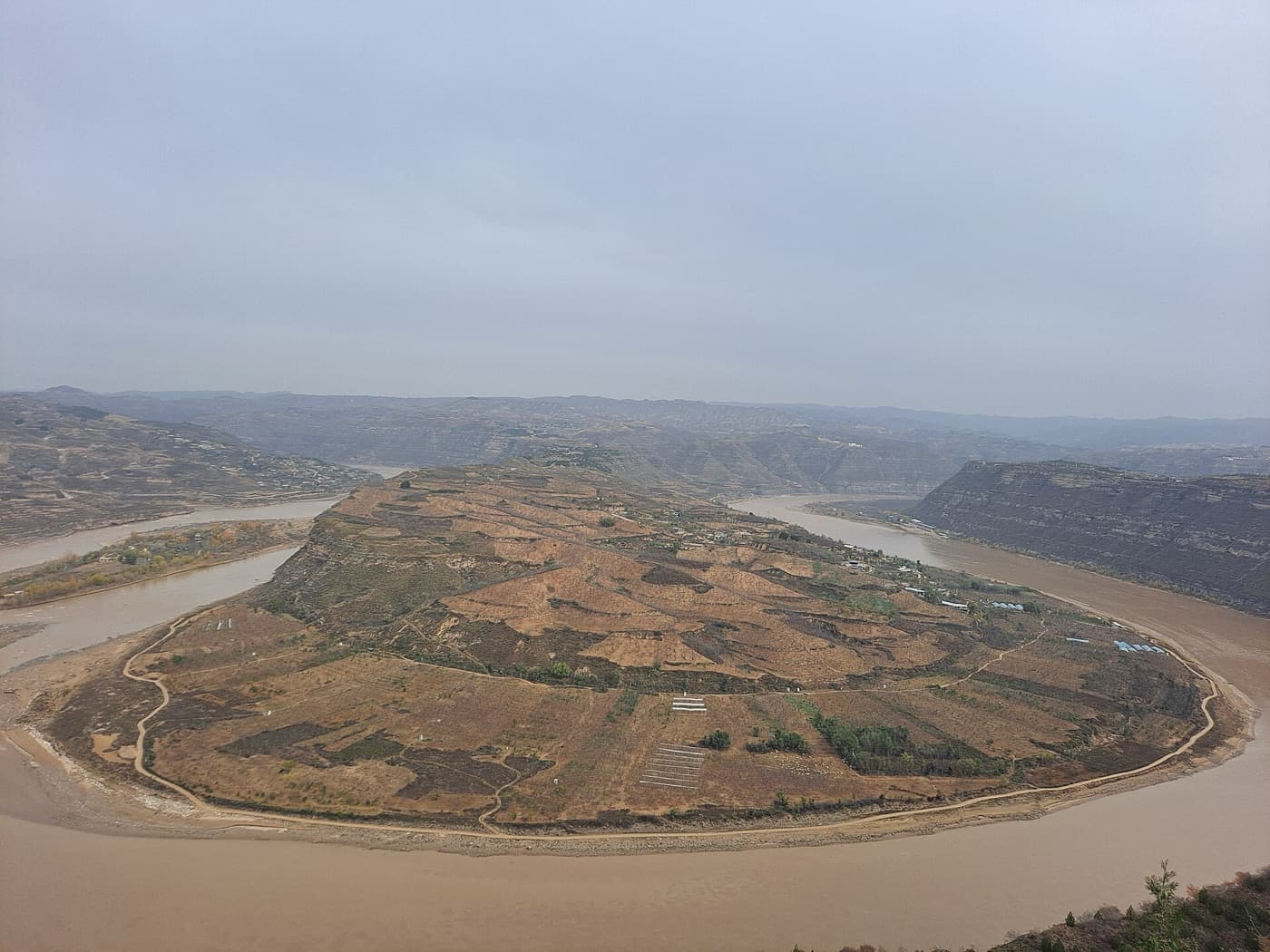
Qiankun Bay
Qiankun Bay Scenic Area combines sightseeing, leisure, holiday and scientific exploration. Its breathtaking natural wonders and deep cultural heritage create a unique Yellow River landscape. The canyon scenery was named one of the "Top Ten Most Beautiful Canyons in China" by the National Geographic China magazine.
1–2 hours · ¥80
Yunqiu Mountain
This is where agriculture began in ancient times, when King Ji taught the people sowing and harvesting. It is also where, in the remote past, Xihe used Yunqiu Mountain as the northern peak for observing the heavens and fixing the calendar, which gave rise to the Xia calendar (today's lunar calendar). In the Spring and Autumn and Warring States periods, Zhuangzi wrote about Gushe Mountain, and Yunqiu is regarded as its highest peak. The mountain's landscape is unique and striking, and its cultural sites are rich and varied. It is celebrated as 'the foremost scenic spot between the Yellow and Fen rivers' and 'the most beautiful peak of Miaogushe Mountain.'
1–2 days · ¥80; in-park shuttle bus ¥20
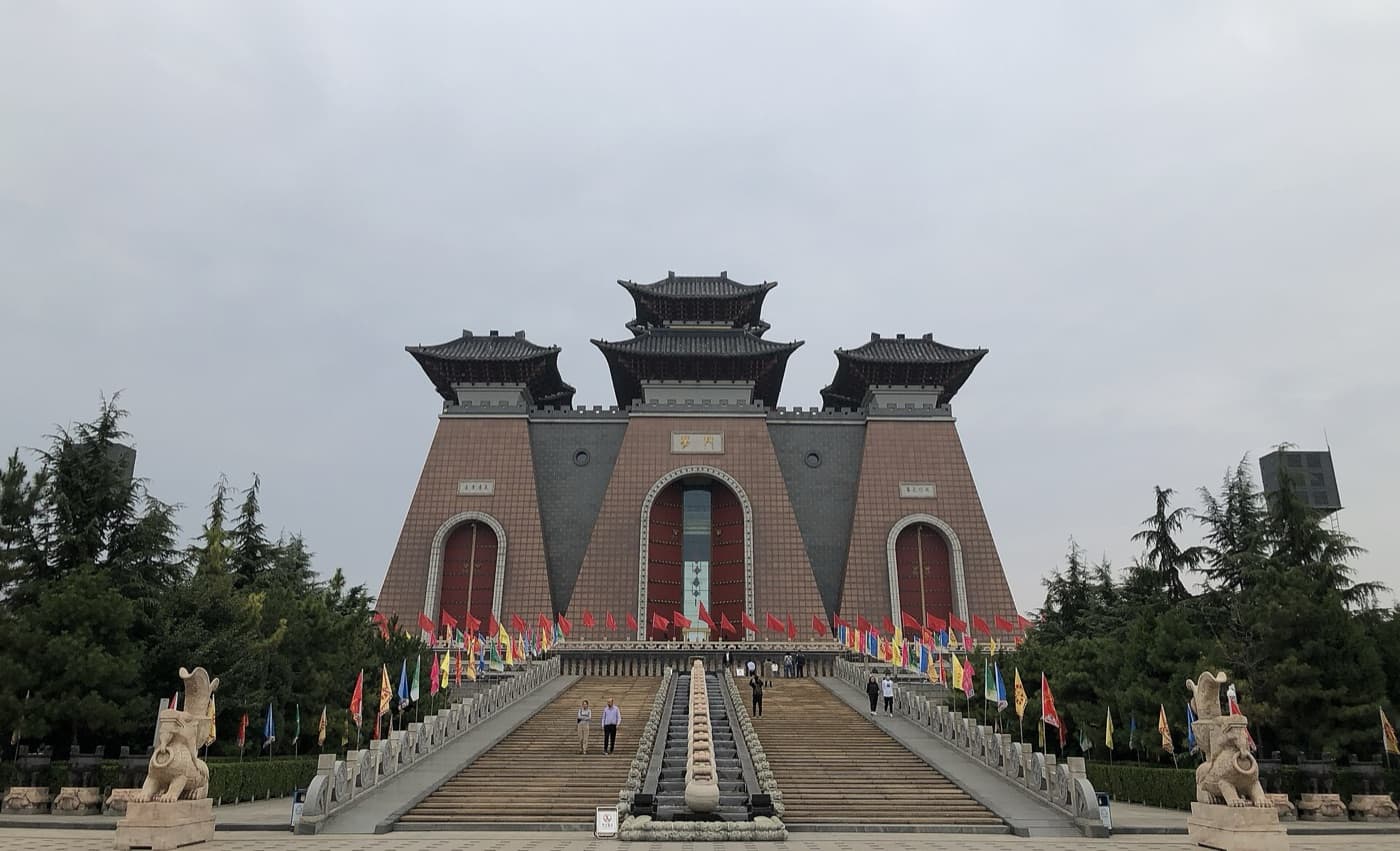
Huamen Gate
Huamen Gate, hailed as the "First Gate under Heaven", was built in 2002 over three years. Located in the centre of the Yaodu Scenic Area, it is a monument to Chinese civilisation. In both scale and height, it ranks first in the world, standing 0.5 metres taller than the Arc de Triomphe in France.
1–2 hours · ¥35
Susan Prison
Su San Prison is divided into ordinary cells and death row. Along the two sides of the entrance hall are 12 ordinary cells, split into men's and women's cells. Each cell measures only 4 square metres and typically held around six prisoners. The place never sees sunlight, the air is foul, and prisoners often died before their cases were concluded. The death cell, also called the "Tiger Head Prison", is gloomy, damp and very low, and this is where Su San was once held.
2–3 hours · ¥40
Getting there & around
Getting There
Rail
Linfen's rail network is well developed. Trains run north to Baotou, south to Guangzhou and west to Lanzhou, and there are direct services to Beijing, Xi'an, Taiyuan, Shijiazhuang, Tianjin and several other cities.
Road
The Datong–Yuncheng Expressway, which runs north to south through Shanxi, and National Highway 108 pass through the area. National Highway 309 and the Jin–Han Expressway cross it from east to west.
Linfen has three main long-distance bus stations: Chengnan Bus Station (城南汽车站), Chengbei Bus Station (城北汽车站) and Linfen Long-Distance Bus Station (临汾长途汽车站). The first two mainly serve other counties and towns in Linfen City. Linfen Long-Distance Bus Station has coaches to Taiyuan, Xi’an and Yuncheng, as well as to the districts and counties within the city. Yaomiao Bus Station (尧庙汽车站) also has buses to Ji County.
Getting Around the City
Public buses from Linfen to tourist sites are numerous and frequent, and the vehicles are in good condition. Routes to Yaomiao include bus 3, 11 and 23. Taxi fares within the urban area range from ¥6 to ¥10. For longer trips, drivers usually don’t use the meter, so you can simply agree on a price directly.
Chengnan Bus Station
Road Transport- Address:
- North of Qiaojiazhuang, Jiade Township, Yaodu District
Long-Distance Bus Station
Road Transport- Address:
- Bingzhan Street, Linfen City
Chengbei Bus Station
Road Transport- Address:
- North of Jiacun, Tunli Town, Yaodu District
Eat & drink
Local food is still centred on wheat-based noodles and dishes, but it differs somewhat from traditional Shanxi noodle fare, blending in more of the food culture of China’s far northwest. The most famous are beef-meatball noodles (牛肉丸子面), fried noodles (炒面) and topped noodles (盖浇面).
Top Pick
Bai Laosan Beef Meatball Noodles
Top PickBai Laosan is a leading representative of Linfen’s beef-meatball noodle school. The broth is flavourful and spicy, and the prices are reasonable.
- Address:
- Pingyang Square, Linfen City
- Phone:
- 0357-8887788
Where to stay
Jiefang Road in central Linfen is where hotels are concentrated. The hotels here are clean, tidy and offer good service, making them the top choice for a stay. There are also many budget hotels and guesthouses around Gongyuan Street, offering good value.
Linfen Tangyao Hotel
Recommended AccommodationLinfen’s first four-star hotel.
- Address:
- Zhongda Street, Economic Development Zone
- Phone:
- 0357-2069888
Ji County Yellow River Hukou Business Hotel
Recommended AccommodationThe hotel is about 800 metres from the Yellow River Hukou Waterfall Scenic Area, a National AAAA-level scenic spot, and transport links are convenient. The facilities are well equipped. If you plan to visit the Hukou Waterfall, staying here is good value.
- Address:
- Opposite Hukou Police Station
- Phone:
- 0357-7986018/13835787890
Qiuguo Hotel (Linfen Gulou South Street Branch)
Recommended AccommodationIdeally located, with easy access to the city centre and Huamen, Xiangfen to the north, and close to Yaomiao Park. The ground floor is a tea and book café, and the eighth floor is a party-room venue, so whether you prefer quiet or lively surroundings, you’ll be comfortable here.
- Address:
- No. 1699 Gulou South Street, Yaomiao Town
- Phone:
- 0357-3617777
Shopping
For shopping in Linfen, head first to Caishen Lou and Gongyuan Street. These two streets are where the shops are concentrated, and each has its own character. Beyond Andasheng Shopping Centre, the small roadside shops on Caishen Lou are worth a look. Gongyuan Street is a gathering place for all kinds of brand-name products, with prices and discounts roughly on par with the rest of the country.
Shopping Recommendations
Linfen is known as the “Fruit City” (花果城). Fruit trees line every street, and when they are in blossom or bearing fruit, the whole street is dressed in red and green, a truly spectacular sight. So be sure to eat plenty of fruit while you are here: it is cheap and delicious. Famous local specialties include Fushan paper-cuts (浮山剪纸), Zhaocheng twisted pastries (赵城麻花), Xi County golden pears (隰县金梨), Wu family smoked pork (吴家熏肉) and Wucheng Yuping liquor (午城玉屏酒).
Day trips & beyond
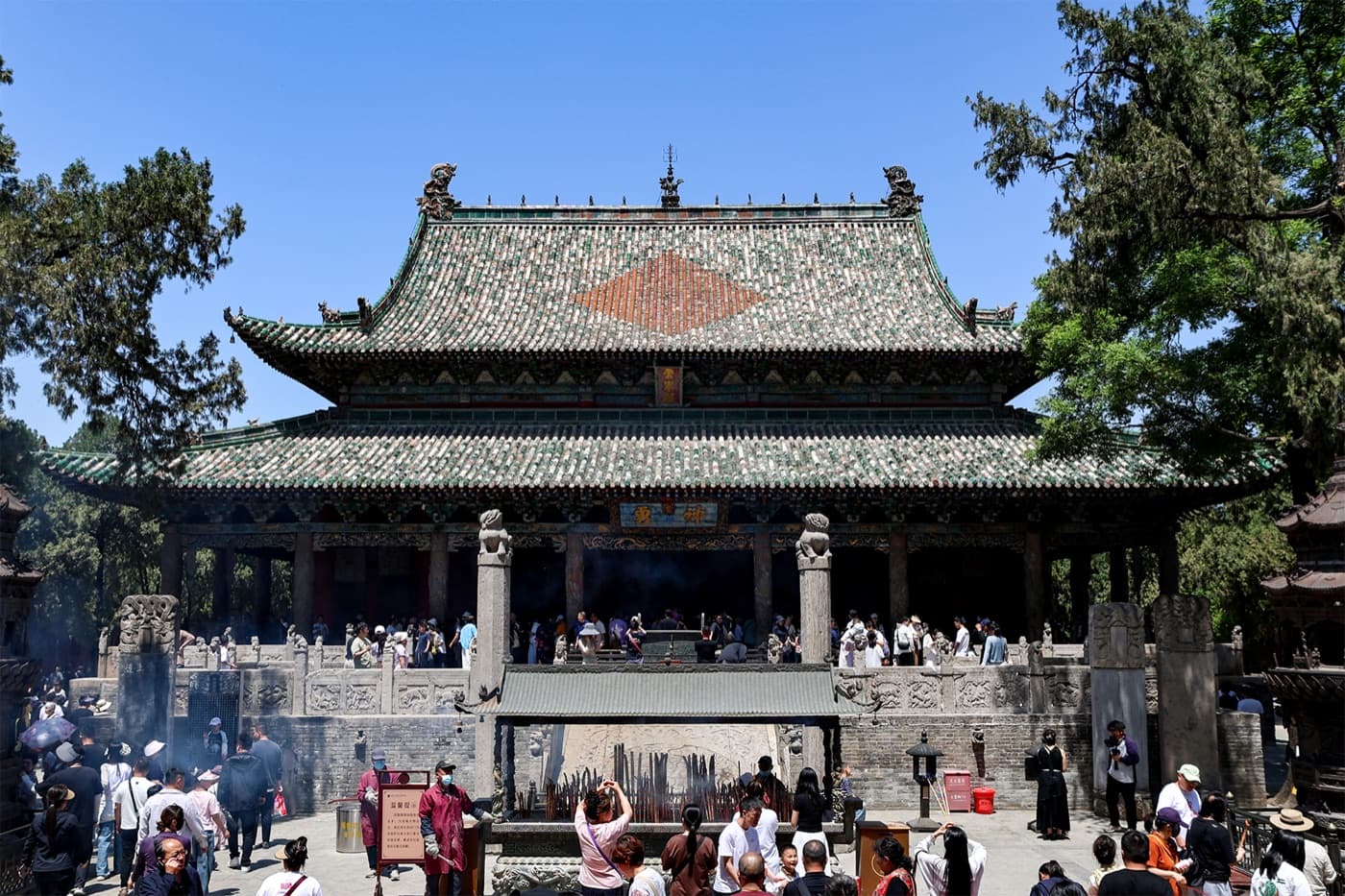
Jiezhou Guandi Temple
Guandi Temple was built to honour Guan Yu, a general of the Shu Han kingdom during the Three Kingdoms period. Guan Yu is ranked alongside Confucius, the 'Sage of Letters,' and is known as 'Guan Gong, the Sage of Martial Virtue.' In Southeast Asia, he is revered for his outstanding virtue as the protector of commerce and the 'God of Wealth,' ranking first among the civil and martial gods of wealth. Jiezhou Guandi Temple is the most authentic and most traditionally significant Guandi Temple, and it is also the largest palace-style temple in China.
1–2 hours
Yuncheng Salt Lake
Yuncheng Salt Lake rivals the world-famous Dead Sea in Israel. Its black mud contains 7 major and 16 trace elements. Visitors can float on the lake's water, and the mud is said to beautify and nourish the skin, which is why Yuncheng Salt Lake is known as 'China's Dead Sea.'
3–5 hours
Wangmang Ridge
Wangmang Ridge is known for its jagged rock formations and majestic scenery. The most spectacular sight is the sunrise, when the vast sea of clouds rivals that of Mount Tai. The ridge also offers peculiar peaks, pine-sough, rime frost and icicles, with a wide variety of scenes that make it a paradise for photographers. On a steep cliff face stands a 7.5-kilometre 'hanging-wall' road, hand-chiselled with iron hammers. Its rarity earned it a place among the '60 Landmarks of New China' in 2009.
5.5–6 hours
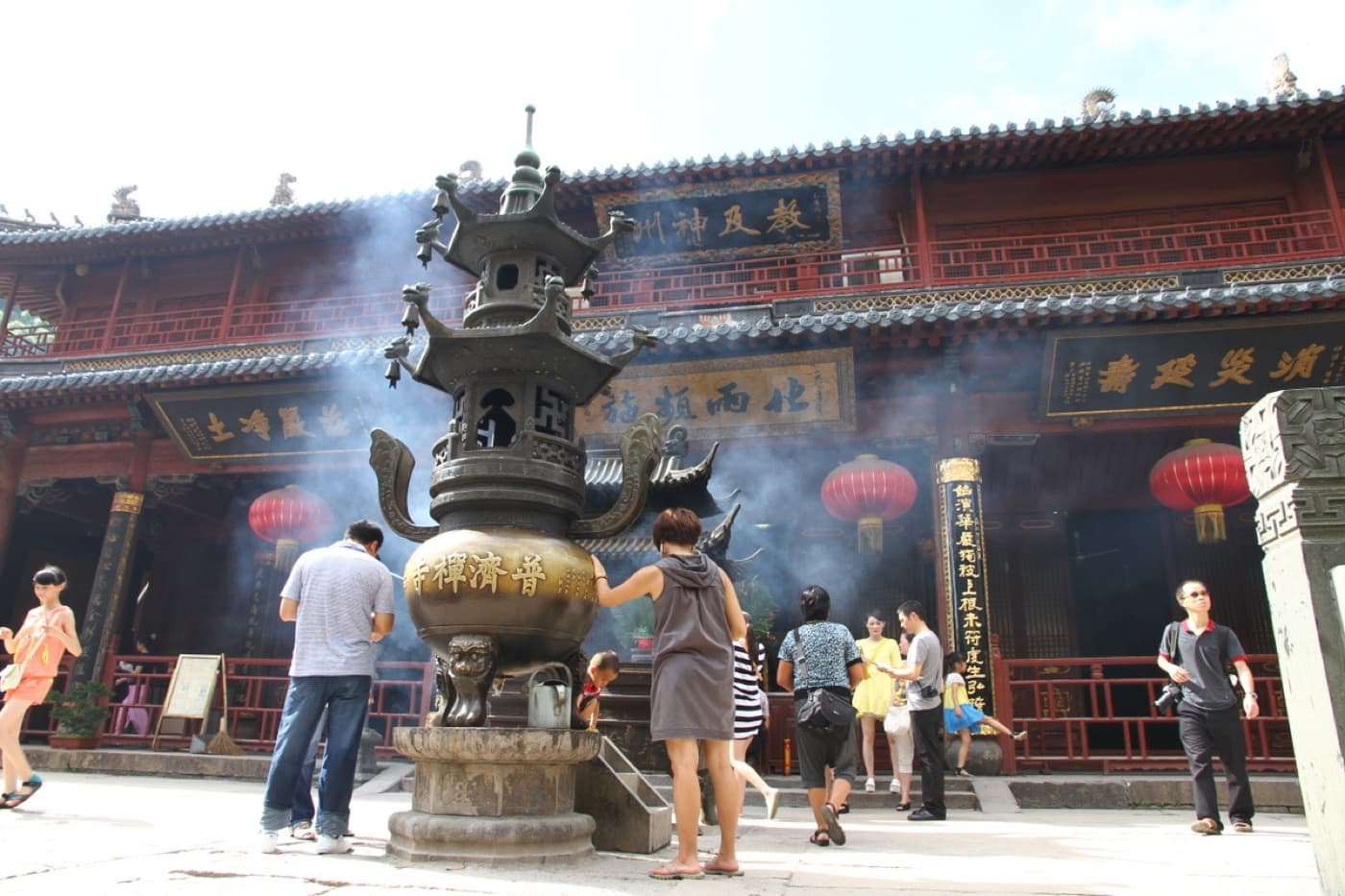
Puji Temple
Puji Temple is the setting of 'The Romance of the Western Chamber.' The temple features a study, a rear garden, a Dharma hall and a Buddha hall, all built to reflect scenes from the play. A set of wax figures vividly recreates the play's famous moments. The most celebrated structure is Yingying Pagoda, which stands 50 metres tall with 13 storeys. Its unusual construction produces a clear echo when stone is struck against its body, making it one of the rare echo buildings in China.
2–3 hours
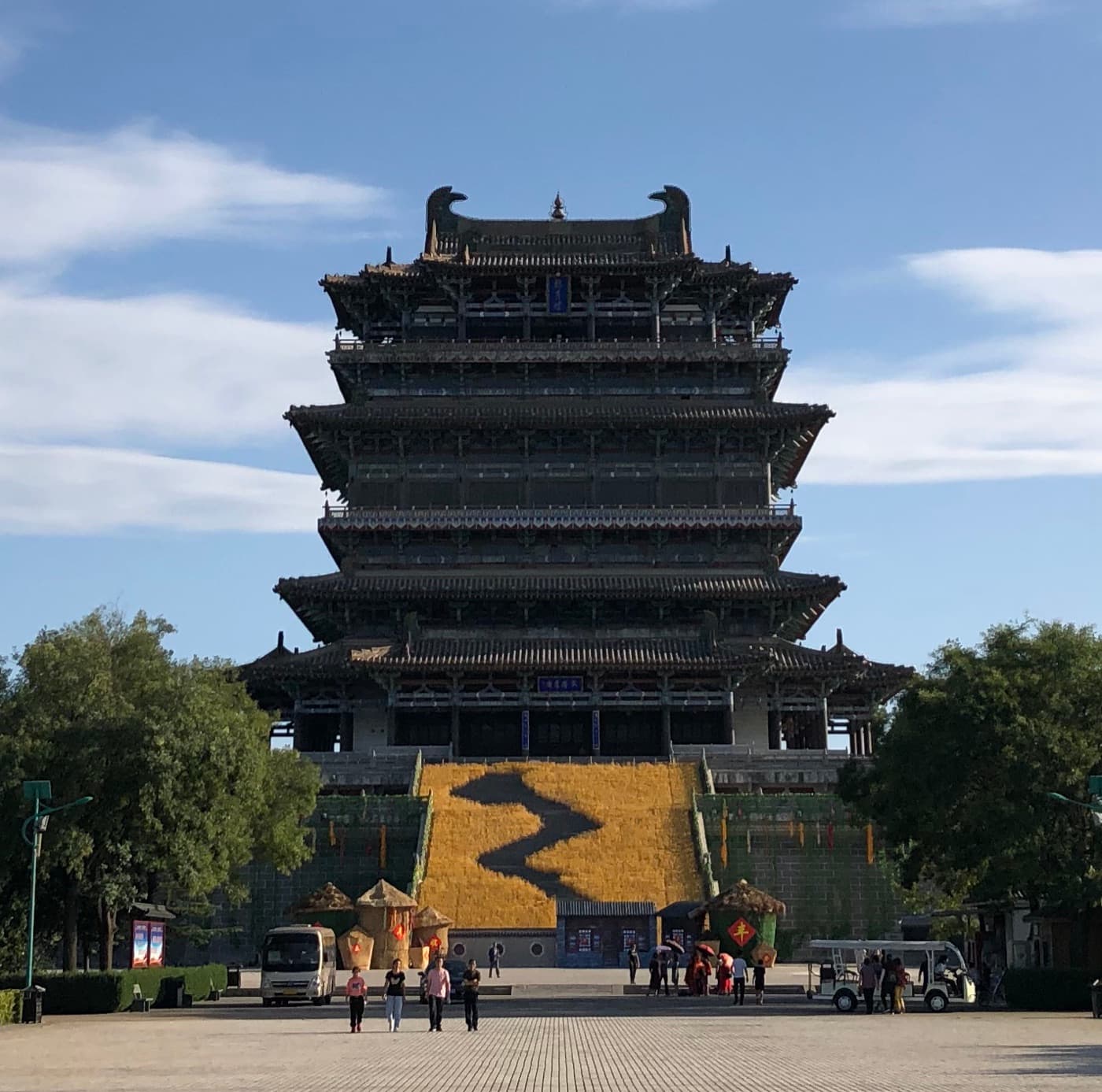
Stork Tower (Guanque Tower)
Located on the east bank of the Yellow River, west of the ancient town of Puzhou in Yongji, Yuncheng, Guanque Tower is counted among China's four great ancient towers, together with Yellow Crane Tower in Wuhan, Yueyang Tower on the shores of Dongting Lake, and Tengwang Pavilion in Nanchang. Scholars of the Tang and Song dynasties climbed the tower to admire the view and left many immortal poems. Among them, Wang Zhihuan's 'Climbing Guanque Tower' is considered an enduring classic.
1 hour
Source: China Self-Guided Travel 2025 (《中国自助游》, Tianjin Science & Technology Press, Aug 2024), pp. 1852–1863. Translated from the Chinese edition; names and prices follow the guidebook. · Plain text version