Huangchuan Three Gorges
Longquan Gorge is celebrated for its waterfalls; Lengjia Gorge features sheer cliffs, hanging rocks and cliff inscriptions; and Yangtiao Gorge has a narrow,…
Huangchuan Three Gorges, Northern Guangdong
Key facts
- Admission
- ¥50
- Opening hours
- 9:00—17:00
- Getting there
- Direct buses to Lianzhou leave from Guangzhou Provincial Bus Station. From Lianzhou, take a local bus or a taxi to the scenic area.
- Guidebook rating
- 3 / 5
From China Self Guided Travel 2025, page 2398. Open in Google Maps
About Huangchuan Three Gorges
Longquan Gorge is celebrated for its waterfalls; Lengjia Gorge features sheer cliffs, hanging rocks and cliff inscriptions; and Yangtiao Gorge has a narrow, perilous riverbed where the sky appears as a thin line. In fact, from here all the way to the stretch of river near Shiluo Town in northern Yangshan County, there are other gorges such as Dongguan Gorge and Dali Gorge, forming a continuous river-and-mountain landscape of towering peaks, winding waters and unbroken scenery.
Frequently asked questions
How much does Huangchuan Three Gorges cost?
Admission to Huangchuan Three Gorges is ¥50, as listed in the 2025 guidebook. Prices can change; check the official channel before you go.
What are the opening hours of Huangchuan Three Gorges?
Huangchuan Three Gorges is open 9:00—17:00.
How do I get to Huangchuan Three Gorges?
Direct buses to Lianzhou leave from Guangzhou Provincial Bus Station. From Lianzhou, take a local bus or a taxi to the scenic area.
Where is Huangchuan Three Gorges?
Huangchuan Three Gorges is in Northern Guangdong, Guangdong Province, in the South China of China.
More places in Northern Guangdong
Guangdong First Peak
The scenic area is mainly divided into Shikengkong Viewing Area, Taiping Cave Yao Village, Chengjia Great Valley, Tianquan Waterfall, Tianquan Mountain Hot Springs and the First Peak Rafting Route. In addition to the natural scenery, visitors can soak in hot springs and go rafting. In the evening, guests can gather around a bonfire to watch Yao folk dances or join in singing and dancing with the local people.
¥78 · 1 day
Baojing Palace
Baojing Palace is distinguished by its majestic, wondrous and grand character, and is known as “the first cave paradise of Lingnan.” It is composed mainly of Biluo Cave, Bilü Lake and Lion Hill. Inside the cave, the scale is impressive: bamboo shoot-like stalagmites and pillar-like columns stand in forests, and delicate stalactites take shapes resembling birds, flowers, insects and fish, or flying and running animals. The whole cavern resembles a palace, which is why it is called “Baojing Palace” (Jewelled Crystal Palace). It offers not only extraordinary natural scenery but also considerable geological and archaeological value. On the cave walls of Biluo Cave, more than 120 cliff inscriptions have been preserved.
¥76 · 2–3 hours
Ruyuan Grand Canyon
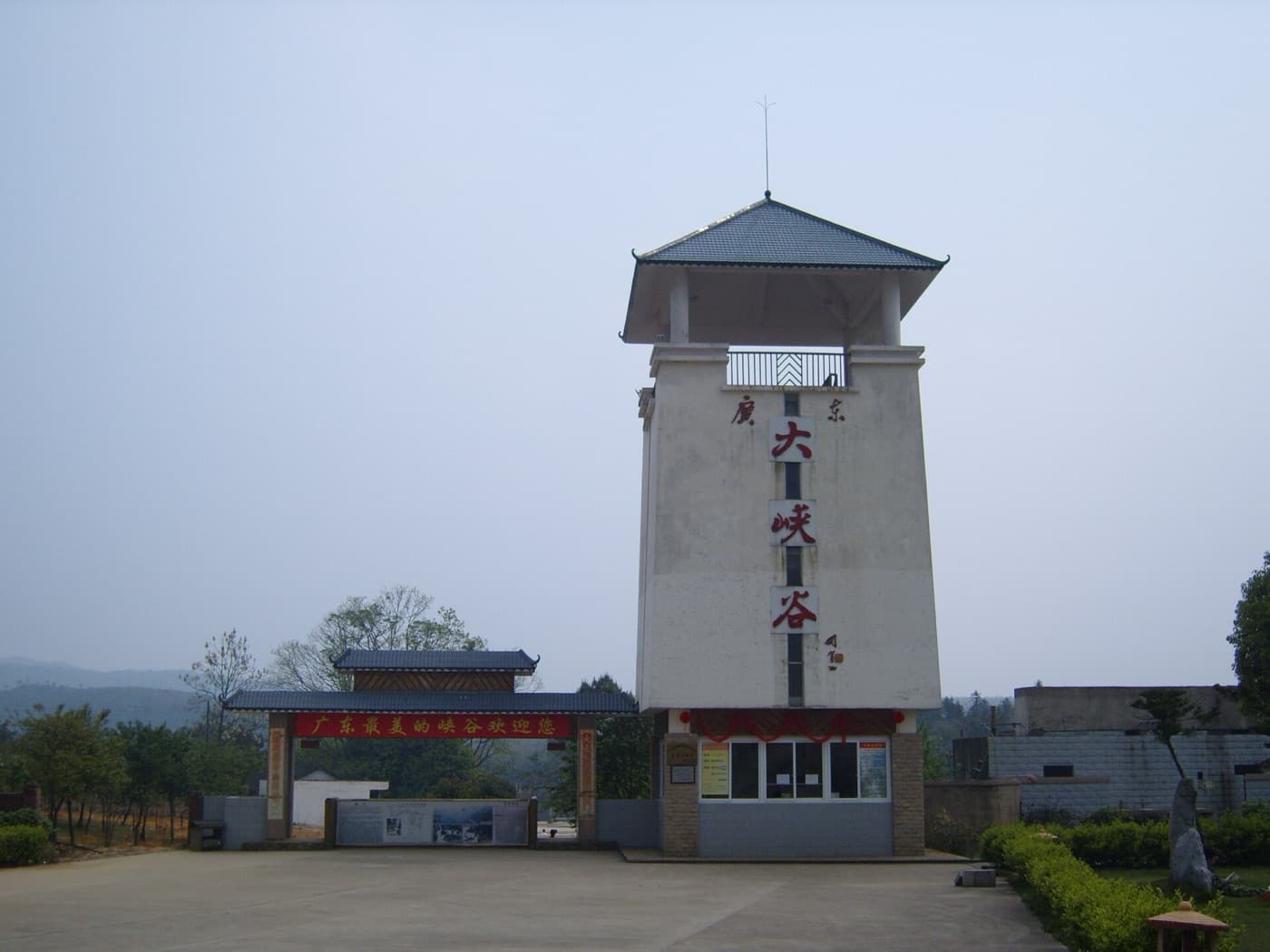
The Grand Canyon combines the marvels of Huangshan, with clouds and mist that feel like a fairyland; the peril of Huashan, with its 1,386 steps of cloud ladders at slopes exceeding 50°; and the grace of Zhangjiajie, with its green peaks and criss-crossing ravines. Beyond the breathtaking handiwork of nature, the canyon is also a rigorous test of your physical stamina, making it a perfect destination for adventure and exploration.
¥65; aerial performance ¥5 · 0.5 days
Nanling National Forest Park
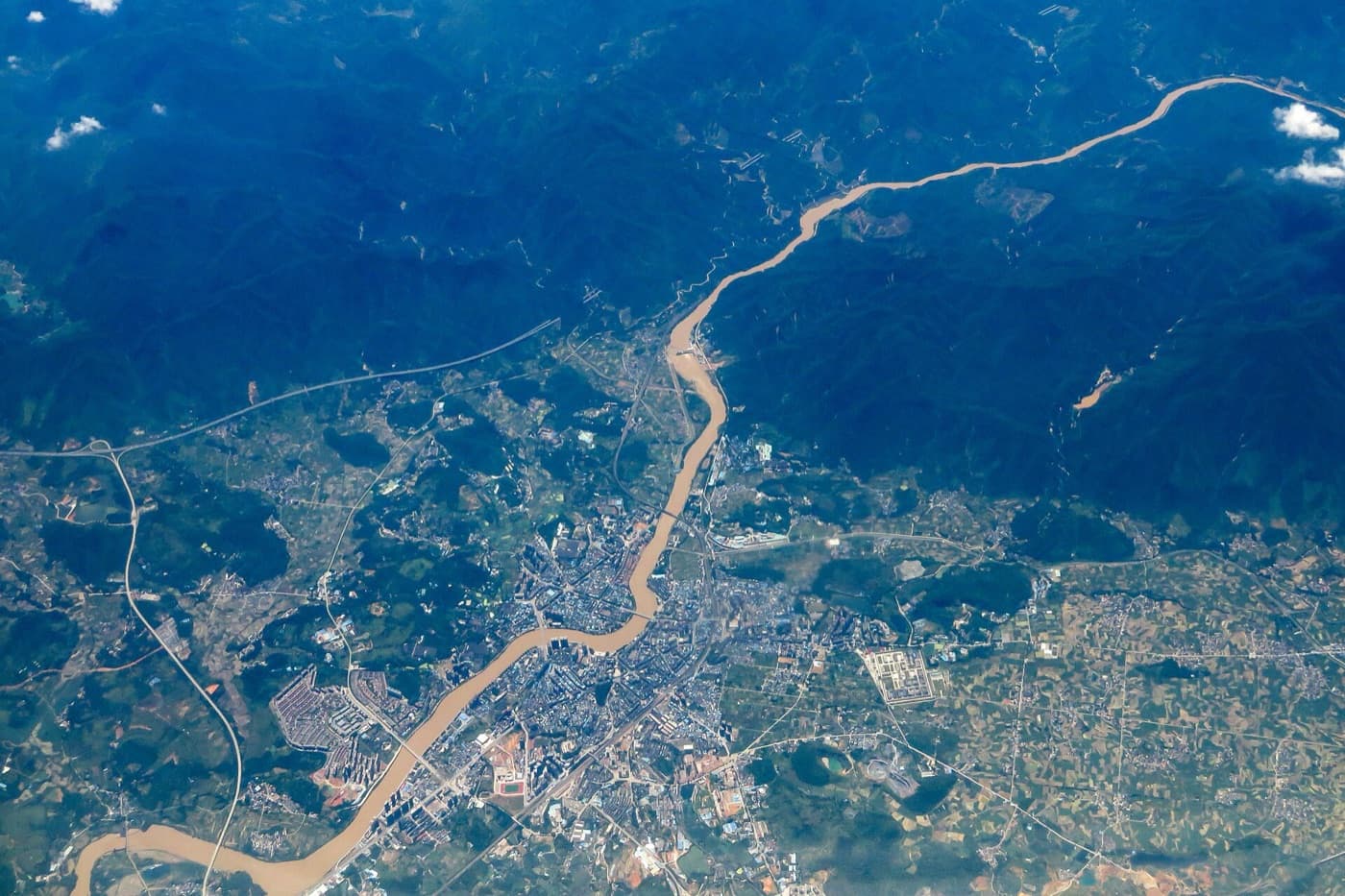
Located at Wuzhishan in Ruyuan County, in the middle section of the Nanling mountain range, this is the source of the Beijiang, a tributary of the Pearl River. It contains the best-preserved primeval forest in Guangdong and more than 30 peaks over 1,000 metres high. Shikengkong, the highest peak in Guangdong, is known as the “First Peak of Guangdong” and has long attracted mountaineers. Heavy rainfall in the mountains produces abundant streams, rapids and waterfalls, giving the area rich hydropower resources.
¥80 · 1 day
Maozi Peak Scenic Area
Known as the “Hometown of the Ginkgo,” much of this area retains its primeval forest character. Wild fruit grows across the hillsides, birds and animals move through the woods, and flowers and trees are abundant, filling the air with fragrance in every season. In late autumn, the ginkgo groves turn golden and the forest glows in shades of yellow, drawing many enthusiastic photographers. It has earned the nickname “the Jiuzhaigou of Northern Guangdong.”
¥50 · 1 day
Nanhua Temple
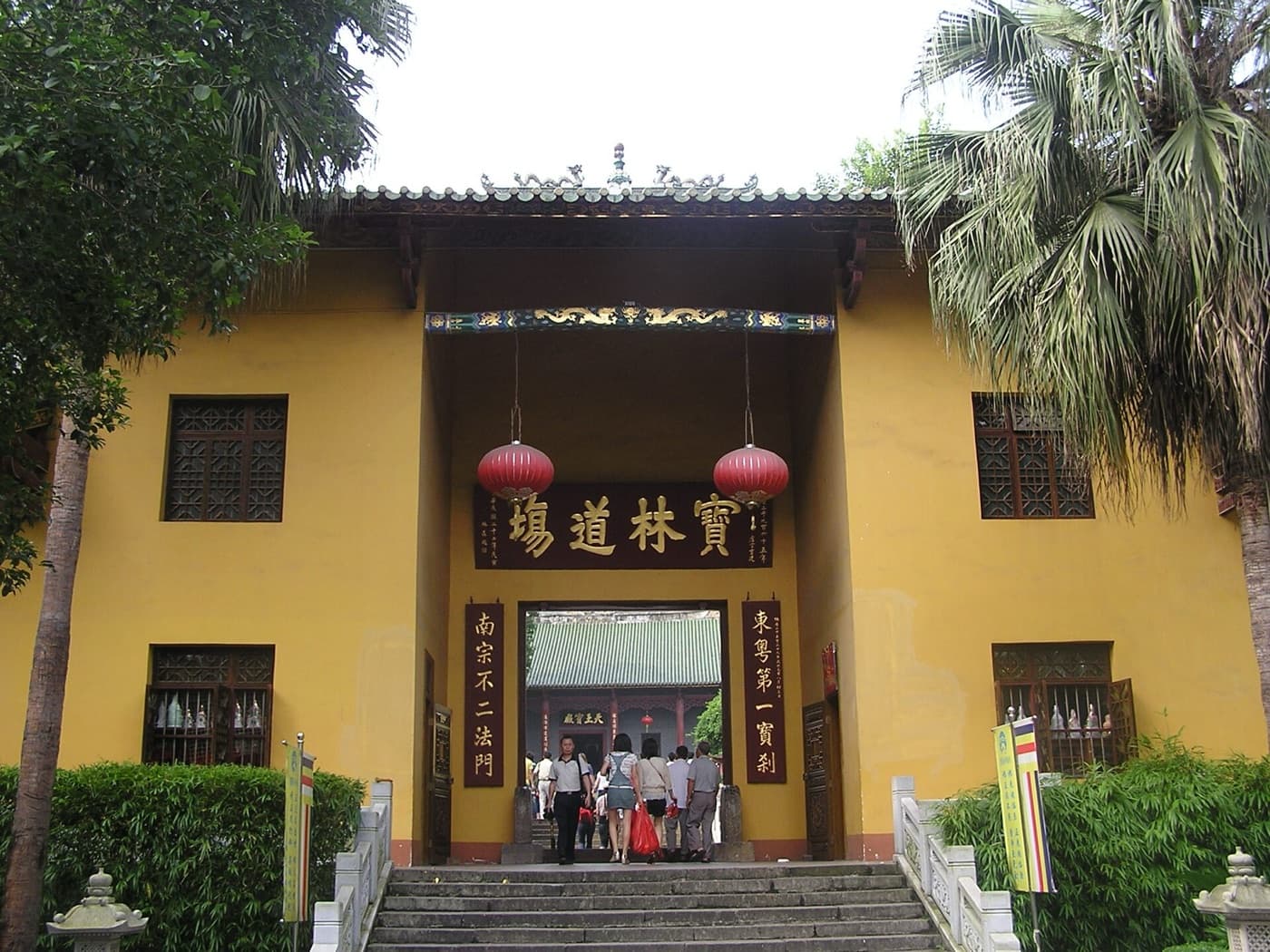
The Sixth Patriarch of Chan Buddhism, Huineng, presided over Caoxi and developed the Southern school of Chan. For this reason, Buddhists refer to Nanhua Temple as the “Ancestral Court” (Zuting). According to legend, after Huineng recited his famous verse “Bodhi has no tree,” the Fifth Patriarch secretly passed on his robe and bowl to him. Huineng then travelled south to this place to practise, founding one of the schools of Chan Buddhism.
¥20 · 2–3 hours