Enshi Tusi City
This site showcases the traditional architecture of the three main ethnic groups of the Enshi Prefecture: Tujia, Miao and Dong.…
Enshi Tusi City, Enshi
Key facts
- Admission
- ¥45
- Opening hours
- 2026.11.01-2027.03.31 08:00-17:30; 2027.04.01-2027.10.31 07:30-18:00
- Time needed
- 2–4 hours
- Getting there
- Take a bus from downtown Enshi to Tusi City stop (about 20 minutes); or take a taxi, about 2 km
- Guidebook rating
- 4 / 5
From China Self Guided Travel 2025, page 2036. Open in Google Maps
About Enshi Tusi City
This site showcases the traditional architecture of the three main ethnic groups of the Enshi Prefecture: Tujia, Miao and Dong. At the heart of the ethnic culture zone stands the Tujia “Jiujin Hall,” the largest, most typical and most spectacular replica Tujia stilted-house complex in China.
Frequently asked questions
How much does Enshi Tusi City cost?
Admission to Enshi Tusi City is ¥45, as listed in the 2025 guidebook. Prices can change; check the official channel before you go.
What are the opening hours of Enshi Tusi City?
Enshi Tusi City is open 2026.11.01-2027.03.31 08:00-17:30; 2027.04.01-2027.10.31 07:30-18:00.
How do I get to Enshi Tusi City?
Take a bus from downtown Enshi to Tusi City stop (about 20 minutes); or take a taxi, about 2 km
How long should I spend at Enshi Tusi City?
Plan on 2–4 hours for Enshi Tusi City.
Where is Enshi Tusi City?
Enshi Tusi City is in Enshi, Hubei Province, in the Central China of China. Northwest Enshi City, 500 metres from the city centre
More places in Enshi

Enshi Grand Canyon Scenic Area
Located near the Three Gorges of the Yangtze River, in Tunpu Township and Banqiao Town of Enshi City, this section of the Qingjiang Grand Canyon rivals the Grand Canyon in Colorado, USA, and ranks among the most beautiful canyons in the world. Highlights include hundred-li sheer cliffs, thousand-foot waterfalls, the solitary Aoxiao Peak, primeval forests, and ancient villages, all breathtaking in their own way.
Qixingzhai ¥185; Qixingzhai + cableway ¥290; combined scenic area ticket ¥265; combined scenic area ticket + cableway ¥370 · 1–2 days
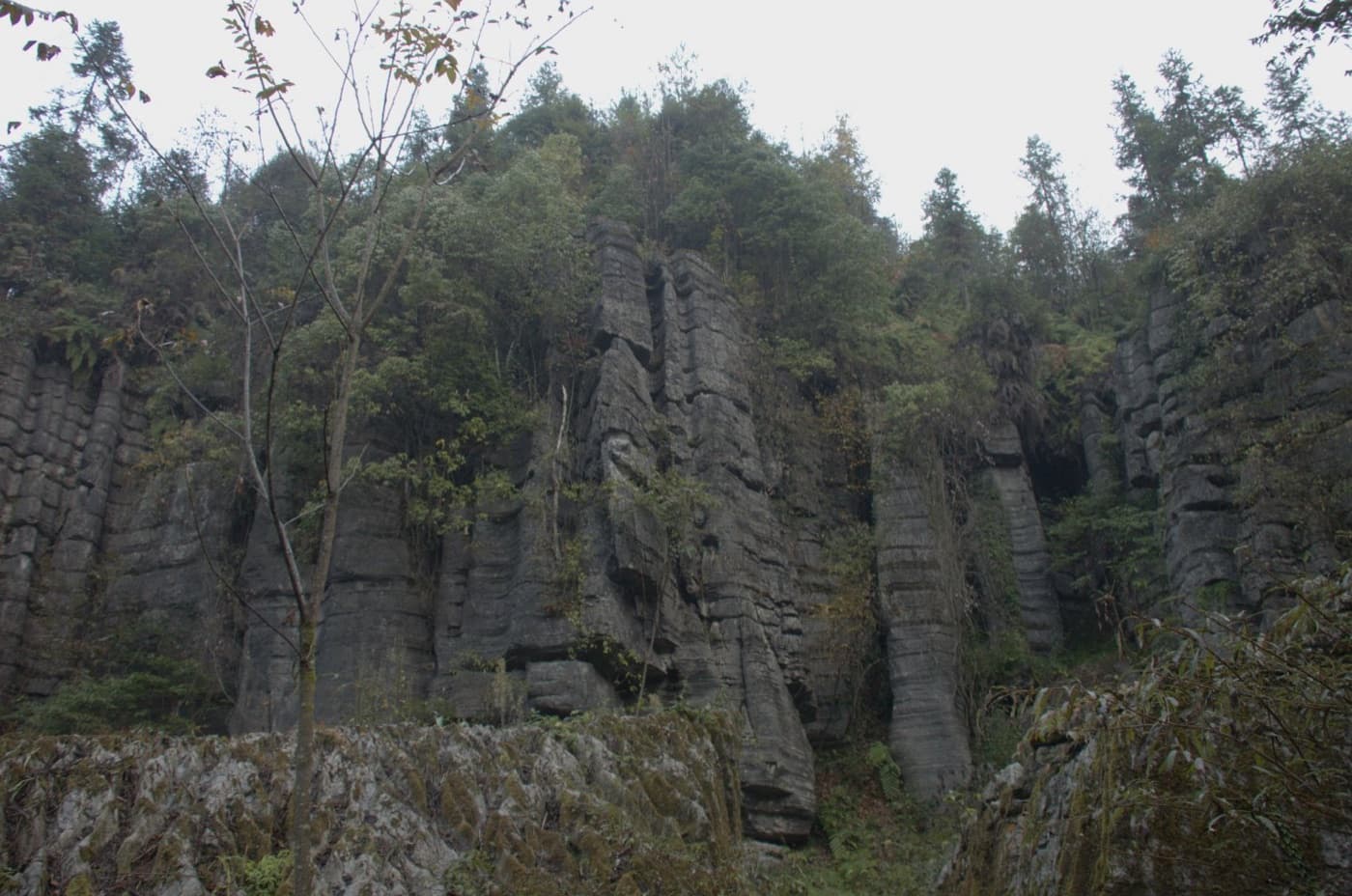
Suobuya Stone Forest
Known as the “Kingdom of Coolness,” the scenic area is an excellent place to escape the summer heat. Its unique “Rippled Patterns” and “Crown” rock formations are a highlight. It is home to the largest crowned stone forest in China. Visitors can also witness natural firefly displays.
¥108 (includes sightseeing bus) · 2–4 hours
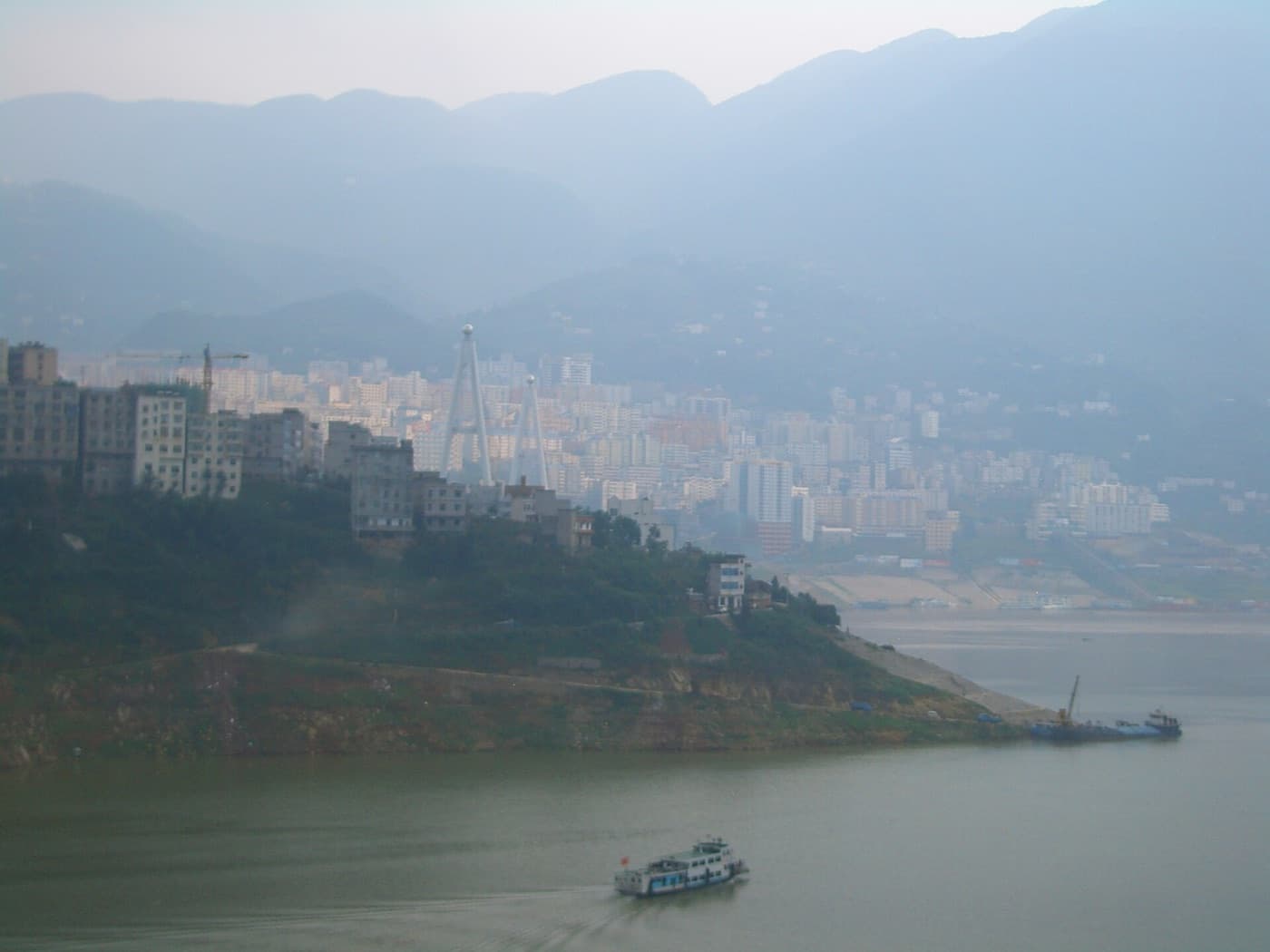
Shennong Stream
Known as the “Pearl of Western Hubei,” the river is divided into four natural gorge sections: Longchang Gorge, Parrot Gorge, Shennong Gorge and Jinzhu Gorge. The most distinctive experience is the Shennong Stream rafting, which uses a type of flat-bottomed boat shaped like a pea pod. Cruising along the stream, you’ll be surrounded by lush green banks and sheer cliffs, where ancient hanging coffins can still be seen.
¥140 · 2–3 hours
Tenglong Cave
One of China’s largest karst caves and one of the world’s premier cave systems. The dry cave extends 52.6 kilometres, with an entrance 74 metres high and 64 metres wide, making it Asia’s largest dry cave. The water cave swallows the waters of the Qingjiang River and forms a 23-metre waterfall, after which the river flows as an underground stream 16.8 kilometres long. Remarkably, the wet and dry caves are separated by just a single wall.
¥170 · 2–3 hours
Luyuanping Scenic Area
Hidden in a rift valley between the Liuliao and Zhongjian rivers lies an undeveloped and beautiful place called Luyuanping. Surrounded by sheer cliffs, its mountains, waters, forests, fields, roads and farmhouses have all remained in their natural state, thanks to the area’s unique terrain.
¥128 · 1–2 days