Diecai Hill
The hill takes its name from the rock strata that cross its slopes in layers, like stacked silk. Its main summit, Mingyue Peak, offers a view over the surrounding mountains,…
Diecai Hill, Guilin
Key facts
- Admission
- ¥25
- Opening hours
- 6:30–18:30 (peak season); 7:00–18:00 (off-season)
- Time needed
- 1–3 hours
- Getting there
- Near Dongzhen Road (东镇路) and Diecai Hill (叠彩山) bus stops
- Guidebook rating
- 3 / 5
From China Self Guided Travel 2025, page 2419. Open in Google Maps
About Diecai Hill
The hill takes its name from the rock strata that cross its slopes in layers, like stacked silk. Its main summit, Mingyue Peak, offers a view over the surrounding mountains, where the layered rock and riotously blooming wildflowers make the meaning of ‘Diecai’ (layered colours) immediately clear. Diecai Pavilion is one of the best vantage points for the scenery, and Bofu Hill is another.
Frequently asked questions
How much does Diecai Hill cost?
Admission to Diecai Hill is ¥25, as listed in the 2025 guidebook. Prices can change; check the official channel before you go.
What are the opening hours of Diecai Hill?
Diecai Hill is open 6:30–18:30 (peak season); 7:00–18:00 (off-season).
How do I get to Diecai Hill?
Near Dongzhen Road (东镇路) and Diecai Hill (叠彩山) bus stops
How long should I spend at Diecai Hill?
Plan on 1–3 hours for Diecai Hill.
Where is Diecai Hill?
Diecai Hill is in Guilin, Guangxi Zhuang Autonomous Region, in the South China of China.
More places in Guilin

Two Rivers and Four Lakes (Ring City Waterway)
More than 800 years ago, the Two Rivers and Four Lakes were as busy with boats as they are today, and the riverside residents, just like us now, treated this place as a lovely spot to enjoy the mountains and waters. The difference is that today's dazzling neon along the banks has replaced the red lanterns of the Song era. This ring-shaped waterway includes the Li River, Taohua River, Rong Lake, Shan Lake, Gui Lake and Mulong Lake. The riverside scenery goes without saying, but the most captivating moment of this colourful stretch is at night. Don't worry that darkness will obscure the views; on the contrary, night is when the waterway begins to show its enchanting charm. Whether you float on Dangbo Lake or stroll along the banks, you can enjoy the bewitching night scenery.
Two Rivers and Four Lakes night cruise: ¥210; Four Lakes night cruise (round trip): ¥175; One River and Four Lakes day cruise: ¥90 for adults; tower admission: ¥35 · 1–2 hours
Sun and Moon Twin Pagodas Cultural Park
The Sun and Moon Twin Pagodas are billed as the world’s number one bronze pagoda. They stand on the central axis of Guilin city, next to the Water Moon at Elephant Trunk Hill (象山水月). The Sun Pagoda is made of bronze, stands 41 metres tall and has nine storeys; you can take the lift to the top for a view over the city. The Moon Pagoda is a glazed tower, 35 metres tall with seven storeys, where visitors can pay their respects to the Old Man under the Moon, the god of matchmaking. The twin pagodas also hold a hidden wonder: a bridge beneath the lake’s surface between them. Today, the site has become one of Guilin’s most beautiful night-time viewing spots.
¥35 · 1 hour
Dongxi Lane
Dongxi Lane sits beside Prince City and is a mixed-use commercial district combining culture, shopping, dining, leisure and entertainment. It is the only surviving historic lane district in Guilin from the Ming and Qing dynasties, offering a window onto the city’s old character. It includes the East Lane of Zhengyang Street, Jiangnan Lane, Lanjing Lane and other traditional lanes. Here traditional culture meets distinctive architecture: the Ming and Qing-style buildings of old Dongxi Lane have been restored, presenting visitors with a multicultural historic district defined by ‘city lanes and famous mansions’.
2–3 hours
Solitary Beauty Peak · Prince City Scenic Area
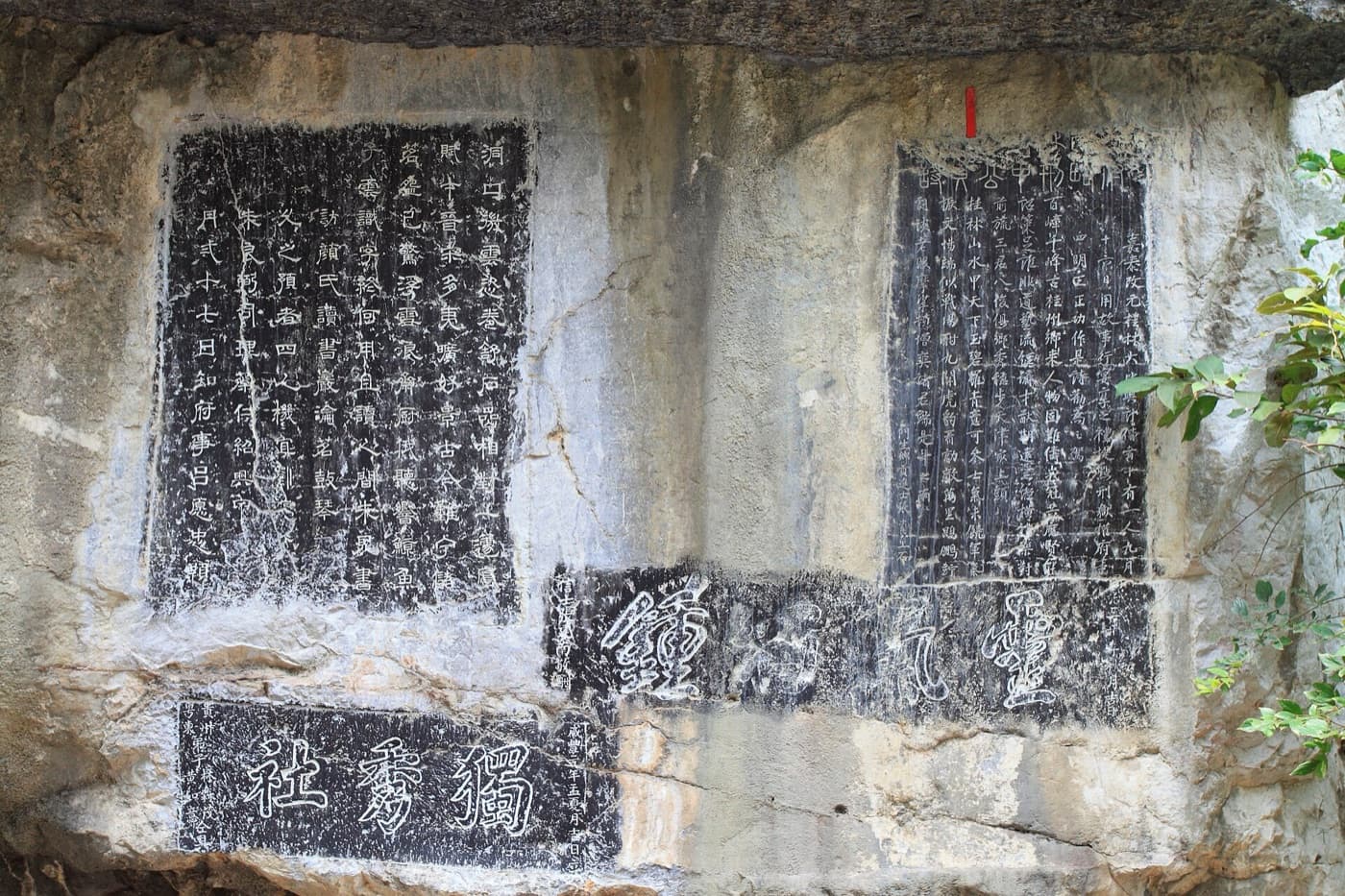
Solitary Beauty Peak, inside Prince City, is an excellent spot for a bird’s-eye view of all of Guilin. Twelve generations of 14 princes lived here. The palace was built when Zhu Shouqian, a grandnephew of Ming founder Zhu Yuanzhang, was enfeoffed as Prince of Jingjiang. It is the best-preserved Ming dynasty princely palace in China. The famous line ‘The landscapes of Guilin are the finest under heaven’ (桂林山水甲天下) comes from a Song dynasty inscription on Solitary Beauty Peak inside the palace.
¥100 · 3–4 hours
Reed Flute Cave
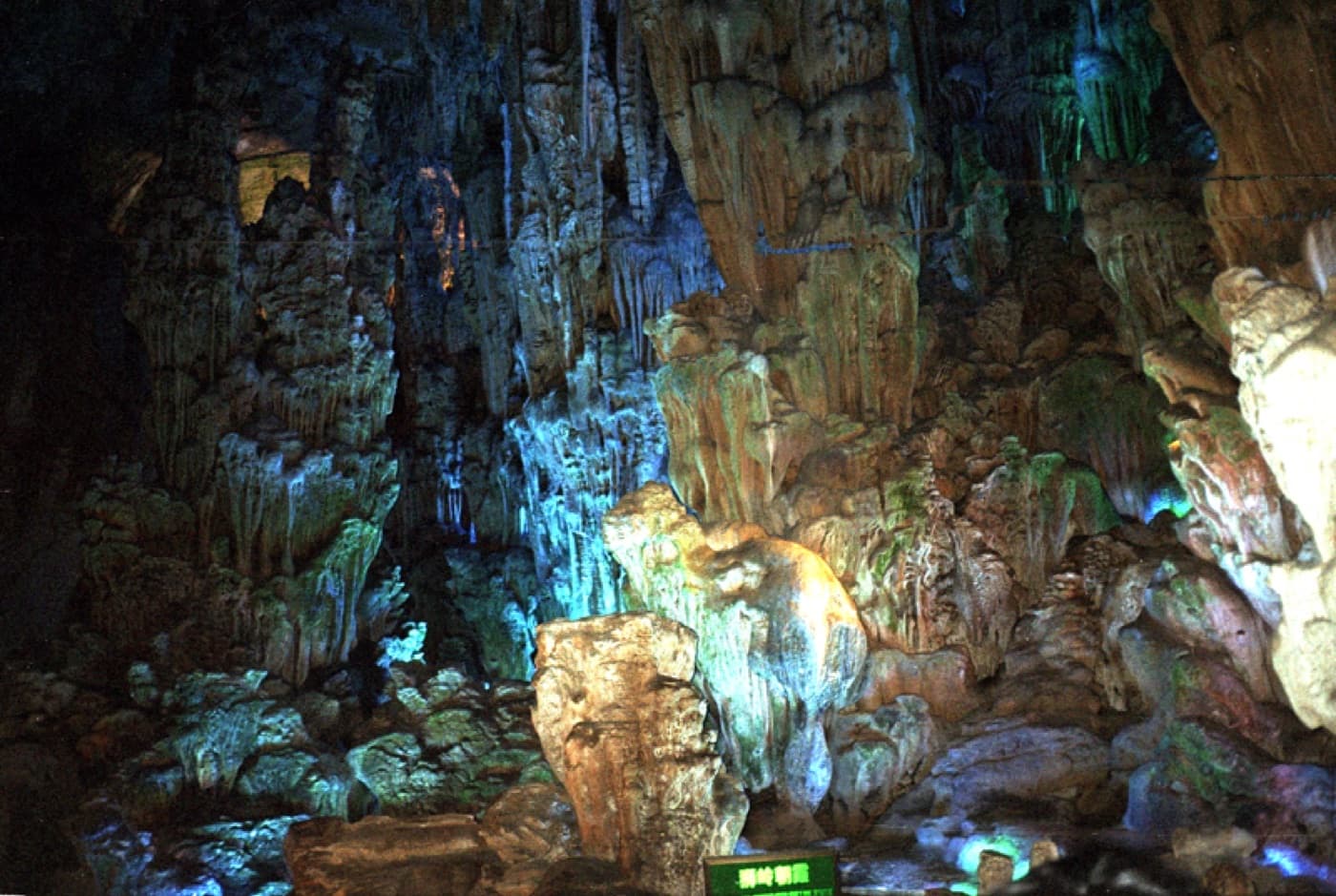
Walking into Reed Flute Cave is like drawing back one curtain after another, and with each passage you will feel as though you have stepped into another world. Thousands of rock formations, each with its own character, are magnificent, sacred or eccentric, and a slow stroll will leave you full of wonder. The Crystal Palace is the grandest part of the cave, and its stalactites closely resemble the scene of the Monkey King (孙悟空) raiding the Dragon King’s palace in the East Sea, full of mythological charm. However, the cave shows considerable human alteration and its ticket is relatively expensive, so those who are not keen on such caves may wish to skip it.
¥90 · 1 hour
Elephant Trunk Hill Scenic Area
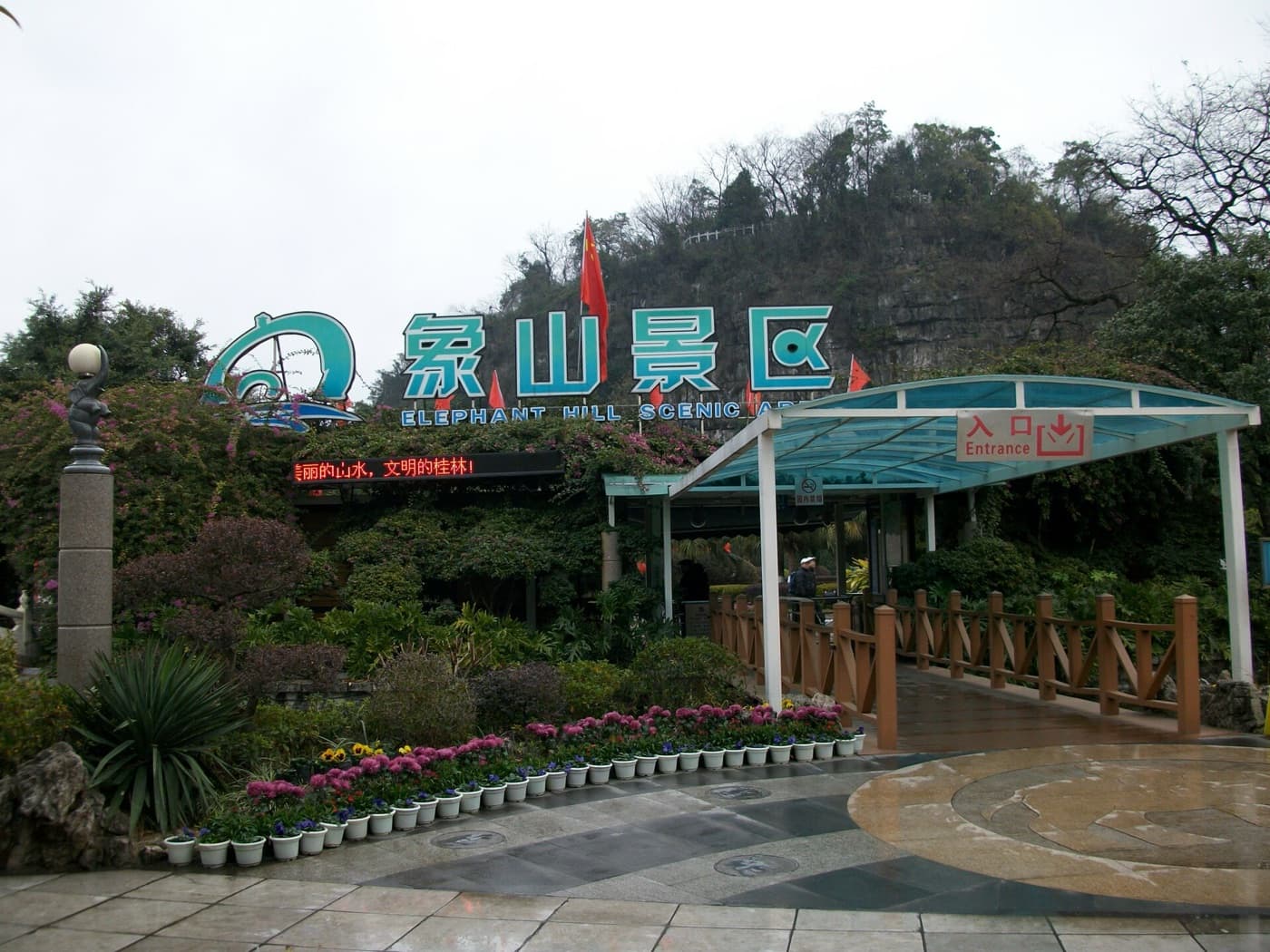
The closest way to see Elephant Trunk Hill is to rent a raft and drift out on the lake. Be sure to take plenty of photos as you soak up the views, or your trip to Guilin will feel incomplete. To most Guilin locals, Elephant Trunk Hill is the symbol of the city. Formed from limestone that settled on the seabed hundreds of millions of years ago, it is a classic example of karst landscape. The park also holds cliff inscriptions, the most valuable of which is Lu You’s poetic letter (陆游诗札), which lovers of classical literature should not miss.
1–2 hours