Confucius Forest
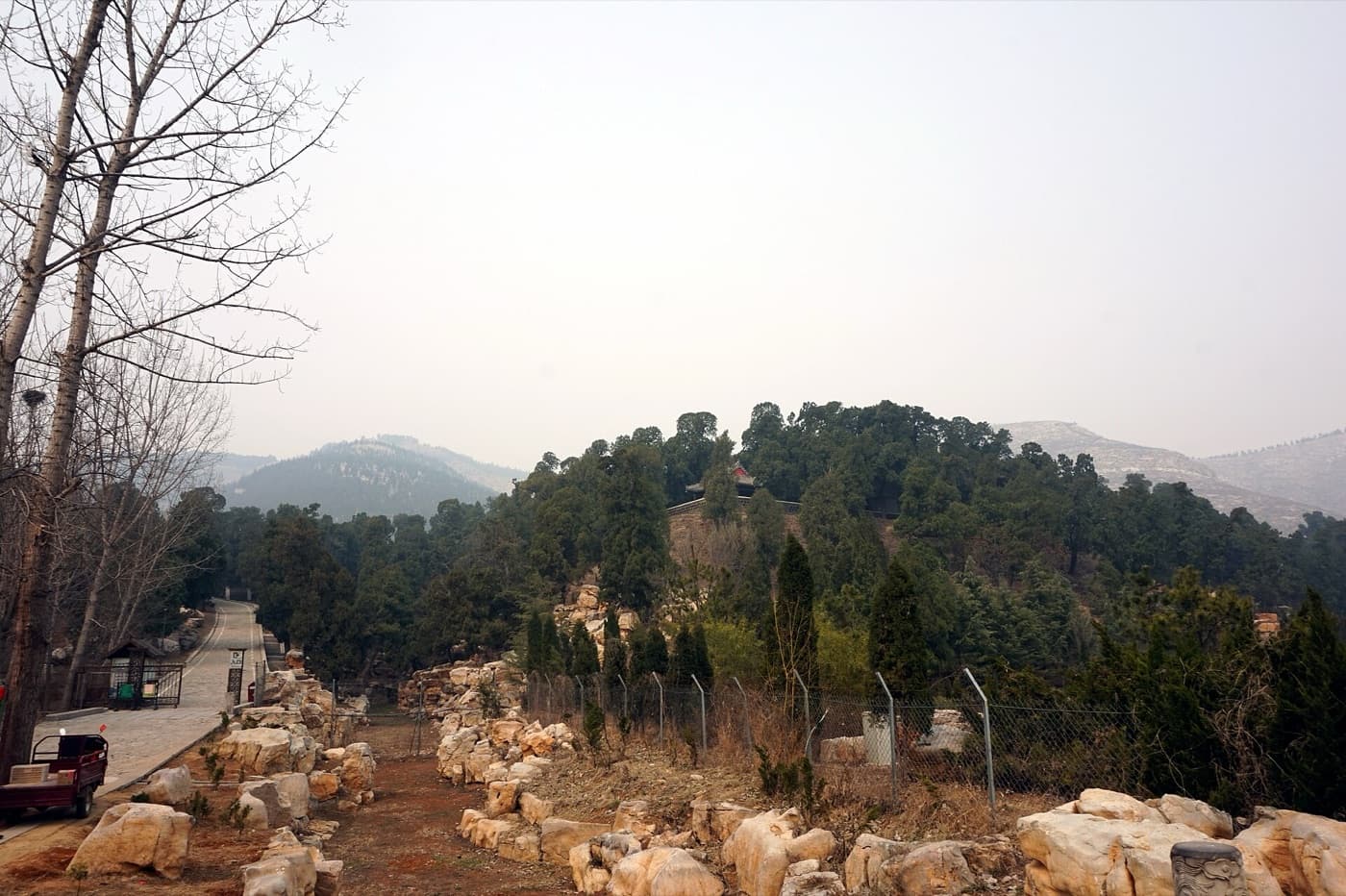
The Confucius Forest is the private cemetery of Confucius and his family, and is said to be the longest-used and largest family cemetery in the world.…
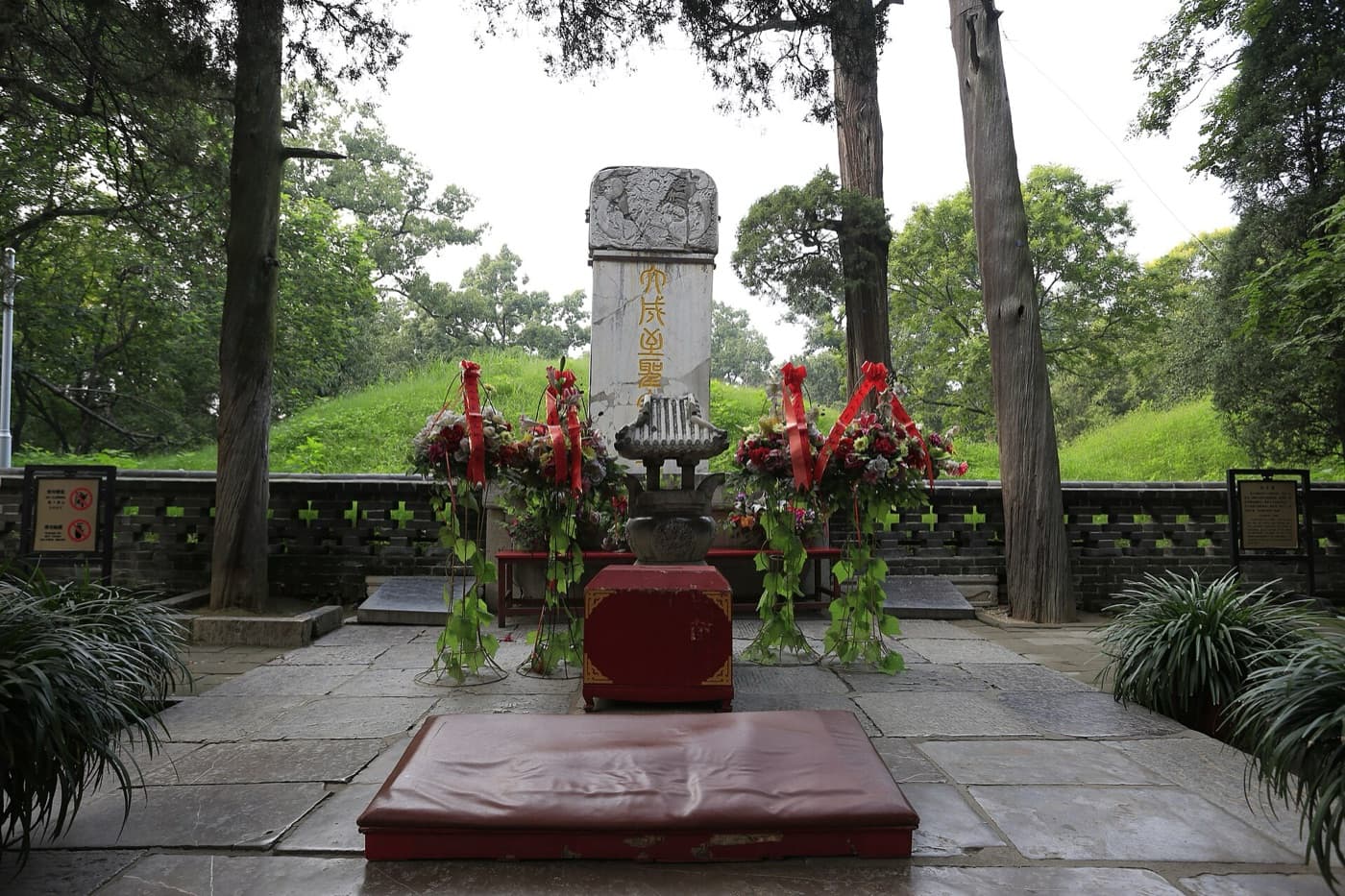
Confucius Forest, Qufu · Zhangzhugang · CC BY-SA 4.0 · Wikimedia Commons
Key facts
- Admission
- ¥10; ¥50; combined ticket for Shouqiu and Shaohao Mausoleum: ¥50
- Opening hours
- 8:30—16:30
- Time needed
- 1–2 hours
- Getting there
- From the Confucius Mansion it is a short walk to the Confucius Forest, or take a bus to Fengjia Village (bus stop). From the Confucius Mansion, walk north along Gulou Street, or take Bus No. 1 or a pedicab. Duke of Zhou Temple: The Duke of Zhou is practically a household name in China. This site, a place to contemplate the past in the present, sees few visitors and is very quiet.
- Guidebook rating
- 4 / 5
From China Self Guided Travel 2025, page 1362. Open in Google Maps
About Confucius Forest
The Confucius Forest is the private cemetery of Confucius and his family, and is said to be the longest-used and largest family cemetery in the world. Within the forest are more than 100,000 trees and several hundred plant species. Amid the dense foliage stand forests of stone steles and statues, including more than 3,600 steles from the Tang, Song, Jin, Yuan, Ming and Qing dynasties, making it a veritable forest of steles. In 1904, when surveyors were mapping the Tianjin–Pukou Railway, the original route was to pass through Qufu. Because it lay so close to the western wall of the Confucius Forest, there were fears it would “disturb the sacred tombs” and “damage the sacred lineage,” so the railway instead made a large detour through Qufu to the southwest. This is why visitors to Qufu must first alight at Yanzhou and then transfer to a bus.
Tips from the guidebook
- At the Confucius Forest, Kong Mansion regular-script seal carving is sold. If you would like a stone seal as a souvenir, it can be collected in just 20 minutes.
More from the guidebook
One-line recommendation
Yan Temple: A temple honouring Yan Hui, Confucius's favourite disciple, housing more than 60 steles. Confucius praised Yan Hui more than anyone else, calling him a diligent learner and a man of benevolence.
Frequently asked questions
How much does Confucius Forest cost?
Admission to Confucius Forest is ¥10; ¥50; combined ticket for Shouqiu and Shaohao Mausoleum: ¥50, as listed in the 2025 guidebook. Prices can change; check the official channel before you go.
What are the opening hours of Confucius Forest?
Confucius Forest is open 8:30—16:30.
How do I get to Confucius Forest?
From the Confucius Mansion it is a short walk to the Confucius Forest, or take a bus to Fengjia Village (bus stop). From the Confucius Mansion, walk north along Gulou Street, or take Bus No. 1 or a pedicab. Duke of Zhou Temple: The Duke of Zhou is practically a household name in China. This site, a place to contemplate the past in the present, sees few visitors and is very quiet.
How long should I spend at Confucius Forest?
Plan on 1–2 hours for Confucius Forest.
Where is Confucius Forest?
Confucius Forest is in Qufu, Shandong Province, in the East China of China. 1 km northeast of Qufu Shouqiu: Said to be the ancestral home of the Yellow Emperor. Its mausoleum looks remarkably like a pyramid and, of course, serves the same purpose.; East of Jiuxian Village, 4 km east of Qufu city centre Wanren Gongqiang (Wall of Ten Thousand Ren): Originally named Yangsheng Gate, it expresses people's praise and reverence for Confucius. When Emperor Qianlong visited the Temple of Confucius in Qufu to offer sacrifices, he replaced the original plaque with his own calligraphy, “Wanren Gongqiang”, to show his esteem for Confucius.; 50 m due south of 18 Gulou North Street, Qufu, Jining City Xianhe Flower Sea: “So close to the city, yet within nature.” Escape the bustle of urban life here and enjoy different pleasures of life. Experiencing waterside life, where the water's liveliness brings endless vitality, makes it a great place to take children.; North of Weizhuang Village, National Highway 104, Qufu, Jining City
More places in Qufu
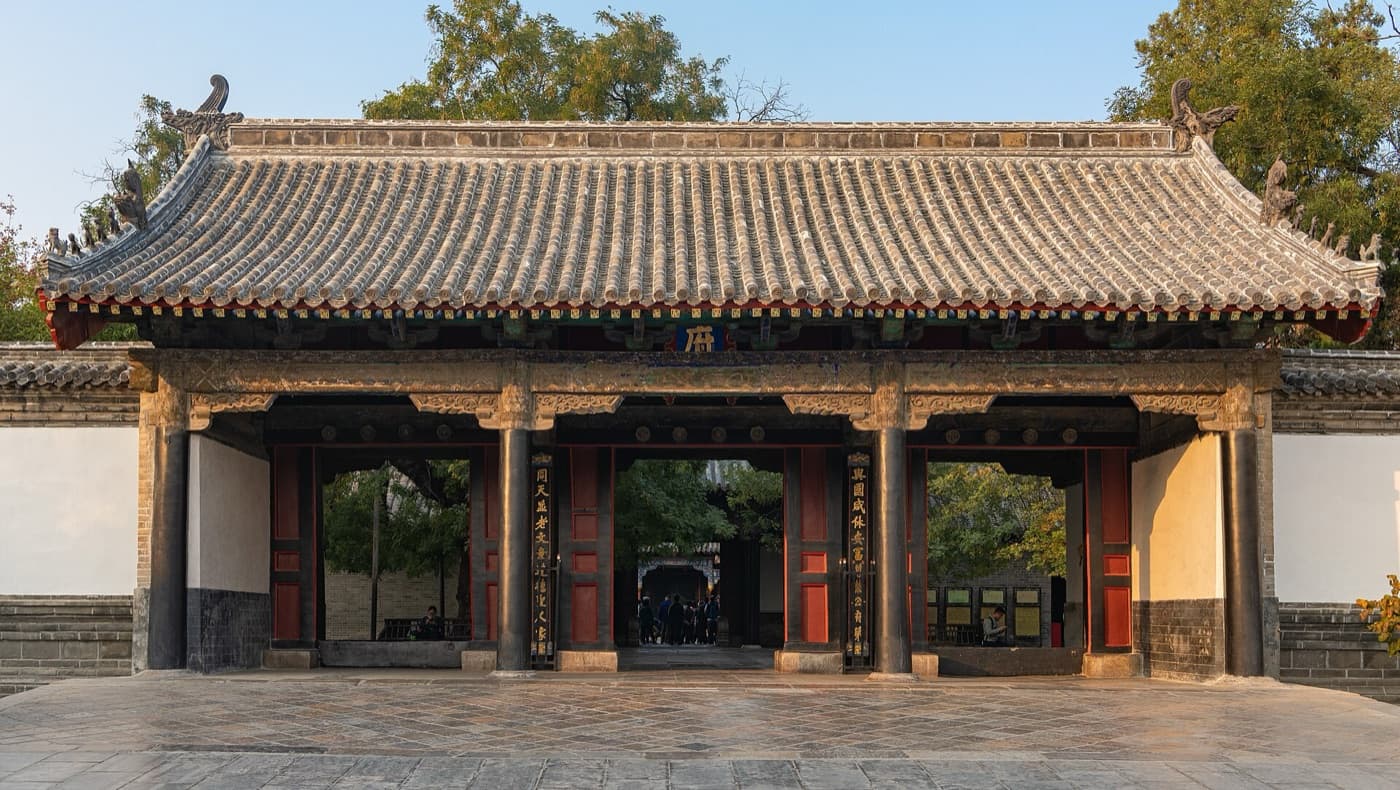
Confucius Mansion
The ancestral residence of the Kong family. Its scale ranks below the imperial residences of the Ming and Qing dynasties, which speaks to the prosperity and flourishing of the Kong household. The 'Ten Vessels of the Shang and Zhou' (also known as the 'Ten Offerings') were originally bronze ritual vessels kept in the imperial court, and they are the most precious items in the Mansion's collection. Cultural relic enthusiasts will find plenty to feast their eyes on here.
¥60 in peak season · 1–2 hours
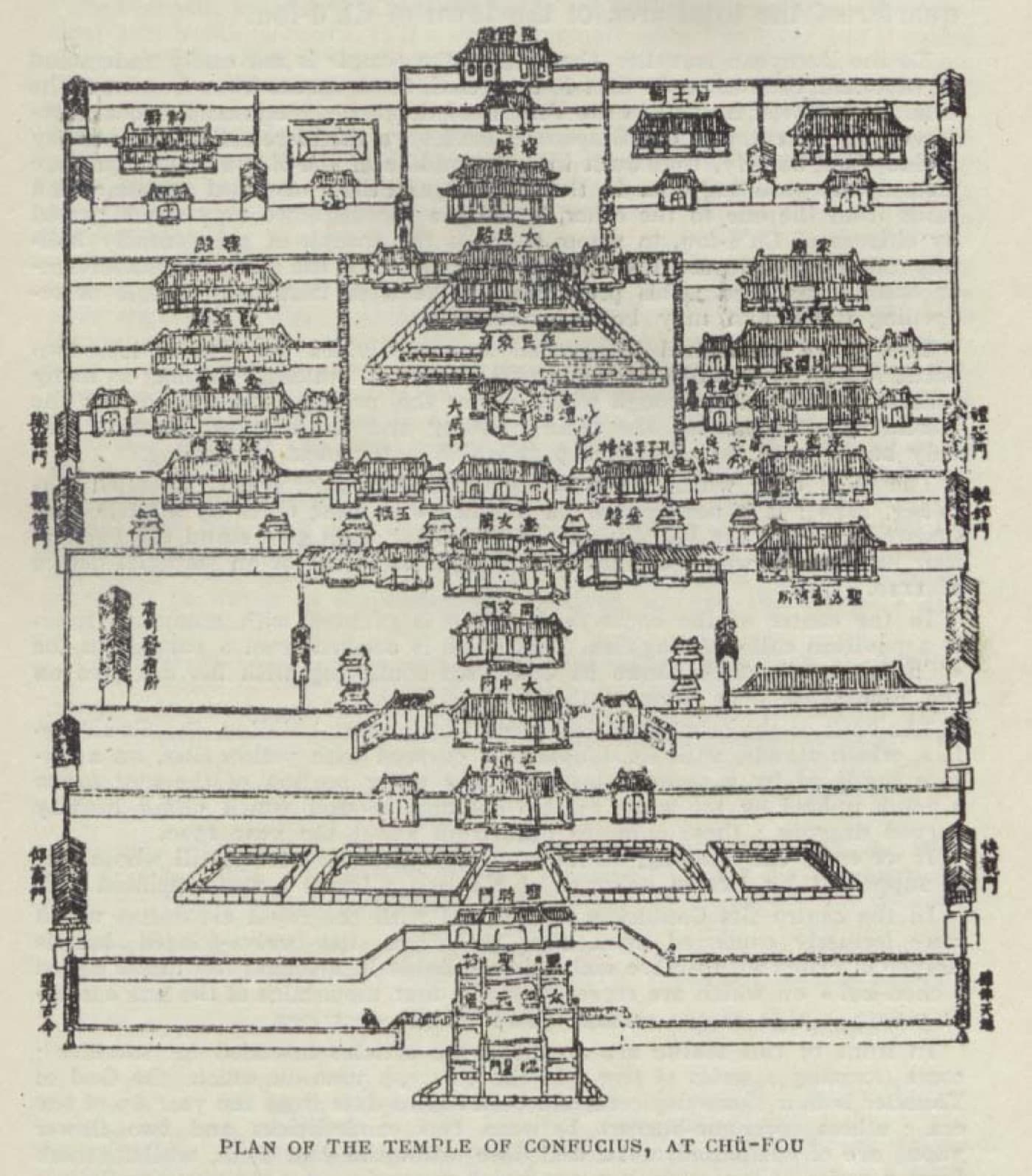
Confucius Temple
The curved, towering ancient walls rise high and proud. Step inside the Confucius Temple and your eyes will be filled with things connected to Confucius. The 'Cypress Planted by the Early Master', which Confucius planted himself, the 'Apricot Altar' where Confucius taught, the towering thousand-year-old cypress trees and the white egrets flitting between them, together with Dacheng Hall, showcase the exquisite artistry of ancient Chinese architecture. The dragon pillars in front of the hall, holding pearls in their mouths and treading on clouds and waves, add to the imposing dignity of the building.
¥80; ¥140 for the Three Confucian Sites combined ticket · 2–3 hours
Mencius' Hometown
The birthplace of Mencius, the “Second Sage,” in Fu Village, Zoucheng City. The site comprises the “Four Mengs” architectural complex: the Temple of Mencius, the Mansion of Mencius, the Forest of Mencius and the Mengmu Forest. Its natural and cultural landscapes complement each other, and it has a quieter charm than the Three Confucian Sites. Temple of Mencius: Spread across five courtyards from front to back, with more than 60 halls and pavilions. Centred on the main building, the Yasheng Hall, the complex forms a north–south axis. The Yasheng Hall has a double-eaved, nine-ridged roof. Inside, a statue of Mencius sits at the centre, and above the lintel hangs a plaque inscribed by the Yongzheng Emperor reading “Guard the Past, Await the Future.” Mansion of Mencius: The residence of Mencius's descendants and the hereditary Five Classics Doctors of the Hanlin Academy, also called the “Second Sage's Mansion.” Located west of the Temple of Mencius, separated from it by a road, it has seven courtyards front to back. Its overall layout is grand and dignified, with a refined elegance tinged with a certain majesty. Forest of Mencius: Also known as the “Second Sage's Forest,” it is the family cemetery for Mencius and his descendants. Its dense, ancient trees make it one of the largest and oldest family cemeteries still existing in China. Mengmu Forest: The burial ground of Mencius's mother, Lady Zhang, and some members of the Meng clan. Cypress trees cover the hills and slopes, the shade is deep, and burial mounds stretch across the forest. A ceremonial hall stands on the east side.
Free · 1–2 hours
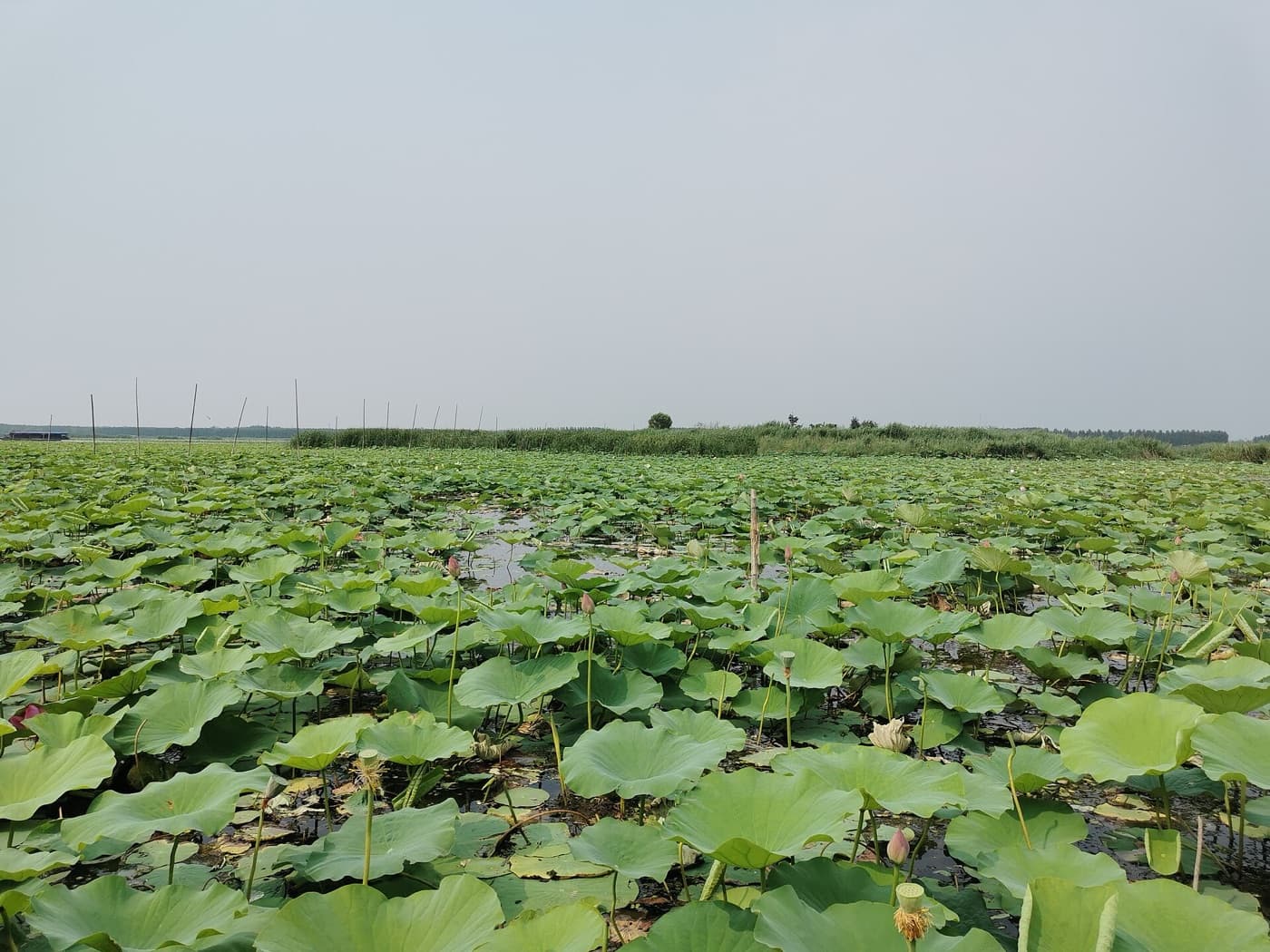
Weishan Lake Tourist Area
Weishan Lake, famous nationwide thanks to the film *Railway Guerrillas*, is made up of four interconnected lakes: Weishan, Zhaoyang, Dushan and Nanyang. It is the largest freshwater lake in northern China. Weishan Island is the largest island in the lake and is rich in historical sites, including the tomb of Viscount Wei of the Yin and Zhou dynasties, the tomb of Zhang Liang from the early Han dynasty and the tomb of Muyi from the Spring and Autumn period. The Railway Guerrillas Monument is also here for visitors to pay their respects.
Weishan Lake entry ticket ¥100; Weishan Lake National Wetland Park entry ticket ¥40 · 1–2 days
Shuibo Liangshan (Liangshan Marsh)
A provincial-level scenic area developed around the cultural heritage of the “Water Margin” (Outlaws of the Marsh), comprising the Liangshan Scenic Area and the Shuibo Scenic Area. Mountains lie to the south and water to the north, creating distinct natural scenery and tourist features. In the Northern Song dynasty, heroes such as Chao Gai and Song Jiang held out at Liangshan, and many historic sites from that time remain.
¥60 · 4–5 hours
Mount Ni
The birthplace of Confucius. On the mountain are the Temple of Confucius, the Qufu Mount Ni Temple of the Mountain God and the Qufu Mount Ni Academy. The Mount Ni Confucius Temple and Mount Ni Academy were restored by several generations of Confucius's descendants, and they are simpler and more unpretentious than the official temples built by successive dynasties.
Three Confucian Sites combined ticket at 20% off; ¥50 if purchased separately · 0.5–1 day