China Art Museum
The China Art Museum (中华艺术宫) is a large art palace converted from the China Pavilion of the 2010 Shanghai World Expo. It mainly displays modern and contemporary art,…
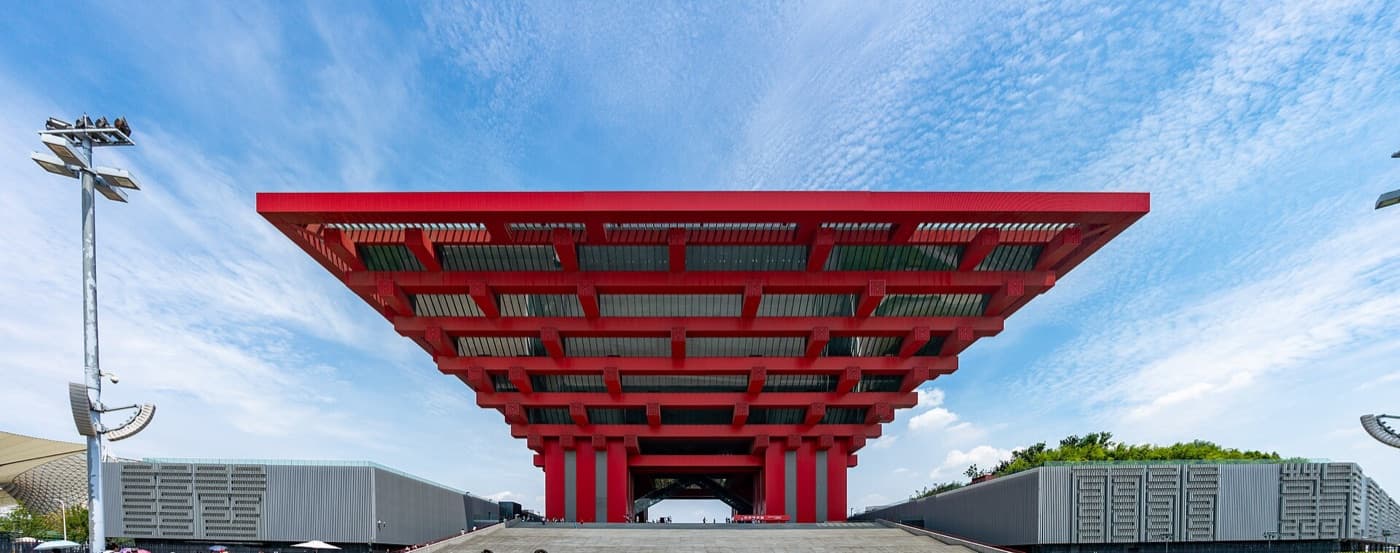
China Art Museum, Shanghai · Iswzo · CC BY-SA 4.0 · Wikimedia Commons
Key facts
- Admission
- Free; some exhibitions charge admission, generally ¥10–20
- Opening hours
- Closed on Mondays. Open Tuesday to Sunday, 10:00–18:00. Last admission at 17:00
- Time needed
- 2–3 hours
- Getting there
- Near the China Art Museum bus stop, China Art Museum metro station and Yaohua Road metro station
- Guidebook rating
- 4 / 5
From China Self Guided Travel 2025, page 923. Open in Google Maps
About China Art Museum
The China Art Museum (中华艺术宫) is a large art palace converted from the China Pavilion of the 2010 Shanghai World Expo. It mainly displays modern and contemporary art, filling a gap in Shanghai’s art museum system. The multimedia version of the “Along the River During the Qingming Festival” (《清明上河图》), the star attraction of the China Pavilion at the Expo, will also be permanently displayed here. If you missed the Expo, this is a must-see.
Frequently asked questions
How much does China Art Museum cost?
Admission to China Art Museum is Free; some exhibitions charge admission, generally ¥10–20, as listed in the 2025 guidebook. Prices can change; check the official channel before you go.
What are the opening hours of China Art Museum?
China Art Museum is open Closed on Mondays. Open Tuesday to Sunday, 10:00–18:00. Last admission at 17:00.
How do I get to China Art Museum?
Near the China Art Museum bus stop, China Art Museum metro station and Yaohua Road metro station
How long should I spend at China Art Museum?
Plan on 2–3 hours for China Art Museum.
Where is China Art Museum?
China Art Museum is in Shanghai, Shanghai Municipality, in the East China of China. 205 Shangnan Road, Pudong New Area, Shanghai
More places in Shanghai

Shanghai Museum
Its collection and architecture are truly first-class. Focusing on ancient Chinese art, its collection, exhibitions and research aim to present the complete development history of each artistic category. Its system, richness and quality are highly renowned at home and abroad. Moved here in 1995, the museum has a distinctive design that follows the traditional Chinese concept of 'round heaven, square earth'. Its overall form resembles a dignified ancient bronze vessel. The Shanghai Museum holds half of China's ancient art treasures, and its galleries have no showy gimmicks, yet they will leave visitors astonished by China's history.
Free admission, though some special exhibitions require tickets, with prices varying · 3+ hours

Old City God Temple
A crash course in old Shanghai folk culture. The Old City God Temple has long been like a grand temple fair that never ends. Whatever you might look for at other temple fairs, you'll find here, with its snacks and distinctive handicrafts the most famous of all. The Old City God Temple was built during the Yongle era of the Ming dynasty. Historically, the temple was repeatedly destroyed and rebuilt. The current temple was built in 1926 and rebuilt on a large scale in the 1990s, becoming a large, antique-style architectural complex and commercial district. The renovated old temple may have lost some of the atmosphere of the old city district, yet visitors still flock here, a testament to its enduring charm. The saying “Gold from the Old Temple brings you good luck” is known far and wide.
Free · 1–3 hours

Zhujiajiao Ancient Town
The best-preserved Jiangnan water town near Shanghai. Its waterside townscape, thousand-year history, historic sites and cultural charm define Zhujiajiao. It has less commercial bustle than many other towns, so it feels fresh and relaxed.
Free; folk customs tour ¥30; New Water Town heritage tour ¥60

Jiading Ancient Town
This ancient town, with over 780 years of history, still preserves pagodas, temples, monasteries and old trees. Most visitors come for Zhouqiao Old Street. Lying on the same central axis as the Fahua Pagoda, about 500 meters from it, are the Confucian Temple, Huilong Pool and Yingkui Hill, another distinctive scenic area beside Zhouqiao Old Street. The Confucian Temple in particular is considered the number one in Wuzhong.
The Bund
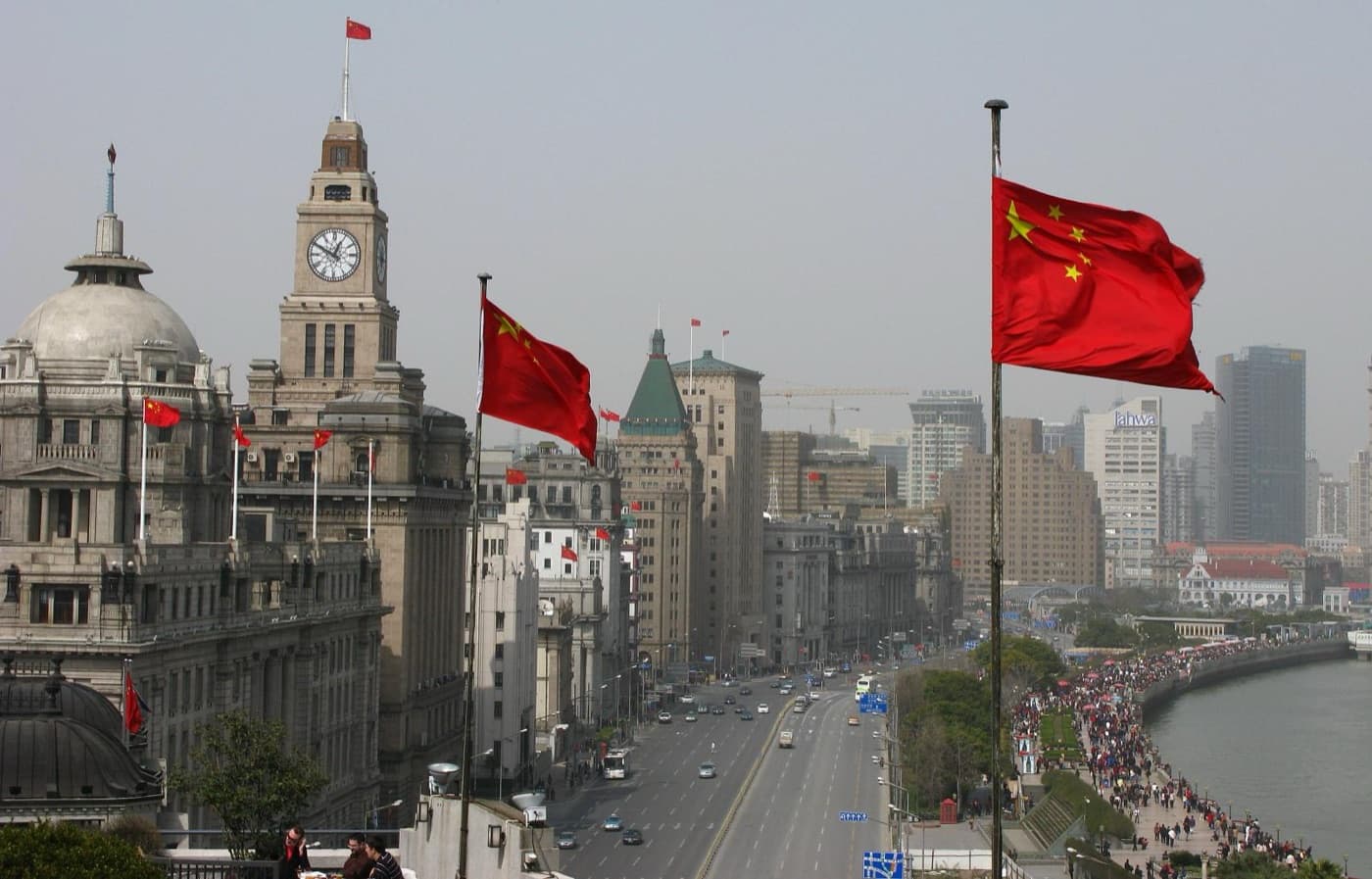
Someone once said, “The story of the Bund is the story of Shanghai.” To explore the Bund is to feel the soul of Shanghai. The riverside path, first trodden by trackers’ feet more than 150 years ago, has become a symbol of Shanghai. Along the western side of the Bund stand buildings of every imaginable style, Chinese and Western. Along the 1.5-kilometre stretch from Waibaidu Bridge (外白渡桥) in the north to Jinling Dong Lu (金陵东路) in the south, 52 Western-style and Sino-Western buildings rise side by side. The most famous is the HSBC Building, modelled on ancient Greek architecture with its domed roof. It was once called “the most magnificent building east of the Suez Canal and west of the Bering Strait.” The pair of bronze lions at its gate has stood for more than 70 years. Standing on the Bund, you are already in the midst of Shanghai’s history and change. On one side of the Huangpu River lies Shanghai’s past: the Western buildings, once called a showcase of world architecture, were a paradise for international adventurers, and are now largely owned by banks and insurance companies with state backing. Across the river rise the sleek new skyscrapers of the Lujiazui financial district. The adventurers’ descendants have returned to Shanghai through modern skyscrapers, and the old dreams have taken root at a new height in a new century. Today, top restaurants and international luxury brands have moved in, making the Bund one of Shanghai’s most fashionable districts. The once-famous Shanghai Club at Three on the Bund (外滩3号) is now an urban landmark housing top fashion boutiques and upscale restaurants. Many Bund buildings house restaurants. Upper floors typically hold fine-dining Western restaurants and bars, many with terraces overlooking the Huangpu River and the Pudong skyline. Restaurants on lower floors are more affordable, and some offer window seats with views. The POP Terrace restaurant and bar at Three on the Bund and Bar Rouge at Bund 18 both offer stunning views of Lujiazui. For the best experience, dine on the terrace at midday on a sunny day or during afternoon tea. Visiting in the evening also offers a different charm.
Old Villas
Old villas are Shanghai’s most classic residences. These exotic garden villas mostly have prominent backgrounds or romantic stories full of poetry and painting. Their fairy-tale charm was once the envy of everyone, and today’s young people also dream of these luxurious buildings. Hengshan Road is lined with garden houses once owned by powerful and wealthy figures of the past. It starts at Huaihai Middle Road in the former French Concession and continues to Xujiahui, with consulate buildings nearby. Dense French plane trees line both sides of the road, sheltering old buildings full of mysterious stories. Many of these old houses on Hengshan Road, with their vintage street lamps, have been refurbished and repurposed. For example, the residence of Xi Deyi, former governor of the Central Bank of the Nationalist Government, became the Shanghai-style restaurant “Xijia Garden (席家花园),” and the mansion of H. H. Kung (孔祥熙) became the Shanghai Film Studio. More and more old villas have been turned into distinctive restaurants and bars, now the most popular dating spots for young people. Lilac Garden: Said to be where Li Hongzhang (李鸿章) kept his hidden love, this is an American-style garden villa. Building No. 3 houses a library with many rare books and antiquities. To the south of the garden lies a large expanse of green lawn with classically styled park benches.