Changbai Waterfall
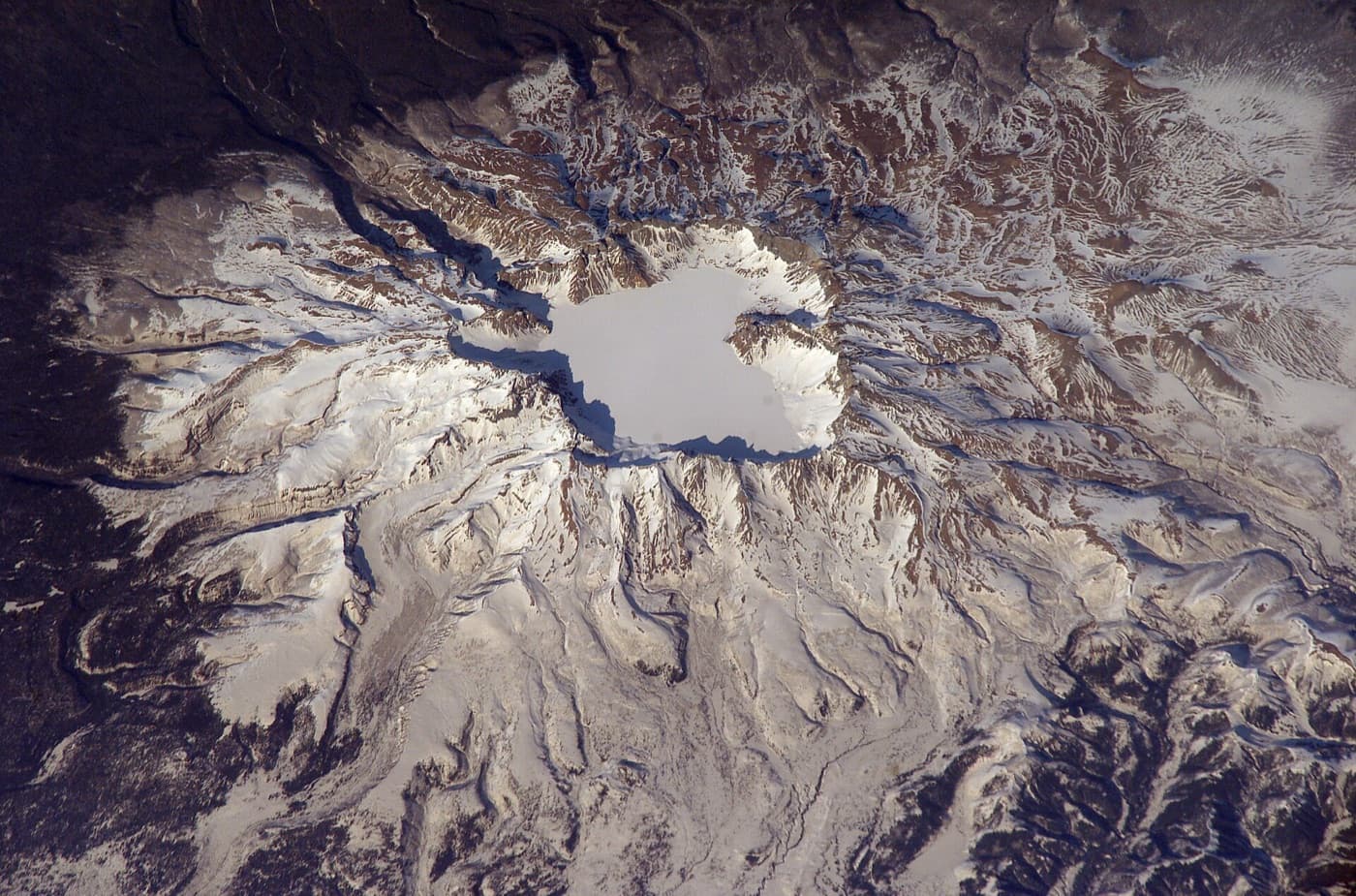
Located on the north side of Heaven Lake, the waterfall drops 68 metres, with a pool more than 20 metres deep at its base. In winter,…
Changbai Waterfall, Changbai Mountain · NASA · Public domain · Wikimedia Commons
Key facts
- Guidebook rating
- 4 / 5
From China Self Guided Travel 2025, page 2230. Open in Google Maps
About Changbai Waterfall
Located on the north side of Heaven Lake, the waterfall drops 68 metres, with a pool more than 20 metres deep at its base. In winter, when the spray freezes into ice particles that shoot out like fireworks, the falls are especially striking.
The Chengcha River upstream of the waterfall flows out of Heaven Lake and is therefore also known as the “Heavenly River.” Its scenery is exceptionally beautiful.
Tips from the guidebook
- Visitors entering from Changbai Mountain Hotel can see the waterfall from Waterfall Viewing Slope. The best viewpoints are the Waterfall Viewing Pavilion and the spot known as “Swallows Kissing the Falls.”
- Changbai Waterfall
Frequently asked questions
Where is Changbai Waterfall?
Changbai Waterfall is in Changbai Mountain, Jilin Province, in the Northeast of China.
More places in Changbai Mountain

Heaven Lake (Tianchi)
A sacred body of water that has captivated people for centuries, Heaven Lake is not only magnificent but also mysterious. It is China’s largest volcanic crater lake, formed naturally by volcanic eruptions. Visiting Changbai Mountain without seeing Heaven Lake would be a lifelong regret. The area is often shrouded in mist, giving it an otherworldly quality. The lake’s water is clear and calm, as if it came from beyond the human world, which highlights its spiritual charm. Because Changbai Mountain’s weather changes quickly, Heaven Lake often appears and disappears from view, adding to its alluring, fairy-tale mystery. Even in winter, the frozen white surface of the lake, set high in the mountains, is so pure that it will leave you breathless. As the iconic landmark of Changbai Mountain, Heaven Lake is best visited in September, when the autumn scenery shows its unrivalled beauty.
Included in the North and West Scenic Area admission tickets · 2–3 hours
Alpine Garden
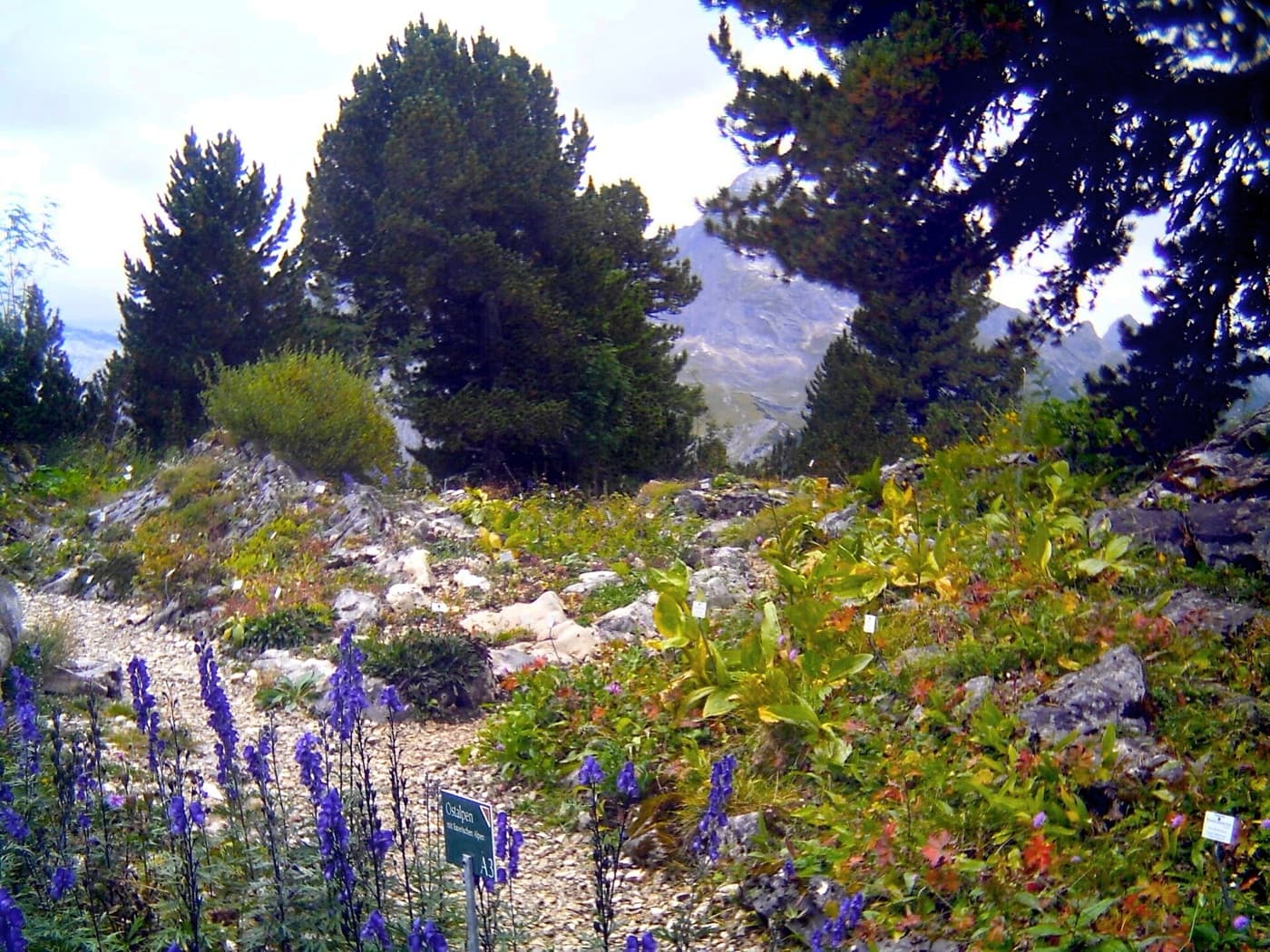
A recently developed attraction on the west slope. The best time to visit is July and August, as the scenic area shuttle buses do not go there at other times. In summer, flowers bloom all around, and because Changbai Mountain’s summer is very short, this brief season is especially precious. Every year on July 5, the west slope scenic area hosts the High Mountain Flower Festival, which draws enormous crowds.
Changbai Mountain Hot Springs
Changbai Mountain has one of China's most concentrated clusters of hot springs. Within about 1,000 square metres beneath Heifengkou Pass, dozens of springs range from bowl-sized to finger-thin. In winter especially, steam rises and curls through the air while everything around is covered in snow and ice. Most Changbai Mountain hot springs are high-temperature springs, with water usually above 60°C and the hottest vents reaching 82°C, hot enough to boil an egg. Among the best known are Changbai Hot Spring, Tiyun Hot Spring and Hubin Hot Spring.
Free China–DPRK cross-border tour: Visit Hyesan, Samjiyon, the Great Monument, the Paektu Mountain Secret Camp, Jongil Peak, Ryongmyong Waterfall, the Pochonbo battle site, the Pochonbo Victory Monument, the Ryanggang Provincial Exhibition Hall and more in Ryanggang Province, North Korea. The tour includes a dedicated performance by the Ryanggang Arts University, and you can climb Tianchi (Heaven Lake) from the eastern slope of Paektu Mountain on the North Korean side, taking the cable car to admire the lake.
Changbai Mountain Scenic Area
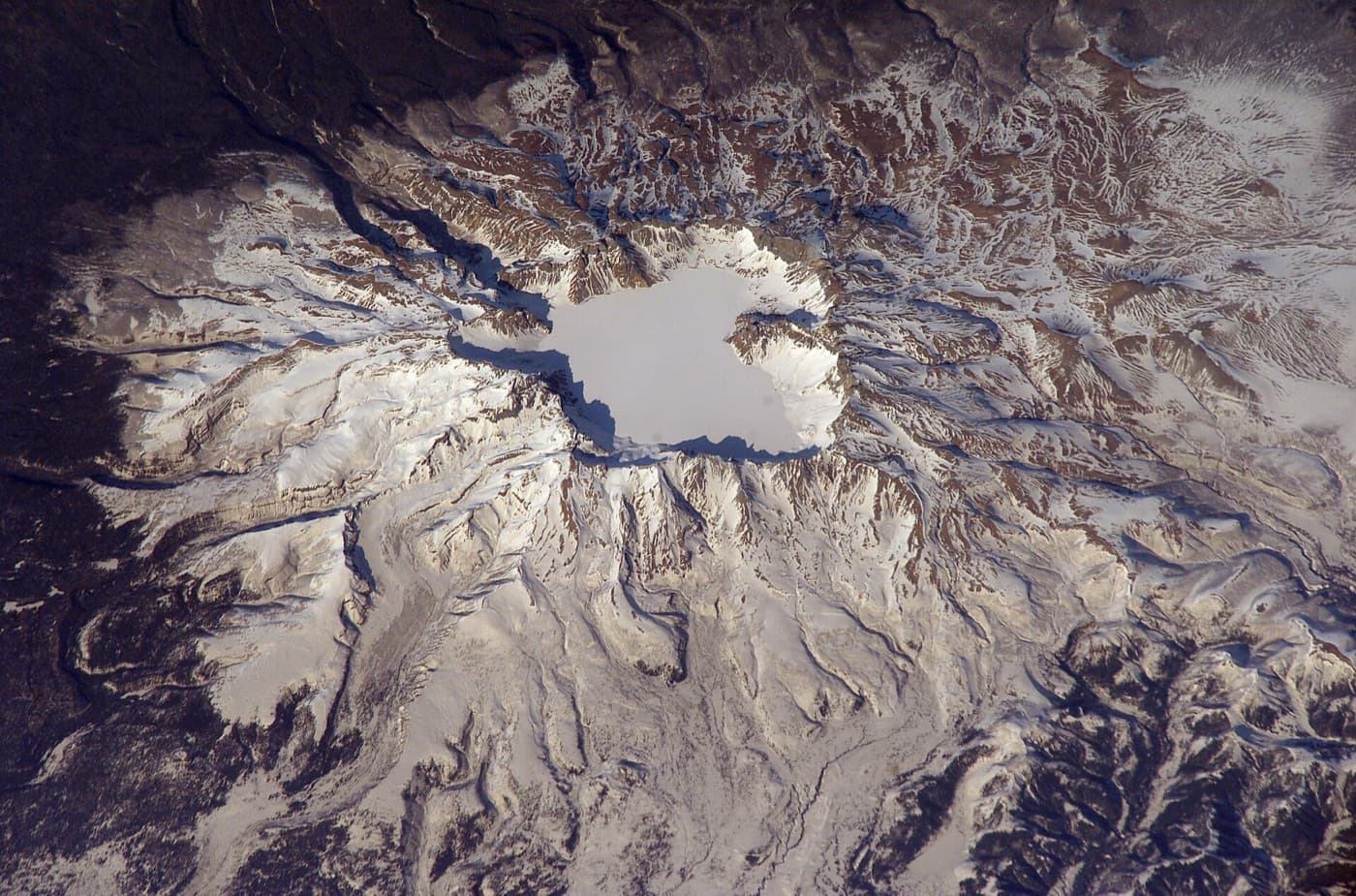
Changbai Mountain is the “First Mountain of Northeast China,” named for the white pumice and snow that cover its main peak, Baitou Peak. There are four slopes from which to approach the mountain. The east slope lies within North Korea, so only the south, north and west slopes are open to visitors. The north slope, starting from Chibei District, is the first choice of most first-time visitors. It is the most developed and has the most attractions. The west slope, starting from Songjianghe, offers its own distinctive scenery, and some people say it gives the broadest view of Heaven Lake. The south slope, starting from Changbai County, borders North Korea. It is less famous than the north and west slopes, but because it is less developed, it is more primitive and natural.
North Scenic Area admission ¥105; North Scenic Area full-price combo ticket ¥305 (admission + eco shuttle + round-trip tourist express bus). West Scenic Area admission ¥105; West Scenic Area full-price combo ticket ¥214 (admission + eco shuttle + round-trip tourist express bus) · 1–2 days
Tianwen Peak
Also known as Eagle Beak Peak, it lies northeast of Heaven Lake and takes its name from the weather station on its summit. Climbing it offers a distant view of Heaven Lake.
Tiannü Yugong Pool (Celestial Maiden Bathing Pool)
A jewel on Changbai Mountain, often called the sister lake of Heaven Lake. The water is shallow and clear, and the lakeside is lush with fragrant grass. Swifts soar across the sky, and fish swim in the shallows, making it look like a paradise on earth. Legend holds that it was the birthplace of the ancestors of the Manchu people.